
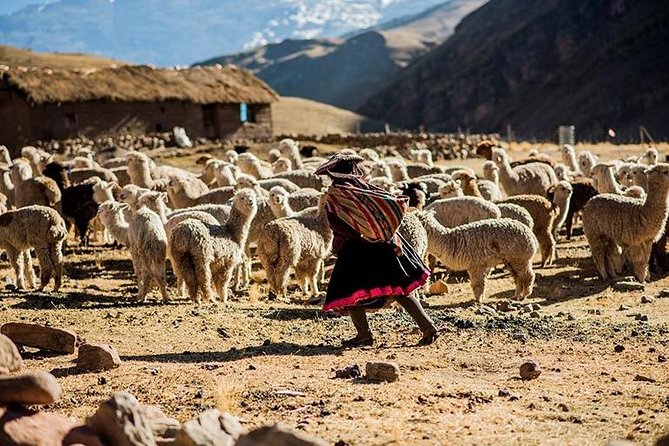
REVIEW · PERU
4-Day Lares Trek to Machu Picchu
The best thing about this four-day Lares Trek is the change of pace. Instead of joining the packed Inca Trail, you walk through quiet Andean valleys, small Quechua villages, and broad mountain country where daily life still centers on farming and herding. The route reaches almost 14,000 feet, so the scenery comes with real physical demands.
I like the mix of high-altitude hiking and local culture, especially the visit to an Andean family and the chance to see handwoven alpaca textiles. I also like the practical finish: hot springs, a comfortable hotel in Aguas Calientes, and an early guided visit to Machu Picchu. The main caution is altitude. If you struggle above 12,000 feet, this trek can be tough, and the first two days require strong fitness.
Key points to know before booking
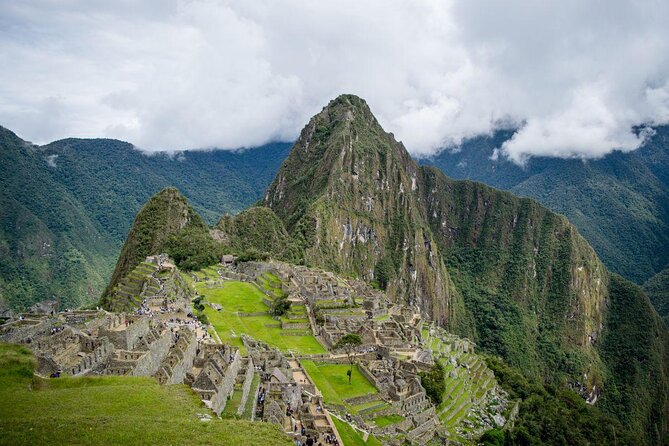
- A quieter route to Machu Picchu: The Lares trail is less crowded than the classic Inca Trail and passes through remote mountain valleys.
- A serious high point: Day 2 includes the trek’s highest pass at nearly 14,000 feet, or 4,400 meters.
- A real community visit: You’ll meet an Andean family in Cuncani and have the chance to see local textiles and farming life.
- A comfortable final night: After hiking, you stay in a hotel in Aguas Calientes rather than camping before Machu Picchu.
- Most costs are covered: Guides, meals, camping equipment, mules, transport, entrance fees, the train, and Machu Picchu buses are included.
- Good guide support matters: Assistant guides join groups of nine or more, and guide Edgar is noted for encouraging hikers who find the altitude difficult.
Why the Lares route feels different
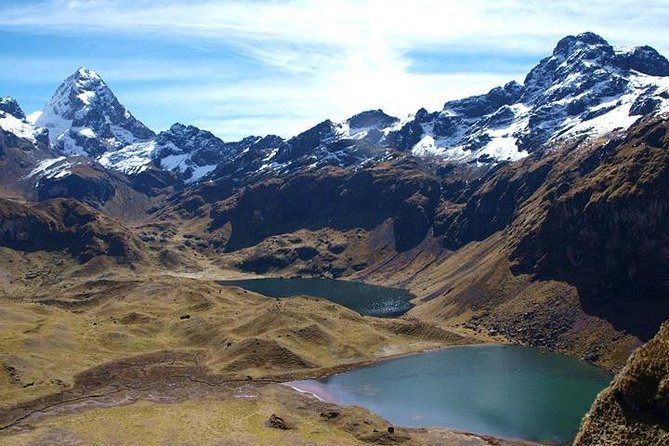
The Lares Trek is a good choice if you want Machu Picchu to be part of a wider Andean experience, not the only event on the calendar. You spend most of the first three days away from major sights and large groups. The reward is quiet scenery and more contact with mountain communities.
The route begins with a 5:00 am pickup in Cusco, which sits at about 11,152 feet. That early start helps fit in the long transfers and hiking, but it also means you should be ready the night before. Your first four hours of hiking do not include supplied water, so carry enough for that stretch.
You’ll be part of a group of no more than 15 people. That is small enough for the guide to keep an eye on the pace, while still large enough to provide company on the trail. Groups of nine or more receive an assistant guide.
The tour costs $656.42 per person. That is not a bargain-basement trek, but the price covers a lot: hotel pickup, transport to the trailhead, a professional bilingual guide, meals, a chef, mules for equipment and up to 7 kilograms of your personal items, camping gear, the Aguas Calientes hotel, the train, buses at Machu Picchu, and entrance fees. You still need to pay for a sleeping bag rental if required, tips, travel insurance, breakfast on Day 1, lunch on Day 4, and any extra Huayna Picchu or Machu Picchu Mountain ticket.
More Machu Picchu and Inca Trail Treks in Cusco:
- Salkantay Trek Challenge – 3 Days / 2 Nights
★ 5.0 · 101 reviews - Choquequirao Trek 4 days and 3 nights
★ 5.0 · 81 reviews - Machu Picchu: 5-Day Salkantay Trek with Panoramic Train
★ 5.0 · 79 reviews
Day 1: Pumahuanca and the first long climb
Your morning begins with pickup from your hotel in Cusco. Private transport carries you through the Sacred Valley, with views of snow-covered peaks and traditional Andean villages along the way.
The trek starts at Pumahuanca, at about 9,678 feet. Before setting off, your guide introduces you to the area and explains the archaeological site there. Pumahuanca gives the first day more substance than a simple walk through the hills. You see an Inca site while learning about local plants, birds, and the history of the valley.
The hiking distance is about 14 kilometers, or 8.7 miles. The important detail is the climb: you gain roughly 1,150 meters, or 3,773 feet. The trail passes through native forests and along streams, with the valley gradually narrowing as you gain height.
This is the day to watch your pace. You may feel strong at the start, but the combination of distance, uphill walking, and altitude can catch up with you. The guide’s job is especially important here. Edgar, one of the named guides associated with this experience, is noted for helping a hiker who had trouble walking at higher elevations and encouraging that person to reach the top.
You camp at Puyoc. Camping equipment, a dining tent with tables and chairs, a four-person tent for every two hikers, and an inflatable Therm-a-Rest mattress are included. Mules carry cooking and camping equipment, along with up to 7 kilograms of your personal belongings. You still need a daypack for water, rain gear, warm clothing, medication, and other items you want during the walk.
Day 2: The 14,000-foot pass and Yanacocha
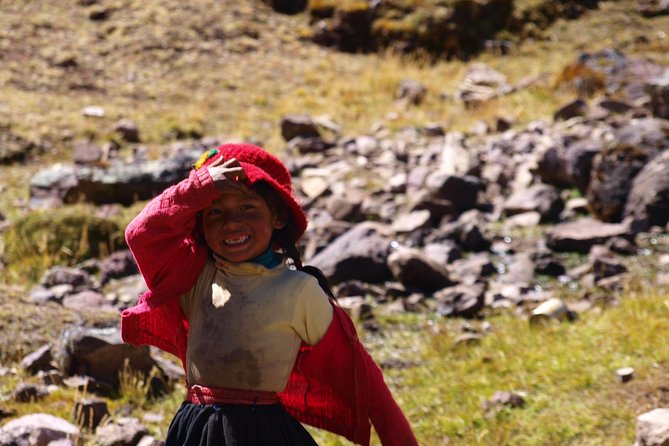
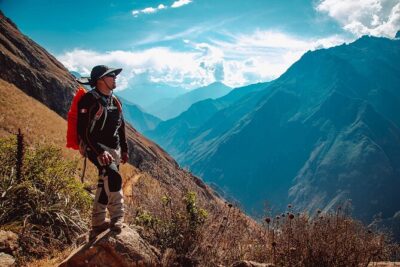
Day 2 is the scenic high point of the trek, both literally and visually. From the high campsite at Puyoc, you hike about 13 kilometers, or 8 miles, toward Cuncani at roughly 12,795 feet.
The day begins with another two-hour climb to the highest pass. At nearly 14,000 feet, or 4,400 meters, this is not a casual hill walk. The views open onto snow-covered peaks and remote valleys, but thin air can make every step feel slower. I would treat this as the day that determines how much you enjoy the trek. Fitness helps, but careful pacing and time spent acclimatizing in Cusco matter just as much.
After the pass, the trail mostly descends. That change is welcome, though downhill walking can still be hard on knees and ankles. You pass several mountain lakes, including Yanacocha, known as Black Water Lake. Its dark surface reflects the sky and surrounding peaks, giving you one of the route’s most memorable pauses.
The scenery changes as you cross to the other side of the pass. You move from the forests and streams of the first day into more open, remote country. Small settlements and high fields show how people farm at elevations where the growing season is short and the weather can change quickly.
Cuncani is not simply a place to sleep. It helps connect the natural scenery with the people who live here. You’ll see a side of the Sacred Valley that is easy to miss on a standard sightseeing trip, where villages are reduced to quick photo stops.
Day 3: Cuncani, an Andean family, and Lares hot springs
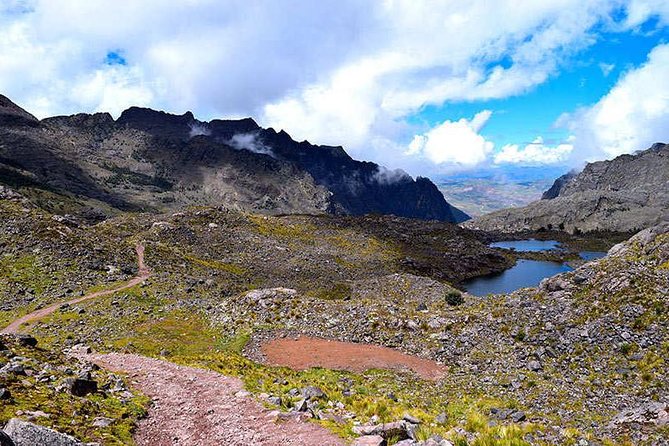
Day 3 is shorter, with about 6 kilometers of hiking, or 3.7 miles, on a gentle descent from Cuncani to the Lares hot springs. After the long first two days, the easier distance gives your legs a break.
The morning includes a visit to a local Andean family. This is one of the most personal parts of the experience. You learn about household traditions and daily life, and you can use a few Quechua phrases with the family. Small gifts are welcome, and you may browse handwoven alpaca textiles made in the area.
You’ll pass fields of quinoa and tarwi, crops that help explain how food is produced in these high valleys. The walk also offers chances to spot Andean wildlife, though sightings are not guaranteed. Keep your camera ready, but give the community visit your full attention too. The value here is not just buying a textile. It is seeing the skill and work behind it.
The trail descends to Lares at about 10,334 feet. The hot springs provide a welcome end to the hiking section, especially after two high days. You should think of the pools as a way to rest, not as a cure for altitude problems. The route’s highest point is already behind you, but you still need to stay aware of how you feel.
After Lares, the trip shifts from trekking to the Machu Picchu portion. You stay in a hotel in Aguas Calientes on Day 3, which is a real comfort after camping. The scenic train ride is another highlight, carrying you toward the town at the foot of Machu Picchu. The exact sequence of transport after the hot springs can depend on the day’s operations, so follow the guide’s timing closely.
Aguas Calientes also gives you the option to enjoy the natural hot springs before settling into your hotel. The town is built around visitors heading to Machu Picchu, so it will feel more developed and busier than the villages along the Lares route. That contrast is part of the trip: quiet mountain trails first, major archaeological site and tourism infrastructure later.
More Four-Day Trips around Cusco:
- Ancascocha Trek To Machu Picchu 4 Days And 3 Nights
★ 5.0 · 77 reviews - 4 Day Inca Trail Trek to Machu Picchu Multi day tour
★ 5.0 · 70 reviews - Salkantay Trek 4 Days to Machu Picchu by Glamping Sky Lodge Dome
★ 5.0 · 68 reviews - Salkantay Trek to Machu Picchu in 4 days
★ 4.5 · 50 reviews
Day 4: An early Machu Picchu visit
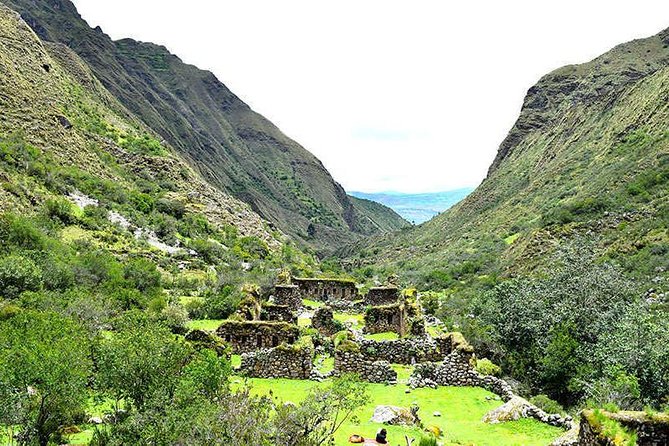
The final morning starts with breakfast and an early bus up to Machu Picchu, at about 7,972 feet. The early timing is a smart choice. It gives you a better chance to see the citadel before the day reaches its busiest period, although no schedule can make the site empty.
Your guide leads a detailed tour through the Inca citadel. You’ll see temples, ceremonial spaces, terraces, and storage structures while hearing how the site functioned and why its location mattered. A guided visit is useful here because Machu Picchu can otherwise become a series of impressive stone walls without much context.
After the guided portion, you have time to explore on your own. That balance works well. The guide gives you the story and points out the main features, then you can slow down for photographs or revisit a place that caught your attention.
Huayna Picchu and Machu Picchu Mountain are not included. If you want to climb one, you must secure the extra ticket in advance. Huayna Picchu reaches about 8,924 feet, while Machu Picchu Mountain rises to about 10,111 feet. Do not assume you can add either one at the last minute.
After the visit, you return by bus to Aguas Calientes and continue by train and ground transport toward Cusco. Lunch on Day 4 is not included, so budget for that meal. The return journey also means the final day is not finished when you leave the ruins.
Meals, camping, and what the price covers
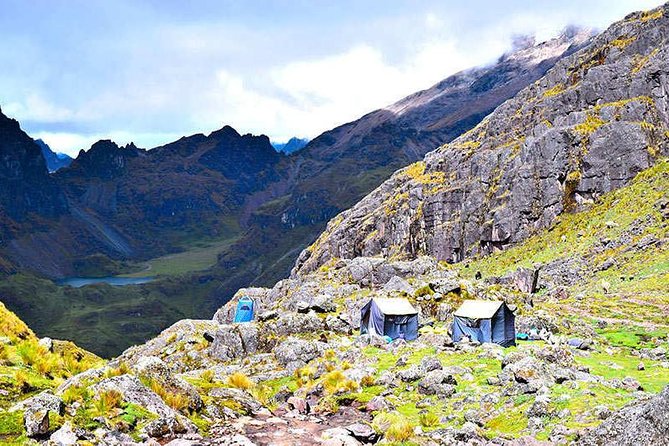
The package includes three breakfasts, three lunches, and three dinners, along with three afternoon snacks. A chef prepares the trail meals, and a dining tent with tables and chairs gives you a proper place to eat at camp.
Vegetarian meals are available at no extra cost, but you must request them when booking. State any dietary needs clearly and remind both the guide and cook on the trail. The operator does not accept bookings from people with life-threatening allergies, so this trek is not suitable if a severe food allergy requires strict emergency control.
Water is supplied except during the first four hours of the trek. Bring your own supply for that opening stretch. A sleeping bag is not included, though one can be hired. The package does include a mattress, tent, cooking gear, first-aid kit, and oxygen bottle.
That equipment list makes the $656.42 price easier to judge. You are paying for a guided, supported trek rather than simply a route and a campsite. The included hotel night and train also remove several costs and planning tasks from the final section of the journey.
Fitness, altitude, and packing advice
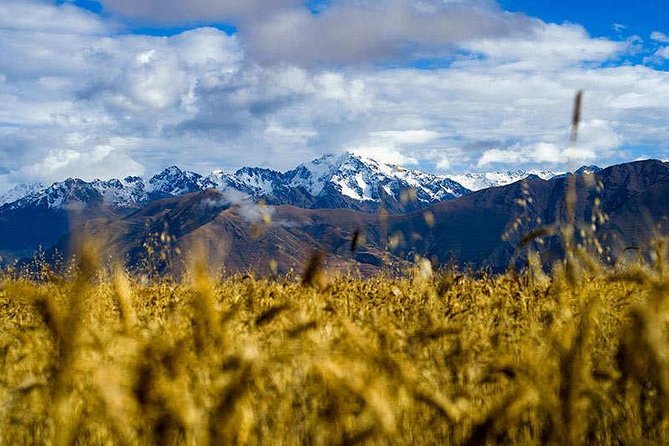
You need a strong level of physical fitness. The steep gain on Day 1 and the high pass on Day 2 are the main tests. The shortest hiking day comes after those demanding sections, so you cannot count on an easy start.
Spend time acclimatizing in Cusco before the trek if your schedule allows. The tour begins at high elevation, and the highest campsite and pass go much higher. Walk slowly, drink regularly, and tell your guide early if you feel unwell. A guide can adjust encouragement and pacing, but you are responsible for being honest about your condition.
Pack walking boots, a waterproof jacket or rain poncho, a warm jacket, gloves, a hat, comfortable trousers, sunscreen of at least SPF 35, insect repellent, toiletries, hand sanitizer, personal medication, and a torch with spare batteries. Weather can shift quickly in the mountains, so warm and waterproof layers matter more than stylish clothing.
Bring your original passport. If you are using a student discount, carry your ISIC card. You must provide your full name, nationality, passport number, and date of birth when booking. The minimum age is six, but the fitness demands mean age alone should not determine whether a child joins.
Pickup is offered, and the start time is 5:00 am. Confirmation is provided at booking, and the activity accepts mobile tickets. The experience is non-refundable and cannot be changed after booking, so make sure your health, dates, and passport details are settled first. Travel insurance is strongly recommended.
Who should book the Lares Trek?
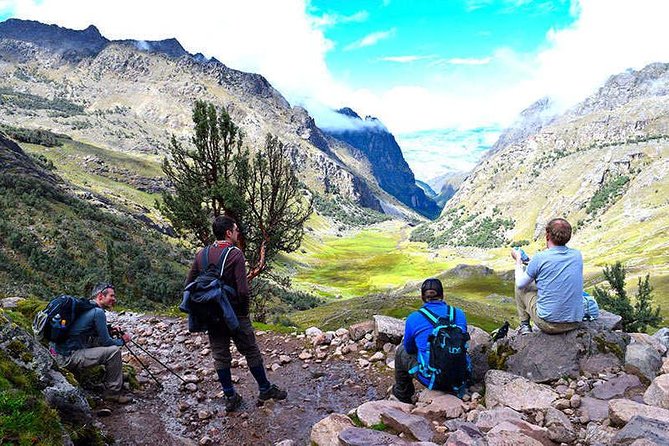
I would choose this trek if you want quiet mountain walking, local community contact, and Machu Picchu in one trip. It suits hikers who are comfortable with high altitude and who prefer a less crowded route to the famous ruins.
It is also a good fit if you want support. Meals, mules, camping gear, a cook, guides, transfers, train travel, and the Aguas Calientes hotel are arranged for you. You still hike under your own power, but you do not need to carry all your equipment or solve every transport connection yourself.
I would hesitate if your main goal is a relaxed holiday. The first two days are long and high, and the 5:00 am start is demanding. I would also avoid booking if you need a flexible cancellation policy, since the cost is non-refundable and changes are not allowed.
Should you book this Lares Trek?
Book it if the idea of crossing a high pass, seeing Quechua villages, visiting an Andean family, and ending at Machu Picchu sounds better than following the busiest route. The strongest parts are the remote scenery, the cultural visit, and the practical comfort of hot springs and a hotel after the hiking.
Skip it if you are not ready for 14,000-foot conditions or a serious first day on the trail. For prepared hikers, the $656.42 price offers solid value because so much is included, and the route gives you more than a quick approach to Machu Picchu. It gives you four days of Andean life, effort, and scenery before the big archaeological finale.
FAQ
How long is the Lares Trek?
The experience lasts approximately four days. Hiking distances include about 14 kilometers on Day 1, 13 kilometers on Day 2, and 6 kilometers on Day 3. Day 4 focuses on Machu Picchu.
What is the highest point on the trek?
The route reaches nearly 14,000 feet, or 4,400 meters, at the highest pass on Day 2.
Is hotel pickup included?
Yes. Pickup from your hotel in Cusco and transport to the start of the trail are included. The meeting time is 5:00 am.
Is Machu Picchu admission included?
Yes. Entrance to Machu Picchu and round-trip bus transport between Aguas Calientes and the citadel are included.
Is the train to Aguas Calientes included?
Yes. Return transportation by train and bus to Cusco is included, along with a hotel in Aguas Calientes on Day 3.
Are meals included?
Three breakfasts, three lunches, three dinners, and three afternoon snacks are included. Breakfast on Day 1 and lunch on Day 4 are not included.
Can I request vegetarian meals?
Yes. Vegetarian meals are available at no extra cost. You must request them when booking and advise the operator about any special dietary requirements.
Is Huayna Picchu included?
No. Entrance to Huayna Picchu is not included. You need to secure an additional ticket in advance if you want to climb it.
Just added around Cusco
- Small Group: 4-Day Inca Trail Trek to Machu Picchu★ 5.0 · 33 reviews
- Classic Choquequirao Trek – 5 Days / 4 Nights★ 5.0 · 52 reviews
- 5-Day: Salkantay Trek to Machupicchu and Humantay Lake★ 5.0 · 42 reviews
- Salkantay Trek Standard 5D/4N★ 5.0 · 48 reviews
- Salkantay Trek To Machu Picchu 5 Days And 4 Nights★ 5.0 · 44 reviews
- 5 Day – Salkantay trek to Machu Picchu – Group Service★ 4.5 · 27 reviews
- Salkantay 5-Day Trek To Machu Picchu★ 5.0 · 39 reviews
- Salkantay Trek: 5 Days to Machu Picchu★ 5.0 · 33 reviews
Machu Picchu & Inca Trail Treks, side by side.
Machu Picchu: 5-Day Salkantay Trek with Panoramic Train
Read our review →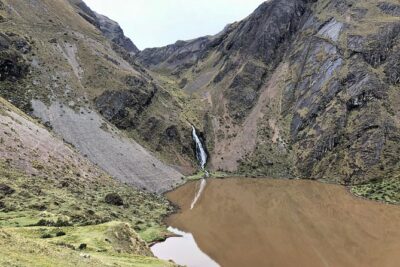
Ancascocha Trek To Machu Picchu 4 Days And 3 Nights
Read our review →
4 Day Inca Trail Trek to Machu Picchu Multi day tour
Read our review →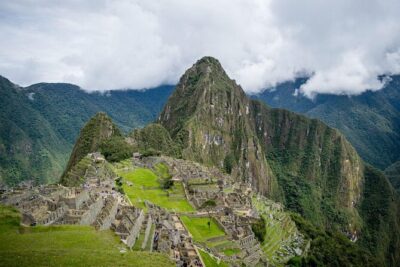
Salkantay Trek 4 Days to Machu Picchu by Glamping Sky Lodge Dome
Read our review →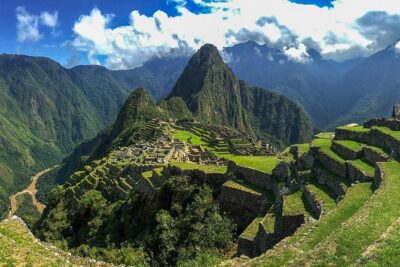
This walk also sits in