
REVIEW · USA
Hilo: Waterfall Hike and Swim with Native Hawaiian
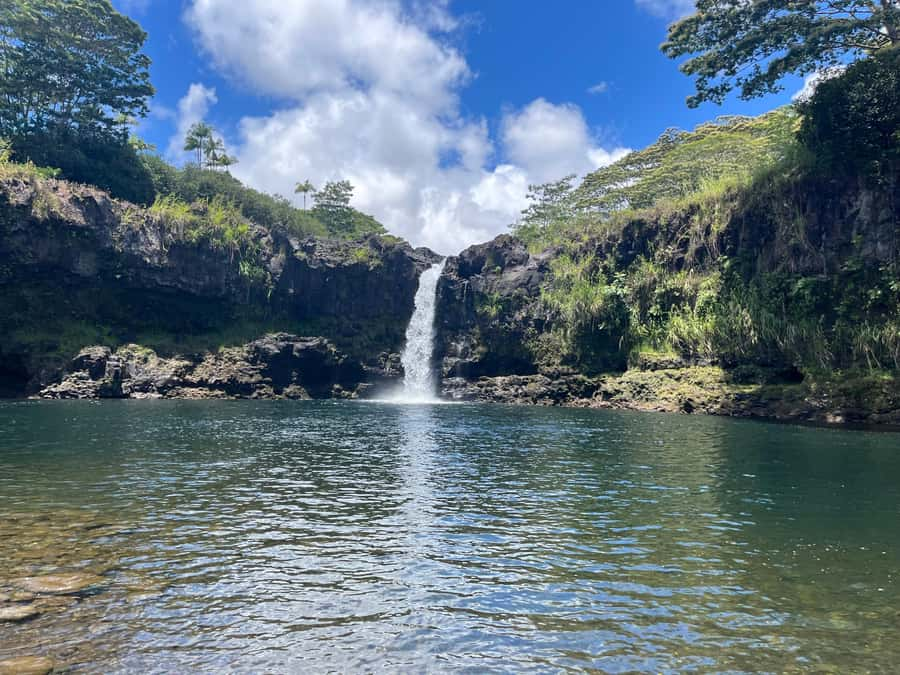
Hilo’s waterfalls are only part of this four-hour outing. The real point is the connection between water, place, and Hawaiian culture, led by Christian, a guide who speaks Hawaiian and brings local history into the forest. You visit Waiānuenue, Peʻepeʻe, Waiāle, and Waiālima, then swim at Waiāle if conditions suit you.
I like two things right away: the small group, limited to six, keeps the walk personal, and the tour goes beyond scenery with Hawaiian language, cultural practice, plants, animals, and stories tied to Hilo. The drawback is clear: this is not an easy stroll. Steep sections, wet rocks, deep water, and rougher trail work call for sturdy shoes and good mobility.
Key points to know before booking
- Christian is the heart of the experience: He guides in English, speaks Hawaiian, and explains the area’s history, culture, food, and connection to water.
- Four waterfalls fit into one outing: The route includes Waiānuenue, Peʻepeʻe, Waiāle, and Waiālima.
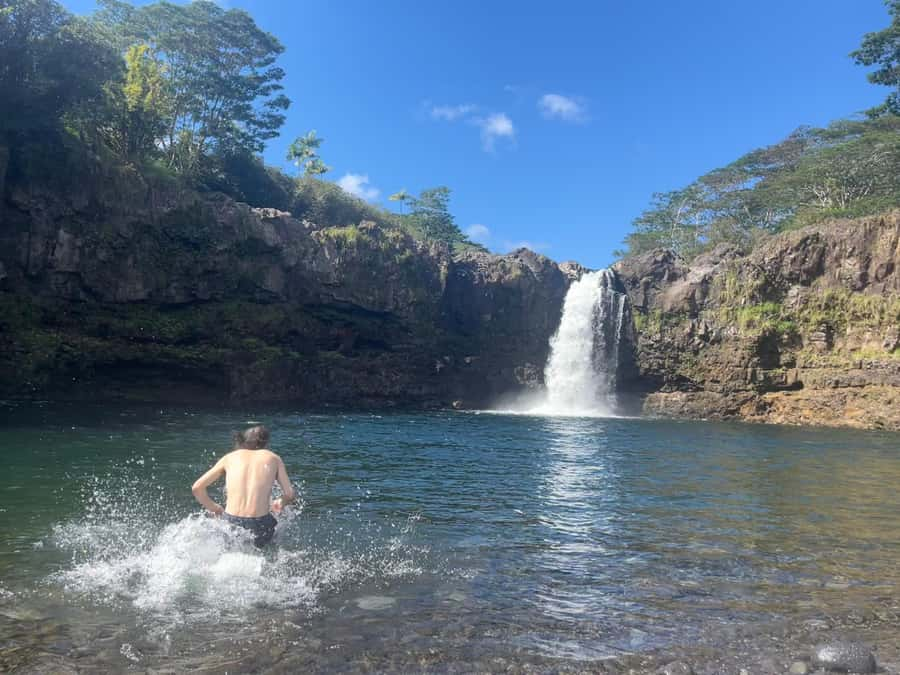
- Waiāle is the swimming stop: You may enter the cool water near the falls, so bring swimwear and a towel.
- Two alawai trails show different sides of Hilo: One reaches the base of Waiāle, while the other follows a forested ridge toward Waiālima.
- The terrain needs respect: Expect wet conditions, steep ground, rock scrambling, and some deep pools.
- You meet at the King Kamehameha statue: Hotel pickup and drop-off are not included.
A waterfall tour built around water and place
Many Hilo waterfall outings focus on taking photographs, walking to a viewpoint, and moving on. This one gives the water a larger meaning. The tour presents the waterfalls, streams, plants, animals, and surrounding forest as part of a connected Hawaiian world.
That focus makes the outing a good match for you if you want more than a scenic walk. Christian explains the Hawaiian language and local traditions while you move through the area. You also witness Hawaiian cultural practice and hear stories tied to the region, so the route becomes a lesson in place rather than a simple series of stops.
The experience begins at the King Kamehameha statue, a central meeting point in Hilo. Since transportation is not provided, you need to arrange your own way there. Allow enough time to arrive ready for a wet hike, rather than treating the meeting point as an afterthought.
The group size matters. With no more than six people, Christian can keep the pace and explanations more personal than on a large bus excursion. It also makes sense for a route that includes uneven ground and a swimming stop, where a guide needs to pay attention to each person.
More Waterfall Hikes in the USA
- Small Group Waterfall and Rainforest Hiking Adventure on Maui
★ 5.0 · 1,417 reviews - Blue Ridge Parkway Waterfalls Hiking Tour from Asheville
★ 5.0 · 593 reviews - Guided forest hike to Seattle waterfalls incl. Snoqualmie Falls
★ 5.0 · 589 reviews
Following two alawai trails through Hilo
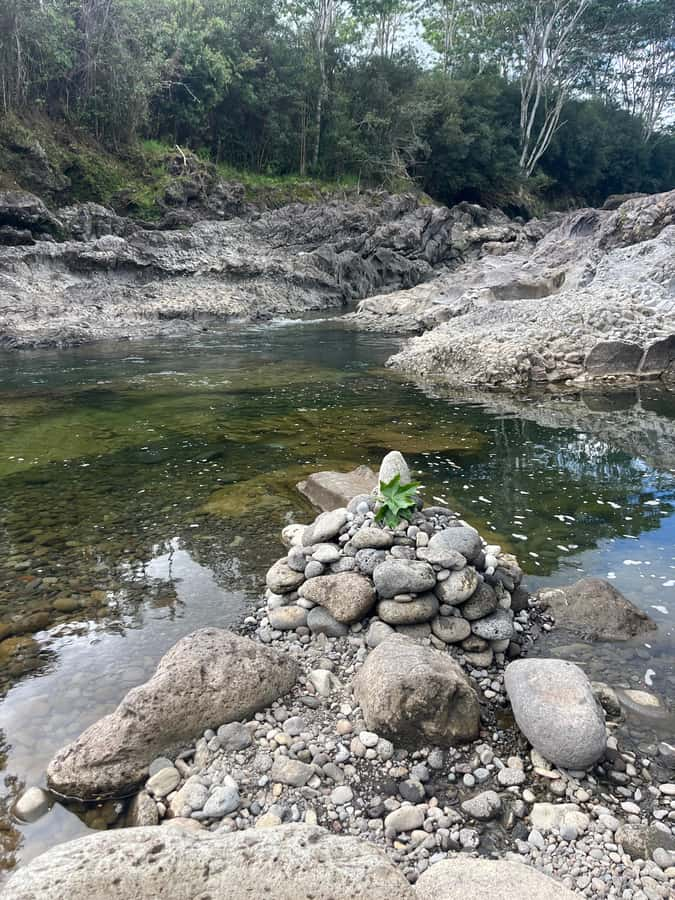
The route uses two alawai trails, with each one offering a different view of the waterfall country. One trail heads toward the base of Waiāle. The other crosses a forested ridge above the falls and leads toward Waiālima.
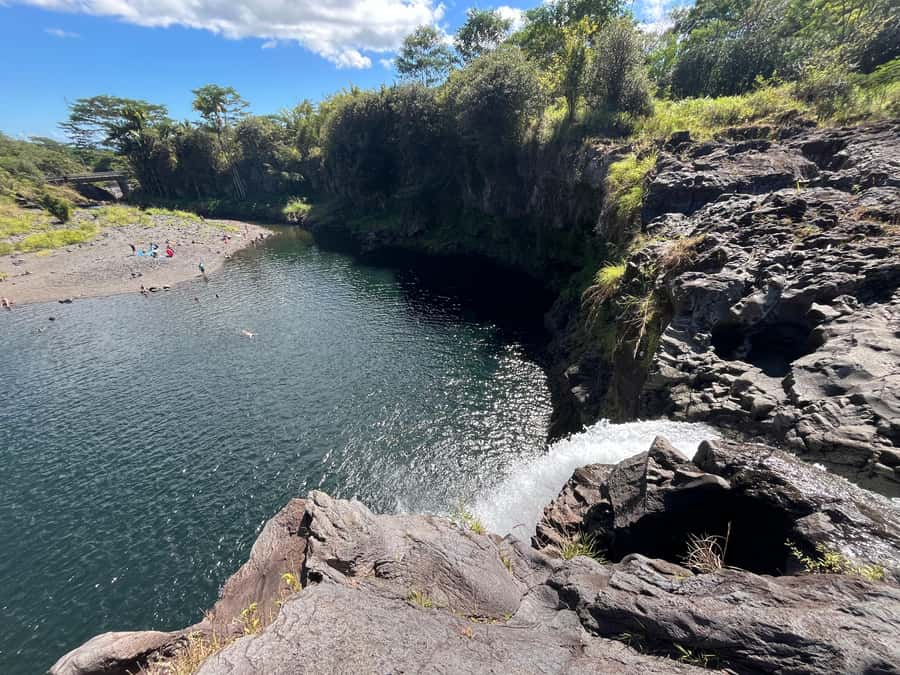
The first route includes a stone-beached island at the base of Waiāle. That detail gives the stop a sense of place beyond a standard waterfall lookout. You are close to the falling water and the river system, rather than simply viewing it from a distant platform.
The second trail provides a change of pace. It passes through the forested ridge above and continues toward Waiālima. The higher route also brings the more demanding footing. You may need to handle steeper ground, rocks, and wet surfaces, so sturdy waterproof footwear is not optional advice here.
The route is described as moderate physical activity, but that label deserves a practical reading. One person lost glasses near the waterfall after misjudging the depth of the water, and the walk included steep and technical sections. If back or knee trouble limits your mobility, this outing is a poor fit. Children under five cannot join.
What each waterfall adds to the outing
The tour includes visits to Waiānuenue, Peʻepeʻe, Waiāle, and Waiālima. The available details do not promise the same type of stop at each waterfall, so you should think of them as a connected route rather than four separate swimming spots.
Waiānuenue and Peʻepeʻe help set the scene for Hilo’s waterfall country. Their place in the tour gives Christian room to explain how the streams and surrounding plant life fit into the wider river system. The value here is the interpretation. You are not just collecting waterfall names, you are learning to notice how water shapes the area.
Waiāle is the main swimming stop. The water is described as refreshing, but you should be ready for depth and uneven footing near the falls. Swimming is an opportunity, not a promise that every person must enter the water. If you are not a confident swimmer, you can still take part in the walk and cultural side of the experience, but the water portion may not be the highlight for you.
Waiālima comes via the forested ridge trail. Reaching it adds variety to the outing, though it also reinforces the need for balance and careful steps. The route is not built around an easy paved path.
Conditions can affect how the water and trail feel on the day. The tour specifically warns you to expect wet conditions. Bring a waterproof bag for electronics, and do not assume a normal daypack will protect phones or cameras.
Swimming at Waiāle
The swim is one of the clearest reasons to choose this tour over a waterfall walk that stops at viewpoints. Waiāle offers a chance to cool off in the water and experience the falls at a more immediate level.
Pack swimwear and a towel. You should also wear shoes that can handle wet ground, because the approach and the area around the water are part of the hike. Flip-flops are a poor choice for steep or rocky footing.
The water may be deeper than you expect. A practical tip is to secure glasses, phones, watches, and other loose items before getting close to the pool. Use the waterproof bag for electronics, and keep anything valuable firmly stored.
You should also follow the guide’s direction closely around the water. Do not treat the swim as a private pool visit. The rocks, depth, and flow require care, and the tour includes a cultural respect for the place as well as a recreational stop.
Same trailheads, a different kind of day:
- Lower Antelope Canyon Hiking Tour
★ 5.0 · 6,216 reviews - Boston Freedom Trail Walking Tour with Costumed Guide
★ 4.5 · 2,531 reviews - Multnomah Falls and Columbia River Gorge Half-Day Hiking Tour
★ 5.0 · 2,108 reviews - San Francisco: Yosemite National Park & Giant Sequoias Hike
★ 4.5 · 1,777 reviews
Hawaiian language, food, and cultural practice
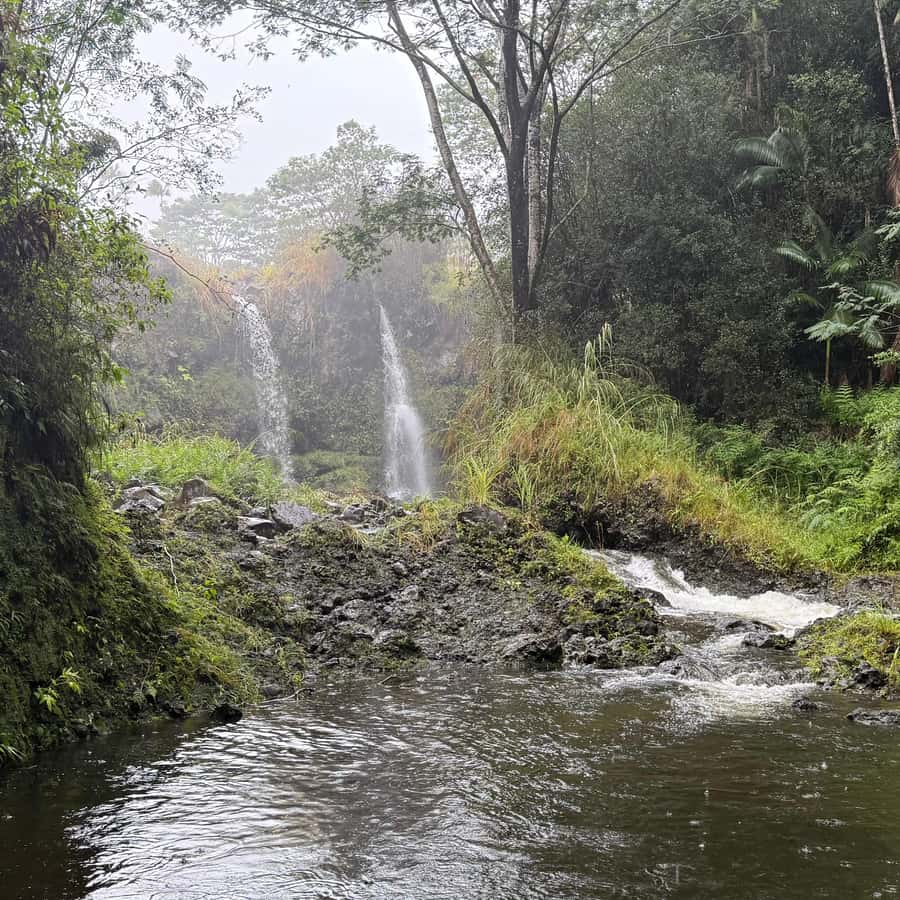
Christian’s role gives this tour its strongest point of difference. He guides in English but also speaks Hawaiian, allowing you to hear the language in the setting where the place names and traditions belong.
The cultural material is not a short add-on at the end. It is tied to the water, the trails, the plants, the animals, and the history of the Hilo area. You hear about the meaning of wai, or water, and witness Hawaiian cultural practice during the outing.
The tour also includes wai, hua ʻai, or fruit, and a lei. Those inclusions give the day a welcoming, hands-on quality. You are not simply listening to a talk while walking. The food and garland connect the experience to Hawaiian hospitality and customary practice.
Christian’s explanations cover Hawaiian history, culture, food, and mana. That last idea is difficult to reduce to one English word, but in this setting it points to the spiritual force and presence associated with people and places. His approach is especially useful if you want to understand why the waterfalls matter, not just how to reach them.
You should arrive with respect for the setting. Smoking, littering, and touching plants are not allowed. Those rules are simple, but they matter on a route where the forest and water are treated as part of a living cultural place.
How much value do you get for $150?
At $150 per person, this is not the cheapest way to see a Hilo waterfall. It is also not priced like a basic self-guided walk. You are paying for four hours with a small group, a guide, cultural interpretation, access to several waterfall areas, and the chance to swim at Waiāle.
I see the price as reasonable if you value the guide’s role. Christian’s fluency in Hawaiian and his focus on history and cultural practice are the parts you cannot easily reproduce with a map and a rental car. The group limit of six also matters. You get more personal attention and less of the stop-and-go feeling common on large tours.
The value is weaker if your only goal is a quick waterfall photograph. In that case, you may not need four hours of interpretation or a physically demanding route. You also need to provide your own transport, food, drinks, towel, and suitable footwear.
The tour includes fruit, wai, and a lei, but it does not include a full meal. Bring what you need for the morning or afternoon, especially if you are prone to getting hungry after physical activity.
Who should book this Hilo waterfall hike?
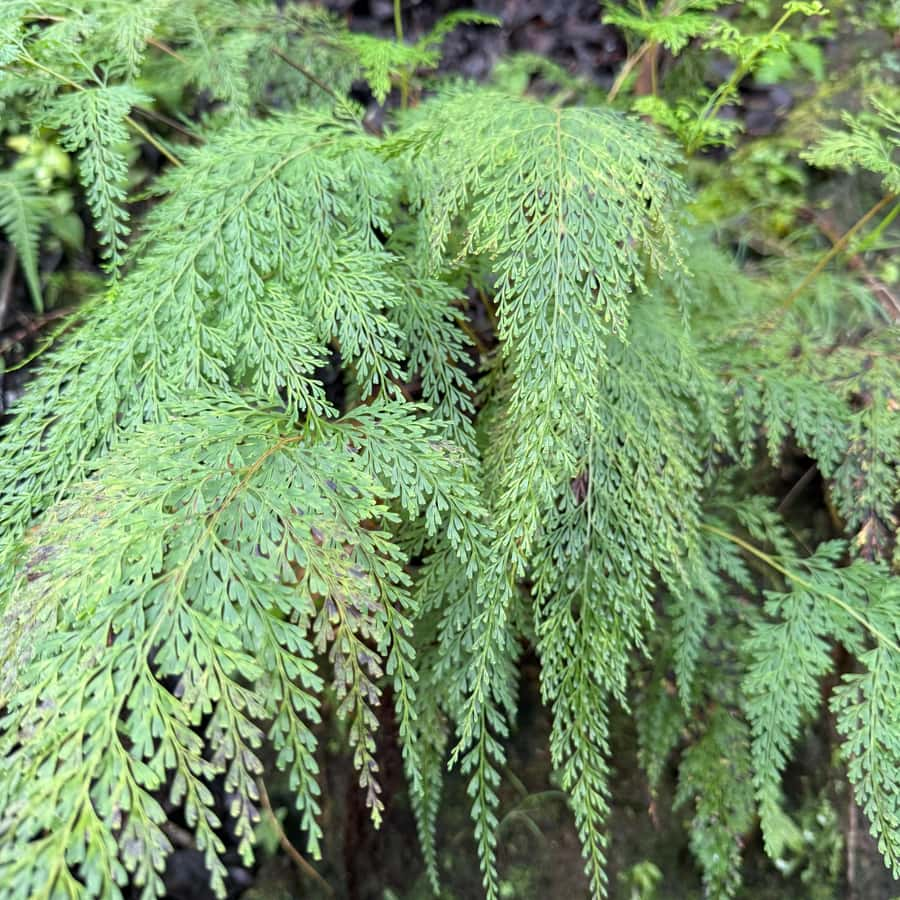
I would recommend it to active adults, couples, solo visitors, and families with older children who want a cultural experience built around nature. It suits you particularly well if you enjoy asking questions, listening to local stories, and learning why a place matters.
It is also a strong choice if you have already seen Hilo’s more obvious sights and want a closer look at its waterfalls and forest routes. The swimming stop adds a physical reward, while the Hawaiian language and cultural elements give the outing more substance.
You should think twice if you have back or knee problems, limited balance, or discomfort on steep and wet trails. The route can be more technical than the phrase waterfall hike might suggest. It includes rocks, forest paths, climbing over uneven areas, and water that may be deeper than expected.
This is also not a good fit if you want complete independence. Christian’s guidance is part of the experience, and the route calls for careful attention to conditions and the natural setting. Smoking, littering, and touching plants are not permitted.
What to bring and how to prepare
Use the packing list as a safety checklist rather than a suggestion.
- Sturdy, waterproof footwear
- Swimwear
- Towel
- Waterproof bag for electronics
- Food and drinks, since they are not included
Wear clothes that can handle getting wet. Keep phones, glasses, and other small items secured before approaching the swimming area. You should also expect your footwear and lower clothing to get damp even if you decide not to swim.
The cancellation policy gives you flexibility: you can cancel up to 24 hours before the activity for a full refund. You can also reserve now and pay later. Starting times vary, so check availability when booking.
Final call: book it if culture matters as much as waterfalls
Book this tour if you want Hilo’s waterfalls explained through Hawaiian language, history, cultural practice, and respect for the natural world. Christian is the main reason to choose it, while the small group and Waiāle swim make the outing feel personal and active.
Skip it if you need an easy path, hotel pickup, or a short sightseeing stop. For a fit visitor who can handle wet and uneven terrain, this $150 experience offers more than four waterfall visits. It gives you a guided way to listen to the place, learn its names, and understand why water carries such weight in Hawaiian culture.
FAQ
Where does the Hilo waterfall tour meet?
The meeting point is the Statue of King Kamehameha in Hilo.
Is hotel pickup included?
No. Hotel pickup and drop-off are not included.
How long does the experience last?
The activity lasts four hours.
Which waterfalls does the tour visit?
The tour includes Waiānuenue, Peʻepeʻe, Waiāle, and Waiālima waterfalls.
Can I swim during the tour?
Yes. The tour includes an opportunity to swim at Waiāle Falls.
What should I bring?
Bring comfortable, sturdy waterproof shoes, swimwear, a towel, and a waterproof bag for electronics.
Is the tour suitable for young children?
Children under five are not permitted to join.
Can I cancel for a refund?
Yes. You can cancel up to 24 hours in advance for a full refund.
Just added around the USA
- Private Grand Canyon Full Day Hike★ 5.0 · 53 reviews
- Private Grand Canyon Hike and Sightseeing Tour★ 5.0 · 132 reviews
- Angel Rocks Hike and Chena Hot-Springs Soak Guided Tour★ 4.5 · 13 reviews
- Snowshoe Hike to Castner Glacier Ice Cave★ 5.0 · 35 reviews
- Rocky Mountain Full Day Private Tour & Hike★ 5.0 · 8 reviews
- Rocky Mountain National Park Half Day Hike★ 5.0 · 14 reviews
- Rocky Mountain National Park – Private Hiking Tour★ 5.0 · 17 reviews
- Sunset Hiking Tour in the Rocky Mountains near Denver★ 5.0 · 39 reviews
Waterfall Hikes, side by side.

Ourika Valley Trip with Waterfall Hike & Lunch
Read our review →ourika valley lunch & guided hike to waterfalls
Read our review →
Ouzoud Waterfalls Guided Hike and Boat Trip from Marrakech
Read our review →Ouzoud Waterfalls Trip with Hike & Boat Option
Read our review →
Small Group Waterfall and Rainforest Hiking Adventure on Maui
Read our review →
Glacier Hike, Waterfalls and Black Sand Beach
Read our review →This walk also sits in