
REVIEW · USA
Kilauea: Volcanoes National Park Guided Hike
The most unusual part of this Kīlauea hike is the way current volcano science can become part of the walk. Your guide may pull out eruption charts, show tilt-meter data, or adjust the meeting time if Kīlauea suddenly becomes active. Jennifer and Yvonne bring more than a script, and that matters in a park where conditions can change quickly.
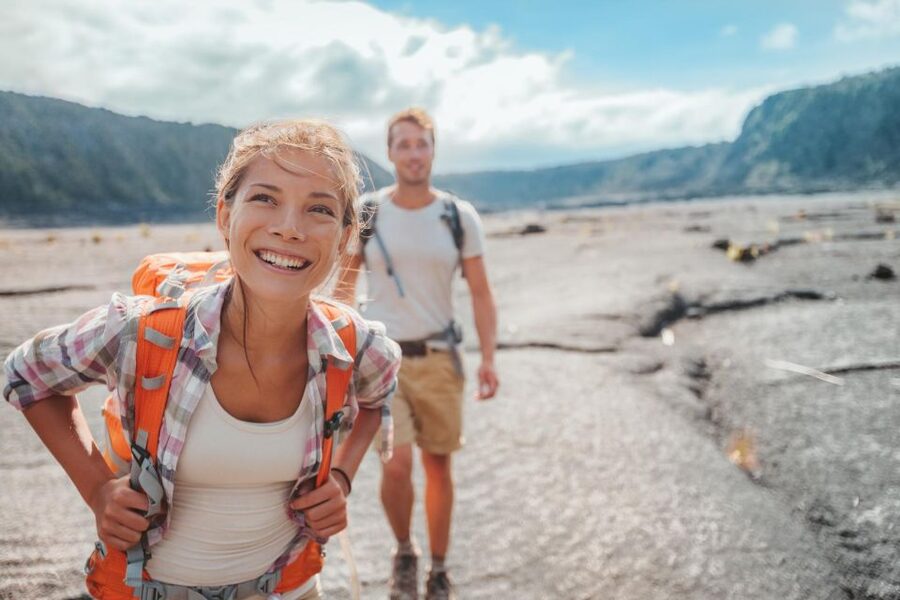
I like the small groups, capped at 10, and the mix of native rainforest, volcanic ground, and a hardened lava lake. I also like the practical touches: snacks, backpacks, trekking poles, extra rain gear, and no shared van ride with strangers. The main drawback is simple: lava is never guaranteed, and the hike takes place rain or shine.
Key points at a glance
- A four-mile loop around Kīlauea: Expect about three hours on foot, with gentle sections and some uphill walking.
- Guides who follow the volcano closely: Jennifer and Yvonne explain eruptions, earthquakes, steam vents, plants, animals, and Hawaiian traditions.
- Real-time volcanic updates: The route and timing may be adjusted when Kīlauea activity changes.
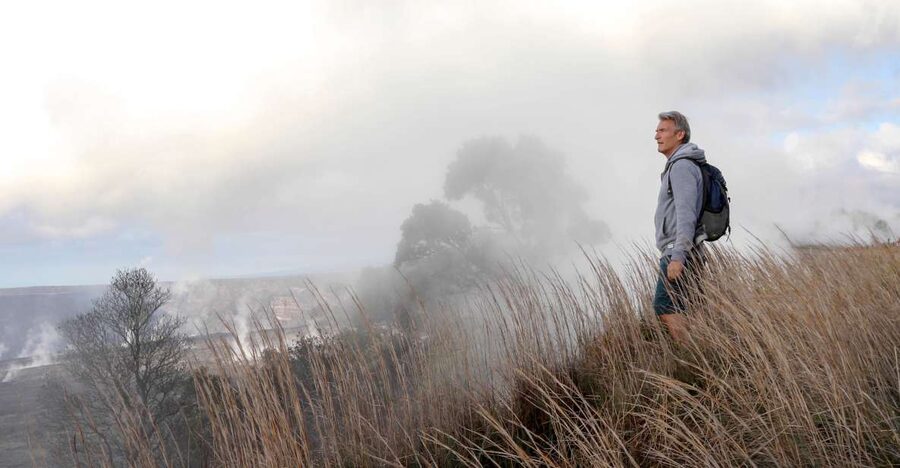
- Rainforest and lava country in one outing: You move from native Hawaiian forest to stark volcanic ground and caldera views.
- Useful gear included: Backpacks, trekking poles, and a healthy snack are provided.
- Convenient finish: The walk ends at Volcano House, with the option to stop for food or a drink overlooking the caldera.
Why this Kīlauea walk is different
Many visits to Hawaiʻi Volcanoes National Park involve driving from viewpoint to viewpoint, reading a sign, taking a photo, and moving on. This outing slows the park down. You walk through it with someone who can explain why the ground looks the way it does, which plants belong here, and how Hawaiian culture understands the volcano.
The guide-led format is especially useful at Kīlauea because the scenery can be subtle. A field of dark lava may look empty at first, while a rainforest may seem like ordinary jungle. A trained guide connects those scenes to eruptions, soil, weather, native species, and human history.
You meet at the Kīlauea Visitor Center, then set out on a four-mile loop. The exact order of sights can vary with conditions and volcanic activity, but the central experience remains a walk through native Hawaiian forest and around a hardened lava lake.
This is not a bus tour with a short stroll attached. It is a moderate hike, though the supplied descriptions call the route comfortable and light overall. One section uphill can require more effort, and uneven volcanic ground is a reason to wear proper hiking shoes rather than casual sandals.
More Guided Day Hikes in the USA
- Multnomah Falls and Columbia River Gorge Half-Day Hiking Tour
★ 5.0 · 2,108 reviews - Valley of Fire Guided Hike from Las Vegas
★ 5.0 · 1,611 reviews - Wailua River Kayak and Sacred Falls Guided Hike with Lunch
★ 5.0 · 783 reviews
From native rainforest to hardened lava
The forest portion gives you a useful introduction to the park’s living side. Your guide points out native plants, local wildlife, and invasive species that compete with the original ecosystem. Hawaiian chickens may appear along the way, and the walk provides chances to notice small details you could easily miss on your own.
Rain is part of the setting, not an unusual interruption. The park’s wet conditions help create the rainforest microclimate, but they also mean you should bring rain gear even if the morning begins clear. The tour runs rain or shine, so a lightweight waterproof layer is a sensible part of your packing list.
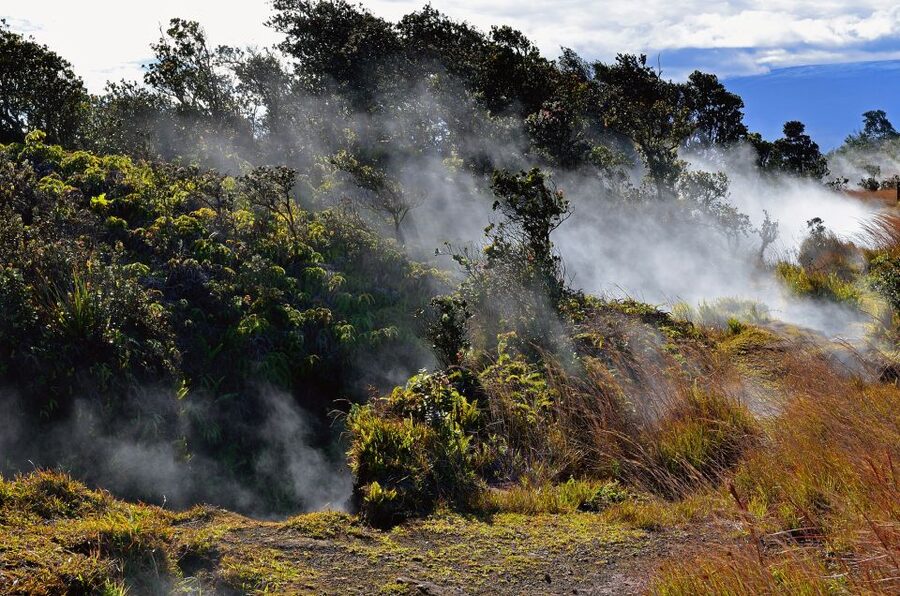
As the route reaches volcanic ground, the mood changes. The forest gives way to lava formations, steam vents, open views, and the hardened remains of earlier activity. A guide can explain how an eruption changes the surface, where heat and gases appear, and why vegetation returns at different speeds.
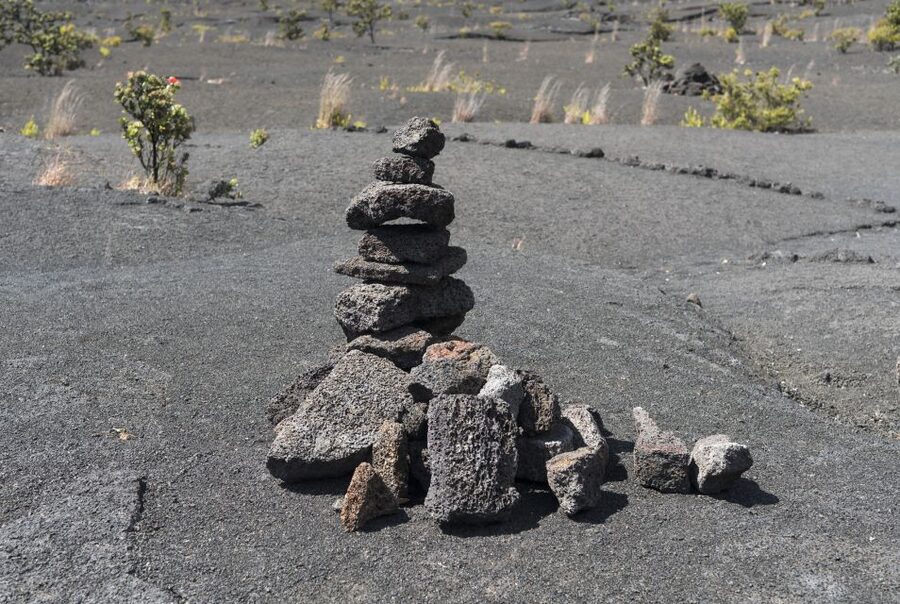
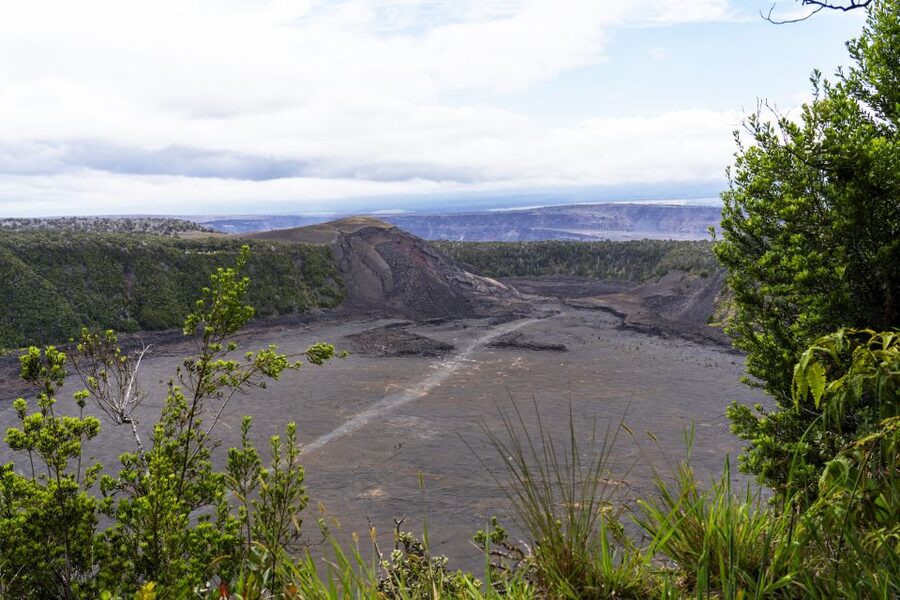
The hardened lava lake is one of the walk’s key sights. It offers a direct look at how molten rock can cool into a broad, solid surface. You may also walk into or around the caldera area, depending on the route and current park conditions. Do not expect every outing to look the same. Kīlauea’s activity, weather, and safety rules can affect what is open and what you see.
What Jennifer and Yvonne add to the hike
The strongest part of this experience is the guiding. Jennifer is described as a local guide with a strong grasp of Kīlauea’s geology, Hawaiian plants, wildlife, legends, and cultural traditions. She has also shared images and videos from recent eruptions, helped visitors find good viewing areas, and provided a telescope during active lava viewing.
Yvonne brings a similar science-focused approach. She has been working toward a degree in volcanology and has used charts and data to explain eruption trends. That is a useful distinction from a guide who simply points out a crater and repeats a few facts.
You can ask questions as you walk, rather than saving them for a short stop. Topics have included earthquakes, steam vents, invasive trees, native plants, Hawaiian views of Pele and the volcano, and the geological story beneath the trail.
The guides also appear willing to adjust the experience to the group. One outing became a longer route for a small private party, while other tours included extra photo stops or an additional park sight. You should not assume that every booking includes a longer hike, but the small-group format makes it easier to discuss your interests before setting out.
Lava viewing is possible, but never promised
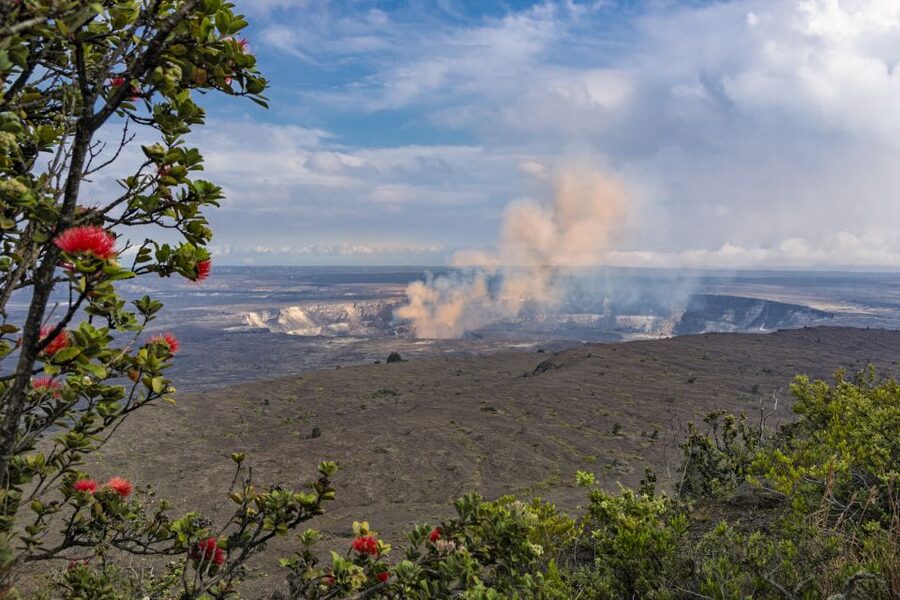
Kīlauea’s active lava is the thrilling possibility here, not a guaranteed feature. The tour information is clear that lava viewing depends on weather and the volcano’s activity. A quiet day may offer caldera views, volcanic features, and excellent interpretation without visible molten rock.
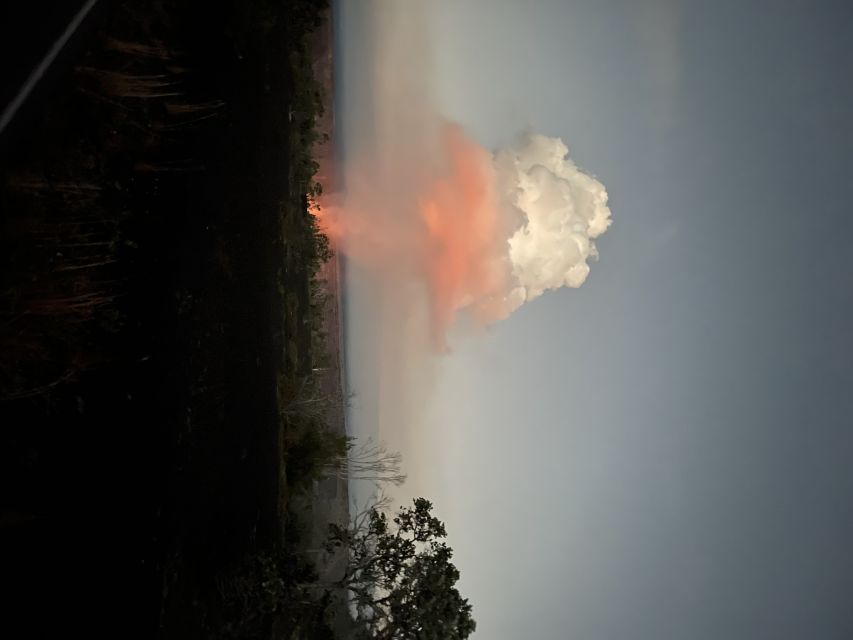
When activity does occur, timing can matter. A guide may contact you about starting earlier, point you toward a better viewing place, or send an update if an eruption begins later in the day. Past outings have included views of glowing lava, magma seen through a telescope, and nighttime activity visible from Volcano House.
That flexibility is one reason this trip can be worth more than a self-guided walk. You are not simply hoping to arrive at a viewpoint at the right time. You have someone following current conditions and helping you understand what you are seeing.
Still, keep your expectations sensible. The guide cannot control clouds, visibility, park closures, or volcanic behavior. Book this for the full experience of Kīlauea, with lava as a possible bonus.
More National Park Hikes in the USA
- San Francisco: Yosemite National Park & Giant Sequoias Hike
★ 4.5 · 1,777 reviews - Everglades National Park Biologist Led Adventure: Cruise, Hike + Airboat
★ 5.0 · 685 reviews - The Narrows: Zion National Park Private Guided Hike
★ 5.0 · 209 reviews - Zion National Park Hiking Tour from Las Vegas Small Group Max 14
★ 5.0 · 170 reviews
A three-hour schedule with a useful finish
The advertised duration is three hours, including the four-mile loop. That gives you enough time for steady walking, explanations, questions, photographs, and stops at notable geological and ecological points.
The route finishes at Volcano House, the park’s well-known hotel, restaurant, and bar. Food is not included, but this makes a pleasant ending. You can sit down for lunch or a drink, and the building provides a memorable view toward the caldera. A late afternoon outing can lead naturally into a meal, while an earlier hike leaves time for more sightseeing.
Some people may find the restaurant finish especially convenient because the tour does not end in a remote trailhead. Others may prefer to continue straight to another park stop. Either way, plan for your own meal budget, since the healthy snack is included but restaurant food is not.
There is no hotel pickup or drop-off. You arrange your own transport to Kīlauea Visitor Center, which is worth noting if you are staying far from the park or traveling without a car. The upside is that you avoid spending part of the three hours riding in a van with people you do not know.
How much value do you get for $120?
At $120 per person, this is not the cheapest way to see Hawaiʻi Volcanoes National Park. You also pay the park entrance fee separately, and lunch or drinks at Volcano House cost extra.
The value depends on how much help you want interpreting the park. If you are happy reading signs and following marked paths on your own, you can save the tour price. If you want to understand volcanic evidence, recognize native plants, ask detailed questions, and respond to changing eruption conditions, the fee is easier to justify.
You are also paying for a small group, a certified interpretive guide, basic hiking equipment, a snack, and local attention rather than transportation. The strongest value comes when the guide uses current information to improve your timing or show you features you would otherwise pass without noticing.
For a first visit to Kīlauea, especially if geology and ecology interest you, I consider the price reasonable. For a repeat park visitor who already knows the main sights and prefers solitude, a self-guided outing may be a better fit.
What to bring and how hard it feels
Wear comfortable shoes with good grip. Hiking shoes are the safer choice because volcanic surfaces can be rough, and open-toed shoes are not allowed. High heels are obviously unsuitable, and anyone who arrives intoxicated cannot take part.
Bring water and rain gear. The supplied backpack and trekking poles are helpful, but they do not replace your own water or a waterproof layer. A healthy snack is included, though you may want additional food if you tend to eat often during a three-hour hike.
The route is not presented as extreme, but it is not fully flat or effortless. Expect some hills, including a more demanding uphill section, and be ready for changing ground underfoot. The activity is not suitable for children under six or people with mobility impairments.
Because the walk runs in all weather, your comfort depends heavily on preparation. A wet forest can be beautiful, but damp clothing and slippery shoes can quickly make a moderate hike less enjoyable.
Who should book this experience?
I would choose this tour if you want more than a quick look at Kīlauea’s caldera. It suits adults and older children who enjoy walking, asking questions, and learning how volcanic activity shapes plants, animals, and human life.
It is also a good pick for people who do not want to manage the science alone. Jennifer and Yvonne can explain technical subjects in plain terms, and the small group allows time for personal questions. English is the tour language, though one outing worked well with a translation device for visitors with limited English.
You should think twice if you need a completely predictable itinerary, cannot walk four miles, or are booking mainly to see active lava. The volcano may be quiet, the weather may hide the view, and the tour still involves real walking in rain or shine.
The best approach is to treat lava as one part of the day, not the whole reason for booking. The forest, geology, culture, wildlife, and changing volcanic conditions are the dependable parts.
Should you book the Kīlauea guided hike?
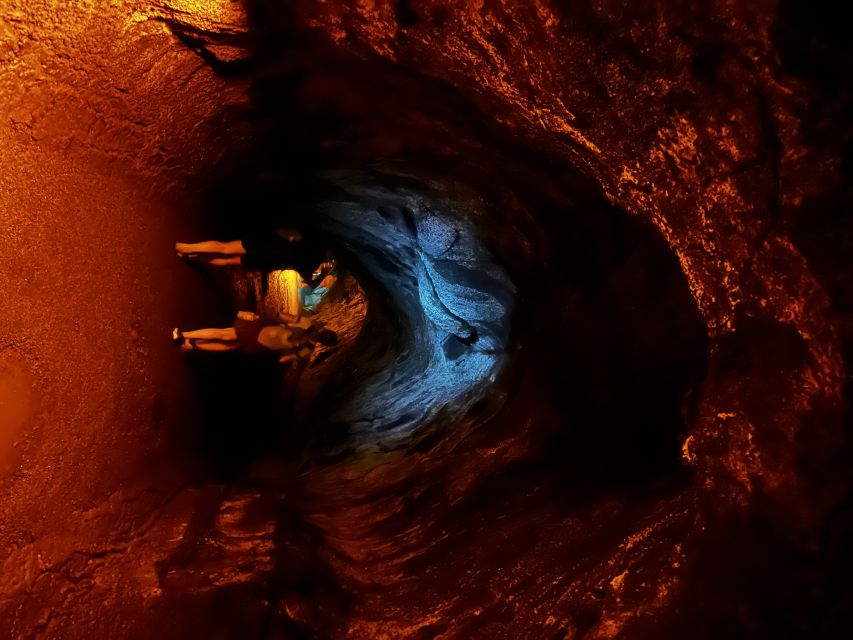
Book it if you want a personal introduction to Hawaiʻi Volcanoes National Park and value a guide who follows current volcanic conditions. The small group, included gear, strong local interpretation, and finish at Volcano House make this more useful than simply wandering without context.
Skip it if you prefer complete independence, have mobility limits, or want a guaranteed lava sighting. For everyone else, $120 buys three focused hours in one of Hawaiʻi’s most unusual places, with Jennifer or Yvonne helping you see both the living forest and the forces beneath it.
FAQ
Where does the Kīlauea guided hike meet?
The meeting point is the Kīlauea Visitor Center.
How long is the activity?
The activity lasts three hours and includes a four-mile loop hike.
How large is the group?
The group is limited to 10 participants.
Which language is the tour offered in?
The live tour guide speaks English.
Is the park entrance fee included?
No. The park entrance fee is not included in the $120 price.
Is transportation provided?
No. Hotel pickup and drop-off are not included. The experience also does not use shared van rides with people you do not know.
Is lava viewing guaranteed?
No. Lava viewing depends on the weather and Kīlauea’s volcanic activity.
What should I bring?
Bring comfortable hiking shoes, water, and rain gear. Open-toed shoes and high heels are not allowed.
Does the tour run in bad weather?
Yes. The hike takes place rain or shine.
Who should not take this hike?
The activity is not suitable for children under six or people with mobility impairments.
More Volcano Hikes in the USA
- Oahu: Diamond Head Crater Hike and North Shore Experience
★ 4.7 · 189 reviews - Hidden Craters Hike of Kona
★ 5.0 · 156 reviews - Big Island: Hawai’i Volcanoes National Park Guided Hike
★ 4.9 · 30 reviews - Kīlauea Hike and Lava Gazing with Native Hawaiian
★ 5.0 · 22 reviews
Just added around the USA
- Private Grand Canyon Full Day Hike★ 5.0 · 53 reviews
- Private Grand Canyon Hike and Sightseeing Tour★ 5.0 · 132 reviews
- Angel Rocks Hike and Chena Hot-Springs Soak Guided Tour★ 4.5 · 13 reviews
- Snowshoe Hike to Castner Glacier Ice Cave★ 5.0 · 35 reviews
- Rocky Mountain Full Day Private Tour & Hike★ 5.0 · 8 reviews
- Rocky Mountain National Park Half Day Hike★ 5.0 · 14 reviews
- Rocky Mountain National Park – Private Hiking Tour★ 5.0 · 17 reviews
- Sunset Hiking Tour in the Rocky Mountains near Denver★ 5.0 · 39 reviews
Volcano Hikes, side by side.
Sunrise Mount Batur Guided Hike with Breakfast
Read our review →
Mount Batur Sunrise Guided Hike and Natural Hot Spring
Read our review →
Mount Etna: Summit Guided Hiking Tour up to 3,400 m
Read our review →
Mount Etna: Trek to 3000m with cable car and 4×4
Read our review →
Mount Batur Sunrise Trek With Guide and Breakfast
Read our review →
Mount Batur Sunrise Hike and Natural Hot Spring Option
Read our review →
Mount Etna: Summit Crater Trek with Cable Car
Read our review →