
REVIEW · INDONESIA
mount rinjani One day trek
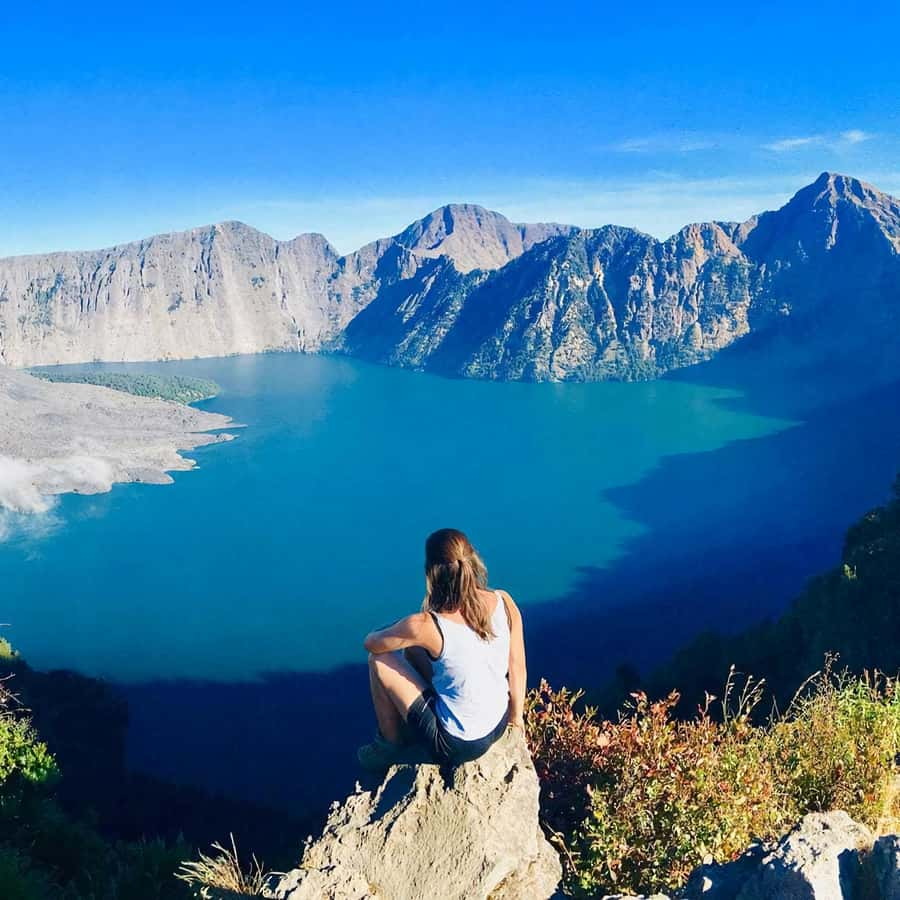
Mount Rinjani’s one-day trek gives you a hard-earned view without requiring several nights on the mountain. From Senaru, you climb steeply through forest and rough ground to the crater rim, where the crater lake, Mount Rinjani, the Gili Islands, and Mount Agung in Bali spread out below you. The advertised high point is Sengkareang, Rinjani’s second summit, at about 3,000 meters.
I like the all-in-one support, with a guide, food, drinking water, trekking poles, headlamp, park entrance, and hotel transfers in Senaru. I also like the personal care built into the walk: guides such as Fendi, Arid, and Aiwan have been praised for setting a steady pace, preparing lunch, sharing local stories, and helping on the descent. The catch is simple: this is a very long, steep day. You need strong fitness, good shoes, and a willingness to accept sore legs afterward.
Key points to know before booking
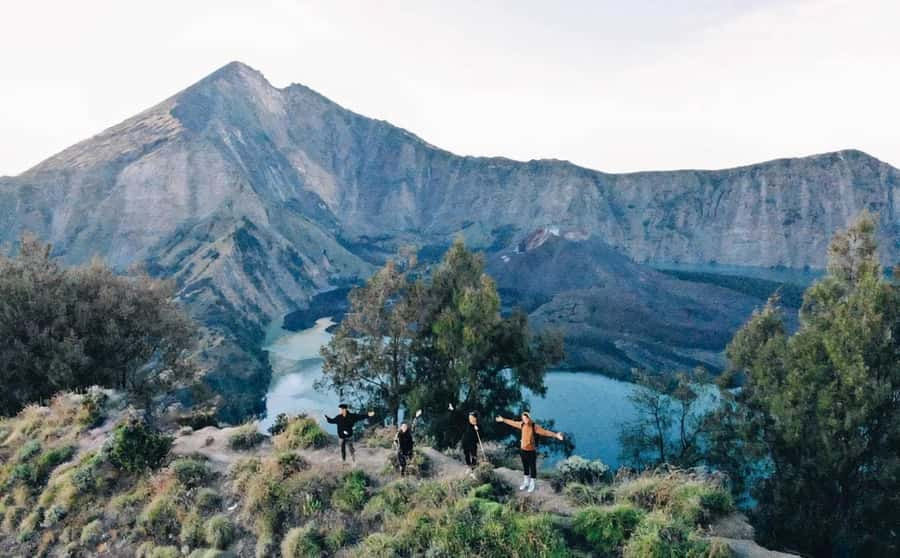
- Seven hours of steep hiking: The route is short in calendar time, not in physical effort. Expect heat, roots, sand, rocks, and a demanding descent.
- Crater-rim views are the payoff: From above, you can see the crater lake, Mount Rinjani, the Gili Islands, and Mount Agung in Bali.
- Food and basic hiking gear are included: Your guide provides meals and drinking water, with trekking poles and a headlamp supplied.
- Guides make a real difference: Fendi, Arid, and Aiwan have been singled out for pacing, cooking, motivation, and explanations along the route.
- Stay in Senaru the night before: One night of accommodation is not included, and the pickup time can vary, so confirm the exact schedule after booking.
- Best for fit hikers with limited time: This suits you if a multi-day Rinjani trip is not possible, but it is not a gentle sightseeing walk.
What this one-day Rinjani trek really involves
The phrase one day can make this trip sound easier than it is. You start and finish in Senaru, but you still face a full mountain hike with a steep climb and a long return. The total walking time is listed as about seven hours, though the timing can vary with your pace, stops, weather, and the exact start arrangement.
The usual daytime plan begins with pickup around 6:30 a.m. at your hotel in the Senaru area. You reach the trailhead at about 7 a.m., climb toward the Senaru Crater Rim, eat lunch near the top around noon, and head back down for an expected return around 5 p.m.
One point needs clearing up before you pay: some departures have begun around midnight, particularly when the goal is to reach the rim for sunrise. Ask the provider to confirm whether your booking follows the daytime schedule or an overnight-style start. The supplied information gives both versions, and that difference affects sleep, transport, clothing, and the sort of view you may get.
The route information also refers to Sengkareang, Rinjani’s second summit at roughly 3,000 meters, while the main description focuses on the Senaru Crater Rim. Confirm the precise high point included in your chosen departure. You want to know exactly what you are climbing, not discover it halfway up with your lungs protesting.
More Mountain and Summit Hikes in Indonesia
- Bali: Sunrise Mount Batur Guided Hike with Breakfast
★ 4.8 · 9,660 reviews - Bali: Mount Batur Sunrise Guided Hike and Natural Hot Spring
★ 4.8 · 9,284 reviews - Bali: Mount Batur Sunrise Trek With Guide and Breakfast
★ 4.8 · 3,461 reviews
From Senaru village into the forest
Senaru is the practical base for this outing. Pickup and drop-off are included if you stay in the Senaru area, but your accommodation the night before is not. I would book that night early enough to sleep properly, organize your bag, and avoid rushing to the trailhead.
The first section takes you into the forest. This gives you shade and a cooler setting than the exposed upper slopes, but it is not an easy warm-up. The path climbs steadily, and the surface can include tree roots and uneven ground. Good hiking shoes matter here, especially if rain has made the trail slippery.
Your guide is important from the first steps. The better experience comes from someone who watches your pace rather than trying to drag you upward. Fendi, Arid, and Aiwan have been praised for doing exactly that, with help on breaks, food preparation, motivation, and the tricky walk down.
Do not treat the guide as a substitute for fitness. The guide can slow the pace and help you choose safer footing, but you still have to carry yourself up the mountain. Bring a small daily pack, which is not included, and keep it light.
The rougher upper trail
As you gain height, the route becomes more demanding. Descriptions of the surface include tree roots, sand, stones, and steep sections. Heat can add another layer of difficulty, particularly when the forest offers less protection. The descent can be just as tiring because loose ground and tired legs make each step less secure.
This is where trekking poles earn their place. They are included and provide support on steep climbs and descents. Use them early rather than waiting until your knees are already complaining. A headlamp is also supplied, which matters if your departure is before dawn or your return runs later than planned.
The climb is not technical in the sense of ropes or climbing equipment, based on the information provided. It is simply sustained, steep mountain walking. That distinction may sound small, but it is useful: you do not need specialist climbing skills, yet you do need endurance and sure footing.
I would train with long uphill walks before coming to Lombok. Focus on sustained climbs rather than only short, fast workouts. One fit participant still reported muscle pain for several days after the trek, so schedule recovery time if you have other plans immediately afterward.
Reaching the Senaru Crater Rim
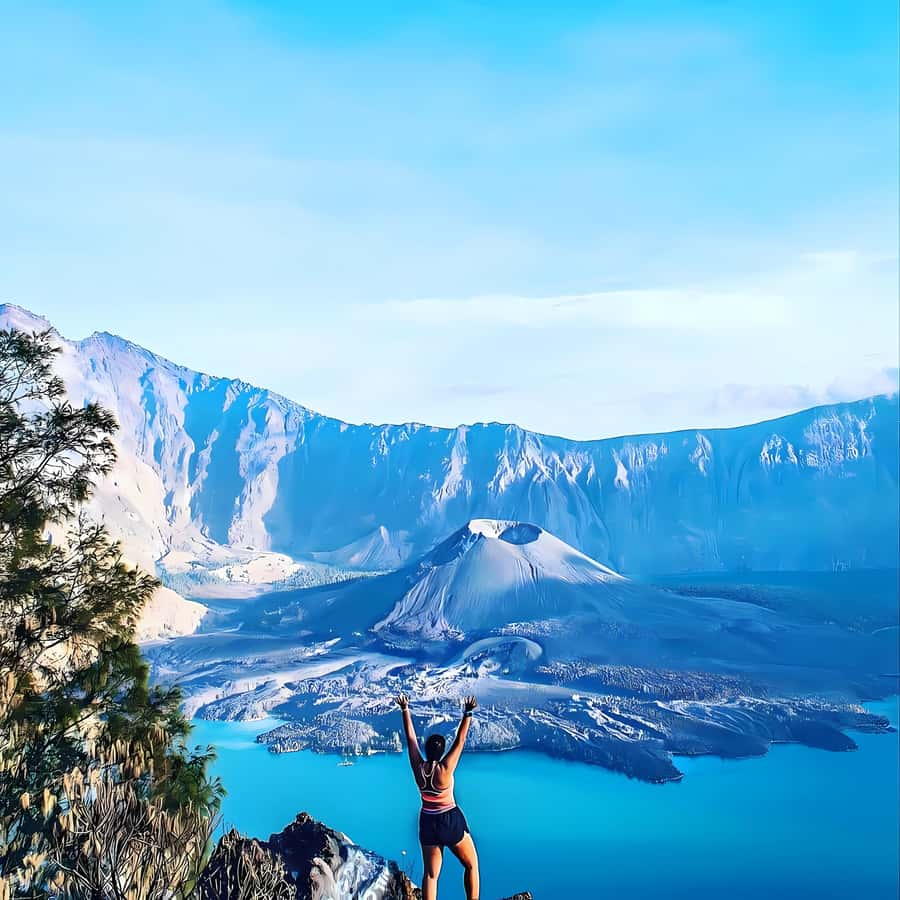
The crater rim is the main reward. From the high point, you can look across to the crater lake and the volcano, with broad views toward the Gili Islands and Mount Agung in Bali. These are not quick roadside views. You earn them through hours of climbing, which is part of why the moment feels so satisfying.
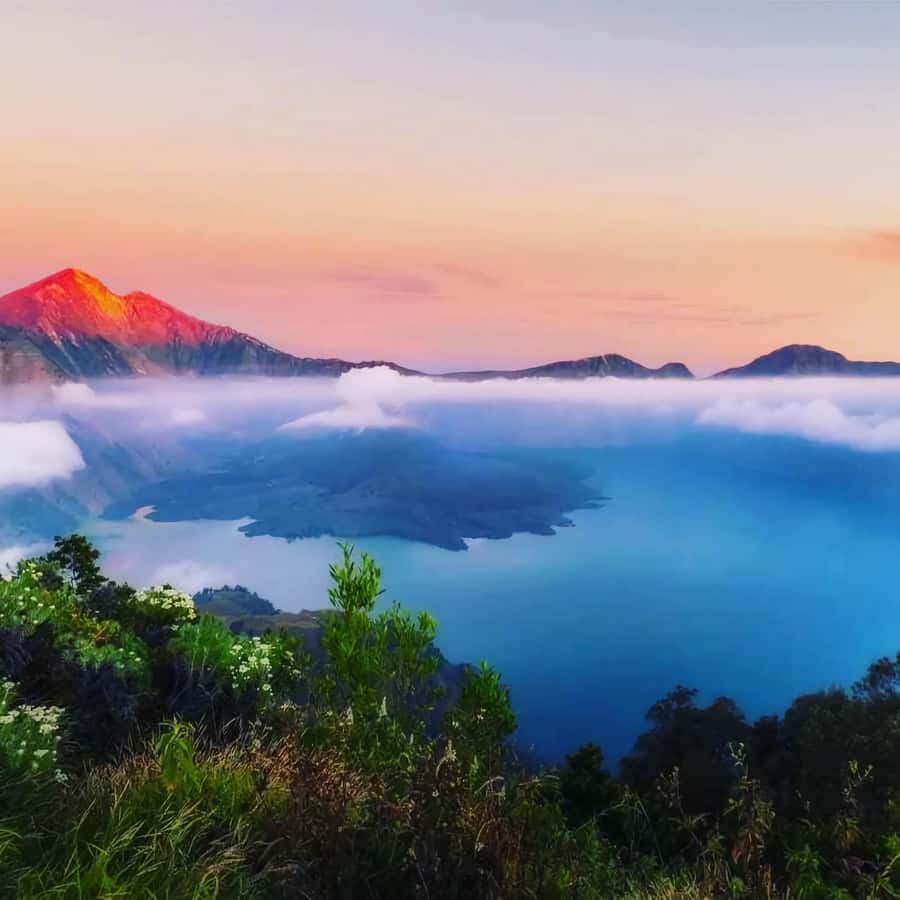
The view changes with weather and light. A sunrise departure can bring a dramatic first look over the crater, while the daytime schedule gives you lunch around noon and a different quality of light. The supplied information describes spectacular views, but no mountain can promise clear skies. Cloud, rain, heat haze, and wind may affect what you see.
The rim is also where the height becomes more noticeable. At around 3,000 meters for Sengkareang, you may feel the thinner air more than you expect, especially after a hard climb. Do not race toward the top to beat the clock. Tell your guide if you feel unwell, and keep your pace controlled.
The guides prepare lunch near the top. That detail has real value: after a long ascent, you can eat without carrying a complicated meal plan yourself. Food and drinking supplies are included, though you should still carry personal snacks and cash for your own needs.
More Volcano Hikes in Indonesia
- Mount Batur Sunrise Hike and Natural Hot Spring Option
★ 5.0 · 1,927 reviews - From Ubud: Mount Batur Hiking With Hotspring
★ 4.8 · 1,850 reviews - Mount Batur Sunrise Hike with Breakfast
★ 5.0 · 1,757 reviews - Mount Batur Sunrise Trekking
★ 5.0 · 947 reviews
Lunch with the crater below
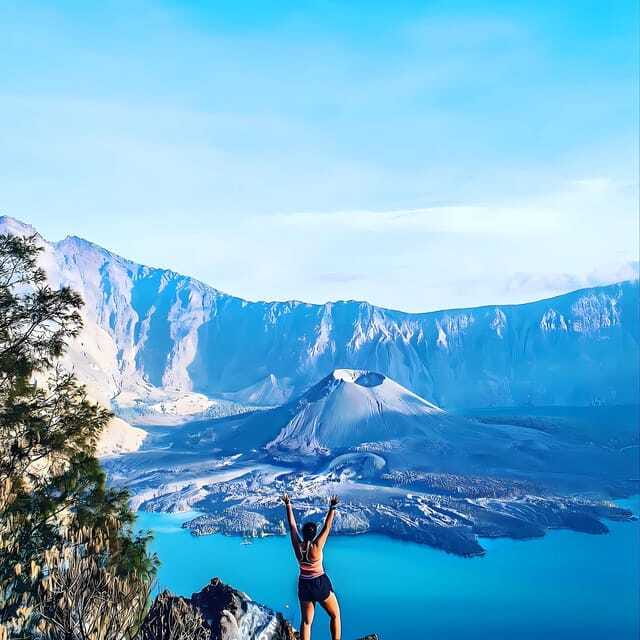
Lunch at the rim is not a restaurant stop. It is a practical mountain meal prepared by your guide, often while you take in the view. Fendi and Arid have been praised for cooking, and other guides have also been noted for making food at the top.
That service makes the $138 price easier to understand. You are not only paying for a walk. The fee includes a guide, food, drinking water, trekking poles, a headlamp, national park entry, and transport to and from a Senaru hotel. For someone with limited time, that package reduces the number of separate arrangements you need to make.
Still, the value depends on the organization. Some feedback points to weak pickup communication, including a driver who did not clearly know which people to collect. Another concern was limited English from one guide and not enough route information before departure. Contact the provider after booking and confirm the pickup time, driver details, guide language, and exact summit or rim destination.
The descent back to Senaru
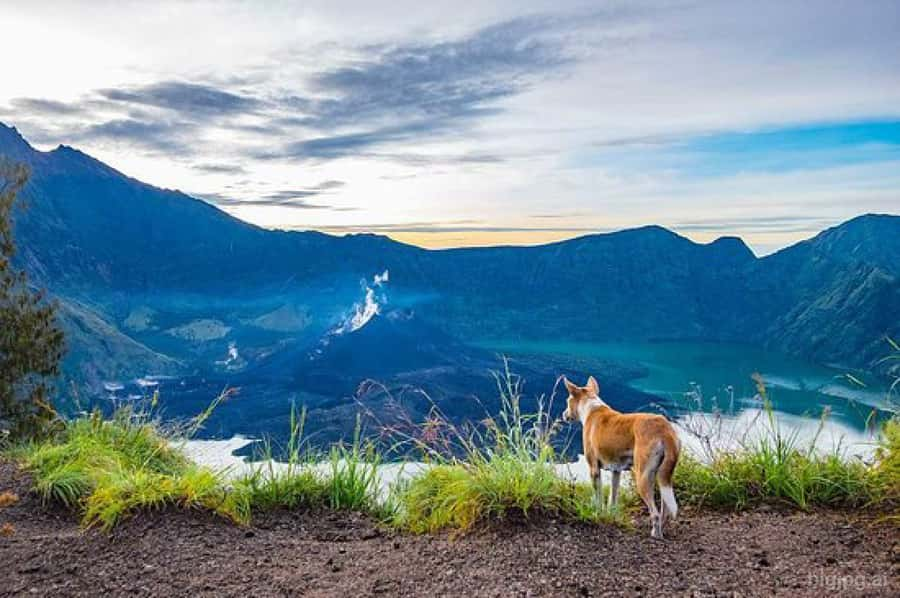
The walk down starts after lunch and can feel deceptively easy for the first few minutes. Gravity helps, but the trail’s sand, stones, roots, and steep sections put pressure on your knees and ankles. This is where a patient guide earns their fee.
One guide, Anton, was praised for matching the group’s pace and allowing breaks when needed. That flexibility matters because the strongest person in your group should not set the speed for everyone. Ask for a pause before you are exhausted, not after.
The stated return time is around 5 p.m. for the daytime version. Treat that as an estimate rather than a guarantee. A slow group, poor conditions, or a late start can push the finish later. Keep your evening in Senaru free, and do not book a tight transfer immediately afterward.
On arrival, you are dropped back at your Senaru hotel. This is convenient, but remember that the included transfer applies to hotels in the Senaru area. If you are staying elsewhere in Lombok, ask what extra transport you need.
What the $138 price includes, and what it does not
At $138 per person, this is not the cheapest way to arrange a mountain walk in Lombok. The price includes several useful items:
- English-speaking guide service
- Food and drinking water
- Trekking poles
- Headlamp or flashlight
- National park entrance fee
- Pickup and drop-off at a Senaru hotel
The strongest value comes from the guide and the food. A good guide controls the pace, helps with footing, explains the route, and cooks at the rim. That support becomes more useful as fatigue builds.
You need to bring or arrange several essentials yourself. Trekking jackets, hiking shoes, and a small backpack are not included. Rain gear is specifically recommended, as are a camera, passport, and cash. One night of accommodation in Senaru is also excluded.
The price is fair for a visitor who wants a ready-made day with park entry and basic equipment covered. It is less appealing if you prefer arranging a local guide directly through your hotel, which one participant felt offered better value and smoother local organization. I would compare the total cost, not just the headline price, including your Senaru room, transport to the village, clothing rental if needed, and any extra food.
Fitness, clothing, and practical preparation
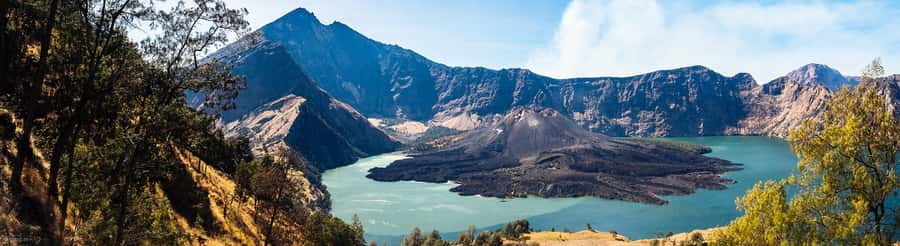
You do not need to be a professional mountaineer, but you should be a strong hill walker. The trip is not suitable for people over 70 according to the activity information, and it is a poor choice for anyone who dislikes steep, sustained climbs.
I would bring:
- Proper hiking shoes with a firm grip
- A light daypack
- Rain gear
- A warm trekking jacket
- Camera and spare battery if possible
- Passport and cash
- Personal snacks
- Water capacity for the day, even though drinking supplies are included
The supplied headlamp is useful for a midnight or pre-dawn departure. If your trip begins at 7 a.m., it may see little use, but having one is still sensible in mountain conditions.
Avoid carrying a large suitcase or heavy backpack. You want enough clothing for changing weather, but every extra item becomes unpleasant on the climb. Wear layers so you can adjust as you move from warm lower slopes to a cooler, windier rim.
The national park setting also deserves care. Some accounts describe rubbish and pollution on the mountain. Carry your own waste back down, avoid single-use packaging where possible, and do not add to the problem. The views are the reason to come, and the mountain needs visitors to treat it accordingly.
Guide quality and communication
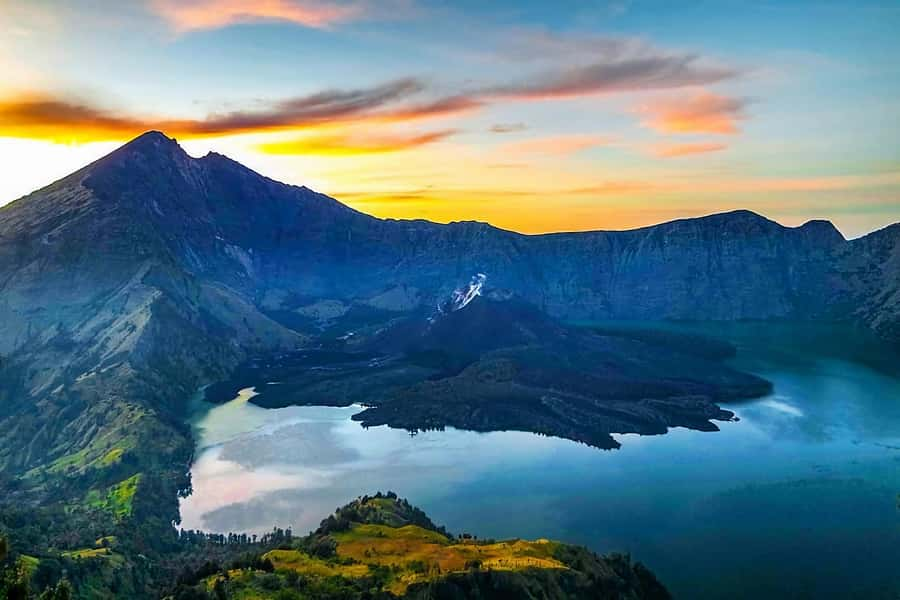
Guide service can make or break this trek. The best reports center on guides who listen, keep a manageable pace, prepare food, offer encouragement, and help prevent injuries on the descent.
Fendi and Arid received particular praise for professionalism, cooking, assistance, and storytelling. Aiwan was credited with explaining different routes and preparing lunch at the rim. Anton was praised for adapting the walk to the group’s speed and allowing people to choose when to stop.
English is listed as the tour language, but communication may not always be equally strong. One account described a friendly guide who spoke very little English, which made route explanations less useful. Contact the provider after booking and state clearly what level of English you need.
The same message should confirm the exact pickup time. The daytime schedule says 6:30 a.m., while some departures have started around midnight. You should not be left guessing in the dark outside your hotel.
Is one day better than sleeping on Rinjani?
A one-day climb saves time, but it compresses the physical effort into one demanding push. One participant who was already fit suggested an overnight tent stay or a longer Rinjani route with two nights of camping because the one-day version placed too much strain on the body.
That advice is worth taking seriously. If you have several days in Lombok and want a less punishing rhythm, a multi-day option may give you more time to rest, enjoy the mountain, and handle the altitude. The one-day plan is mainly for people whose schedule rules out a longer trek.
The upside is clear: you leave your Senaru hotel in the morning, reach the rim, eat with the view, and return the same day. You do not need camping equipment or several nights on the trail. The downside is equally clear: the climb and descent leave little room for a relaxed mountain experience.
Who should book this trek?
Book it if you are fit, short on time, comfortable with steep mountain paths, and excited by the thought of earning a crater-rim view in a single day. You will get the most from it if you train beforehand and arrive with realistic expectations.
Think twice if you have little hiking experience, weak knees, poor footwear, or a packed schedule after the walk. The physical demand is the central fact of this experience, not a minor footnote.
My verdict is positive but selective. The views, guide support, included equipment, and simple Senaru logistics make this a strong option for a prepared hiker. I would book only after confirming the start time, exact route, guide language, and pickup details. If you want comfort or a gentle introduction to Rinjani, choose a longer itinerary instead.
FAQ
How long does the Mount Rinjani one-day trek take?
The walking time is listed as about seven hours. The daytime schedule begins around 7 a.m. and aims to return to Senaru around 5 p.m., though the actual timing can vary.
Where does the trek start and finish?
The trek starts in Senaru village and finishes back in Senaru. Pickup and drop-off are included for hotels in the Senaru area.
What views can I expect from the top?
You can see the Rinjani crater and crater lake, the Gili Islands, Mount Agung in Bali, and the surrounding scenery from the high point.
Is lunch included?
Yes. Food and drinking supplies are included, and the guide prepares lunch near the crater rim.
Are trekking poles and a headlamp provided?
Yes. Trekking poles and a headlamp or flashlight are included.
Is accommodation in Senaru included?
No. You need to arrange and pay for one night in Senaru before the trek if you want to stay nearby.
What should I bring?
Bring your passport, camera, hiking shoes, rain gear, cash, a small backpack, and a trekking jacket. Trekking shoes, a jacket, and a daily pack are not included.
Is the trek suitable for everyone?
No. It is a strenuous hike with steep sections, heat, roots, sand, and rocks. The activity is not suitable for people over 70 and is best for hikers with strong basic fitness.
More One-Day Trips in Indonesia
- From Yogyakarta: Mount Merbabu One Day Hiking Tour
★ 4.9 · 27 reviews - From Banyuwangi: Day Trip to Ijen Volcano with Guided Trek
★ 4.9 · 10 reviews - Bukit Lawang: Jungle Trekking and Rafting Day Trip
★ 4.6 · 7 reviews - Cinque Terre Day Trip with Optional Hiking or Pisa
★ 5.0 · 8,486 reviews
Just added around Indonesia
- Dekwar Mount Agung Sunrise Trekking★ 5.0 · 66 reviews
- From Banyuwangi or Bali Sunrise Ijen Vulcano Hiking All Inclusive★ 5.0 · 50 reviews
- Ijen Blue Fire Trekking★ 5.0 · 44 reviews
- volcano hike and jungle trekking adventure★ 5.0 · 36 reviews
- Mount Agung Sunrise Trekking Tour★ 5.0 · 156 reviews
- Mount Agung Sunrise Trekking Private Tours★ 5.0 · 11 reviews
- Sidemen rice terraces trek and local village walk★ 5.0 · 41 reviews
- Ubud: Rice Terrace, Holy Water Temple & Waterfalls Trek Tour★ 4.9 · 115 reviews
Volcano Hikes, side by side.
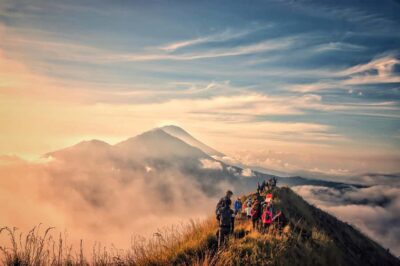
Sunrise Mount Batur Guided Hike with Breakfast
Read our review →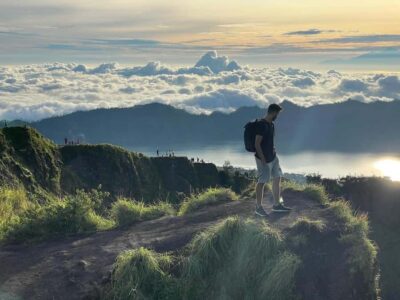
Mount Batur Sunrise Guided Hike and Natural Hot Spring
Read our review →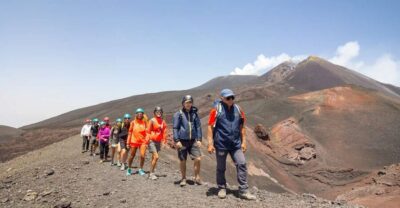
Mount Etna: Summit Guided Hiking Tour up to 3,400 m
Read our review →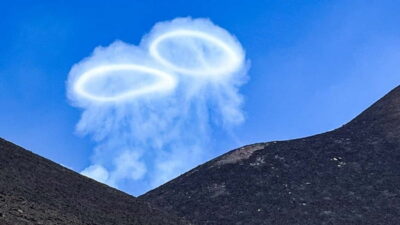
Mount Etna: Trek to 3000m with cable car and 4×4
Read our review →
Mount Batur Sunrise Trek With Guide and Breakfast
Read our review →
Mount Batur Sunrise Hike and Natural Hot Spring Option
Read our review →
Mount Etna: Summit Crater Trek with Cable Car
Read our review →