
REVIEW · COLOMBIA
Santa Marta: Multi-Day Trek to The Lost City
The Lost City trek takes you far beyond a day trip from Santa Marta. You’ll walk through hot jungle, cross streams, sleep in simple camps and climb 1,200 stone steps to a Tayrona archaeological site dating from around 800 CE, roughly 650 years before Machu Picchu. The reward is a remarkable set of terraces, tiled paths and circular plazas hidden in the Sierra Nevada.
I like the strong cultural side of the trip, especially the chance to learn about Wiwa and Kogui traditions from guides and community-run camps. I also like that meals, water, transport, entrance fees, insurance and luggage storage are bundled together. The catch is simple: this is a hard trek, not a casual walk. Several days involve seven hours on foot, with heat, mud, slippery trails and steep climbs.
Key points to know before you book
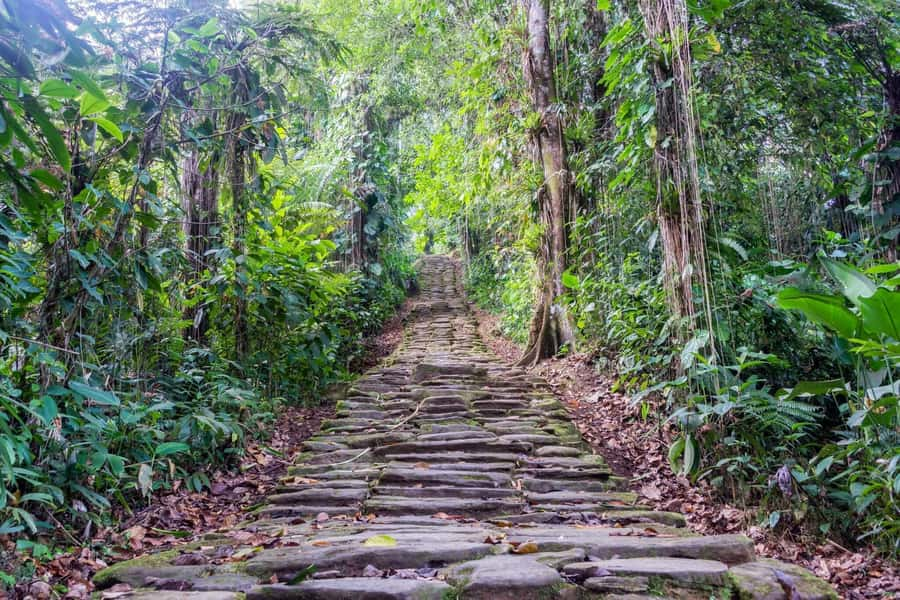
- The final climb has 1,200 stone steps: The approach to the Lost City is short in distance but steep and uneven.
- Four days is the fastest option: Five and six-day routes break up the walking and allow more time at camps and Indigenous reserves.
- The longest days reach about seven hours: Day two on the shorter itineraries covers roughly 14.7 kilometers, mostly uphill.
- Jungle camps are basic but practical: Expect hammocks or beds with mosquito nets, plus electricity, toilets and showers.
- Cultural exchange is part of the trip: Wiwa and Kogui communities live along the route, and the tour contributes to local development.
- Small groups help on a tough route: The group limit is 15 people, with English and Spanish guide service available.
What the Lost City really is
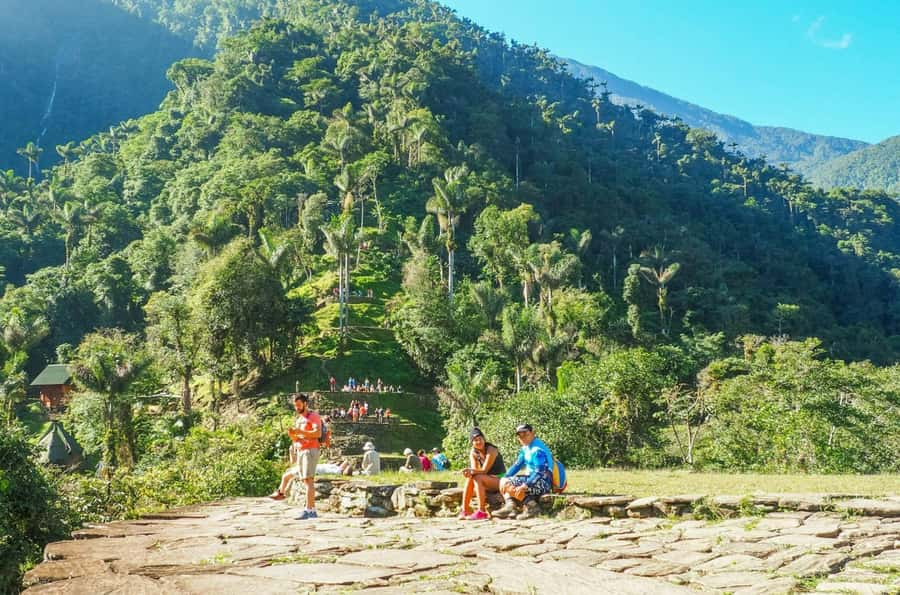
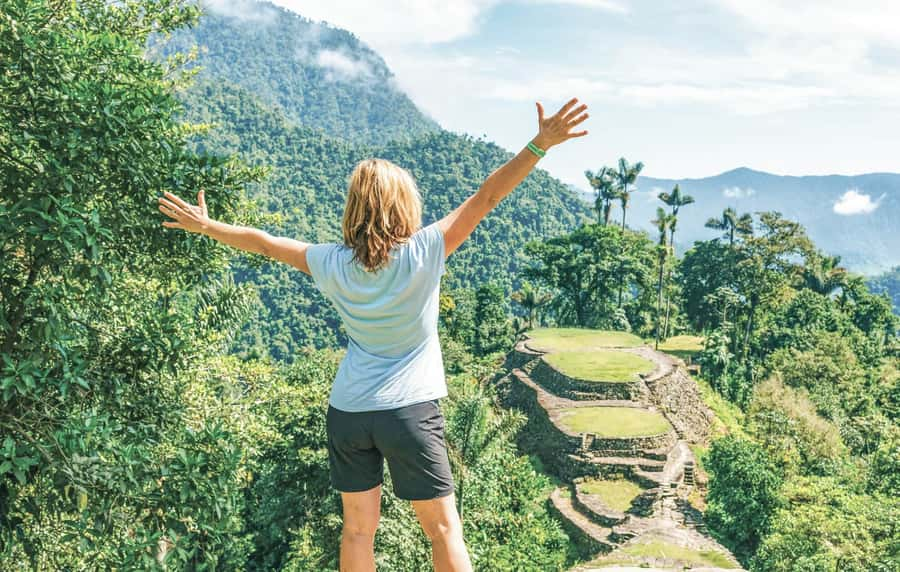
The Lost City is not a single grand ruin with towering walls. It is a high mountain settlement made up of 169 stone terraces, small circular plazas and a network of paved paths. The Tayrona people built the site in the Sierra Nevada, and its position in the jungle gives the visit a sense of discovery without needing any theatrical staging.
To reach it, you climb the famous stone staircase through dense vegetation. The steps are uneven, and wet weather can make them slick. Your guide explains the remains, the Tayrona connection and the stories tied to the area, so the site means more than a scenic photo stop.
The setting is part of the appeal. You’ll see jungle-covered ridges, rivers and mountain views rather than a polished archaeological park. That also means there are no easy shortcuts, broad paved paths or comfortable visitor facilities at the top. Bring patience, water and a willingness to get muddy.
More hikes and treks around Colombia:
- Tayrona Park Hike And Beach Day
★ 5.0 · 91 reviews - Private tour: hiking to the crystalline MELCOCHO river from MEDELLÍN
★ 5.0 · 84 reviews - Salento/Pereira: Cocora Valley & Salento Hiking Private Tour
★ 4.8 · 78 reviews
Day one: El Mamey, Las Tres Cruces and the first camp
The trip begins around 9:30 in the morning with a three-hour ride in a 4WD Jeep from Santa Marta to El Mamey. This is not a scenic luxury transfer. The road is part of the adventure, and the ride brings you to the point where the walking begins.
You’ll have lunch at El Mamey before setting off. The first hike covers about 7.6 kilometers and takes roughly four hours. Compared with later days, it is a gentler introduction, though heat and humidity can make even a moderate climb feel serious.
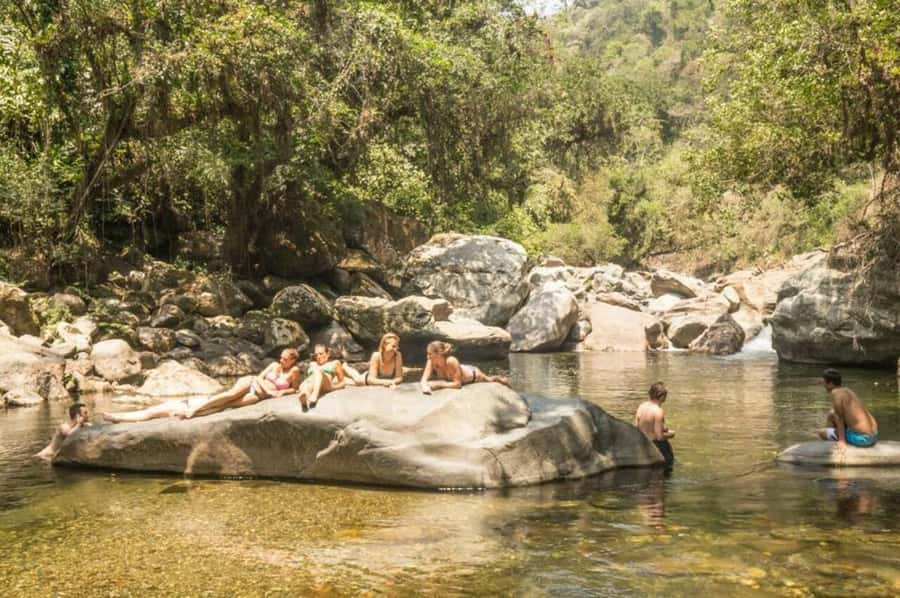
A stop at Las Tres Cruces lookout gives you a chance to pause, eat fruit and take in the first broad views. Later, natural pools and waterfalls offer a welcome chance to cool off. Pack swimwear and a quick-dry towel in your daypack, not in your stored luggage.
The first camp comes toward the end of the afternoon. Dinner is included, and you sleep in a hammock or bed protected by a mosquito net. Camps have electricity, toilets and showers, but this remains jungle accommodation. You should expect useful basics, not hotel comfort.
Day two on the four-day route: the long push to Wiwa camp
On the four-day and five-day routes, day two is one of the hardest sections. After an early breakfast, you walk toward Wiwa camp beside the Buritaca River. The route totals about 14.7 kilometers and takes around seven hours, with plenty of uphill walking and some descents.
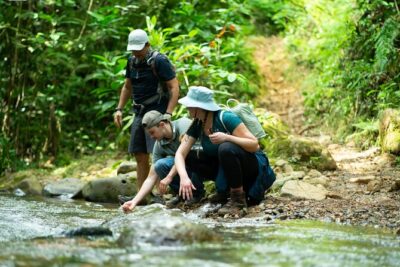
The river is an important break. You can bathe, rest and eat lunch before continuing. In a hot, humid climate that can reach 32 C, a river stop is not a minor perk. It helps you reset before the afternoon section.
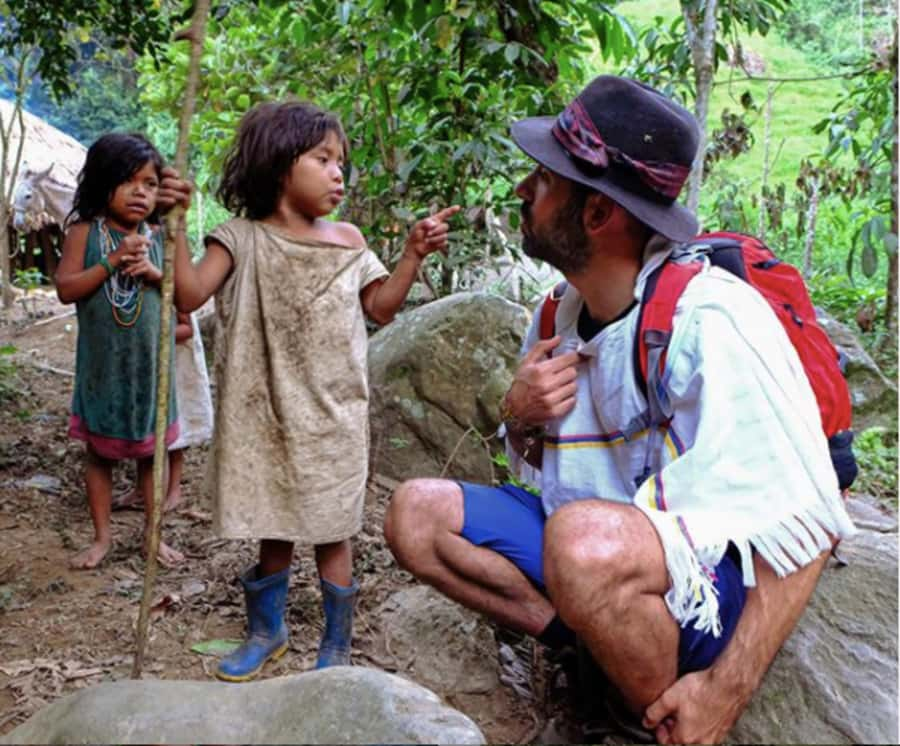
The path passes Mutanyi, a Kogui Indigenous village made up of several homes. This is where the cultural side of the trek becomes more visible. Your guide can explain the people, customs and connection to the surrounding mountains, while the presence of homes and communities reminds you that this is a lived-in region, not just a route built for tourism.
After another stretch through jungle, you reach camp for dinner and the night. The combination of distance, heat and uneven ground can leave you tired here. If you are only moderately fit, treat this day as a serious physical test rather than a pleasant nature walk.
The six-day route takes a slower cultural path
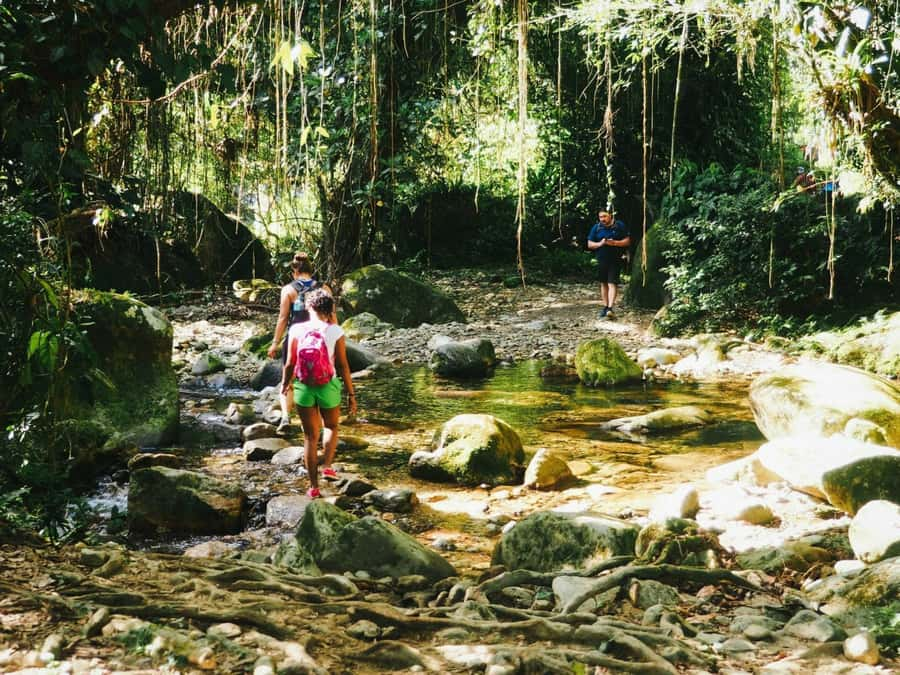
The six-day itinerary changes the rhythm of the trek. Instead of pushing hard toward the archaeological site right away, you spend more time in an Indigenous reserve and learn about Wiwa and Kogui culture. Day two involves only about three hours of walking over relatively smooth ground, followed by time at the second camp near the river.
That slower pace has real value. You get more time for cultural exchange, swimming and rest, and the extra days reduce the need to make every walking day a race against sunset. The tradeoff is obvious: you spend six days on the route, so you need more time and additional nights away from Santa Marta.
On day three, you descend toward the Buritaca River valley. The route takes around five hours, with some ups and downs, Indigenous homes at Mutanyi and another chance to bathe in the river. Guides also discuss local plants and animals along the way.
At night, guides tell stories and share details about the route. This slower version suits you best if you want the cultural side to carry equal weight with the ruins, or if you would rather spread out the physical effort.
Same trailheads, a different kind of day:
- Cocora Valley and Salento Hike Tour
★ 5.0 · 76 reviews - Sumapaz Páramo Private Hike Tour
★ 5.0 · 52 reviews - From Bogota: La Chorrera Waterfall Guided Hike
★ 4.9 · 46 reviews - Pance Waterfalls: Hike to discover the biodiversity of the valley
★ 5.0 · 33 reviews
Day three: the stone stairway to the Lost City
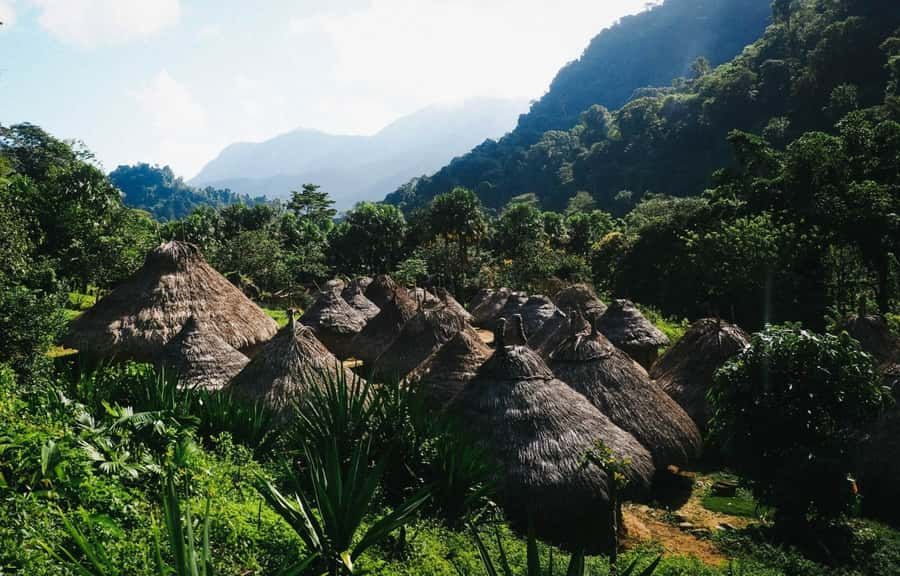
On the shorter routes, day three begins very early. That early start matters because it places you at the site before the day’s walking has completely drained you. You climb the 1,200 Tayrona-built steps through thick jungle, stopping as needed.
At the top, the terraces and plazas appear in stages. The site is spread across the mountainside, so your guide leads you between remains rather than pointing to one central monument. You’ll have time for photographs and for explanations about the Tayrona settlement, the relics and the ancestral stories connected to the place.
The climb is not the only hard part. You must also walk back down, return to camp for lunch and continue onward toward Wiwa camp. The full day reaches about seven hours, though the total distance is about six kilometers of uphill and downhill walking. That sounds modest on paper, but steep steps and wet stone make distance a poor measure of difficulty.
On the six-day route, this Lost City visit takes place on day four. The earlier cultural and river sections give you a more gradual build-up, but the climb remains the same. No itinerary removes the steep steps.
The return walk and the difference between four, five and six days
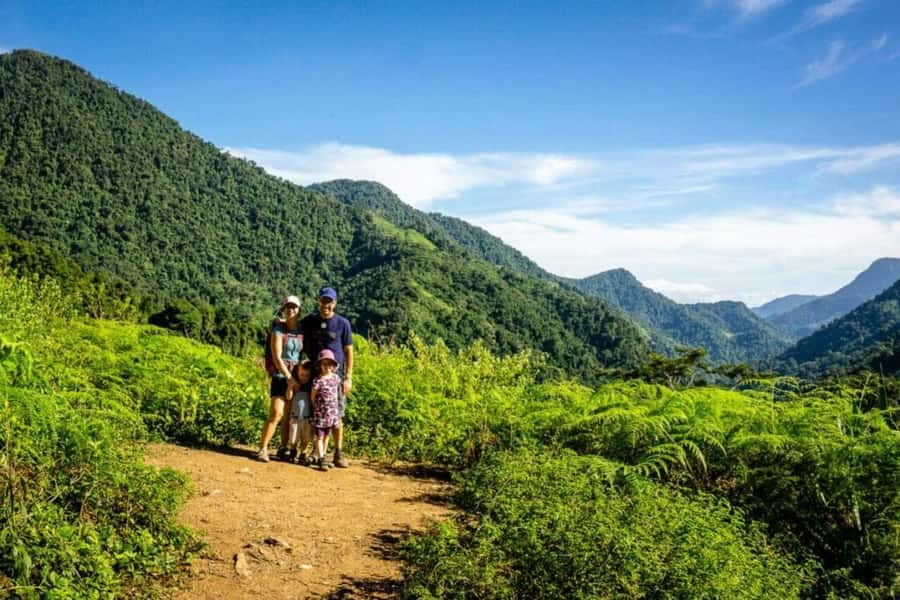
On the four-day route, day four starts with a two-hour walk to the camp used on the first night. After a short rest with fruit and water, you continue for another four hours to El Mamey. Lunch comes there, followed by the 4WD Jeep ride back to Santa Marta.
The five-day option separates that final push. After reaching the first-night camp on day four, you eat lunch and spend the afternoon resting, looking at the views and talking with the group. Day five then takes you to El Mamey for lunch and the ride back.
That extra afternoon can make a major difference after the Lost City climb. You lose a day, but you gain recovery time and a less punishing final schedule.
The six-day return is also spread out. After the archaeological visit, day five takes you to the earlier camp for lunch and a quiet afternoon. The final day covers the walk to El Mamey, lunch and the drive back to Santa Marta.
I would choose four days only if you are fit, short on time and comfortable with long walking days. Five days is a good middle ground. Six days makes the most sense if cultural visits, river time and a slower pace matter as much to you as reaching the ruins.
Guides, language and the human side of the trip
Guide quality matters on a route like this. You are not simply following a marked trail. You need clear instructions around rivers, slippery sections, camp routines and the long stairway.
The tour provides Spanish and English service. Named guides and support staff connected with this experience include Francisco, Arghenith, Miguel, Coco and Emilie, with Victor and Bridgette also part of some groups. Emilie is especially noted for encouraging tired walkers, while Francisco brings an Indigenous perspective to the traditions and history around the Lost City.
The exact team can vary, so do not book based on one particular guide being guaranteed. Still, the setup is useful: a small group capped at 15 people, an experienced guide present throughout and, in some cases, an interpreter supporting communication.
The contribution to Indigenous community development is also important. Camps and food services belong to local communities, and the tour uses those services along the route. Standards can vary because the businesses are independent, so keep expectations practical. Your money supports the communities, but it does not turn a remote jungle camp into a resort.
Food, sleeping arrangements and what you carry
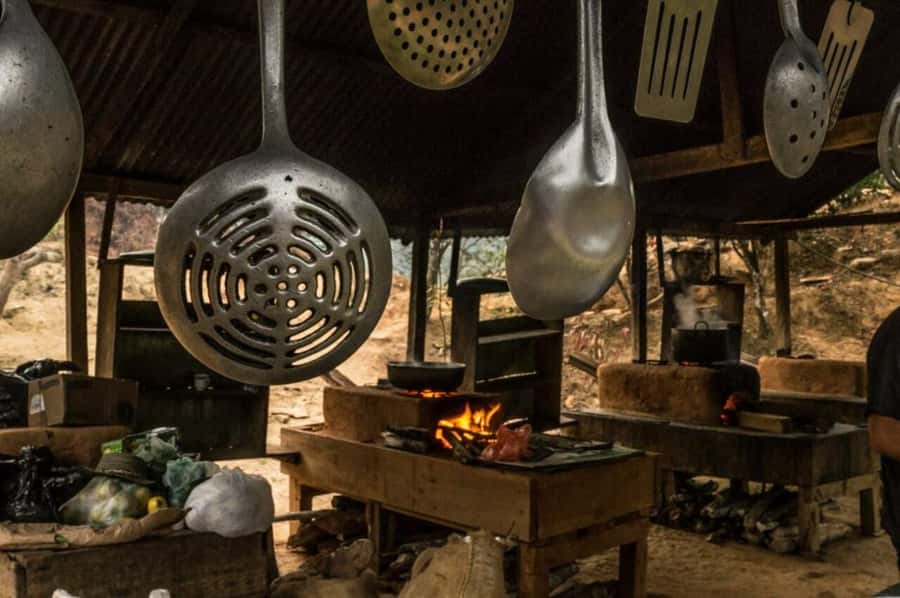
Breakfast, lunch and dinner are included for the entire trek. Fruit and snacks are provided while walking, and purified water is included. This reduces the amount you need to carry, though you should still bring a refillable bottle or personal water container.
Food is meant to keep you moving, not offer fine dining. A strong appetite is normal after seven-hour walking days, and carrying a few permitted personal snacks may be wise if you know you need extra calories. Drinks besides water are not included, so bring cash for purchases and do not assume soft drinks or sports drinks come with the package.
You sleep in hammocks or beds with mosquito nets. Camps have electricity, toilets and showers, but the facilities are shared and basic. Bring flip-flops for showers, toiletries, a small flashlight and insect repellent.
Your main pack should stay light. The operator provides suitcase storage during the trek, so leave larger luggage in Santa Marta and carry a daypack with quick-dry clothing, socks, sunscreen, rain gear, medication and your phone.
Weather, mud and the physical demands
The temperature generally ranges from about 26 C to 32 C during the day. Nights can fall to around 18 C, so warm clothing still belongs in your pack. Humidity makes the heat feel heavier, and rain often arrives around sunset.
Rain can turn sections of the trail into mud. You’ll cross rivers or streams, and wet rocks can be slippery. Hiking shoes with a solid grip are more useful than casual trainers. A rain cover for your daypack is also sensible, since your phone, medication and dry clothes should stay protected.
The route is not suitable for pregnant women or wheelchair users. You do not need to be an elite athlete, but you should be comfortable walking for several hours, climbing steep steps and managing changing ground underfoot.
One practical tip: keep your day’s essentials close. You may want swimwear at the river, rain gear before a sudden shower and insect repellent whenever you stop. Packing these at the bottom of your bag will only make a hard day more annoying.
Is $713 a fair price?
At $713 per person, the four-day tour is expensive compared with a basic independent hike, but the price covers a substantial bundle. You receive 4WD transport from Santa Marta to El Mamey and back, meals, purified water, fruit, snacks, camp accommodation, the archaeological entrance fee, guide service, accident insurance, community contributions and luggage storage.
That package removes several costs and planning tasks. You are not arranging separate transfers, finding camps or carrying every meal. You also have a guide for the cultural explanations and difficult sections.
The value is less clear if you compare the price only with the number of days. One poor transport experience involved an overcrowded vehicle, and some costs such as drinks or possible extra transport should not be assumed to be covered. Ask before departure what happens if you need a mule or motorbike, and budget cash for anything beyond the listed inclusions.
For a four-day trip, the price buys convenience and support, not comfort. I would judge it worthwhile if reliable logistics, English support, community-based services and a guided cultural experience matter to you. If your only goal is reaching the ruins as cheaply as possible, you may find the price hard to justify.
Should you book this Lost City trek?
Book it if you want a demanding jungle journey with real cultural contact, not just a ruin at the end. The strongest parts are the river swims, the Tayrona terraces, the Indigenous communities along the route and the guides who help you understand what you are seeing.
Choose five or six days if you can spare the time. The four-day route is efficient but tough, with little room to recover. Pack light, bring proper shoes and rain protection, and arrive ready for mud, mosquitoes and long climbs.
I would not choose this experience for a relaxed holiday or if you dislike basic sleeping arrangements. But if you want one of Colombia’s most memorable physical challenges and accept the rough edges that come with it, this trek offers a meaningful way to reach the Lost City.
FAQ
How long is the Lost City trek?
You can choose a 4, 5 or 6-day trek. The advertised activity duration is four days, while the longer routes add rest, cultural and camp time.
How much does the tour cost?
The listed price is $713 per person.
What languages are available?
Guide service is available in Spanish and English.
How large is the group?
The tour uses small groups limited to 15 participants.
Is transportation from Santa Marta included?
Yes. 4WD Jeep transportation between Santa Marta and El Mamey is included. Pickup covers Santa Marta’s urban perimeter, Rodadero and Taganga, but not Bonda, Minca, Palomino or areas outside the urban perimeter.
Where do I sleep?
You sleep in jungle camps using hammocks or beds with mosquito nets. Camps have electricity, toilets and showers.
Are meals included?
Breakfast, lunch and dinner are included. Purified water, fruit and snacks during the walk are also provided. Drinks besides water are not included.
How difficult is the trek?
It is physically demanding. Some days take about seven hours, with steep uphill and downhill sections, muddy trails, river crossings and a climb of 1,200 stone steps to the Lost City.
What should I bring?
Bring warm clothing, swimwear, a towel, hiking shoes, sunscreen, rain gear, flip-flops, insect repellent, toiletries, socks, cash, a flashlight, a charged smartphone, personal medication, quick-dry clothing and a daypack.
Can I cancel the booking?
You can cancel up to 24 hours in advance for a full refund. The reserve-now-pay-later option lets you book without paying immediately.
Just added around Colombia
- Pance Waterfalls: Hike to discover the biodiversity of the valley★ 5.0 · 33 reviews
- Sumapaz Páramo Private Hike Tour★ 5.0 · 52 reviews
- Santa Marta: Trekking in Minca Complete Waterfall Circuit★ 4.4 · 28 reviews
- Medellín: Secret Waterfall Hike Tour with Snack and Coffee★ 5.0 · 10 reviews
- From Villa de Leyva: La Periquera Hiking Tour★ 4.5 · 10 reviews
- From Salento: Cocora Valley Hiking Tour with Lunch★ 4.0 · 17 reviews
- From Santa Marta: Sisiguaca Beach Hike with Snorkeling★ 4.5 · 13 reviews
- From Bogota: La Chorrera Waterfall Guided Hike★ 4.9 · 46 reviews
Colombia Hiking Tours, side by side.
Private tour: hiking to the crystalline MELCOCHO river from MEDELLÍN
Read our review →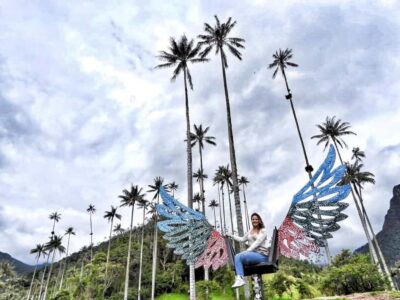
Salento/Pereira: Cocora Valley & Salento Hiking Private Tour
Read our review →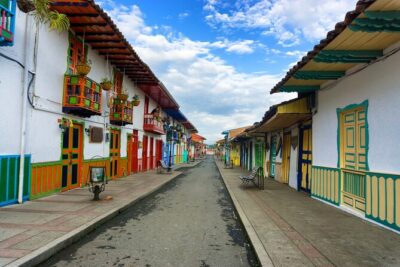
Pance Waterfalls: Hike to discover the biodiversity of the valley
Read our review →
Santa Marta: Trekking in Minca Complete Waterfall Circuit
Read our review →This walk also sits in