
REVIEW · USA
Big Island: Hawai’i Volcanoes National Park Guided Hike
The best part of this six-and-a-half-hour hike is the change in scenery. You move from native rainforest to the broad floor of Kilauea Iki Crater, then into a lava tube formed by molten rock. It is a good way to understand the volcano as a living place, not just a viewpoint beside the road.
I like the small group size, limited to 10 people, and the mix of geology, ecology, Hawaiian stories, and food. Guide Jennifer has earned especially warm praise for her friendly style, clear explanations, and thoughtful touches, including homemade cookies on one outing. The main caution is breakfast: it is advertised as a buffet, but one recent group received only snack items such as bars and nuts.
Key points
- Kilauea Iki Crater: See the wide, hardened lava lake from above and understand the scale of the eruption that formed it.
- Thurston Lava Tube: Walk inside a long cave shaped by ancient flowing lava.
- Small groups: A maximum of 10 participants gives you a better chance to hear the guide and ask questions.
- Jennifer’s guiding: She is praised for her warmth, volcano stories, legends, and care for the group.
- Food included: Breakfast and a gourmet picnic add real value to a long day on foot.
- Park fee extra: Budget separately for the $15 individual entry, $30 vehicle entry, or an $80 annual national parks pass.
A Full Day Around Kilauea’s Volcanic Heart
This hike gives you a broad look at Hawai’i Volcanoes National Park without trying to cram the whole park into one rushed drive. You spend 390 minutes on foot and follow a guide through several distinct settings.
The route begins at the Kilauea Visitor Center inside the park. That matters because you do not need to arrange a separate meeting point outside the park, but you do need to pay admission before joining the group. The tour price is $230 per person, and park entry is not included.
The day combines walking, interpretation, and meals. You are not simply being led from one photo stop to the next. The guide explains how rain, forest, steam, lava, and volcanic collapse fit together. If you want a simple overview of the park with enough time to notice the details, this format makes sense.
The tour is offered as a small group or private hike. The group option keeps the price from rising further and gives you a chance to meet other people. A private tour should suit you better if you want a more personal pace or a quieter day, though the supplied information does not give a separate private-tour price.
More Guided Day Hikes in the USA
- Multnomah Falls and Columbia River Gorge Half-Day Hiking Tour
★ 5.0 · 2,108 reviews - Valley of Fire Guided Hike from Las Vegas
★ 5.0 · 1,611 reviews - Wailua River Kayak and Sacred Falls Guided Hike with Lunch
★ 5.0 · 783 reviews
Starting at the Kilauea Visitor Center
You meet your guide at the Kilauea Visitor Center and prepare for the walk from there. The meeting point is practical, but you should plan your park arrival carefully. The tour does not include the national park entry fee, so allow for $15 per person, $30 per vehicle, or use an annual national parks pass priced at $80.
The advertised food plan begins with a breakfast buffet of fruit, salmon, cheese, tea, and coffee. That sounds like a useful start for a long hike, especially if you are driving in early and do not want to find a separate café.
There is one important wrinkle. On at least one recent outing, the promised buffet was replaced by snacks such as bars and nuts. I would not count on a full breakfast unless the provider confirms the current arrangement. If you are hiking with children or need a substantial meal before walking, eat something beforehand or bring a backup snack.
The tour is conducted in English, and the group limit is 10. That is small enough for a guide to explain what you are seeing without shouting across a crowd. It also gives you a better chance to ask about plants, volcanic terms, and Hawaiian legends.
Walking Through the Native Rainforest
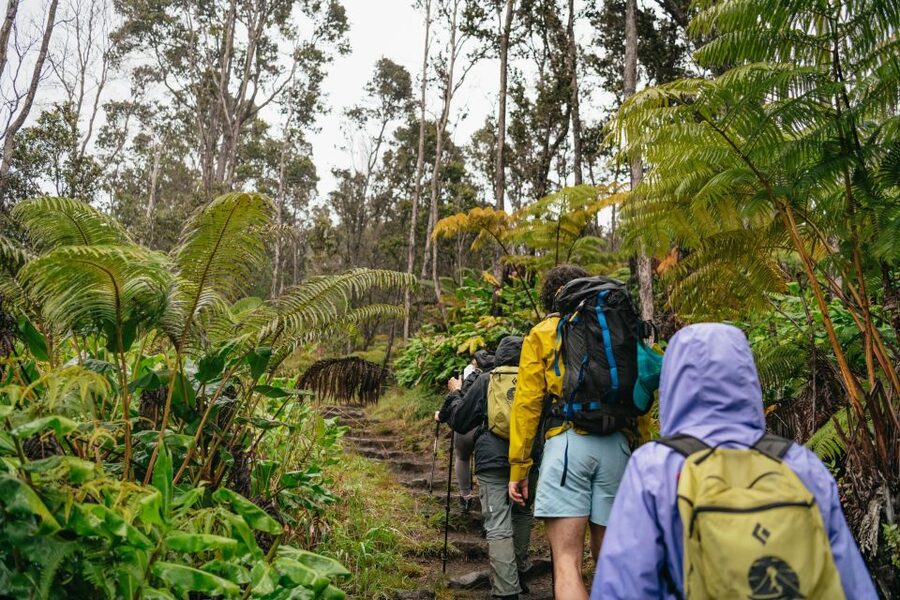
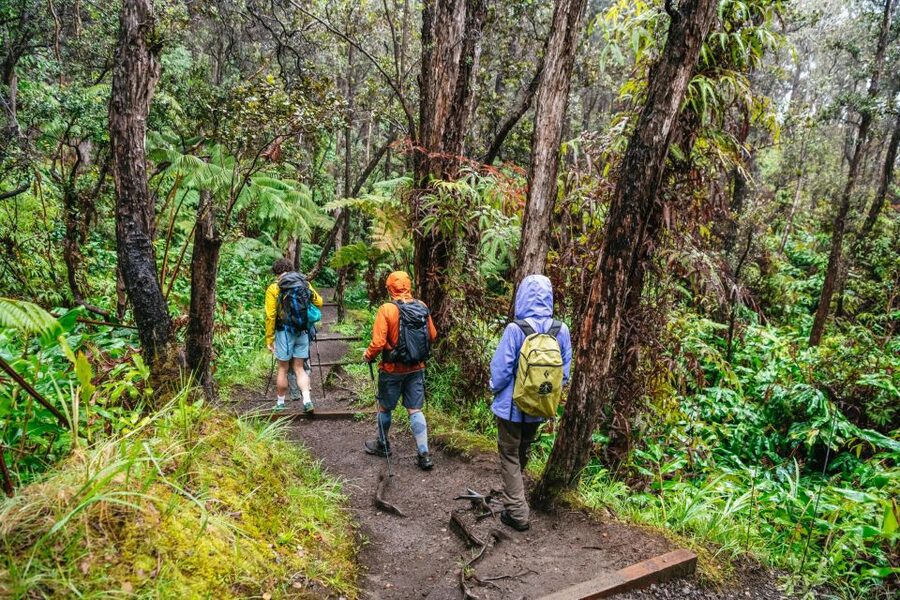
The first major part of the hike leads through native Hawaiian forest. This is where the tour adds more than a standard scenic stop. Instead of looking only at lava, you learn how life returns and survives around an active volcanic region.
The guide discusses the ecology of the park and points out native wildlife when conditions allow. The information does not promise specific animals or guaranteed sightings, so keep your expectations sensible. You are exploring habitat, not visiting a wildlife enclosure.
Rainforest conditions can change the feel of the walk. The tour runs rain or shine, and rain gear is specifically recommended. A wet forest may be atmospheric and beautiful, but it can also mean slick footing and a more demanding day. Good hiking shoes are essential, not just comfortable sneakers.
This section may be the most useful part for anyone who wants context. A volcanic park can look stark in photographs, but the forest shows that the story continues after an eruption. Your guide helps connect the plants and wildlife to the volcanic ground beneath them.
Seeing Kilauea Iki Crater
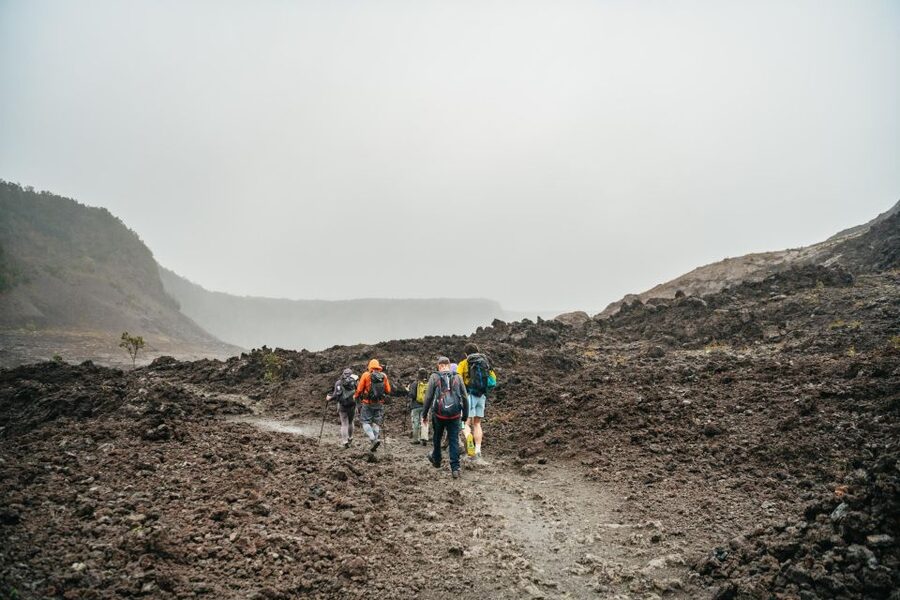
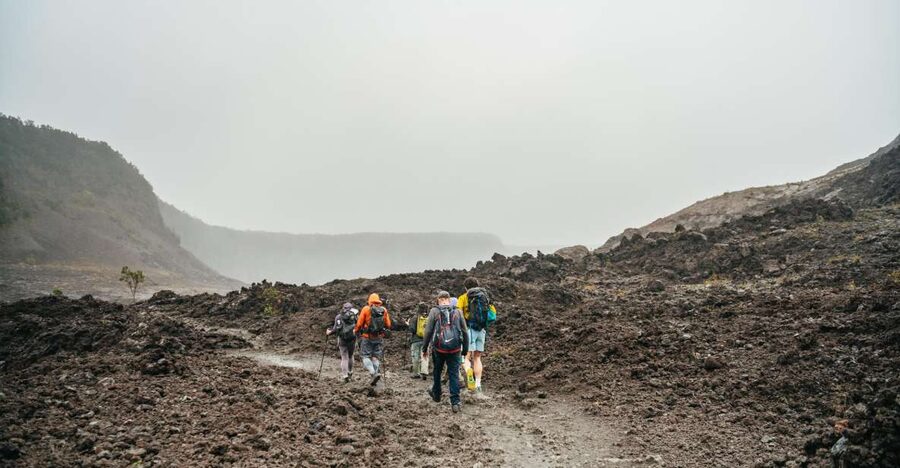
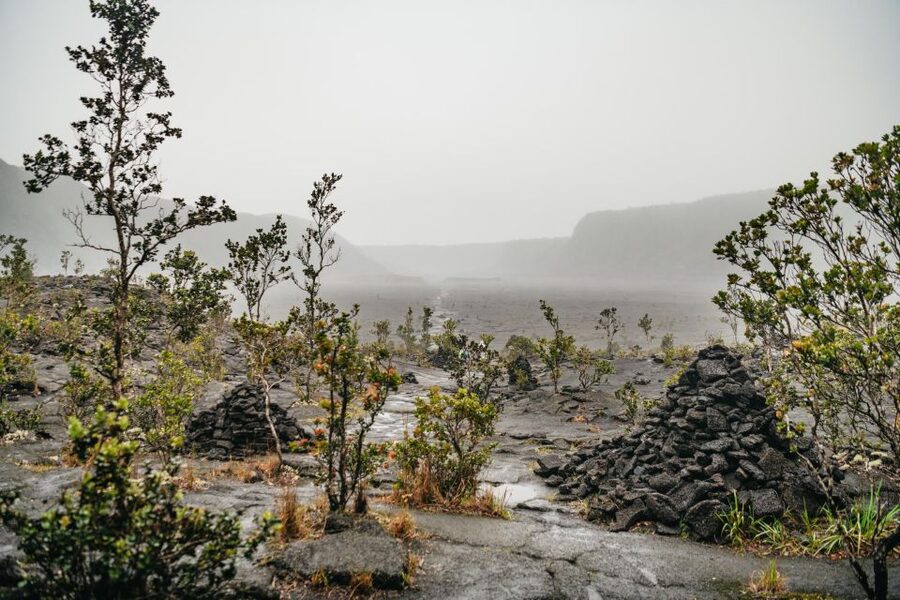
The route continues to Kilauea Iki Crater, where you look across a solidified lava lake. This is one of the most memorable visual stops because it gives you a sense of scale. From the rim or surrounding route, the crater appears as a broad, hardened field created by a major volcanic event.
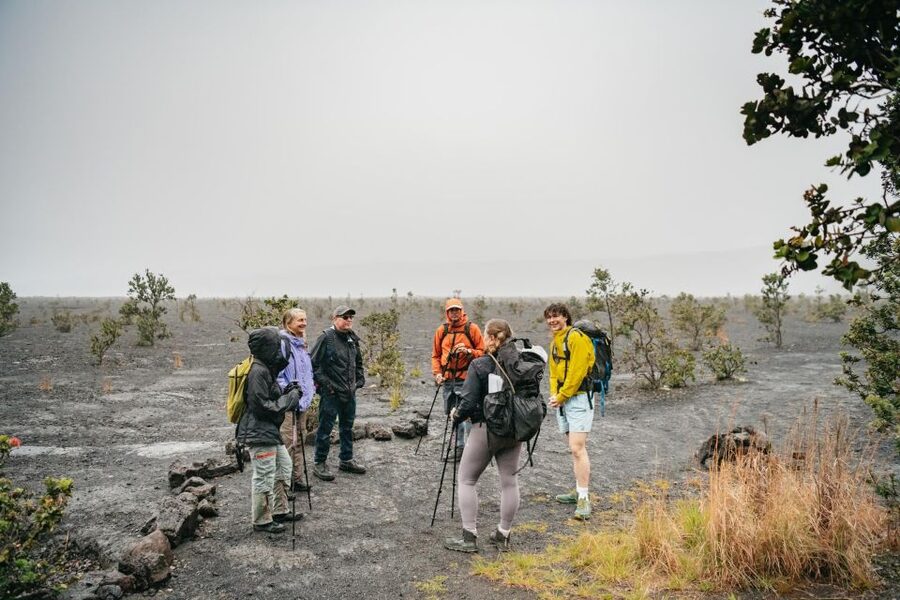
The appeal is not just the view. Your guide explains the size and force of what happened, helping you read the crater as evidence rather than scenery. One particularly strong feature of the experience is the chance to walk across the caldera area and grasp how much ground was changed.
You should be prepared for the crater portion to feel open and exposed after the forest. The supplied details do not give an exact distance, elevation gain, or trail difficulty rating, so you should ask the operator for those specifics if you are concerned about fitness or footing.
The hike is not suitable for people with mobility impairments, and children under 8 cannot join. That restriction makes sense for a long outing through uneven volcanic terrain, though the tour does not provide a detailed technical difficulty grade.
More National Park Hikes in the USA
- San Francisco: Yosemite National Park & Giant Sequoias Hike
★ 4.5 · 1,777 reviews - Everglades National Park Biologist Led Adventure: Cruise, Hike + Airboat
★ 5.0 · 685 reviews - The Narrows: Zion National Park Private Guided Hike
★ 5.0 · 209 reviews - Zion National Park Hiking Tour from Las Vegas Small Group Max 14
★ 5.0 · 170 reviews
Steam Vents and the Volcanic Caldera
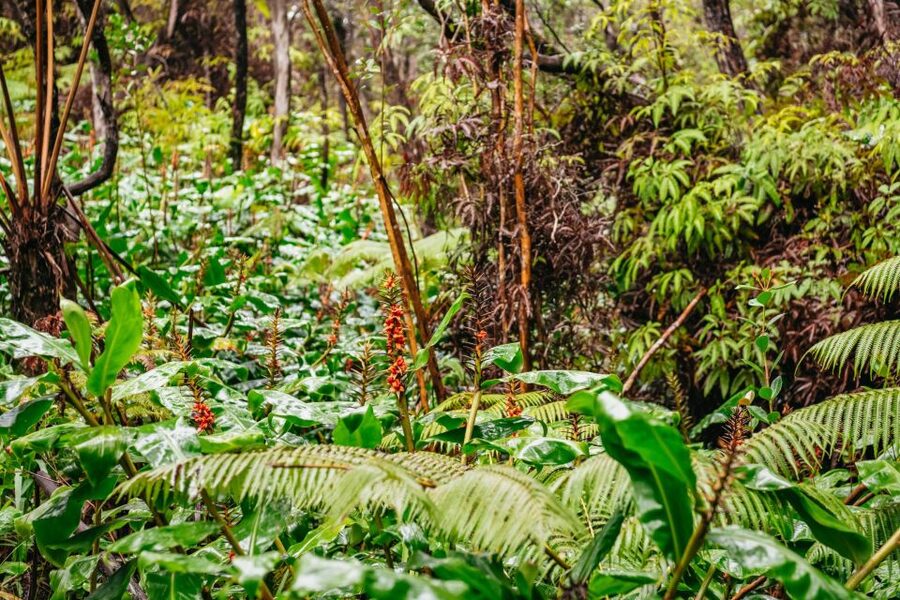
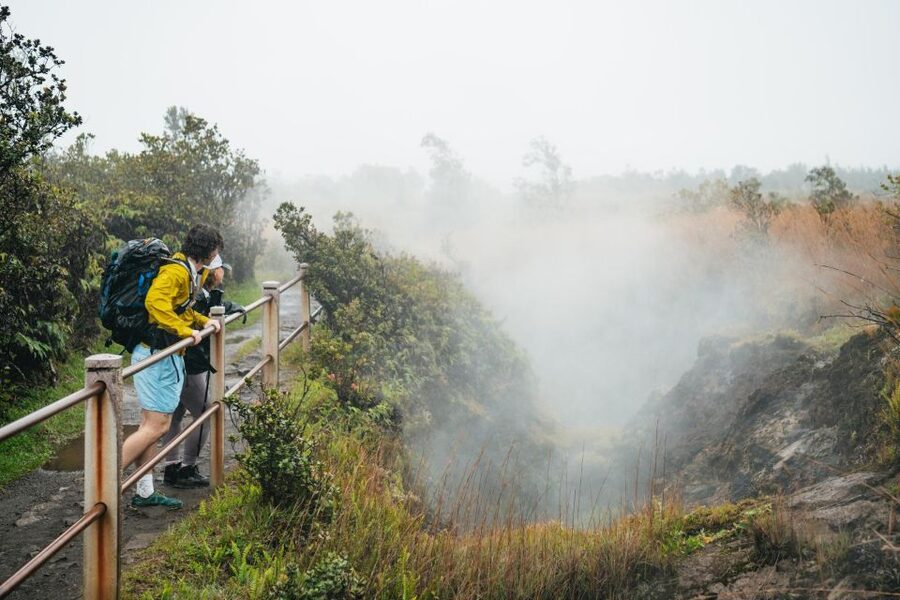
After the crater, the route weaves between steam vents and continues into native forest toward a volcanic caldera. Steam rising from the ground gives you a direct reminder that this is not simply an old lava field preserved for visitors.
You may feel heat near the vents, and the guide explains the volcanic forces at work. The attraction here is the contrast between the quiet forest and the signs of heat below it. One moment you are among trees, and the next you are looking at volcanic walls and feeling warmth from the earth.
The caldera walls give the day a sense of scale that photographs do not always convey. You can look upward at the huge rock faces and better understand the size of the volcanic system. The guide also covers the area’s volcanic past and ecology, so the stop works for both geology fans and people who simply want to know what they are seeing.
You should follow the guide closely around steam vents and stay on the route. The supplied information does not describe specific safety rules for the vents, but heat, uneven ground, and changing weather are all good reasons to pay attention.
Entering Thurston Lava Tube
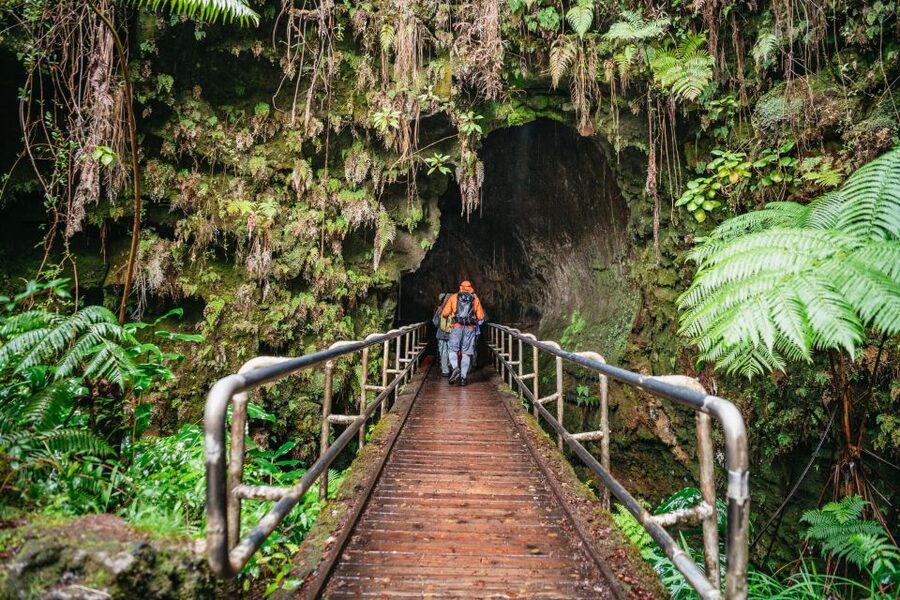
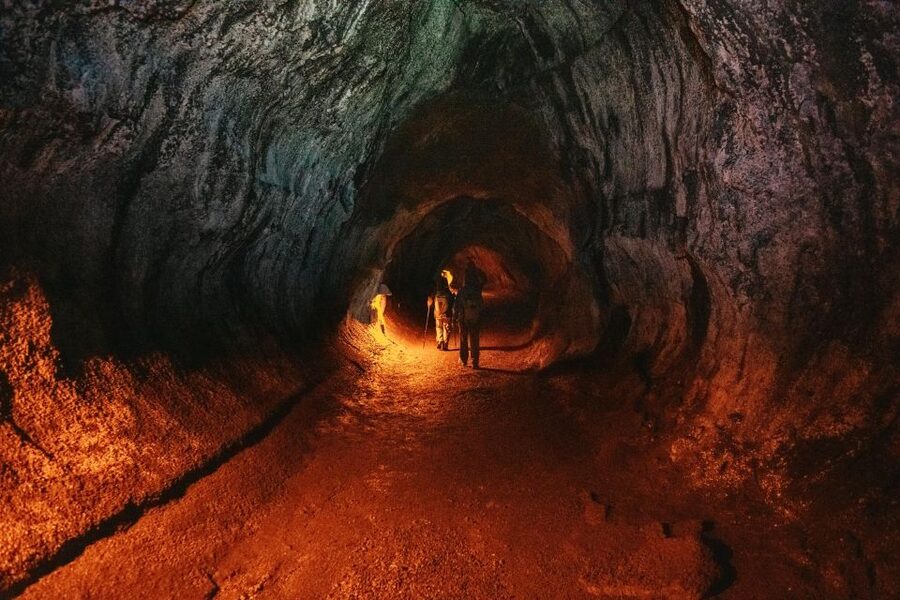
The final major attraction is Thurston Lava Tube, a long underground passage created when the outside of a lava flow cooled while molten rock continued moving beneath it. When the flow drained, it left a tunnel behind.
Walking into the tube changes the pace of the day. The forest and crater provide wide views, while the lava tube brings you close to the physical structure of a past eruption. You are not just looking at a black rock surface. You are entering a space shaped by flowing lava.
The tube is an especially good stop for families with older children, geology fans, and anyone who likes places with a strong sense of place. Children under 8 are not permitted on the tour, and the walk is not designed for people with mobility impairments.
The information provided does not state how long you remain inside the tube or whether lighting equipment is needed. You should bring the listed essentials and ask the guide if you have concerns about darkness or footing.
Lunch and the Pace of the Day
A gourmet picnic is included, with salads, sandwiches, and desserts. After a long walk, that is more than a minor extra. It means you do not need to pack a full meal or leave the park to find one.
One practical issue is timing. The picnic may come very late in the outing. Richard, who joined a March tour, found that lunch was essentially at the end and suggested an earlier break. If you tend to need food at regular intervals, bring a small personal snack even though lunch is included.
The food itself has been a strong part of the experience. The supplied menu sounds more substantial than a basic packed lunch, and Jennifer has also prepared cookies for a group. Still, meal timing can affect how you feel during a six-and-a-half-hour hike, so eat breakfast before arrival if you are unsure about the morning offering.
The lunch is also a chance to slow down. The itinerary includes several visually dramatic stops, but a meal gives you time to rest and take in the day without rushing from one feature to another.
What Jennifer Adds to the Walk
Guide quality matters on a volcanic hike because much of what you see needs explanation. Lava rock, steam, crater walls, and forest can be impressive on their own, but a good guide helps you connect them.
Jennifer is the named guide in several recent tour experiences, and her strongest qualities are warmth, patience, and storytelling. She explains volcano legends along with the natural science, which gives the walk a stronger connection to Hawaiian culture and place.
She also pays attention to the group. That is especially important in a small tour where differences in walking pace, age, and interest can affect the day. Her personal touches, such as baking cookies, are not guaranteed features, but they suggest a friendly approach.
The tour is in English only. If you need another language, this is not the right choice based on the information available.
Is $230 a Fair Price?
At $230 per person, this is not a budget park outing. You also pay the national park entrance fee unless you already hold an annual pass. For two people using individual entry, the basic cost becomes at least $490 before any private-tour supplement or other expenses.
The value comes from the length and range of the experience. You receive a guide for 390 minutes, a small group capped at 10, breakfast as advertised, and a gourmet picnic. You also cover rainforest, crater, steam vents, caldera, and lava tube settings in one outing.
If you already know the park well and only want to visit Thurston Lava Tube or Kilauea Iki on your own, $230 may feel high. You can visit the national park independently and pay only the entry fee. In that case, you give up the guide’s explanations, the organized route, and the included meals.
I see the price as easier to justify if you want interpretation and do not want to plan the day yourself. It also makes more sense for first-time visitors who want to understand what they are seeing rather than simply collect viewpoints.
Who Should Book This Hike?
I would recommend this tour to reasonably fit adults, older children who meet the age rule, and anyone who enjoys nature with explanation. It is particularly useful if you want to combine the park’s plant life and wildlife with its volcanic features.
It suits you if you like small groups, because 10 people is far more manageable than a large coach excursion. The private option may be worth considering if personal attention matters more than keeping costs down.
I would think twice if you dislike walking in rain, need a guaranteed full breakfast, or require accessible trails. The tour runs in all weather, the breakfast setup may vary, and the outing is not suitable for people with mobility impairments.
Bring hiking shoes, water, and rain gear. Alcohol and drugs are not allowed. Since exact trail mileage and elevation details are not provided, ask the operator for those facts before booking if you need to judge the physical demands closely.
Should You Book It?
Book this hike if you want a guided introduction to Hawai’i Volcanoes National Park that combines crater views, forest ecology, steam vents, and a lava tube in one long day. Jennifer’s warm storytelling and the small group format add real value, while the included picnic makes the price easier to defend.
Skip it if you prefer independent walks, need a firm breakfast guarantee, or want a short and easy visit. For everyone else, this is a strong choice for seeing the park as both rainforest and volcano, with enough time to understand the connection.
FAQ
Where does the hike meet?
You meet your guide at the Kilauea Visitor Center inside Hawai’i Volcanoes National Park.
How long does the experience last?
The hike lasts 390 minutes, or six and a half hours.
How much does the tour cost?
The listed price is $230 per person.
Is park admission included?
No. Park admission costs extra. The listed options are $15 per person, $30 per vehicle, or an annual national parks pass for $80.
What food is included?
Breakfast is listed as a buffet with fruit, salmon, cheese, tea, and coffee. A gourmet picnic with salads, sandwiches, and desserts is also included.
Is the breakfast always a full buffet?
The advertised breakfast is a buffet, but one recent outing provided snacks such as bars and nuts instead. Confirm the current breakfast arrangement if this matters to you.
What will I see during the hike?
You will walk through native Hawaiian rainforest, visit Kilauea Iki Crater, pass steam vents, see a volcanic caldera, and enter Thurston Lava Tube.
Is the tour offered in languages other than English?
No. The available guide language is English.
What should I bring?
Bring hiking shoes, water, and rain gear.
Can children join the tour?
Children under 8 are not allowed to join. The tour is also not suitable for people with mobility impairments.
Does the tour run in bad weather?
Yes. The hike takes place rain or shine.
How large is the group?
The small group is limited to 10 participants. A private-tour option is also available.
More Volcano Hikes in the USA
- Oahu: Diamond Head Crater Hike and North Shore Experience
★ 4.7 · 189 reviews - Hidden Craters Hike of Kona
★ 5.0 · 156 reviews - Kilauea: Volcanoes National Park Guided Hike
★ 4.8 · 61 reviews - Kīlauea Hike and Lava Gazing with Native Hawaiian
★ 5.0 · 22 reviews
Just added around the USA
- Private Grand Canyon Hike and Sightseeing Tour★ 5.0 · 132 reviews
- Private Grand Canyon Full Day Hike★ 5.0 · 53 reviews
- Angel Rocks Hike and Chena Hot-Springs Soak Guided Tour★ 4.5 · 13 reviews
- Snowshoe Hike to Castner Glacier Ice Cave★ 5.0 · 35 reviews
- Rocky Mountain Full Day Private Tour & Hike★ 5.0 · 8 reviews
- Rocky Mountain National Park Half Day Hike★ 5.0 · 14 reviews
- Rocky Mountain National Park – Private Hiking Tour★ 5.0 · 17 reviews
- Sunset Hiking Tour in the Rocky Mountains near Denver★ 5.0 · 39 reviews
Volcano Hikes, side by side.
Sunrise Mount Batur Guided Hike with Breakfast
Read our review →
Mount Batur Sunrise Guided Hike and Natural Hot Spring
Read our review →
Mount Etna: Summit Guided Hiking Tour up to 3,400 m
Read our review →
Mount Etna: Trek to 3000m with cable car and 4×4
Read our review →
Mount Batur Sunrise Trek With Guide and Breakfast
Read our review →
Mount Batur Sunrise Hike and Natural Hot Spring Option
Read our review →
Mount Etna: Summit Crater Trek with Cable Car
Read our review →