
REVIEW · PERU
3-Day Colca Canyon trek with Professional Guide
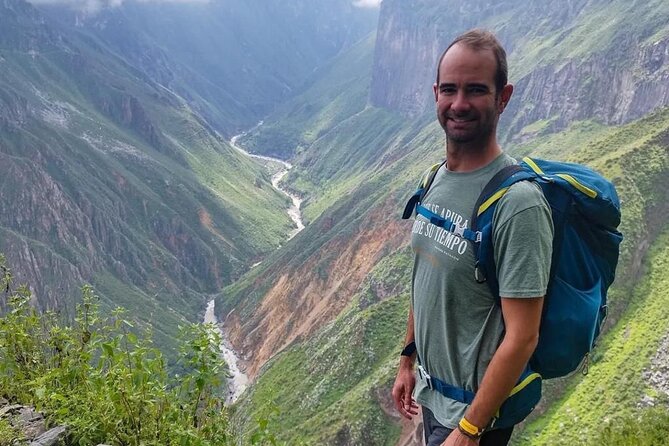
Colca Canyon is best understood on foot, and this three-day route gives you time to do more than stare over the rim before heading back to Arequipa. You watch condors at Cruz del Condor, walk down through farming communities, and spend two nights in the canyon rather than rushing through it in one long push.
I like the slower rhythm and the friendly local contact in the small villages. I also like that guides such as Marcos, Ghersy, César, Jean Carlos, and Jonathan have been praised for setting a manageable pace and explaining the canyon’s plants, animals, and history. The catch is simple: the hiking is hard, especially the steep, sunny descent on day one and the early climb out on day three.
Key points at a glance
- Cruz del Condor begins the trip: Start with wide canyon views and a chance to watch Andean condors ride the air.
- Two nights inside the canyon: The extra night lets you enjoy Sangalle without treating the trek like a race.
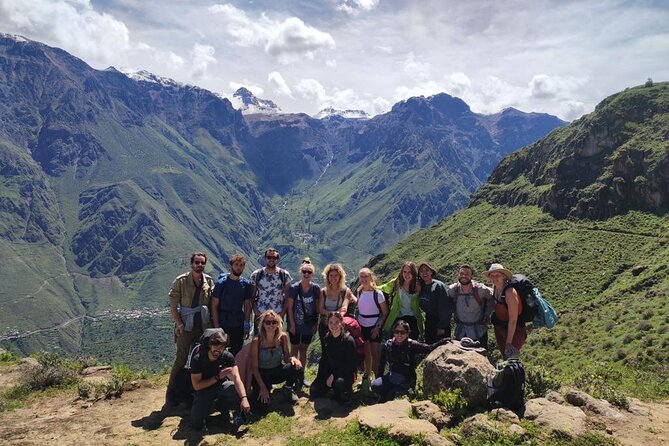
- A small group helps: The maximum group size is 10, useful on steep paths where people naturally move at different speeds.
- The descent is tougher than it sounds: Four hours downhill can be hard on knees and feet, so hiking shoes and poles are sensible.
- Sangalle brings a welcome pause: Natural pools offer a calm afternoon after the first demanding stages.
- The final morning starts early: You climb before dawn, then relax at Chacapi hot springs for an extra fee.
Why three days works better in Colca Canyon
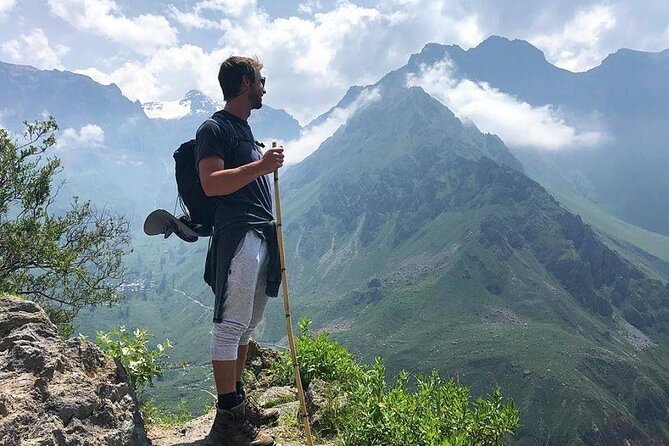
The main advantage of this trip is time. A shorter Colca Canyon trek can feel like a downhill march followed by a punishing climb. This route spreads the effort across three days and gives you an afternoon in Sangalle, where the canyon floor feels far removed from the busy roads above.
That extra time matters for more than comfort. You pass small communities where farming and livestock still shape daily life. You get a closer look at how people live in the canyon, rather than seeing only the famous viewpoint and a trail under your boots.
The route is still demanding. The first day includes about four hours walking down into the canyon, often on steep ground with little shade. The third day begins with an early climb out, and that uphill section can be the hardest part of the trip for many people.
I would choose this three-day option if you want to enjoy the canyon itself, not simply check it off a Peru itinerary. You should also choose it if you prefer a steady pace, quiet afternoons, and basic lodges over a faster, more compressed schedule.
More Canyon and Gorge Hikes in Peru:
- From Arequipa: 2-Day Colca Canyon Trekking Tour
★ 4.8 · 243 reviews - 2 Day 1 Night Trek / Colca Canyon
★ 4.5 · 92 reviews - Private 3 Day Colca Canyon Trekking tour (superior Service)
★ 5.0 · 58 reviews
The 3 a.m. start and Cruz del Condor
Your day begins at 3 a.m., so do not treat the first morning as a gentle sightseeing outing. The early start gets you toward Cruz del Condor, where you can look across the enormous Colca Canyon and watch condors circle above the valley.
The viewpoint gives you two different rewards. First, there is the bird watching. The condors are the visual stars of the morning, and their broad wings make the canyon feel even larger as they glide on rising air.
Second, there is the scale of the canyon itself. From the rim, you see steep mountains surrounding the Colca Valley and gain a useful sense of the drop ahead. The viewpoint is not just a quick photo stop. It sets up the rest of the walk by showing you where the trail is taking you.
After Cruz del Condor, the route heads downward for about four hours. This is where the trip shifts from sightseeing to real trekking. The descent is steep, and the sun can be strong. Carrying water, wearing proper hiking shoes, and using poles are practical choices, not extras.
The early start has one more benefit: you begin the demanding part before the day becomes hotter. It also means you may be tired before the first full hike is over. If you sleep poorly before early departures, plan your evening in Arequipa carefully.
Four hours down to a canyon village
Day one trades the high rim for a small village inside the canyon. You spend the night among local people and mountain scenery, with a chance to slow down after the descent.
The accommodation is basic, but the available descriptions point to clean, comfortable lodges and pleasant cabins with gardens. Posada Gloria is named as one overnight stop, though exact lodging can depend on the operation of your departure. Some people have also paid extra for private rooms, so ask about room arrangements when booking if privacy matters to you.
The overnight stay changes the feel of the trek. Instead of finishing a long hike and immediately boarding transport, you remain inside the canyon. That gives you time to notice the quieter side of the area and enjoy the local welcome.
Meals are included in the package: three breakfasts, two lunches, and two dinners. The food has been described as plentiful and good, which is useful after several hours on a steep trail. The final day’s lunch is not included, so keep 45 soles available for it.
Day two, village paths and Sangalle pools
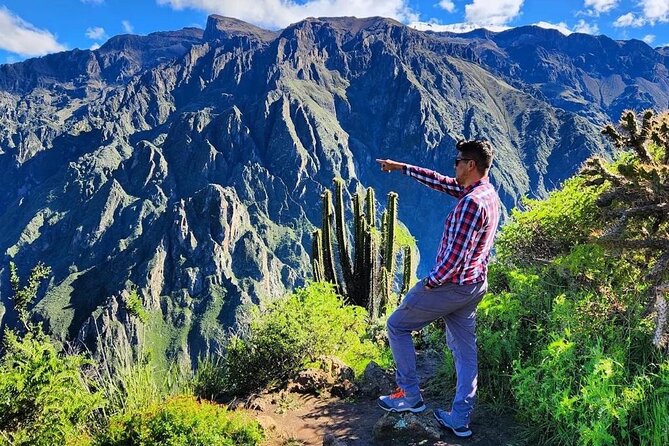
The second day covers about four hours and visits small communities where farming and livestock remain part of everyday life. This is one of the most worthwhile parts of the route because it adds human detail to the dramatic scenery.
You are not simply walking through empty mountain country. You see cultivated areas and settlements linked to old customs and rural work. The guide can help explain the plants, animals, and local setting, and guides such as Marcos, Ghersy, César, Jonathan, and Jean Carlos have received strong praise for their explanations and easy manner.
By midday, you reach Sangalle, often called an oasis because of its greener setting at the bottom of the canyon. Natural pools provide the day’s main chance to relax. After the hot, exposed walking, that pause is more than a pleasant bonus. It gives your legs time to recover before the final ascent.
Tropical Lodge in Sangalle is one lodging named for this part of the trip. Expect a simple place rather than a polished resort. The appeal is the location, the pools, the gardens, and the chance to unplug in the canyon.
The second night is the reason I would pick three days over two. You can enjoy the afternoon without immediately facing the climb out. You may find the pace still active, but it is less rushed and leaves room to appreciate the setting.
More Three-Day Trips around Peru:
- Salkantay Trek Challenge – 3 Days / 2 Nights
★ 5.0 · 101 reviews - Ausangate and Rainbow Mountain Trek – 3 Days / 2 Nights
★ 5.0 · 35 reviews - Sapa 3 Days 2 Nights Trekking Tour (1 Night In Ta Van Village, 1 Night In Hotel)
★ 5.0 · 699 reviews - 3-Day Trekking Adventure of Sapa from Hanoi – Stay Ta Van Village
★ 5.0 · 611 reviews
The pre-dawn climb and Chacapi hot springs
Day three starts very early. You climb out of the canyon before sunrise, then continue toward Chacapi hot springs. The early darkness can make the first part feel demanding, but it also lets you watch the light change as morning reaches the mountains.
This is the day to judge your fitness honestly. The tour asks for a moderate physical fitness level, yet the trail includes a steep descent and a substantial uphill return. The supplied timing lists the hot spring stop as one hour, but the climb itself is the serious work.
Chacapi is a useful finish because it gives you a chance to loosen tired muscles after the ascent. Admission is not included and costs 5 US dollars per person. The last-day lunch is also extra, priced at 45 soles.
The hot springs do not turn the trek into an easy walk. They simply give you a comfortable reward after the hardest section. If you dislike early starts or steep uphill hiking, this final morning may outweigh the pleasant soak afterward.
Guides, group size, and pace
The group is limited to 10 people. That is a sensible size for a narrow, steep route, and it gives the guide a better chance to keep the group together without forcing everyone into the same stride.
Different guides are named in the available trip details, including Marcos, Ghersy, César, Jean Carlos, and Jonathan. Their strengths are similar: clear explanations, good local knowledge, friendly company, and an ability to adjust the pace. That last point matters because the trail naturally separates a fast walker from someone managing tired knees.
Guides have also been praised for discussing plants, animals, and the wider story of Colca Canyon. You should still tell your guide early if you need a pause. A comfortable pace is easier to maintain when the guide knows how you are feeling before you are exhausted.
Transport is part of the operation, and the buses have been described as comfortable, with drivers handling steep mountain roads safely. The tour is near public transportation, though the very early start means you should confirm exactly where and how the pickup works at booking.
Some departures have included a transfer onward to Puno, with luggage stored at the trek’s starting point. Do not assume that is part of every booking. Ask specifically if you need a Puno connection or luggage storage.
What the $98 price really covers
At $98 per person, this is a strong price for a three-day guided trek if the listed meals, transport, guide service, and lodging are all part of your departure. You receive three breakfasts, two lunches, and two dinners, plus the guiding and the overnight stays that make the longer route worthwhile.
The headline price is not the final cash you should plan for. The park entrance fee is listed at $20 per person. Chacapi hot springs cost another $5, and the final lunch costs 45 soles. Those charges are modest, but you should have the right currencies or confirm payment options before leaving.
The value comes mainly from the time inside the canyon. You are paying for a slower route, not just extra nights in a bed. The second night gives you a proper afternoon at Sangalle and reduces the feeling that you are racing from rim to river and back again.
Accommodation is basic, though reports describe it as clean and comfortable. Private rooms may cost extra. If you want a high-end hotel standard, this is not the right product. If you want a simple bed, hot food, and a place to rest among impressive scenery, the price makes sense.
How to prepare for the trail
You do not need technical climbing skills, but you do need steady legs and a reasonable level of fitness. The operator asks for moderate fitness, and the route earns that warning through its steep sections and early starts.
Bring or arrange the following:
- Hiking shoes with good grip
- Walking poles for the long descent and climb
- Sun protection for exposed parts of the trail
- Water and a small day pack
- Cash for the park fee, hot springs, and last lunch
- Clothing suitable for changing conditions
- A headlamp or other light for the pre-dawn start, if not supplied
The advice about poles is especially useful. Downhill walking can be harder on your knees than uphill walking is on your lungs, and the first day includes about four hours of descent.
Pack light, but keep what you need accessible. You will want water, sun protection, and any personal items during the walk. If you arrange a later transfer to Puno, confirm how your larger luggage is handled before the trek begins.
Who should book this trek
I would recommend this route to you if you want a physical experience with real time in the canyon. It suits people who like small groups, local villages, basic lodges, generous meals, and quiet afternoons more than polished facilities and a tightly packed sightseeing schedule.
It is also a good fit if you want a guide who can explain the natural setting and keep an eye on the group’s pace. The maximum of 10 people helps preserve that personal feel.
Think carefully before booking if you have limited hiking fitness, trouble with steep descents, or no interest in getting up before dawn. The tour is not a casual walk. The hot afternoon at Sangalle is enjoyable because you worked to reach it, and the Chacapi soak is satisfying because the final climb is serious.
The three-day length is the right choice for many people, but it is not a shortcut around the effort. It gives you more time and a better rhythm, not a flat trail.
Should you book the Colca Canyon trek?
Book it if you want to see Colca Canyon from inside, not only from a roadside viewpoint. The combination of condors, village paths, Sangalle’s natural pools, simple canyon lodges, and a final hot spring stop gives the trip a good mix of nature, local life, and physical challenge.
The $98 base price is appealing, but budget for the $20 park fee, $5 hot spring entry, and 45 soles for the last lunch. Confirm private-room costs and any Puno transfer separately.
I would choose this tour over a shorter option if you can handle the descent and early climb. You get more time to enjoy the canyon, and guides such as Marcos, Ghersy, César, Jean Carlos, and Jonathan add useful context to the walk. If your fitness is uncertain, prepare with hills and stairs before arriving. That small effort will make the views, pools, and sunrise much easier to enjoy.
FAQ
How long does the Colca Canyon trek last?
The trek lasts approximately three days, with walking on each day and two nights spent in the canyon.
What time does the tour start?
The stated start time is 3 a.m.
How many people can join the group?
The maximum group size is 10 people.
What fitness level is required?
You should have a moderate level of physical fitness. The route includes about four hours of downhill walking on day one and an early uphill climb on the final day.
What is included in the price?
The package includes three breakfasts, two lunches, two dinners, guiding, and the three-day trek experience.
Is the park entrance fee included?
No. The park entrance fee is listed as $20 per person.
Are the hot springs included?
No. Chacapi hot springs cost $5 per person.
Is lunch on the final day included?
No. The final-day lunch costs 45 soles and is not included.
Can I cancel for a full refund?
Yes. You can cancel at least 24 hours before the local start time for a full refund. Cancellations or changes made within 24 hours are not refunded or accepted.
Just added around Peru
- Small Group: 4-Day Inca Trail Trek to Machu Picchu★ 5.0 · 33 reviews
- 5-Day: Salkantay Trek to Machupicchu and Humantay Lake★ 5.0 · 42 reviews
- Salkantay Trek Standard 5D/4N★ 5.0 · 48 reviews
- Classic Choquequirao Trek – 5 Days / 4 Nights★ 5.0 · 52 reviews
- Salkantay Trek To Machu Picchu 5 Days And 4 Nights★ 5.0 · 44 reviews
- 5 Day – Salkantay trek to Machu Picchu – Group Service★ 4.5 · 27 reviews
- Salkantay 5-Day Trek To Machu Picchu★ 5.0 · 39 reviews
- Salkantay Trek: 5 Days to Machu Picchu★ 5.0 · 33 reviews
Canyon & Gorge Hikes, side by side.
Full-Day Samaria Gorge Trek Excursion & Guide
Read our review →
Multnomah Falls and Columbia River Gorge Half-Day Hiking Tour
Read our review →
Peekaboo Slot Canyon UTV and Hiking Adventure
Read our review →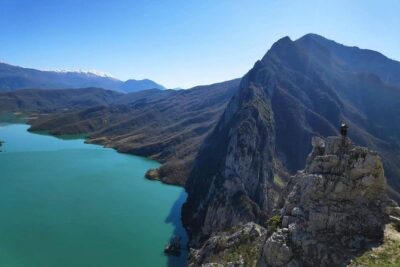
Hike Gamti Mountain with Bovilla lake view & canyon- From Tirana
Read our review →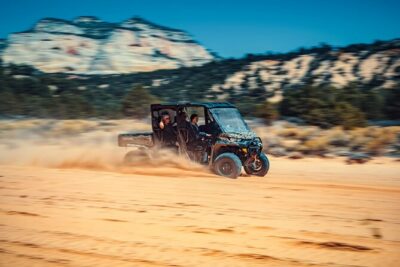
East Zion Crimson Canyon Hike & UTV Adventure
Read our review →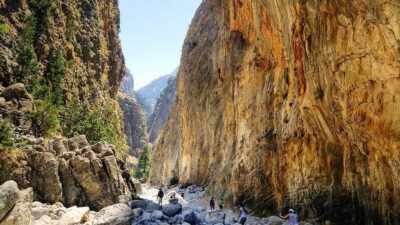
From Chania/Rethymno: Samariá Gorge Guided Hike with Pickup
Read our review →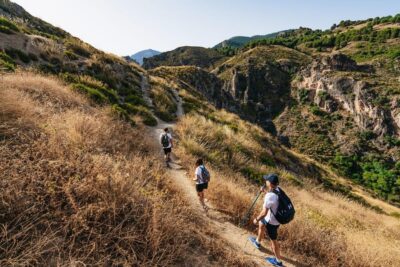
This walk also sits in