
REVIEW · PERU
Choquequirao Trek 4 days and 3 nights
Choquequirao is the kind of Inca site you reach by earning it. The four-day route drops from the high Andes into the Apurimac Canyon, climbs through warmer country, and ends at a citadel that sees only a fraction of Machu Picchu’s crowds. You get big views, quiet trails, and a real mountain challenge.
I like the small-group format and the fact that a chef, guide, and porter travel with you. I also like the food setup, which includes four breakfasts, four lunches, and three dinners, rather than leaving you to manage meals on your own. The drawback is simple: this is not a gentle sightseeing tour. Steep descents, hard climbs, early starts, and camping are part of the deal.
The key facts before you commit
- A six-hour first day: You descend from Capuliyoc to Santa Rosa, covering about 10.8 kilometers and losing a great deal of elevation.
- Choquequirao without the Machu Picchu crowds: The citadel is the main prize, reached after a strenuous approach through canyon country.
- A strong support team: Your guide leads the route, a chef prepares the meals, and a porter carries up to 7 kilograms of your personal belongings.
- A very early Cusco departure: Pickup is scheduled between 4:30 and 5:00 a.m., so arrange your bags and breakfast plans the night before.
- Saywite adds a second archaeological stop: On the way back, private transport takes you to the mysterious carved stone at Saywite.
- Good value at $698: Transport, food, camping support, guiding, porter service, and the entrance tickets are bundled into one price.
Why Choquequirao feels different from other Inca treks
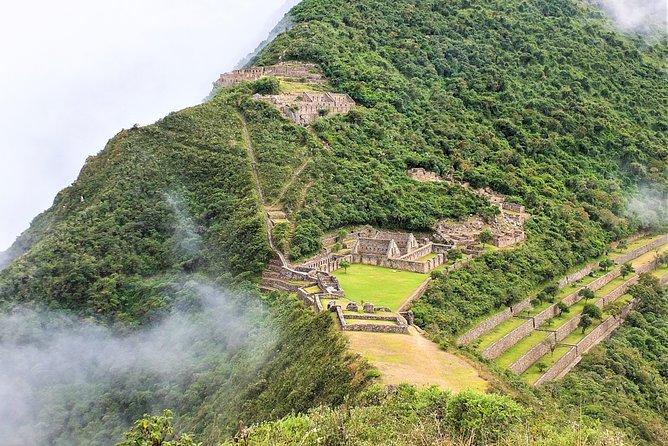
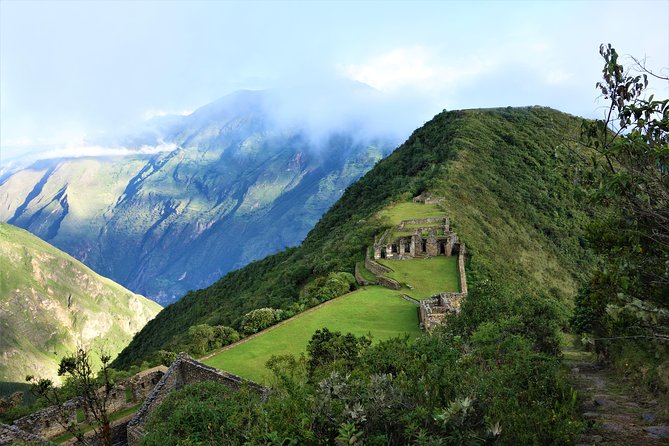
Choquequirao is often described as a lost Inca city, though it is not truly lost. It is a substantial archaeological site high above the Apurimac River, reached by a trail that demands time and effort. That difficult access is exactly what protects the experience from heavy foot traffic.
You are not simply walking from one ruin to another. The route changes dramatically as you go. At Capuliyoc, you begin high in the Andes, with open views toward the Apurimac Canyon. The path then drops into warmer, more wooded country before climbing again toward Marampata and Choquequirao.
That repeated gain and loss of elevation is the heart of the challenge. If you are used to flat walks, the distances may look modest on paper. They are not easy distances when the trail is steep, the sun is strong, and you are carrying day gear.
The reward is space. At Choquequirao, you can take time to look across the terraces, stonework, and mountain setting without the constant movement found at Peru’s busiest archaeological sites. The quiet is not an extra feature. It is one of the main reasons to choose this trek.
More Machu Picchu and Inca Trail Treks in Peru:
- Salkantay Trek Challenge – 3 Days / 2 Nights
★ 5.0 · 101 reviews - Machu Picchu: 5-Day Salkantay Trek with Panoramic Train
★ 5.0 · 79 reviews - Ancascocha Trek To Machu Picchu 4 Days And 3 Nights
★ 5.0 · 77 reviews
Day 1: Capuliyoc to Santa Rosa through the canyon
Your day begins before sunrise, with pickup in Cusco between 4:30 and 5:00 a.m. The drive crosses the Andes toward Capuliyoc, where the group stops for its first breakfast at roughly 8:30 a.m. This is a long transport morning, so keep water and a light layer close at hand.
Capuliyoc sits at about 2,911 meters, or 9,550 feet. From here, the trail drops for around four hours toward Chiquiska, where lunch is served. The descent gives you the first broad views of the Apurimac Canyon, one of Peru’s deepest river gorges.
This opening section is visually strong but physically deceptive. Going downhill may feel easy during the first hour. Your knees and thighs may have a different opinion by lunchtime. Trekking poles are useful here, and they are one of the optional items you can arrange through the operator.
After lunch at Chiquiska, you continue downhill for about two more hours to Santa Rosa. The published figures give a total walking distance of about 10.8 kilometers and around six hours on foot. The campsite is at approximately 1,478 meters, or 4,849 feet.
I like this first day because it quickly shows you the range of the route, from high Andean views to denser vegetation. I would not choose it as a warm-up hike, though. You start early, spend much of the day descending, and finish at a lower altitude than where you began.
Day 2: The hard climb toward Marampata and Choquequirao
The supplied schedule for Day 2 repeats the Day 1 description, so you should use the pre-departure briefing to confirm the exact walking plan. The day title identifies the intended section as Marampata to Choquequirao, and the overall route clearly requires the major climb from the lower camps toward the citadel.
This is the day to respect. Choquequirao sits high above the canyon, and reaching it means reversing much of the elevation loss from Day 1. The trail climbs through changing vegetation, with steep sections that test your pace and patience.
A good guide will help you keep moving without turning the hike into a race. Guides named in the company’s Choquequirao departures include Elias and Sebastian, both described as supportive and encouraging, while other departures have included Gary and Sergio. Your assigned team may be different, but the practical point is the same: ask your guide early about the day’s climbs, rest stops, and expected arrival time.
Marampata is an important point on the route because it marks the approach to the citadel. From this area, the setting opens toward the mountains and the archaeological site. The final approach feels meaningful because you have already paid for the view with a long descent and an even longer climb.
The overnight arrangements and exact camp location should be confirmed before departure. The schedule contains inconsistent distances and elevations for Days 2 through 4, so do not treat every printed number as a precise field measurement. The broad pattern is reliable: climb to the Choquequirao area, spend serious time at the ruins, then descend and return toward Capuliyoc.
Day 3: Exploring the citadel and beginning the return
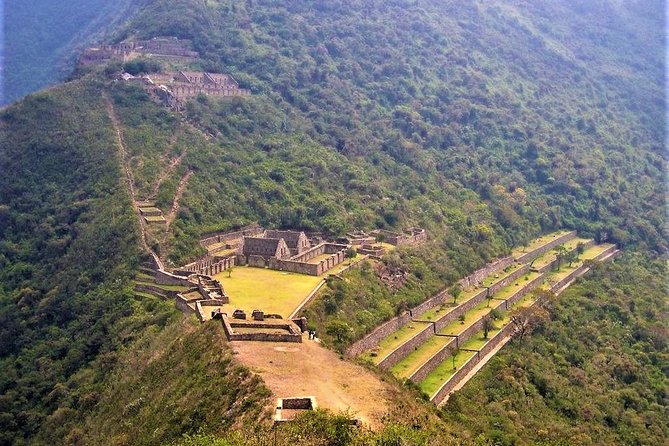
The citadel is the main event, and you should protect enough energy to enjoy it. The plan allows time to explore Choquequirao rather than treating the site as a quick photo stop.
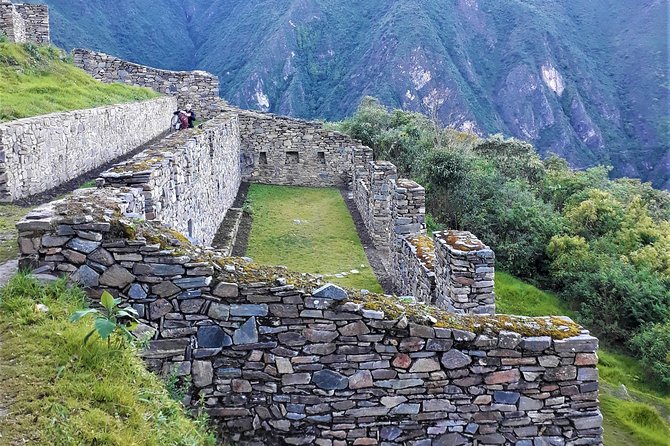
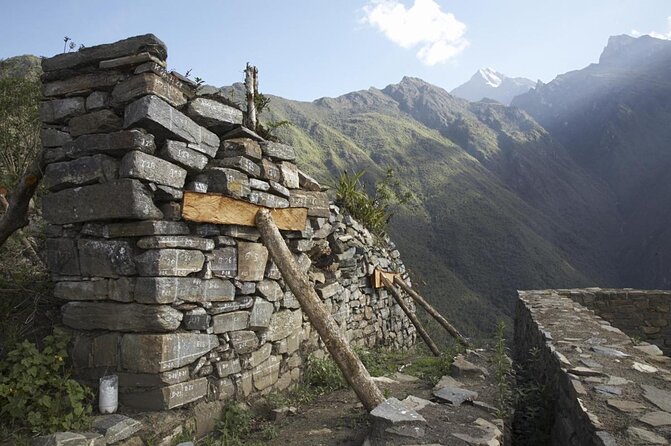
Take your time with the terraces, stone buildings, ceremonial areas, and mountain setting. The site’s appeal comes partly from its scale and partly from its isolation. You are looking at Inca construction in a place where the surrounding mountains still dominate the view.
The schedule describes an early start and a long return day, with a downhill section to Santa Rosa, lunch, another descent, and then an uphill stretch toward Chiquiska. It gives roughly eight hours of hiking, although the listed distance and elevation figures do not fully match one another.
That mismatch matters because you should plan by effort, not by mileage alone. An eight-kilometer day with steep climbs can feel harder than a much longer walk on a gentle trail. Keep snacks accessible, drink regularly, and do not wait until you are exhausted to tell the guide you need a pause.
This section is also a good time to notice the smaller details. The route passes flowers, birds, distant waterfalls, and changing plant life. You will have more time for those details if you avoid rushing through the morning at the citadel.
More Four-Day Trips around Peru:
- Pokhara: 4-Day Ghorepani, Poonhill & Ghandruk Mountain Trek
★ 5.0 · 132 reviews - 4 Day Wild Tasmania Tour / Wildlife, Nature, Hiking / Inc. Accom
★ 5.0 · 126 reviews - 4 Days Poon Hill Trek
★ 5.0 · 94 reviews - 4-Day Private Poon Hill Trekking Tour
★ 5.0 · 58 reviews
Day 4: The final climb and Saywite
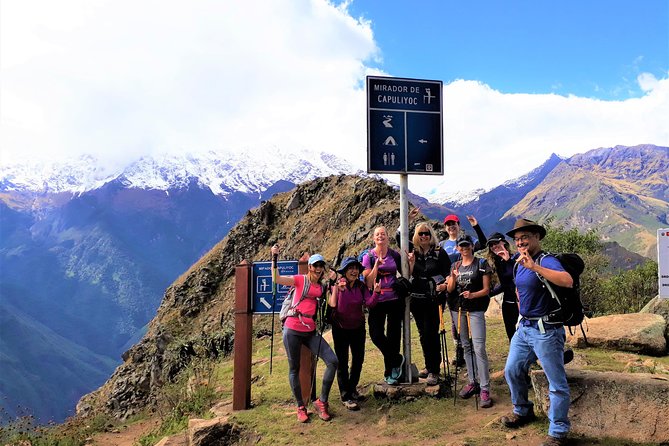
The last hiking section takes you uphill to Capuliyoc. The schedule gives about four hours for this final climb, followed by lunch and farewells to the support team.
After several days of downhill and uphill walking, this climb may feel surprisingly tough. It is not the longest day on paper, but tired legs make every switchback more noticeable. Keep your day pack light and use the support available from your guide.
From Capuliyoc, private transport takes you to Saywite. The archaeological site is known for its large carved rock, a mysterious stone covered with figures and shapes. It gives the trip a second archaeological focus and breaks up the return drive to Cusco.
You should have time to explore Saywite before arriving back at your hotel at around 5:00 p.m. That timing makes the final day useful rather than merely a transfer day. Still, it will be a long day from breakfast to hotel arrival, so do not schedule a demanding evening activity in Cusco.
What the $698 price really covers
At $698 per person, this is not the cheapest way to walk in the Cusco region. It is also not a bare-bones trek. The price includes round-trip transport, hotel pickup, the pre-departure briefing, professional English-speaking guides, camping support, meals, and a personal porter for up to 7 kilograms.
The food service adds real value. A dedicated chef prepares four breakfasts, four lunches, and three dinners, and the team includes cooks such as Leandro, Oscar, and Balbino on different departures. Meals are described as varied, fresh, and carefully prepared, with no need to repeat the same dish each day. Vegetarian meals and other dietary requirements can be arranged if you state them when booking.
The porter allowance is also important. Seven kilograms will not cover everything you own, but it can remove much of the burden from your shoulders. You still need a day pack with water, rain protection, warm layers, and personal essentials.
Sleeping bags, mattresses, and trekking poles are optional rather than included. Ask for guidance before departure if you need them. The price includes the main logistical structure, but not every piece of personal equipment.
There is a small inconsistency in the group-size information. The experience is described as limited to 12 people in the headline material, while the additional details give a maximum of 16. Confirm the expected group size before paying if a very small group is important to you.
The people who make the trek work
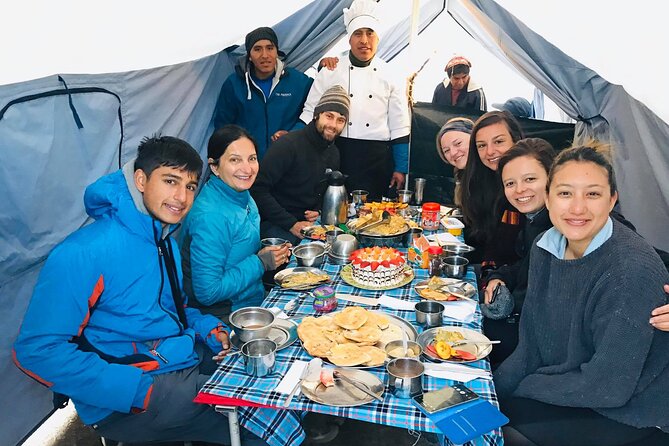
On a remote camping trek, the staff matter as much as the route. The guide sets the rhythm, explains the Inca sites, watches the group’s condition, and helps when the trail becomes intimidating. The best guide for you is not only a good speaker, but someone who notices when you need to slow down.
The cooking team has received especially strong praise. Preparing three substantial meals a day in a mountain camp takes planning, and good food becomes more than a comfort after a steep climb. It can make the difference between feeling supported and simply feeling worn out.
The porters and mule handlers carry the equipment that makes the camp possible. Boris, named on several Choquequirao departures, is described as cheerful and efficient. You will not see every part of this work, but you will feel its effect when camp is ready and your personal bag is waiting.
The company has also used guides and support staff named Elias, Sebastian, Gary, Sergio, Leandro, Oscar, and Boris on different trips. Do not assume a specific person will lead your departure unless the company confirms it. Do expect a team-based operation rather than a guide working alone.
Who should book this trek
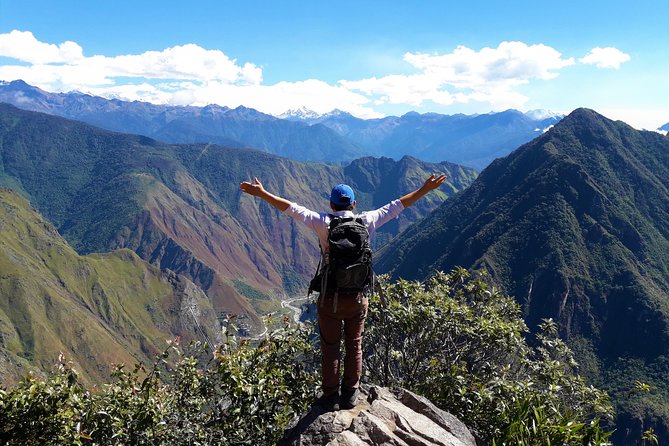
I would recommend this route to you if you want a quieter Inca experience and are comfortable with strenuous walking. You should have a moderate level of fitness and be ready for several hours of hiking each day.
This is a good match for someone who values scenery, archaeology, small groups, and practical support. It also suits people who prefer a structured trek, with transport, meals, staff, and camping handled in one package.
I would hesitate to recommend it if you dislike steep downhill walking, camping, early starts, or changing elevation. A moderate fitness label should not be read as easy. The Apurimac Canyon route is demanding, and the return climb can be just as tiring as the approach.
Children must be accompanied by an adult. A current passport is required on the day of the trek, and passport details are needed at booking. Cancellation is free up to 24 hours before the scheduled start, but late cancellations are not refunded. Poor weather or failure to meet the minimum group size can lead to a changed date or a full refund.
Practical ways to prepare
Use the 6:00 p.m. briefing the night before to ask about the corrected Day 2 plan, camp locations, equipment rentals, and the expected group size. This is particularly important because the published day-by-day figures contain duplicated and conflicting information.
Pack for both cool high-altitude conditions and warmer canyon weather. Keep rain gear, sun protection, a refillable water container, and a warm layer in your day pack. Your porter can carry up to 7 kilograms, but you should not put anything in that bag that you may need during the day.
Start slowly on Day 1. The first descent is long, and saving your knees and energy will help later. Use trekking poles if you are comfortable with them, especially on steep downhill sections.
Should you book it?
Book this Choquequirao trek if your priority is reaching a remarkable Inca site with few people around it, and you are ready to work for the privilege. The combination of meals, transport, porter support, and a small operating team makes $698 a fair price for a fully supported four-day expedition.
Do not book it simply because the route is marketed as an alternative to Machu Picchu. It is a serious trek, not a shortcut. If you accept the early mornings, steep trails, and camping, you get a quieter archaeological experience, striking canyon views, and the satisfaction of arriving under your own power.
FAQ
How long is the Choquequirao trek?
The experience lasts four days and three nights, with approximately six to eight hours of hiking on the main walking days.
Where does the trek begin?
The walking route begins at Capuliyoc, reached by transport from Cusco. Pickup from your Cusco hotel or the airport is included, with departure scheduled between 4:30 and 5:00 a.m.
Is food included?
Yes. The package includes four breakfasts, four lunches, and three dinners prepared by a chef. Vegetarian meals and specific dietary requirements can be requested at booking.
Is a porter included?
Yes. A personal porter is included for up to 7 kilograms of your personal belongings. Sleeping bags, mattresses, and trekking poles are not included unless arranged separately.
What fitness level is required?
A moderate level of physical fitness is required. The route includes long downhill sections, steep uphill sections, and hiking days lasting up to about eight hours.
What is included besides meals and guiding?
The package includes transportation from start to finish, hotel pickup, the pre-departure briefing, professional English-speaking guides, camping support, and admission tickets for the scheduled archaeological sites.
Can I cancel for a full refund?
You can cancel for a full refund up to 24 hours before the experience begins. Cancellations or changes made less than 24 hours before the start time are not accepted for a refund.
Just added around Peru
- Ancascocha Trek To Machu Picchu 4 Days And 3 Nights★ 5.0 · 77 reviews
- Machu Picchu: 5-Day Salkantay Trek with Panoramic Train★ 5.0 · 79 reviews
- Full-Day Trek to Humantay Lake from Cusco with Guide★ 4.5 · 66 reviews
- Humantay Lake Full Day Hike★ 5.0 · 75 reviews
- From Huaraz: Hike to the Lagoon 69★ 4.4 · 121 reviews
- Cusco: Rainbow Mountain Tour and Red Valley Hike (Optional)★ 4.7 · 149 reviews
- Salkantay Trek Challenge – 3 Days / 2 Nights★ 5.0 · 101 reviews
- Cusco: Full-Day Rainbow Mountain & Red Valley Trekking Tour★ 4.5 · 121 reviews
4-Day Experiences, side by side.
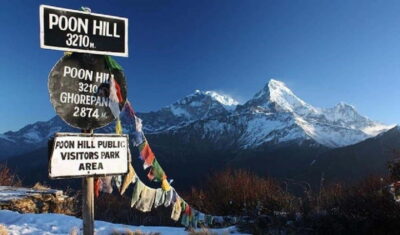
4-Day Ghorepani, Poonhill & Ghandruk Mountain Trek
Read our review →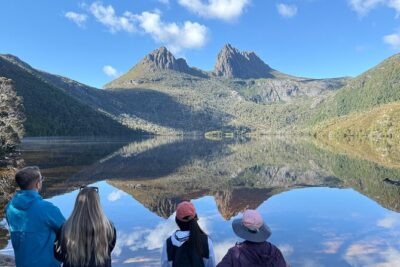
4 Day Wild Tasmania Tour / Wildlife, Nature, Hiking / Inc. Accom
Read our review →
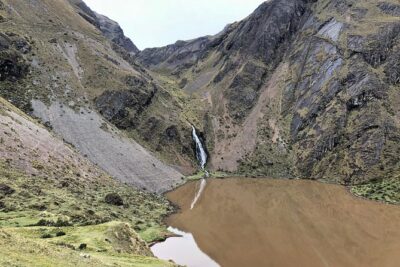
Ancascocha Trek To Machu Picchu 4 Days And 3 Nights
Read our review →
This walk also sits in