
REVIEW · ITALY
Special trekking on the most authentic and wild side of Etna
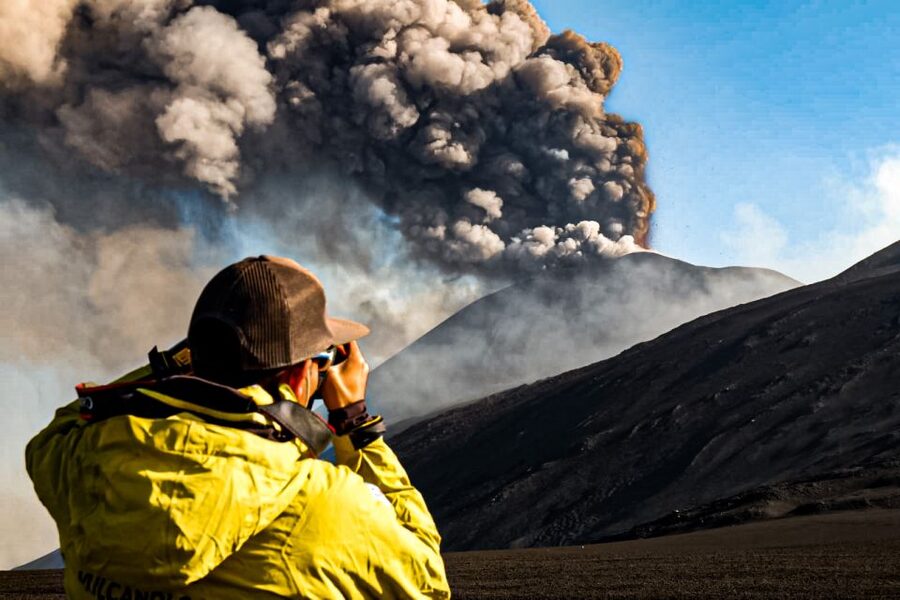
Etna’s north side feels far removed from the busy summit route. This guided trek takes you over rough volcanic ground by 4×4, then onto high trails among fractures, lava flows, and explosive craters. You may even enter the intact chimney of a volcanic cone, helmet on, while your guide explains how molten rock once moved through it.
I like the combination of serious volcanic detail and wide views toward Taormina and the Aeolian Islands. I also like that the route remains a strong alternative when summit craters are closed because of volcanic risk. The main caution is simple: this is a high-altitude hike over loose ash, not a casual stroll, and the extra €50 4×4 charge is paid locally on top of the advertised $62.63 guide price.
Key points to know before booking
- Etna’s quieter north side: Walk among eruptions and craters that see fewer visitors than the main summit routes.
- High-altitude access: A 4×4 carries you from 1,800 meters to about 2,800 meters, saving your legs for the most interesting walking.
- Volcanic interiors: Enter a protected volcanic chimney and lava-producing mouths with a helmet.
- Six kilometers on foot: The longer section descends through ash and crater country toward Piano Provenzana.
- A safety-led itinerary: The guide adjusts the highest point according to Civil Protection rules and current volcanic conditions.
- Bring stamina and proper shoes: The route is for moderately trained hikers and includes exposed crater edges, loose ash, and high altitude.
Why Etna’s north side is worth your time
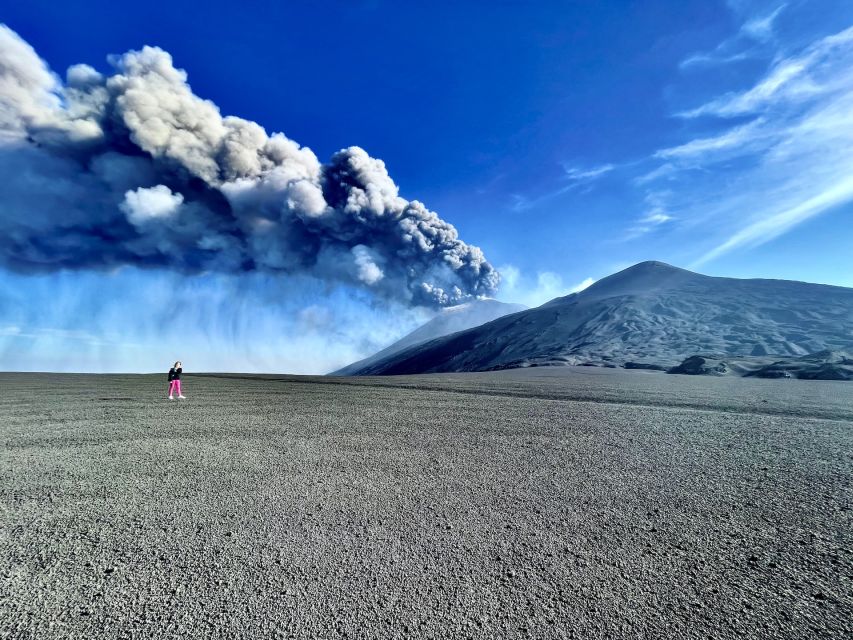
Most first-time visits to Etna focus on the summit area. That makes sense, but the north side offers a more physical and geological outing. Instead of simply reaching a viewpoint, you spend hours reading the volcano itself: its cracks, eruption vents, old flows, cinder cones, and steep gray slopes.
The provider, Guide Vulcanologiche Etna Nord, uses authorized volcanological guides who work within the safety limits set by the authorities. That matters on an active volcano. Your guide decides how high the group can go, and the route can change when volcanic risk or weather conditions require it.
I find this especially useful when the summit craters are closed. You still get close to the high volcanic zone, but you are not being pushed toward an area that officials have restricted. Depending on conditions, the tour reaches the highest point that guides can safely access.
The rating for this outing is 4.9 from 17 reviews, and the strongest praise centers on the guide’s explanations, the rough 4×4 ride, and the chance to enter a volcanic cone. Guide Ciccio is specifically noted for explaining the science and eruption history throughout the walk. If you want more than a scenic hike, that educational side is a major part of the value.
More Volcano Hikes in Italy
- Mount Etna: Guided Trek 3,000 Meters to the Summit
★ 4.8 · 1,407 reviews - Etna Sunset Tour: Volcano trek, Cave & tasting from Catania
★ 4.8 · 1,290 reviews - Catania: Mount Etna Adventurous Hiking Tour with Equipment
★ 4.7 · 784 reviews
Starting at Chiosco Bar Mareneve
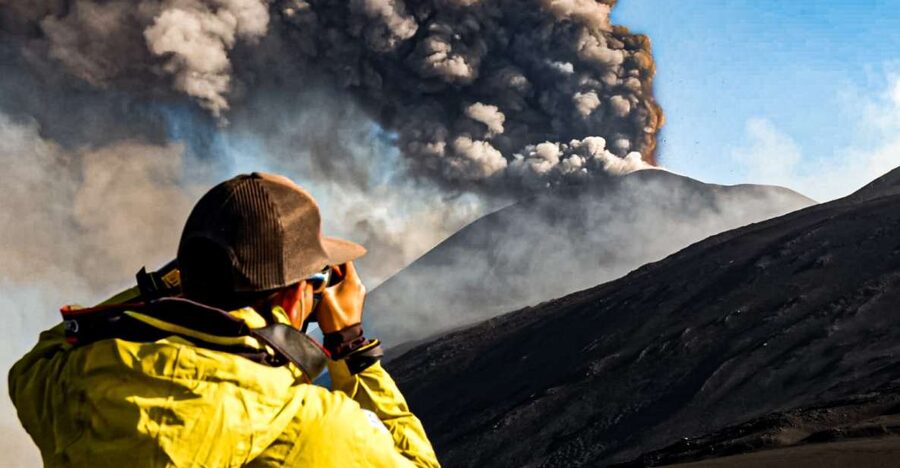
You meet at Chiosco Bar Mareneve, near the chairlift used by skiers in winter. It is the second of four buildings in the parking area. Arrive a little early, since the guide needs to organize the group and the 4×4 departure.
Parking costs €3 for the whole day. You pay after the excursion, not at the start. The meeting point is also the end point, which keeps the day simple if you arrive by car.
The advertised price is $62.63 per person, but that covers the guide service rather than the mountain transport. You also pay €50 per person locally for the 4×4 transfers. This takes the practical cost well above the headline figure, so include both amounts when comparing it with other Etna outings.
That extra payment is not a minor add-on in terms of the itinerary. The vehicle takes you from about 1,800 meters to 2,800 meters over roughly eight kilometers of rough volcanic road. Walking that whole distance would take a great deal of time and energy, and it would leave less room for the crater visits.
The 4×4 climb from 1,800 to 2,800 meters
The ride begins on the north side and climbs through increasingly stark volcanic terrain. The road is described as extremely rough, so expect a genuine off-road transfer rather than a smooth shuttle ride.
Your guide starts explaining Etna on board. This is a good use of time because you begin learning how the volcano is built before you reach the walking sections. The guide can also explain the route, current limits, and what you are seeing as the vehicle gains height.
At about 2,800 meters, you reach the Volcanological Observatory. From here, the first short walk heads upward to around 2,900 meters. The pace and exact high point depend on conditions, but this section gives you the strongest views of the summit craters and recent lava flows.
On a clear day, you may see Sicily spread below you, with Taormina and the Aeolian Islands visible from the panoramic trail. Weather can change the views quickly at this altitude. Do not book this solely for a guaranteed distant panorama. The volcano itself remains the main subject, even when cloud blocks the horizon.
High altitude also changes how the walk feels. A short uphill section can be tiring, particularly if you are not accustomed to elevation. The tour is intended for moderately trained hikers, not people seeking an easy sightseeing ride.
The first walk toward 2,900 meters
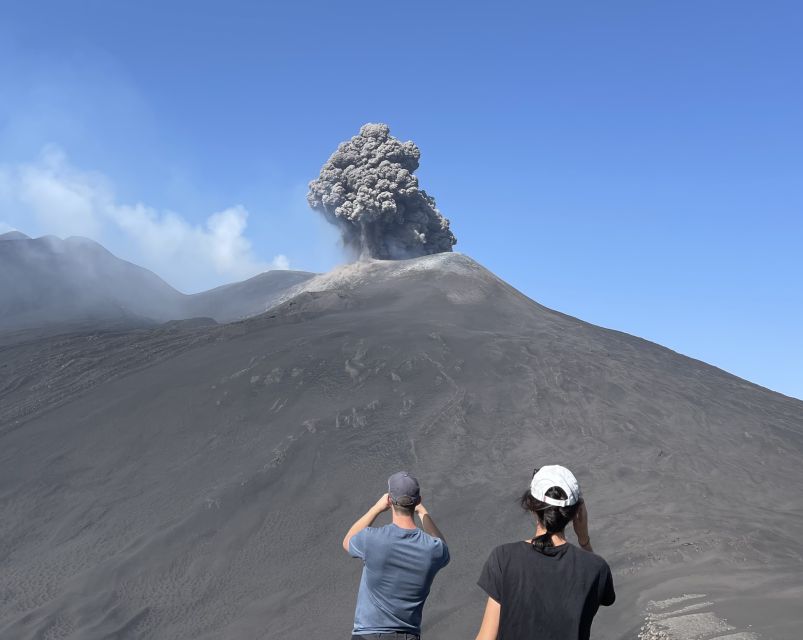
The first walking section is relatively short but important. It brings you to a high viewpoint where you can look toward Etna’s summit craters, newer lava flows, and the surrounding island.
This is also where you get a sense of the safety balance built into the outing. You are near the summit zone, but the guide does not treat access as a fixed promise. The authorized maximum altitude depends on the current official limits and volcanic conditions.
Wear the provided warm jacket if needed, and keep your windbreaker easy to reach. Etna’s upper slopes can feel cold and exposed even when Sicily below is warm. Sunglasses and sunscreen are useful because pale volcanic ash reflects strong light.
After this first walk, the 4×4 takes you back down to another point on the north side. The second section is the heart of the outing.
More Volcano Hikes in Catania:
- From Catania: trek on Mount Etna, Lava Cave & tasting Tour
★ 4.8 · 563 reviews - Etna Volcano: South Side Guided Summit Hike
★ 5.0 · 311 reviews - Mount Etna: North Upper Craters Guided Tour by 4×4 with Trek
★ 4.6 · 243 reviews - Catania: Mount Etna Sunset Trekking with Wine Tasting
★ 5.0 · 140 reviews
Craters, rifts, and the 1947 eruption
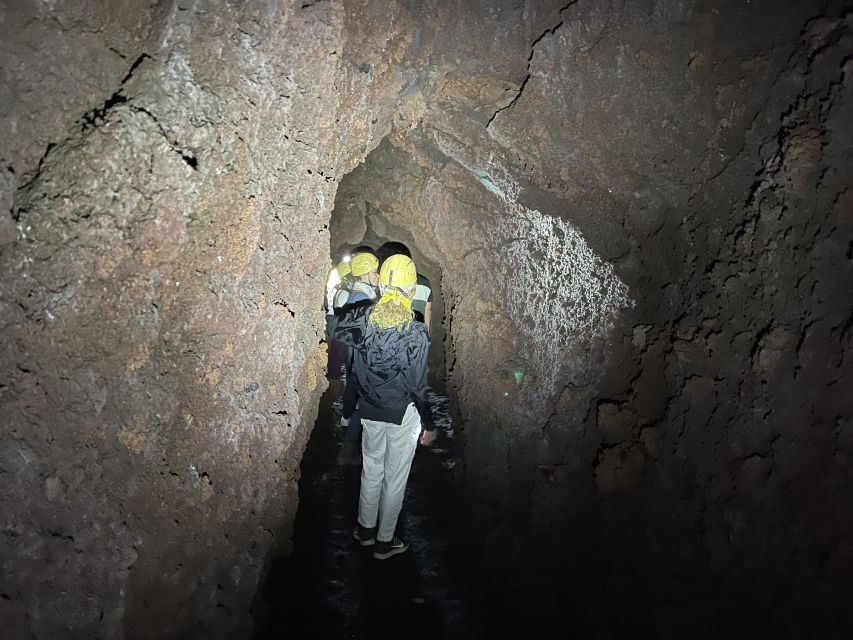
The longer trek follows a route across the north flank and eventually reaches Piano Provenzana. It covers about six kilometers on foot, with descents over volcanic ash and visits to craters formed by several lateral eruptions.
One of the most interesting stops is the north-side rift, a fracture in the ground linked to the volcano’s eruptive structure. It gives you a direct look at how Etna can open along its flanks rather than release activity only from the summit.
You also visit the craters from the February 24, 1947 eruption. Eruption dates can seem abstract on a map, but here they become physical features under your boots. The route includes craters from eruptions listed from 1809, 1874, 1879, 1911, 1914 to 1924, 1923, 1974 to 1975, and 2002.
That range of dates makes the walk feel like a record of repeated volcanic activity. You are not looking at one isolated cone. You are moving among vents and craters formed at different times, each with its own shape and degree of erosion.
The route also passes more recent lava flows. Their surfaces and colors may vary with weather and light, but the guide’s explanation gives you the useful context: Etna is not a finished monument. It is an active volcanic system with changing restrictions and new deposits.
Inside an intact volcanic chimney
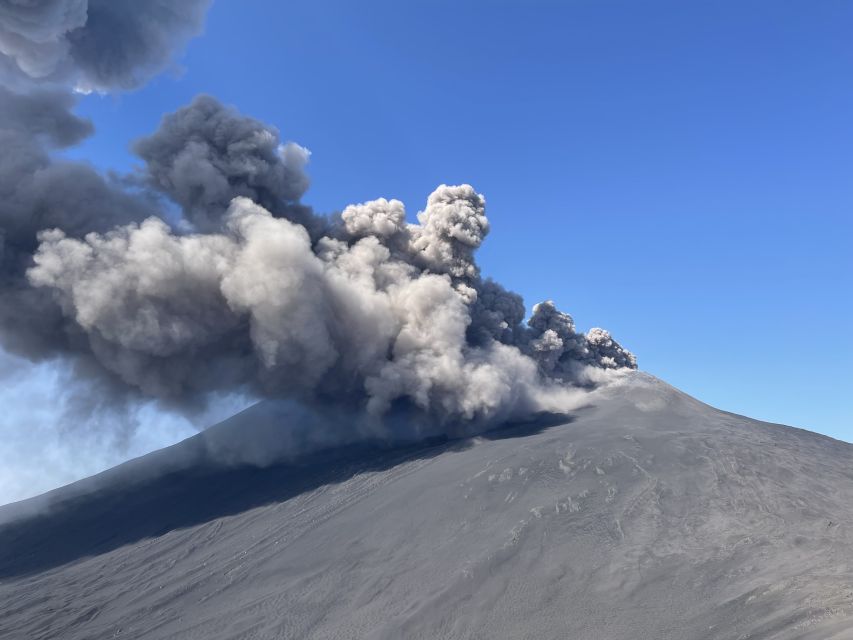
The most unusual part of the walk is entering the chimney of a perfectly intact volcanic cone. You wear a protective helmet as you go inside.
This is not a polished visitor attraction. It is a close look at a volcanic passage where magma once moved upward. The space may feel confined, which is why the excursion is not suitable for people with claustrophobia.
The guide explains how eruptions work and how molten material traveled through the cone. That makes this stop more than a quick photo opportunity. You can connect the underground passage with the craters and lava flows you have already seen outside.
The route also enters the mouths that produced lava flows. These volcanic openings help explain how an eruption can build new ground across the flank. I would consider this one of the best reasons to choose this outing over a simple summit viewpoint.
Walking the crater edges toward Piano Provenzana
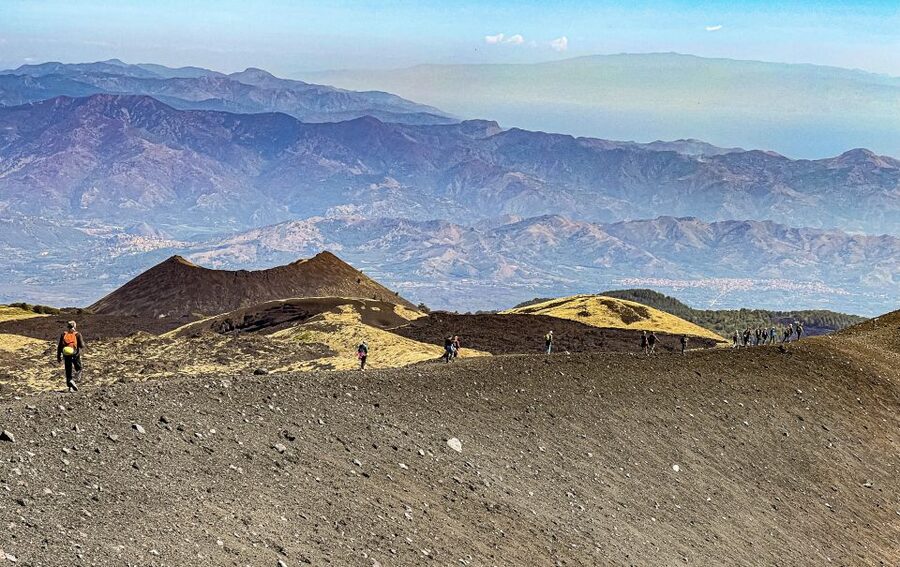
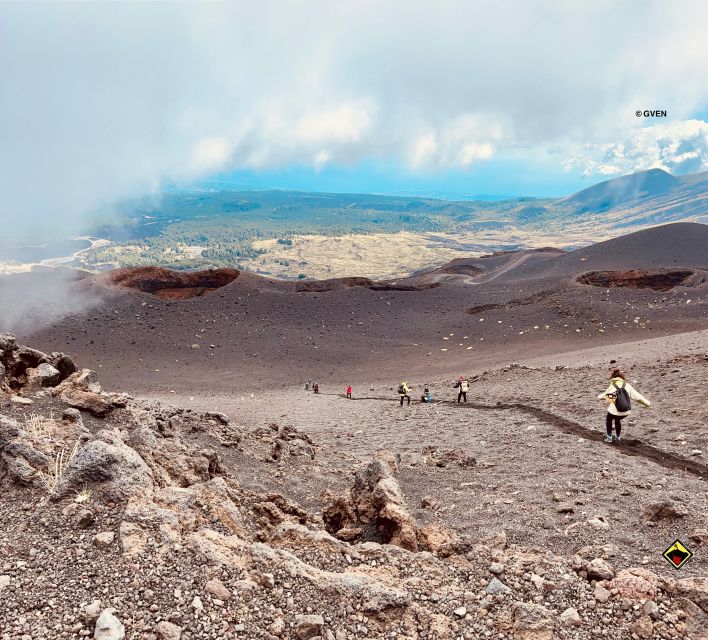
After the cone and lava vents, the route continues along the edges of large explosive craters. Here you need to watch your footing and your comfort level. Volcanic ash is loose, and descents can feel unstable, especially if you are tired.
The activity information warns that walking along crater edges may cause dizziness. People with vertigo or a fear of heights should take that seriously. The route is not presented as technically difficult mountaineering, but it does involve high ground, uneven surfaces, and open crater rims.
Trekking poles are provided, and they are useful on the ash slopes. The outfitter also supplies trekking shoes, warm jackets, extra socks, a backpack, and protective helmets. Even with that equipment, bring long pants and comfortable clothing. You should also carry water, snacks, and a packed lunch, since food and bottled water are not included.
A rain jacket or K-way is not provided, so pack one. Conditions on Etna can shift, and the tour may be postponed or canceled in poor weather. The guide will communicate as early as possible if that happens.
The walk finishes at Piano Provenzana and continues back to the original meeting area as part of the planned route and transport arrangement. Confirm the exact return procedure when you meet the guide, since the activity description identifies the meeting point as both start and finish.
What the equipment and guide service add
The included gear makes the price easier to understand. Trekking poles and proper footwear help on ash and loose volcanic ground. Warm jackets and extra socks are useful if you arrive underdressed for the upper slopes.
Accident insurance is included, but you must use adequate shoes to be covered. The supplied information also says hiking shoes are required, and open-toed shoes, sandals, flip-flops, and high heels are not allowed. Alcohol is not permitted in the vehicle.
The guide is the part you cannot easily replace with a map or audio recording. Ciccio, specifically noted on this outing, explains scientific and historical details during the descent and carefully describes the eruption mechanism inside the cone. The tour runs in English, Italian, and French, with groups divided by number and language to avoid very large parties.
That group arrangement matters on a route with narrow volcanic features and varying ability levels. Smaller language groups should also make it easier to hear explanations and stay with the guide.
Who should book this Etna trek?
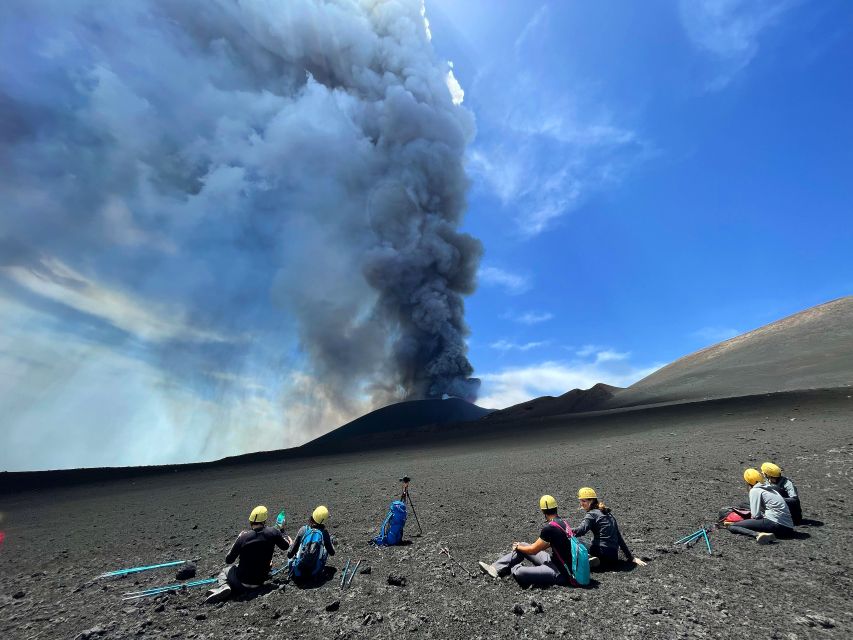
I would choose this for a reasonably fit hiker who wants to understand Etna, not just photograph it. You should be comfortable walking for several hours at high altitude and descending over loose ash.
It suits you especially well if:
- You want a quieter alternative to the main summit experience.
- Summit craters may be closed and you still want a serious high-altitude volcano outing.
- You enjoy geology, eruption history, and explanations from a specialist guide.
- You like unusual stops, such as a volcanic chimney and lava-producing mouths.
- You can manage crater edges, rough ground, and changing weather.
I would skip it if you have major mobility limits, back or heart problems, respiratory issues, epilepsy, recent surgery, altitude sickness, or a low fitness level. The activity is also not suitable for people with vertigo, a fear of heights, claustrophobia, or no hiking experience.
The listed restrictions are unusually specific, so take them seriously rather than treating them as routine legal wording. You should tell the guide about relevant health conditions before setting out.
Is the $62.63 price good value?
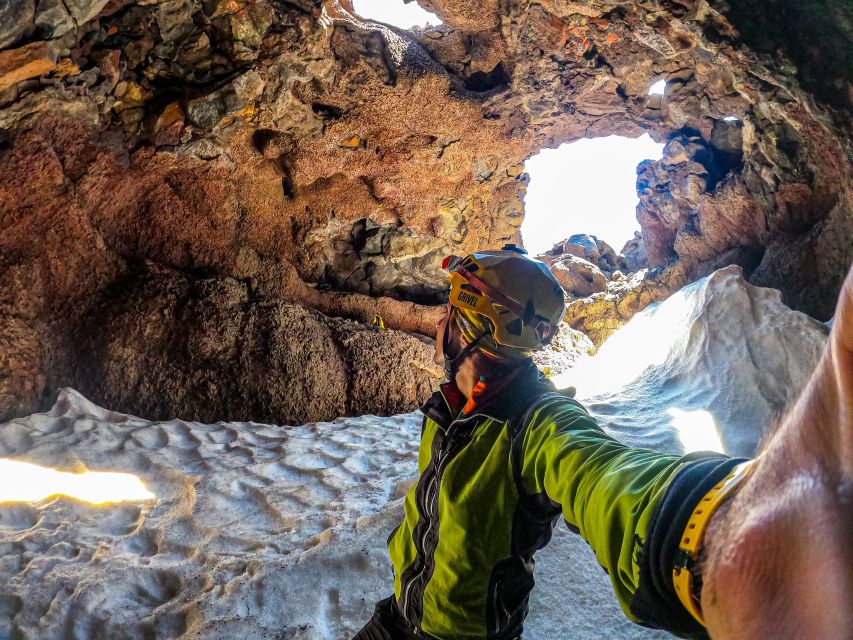
The guide price looks modest for a four-hour outing, but the required €50 4×4 payment changes the calculation. Add the €3 parking charge, and remember that lunch, snacks, water, and a rain jacket are extra.
Still, the value can be strong if you want the complete north-side route. The fee includes an authorized volcanological guide, safety equipment, trekking poles, footwear, warm jackets, extra socks, a backpack, and accident insurance. You also receive the 4×4 access that makes the high section possible.
A cheaper walk without vehicle access may not reach the same altitude or volcanic features. A more expensive summit tour may also be unavailable when restrictions close the upper craters. I would compare the full out-of-pocket cost and the route itself, not just the advertised starting price.
Free cancellation is available up to 24 hours before the activity, and you can reserve now and pay later. The tour requires at least eight participants in total, so it can be canceled if that minimum is not reached.
Should you book this north-side Etna trek?
Book it if you want Etna explained from the inside out, with a rough 4×4 ride, high volcanic views, crater edges, eruption sites, and a rare chance to enter a volcanic chimney. The guide service and supplied gear make it a practical choice for prepared hikers, especially when summit access is restricted.
Do not book it as a relaxed scenic transfer. The €50 transport charge is compulsory, the altitude is real, and the ash slopes can be tiring. Bring water, snacks, a rain jacket, sunscreen, long pants, and a sensible attitude toward weather and safety limits.
For the right person, this is one of the better ways to meet Etna on its wilder north side. You leave with more than a view: you see the cracks, vents, cones, and flows that explain how the volcano keeps changing.
FAQ
Where does the Etna trek begin?
The meeting point is Chiosco Bar Mareneve, near the winter ski chairlift. It is the second house of the four buildings in the parking area.
How long does the activity last?
The activity lasts about four hours. Starting times vary, so check availability when booking.
Is 4×4 transport included in the advertised price?
No. The advertised price covers the guide service. You pay €50 per person locally for the 4×4 transport between about 1,800 and 2,800 meters, and for the related transfer down to about 2,500 meters.
What language is the guided trek offered in?
The tour is available in English, Italian, and French.
What happens if the summit craters are closed?
The route works as an alternative to the summit craters. Guides take you to the highest point that can be safely reached under the current volcanic safety rules.
What equipment is provided?
The activity includes an authorized volcanological guide, trekking poles, protective helmets, accident insurance, trekking shoes, warm jackets, extra socks, and a backpack.
What should I bring?
Bring a windbreaker or rain jacket, sunglasses, sunscreen, snacks, drinks, comfortable clothing, long pants, hiking shoes, and a packed lunch.
Can I cancel for a refund?
You can cancel up to 24 hours before the activity for a full refund. The trek may also be canceled or postponed because of poor weather or if the minimum of eight participants is not reached.
Just added around Catania
- From Catania: Private mt. Etna trekking and pic-nic★ 5.0 · 37 reviews
- Mount Etna Advanced Trekking: Private Full-Day Tour from Catania★ 5.0 · 21 reviews
- Nature Reserve ,Trekking Eco Tour in Iblei National Park★ 5.0 · 27 reviews
- Etna trekking and wine tasting★ 5.0 · 28 reviews
- Mount Etna: Hike to the top 3350mt from the North Side★ 4.6 · 51 reviews
- From Catania: Mount Etna Trekking Private Experience★ 4.6 · 11 reviews
- Etna: Trekking to the summit craters at 3340 meters★ 4.0 · 10 reviews
- Catania: Etna Morning or Sunset Trek with Lava Tunnel & Gear★ 5.0 · 27 reviews
Volcano Hikes, side by side.
Sunrise Mount Batur Guided Hike with Breakfast
Read our review →
Mount Batur Sunrise Guided Hike and Natural Hot Spring
Read our review →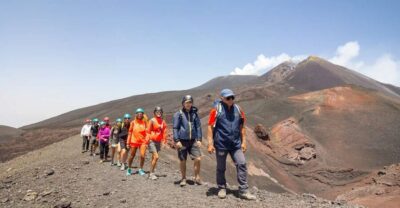
Mount Etna: Summit Guided Hiking Tour up to 3,400 m
Read our review →
Mount Etna: Trek to 3000m with cable car and 4×4
Read our review →
Mount Batur Sunrise Trek With Guide and Breakfast
Read our review →
Mount Batur Sunrise Hike and Natural Hot Spring Option
Read our review →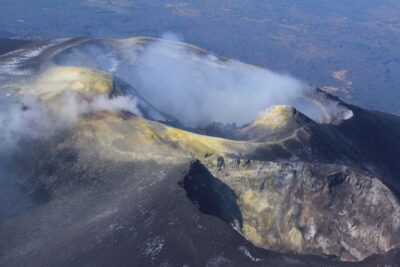
Mount Etna: Summit Crater Trek with Cable Car
Read our review →This walk also sits in