
REVIEW · THAILAND
Chingmai Sunrise Hike & Cultural Traditions
The best reason to book this tour is the early start. At Wat Phra That Doi Suthep, sunrise brings cool air, golden light, and far fewer people than later in the day. You then move from temple ritual to hill village life, mountain food, and a forest walk, so the morning feels like a real slice of Chiang Mai rather than a single sightseeing stop.
I especially like the quiet temple visit and the meal made with ingredients from the mountain area, including locally grown coffee. The main caution is the hiking. It may be a gentle 2-kilometer forest walk for some, but one recorded outing reached about 15 kilometers with 800 to 900 meters of climbing over three and a half to four hours. Ask your guide exactly which route you’ll take, and bring good shoes.
Key points to know before you book
- Sunrise at Doi Suthep: Start early for cooler conditions, lighter traffic, and a better chance of seeing the temple without the usual daytime crowds.
- A real cultural stop: Offer food to monks and receive a blessing, then visit a Hmong village with coffee, food, and handicrafts.
- Hiking difficulty can vary: The advertised waterfall walk is 2 kilometers, but some outings have included a much longer route toward Doi Pui.
- Mountain meal included: Lunch is provided, and the food is served at a scenic mountain location.
- Small-group feel is possible: Some departures have felt almost private, with only two people and a guide.
- Best for active mornings: You’ll spend about seven hours on the move, with temple visits, walking, hiking, and a mountain drive.
Why this seven-hour Chiang Mai morning works
This is not a temple tour with a quick photo stop tacked on. It links several parts of life around Doi Suthep: Buddhist worship, hill community culture, mountain farming, forest, and local food. That mix gives you a better sense of the area than visiting Wat Phra That Doi Suthep alone.
You pay $70 per person, which is a fair price if you want transportation, a guide, lunch, water, and several stops without arranging separate taxis. The value depends most on the hiking route and group size. If your outing is short and relaxed, the tour is an easy cultural day. If it follows the longer Doi Pui route, you are getting a serious guided hike as well.
Pickup is included from your accommodation if it is within 1 kilometer of Chiang Mai’s Old Town. The full activity lasts about seven hours, and English and Thai guiding are available. The early departure is part of the appeal, but it also means this is not a lazy holiday morning. Set out rested.
More Sunrise Hikes in Chiang Mai:
- Mount Doi Inthanon National Park Sunrise and Hiking
★ 5.0 · 52 reviews - Bali: Sunrise Mount Batur Guided Hike with Breakfast
★ 4.8 · 9,660 reviews - Bali: Mount Batur Sunrise Guided Hike and Natural Hot Spring
★ 4.8 · 9,284 reviews
Wat Phra That Doi Suthep before the crowds
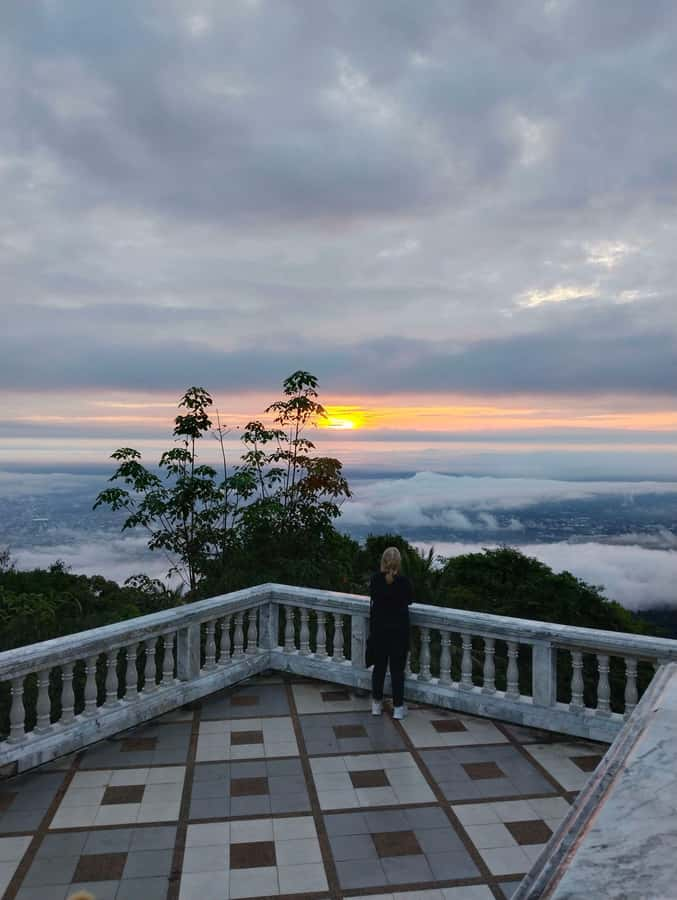
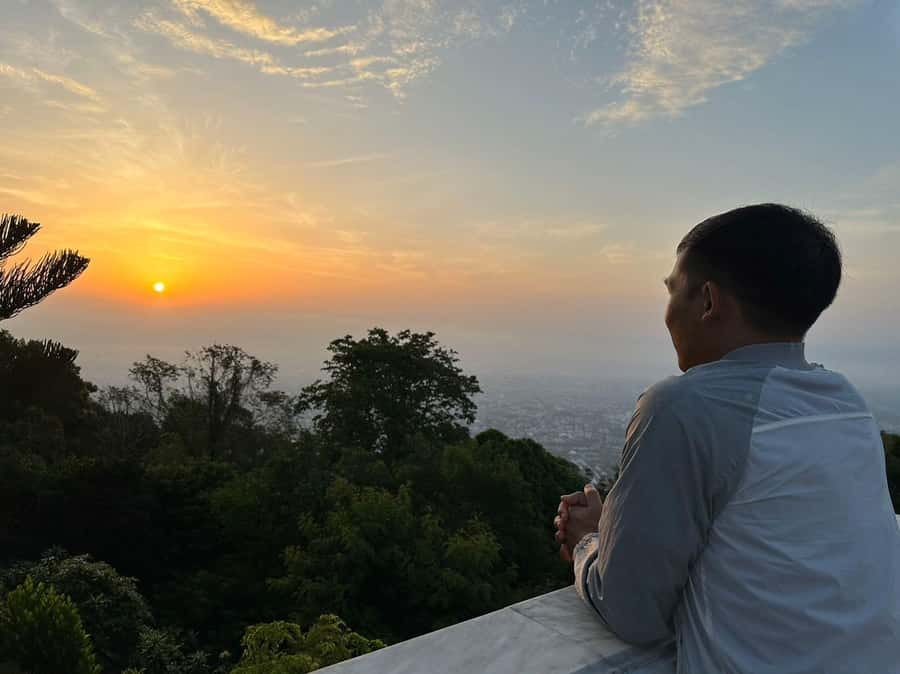
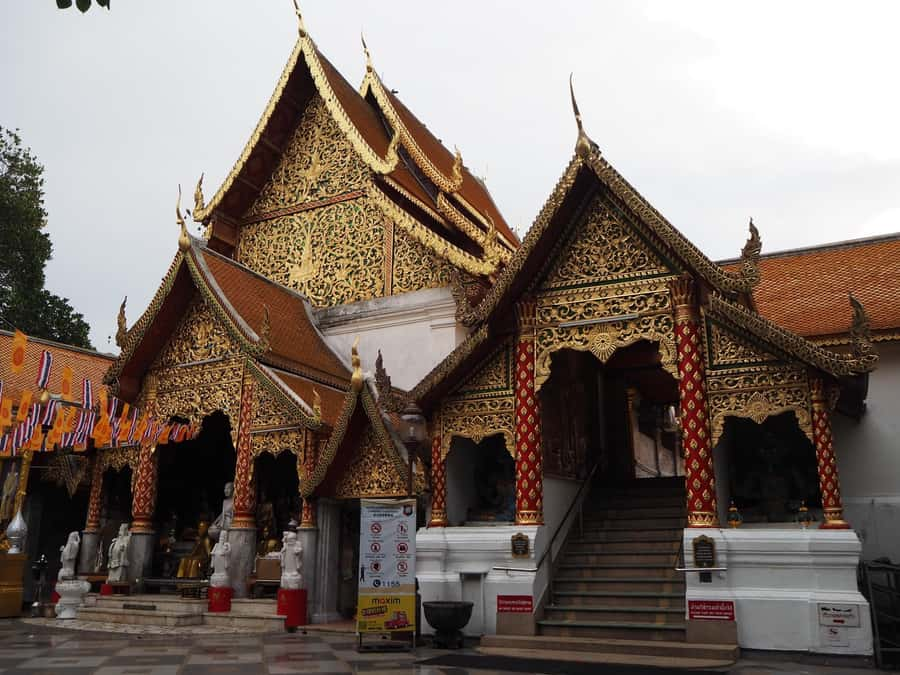
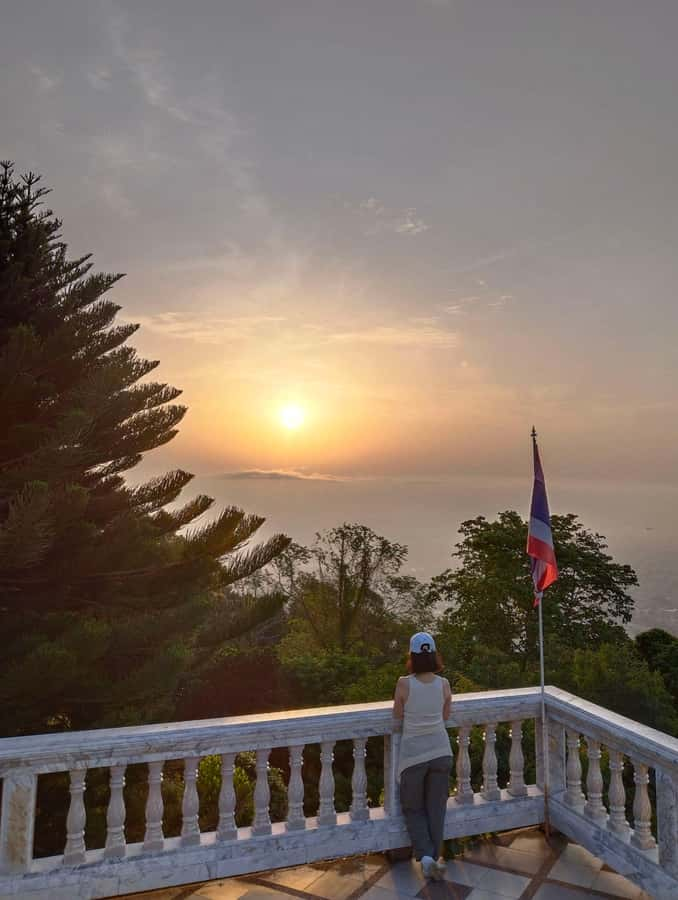
The first stop is Wat Phra That Doi Suthep, Chiang Mai’s famous mountain temple. The goal is sunrise, when the city below catches the first light and the surrounding hills take on a soft gold and gray tone.
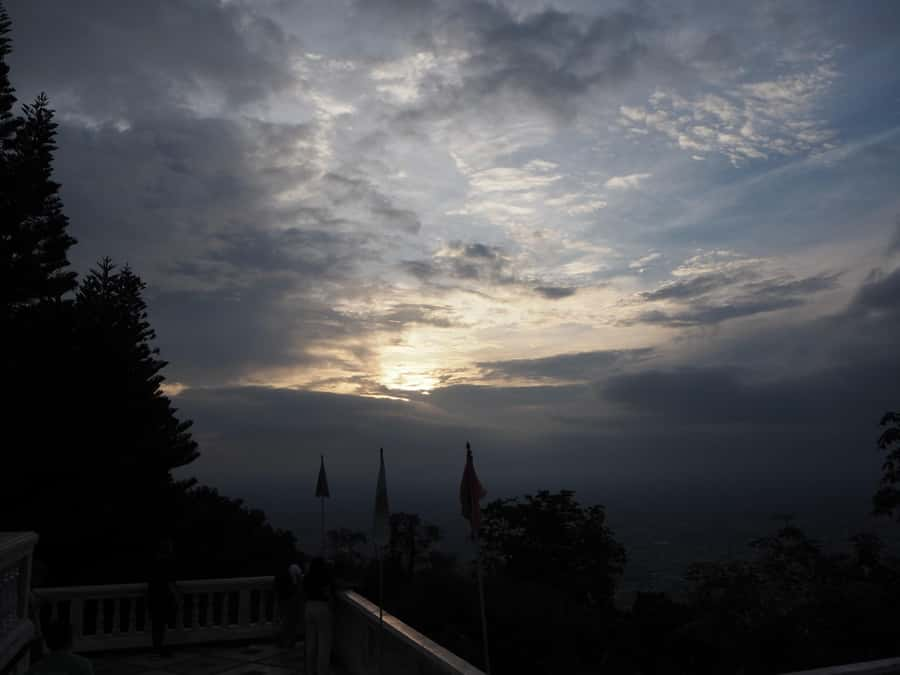
This timing matters. Later in the day, Doi Suthep can feel much busier, with more traffic and more people around the temple. At sunrise, you have a quieter setting for the pagoda, the temple buildings, and the view over Chiang Mai. Clear weather can give you a broad view of the city, while haze or pollution may block the sunrise altogether.
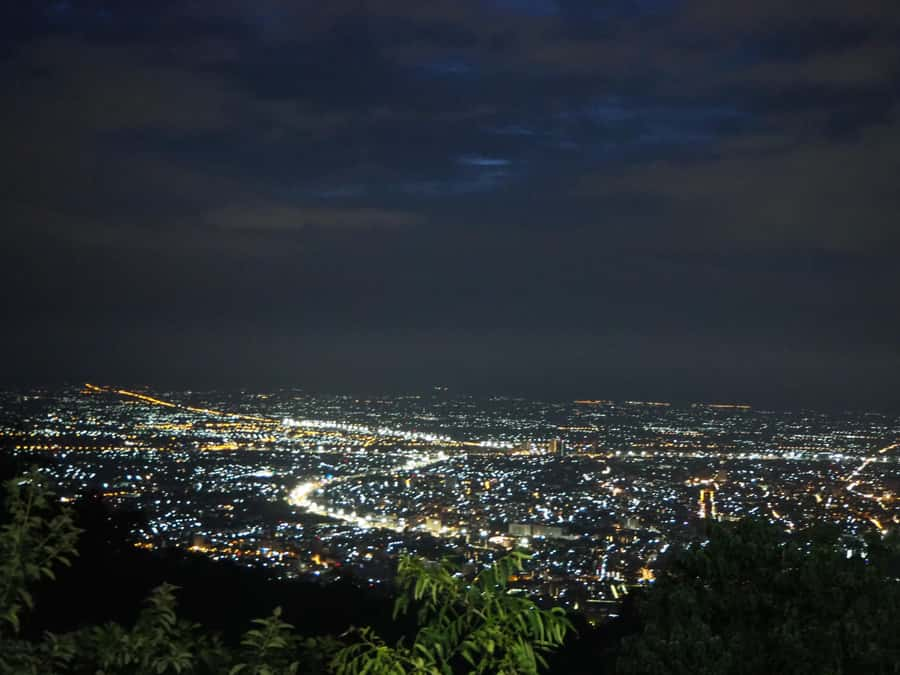
That last point is important. February can bring poor air quality, and one departure had no clear sunrise because of pollution. Do not book this solely for a guaranteed horizon view. The temple visit still has value, but nature decides what you see.
Your guide leads the visit and explains the temple and local customs. You’ll have time for photographs, a walk around the grounds, and a chance to take in the setting before the day warms up. The temple stop is one of the strongest parts of the experience, especially for first-time visitors to Chiang Mai.
Joining the almsgiving ceremony
After the temple visit, you take part in a traditional almsgiving ceremony. You offer food to monks and receive a blessing for good fortune. This gives the morning a more personal tone than simply admiring temple architecture.
The ceremony is brief, but its meaning depends on how you approach it. Follow your guide’s lead, keep the mood respectful, and treat the exchange as a religious practice rather than a staged photo opportunity. You are not just watching a custom from the side. You are given a way to take part.
The tour description does not specify the exact food package or the number of monks, so those details can vary. Your guide can explain what you are offering and what happens next. This is also a good moment to ask questions about Buddhist practice in Thailand, since the guide is with you from the beginning of the morning.
A Hmong village, mountain coffee, and handicrafts
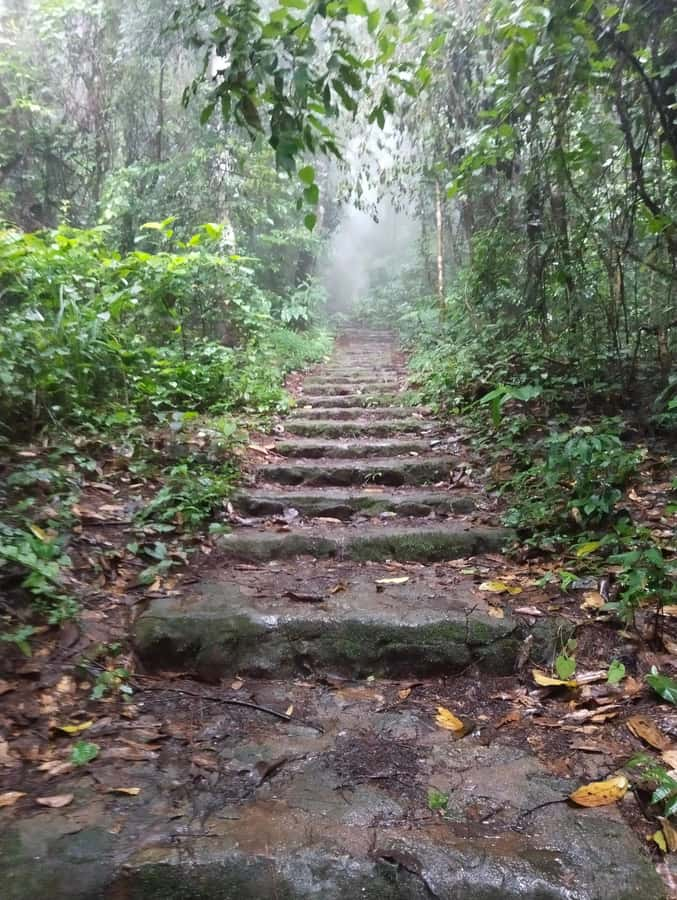
The next stop shifts from temple life to a Hmong village on the mountain. You’ll have time to look around the local food market and arts and crafts market, and you can learn about hill community traditions through the guide.
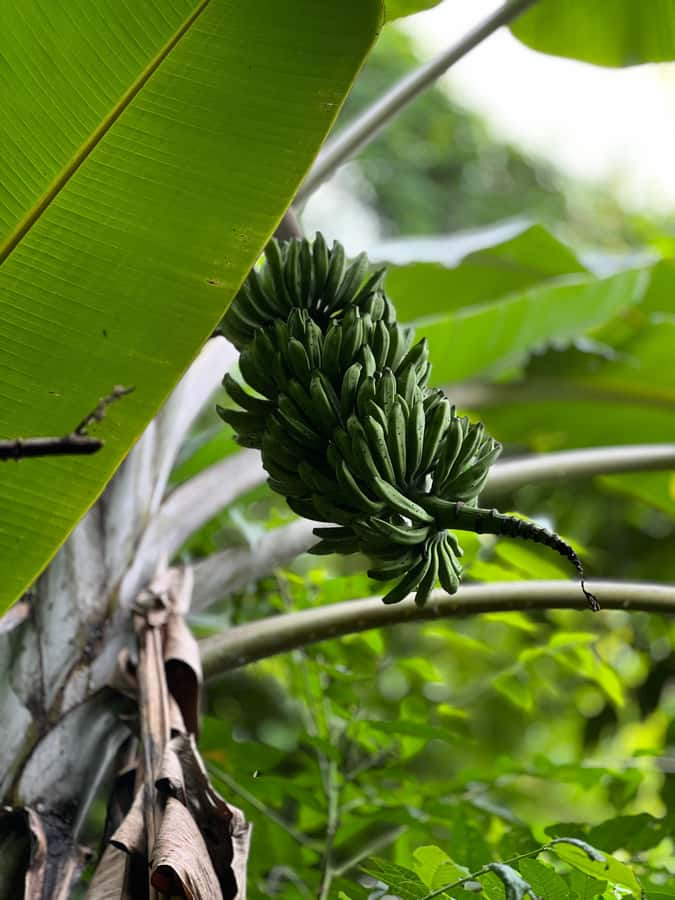
The coffee is a nice detail. You receive freshly brewed mountain coffee, along with tea and a traditional breakfast on a scenic plateau. The meal is not presented as a generic hotel buffet. Food is made with ingredients grown in the area, and the coffee comes from the mountain community. That connection between the setting and the food is what makes this stop worthwhile.
You also have time to browse handicrafts. Keep your expectations sensible. This is a village market visit, not a museum or a formal cultural performance. The value comes from seeing what is sold locally, asking questions, and taking time to understand how the community presents its work.
The meal location is one of the highlights. You look out over the mountains and Chiang Mai while eating, and the cool air can be a welcome change after time in the city. In the warmer dry season, the same route may feel much harder. Eat enough, drink water, and do not rush through breakfast.
More Early-Start Trips around Chiang Mai:
- Funchal: Pico do Arieiro Sunrise Hiking Transfer
★ 4.8 · 4,021 reviews - Bali: Mount Batur Sunrise Trek With Guide and Breakfast
★ 4.8 · 3,461 reviews - Mount Batur Sunrise Hike and Natural Hot Spring Option
★ 5.0 · 1,927 reviews - Mount Batur Sunrise Hike with Breakfast
★ 5.0 · 1,757 reviews
Wat Pha Lat, a quieter temple in the forest
Wat Pha Lat adds a second temple setting, but it feels different from Doi Suthep. Instead of a grand mountaintop landmark, you get a quieter place connected with the forest and the walking route.
The stop includes a visit, sightseeing, a guided explanation, and time to walk around. It works well as a pause between the village and the waterfall section. You can slow down, take photographs, and look at the contrast between the larger pilgrimage temple and this more peaceful forest temple.
The exact order can shift. The listed route places Wat Pha Lat after the Hmong village, while the main description focuses first on Doi Suthep, then the village, then the forest walk. The tour is built around the same group of stops, but your guide may adjust the sequence according to conditions and timing.
The Montha Than Waterfall walk
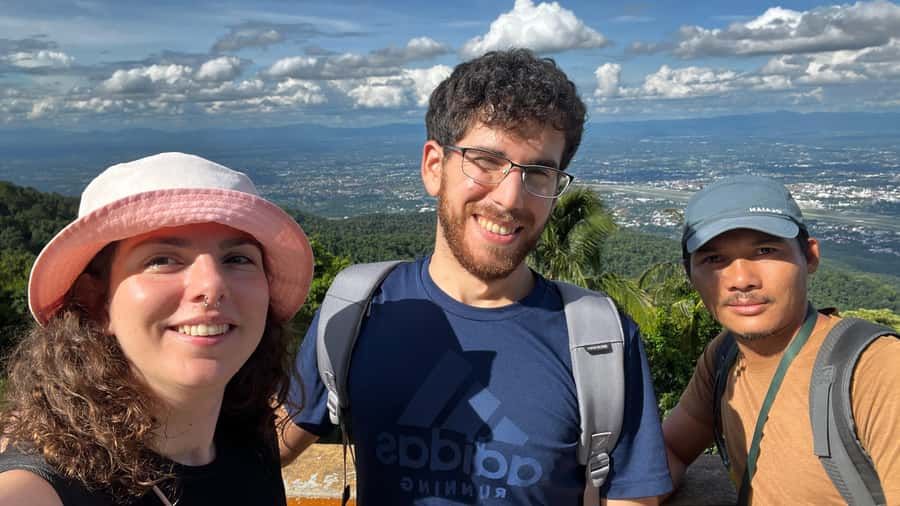
The final outdoor section takes you toward Montha Than Waterfall. The standard description calls this a gentle 2-kilometer walk through shaded forest. You’ll hear birds, moving water, and leaves underfoot as the path leads through the national park.
Do not confuse gentle with effortless. Some sections can be harder, and one outing included challenging climbs after the waterfall. Another reported route toward Doi Pui covered around 15 kilometers with 800 to 900 meters of total climbing over three and a half to four hours. That is a very different day from a short waterfall walk.
This variation is the single biggest practical question to ask before booking. Tell the guide your preferred pace and fitness level at the start. Several departures have allowed people to walk at their own speed, which helps, but you still need enough stamina for uneven ground and possible climbs.
Wear proper walking shoes. Sandals are a poor choice if the path is wet or rough. Bring the supplied water bottle, and carry any extra water you know you’ll need. The tour includes transportation and one bottle of water, but the information does not promise unlimited drinks.
The forest is at its most comfortable after rain, when cloud cover can soften the heat. The downside is that wet conditions may make the trail slippery. In the dry, warmer season, the path may be firmer but the heat can make the climbs much tougher. The walk is beautiful, but it is not a pure sightseeing stroll.
Lunch with a mountain view
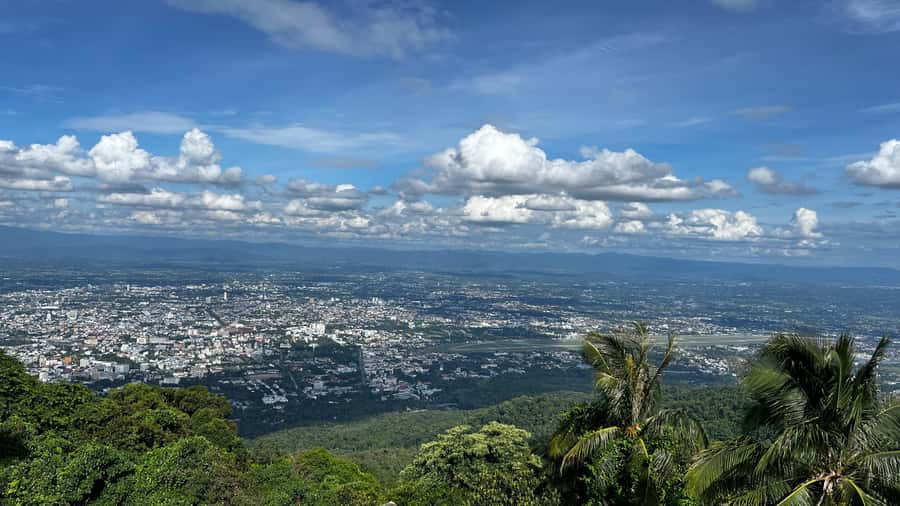
After the mountain stops, you return toward Chiang Mai for lunch at a local restaurant. Lunch is included, and the food is described as local and authentic, with one meal served at a mountain village location overlooking the surrounding hills.
The meal is important because it gives the day a proper finish. You are not left to find food after several hours outside. It also lets you try regional dishes in a setting connected to the places you have just visited.
The exact restaurant and menu are not specified, so do not book this expecting a named venue or a particular dish. Think of it as a substantial local meal included in the day’s price. If you have dietary restrictions, ask before departure, since no special menu details are provided.
The drive back is part of the experience, especially after a hike. You can rest while the guide and driver handle the road back to Chiang Mai. Pickup and return are within the stated service area, with collection from your place possible if it is within 1 kilometer of the Old Town.
Guides, pace, and group size
The guides speak English and Thai. The best use of your guide is to ask questions throughout the morning, especially about the temple ceremony, Hmong culture, Thai daily life, and the plants or farming connected with the mountain coffee and food.
English ability may vary by guide. One departure found communication difficult, despite the guide being friendly. If detailed explanations matter greatly to you, confirm the language arrangements when booking or send questions ahead of time.
The tour can feel small. One departure had only two people and felt almost like a private outing. That is not a guaranteed group size, but a small group makes it easier to set the hiking pace, ask questions, and pause for photographs.
The guides are also praised for letting people walk at their own speed. That is valuable on a route with changing difficulty. Still, a patient guide cannot remove the physical demands of a long climb, so be honest about your ability.
What the $70 price includes
At $70, you receive:
- Pickup and return transportation within the stated Chiang Mai area
- An English or Thai-speaking live guide
- Temple visits and cultural explanations
- The almsgiving experience
- Hmong village and handicraft market visit
- Coffee, tea, and a traditional breakfast
- Water
- Lunch
- Forest walking and waterfall hiking
I consider that good value if you want an organized day outside the city. Separate transport to Doi Suthep, the village, Wat Pha Lat, and Montha Than Waterfall could be awkward, especially before sunrise. The guide also adds value by joining the cultural stops into one story.
The price is less attractive if you only want a short temple visit and an easy stroll. In that case, the seven-hour schedule and early pickup may feel like too much. The tour makes most sense when you want several different experiences in one morning and are happy to spend real time walking.
You can cancel up to 24 hours before departure for a full refund, and you can reserve now and pay later. Those terms make it easier to hold a place while your Chiang Mai plans take shape.
Who should book this morning
I would choose this for an active visitor who wants more than the standard old-town temple circuit. It suits you if you like early starts, local food, forest paths, and cultural encounters that require some participation.
It is also a good fit for couples, solo visitors, and small groups who prefer a guide-led day. The small-group possibility and flexible walking pace are useful if you want conversation and personal attention.
Think carefully before booking if you dislike early mornings, struggle with heat, or want a guaranteed sunrise. Pollution can hide the view, and trail difficulty may exceed the short walk suggested in the basic description. Families and older visitors should ask about the exact hiking route rather than assuming every departure is easy.
Pack light but practical: walking shoes, sun protection, a small bag, and clothing suitable for a temple visit. You should also be prepared for changing conditions in the mountains. The tour supplies transportation, lunch, and a water bottle, but not a promise of cool weather or a clear view.
Should you book the Doi Suthep sunrise hike?
Book it if you want to combine temples, Buddhist tradition, mountain food, a hill village, and hiking in one well-packed day. The quiet sunrise at Doi Suthep, the almsgiving ceremony, and the mountain meal give the tour more character than a basic sightseeing transfer.
I would not book it without asking about the hiking route if you are unsure about your fitness. The difference between a 2-kilometer waterfall walk and a 15-kilometer route with substantial climbing is significant.
For most active visitors, the tour offers strong value at $70. You get an early view of Chiang Mai, local cultural stops, food, transportation, and a guided walk through Doi Suthep-Pui National Park. Just confirm the route, accept that haze may spoil the sunrise, and bring shoes suited to a real forest path.
FAQ
How long does the experience last?
The activity lasts about seven hours, including pickup, temple visits, the village stop, hiking, lunch, and the return to Chiang Mai.
Where does pickup take place?
Pickup is available from your place if it is within 1 kilometer of Chiang Mai’s Old Town.
What languages do the guides speak?
Live guides are available in English and Thai.
Is lunch included?
Yes. Lunch is included, and the experience finishes with a local meal in Chiang Mai after the mountain activities.
Is breakfast included?
A traditional breakfast with freshly brewed mountain coffee is provided at a scenic plateau near the hill tribe village.
Is water provided?
Yes. One water bottle is included.
How difficult is the hike?
The main description lists a gentle 2-kilometer walk to Montha Than Waterfall, but some departures have included longer and harder routes. One recorded outing covered about 15 kilometers with 800 to 900 meters of climbing over three and a half to four hours. Ask about the exact route before setting out.
Can I cancel for a refund?
You can cancel up to 24 hours in advance for a full refund.
Can I reserve now and pay later?
Yes. You can reserve your place and pay nothing at the time of booking.
Just added around Chiang Mai
- Trek to a Jungle Waterfall★ 5.0 · 14 reviews
- Full-Day Trekking and Sightseeing Tour in Mae Kampong★ 5.0 · 46 reviews
- 8KM White Water Rafting and 3HRS Jungle Trekking Adventure★ 5.0 · 9 reviews
- One day Doi Inthanon National Park & Trekking on Kew Mae Pan★ 5.0 · 12 reviews
- Private Tour to Doi Inthanon including Twins Pagodas and Hiking★ 5.0 · 22 reviews
- Waterfall Wanderer Doi Inthanon Hiking Tour★ 5.0 · 15 reviews
- Full Day Doi Saket Hiking Tour★ 5.0 · 14 reviews
- Private Tour 2 Difference Trails Trekking at Doi Inthanon National Park★ 5.0 · 19 reviews
Sunrise Hikes, side by side.
Sunrise Mount Batur Guided Hike with Breakfast
Read our review →
Mount Batur Sunrise Guided Hike and Natural Hot Spring
Read our review →

Mount Batur Sunrise Trek With Guide and Breakfast
Read our review →
Mount Batur Sunrise Hike and Natural Hot Spring Option
Read our review →
Pico Do Arieiro Pico Ruivo Sunrise or Morning Hike Transfers
Read our review →
This walk also sits in