REVIEW · ICELAND
Sólheimajökull Glacier Hike – Adventure in a Small Group
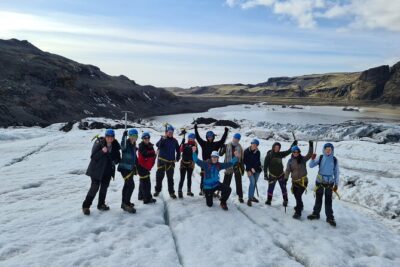
Sólheimajökull is not a distant viewpoint. You walk onto the ice itself, step around crevasses, and may enter a small ice tunnel or taste clean meltwater straight from the glacier. The small-group format, capped at 14 people, makes it easier to hear your guide and get help with your footing.
I like the tour for two clear reasons: the equipment is supplied, and the guides take time to explain what you are seeing rather than simply marching you uphill. Guides including Sam, Sofia, Oskar, Heini, and Ellie have been praised for safety, humor, patience, and adapting the pace to mixed abilities.
The main point to understand is that this is a three-hour glacier walk, not a full-day mountaineering expedition. You may spend only 45 minutes to an hour actually walking on the ice, with time also used for fitting gear, walking from basecamp, safety instruction, and stops.
Key points to know before you book
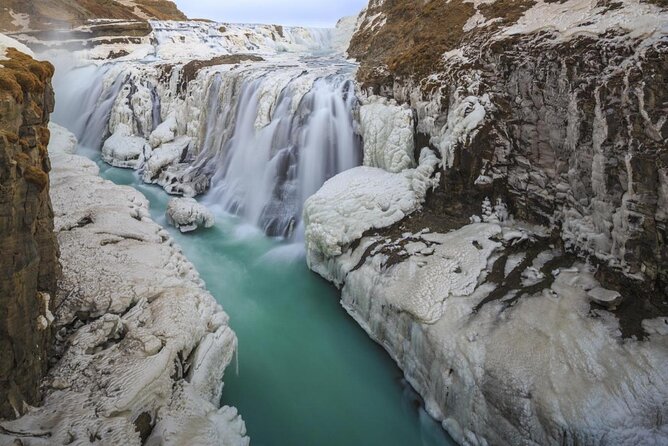
- You walk on real glacial ice: Expect blue ice, crevasses, ridges, cauldrons, and possible ice tunnels.
- The group is limited to 14 people: Smaller groups can mean clearer instructions and more individual help.
- About one hour is spent on the glacier: The rest includes preparation, approach, safety instruction, and breaks.
- Crampons and an ice axe are included: Bring your own ankle-high hiking shoes, warm layers, and waterproof clothing.
- Guide quality is a major strength: Sam, Sofia, Oskar, Heini, Maria, Ellie, Anton, Dennis, and others are singled out for care and clear teaching.
- Weather matters: Strong wind, cold, and blowing volcanic dust can affect comfort, even when the hike goes ahead.
Why Sólheimajökull is such a good first glacier
Sólheimajökull is an outlet glacier, a flowing tongue of ice extending from a larger ice cap. You do not need technical climbing experience to take part, but you do need to walk carefully on uneven ice and follow instructions closely.
The appeal is immediate. A glacier is not just a broad white field. It has blue walls, rippled surfaces, holes, channels, dark volcanic streaks, and cracks that change as the ice moves. Your guide points out these features and explains how the glacier forms and shifts.
Several guides have also connected the hike to the changing condition of the ice. One part of the experience is learning that a glacier moves many meters each year and responds to changing weather and temperatures. That gives the outing more weight than a simple photo stop. You see an extraordinary natural feature while also getting a clearer sense of how temporary it is.
I especially like that the activity keeps the group moving at a human pace. You stop for photos, questions, geology lessons, and water. The result feels more like a lesson outdoors than a race to a viewpoint.
More Glacier Hikes in Iceland
- Skaftafell: Ice Cave Tour and Glacier Hike
★ 4.5 · 1,746 reviews - Skaftafell: Falljokull Glacier Easy Group Hike
★ 4.7 · 1,508 reviews - Reykjavik: Glacier Hike, Waterfalls and Black Sand Beach
★ 4.8 · 1,285 reviews
Getting ready at Sólheimajökull Base Camp
You meet at Icelandic Mountain Guides by Icelandia, Sólheimajökull Base Camp, listed at 871 Hvolsvöllur, Iceland. The activity begins and ends here, so you do not need to arrange a separate return point.
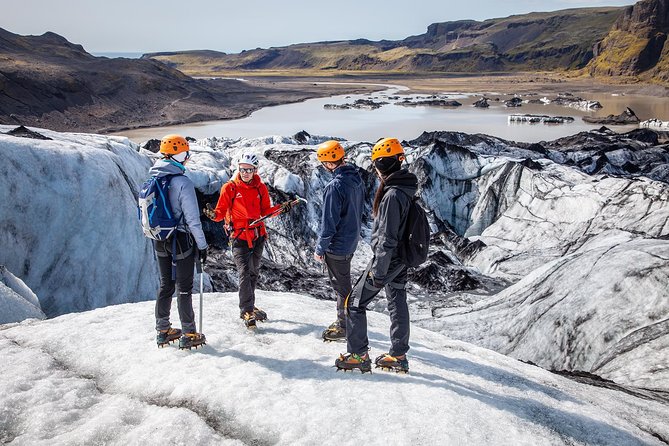
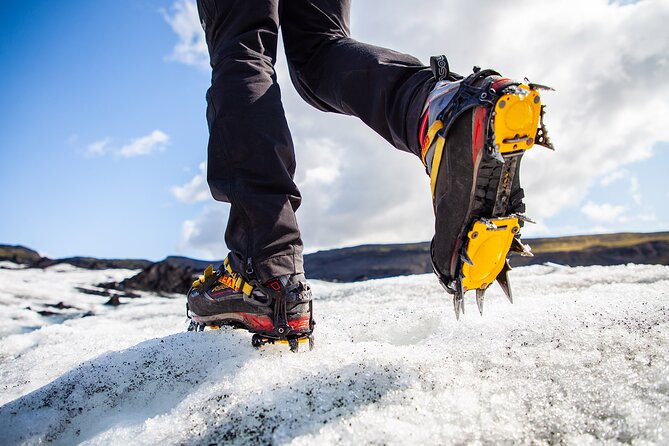
Before setting off, staff fit you with a harness, crampons, ice axe, and helmet. Your guide explains how to use the equipment and how to place your feet on the ice. This briefing matters. Crampons do much of the work, but only when you walk with deliberate steps and keep your balance.
The basecamp has toilets, and coffee and tea are included. Those are modest extras, but useful in Iceland, where a warm drink and a final bathroom stop can make the outing more comfortable.
You need to bring good hiking shoes that rise above the ankle. Regular trainers are not a sensible choice for crampons or uneven ground. Pack warm, waterproof clothing, plus a hat and gloves. Hiking boots, rain gear, and snacks are not included, so check your clothing before leaving for the meeting point.
One practical tip comes from the approach to the glacier. Volcanic dust or black ash can blow into your eyes on a windy day. Sunglasses that wrap around the sides offer better protection than open glasses, especially on the walk from basecamp to the ice.
The approach walk before you reach the ice
The walk from basecamp to the glacier is short enough for most people, with one account describing it as about 10 minutes. It is still part of the outing, and the ground may feel less secure than a normal trail.
This is where you begin to see the glacier from close range. The ice becomes larger and more detailed as you approach, and the guide begins preparing you for the change from ordinary walking to glacier travel.
Do not judge the whole activity by this first section. The most unusual part begins after the safety lesson, when the crampons meet the ice. The approach also explains why sturdy shoes and waterproof trousers matter. Even a short walk can feel cold and windy in Iceland.
About an hour among blue ice and crevasses
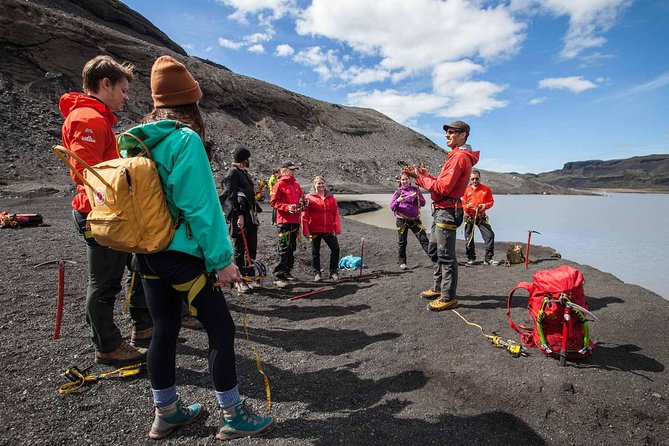
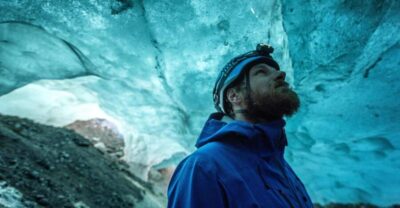
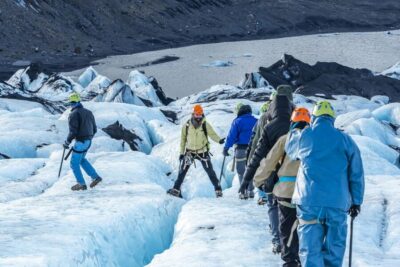
Once the group reaches Sólheimajökull, your guide chooses a safe route across the current ice conditions. You may pass blue ice formations, deep cracks, glacial channels, and bowl-shaped depressions sometimes called cauldrons.
The exact route cannot be treated like a fixed city walking tour. Ice shifts, weather changes, and safety comes first. That flexibility is a strength, though it means the precise sights can vary from one departure to the next.
You will likely stop often. Your guide may explain the glacier’s geology, point out movement in the ice, help you take photographs, and show you how the surface changes from hard blue ice to rougher, darker sections. Some outings include a small ice tunnel or the entrance to a shallow crevice when conditions allow and everyone is comfortable.
The glacier water is another memorable detail. You may be offered the chance to drink water from the ice, and some people bring an empty bottle for a small fill. It is a simple moment, but it gives the outing a physical connection to the glacier rather than leaving you with only photographs.
The walking time is moderate, but the surface demands balance. One person described the activity as manageable from a cardio point of view while still requiring agility and steady footing. That is a useful distinction. You do not need to be a strong hill walker, but you should be comfortable stepping carefully over uneven ground.
If you have orthopedic problems, limited balance, or trouble walking on irregular surfaces, think carefully before booking. The activity is suitable for most people according to the supplied information, but it is not a flat stroll on pavement. Children must be accompanied by an adult.
More Small-Group Hikes in Iceland
- Glacier Hike and South Coast Small-Group Tour from Reykjavik
★ 5.0 · 827 reviews - Skaftafell Glacier Hike 3-Hour Small Group Tour
★ 4.5 · 580 reviews - Solheimajokull Glacier 3-Hour Small-Group Hike
★ 5.0 · 501 reviews - Skaftafell: Extra-Small Group Glacier Hike
★ 4.9 · 501 reviews
What the small group changes
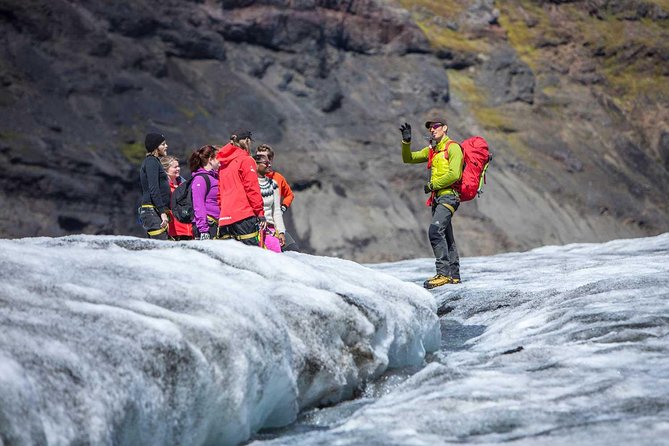
The maximum group size is 14. That is not a private tour, but it is small enough for the guide to keep communication clear and watch how everyone is coping.
The benefit becomes clear during equipment fitting and glacier instruction. A good guide can check your crampons, correct your foot placement, and answer questions without shouting across a large crowd. Guides such as Sam, Sofia, Oskar, Heini, Maria, Ellie, Anton, Dennis, and Woody have all been praised for making people feel safe and included.
The small group also helps when abilities differ. Ellie, for example, was praised for giving a beginner confidence while still offering more challenge to an experienced partner. That is exactly what you want in a mixed group. You should not expect a custom private itinerary, but the guide can often adjust pace, explanations, and the amount of challenge.
There is a tradeoff. Preparation can take longer when everyone needs boots, crampons, helmets, harnesses, and instructions. One account found that nearly an hour passed before the group was fully onto the glacier. If you want the maximum possible time on the ice, a private outing may suit you better, though it would cost more.
Early departures may help with the feel of the experience. One group found the glacier especially peaceful in the morning, before other groups arrived. That quieter stretch is not guaranteed, but an early start can make the setting feel less busy.
The guides are central to the experience
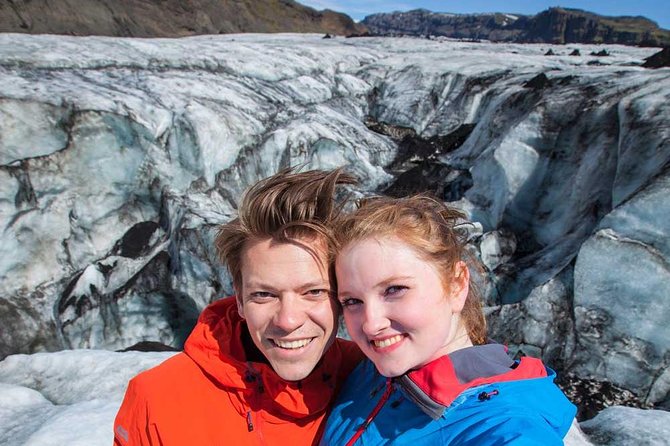
The equipment gets you onto the glacier, but the guide shapes the quality of the outing. The strongest pattern here is not simply technical skill. It is the ability to explain safety without making the activity feel tense.
Sam has been praised for combining glacier history with careful safety checks. Sofia has been described as patient, clear, and helpful with photos. Oskar is noted for taking groups through several activities on the glacier and keeping the experience fun. Heini brought enthusiasm and useful teaching to the walk.
Other guides receive similar praise for adjusting the pace, helping with gear, and explaining the ice. Maria took time to let the group enjoy the walk. Dennis was credited with looking after different needs and abilities. Anton kept the group entertained while sharing facts, and Woody was described as a particularly informative leader.
Guide assignments are not something you can count on in advance. You should book this for the activity itself, not for a guaranteed individual guide. Still, the repeated focus on guide care is reassuring, particularly if you feel uncertain about trying a glacier hike.
Is three hours enough for $115?
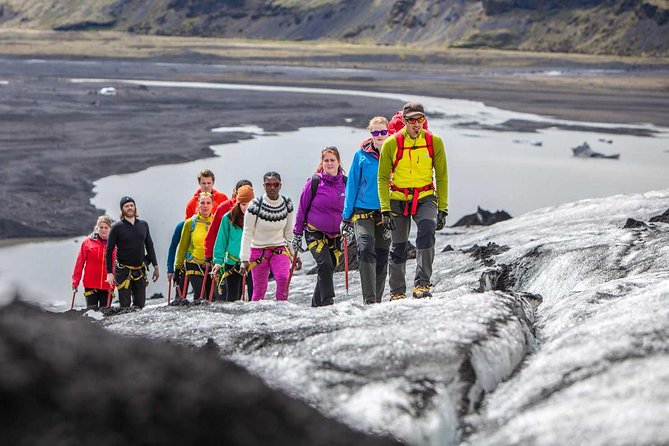
At $115 per person, the tour is priced as a guided, equipped glacier activity rather than a simple walk to a scenic overlook. You are paying for a certified glacier guide, helmet, harness, crampons, and ice axe, along with the safety system and route decisions that make walking on the ice possible.
The value is strongest if this is your first glacier experience. Buying or carrying technical gear for one outing would make little sense for most visitors, and an unguided attempt would not be appropriate.
The three-hour length works well for a day of exploring southern Iceland. It gives you enough time to reach the glacier, learn the basics, walk across the ice, stop for explanations, and return without consuming an entire day. It also leaves room for other sights in the Vik area.
You should keep your expectations realistic. The actual time on the glacier is about an hour, sometimes reported as 45 minutes to an hour, with multiple stops. The rest is not wasted, but it is not glacier walking. If your priority is a long, strenuous route or ice climbing, this is the wrong product.
For many people, the shorter format is a benefit. You get a real taste of glacier travel without committing to a demanding expedition. For active hikers hoping to spend several hours high on the ice, it may feel brief.
Weather, clothing, and comfort
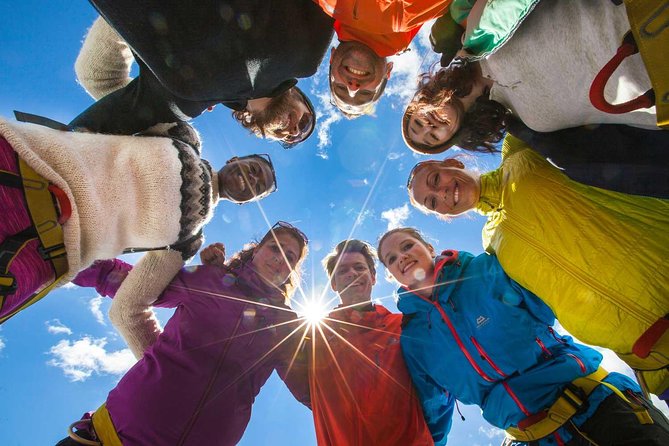
Icelandic weather can change quickly, and the glacier adds wind and cold. One outing had gusts reported around 50 miles per hour and temperatures near 34 degrees Fahrenheit. The guides monitored the conditions, but proper clothing remained essential.
Wear layers that you can adjust. Add waterproof outer clothing, gloves, and a warm hat. The supplied equipment does not replace suitable clothes. Rain gear is not included, and snacks are also your responsibility.
You may find the walk more tiring than the distance suggests because of the cold, wind, and constant balance work. Take the breaks seriously. They are built into the experience so you can warm your hands, drink water, take photos, and listen to the guide.
If the weather is too poor for a safe departure, the operator offers another date or a full refund. You can also cancel for a full refund up to 24 hours before the start time. Changes or cancellations inside that 24-hour window are not accepted for a refund.
Who should book this glacier hike?
This tour suits you if you want a genuine glacier experience without technical climbing. It is a good choice for first-timers, families with older children, couples, and active adults who can manage uneven footing.
It also works well for people who like learning as they walk. The guides explain glacial geology, local conditions, ice movement, and safety rather than leaving you to guess what you are seeing.
You should think twice if you dislike cold weather, have significant balance or orthopedic problems, or expect a vigorous alpine route. You should also avoid booking it as a substitute for ice climbing. Some people may find the activity too gentle, especially because of the frequent stops and limited time on the ice.
A private tour may be a better fit if your group has very different abilities or if you want to control the pace. The standard small group is the better value for most visitors, particularly at $115.
Should you book the Sólheimajökull hike?
I would book this if you want to step onto a glacier safely, learn what you are seeing, and keep the activity to a manageable half-day slot. The best parts are the direct contact with blue ice, the chance to see crevasses and small ice formations, and the steady attention from a capable guide.
Go in knowing that the glacier portion is about an hour, not three hours, and that weather can make the approach cold, windy, or dusty. Bring proper shoes, waterproof layers, gloves, and sunglasses that cover your eyes well.
For a first glacier walk near Vik, the price is fair because the technical equipment and certified guide are included. Book it if the idea of drinking glacier water and walking through changing blue ice sounds more appealing than spending the day on a strenuous route. Skip it only if you want a long expedition or are not comfortable with uneven, balance-focused walking.
FAQ
Where does the Sólheimajökull glacier hike start and finish?
It starts and ends at Icelandic Mountain Guides by Icelandia, Sólheimajökull Base Camp, listed at 871 Hvolsvöllur, Iceland.
How long does the experience last?
The activity lasts approximately three hours. About 45 minutes to one hour is spent walking on the glacier, with the remaining time used for preparation, the approach, safety instruction, stops, and the return to basecamp.
What equipment is included?
The tour includes a harness, crampons, ice axe, and helmet, along with a certified glacier guide.
What should I bring?
Bring good ankle-high hiking shoes, warm and waterproof clothing, a hat, and gloves. Hiking boots, rain gear, and snacks are not included. Wraparound sunglasses can help protect your eyes from blowing volcanic dust on the walk to and from the glacier.
Is the hike suitable for children?
Most people can participate, but children must be accompanied by an adult. The walk requires balance and careful footing on uneven ice.
What happens if the weather is too poor?
The activity requires suitable weather. If it is canceled because of poor conditions, you will be offered another date or a full refund. You can cancel up to 24 hours before the start time for a full refund.
Just added around Iceland
- Private Jökulsárlón Glacier Lagoon 2 Day Tour & Glacier Hike★ 5.0 · 159 reviews
- Private South Coast and Glacier Hike – With photos★ 5.0 · 49 reviews
- Hiking with Husky in Akureyri (private)★ 5.0 · 44 reviews
- Private Guided Hike Experience on Sólheimajökull Glacier★ 5.0 · 41 reviews
- Inside the Volcano: Small-Group Tour and Lava Field Hike★ 5.0 · 168 reviews
- Skaftafell: Blue Ice Glacier Hike on Vatnajökull★ 4.5 · 174 reviews
- 2-Day South Coast Waterfalls, Jokulsarlon Glacier Lagoon and Hike from Reykjavik★ 5.0 · 177 reviews
- From Reykjavík: Landmannalaugar Hiking Day Tour★ 4.5 · 206 reviews
Glacier Hikes, side by side.
Glacier Hike, Waterfalls and Black Sand Beach
Read our review →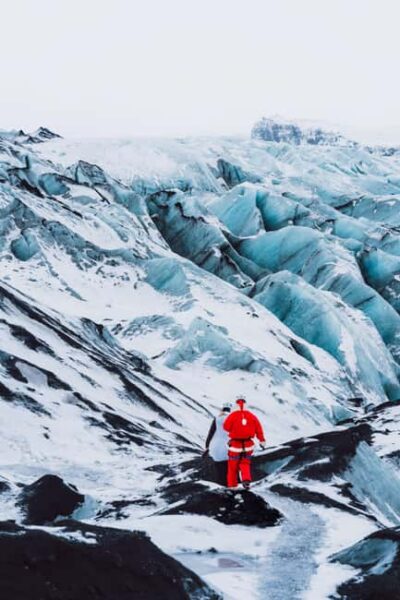
Sólheimajökull: Blue Ice Glacier Hike near Vík (Easy)
Read our review →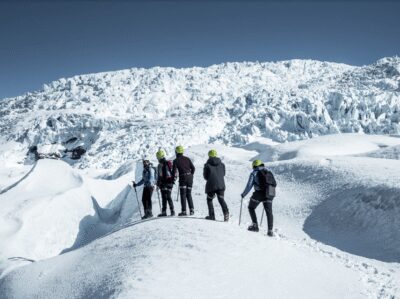
Skaftafell National Park: Falljokull Glacier Advanced Hike
Read our review →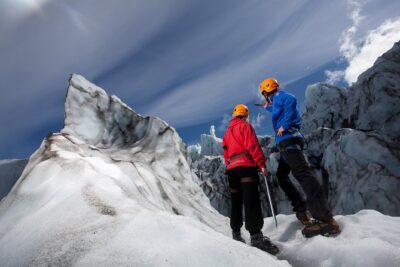
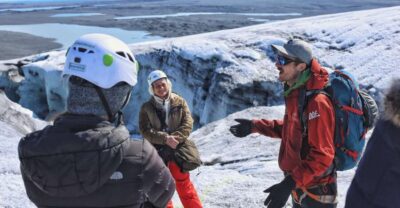
Jökulsárlón: Vatnajökull Glacier Guided Hiking Tour
Read our review →