
REVIEW · IRELAND
Bog Safari Hike
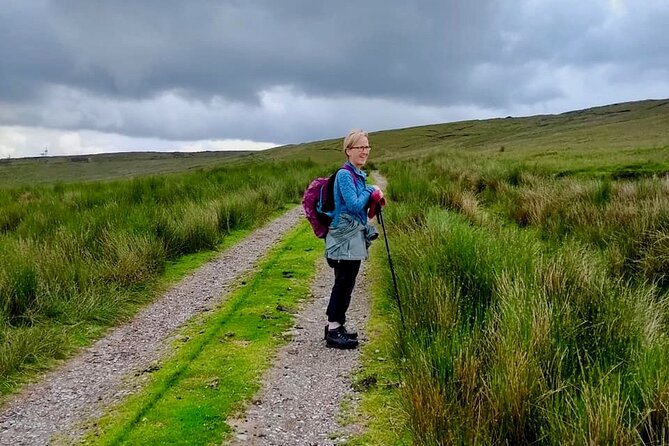
An ancient Irish bog is not empty ground. It is a living record of time, work, belief, and weather. On this two-hour hike, Sharon guides you through peatland on the Wild Atlantic Way, explaining how the bog formed, why turf still matters to local people, and how this wet ground helps in the fight against climate change. The small group size and the chance to meet local people at work are two strong reasons to choose it.
I like the way this walk joins natural history with daily life. You are not simply looking at plants and distant views. You are learning about traditional turf cutting, old myths, an ancient monastic site, and modern green energy. The main drawback is practical: this is a moderate to challenging outdoor walk, and the experience depends on good weather.
Key points to know before booking
- A real bog walk, not a roadside viewpoint: You head into ancient peatland with a guide leading each part of the route.
- Sharon brings local stories to the hike: Expect explanations of myths, legends, turf cutting, monastic history, and present-day life.
- Only 12 people per group: The small limit allows room for questions and a more personal pace.
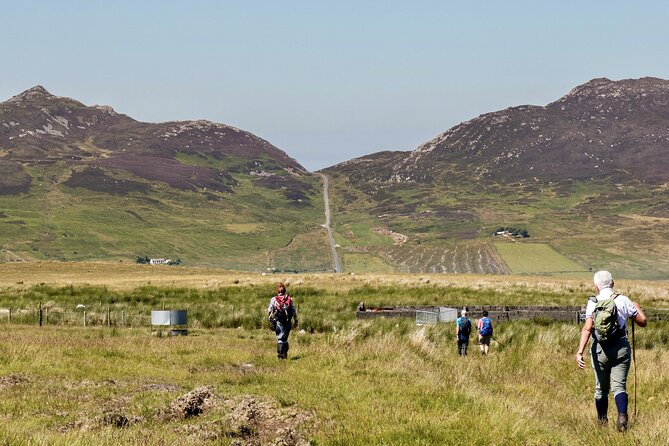
- Big views with few tourist crowds: The route opens toward the Wild Atlantic Way, Inishowen, and West Donegal.
- Nature meets climate science: You learn about bog biodiversity, carbon, peat formation, and green energy.
- Plan for changing weather: The hike can be canceled in poor weather, and you need a moderate level of fitness.
Why a Donegal bog is worth your time
Donegal’s bogs can be easy to overlook. From a distance, peatland may seem like a broad stretch of wet ground with little happening. Walk through it with someone who knows the place, though, and the story changes.
A bog is built slowly from layers of plant material that do not fully break down in waterlogged ground. Over long periods, those layers become peat. This gives the walk a strong sense of time. You are not just crossing open country. You are walking across a place shaped by water, plants, weather, human work, and centuries of use.
Sharon’s role matters here. The experience is designed as a guided hike, not a self-guided route with a short talk at the start. She leads you step by step and connects the physical ground beneath your boots to the people who have used it. One especially useful part of the experience is the chance to see how turf cutting still fits into local life.
That connection gives the hike more weight than a standard nature walk. You learn about peat as a habitat and as a traditional fuel. You also hear how bogs fit into the climate discussion, including their role in storing carbon and protecting natural systems. The result is a walk that links old customs with present concerns without turning into a classroom lecture.
More hikes and treks around Ireland:
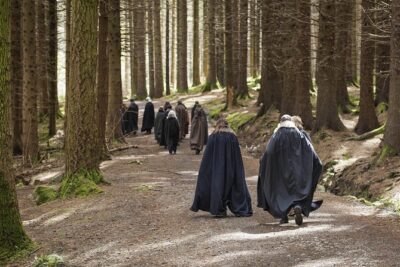
- From Dublin: Game of Thrones Winterfell Locations Trek
★ 5.0 · 814 reviews - Dublin Coastal Hike, Pints & Puppies Adventure
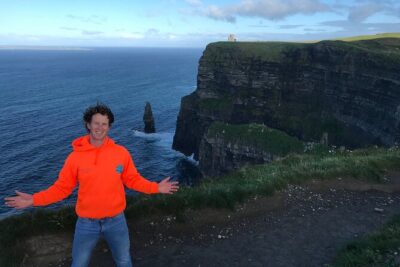
★ 5.0 · 647 reviews - Cliffs Of Moher Hiking Tour from Doolin – Small Group
★ 5.0 · 324 reviews
Following the Wild Atlantic Way through peatland
The walk takes place in the Ballyannon area of County Donegal, along the wider Wild Atlantic Way. It ends back at the meeting point, so you do not need to arrange a second pickup at another location.
The route is described as an authentic hike through a primeval Irish bog. That wording is important. You should expect an outdoor walk over uneven, wet, or changing ground rather than a paved trail. The exact route may vary with conditions, but the central focus remains the peatland and the stories tied to it.
As you move through the area, Sharon explains how the bog formed. This gives you something specific to watch for as you walk. Instead of seeing only open moorland, you begin to notice the relationship between wet ground, plant life, peat layers, and human use.
The open setting also brings broad views. You can look toward Inishowen and West Donegal, with the Wild Atlantic Way providing the wider coastal setting. The appeal is not a list of famous monuments packed into two hours. It is the feeling of being out in a large, quiet part of Donegal, away from the busiest sightseeing stops.
That solitude is one of the walk’s best features, though it also means you should not expect a conventional attraction with facilities, displays, or a visitor center. The value comes from the guide, the setting, and the chance to understand what you are seeing.
Myths, monks, and the work of cutting turf
The route includes an ancient monastic site, adding a human and spiritual layer to the bog. You are not given a detailed list of surviving structures or dates, so it is best to think of this as one part of a broader story rather than a standalone archaeological visit.
The myths and legends add another dimension. Irish bogs have long been linked with stories, beliefs, and unusual places. Sharon uses these traditions to show how people have understood the terrain, not just how scientists explain peat formation.
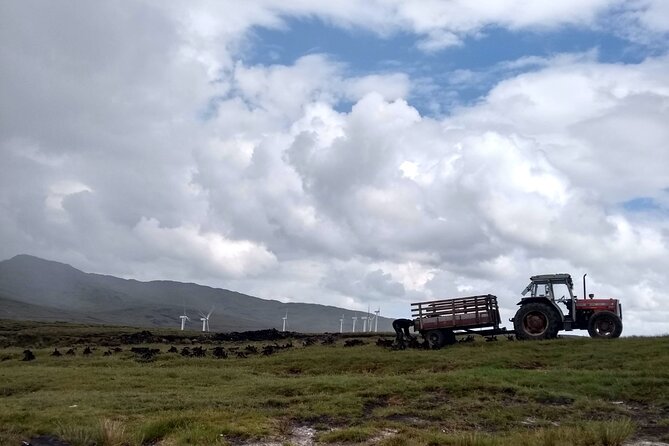
You also learn about traditional turf cutting. Turf is cut from peat, dried, and used as fuel. It is a practical activity, but it also carries strong local meaning. Seeing how the bog still plays a role in everyday life helps you understand that this is not simply an old custom preserved for visitors.
A particularly useful moment can come when local work is taking place. On one outing, Sharon’s group met a neighbor working in the bog. You might find a similar chance to see local activity, depending on the day and season, but it is not something to treat as guaranteed. Still, the possibility shows why a small, locally guided walk can offer more than a fixed script.
Wildlife, climate, and green energy in one short hike
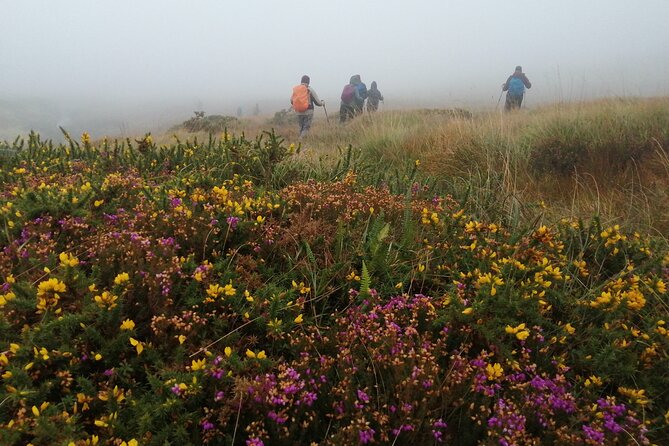
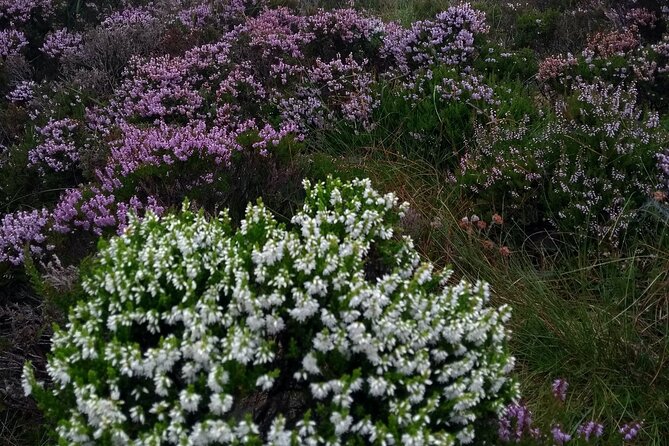
The bog has its own biodiversity, and the walk introduces you to the plants and living systems found in peatland. The available details do not promise a particular bird, animal, or flower, so you should not book this as a wildlife-spotting trip aimed at one specific species.
The value is broader. You learn why bogs are unusual habitats and how their wet conditions shape what can grow there. The guide also explains the role of peatlands in the fight against climate change, giving you a clearer reason to care about this kind of terrain.
The walk also includes green energy in action. That makes the experience especially useful for anyone interested in how rural communities balance older ways of using the land with newer energy systems. You see the subject in context rather than hearing an abstract talk indoors.
I like this mix because it avoids making the bog only a relic of the past. Traditional turf cutting, old legends, monastic history, wildlife, carbon, and green energy all sit in the same story. You come away with a more practical understanding of how Irish peatland shapes culture and current environmental choices.
Same trailheads, a different kind of day:
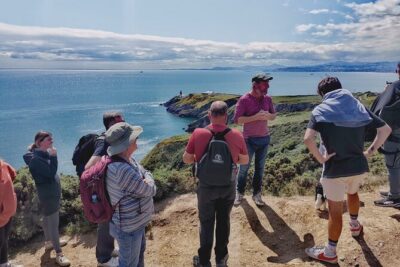
- Dublin Coastal Hike with Howth Adventures
★ 5.0 · 289 reviews - Howth Safari Hiking Tour
★ 5.0 · 279 reviews - Dublin: Howth Coastal Hiking Tour
★ 4.9 · 116 reviews - Howth Hiking Trail from Dublin: Mythology and Legend
★ 5.0 · 77 reviews
What the two-hour format really gives you
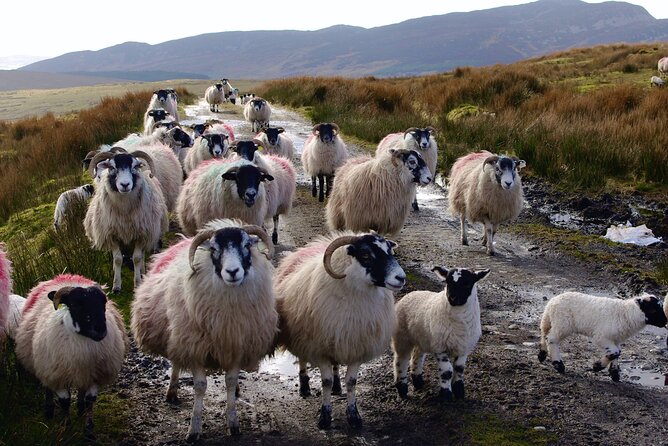
Two hours is long enough to go beyond a quick viewpoint stop, but short enough to fit into a busy Donegal day. You have time to walk, pause, ask questions, and take in the views without committing to a full-day outing.
The guide leads every step, which is helpful if you are unfamiliar with bog terrain. It also lets Sharon control the pace and explain details as they become relevant. With a maximum of 12 people, you should have a better chance to hear clearly and ask about subjects that interest you.
The small group does not mean the hike is private. If you want an exclusive outing, private groups and special bookings can be adjusted to suit individual requirements by contacting Solas Ireland Walks and Hikes. For a standard booking, the group limit is 12.
The physical side deserves an honest note. You need a moderate level of fitness, and the information for the experience also asks you to consider any medical condition that could affect moderate to challenging exercise. A bog walk can be more demanding than its two-hour length suggests because the ground may not be easy underfoot.
This is not the right choice if you want a gentle stroll on a smooth path. It is a better fit if you are comfortable outdoors and interested in learning while walking.
Is $50.60 a fair price?
At $50.60 per person, this is not the cheapest way to spend two hours in Donegal. The price makes more sense when you consider what you are paying for: a locally led walk, a limited group size, interpretation of the bog, cultural stories, views, and access to a setting that you would not understand as well from a passing drive.
There is no meal included. Lunch can be arranged for an extra charge by contacting the provider directly. Since the hike lasts about two hours, you may prefer to eat before or after rather than add food to the booking.
The strongest value comes if you care about context. If you only want panoramic views, you can find viewpoints that cost less or nothing. If you want to understand how peatland formed, why turf cutting matters, what local stories surround the area, and how bogs relate to climate change, the guide adds something you cannot get from scenery alone.
The 12-person limit also helps justify the cost. Sharon can keep the group together and speak in a conversational way. One booking even had Sharon guiding a single person, which allowed for a highly personal outing. You cannot count on having the guide to yourself, but the group cap keeps the experience from feeling like a large coach excursion.
Meeting point, weather, and useful planning details
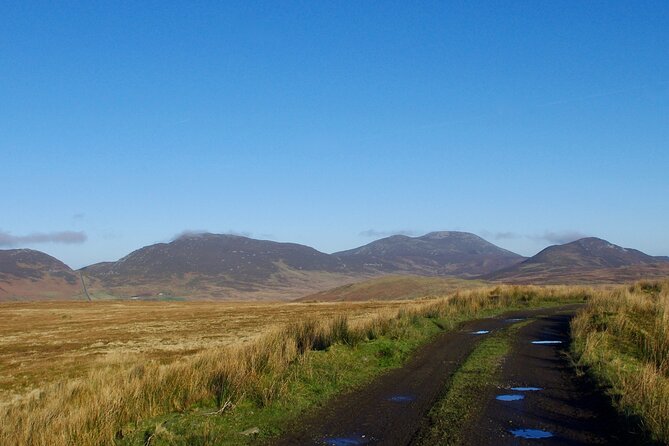
The meeting point is listed at 5GV4+H8 Ballyannon, County Donegal, Ireland. The hike ends at the same place, which keeps the transport plan simple once you arrive.
You receive confirmation at booking, and the ticket is mobile. The activity is offered in English. Service animals are allowed, though the moderate physical demands and bog terrain still need to be considered when deciding if the route suits your needs.
Weather matters. This experience requires good weather, and poor conditions can lead to a different date or a full refund. That is a sensible policy for a walk across exposed peatland, but it means you should keep some flexibility in your Donegal plans.
You can cancel for a full refund if you do so at least 24 hours before the start time. Changes or cancellations inside that window are not accepted for a refund. The minimum group requirement also means the hike could be canceled if too few people book, with a different date, another experience, or a full refund offered.
Wear clothing suited to wet Irish weather and outdoor walking. The supplied details do not specify equipment, footwear, or a required clothing list, so contact Solas Ireland Walks and Hikes if you need exact advice before setting out.
Who will enjoy the Bog Safari Hike most
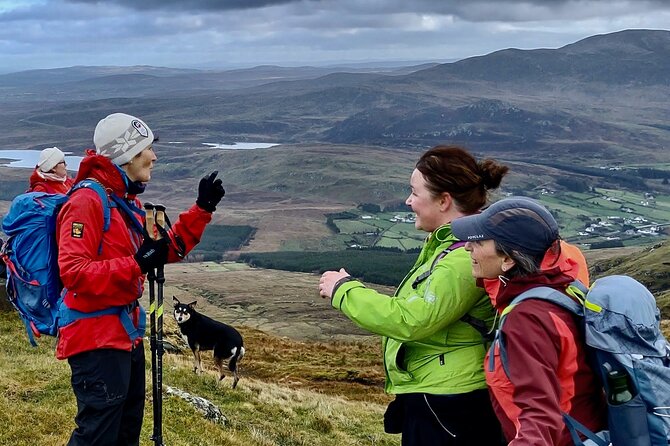
I would choose this walk if you want a quieter, more thoughtful side of Donegal. It suits people who enjoy local stories, open views, environmental subjects, and walking at a steady pace with a guide.
It is also a good choice for repeat visitors who have already seen the better-known coastal sights and want something tied more closely to local life. The bog gives you a different view of Ireland than a castle, town center, or cliff walk.
Families and mixed groups should think about the fitness requirement. The experience is not presented as a children’s activity, and the ground may be challenging for anyone who struggles with uneven outdoor routes. Private groups can discuss adjustments directly with the provider.
I would skip it if your main goal is a strenuous mountain hike, a formal archaeological tour, or a guaranteed wildlife sighting. The walk is more about understanding a particular place than collecting dramatic attractions.
Should you book this Donegal bog walk?
Book it if you want an authentic two-hour outing that connects peat, folklore, local work, environmental concerns, and wide Donegal views. Sharon’s friendly, conversational approach is especially appealing if you prefer a guide who can explain the place while responding to your questions.
The best reason to go is the combination of culture and terrain. You get to walk through an ancient bog, learn how turf cutting still affects local life, hear about a monastic site and old stories, and consider the role of peatlands in climate change. That is a lot of meaning packed into a short hike.
Skip it if you need guaranteed sunshine, a smooth path, or a highly structured attraction with indoor facilities. For everyone else, the small group, local focus, and distance from busy tourist routes make this one of the more distinctive ways to spend part of a day in Donegal.
FAQ
Where does the Bog Safari Hike take place?
The hike starts at 5GV4+H8 Ballyannon, County Donegal, Ireland, in the wider Wild Atlantic Way area.
How long does the hike last?
The experience lasts approximately two hours.
Where does the hike finish?
The walk ends back at the meeting point in Ballyannon.
How many people can join the hike?
The group has a maximum of 12 people.
Is the hike guided?
Yes. The experience includes a guided hike, with Sharon leading the walk and explaining the bog, local culture, myths, turf cutting, biodiversity, and climate topics.
What language is the experience offered in?
The hike is offered in English.
Is lunch included?
No. Lunch is not included, but it can be provided for an extra charge if you contact the provider directly to order it.
How physically demanding is the walk?
You should have a moderate level of physical fitness. The information also asks you to consider any medical condition that could affect your ability to take part in moderate to challenging exercise.
What happens if the weather is poor?
The experience requires good weather. If it is canceled because of poor conditions, you can choose a different date or receive a full refund.
Just added around Ireland
- Howth Hiking Trail from Dublin: Mythology and Legend★ 5.0 · 77 reviews
- Glendalough Night Hike and History Tour★ 5.0 · 55 reviews
- Trek the Tombs and Trails in the Dublin Mountains★ 5.0 · 14 reviews
- Toe Head Clifftop Hike in West Cork★ 5.0 · 48 reviews
- Dublin: Howth Safari Hiking Tour★ 5.0 · 70 reviews
- Dublin: Dublin Coastal Hike and Pints & Puppies★ 5.0 · 70 reviews
- Dublin: Howth Coastal Hiking Tour★ 4.9 · 116 reviews
- Howth Safari Hiking Tour★ 5.0 · 279 reviews
Ireland Hiking Tours, side by side.
Cliffs Of Moher Hiking Tour from Doolin – Small Group
Read our review →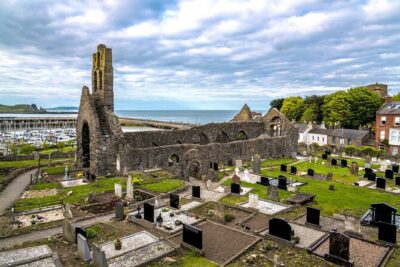

Howth Hiking Trail from Dublin: Mythology and Legend
Read our review →
This walk also sits in