
REVIEW · THAILAND
Chiang Mai – Doi Suthep Temple & Wat Pha Lat Hike
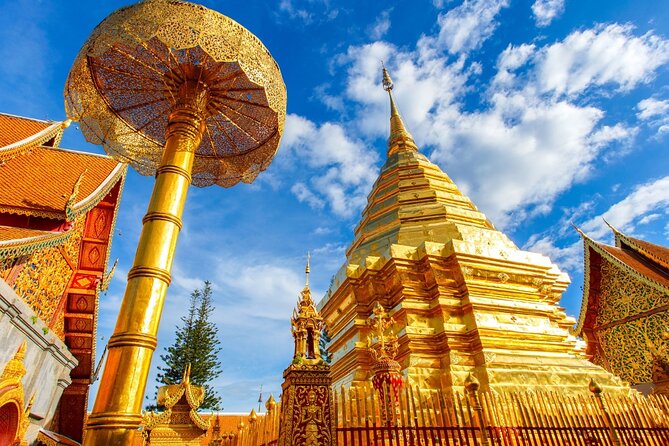
The most memorable part of this Chiang Mai outing is the contrast: you walk a quiet forest trail to Wat Pha Lat, then arrive at brilliant, busy Doi Suthep with its gold chedi and sweeping city view. It is a smart pairing of nature and sacred sites in one half-day.
I like the old monk’s route, which gives the visit some effort and atmosphere, and I like the guides’ focus on Buddhism, temple art, and monastic life. Saman, Jane, Amy, Bright, and Pia are among the guides praised for clear explanations and careful pacing. The main drawback is transport: the open-sided songthaew is authentic, but it can be hot, winding, and smoky.
Key points to know
- Wat Pha Lat comes first on the usual schedule: Allow 30 to 40 minutes for the uphill Monk’s Trail walk.
- Doi Suthep means more stairs: The dragon staircase has more than 300 steps, though a cable car is available for an extra charge.
- Sunrise changes the route: The 5 a.m. version visits Doi Suthep first, then walks down the trail to Wat Pha Lat.
- The red truck is part of the experience: It is a local-style songthaew with open sides and no air-conditioning.
- Budget extra cash: Wat Pha Lat costs THB 100, and Doi Suthep entrance plus cable car costs THB 80 per person.
- Dress and footwear matter: Cover your shoulders and knees, and wear shoes suited to uneven or muddy ground.
Two mountain temples, two very different moods
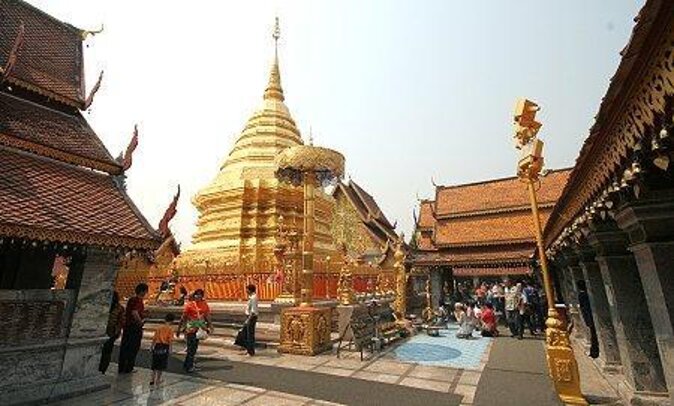
This four-hour tour takes you up Doi Suthep mountain for two of Chiang Mai’s best-known religious sites. The first stop is Wat Pha Lat, a quiet temple reached by the Monk’s Trail. The second is Wat Phra That Doi Suthep, the grand mountaintop shrine that gives the excursion its name.
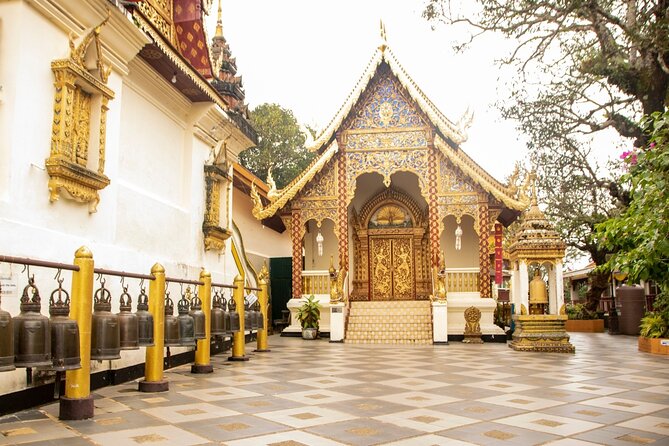
I like the order because it builds nicely. You begin with shade, trees, stone steps, and carved figures at Wat Pha Lat. Later, you get the larger temple compound, the gold-covered chedi, painted walls, bells, shrines, and a city view from high above Chiang Mai.
The tour costs $26.09 per person. That is good value if you want transport, an English-speaking guide, a bottle of water, and both temple visits without arranging separate rides. You still need THB 180 per person for the stated entrance fees, assuming you use the Doi Suthep cable car, plus any personal spending and optional gratuities.
The small-group format is another advantage. Groups can have up to 10 people, giving the guide more room to answer questions and adjust the walking pace. Several strong guide names appear in the feedback, including Saman, Jane, Amy, Katie, Maggie, Emmy, and Pia. The quality of the experience depends partly on who leads your departure, but the repeated praise centers on friendly explanations, local insight, and good care on the trail.
More hikes and treks around Chiang Mai:
- 3-in-1: Doi Inthanon Tour, Elephant Sanctuary, and Trekking Trail
★ 5.0 · 1,087 reviews - Chiang Mai: Doi Inthanon Trip with Pha Dok Siew Guided Trek
★ 4.6 · 910 reviews - Chiang Mai: 2-Day Jungle Trek with Elephant Farm & Raft Ride
★ 4.7 · 881 reviews
Walking the 30 to 40 minute Monk’s Trail
The usual tour begins when the red songthaew drops you near the trailhead. From there, you walk for about 30 to 40 minutes toward Wat Pha Lat. This is not a long wilderness hike, but it is not a flat stroll either.
The trail follows an old route used by monks heading up Doi Suthep toward the higher temple. That detail gives the walk a sense of purpose. You are not simply walking from a parking area to a ticket gate. You are following a route tied to the mountain’s religious life.
Expect natural ground, uneven sections, and possible mud in wet weather. One outing became much harder when heavy rain arrived, though the group still reached the temple. Good walking shoes are important. Sandals may be manageable for some people, but they are a poor choice when the trail is wet or rough.
The forest setting helps make Wat Pha Lat special. The temple sits among trees and statues, with a calm feel that is very different from the larger shrine above. You can take photographs of the stonework and surrounding greenery, but remember that this remains an active sacred place.
Dogs can sometimes appear along the trail. The guide can help manage the situation, and one guide was specifically praised for handling the dogs well. Still, if you are nervous around animals or uncomfortable on a mountain path, tell the guide early.
Wat Pha Lat brings the quiet moment
Wat Pha Lat is often the emotional high point for people who want a slower temple visit. Its appeal is not size or glitter. It is the setting, the old pilgrimage route, the statues, and the feeling of finding a place apart from the city.
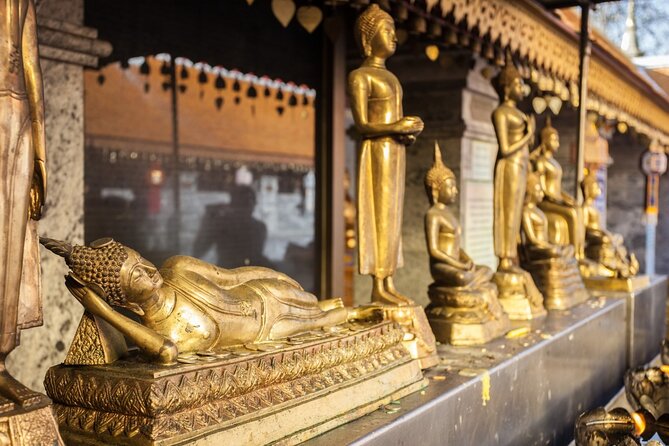
The stop is listed at about two hours, though the exact balance between walking, temple time, and transport can vary. Your guide can explain the role of the temple and the monks who use the mountain. Guides such as Saman have also been praised for explaining Buddhist customs, Buddha images, and details such as why a reclining Buddha rests on the right side.
The entrance fee for the Monk’s Trail and Wat Pha Lat is THB 100 per person, paid in cash on the day. It is not included in the tour price, so carry Thai currency.
For many people, this part is easy to underestimate. The trail is short enough to sound simple, but rain, heat, mud, and uphill ground can change the effort. One useful feature is flexibility: if you cannot manage the hike, you may be able to ride the songthaew up or down instead, depending on the tour arrangement and location.
Doi Suthep and the 300-step dragon staircase
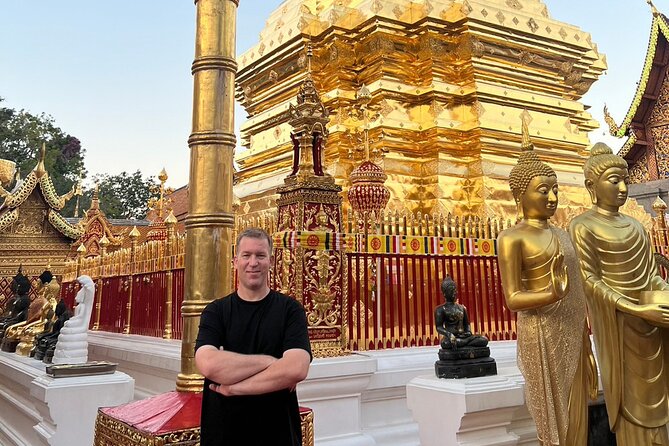
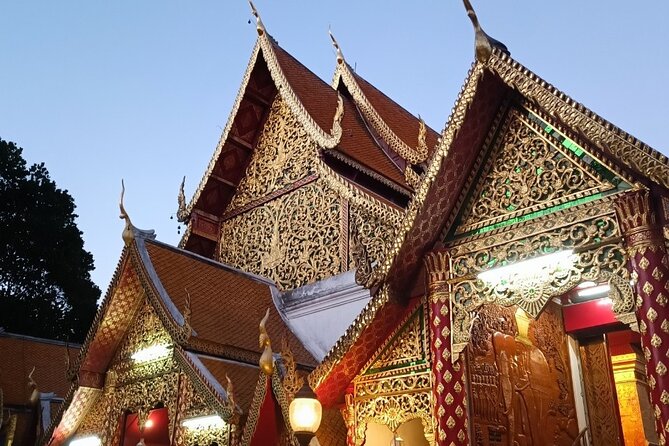
After Wat Pha Lat, the tour continues to Wat Phra That Doi Suthep. This is the more formal and ornate temple visit. You will see Buddhist statues, pagodas, bells, shrines, and wall paintings depicting episodes from the life of Buddha.
The approach is famous for its Naga staircase. More than 300 steps lead upward between serpent figures with seven heads. The staircase is photogenic, but it is also a real climb. If your knees or stamina are limited, ask about the cable car before you begin. The cable car costs extra and is not included in the THB 80 entrance and cable car charge listed for this stop.
The temple’s central chedi, covered in copper, is the most sacred feature of the complex. This is where a guide adds real value. Instead of simply walking around a shiny gold monument, you can learn what the shrine means, how the paintings relate to Buddhist stories, and why the site matters as a pilgrimage destination.
The view over Chiang Mai is another reason to come. Clear conditions offer a broad look toward the city. Clouds and rain can reduce the view, especially during the wet season, but the temple remains worth seeing in poor conditions.
Dress properly before you leave town. Shoulders and knees must be covered at the temples. Lightweight clothing that meets those rules is the easiest choice, and you should be ready to remove shoes in areas where required.
Same trailheads, a different kind of day:
- Chiang Mai: Doi Inthanon Park with Kew Mae Pan Hike Day Trip
★ 4.7 · 841 reviews - Chiang Mai: Doi Inthanon Park and Pha Dok Siew Trail Trek
★ 4.6 · 752 reviews - Chiang Mai – Doi Suthep Temple & Wat Pha Lat Hike
★ 4.6 · 740 reviews - Doi Inthanon Private Tour with Trek & Lunch from Chiang Mai
★ 5.0 · 622 reviews
Choosing between sunrise and late afternoon
The departure time can shape the whole experience.
The sunrise program starts at 5 a.m. It visits Doi Suthep first, then continues to Wat Pha Lat. After sunrise, you walk down the Monk’s Trail instead of climbing it. This is a strong option if you want cooler air, fewer people, softer light, and an easier direction on the trail.
Several people considered the early start worth the lost sleep. The temple can feel especially peaceful at that hour, and the view from Doi Suthep gives you a memorable beginning to the day. The tradeoff is obvious: you must be ready for a very early pickup, and transport coordination matters more when you are starting before dawn.
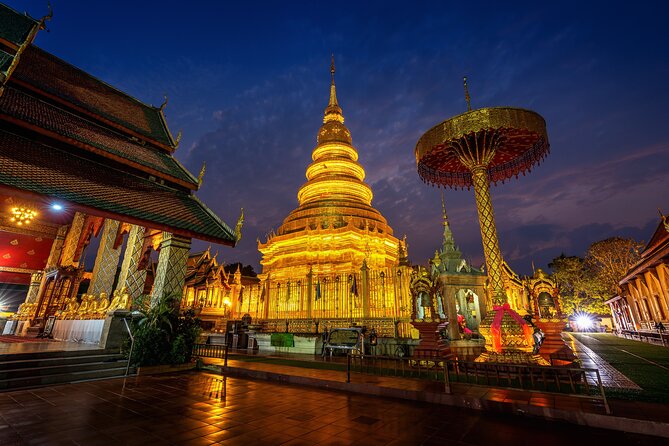
The regular route visits Wat Pha Lat first and then climbs toward Doi Suthep. A late-afternoon departure around 4 p.m. can be pleasant because the heat is lower. It may also give you sunset light and, on a well-timed Sunday evening, enough time to continue to Chiang Mai’s Sunday night market afterward.
I would choose sunrise if quiet temples and cooler walking are your priority. Choose late afternoon if you dislike early alarms and want a relaxed finish to the day. The best choice also depends on weather and how comfortable you are walking uphill.
What the songthaew ride is really like
The included vehicle is a Chiang Mai red songthaew, a converted pickup truck with two bench seats in the back. The sides are open, there is no air-conditioning, and the vehicle is shared with the small group.
I like this because it is a local form of transport rather than a sealed tour van. It helps the outing feel connected to ordinary Chiang Mai travel. It also keeps the price low.
The same design has drawbacks. The mountain road has curves, and some people experienced motion sickness. Exhaust fumes can be irritating, especially when traffic is slow. A few people found the ride hot despite the open windows and fans.
Bring water, which is supplied, and consider sitting where airflow is best. If you are prone to motion sickness, take that seriously before setting off. The ride is part of the experience, but it is not the most comfortable part.
Pickup and drop-off are available inside Chiang Mai’s old walled city. If you are not staying at a qualifying hotel, the meeting point is in front of Burger King at Tha Phae Gate. Pickup may begin up to 45 minutes before the advertised start, so do not plan a tight appointment immediately afterward.
Guide quality makes the difference
The guide is not just there to point out buildings. The strongest part of this tour is the explanation of Buddhist practice, temple design, monk life, and local history.
Saman received repeated praise for humor, clear teaching, forest knowledge, and thoughtful touches such as providing a walking stick. Jane was praised for history explanations and kindness. Amy was described as easy to understand and well informed about the area. Pia took special care of an older solo participant, including help with the stairs and the ride home.
That range matters because this is a small-group walking tour, not a self-guided transfer. A good guide can slow down on the trail, help with the stairs, explain proper temple behavior, and make sense of the wall paintings. A less experienced guide may need help with the route and office coordination, so guide assignment can affect the polish of the day.
The tour is conducted in English. Since the guide is central to the experience, use the time to ask questions rather than rushing from photo stop to photo stop.
Who should book this mountain outing?
I would recommend it to anyone who wants Chiang Mai temples with some movement and outdoor time. It suits first-time visitors who want the major Doi Suthep shrine but also want a quieter place that feels less formal.
It is a good fit for active families, couples, solo visitors, and small groups who can handle a moderate uphill walk. The sunrise version can work well for families because the return route goes downhill, though the early hour may be hard for young children.
Think twice if you have trouble with uneven ground, steep steps, heat, or winding vehicle rides. The hike can be shortened or replaced with songthaew transport in some circumstances, but the tour still involves temple stairs and walking. Tell the operator about your limits before the tour begins.
Rain is another consideration. The activity requires good weather and can be canceled for poor conditions, with a different date or full refund offered. Even when it runs, wet weather can make the trail muddy and the views less clear.
Practical value at $26.09

At $26.09, the tour offers a lot for a half-day: local transport, a guide, water, two mountain temples, and a small group capped at 10 people. Hiring separate transport to both sites would take more planning, and you would lose the explanations that connect the temples to Buddhist practice.
The extra fees are modest but should be part of your calculation. Allow THB 100 for Wat Pha Lat and THB 80 for Doi Suthep entrance and cable car, as listed. Personal expenses and gratuities are not included.
Free cancellation is available up to 24 hours before the start time. Changes or cancellations inside that window are not refunded, and poor weather is handled separately by offering another date or a full refund.
Should you book it?
Book this tour if you want the best mix of forest walking and temple culture in one morning or afternoon. The strongest reasons are Wat Pha Lat’s peaceful setting, Doi Suthep’s scale and views, and guides such as Saman, Jane, Amy, and Pia who can turn the visit into more than a photo stop.
Skip it if you need air-conditioned transport, dislike stairs, or want a completely effortless temple visit. For most reasonably mobile visitors, the price is fair and the two-stop design is smart. Choose sunrise for quiet and cooler walking, or late afternoon for softer light and a possible evening at the Sunday market.
FAQ
How long does the tour last?
The experience lasts approximately four hours.
Where does the tour begin?
The standard meeting point is 2 to 6 Rachadamnoen Road in Chiang Mai’s old city area. Pickup is offered inside the old walled city.
Where does the tour end?
The activity ends back at the meeting point. Pickup and drop-off at qualifying locations inside the old city are available.
What transport is used?
The tour uses a Thai songthaew, a converted pickup truck with two rear benches, open sides, and no air-conditioning.
How difficult is the Monk’s Trail?
The walk to Wat Pha Lat usually takes 30 to 40 minutes uphill. The trail can be uneven or muddy, especially in rain, so proper walking shoes are advised.
Can I avoid the hike?
If you cannot hike up the mountain, you can go by songthaew. The available direction of transport depends on the tour timing and location.
How many steps are at Doi Suthep?
The dragon staircase has more than 300 steps. A cable car is also available at an extra cost.
What entrance fees are extra?
Wat Pha Lat and the Monk’s Trail cost THB 100 per person. The listed entrance fee and cable car cost for Wat Phra That Doi Suthep is THB 80 per person.
What should I wear?
You need to cover your shoulders and knees because the temples are sacred places. Wear proper walking shoes for the trail and stairs.
Is there a sunrise option?
Yes. The sunrise program starts at 5 a.m., visits Doi Suthep first, and then continues to Wat Pha Lat. The Monk’s Trail is walked downhill on that version.
Just added around Chiang Mai
- Chiang Mai ATV & White Water Rafting & Trekking to Waterfall★ 4.7 · 84 reviews
- Chiang Mai Untouched Elephant: Nature Walk & Waterfall Trek★ 4.7 · 77 reviews
- Chiang Mai: 2-Days Jungle Trek, Waterfalls and Karen Village★ 4.8 · 103 reviews
- Chiang Mai: Whitewater Rafting and Waterfall Trekking Tour★ 4.9 · 58 reviews
- Chiang Mai: Hike on Monk’s Trail and Doi Suthep Private Tour★ 4.8 · 22 reviews
- Chiang Mai: 7-Hour Doi Suthep National Park Summit Hiking★ 4.6 · 191 reviews
- Chiang mai Hike & Downhill Bike Adventure –Suthep National Park★ 4.5 · 204 reviews
- From Chiang Mai: Doi Saket Hiking Tour with Lunch★ 5.0 · 211 reviews
Chiang Mai Hiking Tours, side by side.

3-in-1: Doi Inthanon Tour, Elephant Sanctuary, and Trekking Trail
Read our review →
Doi Inthanon Trip with Pha Dok Siew Guided Trek
Read our review →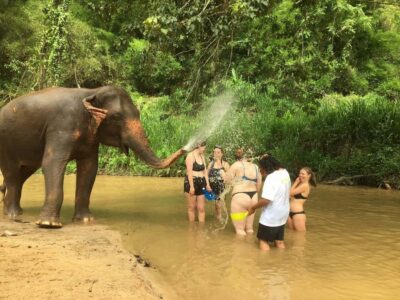
2-Day Jungle Trek with Elephant Farm & Raft Ride
Read our review →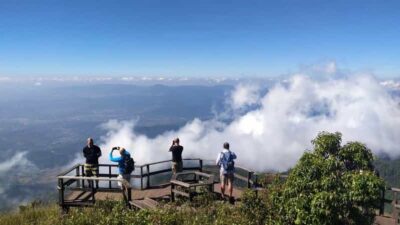
Doi Inthanon Park with Kew Mae Pan Hike Day Trip
Read our review →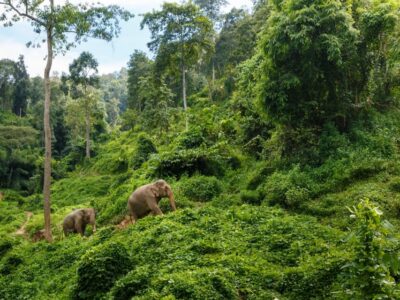


Doi Inthanon Private Tour with Trek & Lunch from Chiang Mai
Read our review →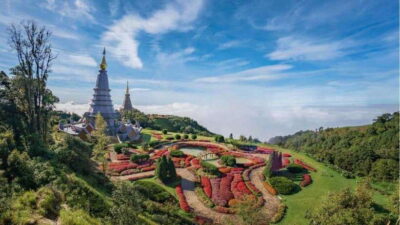
Doi Inthanon National Park and Pha Dok Siew Trek
Read our review →This walk also sits in