
REVIEW · CANADA
Columbia Icefield: Guided Glacier Hike
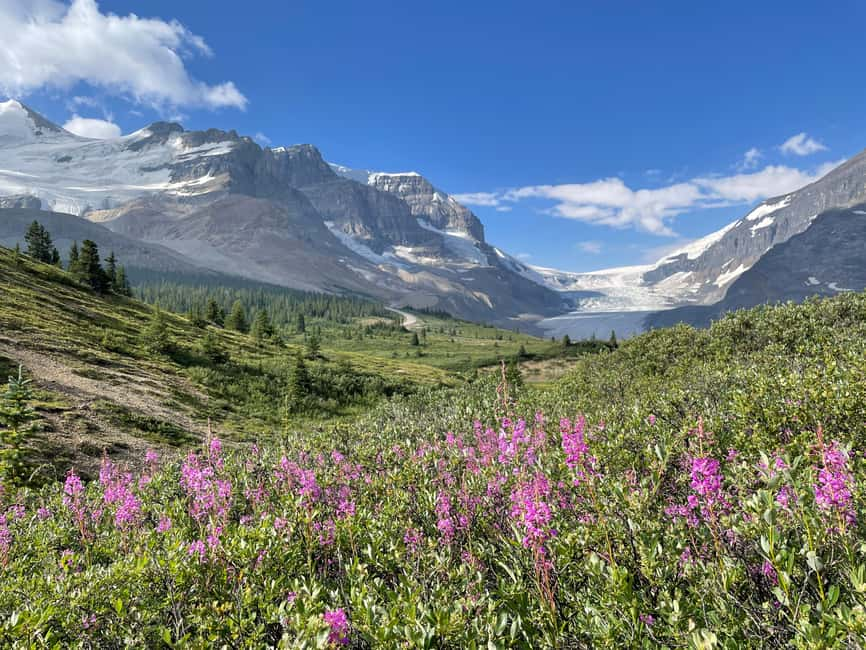
The best part of this Athabasca Glacier hike is simple: you walk onto the ice instead of viewing it through a bus window. With crampons under your boots, you can look into crevasses, watch meltwater run toward the edge, and see the Columbia Icefield from within its frozen terrain.
I like the small-scale feel and the practical setup. An ACMG-certified guide leads the way, while Icewalks supplies crampons and lends boots, poles, gloves, hats, and rain gear if you need them. I also like the guides’ mix of humor and instruction. Pete, Troy, Stu, Corin, Larry, and Ann have all been singled out for clear explanations, patience, and careful attention to safety.
The main consideration is the effort. This is a moderate 5-kilometer walk with 200 meters of uphill gain at about 2,000 meters above sea level. The ice is not a casual stroll, and the elevation can leave you short of breath. If you have low fitness, limited mobility, heart trouble, a cold, or another medical condition, choose a gentler way to see the glacier.
Key points to know before you book
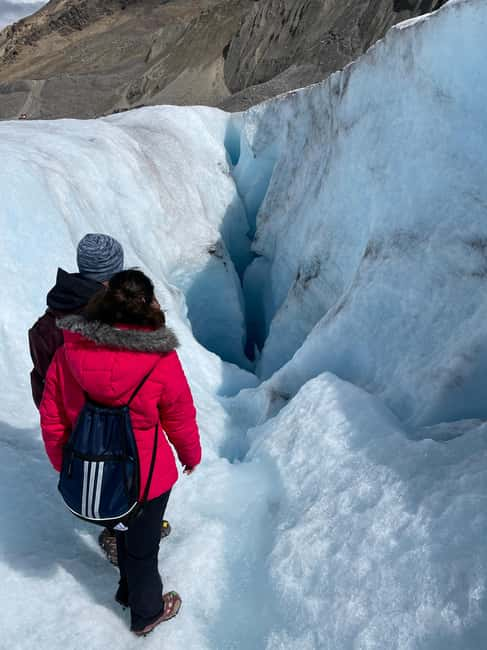
- You walk on the Athabasca Glacier: This is a foot-based experience, not a sightseeing stop beside the road.
- A certified mountain guide leads you: The guide handles route finding near crevasses and explains the ice formations along the way.
- The route covers 5 km and gains 200 meters: Plan for a genuine half-day hike, not a short photo stop.
- Crampons and extra gear are available: Icewalks provides traction devices, with boots, poles, gloves, hats, and rain gear available if required.
- The tour runs at roughly 2,000 meters: A moderate climb can feel harder than expected, especially if you are not used to mountain elevation.
- The guides add real personality: Pete, Troy, Stu, Corin, Larry, and Ann have been praised for humor, patience, safety, and strong explanations.
Why walking the Athabasca Glacier feels different
The Columbia Icefield is one of the great mountain sights along Highway 93, but roadside views can flatten the experience into a single photograph. This hike gives you time to notice how the glacier is shaped and how water moves through it.
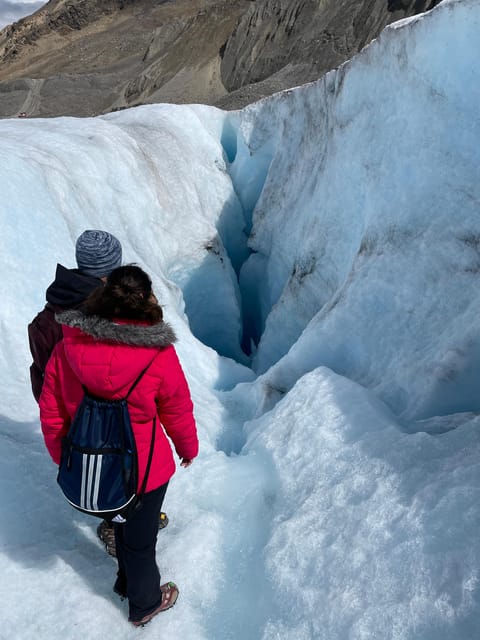
You walk over ice that is cut by streams, hollows, ridges, and cracks. A crevasse is not just a dramatic line in the surface. It is a break that can open into a deep blue or shadowed shaft, which is why staying with the guide matters. The route lets you look into these features from a safe position rather than wandering near them on your own.
The tour also includes mill wells, where meltwater pours into the ice. These openings show that a glacier is not a motionless block. Water is working through it, carving channels and carrying heat into the frozen mass. That kind of close view gives the science a physical meaning you can see under your boots.
You may also see meltwater streams and icefalls from a safe distance. The setting is dramatic, with ice-covered Rocky Mountain peaks around you, but the guide’s interpretation keeps the visit from becoming only a photo session. You learn about the glacier’s past, its present condition, and the mountain environment around it.
More Glacier Hikes in Canada:
- Guided Glacier Hike on The Athabasca with IceWalks
★ 5.0 · 334 reviews - Tread Lightly Glacier Hikes
★ 5.0 · 171 reviews - Skaftafell: Ice Cave Tour and Glacier Hike
★ 4.5 · 1,746 reviews
The three-hour route, from parking lot to ice
Your meeting point is beside the Icefield Information Centre and Glacier Gallery parking lot. From Highway 93, turn into the lot on the north side of the highway, opposite the glacier. Look for a black trailer and white vans marked with the Icewalks logo at the T-junction between the overflow RV parking and visitor parking.
This detail matters. Do not go into the building, and do not park in the Glacier View Hotel parking lot. The correct meeting area is outside, near the Icewalks vehicles.
From there, you take a short shuttle to the trailhead. The transfer saves you some road walking and gets the group to the start of the glacier route without turning the approach into a longer day. Once at the trailhead, the guide fits or checks your equipment and explains how to move safely over ice.
The full walk is about 5 kilometers round trip, with 200 meters of elevation gain. That distance is manageable for an active person, but it deserves proper hiking shoes, warm clothing, and a reasonable pace. The route is rated moderate, and the elevation can make the uphill sections feel more demanding than the numbers suggest.
The guide leads the group toward the Athabasca Glacier and points out changing ice forms along the way. You are not expected to have technical climbing experience. The important skills are basic hiking fitness, attention to instructions, and comfort walking on uneven ground.
What you see once the crampons go on
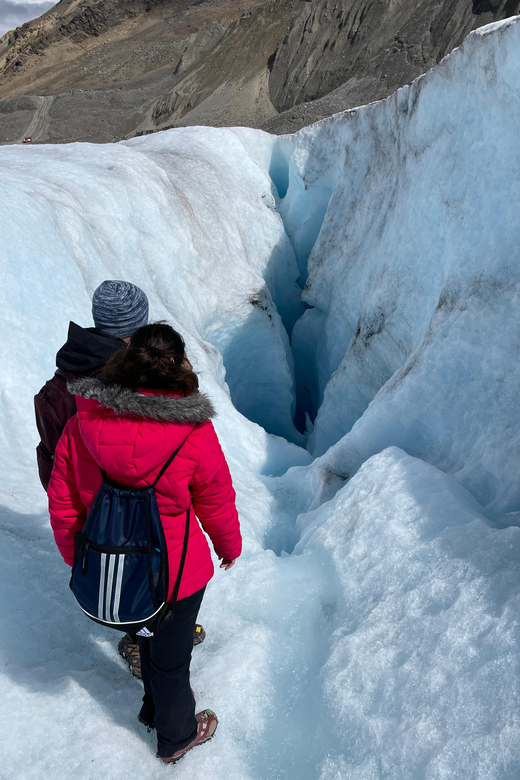
Micro-spikes, also called crampons here, provide grip on the ice. They are supplied for the tour, which is one of the practical advantages of booking a guided walk rather than trying to approach the glacier independently.
The exact appearance of the ice depends on conditions, but the listed route includes crevasses, mill wells, meltwater streams, and icefalls viewed from a safe distance. These features give the walk a changing rhythm. You are not simply crossing a white surface. One section may focus on a stream, another on a blue opening, and another on the broad views toward the surrounding peaks.
The guide also creates opportunities to pause and look at features individually. Corin was especially praised for taking extra care on hills and slippery stretches, while also giving each person time to see the ice formations. That is useful on a mixed group, since confident hikers may want to move ahead while others need a slower pace.
Expect the guide to talk about both the glacier and the wider Rockies. Pete was repeatedly praised for combining humor with explanations of the Athabasca Glacier and the surrounding mountains. Troy was noted for patience and for explaining glacier science in a way that was easy to follow. Stu was described as funny, professional, and engaging. These details suggest that the quality of the guide is a major part of the experience, not a minor extra.
Equipment is included, but pack warm layers
The tour includes the guide, crampons, and transport from the meeting point to the trailhead. If you do not have suitable equipment, Icewalks can provide hiking boots, poles, gloves, hats, and rain gear.
That is a generous gear package, especially for visitors who are seeing a glacier only once and do not want to buy mountain equipment. It also reduces the risk of arriving with ordinary shoes and discovering that the ice requires more grip than expected.
You still need to bring warm layers. The supplied gear does not replace sweaters, insulated clothing, or warm pants. Pack thermal clothing, snacks, and clothing that can handle a quick shift in conditions. The high mountain setting can feel cold even when the highway below is comfortable.
Rain gear is available if needed, but I would still arrive prepared rather than counting on borrowed items for every layer. Gloves and hats can be borrowed, yet your own well-fitting warm clothing is usually more comfortable during a three-hour outing.
More Guided Tours in Canada:
- Quebec City: Guided Hike in Jacques-Cartier National Park
★ 4.6 · 224 reviews - Banff National Park Guided Hike with Lunch
★ 5.0 · 200 reviews - eBike and Hike Banff to Johnston Canyon small group guided program
★ 5.0 · 197 reviews - Banff National Park: Guided Signature Hikes with Lunch
★ 4.9 · 123 reviews
How the guide affects the experience
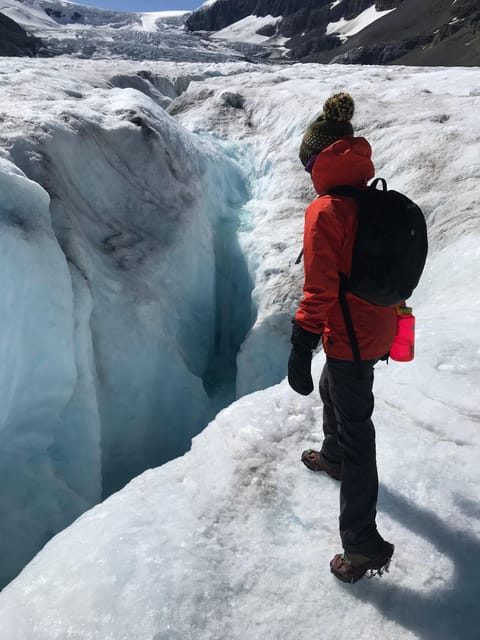
A glacier hike depends on good judgment. Crevasses and icefalls are not features to approach casually, and a guide provides both route control and context. The ACMG certification is important because it signals formal mountain training, while the live explanations make the walk more than a supervised crossing.
The strongest guide comments focus on three things: clear information, a friendly manner, and care for different ability levels. That combination matters. A guide who talks only about geology can make the walk feel like a lecture. A guide who focuses only on jokes may not give enough useful instruction. The best feedback here points to a balance of both.
Pete’s style appears particularly warm and entertaining, while Troy’s patient explanations suit anyone who wants the science made clear. Stu brings humor and energy. Corin’s care on slippery ground is valuable if you are uneasy on ice. Larry and Ann were also praised for strong explanations and thoughtful guiding.
Guide assignments can change, so you should not book on the assumption that one named person will lead your group. Still, the repeated praise across several guides suggests a consistent focus on safety and interpretation.
Price and value at $96 per person
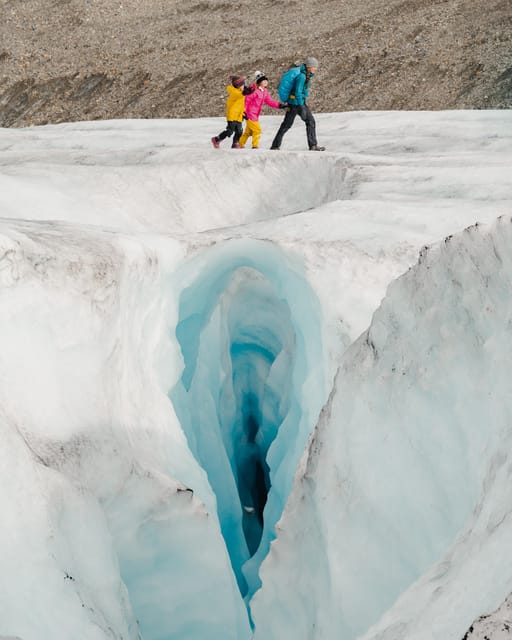
At $96 per person, this is not the cheapest way to see the Columbia Icefield. You are paying for a three-hour guided outing, trained supervision, equipment, and a short transfer to the trailhead.
The value becomes clearer when you compare it with what is included. Crampons are provided, and you can borrow boots, hiking poles, gloves, hats, and rain gear if you need them. You also receive direct instruction about the ice, rather than simply spending a few minutes at a viewing area.
I think the price makes the most sense if you want active access to the glacier. You are paying for time on foot and for the chance to see ice features close up. If you mainly want a quick photograph of Athabasca Glacier, a roadside stop may suit you better. If you want to understand how the ice is shaped and move through it safely, the guided hike offers more substance.
The experience also compares well with a large sightseeing vehicle. A bus can provide a broad view with less effort, but it will not give you the same contact with the ice. One guide comparison specifically favored this walk over the big buses, which is a fair distinction: the two experiences serve different purposes.
Fitness, age, and altitude
The minimum age is 7, and the hike can suit active children from 7 to 16 as well as active seniors. That does not mean it is suitable for every child or older adult. You need to be comfortable walking for several hours, managing a 200-meter climb, and following instructions on uneven, slippery ground.
The tour operates around 2,000 meters. Some people feel short of breath at that height, even when they are normally active. Keep your pace steady, drink sensibly, and tell the guide if you are struggling.
The outing is not suitable for children under 7, wheelchair users, people with mobility impairments, people with heart problems, or anyone with a cold or pre-existing medical condition. It is also not recommended for people over 75 or those with a low level of fitness.
No technical climbing experience is required. That is reassuring, but it should not be confused with no physical demand. You do not need to climb with ropes, yet you do need stable footing, basic hiking ability, and enough stamina for the route.
Timing, weather, and what to bring
The three-hour tour is usually offered in the morning and afternoon. Morning or afternoon can both work, but your wider Highway 93 plans should allow room for the full outing, the shuttle, and time at the meeting point before departure.
Mountain weather can shift quickly. The available rain gear helps, but you should still pack thermal clothing and wear layers. Bring snacks because the outing lasts long enough for a small meal or energy break to matter.
The practical packing list is short:
- Thermal clothing, including warm pants and a sweater or insulating layer
- Snacks
- Comfortable clothing that can handle rain and cold
- Personal footwear if you prefer your own hiking boots
The provider can lend several items, including sunscreen according to one account, but sunscreen is not listed as a standard inclusion in the main equipment details. Bring your own if you need it.
How cancellation and payment flexibility help
You can cancel up to 24 hours before the tour for a full refund. That is useful in the Rockies, where road conditions, weather, and changing plans can affect a driving itinerary.
You can also reserve now and pay later. This lets you hold a place without paying immediately, which is helpful if you are still arranging a route through Alberta. The activity is offered in English with a live guide.
Who should choose this hike
I would choose this experience if you want the glacier to be the main event rather than a brief stop during a scenic drive. It suits you if you enjoy walking, want practical explanations, and are willing to wear mountain gear for a few hours.
It is also a good fit for families with active older children, couples seeking something more memorable than a viewpoint, and adults who want to learn how glaciers work without taking a technical climbing course.
I would hesitate if you have low fitness, dislike cold conditions, feel uneasy on slippery surfaces, or have a medical issue listed in the restrictions. The glacier may look inviting from the highway, but the route still asks for effort.
Should you book the Athabasca Glacier Guided Hike?
Book it if your priority is walking on the glacier, seeing crevasses and meltwater close up, and learning from a guide who can explain what you are looking at. The included equipment and short shuttle make the outing easier to organize, while the 5-kilometer route provides enough time to feel that you have genuinely entered the ice.
Skip it if you want a quick, low-effort view or if the elevation and moderate hiking distance are likely to cause trouble. For everyone else, $96 buys a focused and memorable Columbia Icefield experience, with safety, interpretation, and real time on Athabasca Glacier.
FAQ
How long is the Athabasca Glacier guided hike?
The activity lasts about 3 hours, including transport from the meeting point to the trailhead and the guided walk.
How far do you walk?
The route is approximately 5 kilometers round trip and includes about 200 meters of elevation gain.
Do I need technical climbing experience?
No. Technical climbing experience is not required. You do need enough fitness for a moderate hike and the ability to follow the guide’s safety instructions.
What equipment is included?
The tour includes micro-spikes, also called crampons, and a guide. Hiking boots, hiking poles, gloves, hats, and rain gear are available if you do not have your own.
What should I bring?
Bring snacks and thermal clothing. Warm layers, including sweaters and pants, are not included, so pack suitable clothing for cold mountain conditions.
Where is the meeting point?
Turn from Highway 93 into the Icefield Information Centre and Glacier Gallery parking lot on the north side of the highway. Meet at the black trailer and white Icewalks vans at the T-junction between the overflow RV parking and visitor parking.
Is the hike suitable for children?
Children must be at least 7 years old. The hike can suit active children from 7 to 16, but it is a moderate outing with uneven and slippery sections.
Can I cancel the booking?
Yes. You can cancel up to 24 hours in advance for a full refund. You can also reserve the activity and pay later.
Just added around Canada
- Banff/Canmore Moraine Lake & Lake Louise– Hike, Canoe or Sightsee★ 5.0 · 104 reviews
- Wilderness and Wildlife Hiking Tour – 3hr Hike★ 5.0 · 18 reviews
- Canmore: Lost Towns and Untold Stories Hiking Tour – 3hrs★ 5.0 · 14 reviews
- Canmore: Canyons & Cave Paintings – 2.5hr Hiking Tour★ 5.0 · 11 reviews
- Day Tour to Banff Gondola Johnston Canyon Hiking Cave Basin★ 5.0 · 28 reviews
- Sundance Canyon eBike and Hike Guided Tour★ 5.0 · 26 reviews
- Sulphur Mountain Highline Trek in Banff★ 5.0 · 12 reviews
- Canadian Rockies: Helicopter Flight with Exploration Hike★ 4.9 · 89 reviews
Glacier Hikes, side by side.
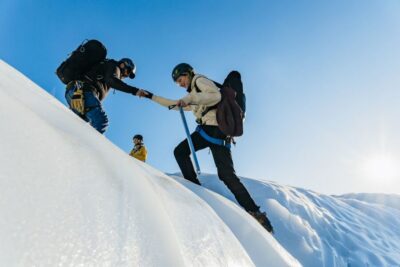
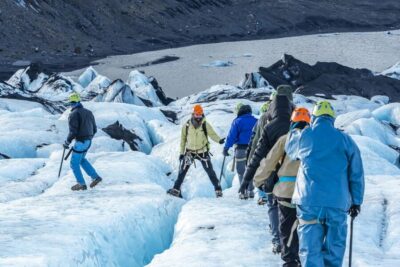
Glacier Hike, Waterfalls and Black Sand Beach
Read our review →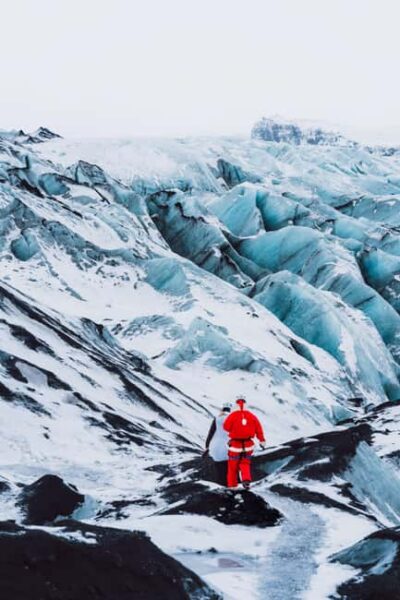
Sólheimajökull: Blue Ice Glacier Hike near Vík (Easy)
Read our review →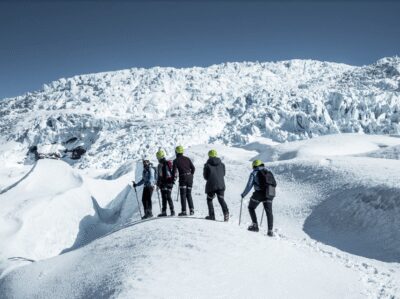
Skaftafell National Park: Falljokull Glacier Advanced Hike
Read our review →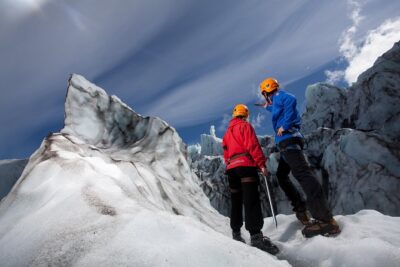
Jökulsárlón: Vatnajökull Glacier Guided Hiking Tour
Read our review →
This walk also sits in