
REVIEW · EGYPT
From Sharm: Mount Moses Trekking, Sunrise & Monastery Visit
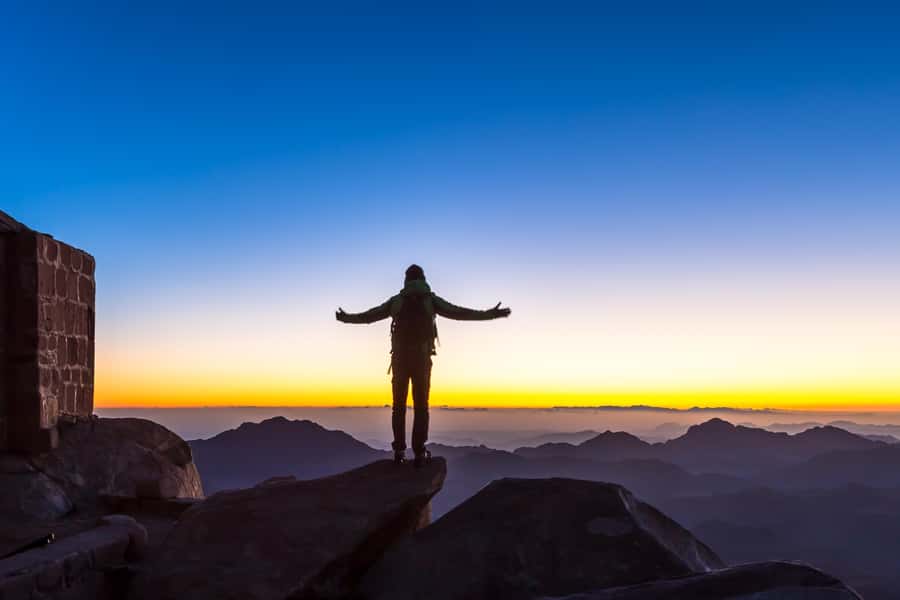
The best part of this long night is the moment the sun lifts over the bare Sinai peaks. You climb in darkness, often under a sky full of stars, then wait in the cold for a broad wash of light to reach the valleys below. It is both a physical challenge and a religious pilgrimage, tied to the biblical story of Moses receiving the Ten Commandments.
I like the Bedouin mountain guides, who set a steady pace and stop regularly so you can catch your breath. I also like that the trip adds St. Catherine’s Monastery, including its old manuscripts, icons, church, and association with the burning bush. The main drawback is the timing: you spend about 16 to 17 hours away from your hotel, with a long overnight ride, a hard climb, and little sleep.
Key points to know before you book
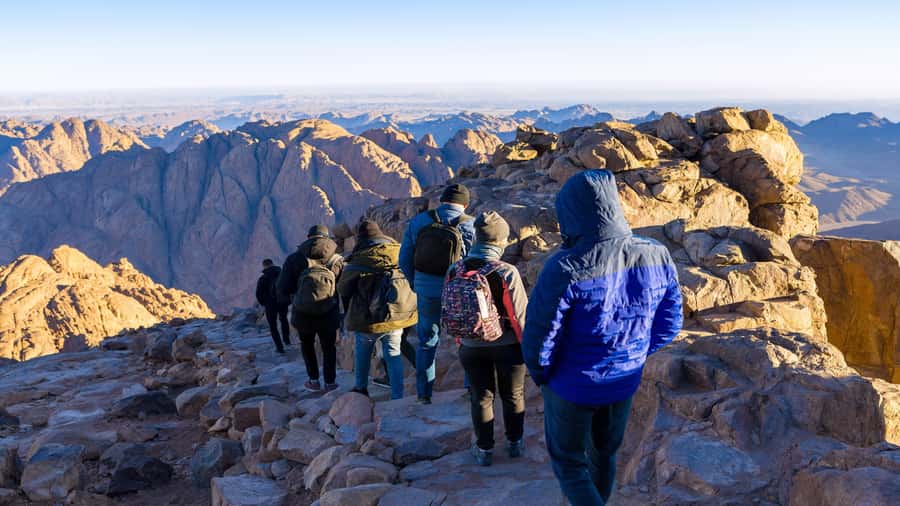
- The climb begins at night: Expect about two to three hours uphill before sunrise, followed by roughly two hours back down.
- The final 750 steps are the hardest: They are uneven rocks and rough stone steps, not a neat staircase.
- The summit can be bitterly cold: Bring a hat, gloves, warm layers, and a windproof jacket. Blankets can be rented near the top.
- The monastery visit may feel rushed: You will be tired after the climb, and security or transport delays can reduce your time inside.
- The $50 price is strong value: Transport, hotel pickup, guides, water, and the monastery visit are included, though food, drinks, toilets, blankets, and camel rides cost extra.
- This is not a casual sightseeing trip: You need reasonable fitness, good shoes, and the stamina to stay awake through the night.
Why Mount Sinai at sunrise feels different
Mount Sinai is not simply a high viewpoint. At 2,285 meters, it is a major religious site for Jews, Christians, and Muslims, linked to Moses and the Ten Commandments. The experience has a pilgrimage quality, even for visitors who come mainly for the scenery.
You start walking in darkness. The route is quiet in places, but it can also be crowded, with other groups and camels moving along the same trail. Your flashlight picks out stones, feet, and the occasional patch of camel droppings. Then the eastern sky begins to brighten, and the mountain ridges slowly separate from the darkness.
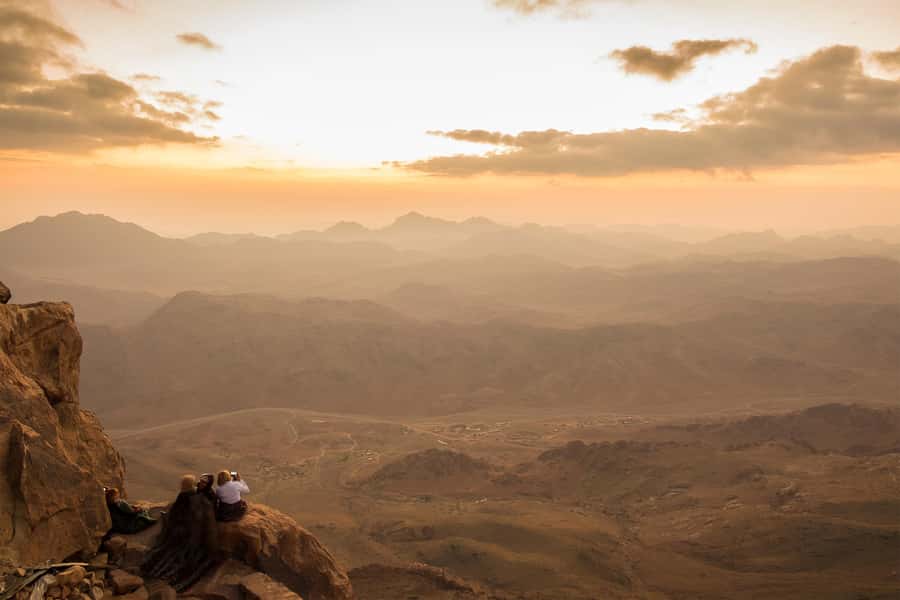
The summit view is broad rather than dramatic in the usual mountain sense. You see layers of dry peaks and valleys stretching across South Sinai. At sunrise, the rock changes color by the minute. The best reward is not one single viewpoint, but the gradual change from blackness to gold.
The climb also has a spiritual side. People pray at the summit, sit quietly, or simply watch the morning arrive. You do not need to be religious to appreciate the setting, but you should understand that this is a sacred place first and a photo stop second.
More Sunrise Hikes in the world:
- Bali: Sunrise Mount Batur Guided Hike with Breakfast
★ 4.8 · 9,660 reviews - Bali: Mount Batur Sunrise Guided Hike and Natural Hot Spring
★ 4.8 · 9,284 reviews - Funchal: Pico do Arieiro Sunrise Hiking Transfer
★ 4.8 · 4,021 reviews
The overnight ride from Sharm to Saint Catherine
Pickup usually takes place between 8:00 and 9:00 PM, with the exact time confirmed on the day. You must wait at your hotel’s main gate along the highway, not at the reception desk. This detail matters, especially at large resorts where the main entrance may be some distance from your room.
The drive to the Mount Sinai area takes about four hours. Some groups first transfer from a smaller vehicle into a larger, air-conditioned coach. The vehicle is included and generally comfortable enough, but the transport stage can be slow because of multiple hotel pickups, security checkpoints, and occasional stops.
I would not plan anything demanding for the following day. The full outing takes 16 to 17 hours, and delays can stretch it longer. You lose most of the night, then spend the morning walking and the afternoon returning to Sharm. The journey is part of the price, but it is also the least polished part of the day.
Bring your own food. Breakfast boxes must be ordered from your hotel before departure and collected before you leave. Water is included, but extra drinks and snacks are not. Small Egyptian pound notes, euros, or US dollars are useful for roadside purchases, toilets, and other small costs.
What the Mount Sinai climb is really like
The route is described as about 750 steps, but that gives an incomplete picture. The first section is a steep, uneven path of roughly 7 kilometers, with a gradual but tiring uphill grade. After that comes the final rocky section, where the steps are irregular in height and shape.
The ascent usually takes two to three hours, depending on the group. Guides stop for rests, drinks, snacks, and toilets, but the pace may still feel quick if you are not used to hiking. One practical point is that people walk at different speeds. If you move faster, you may find yourself ahead of part of the group. If you need more time, tell your Bedouin guide early rather than trying to force the pace.
The tour guide from the vehicle normally stays with you until the base camp. The mountain section is handled by a Bedouin guide, whose job is to keep the group moving and help with the route. Guides such as Amr, Ashrof, Ibrahim, Jimmy, and Mohammad have been praised for being friendly, encouraging, and able to help visitors in several languages, but the exact team depends on the departure.
The trail has basic toilets and small refreshment stops. Do not expect clean public facilities or a full café. Carry tissues, and keep small cash ready. The route can be dirty, particularly where camels pass, so closed hiking shoes are essential.
The 750 final steps demand patience
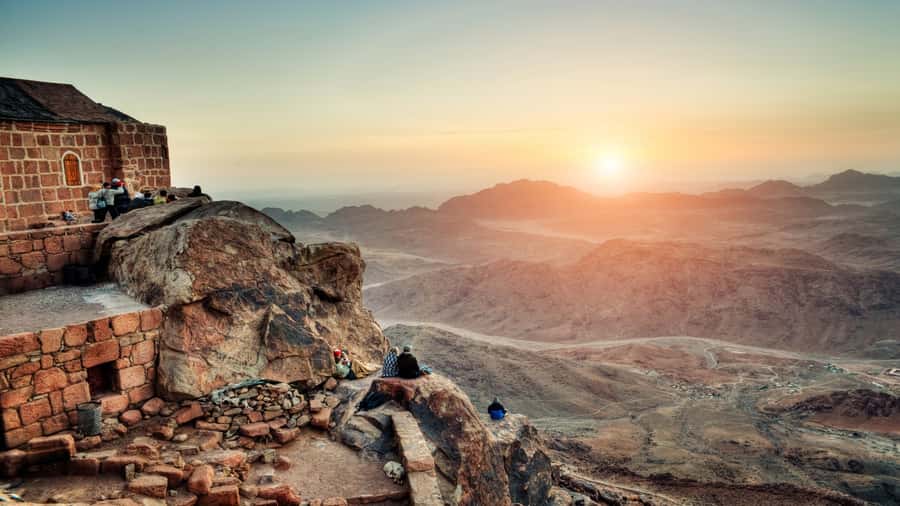
The last part is short in distance but often the most difficult. These are not uniform steps built for easy walking. You climb over rough stones and uneven blocks, with frequent changes in height. Tired legs, darkness, cold air, and the excitement of nearing the summit all add to the strain.
Take this section slowly. Use your hands when needed, watch where you place your feet, and do not worry about arriving first. The group may reach the summit well before sunrise, sometimes by an hour or more, so there is no benefit in exhausting yourself to gain a few minutes.
Camel rides are available on the initial section of the ascent, up to the beginning of the 750 steps. You must complete the final steps on foot, and the operator does not recommend using a camel. A camel may help if you have breathing difficulties or find the first section too demanding, but it is an extra charge and is not a substitute for proper preparation.
This tour is not suitable for children under 14, pregnant women, wheelchair users, elderly people, or anyone with shortness of breath or bone pain. If you have a medical condition, the combination of altitude, cold, darkness, and sustained exertion deserves serious thought.
More Mountain and Summit Hikes in the world:
- Berber villages : Atlas Mountains Day Hike from Marrakech
★ 5.0 · 14,007 reviews - From Marrakech: Atlas Mountains Full-Day Hiking Trip w Lunch
★ 4.8 · 7,417 reviews - Mount Etna: Summit Guided Hiking Tour up to 3,400 m
★ 4.8 · 4,792 reviews - From Tirana: Bovilla Lake & Gamti Mountain Hiking Day Trip
★ 4.9 · 4,397 reviews
Waiting in the cold for the Sinai sunrise
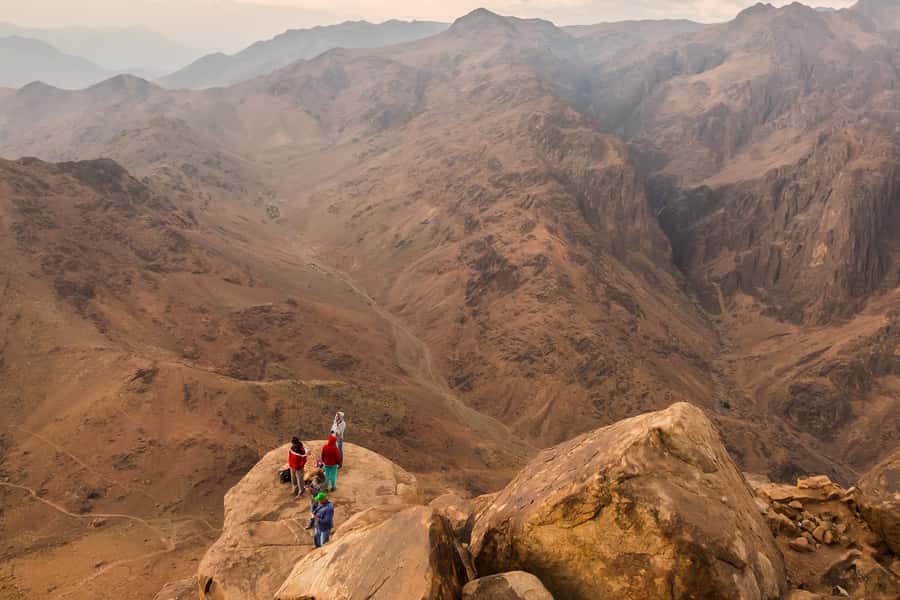
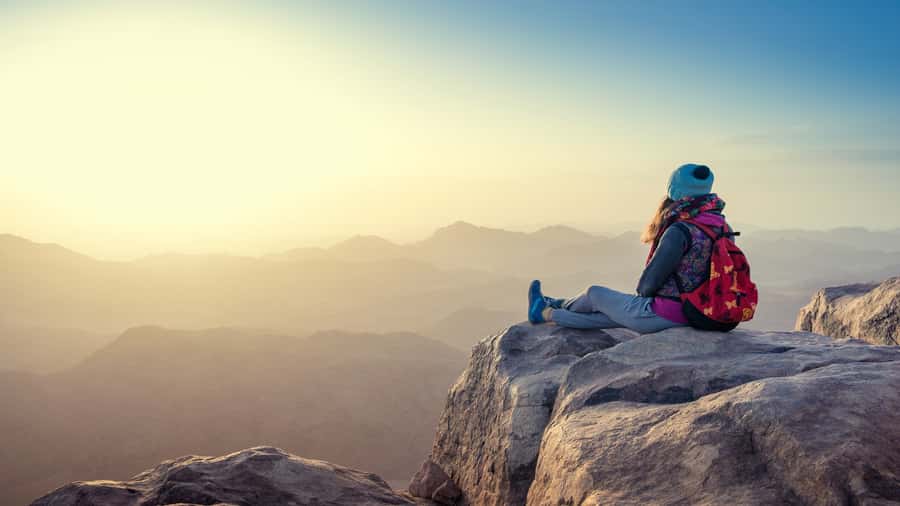
The summit can be far colder than Sharm. Winter conditions may fall below freezing, and wind makes the wait feel harsher. Even in warmer months, you can sweat during the climb and then become cold quickly once you stop moving.
Pack layers rather than one bulky coat. A useful combination is a long-sleeved base layer, fleece or sweater, down jacket, and windproof outer layer. Add a warm hat, gloves, and thick socks. A scarf can help with the wind and dust.
Blankets can be rented near the summit. They are not always essential, but they make a long wait much easier, particularly in January and February. The price has been reported at around 200 Egyptian pounds, though costs can change. Keep cash in small notes and do not rely on cards along the mountain.
A proper headlamp is better than a phone flashlight. You need both hands at times, and a phone battery can drain quickly in the cold. Keep your camera or phone protected from the elements, and avoid bringing more than you need. Your pack will feel heavier on the way down.
Descending Mount Sinai and taking breakfast
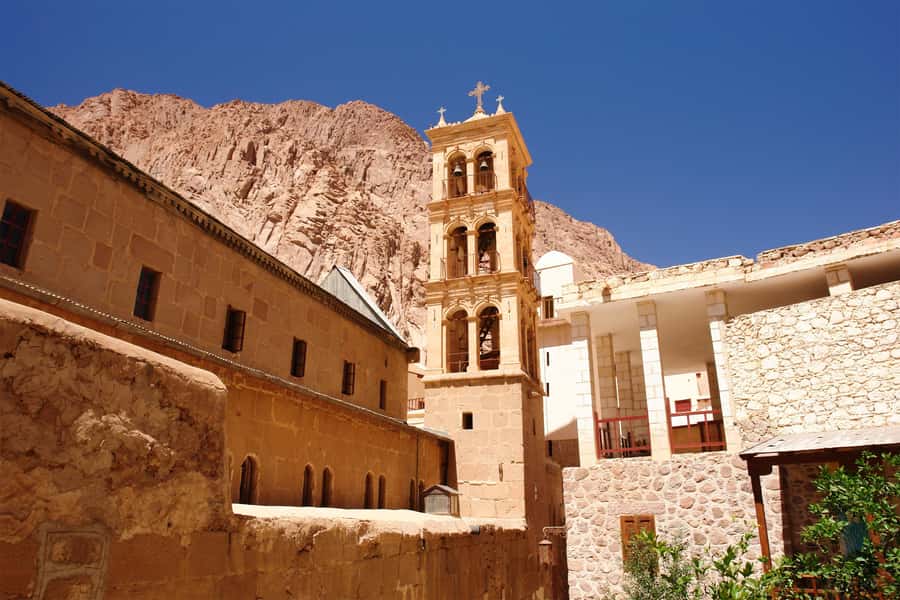
The descent takes about two hours and is easier on your breathing but not necessarily on your knees. The rough steps require care, and loose stones can make the downhill walk awkward. Stay alert even after sunrise, when the route is easier to see.
The morning warmth helps, but you will now be tired, hungry, and short on sleep. This is when the breakfast box from your hotel becomes useful. Take water and a simple snack with you rather than assuming refreshments on the trail will be enough.
There may be children along the route asking for money or trying to sell items. You should be prepared for this without letting it dominate the experience. The small shops also sell hot drinks, snacks, and clothing, but prices can be high for simple items, so carrying your own food and water is sensible.
St. Catherine’s Monastery after the climb
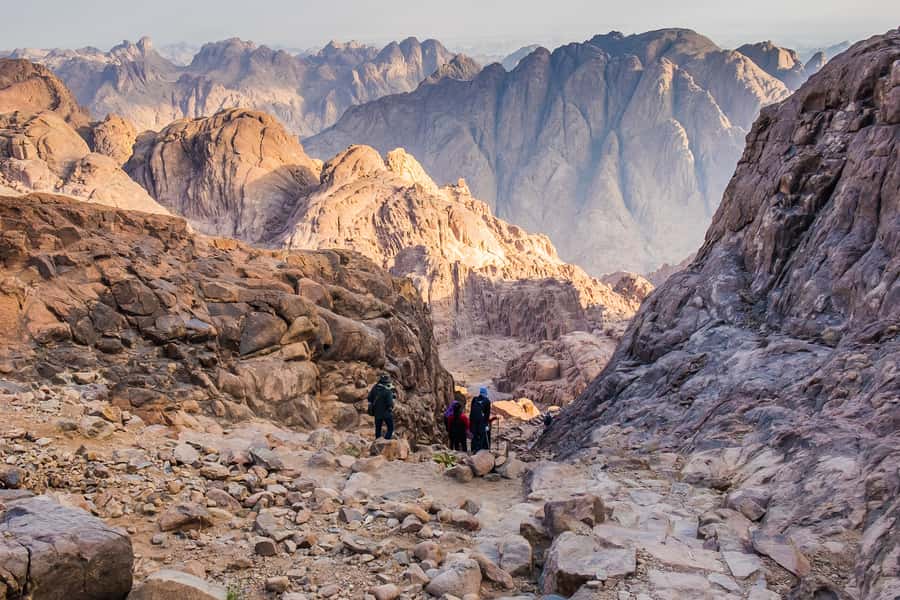
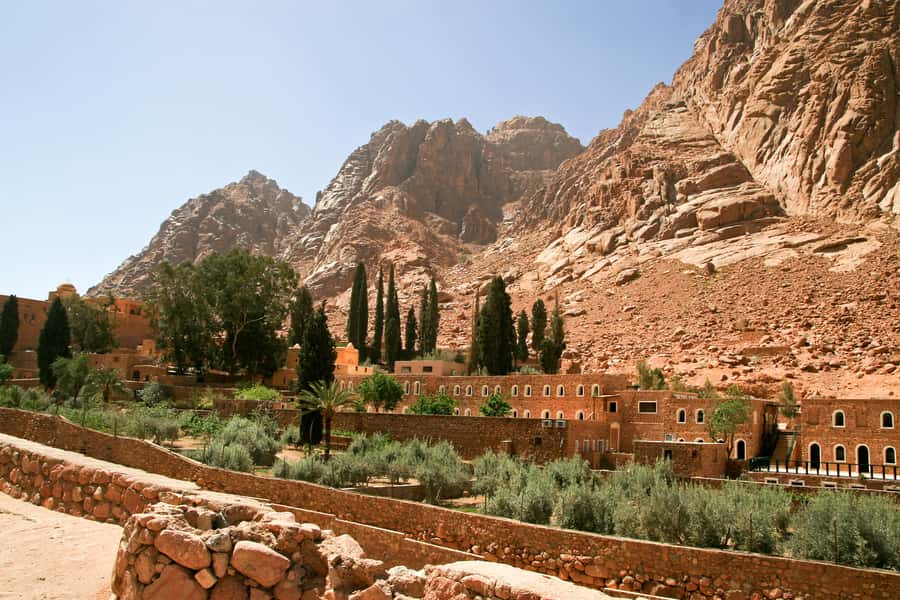
After the descent, the group visits St. Catherine’s Monastery, a UNESCO World Heritage Site and one of the oldest functioning Christian monasteries in the world. It dates to the sixth century and sits at the foot of the mountain range associated with Moses.
The monastery adds depth to the trip. Instead of seeing Mount Sinai only as a viewpoint, you get a place where centuries of worship, scholarship, and preservation meet. Depending on access and timing, you may see the church beside the traditional burning bush, old icons, manuscripts, and museum displays.
The library is known for its old manuscripts, while the museum contains religious icons and other historic objects. The visit is not a full museum day. You may have only a short time inside, especially if the group arrived late, security procedures take time, or the driver must keep to a return schedule.
This is the point where fatigue matters. Some people are too tired to enter and rest outside, while others find the monastery one of the most meaningful parts of the outing. If you care strongly about the site, ask your guide how much time is available and go directly to the church and museum rather than wandering.
The monastery is closed on Sundays and certain Christian holidays. The listed holiday dates can vary, so check access before booking. A Mount Sinai sunrise is still worthwhile on its own, but you should not assume the monastery will always be open.
Is $50 good value for such a long day?
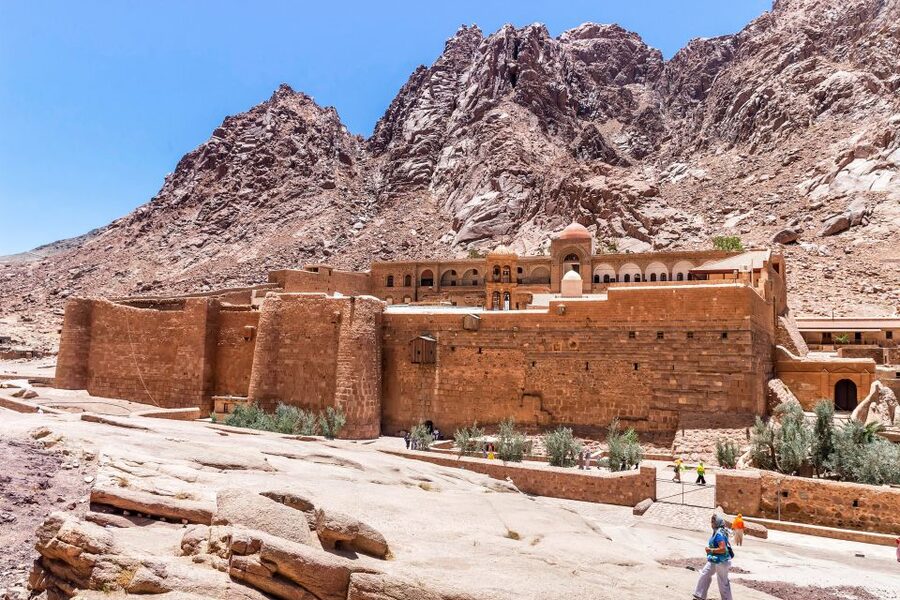
At $50 per person, this is good value if you want transport from Sharm and do not want to arrange the mountain logistics yourself. The price includes hotel pickup and drop-off, an air-conditioned vehicle, water, an Egyptologist guide, and a Bedouin mountain guide. It also combines two major South Sinai sights in one outing.
The price does not cover extra drinks, food, personal expenses, camel rides, toilets, or blankets. These are not large costs individually, but they add up. Bring breakfast from your hotel, use your own flashlight, and pack suitable clothes so you do not need to buy emergency supplies on the mountain.
Transport quality can vary. Some departures have involved crowded transfers, limited legroom, or long waits while collecting people from hotels. Once the main coach is underway, the journey is usually more comfortable, but this is not a private tour and you should expect shared transport.
The free cancellation policy allows cancellation up to 24 hours before departure for a full refund, and you can reserve while paying later. Those terms help if your Sharm plans are still changing, but the main decision is physical rather than financial.
Who should book this Mount Sinai trip?
You should book if you want a demanding, unusual day with a strong religious and cultural setting. It suits people who enjoy hiking, sunrise views, historical sites, and group tours. It also works well if you have only a few days in Sharm and want something more substantial than a standard beach excursion.
You should think twice if you dislike overnight transport, cold weather, crowds, uneven ground, or fixed group schedules. This is not a gentle stroll followed by a relaxed breakfast. You will be awake most of the night and may return to your hotel exhausted.
Wear hiking shoes, not sandals or flip-flops. Pack warm layers even if Sharm feels hot at departure. Add food, tissues, a headlamp, water, and small cash. Most important, be honest about your fitness. You do not need to be an expert hiker, but you do need to handle a long uphill walk and an uneven descent.
Should you book it?
Yes, if the sunrise is your priority and you accept the hard climb. The view from Mount Sinai, the star-filled ascent, and the sense of reaching a sacred summit make this one of the more memorable excursions from Sharm.
Book with realistic expectations. Transport may be crowded, the monastery visit may be brief, and the mountain can be cold, dirty, and tiring. But at $50, with guides, transport, water, and two important sites included, this is a strong choice for fit visitors who want a genuine South Sinai experience rather than another easy day beside the sea.
FAQ
How long does the Mount Sinai tour take?
The full tour takes about 16 to 17 hours, including hotel pickup and drop-off. Security checkpoints and delays during hotel pickups can make the day longer.
What time is pickup from Sharm?
Pickup is usually between 8:00 and 9:00 PM. You should wait at the main gate of your hotel along the highway, not at the reception area.
How long is the climb to Mount Sinai?
The uphill walk usually takes about two to three hours, depending on the pace of the group. The descent takes around two hours.
How high is Mount Sinai?
The summit is listed at 2,285 meters. The route includes an initial steep trail followed by approximately 750 uneven steps or rocky blocks.
Can I ride a camel all the way to the summit?
No. Camel rides are available only during the first part of the ascent. The final 750 steps must be completed on foot, and the operator does not recommend the camel option.
What should I wear for the climb?
Wear hiking shoes and comfortable clothes, with several warm layers, a jacket, and a windproof outer layer. The summit can be below freezing and very windy, especially in winter.
Is St. Catherine’s Monastery open every day?
The monastery is closed on Sundays and certain Christian holidays. The holiday schedule can change, so check the opening dates before booking.
Is breakfast included?
Breakfast is not supplied by the tour. You must pre-order a breakfast box from your hotel and collect it before departure. Water is included, but extra drinks and personal expenses are not.
More Early-Start Trips around the world
- Bali: Mount Batur Sunrise Trek With Guide and Breakfast
★ 4.8 · 3,461 reviews - Mount Batur Sunrise Hike and Natural Hot Spring Option
★ 5.0 · 1,927 reviews - Mount Batur Sunrise Hike with Breakfast
★ 5.0 · 1,757 reviews - Pico Do Arieiro Pico Ruivo Sunrise or Morning Hike Transfers
★ 4.8 · 1,169 reviews
Just added around the world
- Private Family Hike in Yosemite★ 5.0 · 37 reviews
- Private Guided Hiking Tour in Yosemite★ 5.0 · 94 reviews
- Guided Yosemite Hiking Excursion★ 5.0 · 80 reviews
- Yosemite Valley Private Hiking Tour★ 5.0 · 83 reviews
- Rovaniemi: Korouoma Frozen Waterfalls Hike & Hot BBQ Lunch★ 4.9 · 90 reviews
- Hidden Waterfalls Hiking Adventure★ 5.0 · 148 reviews
- Hike to Frozen Waterfalls of Korouoma Including BBQ Lunch from Rovaniemi★ 5.0 · 84 reviews
- Chiang Mai: 2-Days Jungle Trek, Waterfalls and Karen Village★ 4.8 · 103 reviews
Sunrise Hikes, side by side.
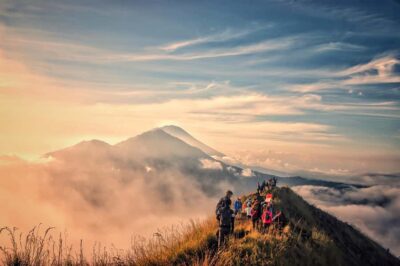
Sunrise Mount Batur Guided Hike with Breakfast
Read our review →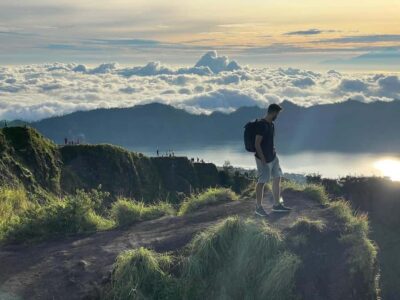
Mount Batur Sunrise Guided Hike and Natural Hot Spring
Read our review →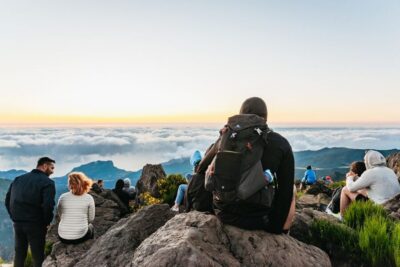
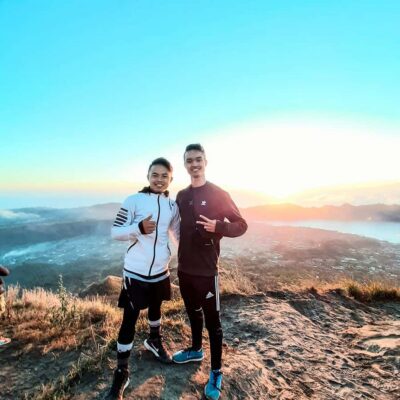
Mount Batur Sunrise Trek With Guide and Breakfast
Read our review →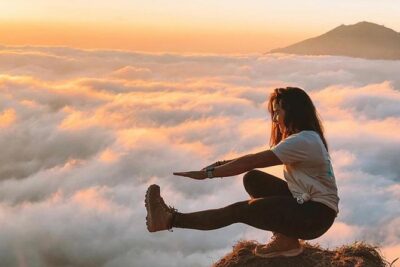
Mount Batur Sunrise Hike and Natural Hot Spring Option
Read our review →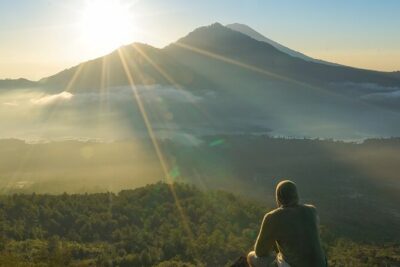
Pico Do Arieiro Pico Ruivo Sunrise or Morning Hike Transfers
Read our review →
This walk also sits in