
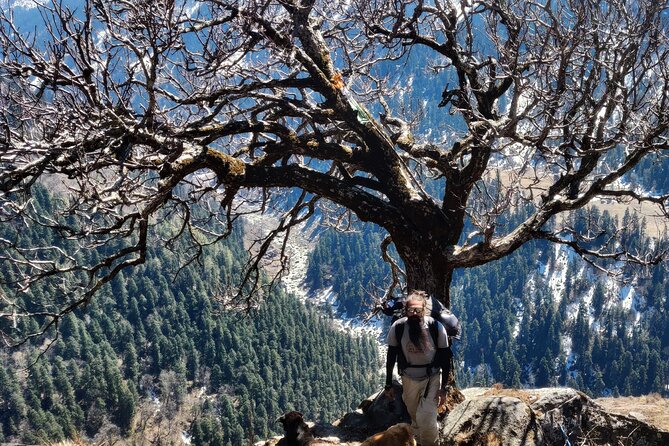
REVIEW · INDIA
Har Ki dun Trek by Himalaya Shelter
Har Ki Dun is a fine way to reach a remote Himalayan valley without having to solve every transport, food, and camping problem yourself. I like the small group cap of 11 and the fact that guides such as Sonu, Surendra Rana, and Rocky Rana are named by past customers as careful, capable leaders. I also like that the cooks handle meals from the first evening through breakfast on day seven, with several people praising the food and the team’s willingness to handle special diets.
The catch is the long road journey. You spend about eight hours driving from Dehradun to Sankri on the first day, and another eight hours returning on the last. The trek itself is moderate, but the altitude reaches 3,794 meters at Marinda Tal, so you need a reasonable fitness level and a calm attitude toward basic mountain camping.
Key points before you book
- A full seven-day route from Dehradun: Transport is arranged from the stated meeting point in Dehradun to Sankri and back again.
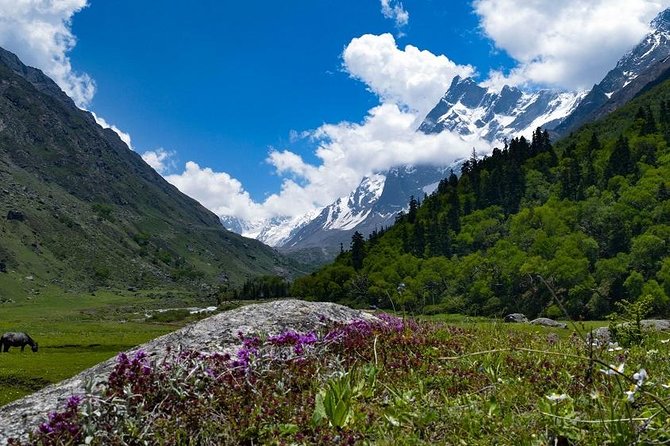
- Har Ki Dun at 3,510 meters: The main valley walk brings mountain views, remote villages, and a strong sense of Himalayan scale.
- Marinda Tal reaches 3,794 meters: This side trip is included in the day-four plan but may feel harder than the main valley walk.
- Camping gear and meals are included: Tents, sleeping equipment, cooks, and food are covered, which cuts down on what you need to carry.
- A small, guided departure: The group is limited to 11 people, with guides and support staff along the route.
- $231 per person: The price covers a lot, but you still pay for getting to Dehradun, personal spending, medicine, tips, and any Dehradun lodging.
Har Ki Dun, a remote valley reached the practical way
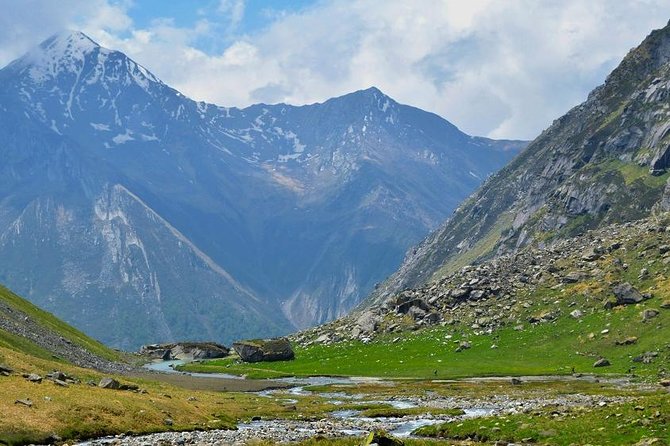
Har Ki Dun is not a quick day walk from a major hill station. It takes a long drive to reach Sankri, followed by several days on foot through Osla and Kalkatidhar. That remoteness is part of the appeal, but it also explains why an organized trip is useful.
You do not need to arrange a separate taxi from Dehradun, find a cook, rent a tent, or work out forest access on your own. Himalaya Shelter handles the route support, camping equipment, meals, and guide services. For a first Himalayan trek, that removes a good deal of guesswork.
I also like the cultural side of the route. Osla is not just a place to sleep between trail sections. It gives you contact with a mountain village and a look at how local people live in a high, isolated valley. One account describes seeing villagers preparing for winter, a small detail that gives the trip more meaning than a simple march from one camp to another.
The scenery is the main reward: a remote valley, snow-capped peaks, and views toward glaciers. The route is not presented as a technical mountaineering trip. It is a guided trek for people with moderate fitness, provided you accept steep or tiring walking at altitude and the limits of camp life.
More hikes and treks around India:
- Mountain Hiking in Munnar (half day) By Munnar Info
★ 5.0 · 390 reviews - Half day trekking (munnar valley Trekking & Tours )
★ 5.0 · 310 reviews - Nag Tibba 2 Days Trek (Pantwari to Pantwari)
★ 5.0 · 274 reviews
Day one: eight hours from Dehradun to Sankri
The trip begins at 6:30 a.m. near the egg and Maggi stall on Saharanpur Road in Lakkhi Bagh, Dehradun. The exact meeting point is worth checking carefully before departure, especially if you arrive in Dehradun by train or bus and need time to reach it.
The drive to Sankri takes about eight hours. That is a substantial first day, not a gentle warm-up. You spend most of it in the vehicle, so bring water and anything you need to stay comfortable during a long road transfer. Your first night’s meal is included, and the package includes a stay in Sankri according to the experience details.
Sankri matters because it is the gateway to the walking section. It is also where the support team can organize rental gear and prepare the group for the trail. Past accounts describe the Sankri stay as comfortable and well located, but you should still think of it as a mountain base rather than a full-service city hotel.
Day two: Sankri to Osla at 2,700 meters
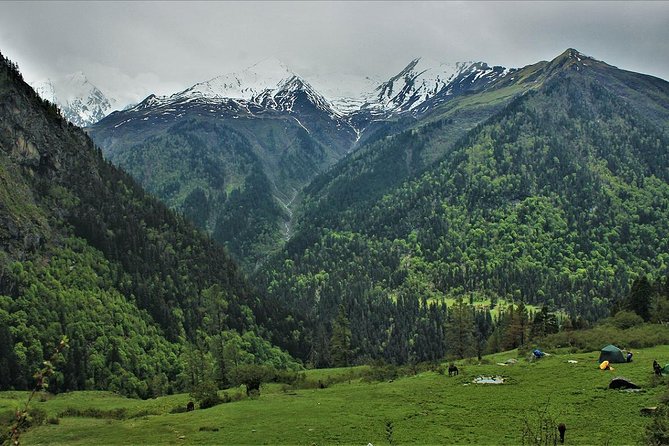
Day two combines a one-hour drive with a five-to-six-hour trek. The walk ends in Osla at about 2,700 meters, so this is when the trip changes from road travel to a steady mountain routine.
The distance and timing make this a proper walking day. You need to pace yourself instead of treating the first hours like a race. Your guide is there to keep the group together, judge the conditions, and help you handle the route safely.
Osla is one of the more memorable stops because it is a living village rather than only a camp name. The route gives you a chance to see local culture in a setting far removed from the roads and cities below. The village setting also helps explain why the trek feels remote: supplies and services are limited, and the group depends on its own staff for food and camp support.
Meals begin with dinner on day one and continue through breakfast on day seven. That means you do not need to plan for restaurant stops along the trail. Food has been one of the strongest parts of the experience, with repeated praise for variety, taste, snacks, and the ability to accommodate a special diet.
Day three: Osla to Kalkatidhar at 3,300 meters
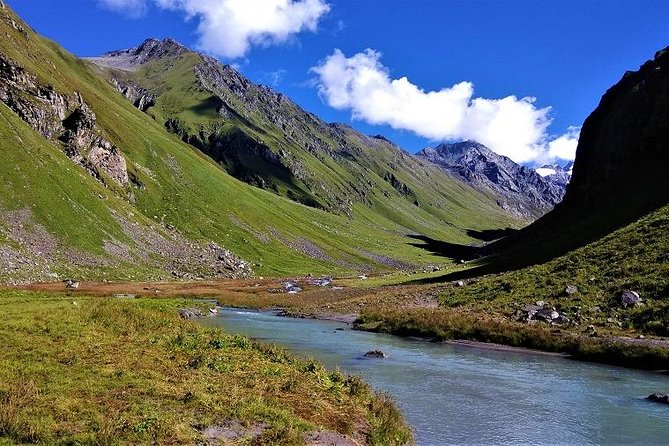
The route from Osla to Kalkatidhar takes about three hours. The shorter walking time may look easy on paper, but you are now moving higher, reaching roughly 3,300 meters. At altitude, time estimates do not tell the whole story.
This is a useful day for settling into the rhythm of the trek. You can walk steadily, drink regularly, and give your body time to adjust before the highest point of the route. The guide’s role is especially important here. A safe pace matters more than arriving early.
Kalkatidhar serves as the base for the next day’s main outing. Camping equipment is included, and the company supplies tents and sleeping gear. Some past accounts specifically praise the warmth of the sleeping equipment, including use in very cold conditions. Still, do not assume that rented gear replaces personal preparation. Pack warm clothing, suitable footwear, medicines you need, and layers you can add or remove.
Same trailheads, a different kind of day:
- Full day in hiking in Munnar (By Munnar Info)
★ 5.0 · 176 reviews - Wild Elephant Anakulam & Waterfalls Tour(munnar valley Trekking)
★ 5.0 · 98 reviews - Hiking Day Tour to Triund from Dharamshala
★ 5.0 · 75 reviews - Top Tibba Trek – Mussoorie
★ 5.0 · 61 reviews
Day four: Har Ki Dun and the Marinda Tal side trip
Day four is the highlight. You walk from Kalkatidhar to Har Ki Dun at about 3,510 meters, then continue toward Marinda Tal, which reaches approximately 3,794 meters, before returning to Kalkatidhar.
The day combines the main valley destination with the highest point listed in the plan. That makes it scenic but demanding. Marinda Tal is described as an optional trek in one account, so ask your guide how the day will operate under current weather and trail conditions. You should not feel pressured to add the side trip if you are struggling with altitude or fatigue.
Har Ki Dun itself rewards the long approach. The valley brings the snow-covered mountain views and glacier scenery that make the route special. The setting is broad and exposed, with fewer signs of ordinary road life. This is where the trek feels most different from a standard hill walk.
At 3,794 meters, Marinda Tal deserves respect. Even if the distance is manageable, altitude can make a walk feel much harder. Let your guide set the pace, and keep your expectations flexible. A good day may mean reaching the main valley and deciding that is enough.
You return to Kalkatidhar rather than moving camp. That is a practical choice. Your tent and sleeping equipment remain in place, so you avoid packing up and relocating after the hardest day.
Day five: back to Osla in three hours
The return from Kalkatidhar to Osla takes about three hours. After the high point of the trip, this is a shorter day and a chance to recover.
Walking back through familiar ground can be pleasant because you notice views that passed too quickly on the way up. It also gives you a second chance to appreciate Osla and the local setting. If weather or fatigue affected your earlier view, conditions may be different on the return.
The camp routine remains simple: walk, eat, rest, and prepare for the next morning. The cooks handle meals, and the team carries or supports the camping operation. One practical advantage of an organized group is that you can spend more attention on your own pace and less on the mechanics of feeding everyone.
Day six: Osla to Sankri, then one more hour by road
The final walking section takes four to five hours from Osla, followed by about an hour of driving to Sankri. This is longer than day five, but the route is heading back toward the road and the end of the trek.
You may feel tired by this point, particularly after the high day at Har Ki Dun and Marinda Tal. The return is still part of the trip, not dead time. It gives you a final walk through the valley before transport takes over.
The short drive to Sankri provides a useful transition. You are no longer relying entirely on camp life, but you are not yet back in Dehradun. Check what the overnight arrangements are for your particular departure if this matters to you, since the supplied details clearly cover transport and meals but do not give a full room description for every night.
Day seven: the long return to Dehradun
The last day is another eight-hour drive from Sankri to Dehradun. The activity ends back at the original meeting point, so plan any onward train, bus, or flight with plenty of spare time.
This final transfer is the biggest logistical drawback of the trip. It makes the seven-day schedule efficient, but not leisurely. You gain a full trek without adding separate road days, yet you also spend two days largely in a vehicle.
If you value time in the mountains more than a relaxed schedule, that trade-off is reasonable. If long road journeys are tiring for you, consider adding extra time in Dehradun rather than arranging a tight same-day connection.
What the $231 price really covers
At $231 per person, the cost is attractive for a guided, seven-day mountain trip with transport from Dehradun. The package includes the drive from Dehradun to Sankri and back, guides, cooks, all meals from day-one dinner through day-seven breakfast, camping equipment rental, forest entry charges, and insurance for Indian citizens.
That is a meaningful list. Buying or renting tents and sleeping equipment separately, hiring transport, and organizing food could quickly erase the apparent savings of an independent plan. The small group also gives the price more value than a large commercial departure, especially if you prefer a quieter trail experience.
You still need to budget for the journey to Dehradun from your home, personal medicines, tips, phone calls, personal purchases, and Dehradun accommodation. The included transport does not cover extra rides during the trek. Read the insurance detail carefully as well: the supplied information limits that benefit to Indian citizens.
The cancellation terms are simple. You receive a full refund if you cancel at least 24 hours before the local start time. Cancellations or changes inside that window are not accepted for a refund.
Food, tents, and the level of support
Food is a real strength of this trip. Accounts describe tasty meals, snacks, good variety, and surprisingly satisfying food above 10,000 feet. Special diet requests have also been accommodated, though you should state your needs before departure rather than hoping to sort them out at camp.
The camping support is another reason to consider this package. Tents, sleeping bags, and other camping equipment are rented as part of the price. Several accounts describe warm sleeping gear and comfortable tents, even in cold conditions.
Camp life is still camp life. You should expect shared facilities and a basic routine rather than hotel comforts. The information provided does not specify toilets, shower arrangements, tent occupancy, or exact meal menus, so ask Himalaya Shelter directly if those details affect your decision.
The staff names that come up repeatedly include Sonu, Surendra Rana, Rocky Rana, and Megha. The most useful pattern is not one particular name, but the emphasis on friendly guides who stay with the group and help on demanding sections such as the Marinda Tal walk.
There is one environmental concern to keep in mind. One account specifically points to plastic waste being dropped in the mountains. Bring a reusable water container if practical, keep every wrapper in your pack, and expect the operator to improve its waste-handling standards. Beautiful scenery deserves better care.
Who should choose this Har Ki Dun trek
I would recommend this trip to you if you want a guided introduction to Himalayan trekking and prefer one price that covers the main practical pieces. It suits people who can manage several hours of walking, are comfortable camping, and want village life and mountain scenery rather than a polished resort experience.
It is also a good match for first-time trekkers who want support. The route is described as moderate, and the guides handle navigation, camp coordination, and group safety. The 11-person limit keeps the departure relatively small.
I would be more cautious if you dislike long drives, have little experience with altitude, or expect a private room and easy access to modern facilities. The itinerary reaches 3,794 meters, and the highest day includes a return to camp. You should be willing to turn back or skip Marinda Tal if conditions or your health call for it.
The trip can also work for a family or private group, since customized departures have been arranged. But the exact terms of a customized trip may differ from this fixed seven-day schedule, so ask for the details before paying.
Should you book it?
Book the Har Ki Dun Trek with Himalaya Shelter if you want a well-supported route with strong scenery, village contact, included meals, and camping gear at a reasonable price. The most valuable parts are the small group, the full Dehradun transport plan, and the helpful guide and cooking team.
Pause before booking if you need more comfort, dislike eight-hour road transfers, or are not ready for high-altitude walking. For everyone else, this is a practical way to reach one of Uttarakhand’s remote valleys without carrying the full burden of planning it yourself.
FAQ
Where does the Har Ki Dun trek start?
It starts near the egg and Maggi stall on Saharanpur Road in Lakkhi Bagh, Dehradun, Uttarakhand.
What time does the group meet?
The stated start time is 6:30 a.m.
How long is the experience?
The trek lasts approximately seven days.
How many people can join the group?
The activity has a maximum of 11 people.
What level of fitness do I need?
You should have a moderate level of physical fitness. The route includes walks of up to five or six hours and reaches elevations above 3,500 meters.
Is transport from Dehradun included?
Yes. Transport support begins with pickup on day one and ends with drop-off in Dehradun on day seven.
Are meals included?
Yes. Meals are included from dinner on day one through breakfast on day seven.
Is camping equipment provided?
Yes. Rental camping equipment is included in the experience price.
Is insurance included?
Insurance is included for Indian citizens only.
What does the $231 price exclude?
It excludes transport from your hometown to Dehradun, personal expenses, tips, personal medicines, phone calls, transport not listed in the trek plan, and accommodation in Dehradun.
Just added around India
- Top Tibba Trek – Mussoorie★ 5.0 · 61 reviews
- Chopta Trek★ 5.0 · 52 reviews
- Hathipaown Heritage Walk – A guided walk to Mini Everest★ 5.0 · 58 reviews
- Wild Elephant Anakulam & Waterfalls Tour(munnar valley Trekking)★ 5.0 · 98 reviews
- Hiking Day Tour to Triund from Dharamshala★ 5.0 · 20 reviews
- Hiking Day Tour to Triund from Dharamshala★ 5.0 · 75 reviews
- Triund Trek with Manu Adventures India★ 5.0 · 39 reviews
- Triund Trek★ 4.5 · 27 reviews
India Hiking Tours, side by side.
Mountain Hiking in Munnar (half day) By Munnar Info
Read our review →
Wild Elephant Anakulam & Waterfalls Tour(munnar valley Trekking)
Read our review →
Hathipaown Heritage Walk – A guided walk to Mini Everest
Read our review →This walk also sits in