
REVIEW · CHILE
Stargazing Hiking Valle de Elqui
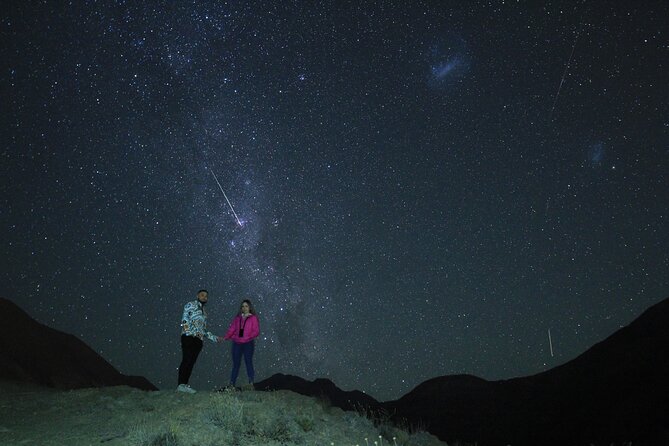
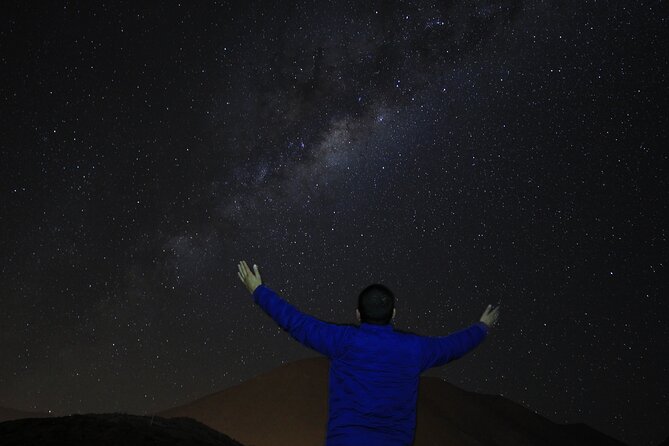
The best part of this Elqui Valley outing comes after sunset, when Loreto points out Andean constellations through Celestron 20×80 astronomical binoculars mounted on a tripod. This is not just a dark-sky viewing stop. It combines a mountain hike, a sunset viewpoint, meditation with sound bowls, indigenous astronomy, and astrophotography.
I like the thoughtful mix of science and culture, and I like that the tour stays private for your group. Loreto brings trekking poles, chairs, warm drinks, snacks, and a camera, so you get more than a guide pointing at stars. The main drawback is its physical and scheduling demands: you need moderate fitness, proper hiking shoes, punctual arrival, and good weather.
Key points
- Andean constellations through 20×80 binoculars: A tripod-mounted Celestron setup gives the astronomy portion more focus than simple naked-eye stargazing.
- Sunset begins the evening: You reach a mountain viewpoint before darkness, making this a two-part outing rather than a late-night astronomy session only.
- Loreto leads the cultural side: Meditation, sound bowls, and indigenous worldviews are built into the experience.
- Private transportation has a limited range: Transfer is included from Vicuña to Villaseca, but not from other towns or distant bases.
- Comfort is handled outdoors: Trekking poles, a portable chair, hot drinks, and snacks are included.
- Strict age and timing rules apply: The experience is for ages 14 and up, and arriving more than 10 minutes late means missing the activity.
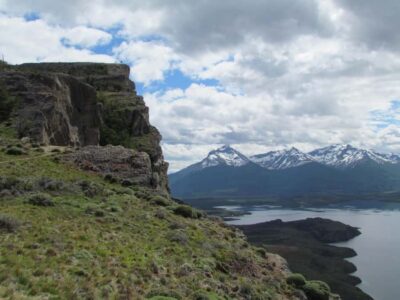
Sunset over the Elqui Valley before the stars appear
This four-and-a-half-hour experience starts with a short safety briefing at Casa Pumagui. That opening matters. You are not being sent up a trail with a telescope and a vague promise of stars. You get basic guidance first, then move toward a viewpoint for sunset.
The sunset is part of the design, not a bonus. You watch the mountains change color before the sky turns dark enough for astronomy. I like this timing because it gives the evening a natural rhythm: daylight scenery first, quiet reflection next, then the night sky.
The exact departure time changes by month. In January, the published start window is from 8:00 PM to 9:00 PM. In February, it shifts to 7:30 PM to 9:00 PM. In March, departures are listed from 7:00 PM to 9:00 PM, Monday through Saturday. These are broad operating windows, so you should confirm your exact departure time when booking.
The activity starts at Navarino in Peralillo, Vicuña, and ends back at the meeting point. Private transportation is included between the city of Vicuña and Villaseca, where the activity takes place. If you are coming from another town, the transfer is not included, and the supplied information specifically notes that an air-conditioned vehicle is not part of the price.
More hikes and treks around the world:
- From Marrakech: Ouzoud Waterfalls Guided Hike and Boat Trip
★ 4.7 · 33,630 reviews - Berber villages : Atlas Mountains Day Hike from Marrakech
★ 5.0 · 14,007 reviews - Bali: Sunrise Mount Batur Guided Hike with Breakfast
★ 4.8 · 9,660 reviews
A moderate hike with useful outdoor gear
You should expect a genuine outdoor outing, not a roadside astronomy stop. Participants need moderate physical fitness and must wear hiking shoes. Trekking poles are supplied, which can help on uneven ground and make the walking portion easier for people who are comfortable outdoors but do not hike every day.
The tour is designed for people 14 and older. That age limit is worth taking seriously. The evening includes walking, darkness, a late schedule, and a reflective sound session. It is not set up as a family activity for young children.
A portable chair is included. That small detail has real value during astronomy. Standing still while looking upward can become tiring, especially when you are waiting for an explanation or taking several turns at the binoculars. A chair lets you settle in and pay attention rather than shifting your feet.
Bring clothing suited to an evening outdoors. The supplied information does not specify temperatures or provide a clothing list, so I would not assume that the valley stays warm after sunset. Hiking shoes are required, and practical outdoor layers are a sensible choice.
Meditation and sound bowls set the mood
After the sunset portion, the evening moves into meditation and sound therapy with bowls. This may be the most unusual part of the experience. It is meant to help you pay attention to the setting before the astronomy begins.
That approach will suit you if you enjoy a slower, more reflective style of outing. You get time to listen, look around, and settle into the darkness instead of rushing straight to equipment. If you prefer astronomy presented only as facts, charts, and telescope time, this section may feel less central to your interests.
The sound session also gives the tour a clear connection to place. It is not being presented as a generic star party that could happen anywhere. The guide uses the Elqui Valley setting as a doorway into a wider discussion of culture, nature, and the night sky.
The experience is led by Loreto, whose approach includes both the sensory and educational sides of the evening. Her response to one participant highlights the importance she places on respectful attention to cultural content. That is useful context for you: come ready to listen, not just to take photographs.
Indigenous astronomy adds meaning to the star map
The cultural portion explores indigenous worldviews and ancestral links between cultures and astronomy. The focus is on how the sky has been understood through local and Andean traditions, rather than treating the stars as a set of disconnected points to identify.
This can change the way you look upward. Constellations are not only objects for scientific observation. They can also carry stories, seasonal meaning, and relationships between people, land, and the heavens. The supplied information does not name specific constellations or provide a full lecture outline, so you should not expect a fixed list of stories. Instead, the guide introduces a cultural frame for the astronomy.
I appreciate that this material is placed alongside the meditation and sound work. It gives the evening a human scale. You are not simply waiting for darkness to arrive. You are being encouraged to consider how different cultures have read the same sky.
The experience also avoids claiming that astronomy and indigenous knowledge are interchangeable. Its value comes from showing you both ways of approaching the heavens. You should book it for the combination, not only for equipment or photography.
Same trailheads, a different kind of day:
- Bali: Mount Batur Sunrise Guided Hike and Natural Hot Spring
★ 4.8 · 9,284 reviews - Cinque Terre Day Trip with Optional Hiking or Pisa
★ 5.0 · 8,486 reviews - From Marrakech: Atlas Mountains Full-Day Hiking Trip w Lunch
★ 4.8 · 7,417 reviews - Marrakech: Ourika Valley Trip with Waterfall Hike
★ 4.6 · 6,792 reviews
Celestron 20×80 binoculars bring the sky closer
The main astronomy tool is a pair of Celestron 20×80 binoculars on a tripod. That is a useful setup for a small private group. The tripod keeps the binoculars steady, while the high magnification gives you a closer view than ordinary handheld binoculars.
This is different from a standard telescope session. Binocular viewing can feel more approachable because you look with both eyes and get a broader sense of the sky. The equipment is also shared, so you will take turns rather than having continuous solo access.
The guide directs your gaze toward Andean constellations and explains what you are seeing. That guidance is important. A dark sky can be impressive, but without help it can also be confusing. Loreto gives you a path into the sky rather than leaving you to guess which points of light matter.
The experience does not promise a full observatory program or a long list of deep-sky objects. Its strength is the blend of guided viewing, cultural context, and the setting. If you want a highly technical astronomy class, check the emphasis before booking. If you want an understandable introduction with a strong sense of place, the format makes good sense.
Astrophotography gives you a record of the night
Astronomical photography is included, which gives the evening a concrete souvenir. You are not left with only a memory of what you saw through the binoculars. The guide photographs the encounter with the cosmos as part of the experience.
The supplied details do not explain the number of images, delivery method, or whether you appear in every photograph. I would confirm those points if the photographs are a major reason for booking. Still, inclusion of astrophotography adds value, especially for anyone who wants a visual reminder of the sunset and night-sky session.
You should also keep expectations realistic. A guide-produced astronomical photograph is not the same as bringing a full camera rig and taking control of the exposure yourself. Here, the benefit is having the guide manage that part while you stay present for the experience.
That balance is one of the better features of the tour. You get a photo without turning the evening into a technical workshop. You can watch the sky, listen to the cultural explanations, and let the guide handle the camera.
Coffee, herbal tea, snacks, and a chair improve the long pause
Hot drinks and snacks may sound minor, but they matter on an evening hike. Once you reach the viewing area, the activity includes periods of sitting, listening, and watching. Coffee, tea, or herbal tea gives you something warm during that pause, while snacks help keep the outing comfortable.
The portable chair is especially practical. Astronomy often involves patience. You may wait for the sky to darken, take turns with the binoculars, or listen to a story before looking again. Having a seat makes the experience less tiring and helps the evening feel intentional rather than improvised.
These inclusions also explain part of the $100 price. You are paying for a private outing with transportation from Vicuña to Villaseca, outdoor equipment, a guide, cultural programming, photography, refreshments, and several hours of personal attention. That is a fairer comparison than measuring the price against a simple group stargazing stop.
The value is strongest if you use all parts of the experience. If you only want to see stars for an hour, the cost may feel high. If you want a private evening that combines walking, sunset, culture, sound, astronomy, and photos, the price is easier to justify.
Private format means a more personal evening
Only your group participates. That changes the tone. You do not have to match the pace of a large bus group, wait for many people to rotate through the binoculars, or compete for the guide’s attention.
A private format is also useful during meditation and cultural discussion. You can ask questions, take a quiet moment, or spend more time at the binoculars without the pressure of a large crowd. The exact size of your group is not stated, so I would not assume that the experience is designed for only two people. Its key point is that outsiders are not added to your booking.
The private format may also make the $100 cost work better for couples, families with older children, or small friend groups. The price is per person, so the value depends partly on how much you care about privacy and direct contact with Loreto.
The tour is recommended for anyone 14 or older, but it is not suitable for people attending under the influence of alcohol. The provider reserves the right to refuse admission in that situation. That rule is reasonable for a nighttime hike and should not surprise anyone planning a relaxed evening with drinks beforehand.
Timing and weather require careful planning
You must arrive 15 minutes before departure. Delays of more than 10 minutes result in exclusion from the experience, so this is not the kind of booking where you can stroll in at the last moment. Build in extra time to reach Navarino in Peralillo.
Good weather is required. If conditions force cancellation, you are offered another date or a full refund. That policy protects you from paying for an astronomy outing that cannot deliver its main purpose, but it also means you should keep some flexibility in your Elqui Valley schedule.
Cancellation is free up to 24 hours before the start time for a full refund. Inside that 24-hour window, the amount paid is not refunded, and changes are not accepted. Check the local start time when calculating the deadline.
Service animals are allowed, and the meeting point is near public transportation. Those details may help with planning, but the activity still requires hiking shoes and moderate fitness. Near public transportation does not mean the complete transfer from wherever you are staying is included.
Who should book Stargazing Hiking Valle de Elqui
I would choose this experience if you want more than a quick look through a telescope. It suits you if you enjoy walking outdoors, sunset views, cultural interpretation, gentle reflection, and accessible astronomy in one evening.
It is also a good match for couples and small groups who prefer a private setting. The included chair, drinks, snacks, trekking poles, binoculars, photography, and Vicuña to Villaseca transfer reduce the number of details you need to arrange yourself.
I would think twice if you want a rigorous observatory session, a short activity, or guaranteed clear skies. I would also avoid it if you dislike meditation or sound therapy, since those elements are part of the experience rather than optional decoration.
Should you book it?
Book it if the combination is what attracts you: a mountain sunset, a moderate hike, indigenous astronomy, sound bowls, private guiding by Loreto, Celestron binoculars, and a photograph to take home. The perfect score from 46 ratings and a 100 percent recommendation rate support the idea that the experience delivers its intended style, especially for people who value the personal and cultural side.
Skip it if your only goal is technical stargazing or if you cannot commit to the exact meeting time. For the right person, the $100 price buys a carefully shaped evening, not just a view of stars. For everyone else, a simpler astronomy stop may be better value.
FAQ
How long does Stargazing Hiking Valle de Elqui last?
The experience lasts approximately 4 hours and 30 minutes.
Where does the activity start and finish?
It starts at Navarino, Peralillo, Vicuña, Coquimbo, Chile, and returns to the same meeting point at the end.
Is transportation included?
Private transportation is included from the city of Vicuña to Villaseca, the place of the activity. Transfers from other locations are not included, and an air-conditioned vehicle is not part of the price.
What age group can participate?
The experience is designed for people aged 14 and older. Children under 14 cannot participate.
What should I wear?
You must wear hiking shoes. Participants should also have a moderate level of physical fitness.
What equipment and refreshments are included?
The price includes trekking poles, a portable chair, astronomical binoculars, astronomical photography, coffee, tea or herbal tea, and snacks.
What happens if the weather is poor?
The experience requires good weather. If it is canceled because of poor conditions, you are offered a different date or a full refund. You can also cancel up to 24 hours before the start time for a full refund.
Just added around the world
- Hike Larano, Boca do Risco Porto da Cruz Levada in a small group★ 5.0 · 10 reviews
- Fanal Forest Private Sunset Hike★ 5.0 · 17 reviews
- Ponta de São Lourenço (PR 8) – Hiking Tour in Madeira★ 5.0 · 32 reviews
- Madeira Stairway to Heaven to Larano Hike Mountain to Sea★ 5.0 · 11 reviews
- Sunrise & Hike : Pico do Areeiro to Pico Ruivo – Private Guided★ 5.0 · 9 reviews
- Levada & Waterfalls Hike 25 Fountains, Rabaçal, Risco more Challenging Walk★ 5.0 · 25 reviews
- PR1 Pico do Arieiro Self-Guided Hiking Transfer (Morning slot)★ 5.0 · 27 reviews
- Madeira Porto da Cruz to Machico Self Hiking Tour with Transfer★ 5.0 · 12 reviews
Chile Hiking Tours, side by side.
From Santiago: Cajón del Maipo and Volcán San José Hike 8K
Read our review →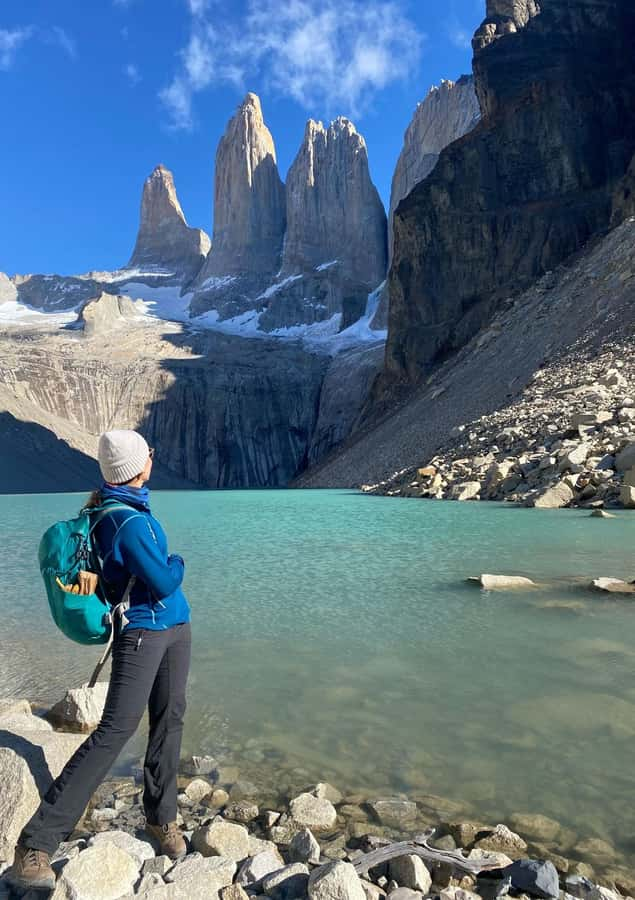
Puerto Natales: Base of the Towers Trekking Experience
Read our review →
Puerto Natales: Base Torres Small Group Trekking
Read our review →
San Pedro de Atacama: Desert Tour with Canyoning & Trekking
Read our review →This walk also sits in