
REVIEW · THAILAND
3-Day Chiang Dao Mountain Trek
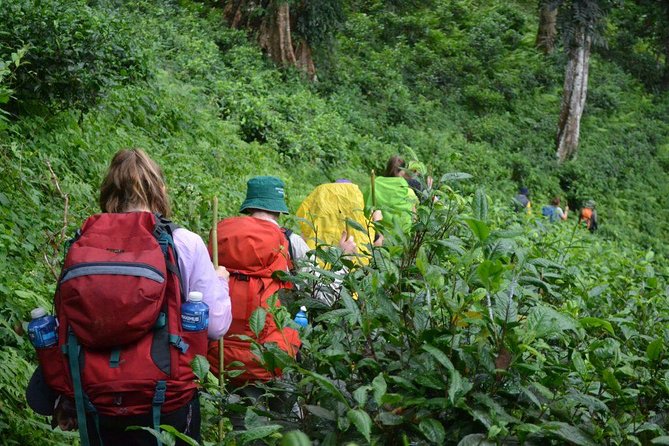
Chiang Dao is where this trek earns its keep: you leave Chiang Mai behind and spend three days on remote mountain trails, moving through bamboo, jungle, ridges, farms, and hill villages. This is not a gentle nature walk. It is a proper highland hike with steep sections, long hours, and basic overnight stays.
I like the small-group format, which gives guides such as Tan and Sap room to adjust the pace and explain plants, food, and village life. I also like the home-cooked meals and village homestays, which bring you closer to northern Thailand than a standard sightseeing day ever could.
The trade-off is simple: Day 2 can be hard, with several hours of climbing and descending on rough, changing trails. You need to be comfortable hiking for five to six hours on undulating ground, carrying your own belongings in a pack of no more than 45 liters.
Key things to know before you book
- Remote route: Hike through ridges, bamboo forest, jungle trails, farms, and Maetang River valley villages.
- Strong guides: Tan and Sap are praised for their plant knowledge, cooking, humor, and care with different fitness levels.
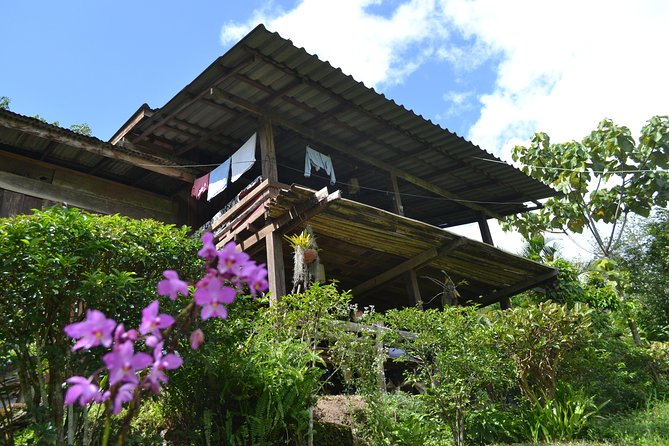
- Real village stays: Homestays are clean and simple, with mountain views, solar power in some locations, and possible noise from dogs, chickens, roosters, and pigs.
- Hardest day: Day 2 may run close to nine hours, with repeated uphill and downhill sections.
- Meals included: Two breakfasts, three lunches, and two dinners are provided. Vegetarian food must be arranged ahead of time.
- Pack light: You carry your own kit. A 45-liter maximum is given, and suitable boots or sturdy runners are essential.
Why Chiang Dao is worth three days
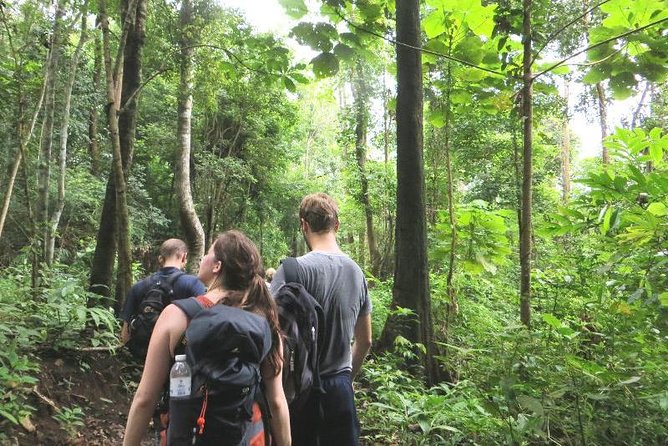
The highlands north of Chiang Mai offer a very different trip from the city’s temples, markets, and elephant parks. Here, the attraction is the walking itself. You follow mountain ridges, pass through bamboo and jungle, and reach villages in the Maetang River valley by foot.
I like that the route is built around time in the countryside rather than a string of quick stops. You have time to notice how the terrain changes, to taste plants along the trail, and to sit down for meals cooked by the guide. The experience also avoids the feel of a large convoy, though you should confirm the final group size before booking. The tour is described as a maximum of 10 people, while the additional booking information allows up to 12.
At $256, the price covers three days, transport from Chiang Mai, six meals, guiding, and two nights of homestay accommodation. That makes it a fair value if you want a guided mountain trip and do not want to arrange transport, food, village stays, and route finding yourself. It is less appealing if you want a polished hotel-based tour or an easy walk.
More Mountain and Summit Hikes in Chiang Mai:
- Chiang Mai: Suthep National Park Hiking & DH Mountain Biking
★ 4.8 · 151 reviews - From Chiang Mai: High Mountain Day Trek
★ 4.8 · 119 reviews - Mount Doi Inthanon National Park Sunrise and Hiking
★ 5.0 · 52 reviews
Leaving Chiang Mai for the mountains
Pickup is offered from accommodations within Chiang Mai’s second ring road area. The day begins in the morning, with the supplied schedule listing pickup at 8:30 am and the meeting information giving a 9:00 am start. Confirm the exact pickup time and point before departure, since the details are not perfectly consistent.
The listed meeting point is Le Dta’ Wan Food Market in Chang Khlan, Chiang Mai. From there, you drive north toward Chiang Dao. The road transfer matters because it gets you out of the city without asking you to organize a bus, taxi, or private car to the trailhead.
A stop at a local market helps set up the trip. Your guide can introduce the ingredients used for the meals, giving you a useful look at what will later appear in the cooking pot. This is a small detail, but it adds context to the food. You are not simply handed restaurant meals at the end of the day. The guide cooks along the route, and several guides, including Tan, Sap, and Tam, are praised for making very good Thai food.
Day 1: Market ingredients, village paths, and the first homestay
The first hiking day eases you into the region, though the exact walking time can vary. One account describes about four hours of walking on the opening day, while the full trip requires you to be ready for five to six hours on most days. Expect a mix of mountain paths, farms, jungle, and local villages rather than a neatly paved route.
This is where having a guide makes a real difference. Tan and Sap are known for pointing out plants, fruits, and other useful details along the way. You may be invited to taste some plants from the trail, always following the guide’s lead. You also learn about the people who farm and live in the hills, rather than simply looking at the villages from a vehicle window.
The first overnight stay is often described as the most peaceful and scenic. You sleep in a local homestay with a mountain setting, and some accommodations have views toward sunrise and sunset. The rooms are basic, but they are considered clean and comfortable enough for a night in the hills. Solar power may provide electricity.
Dinner is included and prepared locally, often by your guide. A fire may be built in the evening, adding warmth and a natural meeting place after the walk. This is a good night to slow down, eat what has been prepared, and enjoy the quiet. Bring only what you need, since the food and your overnight kit are part of what you carry or help manage on the trek.
Day 2: The demanding heart of the trek
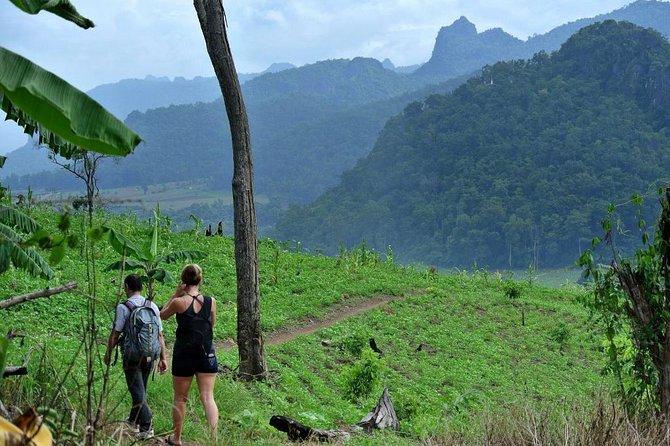
Day 2 is the serious hiking day. You wake to mountain sounds and have breakfast with locally grown tea or coffee from the surrounding plantations. Then the route heads through jungle paths and across ridges, with repeated climbs and descents.
One important point is that the walking schedule is not evenly divided. A published description gives roughly nine hours on the second day, compared with shorter stretches on the first and third days. The exact time depends on the route, terrain, weather, and group pace, but you should plan for the middle day to be the toughest.
The terrain can be rough and overgrown. At times, the guide may need to clear vegetation with a knife. That is part of the appeal for people seeking a genuine mountain trek, but it also shows why proper footwear and reasonable fitness matter. Downhill sections can be hard on your knees, not just your lungs.
Your guide is not only there to lead. Tan and Sap are praised for explaining plants and animals, village customs, and local farming. One of the strongest parts of the experience is the chance to ask questions while walking, instead of receiving a short explanation from a guide at a formal attraction.
Lunch and dinner are included. The food is cooked by the trekking team, and the meals are a major part of the value. Do not expect a full restaurant menu or unlimited drinks. Beverages at the homestay and restaurants are not included, so carry enough cash for personal spending and drinks.
The second night may be less quiet than the first. Dogs, chickens, roosters, and possibly pigs are part of village life. Earplugs are a smart addition to your packing list. If you sleep lightly, this is not a minor point. The sounds are not a service failure so much as a normal feature of staying in a working village, but you should know what you are signing up for.
More Three-Day Trips around Chiang Mai:
- Chiang Mai: 3-Day Karen Hill Tribe Immersion with Trekking
★ 5.0 · 11 reviews - Sapa 3 Days 2 Nights Trekking Tour (1 Night In Ta Van Village, 1 Night In Hotel)
★ 5.0 · 699 reviews - 3-Day Trekking Adventure of Sapa from Hanoi – Stay Ta Van Village
★ 5.0 · 611 reviews - From Marrakech: 3-Day Mount Toubkal Climbing Trek
★ 4.7 · 597 reviews
Day 3: Down to the Maetang River valley
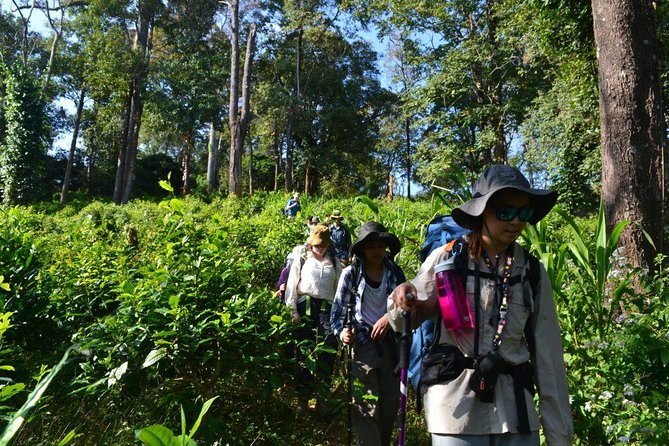
The last morning begins with breakfast in the hills before a roughly three-hour descent toward the Maetang River valley. After the climbs and ridge walking of the previous day, the descent may sound easy, but downhill hiking can still test your knees and balance.
The scenery changes as you lose elevation. Mountain forest gives way to the valley, and you notice farms, village areas, and the river environment. A waterfall stop provides a natural break before lunch in a quiet riverside setting.
After lunch, transport returns you toward Chiang Mai and the original meeting point. The return drive closes a loop that is difficult to arrange on your own, especially if you are carrying hiking equipment and staying in rural villages. The activity ends back at the meeting point rather than at a separate Chiang Mai hotel address, so confirm where you need to finish if your accommodation is outside the pickup area.
What the homestays are really like
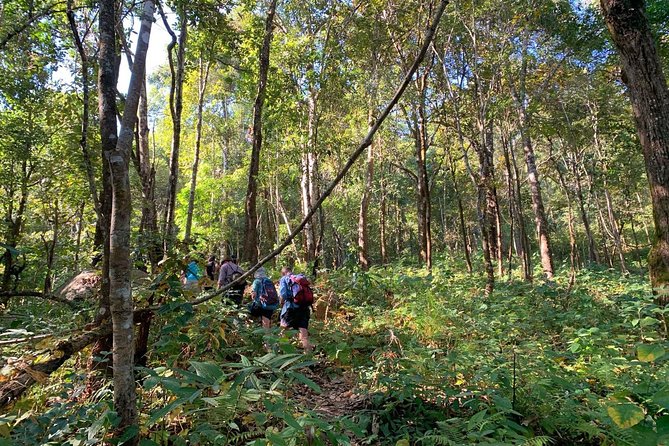
These are local homestays, not small hotels. You receive a more direct connection with village life, but you give up privacy, soundproofing, and polished facilities. The accommodations are described as basic but clean, with some excellent mountain views and solar electricity.
I see the homestay as one of the strongest reasons to choose this trip. You eat food prepared for the group, wake in the hills, and hear the ordinary sounds of a rural community. At the same time, you should bring earplugs, a headlamp if advised in the seasonal kit list, and clothing that dries reasonably well.
The included food covers two breakfasts, three lunches, and two dinners. Tell the operator about vegetarian requirements when you reserve. Drinks and personal purchases are extra, and there is no reason to expect city-style coffee shops or convenience stores along the route.
Guides who shape the experience
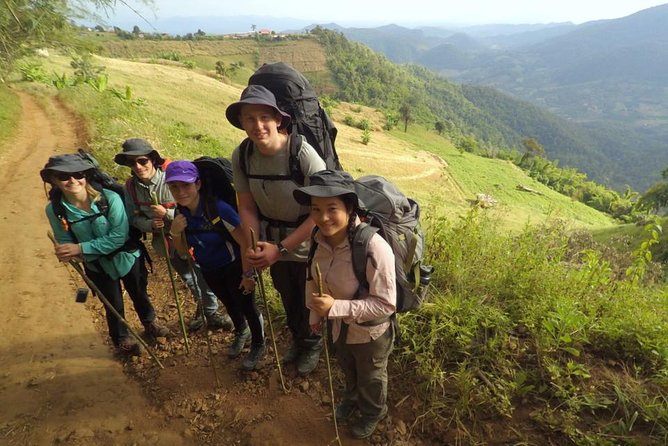
The guide can make or break a trek, and this program has several names worth noting. Tan has more than 30 years of guiding experience and is praised for reading the group well, keeping mixed-age hikers together, explaining plants, and cooking excellent meals. Sap is also praised for his calm manner, care on difficult sections, and explanations of plants, animals, and local life.
Tam and assistant guides have also led trips, sometimes with a trainee or cook-driver helping with meals and campfire duties. The exact guide depends on the date and availability, but the format is clear: your guide is both route leader and part of the cooking team.
That means you should not expect a separate professional chef waiting at each stop. The guide may be preparing food after a long day of walking. In return, you get meals tied to the place and the group, not a generic catered package.
Fitness, clothing, and what to carry
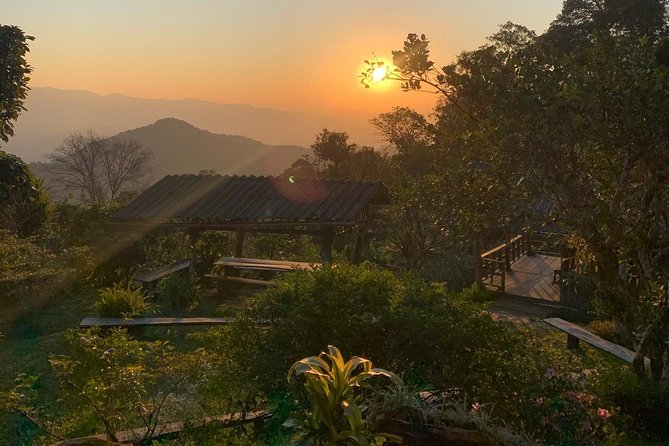
The operator asks for moderate physical fitness, but I would read that conservatively. You should be able to hike five to six hours on uneven, undulating ground, and you should be ready for a longer second day. Children under 10 are not suitable unless they are already used to several hours of hiking.
Wear hiking boots or sturdy runners with good grip. Outdoor clothing, sun protection, rain protection according to the season, and a change of clothes are sensible. The operator provides a seasonal kit list, so use it rather than packing for a city holiday.
Your personal effects should fit in a 45-liter backpack. This is not the time to bring a large suitcase, multiple shoes, or a full range of toiletries. Pack light and keep the weight close to your body. You will appreciate every item you leave behind on the steep climbs.
Is $256 a fair price?
For three days, the $256 cost includes pickup and return transport from Chiang Mai, a guide, two nights of homestay accommodation, and five included meals. You also receive the planning that comes with a guided rural trek, including route selection, food preparation, and local introductions.
I consider it good value for someone who wants a real walking trip without handling the logistics alone. The price would be harder to justify if your main goal were a comfortable stay, short walks, or a flexible private itinerary.
The tour is also a better fit for people who value local contact over polished facilities. You are paying for access to a remote route and the work of a guide who can explain the area and manage the group, not for luxury.
Who should book the Chiang Dao trek?
Book this trip if you want a challenging northern Thailand experience, enjoy walking for several hours, and are happy with simple accommodation. It suits active adults, hikers with some trail experience, and people who would rather learn about plants and village life than visit a packed attraction.
It is less suitable if you dislike steep descents, basic rooms, village noise, or carrying your own belongings. It also may not suit young children unless they already manage long hikes comfortably.
You can cancel for a full refund up to three full days before the local start time. The operator may also offer a new date or full refund if poor weather or insufficient numbers force cancellation.
Should you book it?
I would book the three-day Chiang Dao trek if your idea of a good holiday includes tired legs, home cooking, mountain views, and a few surprises in the jungle. The strongest parts are the local guides, the food, the remote route, and the chance to sleep in villages rather than return to Chiang Mai each night.
Go in with the right expectations. This is not a soft adventure. Day 2 may be long, the paths may be rough, and the second homestay may be noisy. If you can accept those limits, this offers a grounded and active way to see northern Thailand that a short day trip cannot match.
FAQ
How long is the Chiang Dao Mountain Trek?
The experience lasts approximately three days and includes two nights of homestay accommodation.
Where does the tour start?
The listed meeting point is Le Dta’ Wan Food Market in Chang Khlan Sub-district, Chiang Mai. Hotel pickup is offered within the second ring road area.
What time does pickup begin?
The itinerary gives an 8:30 am pickup from accommodation, while the meeting information lists a 9:00 am start. Confirm your exact pickup time when booking.
How difficult is the trek?
You should have moderate physical fitness and be able to hike for five to six hours on undulating terrain. Day 2 can be especially demanding, with long uphill and downhill sections.
Is the trek suitable for children?
Children under 10 are not considered suitable unless they are already used to hiking for multiple hours.
What meals are included?
The tour includes two breakfasts, three lunches, and two dinners. Beverages and personal spending are not included.
Can I request vegetarian meals?
Yes. Vegetarian meals must be arranged in advance, so state your needs when making the reservation.
What should I wear?
Wear suitable outdoor clothing and hiking boots or sturdy runners. The operator provides a seasonal kit list.
How much luggage can I bring?
Your personal items should fit in a backpack of no more than 45 liters, which you will carry during the trek.
What happens if the weather is poor?
If the experience is canceled because of poor weather, you will be offered another date or a full refund.
Just added around Chiang Mai
- Trek to a Jungle Waterfall★ 5.0 · 14 reviews
- Full-Day Trekking and Sightseeing Tour in Mae Kampong★ 5.0 · 46 reviews
- 8KM White Water Rafting and 3HRS Jungle Trekking Adventure★ 5.0 · 9 reviews
- One day Doi Inthanon National Park & Trekking on Kew Mae Pan★ 5.0 · 12 reviews
- Private Tour to Doi Inthanon including Twins Pagodas and Hiking★ 5.0 · 22 reviews
- Waterfall Wanderer Doi Inthanon Hiking Tour★ 5.0 · 15 reviews
- Full Day Doi Saket Hiking Tour★ 5.0 · 14 reviews
- Private Tour 2 Difference Trails Trekking at Doi Inthanon National Park★ 5.0 · 19 reviews
Mountain & Summit Hikes, side by side.
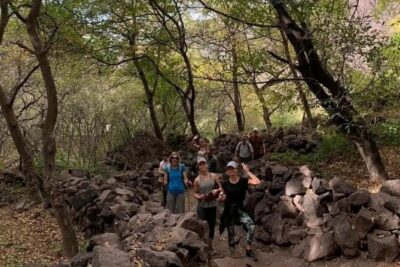
Berber villages : Atlas Mountains Day Hike from Marrakech
Read our review →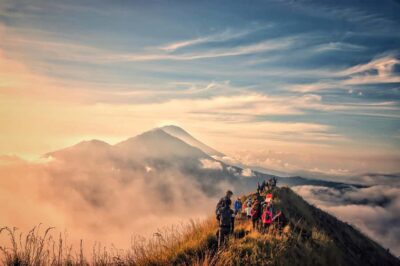
Sunrise Mount Batur Guided Hike with Breakfast
Read our review →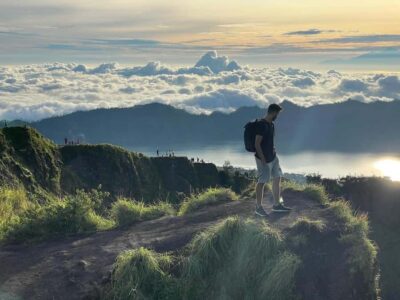
Mount Batur Sunrise Guided Hike and Natural Hot Spring
Read our review →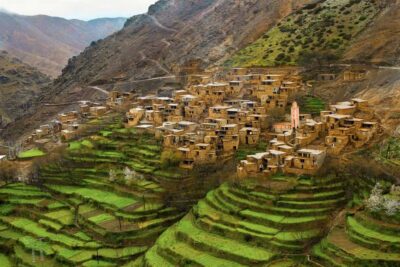
Mount Etna: Summit Guided Hiking Tour up to 3,400 m
Read our review →
Bovilla Lake & Gamti Mountain Hiking Day Trip
Read our review →
Mount Etna: Trek to 3000m with cable car and 4×4
Read our review →
Mount Batur Sunrise Trek With Guide and Breakfast
Read our review →This walk also sits in