REVIEW · MOROCCO
From Marrakech: 3-Day Mount Toubkal Climbing Trek
Mount Toubkal is the highest mountain in North Africa, and this three-day loop gives you more than a quick summit dash. You walk through Berber villages, juniper forest, high passes, and two different mountain refuges before making the final push to 4,167 metres.
I like the slower pace and route variety, especially the first night near Tamsoult Waterfalls rather than repeating the same trail. I also like the careful guides. Mustafa, Hassan, Kamal, Mohamed, Omar, and Youssef are repeatedly praised for pacing groups, checking on tired walkers, and helping people reach the summit.
The catch is simple: this is a serious mountain trek, not a gentle sightseeing tour. The second day gains 1,200 metres, summit day lasts up to nine hours, and the descent to Imlil is long. Refuge facilities are basic, and the final dinner details should be confirmed before you go.
Key points before you book
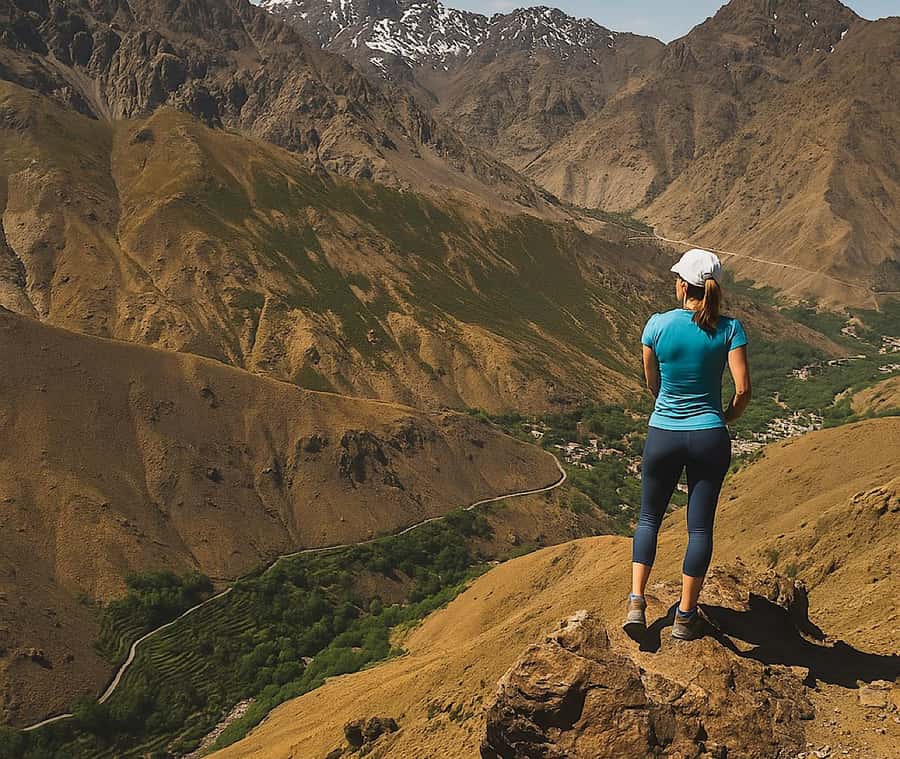
- A genuine three-day mountain loop: You see more of the High Atlas than on the standard two-day out-and-back route.
- Summit altitude of 4,167 metres: The climb is non-technical, but altitude, cold, scree, and steep descents still demand good fitness.
- Two different overnight stops: Tamsoult Refuge comes first, followed by Toubkal Refuge at 3,207 metres.
- Mules carry your main luggage: You hike with a lighter daypack while the muleteer team moves bags between sleeping places.
- Strong guide support: Guides including Hassan, Mustafa, Kamal, Mohamed, Omar, and Youssef are praised for steady pacing and personal care.
- Bring the small things: Pack toilet paper, soap, snacks, electrolytes, a headlamp, warm layers, and suitable hiking shoes.
Why three days is better than two
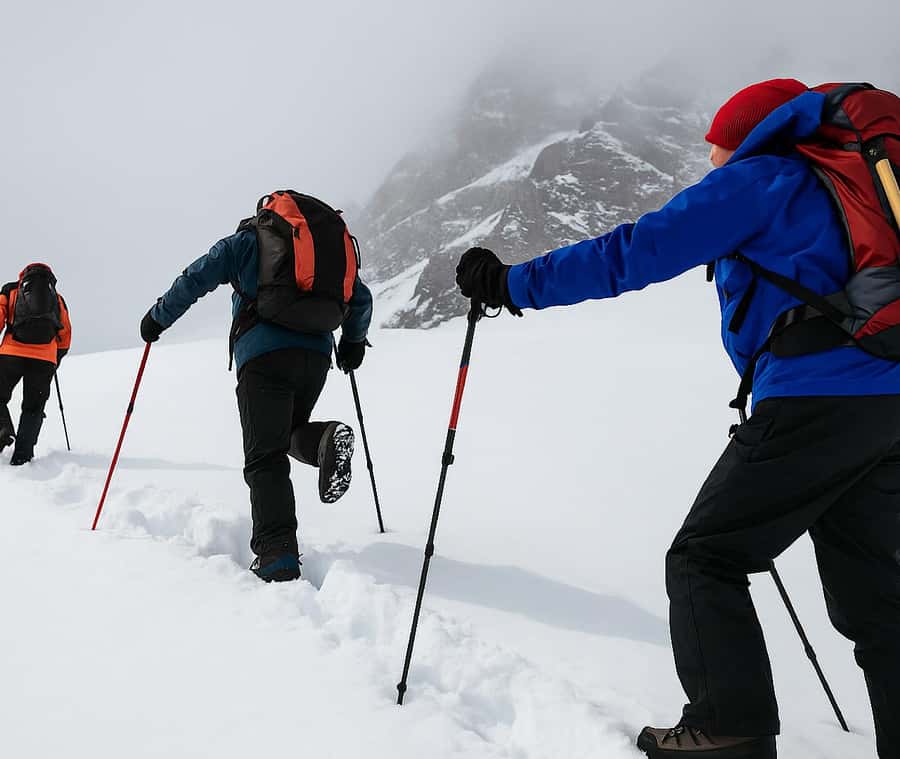
The usual short Toubkal plan heads up and down much of the same route. This three-day version takes a wider arc through the Atlas Mountains, which makes the extra day worthwhile if you want more than a peak photo.
You begin near Imlil, climb over Tizi Mzik Pass, pass through juniper forest, and visit Tamsoult Waterfalls. The route then rises toward Aguelzim Pass before reaching the Toubkal Refuge. That gives you changing views and a better sense of the mountain communities around Imlil.
I also like the extra time for adjusting to altitude. You do not reach the summit on the first afternoon. Instead, the route builds gradually, although the second day still climbs sharply. The three-day schedule cannot remove the effects of altitude, but it is less rushed than a two-day ascent.
This is a good choice if you want a proper mountain experience and have enough time in Morocco. If your only goal is to stand on the summit as quickly as possible, the shorter route may appeal more. The three-day option is more tiring overall, but it feels less like a race.
More Mountain and Summit Hikes in Marrakech
- From Marrakech: Atlas Mountains Full-Day Hiking Trip w Lunch
★ 4.8 · 7,417 reviews - Marrakech: Atlas Mountains & Valleys Waterfall Hike w/ Lunch
★ 4.8 · 1,236 reviews - From Marrakesh: Atlas Mountains Talamrout Summit Day Hike
★ 4.9 · 835 reviews
From Marrakech to Imlil and Tizi Mzik Pass
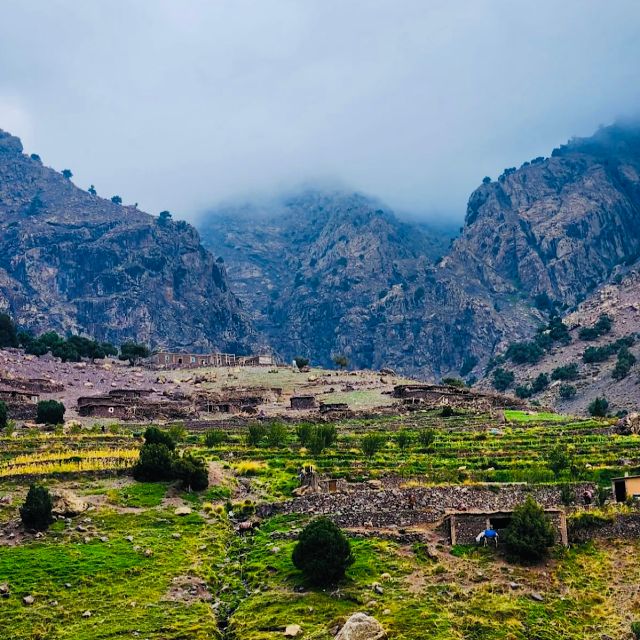
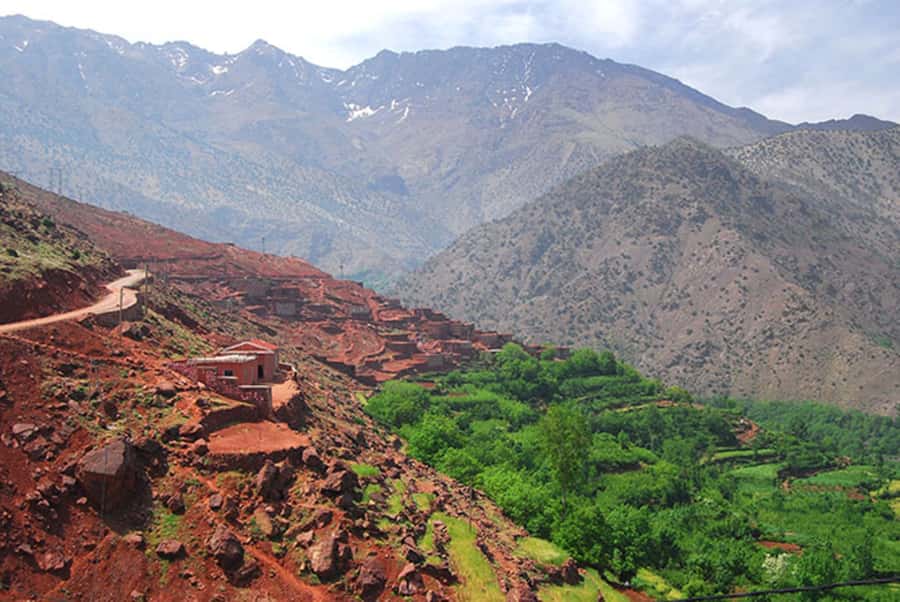
Pickup comes after breakfast in Marrakech. The drive heads through Tahanaout, Oued Ghighaya, and Asni before reaching Imlil, about 65 kilometres from Marrakech. Along the way, you see traditional Berber villages spread along the valley.
The road transfer matters because it moves you quickly from the city to a very different setting. Marrakech is hot, crowded, and low-lying. Imlil feels like a mountain base, with trails leading into narrow valleys and steep slopes.
In Imlil, you meet the certified mountain guide and muleteer team. Your main luggage goes with the mules, so keep the items you need during the day in a smaller pack. Several people found the luggage system useful, but the packing instructions could be clearer. You do not need to carry everything to the summit.
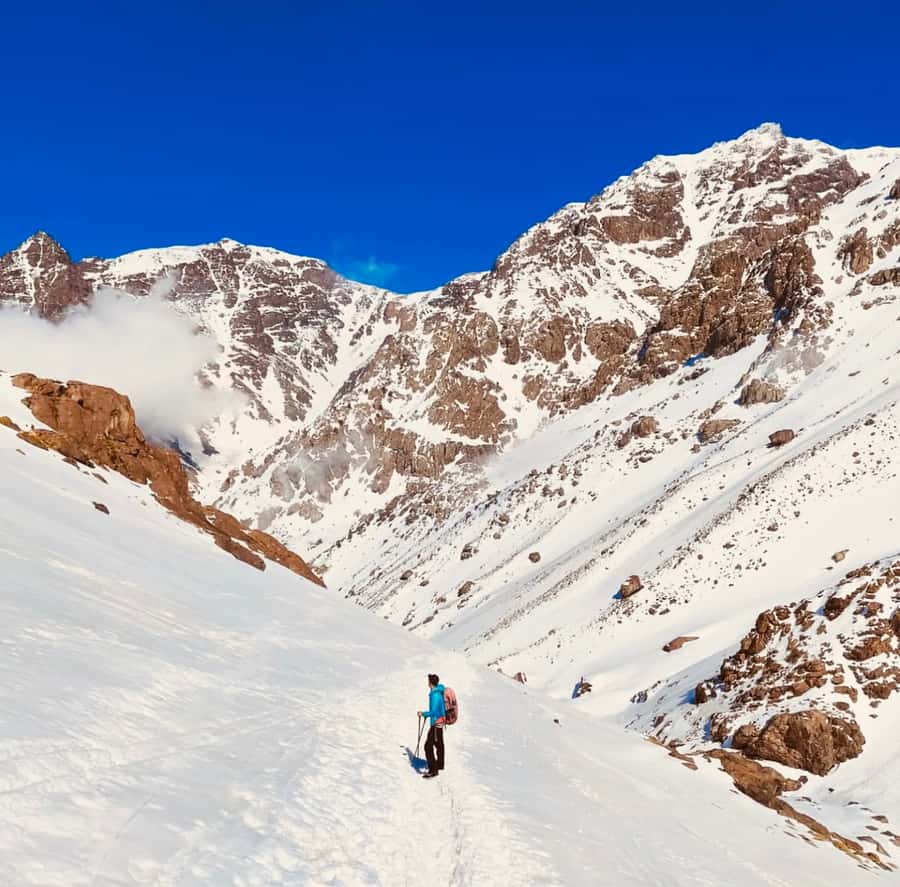
The first walking section climbs toward Tizi Mzik Pass at 2,479 metres. The pass gives you broad views over the Imlil Valley and toward Mount Toubkal. It is a strong opening section, with a clear gain in height but without the extreme altitude of the summit day.
The stated distance is 11 kilometres, with 800 metres of ascent and 400 metres of descent. Allow five to six hours of walking. That time includes a steady mountain pace and breaks, rather than a fast hike.
Tamsoult Waterfalls and the first mountain night
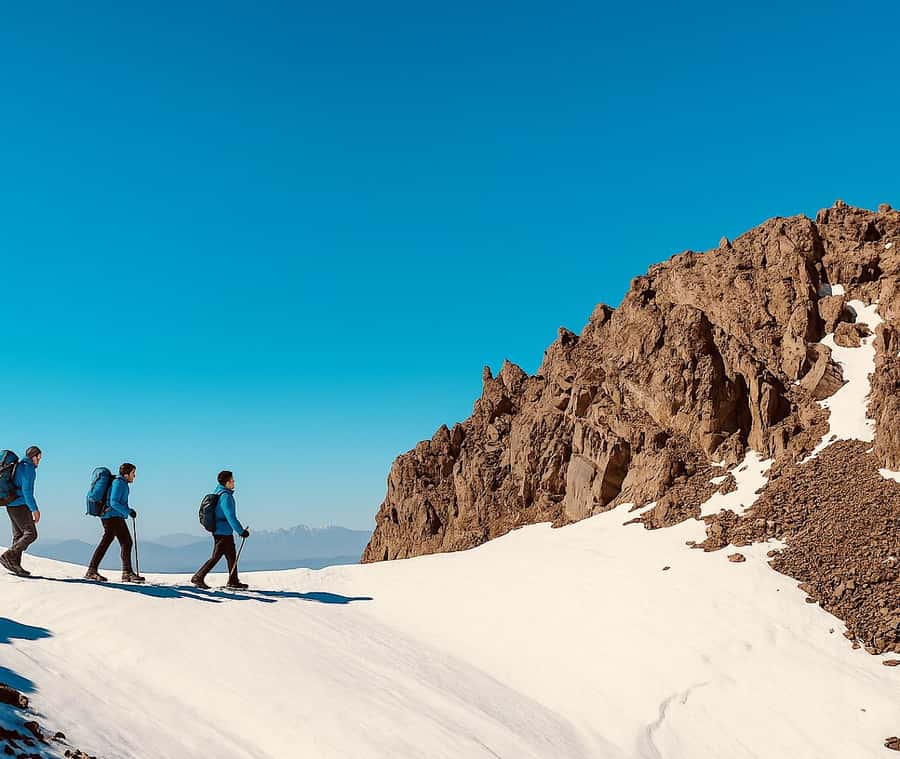
After the pass, the route continues through juniper forest to Tamsoult Waterfalls. At about 100 metres high, these are described as the highest waterfalls in the Atlas Mountains. They provide a welcome change from the dry, rocky upper slopes.
The first night is at Tamsoult Refuge. This stop is one of the main reasons to choose the three-day route. You spend the night in a less common part of the mountains instead of simply retracing the standard trail from Imlil.
Facilities can be basic, though some departures have included hot showers, bunk beds, and clean rooms. Conditions vary, so do not expect hotel comfort. Bring a sleeping bag or liner if you prefer your own bedding, and pack earplugs if you sleep lightly.
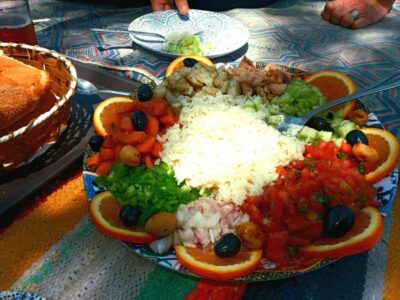
Meals are included, with breakfasts, lunches, and dinners listed as part of the package. Food is prepared by the cook and muleteer team, and repeated praise has gone to the generous portions and warm mountain meals. After a five or six-hour walk, a large plate of food is not a small matter.
The refuges may not provide soap or toilet paper. Put both in your daypack, along with a small towel and hand sanitizer. You can also carry local currency for water, snacks, showers, or tips.
The hard second day to Aguelzim Pass
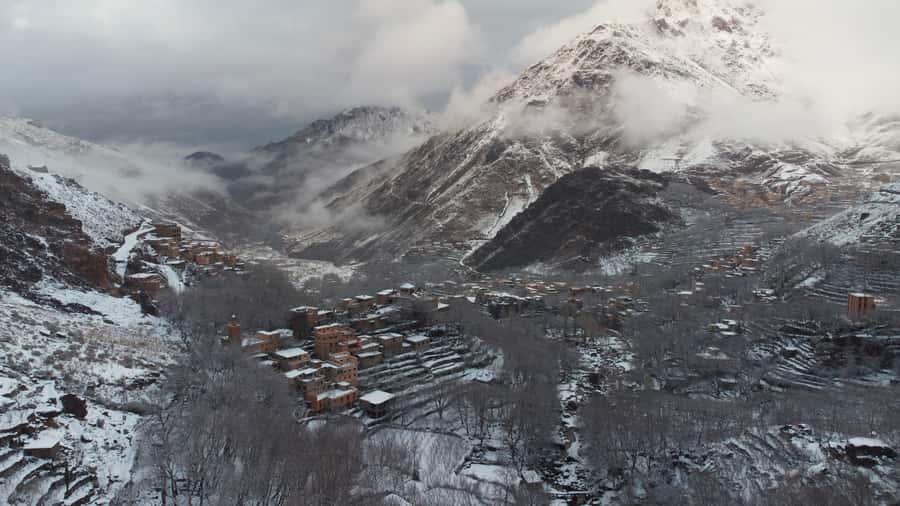
Day two is the main acclimatisation test. You climb steadily toward Aguelzim Pass at 3,650 metres, gaining around 1,200 metres and losing about 300 metres over 10 kilometres.
The walk takes roughly six to six and a half hours. That may sound manageable on paper, but the height makes every uphill section harder. Your guide should set a pace that lets the group stay together, with regular pauses rather than a race to the pass.
At Aguelzim, you get strong views toward the Toubkal Summit. The pass also gives you a useful preview of the next day. You can see the scale of the upper mountain and understand why the summit attempt begins early.
This is where fitness matters most. You do not need technical climbing experience for the normal ascent, but you should be comfortable walking uphill for several hours and descending on loose ground. People with moderate hiking experience have found the trek demanding but manageable. If you rarely hike, train with long uphill walks before arriving.
After the pass, you descend to Toubkal Refuge at 3,207 metres. This is your base for the summit attempt. The sleeping arrangements are mountain-hut style, not private hotel rooms. Blankets and beds may be available, but a sleeping bag is still a sensible item, especially in colder months.
More Mountain and Summit Hikes in Morocco
- Marrakesh: 2-Day Mt. Toubkal Trek with 1-Night Stay & Meals
★ 4.7 · 795 reviews - Marrakech: 2-Day Atlas Mountains Trek with Village Stay
★ 4.8 · 717 reviews - Marrakech: Tedli Summit Atlas Mountains Day Hike & Lunch
★ 4.9 · 668 reviews - From Marrakesh: Zip-Line & Hike in the Atlas Mountains
★ 4.8 · 605 reviews
Summit morning at 4,167 metres
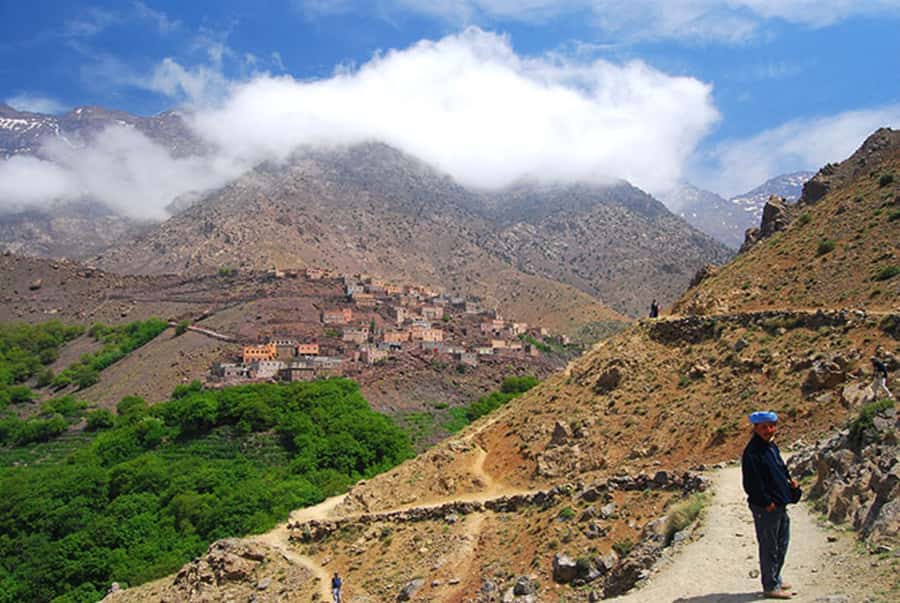
The summit day starts early, often before sunrise. The final ascent covers about four kilometres to the summit, followed by the descent back to the refuge and then the long route down to Imlil.
The listed figures are demanding: around 980 metres of ascent, 2,500 metres of descent, and eight to nine hours of walking. The summit section itself is only part of the day. Your legs still have a long way to go after you take in the views.
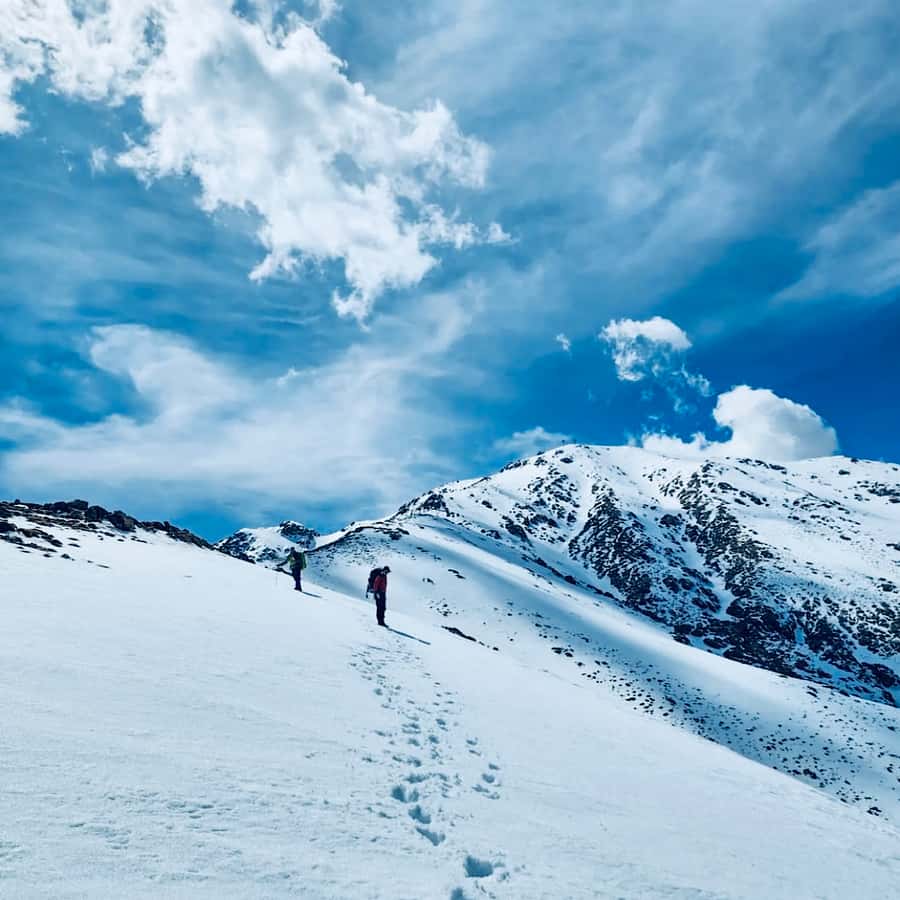
At 4,167 metres, Mount Toubkal is a non-technical summit under normal conditions. You still face steep paths, loose scree, cold air, and possible snow or poor weather depending on the season. A guide is especially useful here for pacing, route choices, and keeping the group together.
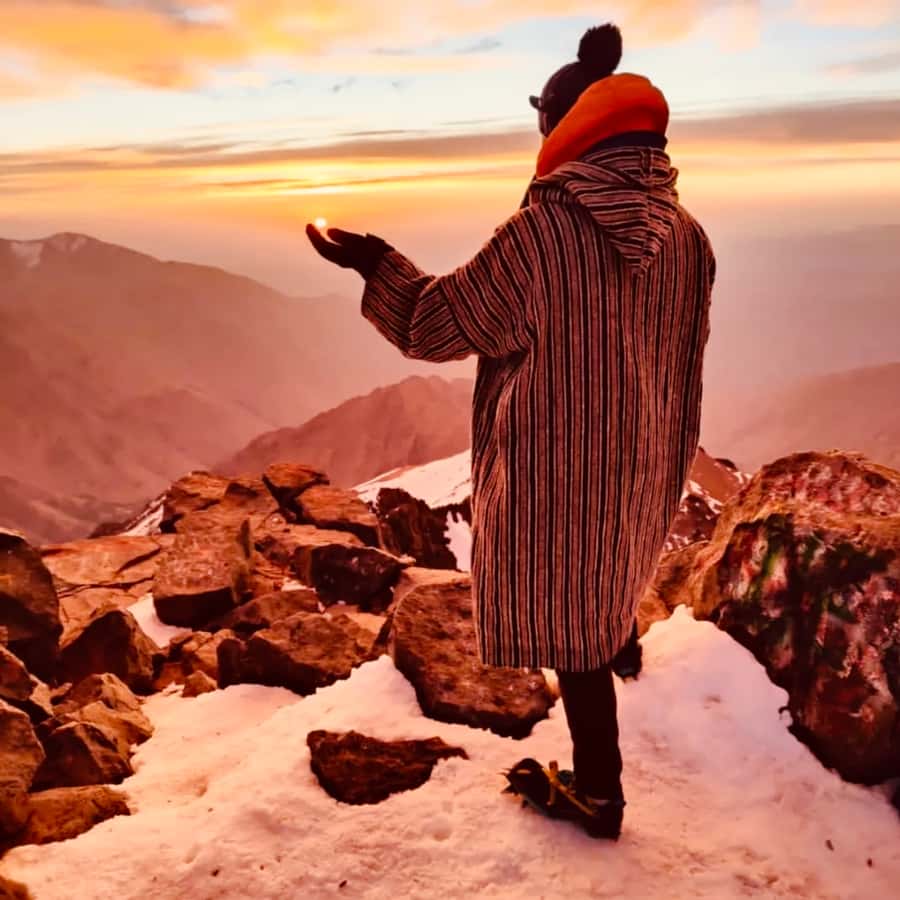
Several guides have timed the climb to reach the summit around sunrise. In good weather, you can see across the High Atlas and, according to the tour details, possibly toward the Sahara on the horizon. The early start is uncomfortable, but the morning light and clearer air can make it worthwhile.
Pack warm layers even in summer. A beanie, gloves, jacket, rain gear, and sturdy hiking shoes are sensible. One person reached the top with a guide lending hiking poles for a difficult stretch, but you should not rely on borrowing equipment.
The descent is not an afterthought. Loose stones can make the way down awkward, and tired legs increase the risk of slips. One guide was specifically praised for catching a tired walker who lost footing on scree. Stay close to your guide, shorten your steps, and save energy for the final miles.
Back through the mountains to Imlil
After a short break at Toubkal Refuge, you continue down toward Imlil. The route eventually returns you to the valley, where the vehicle transfer takes you back to Marrakech.
The stated descent includes 14 kilometres to Imlil, making this a very full final day. One person felt the last walk into the valley dragged on and suggested a vehicle pickup lower down. That is a fair warning: after the summit, the extra descent can feel longer than expected.
The return transfer usually reaches Marrakech around 5:00 PM. Avoid booking a tight evening flight or an important fixed appointment. Mountain weather, group pace, and road conditions can shift the schedule.
Guides, muleteers, and group size
The group is limited to 14 people, though some departures have been much smaller. Groups of five, seven, eight, and 12 were described as comfortable. A smaller group can make pacing easier, while a larger group may provide more company on long climbs.
The guide is the most important part of this experience. Names connected with especially strong departures include Hassan, Mustafa, Kamal, Mohamed, Omar, Youssef, Ahmed, and Ibrahim. The qualities you want are clear: a steady pace, honest advice about altitude, regular checks on tired walkers, and the ability to adjust plans when weather or road closures interfere.
The muleteer team carries luggage and helps prepare meals. This is also part of the local character of the trek. You are not simply following a guide from one sightseeing stop to another. The route depends on the people who live and work in these mountain valleys.
The planned route can change. Storms have stopped summit attempts, roads have closed, and some groups have climbed Toubkal on the second day before using the third day for another summit or Berber villages. One departure became a two-day trek because of bad weather, followed by a village visit and homestay. A mountain plan must allow room for safety decisions.
What the $226 price really covers
At $226 per person, the price covers quite a lot for a three-day mountain trip. You receive round-trip transport from Marrakech, a guide, muleteers and mules for luggage, accommodation, and three breakfasts, three lunches, and three dinners as listed.
That package removes many practical decisions. You do not need to arrange a separate transfer to Imlil, find a muleteer, plan refuge bookings, or carry all your clothes uphill. Meals are also a real saving in time and effort.
The value is strongest if you want a guided summit attempt without arranging each part yourself. It is less attractive if you already have mountain contacts, your own transport, and all camping or hiking logistics in place.
Mountain gear is not included. Travel insurance and personal expenses are also extra. Equipment rental has been easy to arrange for some people, but the exact gear available and its cost should be confirmed before departure.
One detail needs checking: the package lists three dinners, while one departure was told that the final dinner wording was a mistake and did not receive it. Ask the provider to confirm exactly which meals are supplied on each day.
Packing for cold mornings and basic refuges
Your passport is listed among the items to bring. You should also pack for changing mountain weather rather than Marrakech temperatures.
Useful items include:
- Hiking shoes with good grip
- Warm clothing, a jacket, and rain gear
- Sleeping bag or sleeping-bag liner
- Headlamp
- Beanie and extra warm layers
- Toilet paper and soap
- Water, snacks, and electrolyte sachets
- Sunscreen and a camera
- Small cash for water, snacks, showers, and tips
Sandals, flip flops, slippers, sleeveless shirts, and similar items are not permitted as hiking wear. That does not mean you should never bring comfortable footwear for the refuge. One person recommended separate shoes for the evening, but use them only where suitable and follow the guide’s instructions.
Pack light, but do not leave out cold-weather gear. At altitude, conditions can feel cold even after a warm day in Marrakech. Your main bag goes with the mules, while your daypack should hold water, layers, snacks, rain protection, and personal items.
Who should choose this trek?
I would choose this trip if you are in reasonable walking shape, want a guided summit attempt, and prefer a fuller route through the Atlas Mountains. It suits someone who enjoys simple mountain accommodation and does not need every comfort provided.
It can also suit a first-time high mountain walker if you train beforehand and accept the effort involved. Several beginners reached the summit with patient pacing and close guide support. Beginner-friendly does not mean easy.
I would not choose it if you dislike early starts, shared refuges, long descents, or changing plans. High blood pressure, pregnancy, very young children, and age over 95 are listed as reasons the activity is not suitable. Anyone with a medical concern should get professional advice before booking.
Free cancellation up to 24 hours before departure and reserve-now, pay-later booking make planning easier. Pickup is included from Marrakech hotels and riads. If your riad is inside the Medina and cars cannot reach it, the team will contact you through WhatsApp to arrange a nearby meeting point.
Should you book the Mount Toubkal trek?
Book it if you want more than a quick summit badge. The three-day route gives you waterfalls, Berber villages, two mountain refuges, high passes, and a better chance to settle into the rhythm of the Atlas Mountains.
Go in with clear expectations. This is a hard trek with a very long summit day, basic sleeping conditions, and weather-related changes. Confirm the meal plan, ask about gear rental, carry toilet paper and warm layers, and leave space in your schedule for a late return.
For $226, the combination of transport, food, accommodation, mules, and guide support is strong value. If you are fit enough for the climb and willing to trade comfort for mountain views, I would pick this three-day route over the faster two-day option.
FAQ
How high is Mount Toubkal?
Mount Toubkal reaches 4,167 metres, making it the highest mountain in North Africa.
How long is the trek?
The experience lasts three days. Walking times are listed as five to six hours on day one, six to six and a half hours on day two, and eight to nine hours on summit day.
Is the climb technical?
The ascent is described as non-technical. You still need good hiking shoes, fitness for long uphill and downhill sections, and warm clothing for high altitude.
What is included in the price?
The price includes a mountain guide, round-trip transportation from Marrakech, muleteers and mules for luggage, accommodation at a local house or mountain refuge, and three breakfasts, three lunches, and three dinners as listed.
What languages do the guides speak?
Guides are available in Arabic, English, and French.
What should I bring?
Bring your passport, hiking shoes, warm clothing, a jacket, rain gear, a camera, and a sleeping bag. Toilet paper, soap, snacks, electrolytes, and a headlamp are also useful based on the refuge conditions described.
Is pickup available in Marrakech?
Yes. Pickup is included from your hotel or riad in Marrakech. If a vehicle cannot reach your Medina accommodation, the team will arrange a nearby accessible meeting point through WhatsApp.
More Atlas Mountains Treks in Marrakesh
- Mt Toubkal Ascent Express Trek 2 Days 1 Nights
★ 4.7 · 962 reviews - 2 day mount toubkal trek ( private trek )
★ 5.0 · 38 reviews - Atlas Valleys & Mount Toubkal Private 3 Days Trek From Marrakech
★ 5.0 · 31 reviews - Mount Toubkal Trek in 2D/1N Private From Marrakesh
★ 5.0 · 27 reviews
More Mountain and Summit Hikes in Marrakesh
- From Marrakesh: 2-Day Mount Toubkal Trek
★ 4.7 · 591 reviews - From Marrakech: Atlas Mountains Summit Trek
★ 4.9 · 228 reviews - Berber villages : Atlas Mountains Day Hike from Marrakech
★ 5.0 · 14,007 reviews - Bali: Sunrise Mount Batur Guided Hike with Breakfast
★ 4.8 · 9,660 reviews
Just added around Marrakesh
- From Marrakech: Ouzoud Waterfalls Guided Hike and Boat Trip★ 4.9 · 161 reviews
- From Marrakech: Atlas Mountains Summit Trek★ 4.9 · 228 reviews
- From Marrakesh: 2-Day Mount Toubkal Trek★ 4.7 · 591 reviews
- From Marrakesh: Zip-Line & Hike in the Atlas Mountains★ 4.8 · 605 reviews
- Marrakech: Tedli Summit Atlas Mountains Day Hike & Lunch★ 4.9 · 668 reviews
- Marrakech: 2-Day Atlas Mountains Trek with Village Stay★ 4.8 · 717 reviews
- Marrakesh: 2-Day Mt. Toubkal Trek with 1-Night Stay & Meals★ 4.7 · 795 reviews
- From Marrakesh: Atlas Mountains Talamrout Summit Day Hike★ 4.9 · 835 reviews
Atlas Mountains Treks, side by side.
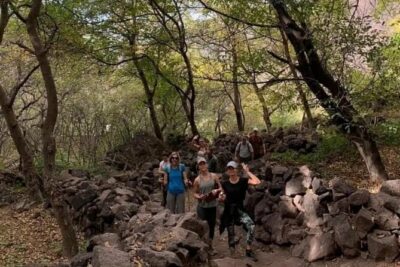
Berber villages : Atlas Mountains Day Hike from Marrakech
Read our review →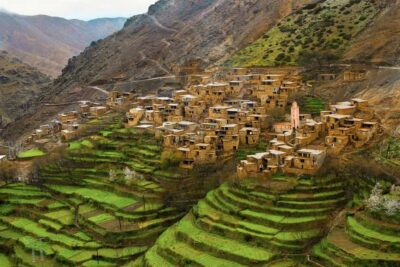
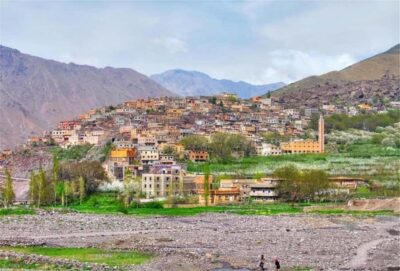
Atlas Mountains & Valleys Waterfall Hike w/ Lunch
Read our review →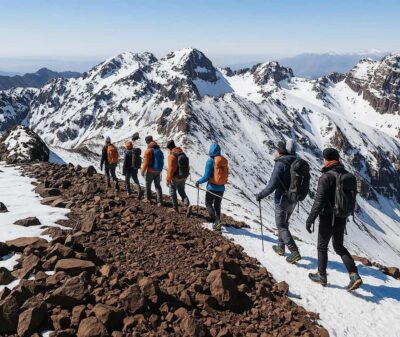
Mt Toubkal Ascent Express Trek 2 Days 1 Nights
Read our review →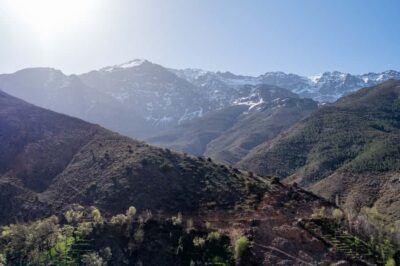
2-Day Mt. Toubkal Trek with 1-Night Stay & Meals
Read our review →