REVIEW · MOROCCO
From Marrakech: Atlas Mountains 4-Day Hike with Hotels
The best part of this four-day Atlas Mountains trek is not a single summit. It is the steady change of valleys, villages, forests, and mountain passes as you walk from one rural community to the next. You sleep in local guesthouses, eat food prepared along the route, and see daily Amazigh life at a pace a day trip from Marrakech cannot match.
I like the small groups of up to 10, which make it easier for your guide to adjust the pace. I also like the practical support from a local cook and muleteer, since you carry only what you need for the day. The main caution is simple: this is a real hike, with five-hour walking days, climbs, descents, loose stones, and cold evenings. It is not a sightseeing tour with a little walking added.
Key points to know before booking
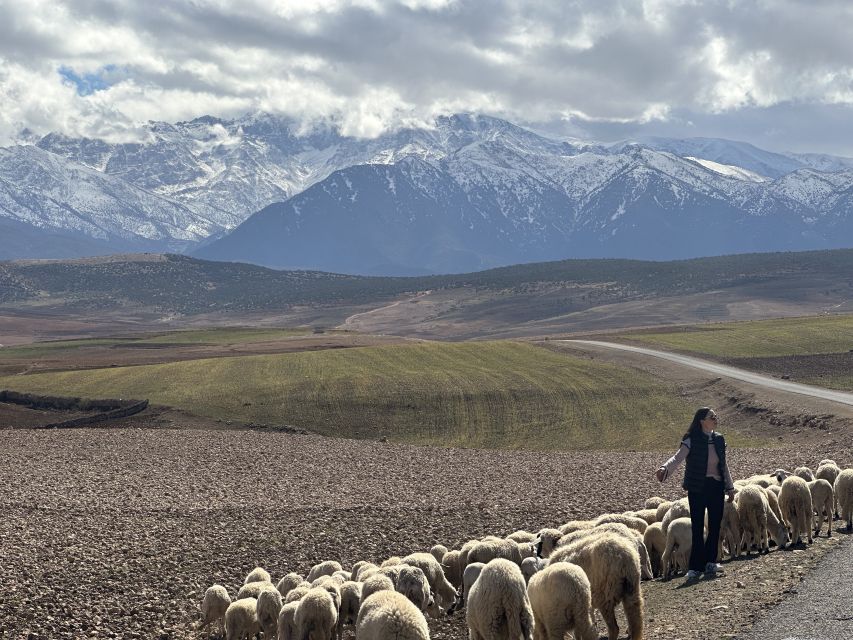
- Three valleys in four days: Walk through the Imnane and Azzaden valleys, with changing colors, trees, terraces, and mountain passes.
- Local village stays: Sleep in basic guesthouses in Tachdirt, Imi Oughlad, and Tizi Oussem, rather than returning to Marrakech each night.
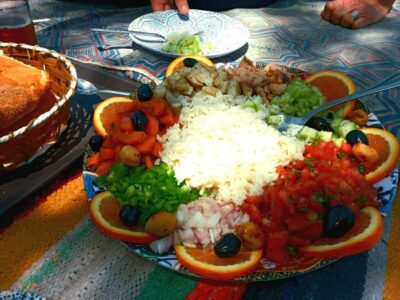
- Fresh meals on the trail: A local cook prepares lunches and dinners, often serving generous portions, tea, tagines, couscous, and other Moroccan dishes.
- Luggage support included: A mule carries your main bags and cooking supplies, so your daypack can stay light.
- A cultural walking trip: Your guide explains Amazigh customs, village life, farming, routes, and local history as you go.
- Bring grip and warmth: Good hiking shoes, layers, and possibly a light sleeping bag matter, especially in winter.
What this Atlas Mountains trip really offers
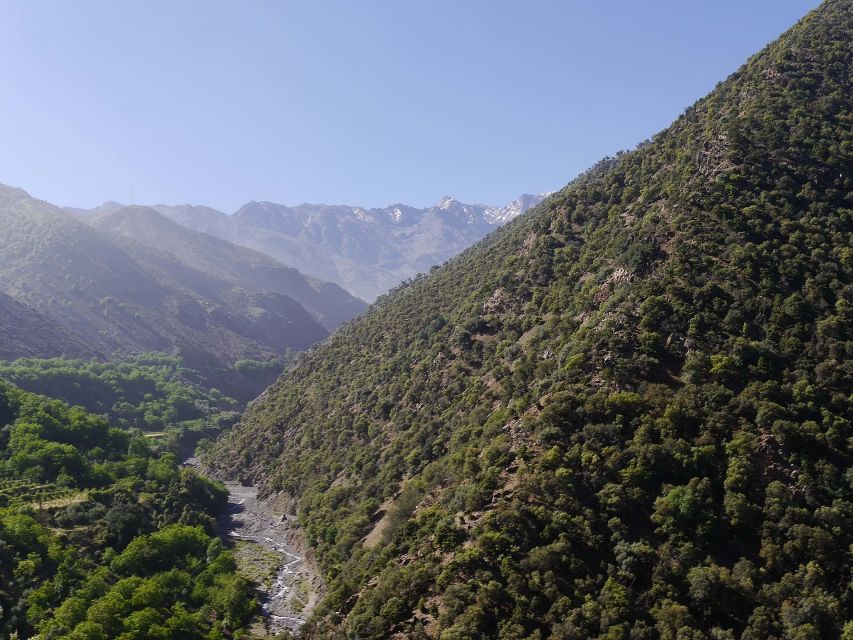
At $176 per person, this four-day hike offers a lot for the money. The price includes transport from Marrakech, a local guide, accommodation, meals, and a mule for luggage. You are paying not only for walking routes, but also for the behind-the-scenes work that makes a mountain trek possible.
I see the value in having meals organized and luggage carried between villages. You do not need to spend each afternoon searching for food or wondering where you will sleep. The guide also handles route finding and village communication, which matters on paths where English or French may not be spoken.
The trade-off is comfort. Guesthouses are local and basic, not polished mountain hotels. Rooms can have plenty of blankets, but winter nights are cold. Towels may not always be available, and one breakfast was described as less warm than expected. Pack with the conditions in mind and you will be better prepared.
The group limit is 10 people, though some departures may be much smaller. A few people have had a private guide because demand was low. That can make the walk feel more personal, but group size and guide assignment are not something you should assume in advance.
More Guided Day Hikes in Marrakech
- From Marrakech: Ouzoud Waterfalls Guided Hike and Boat Trip
★ 4.7 · 33,630 reviews - From Marrakech: Atlas Mountains Full-Day Hiking Trip w Lunch
★ 4.8 · 7,417 reviews - Marrakech: ourika valley lunch & guided hike to waterfalls
★ 4.9 · 3,737 reviews
Day 1: Marrakech to Imlil and the Imnane Valley
Your transfer from Marrakech brings you toward Imlil, the main mountain starting area. The walking begins in or near the Imlil region, then heads toward the Imnane Valley and the pass of Tizi N’Tamater at about 2,300 meters.
This first day can take five to six hours. The walking is not technical mountaineering, but you gain and lose height, so the time on your feet is the real test. Take the first morning slowly. The route is more enjoyable when you find a steady pace instead of treating the opening climb like a race.
Lunch is prepared by your local cook along the route. That detail changes the rhythm of the day. You stop in the mountains for a proper three-course meal, rather than relying on snacks from Marrakech. Fresh mint tea, often with wild mint or thyme, is part of the welcome.
After lunch, you continue toward Tachdirt, one of the highest villages in the area. The first night is in a Berber guesthouse. Expect a simple room, shared or basic facilities, and mountain views rather than hotel service. This is also your first chance to settle into the evening routine: eat, talk, rest, and prepare for the next day.
Day 2: Walking the Imnane Valley to Imi Oughlad
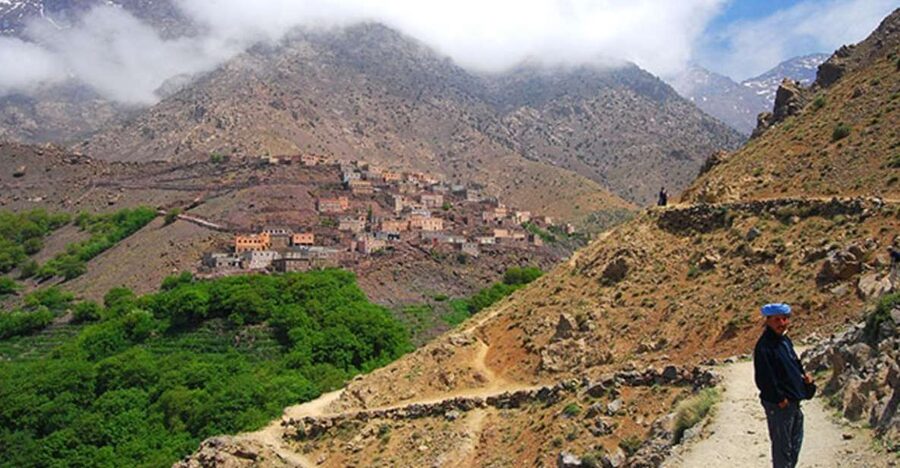
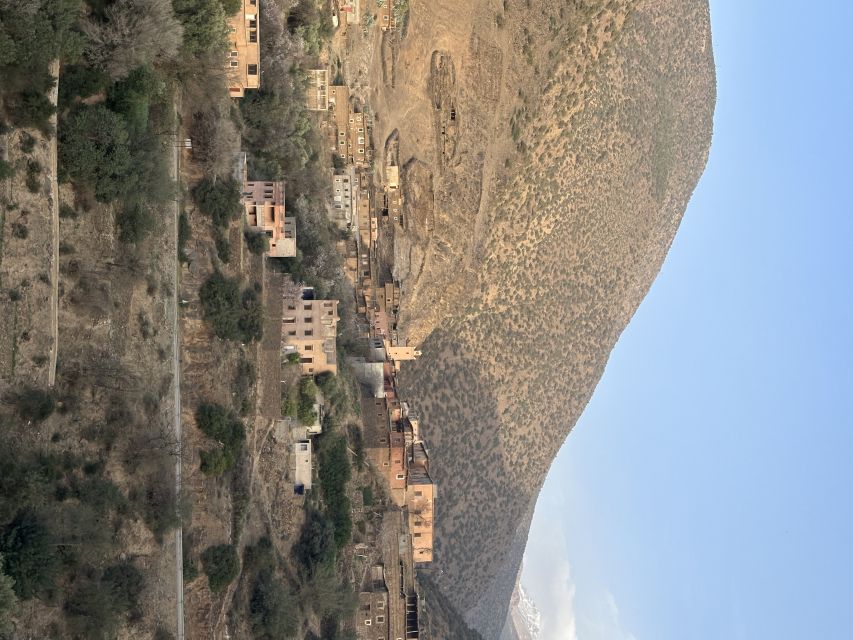
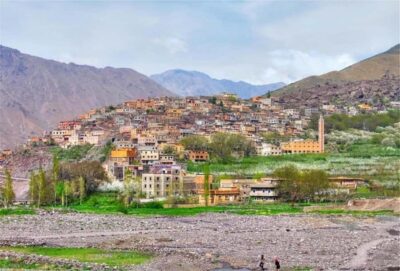
After breakfast, the route follows the Imnane Valley toward Imi Oughlad. You pass through several Amazigh villages, with terraced fields of corn and barley, walnut and cherry trees, and slopes shaped by farming and herding.
The guide adds real value here. A path through a village can look straightforward, but the story of the terraces, the houses, and the movement of livestock is easy to miss when you walk alone. Guides such as Mostafa, Houssain, Mohamed, and Kamal have been praised for explaining village life and adjusting the pace to suit the group.
This is another day of around five hours. The route is scenic, but it is not a flat stroll through a valley floor. You walk up and down hills, cross rough sections, and may encounter loose rock. In winter, rain or snow can change the feel of the trail.
You spend the night in a local guesthouse in Imi Oughlad. One appealing part of the evening is the chance to help prepare dinner with the cook. It gives you a closer look at how the trip operates and turns the meal into part of the cultural experience, not just a service delivered to your table.
Day 3: The red Azzaden Valley and Tizi n’Lbour
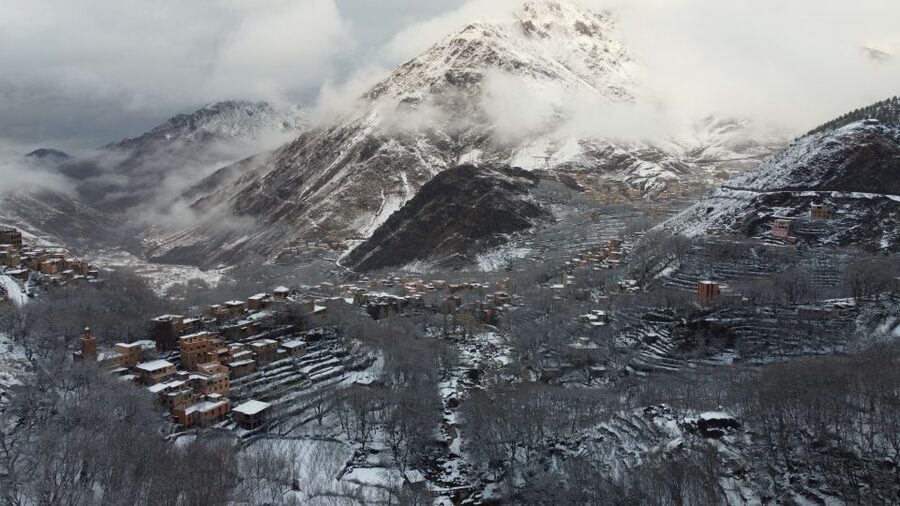
Day three takes you into the Azzaden Valley, often described as the red valley because of its warmer colors and different rock and soil. The change is welcome after two days in the Imnane area. You see another side of the High Atlas without needing to climb a major peak.
The route heads toward Tizi Oussem through an oak park, then rises to Tizi n’Lbour pass. Lunch is served outdoors, followed by a dirt-road walk to the guesthouse. You should expect another five-hour day, with the usual combination of uphill sections, easier stretches, and rough ground.
The night is in Tizi Oussem. A Berber hammam is available for an extra €4, but you need to tell your guide beforehand if you want to try it. This is a useful option after several days of walking, although it should be treated as a local extra rather than part of the tour price.
A village guesthouse is not the place to expect spa-level facilities. The appeal is the setting, the local welcome, and the chance to stay where people actually live. You may find the accommodation rustic, but the blankets and warm tea help make up for the lack of hotel polish.
More Guided Day Hikes in Morocco
- From Marrakesh: Atlas Mountains Talamrout Summit Day Hike
★ 4.9 · 835 reviews - Marrakech: Tedli Summit Atlas Mountains Day Hike & Lunch
★ 4.9 · 668 reviews - From Marrakech: Ouzoud Waterfalls Guided Hike and Boat Trip
★ 4.9 · 161 reviews - Marrakech: Ouzoud Waterfall, Guided Hike, Boat Ride & Lunch
★ 4.7 · 102 reviews
Day 4: Tizi Oussem, Tizi Mezik, and back to Marrakech
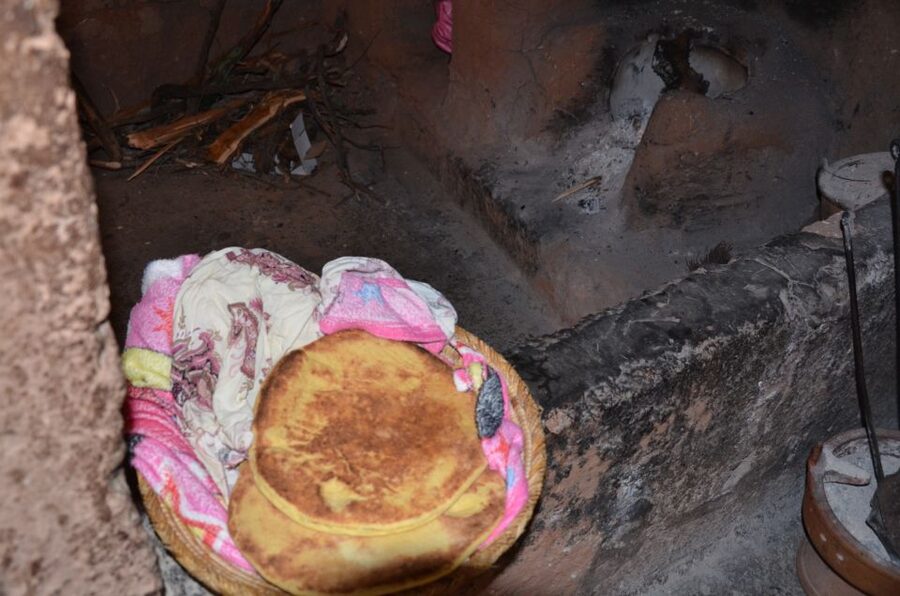
The final day returns toward Imlil. The route passes through a broad juniper forest, with chances to see local herders and their animals. Juniper, oak, and pine give the mountain walking a cooler feel than the dry lower slopes around Marrakech.
Some parts of this day are more challenging. Loose rock can be slippery, and the descent may be harder on your knees than the climb. Good soles matter more than expensive gear. Hiking shoes with firm grip are the most useful item you can bring.
Lunch is served at Tizi Mezik pass, around 2,500 meters. After the meal, you walk downhill to the end point near Imlil, where your transport returns you to Marrakech. The timing of the transfer can depend on your walking pace and the route conditions, so do not plan a tight evening booking in Marrakech.
One point deserves clarification before you pay: the exact route can change. Weather, snow, trail conditions, and group ability may require a different plan. Some departures have followed a modified route, while still keeping the mountain experience intact. Ask what route is currently planned, especially if you are choosing four days mainly for a particular valley or village.
The walking: scenic, steady, and more demanding than it sounds
The stated walking time is roughly five hours per day, but that does not tell the whole story. Mountain trails include climbs, descents, uneven paths, river crossings or streams, and stretches where loose stone slows you down.
One complete trek was estimated at about 50 kilometers over four passes near 2,000 meters. That gives you a better sense of the effort than the word hike. You do not need technical climbing skills, and the peaks are non-technical, but you should be comfortable walking for several hours on consecutive days.
I would rate the trip as suitable for a reasonably active person, not someone who rarely walks. Families can enjoy it together, but children and parents should be honest about fitness and patience. The guide can slow the pace and sometimes offer a more demanding or easier route, though the basic walking commitment remains.
Winter can bring snow and alpine conditions. One departure included deep snow, sunshine, and very cold nights, with the planned route changed to suit conditions. In warmer months, the scenery may look greener, but you still need sun protection, water, and proper footwear.
What the guides and muleteer add
The strongest part of the trip is the local team. Your guide leads the route, explains Amazigh culture and village life, watches the group’s comfort, and communicates with local families. Guides named in the experience include Mostafa, Houssain, Mohamed, Kamal, Hassan, Hamid, and Ibrahim, but your assigned guide may be different.
The cooking team is just as important. A muleteer carries cooking supplies and luggage, then helps provide meals at the guesthouses and on the trail. Fresh food after a long climb becomes one of the pleasures of the day.
Meals are described as generous and varied, with tea served often. You should not expect a restaurant menu or special dietary range unless this is confirmed before departure. If you are a picky eater, tell the provider in advance rather than assuming every request can be met in a remote village.
The mule also changes what you carry. You still need a daypack with warm layers, water, personal items, and anything you need during the day, but your main luggage does not stay on your back. Confirm the luggage arrangement before departure, since one person experienced confusion about which bag the mule would carry.
Guesthouses, village life, and local manners
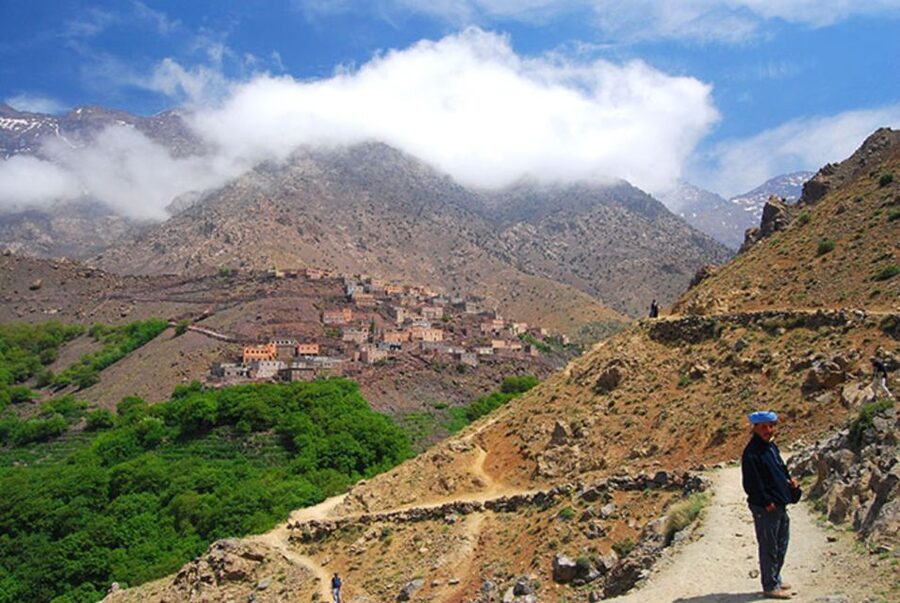
The overnight stays are central to the experience. You sleep in remote villages, sometimes in places you would be unlikely to find on your own. That means you see a quieter side of the Atlas and spend more time around local communities.
The accommodation can range from very rustic to surprisingly comfortable. Blankets are usually plentiful, but cold evenings are common. Bring warm sleepwear, a compact sleeping bag if visiting in winter, and a towel because one may not always be supplied.
Dress with the villages in mind. Clothing that covers your knees and shoulders is respectful and practical. You are walking through working communities, not a resort built for visitors.
The cultural contact is strongest when you stay curious and unhurried. Your guide can explain customs, farming, herding, and village history, while you see terraced fields and homes along the route. This is not a staged folklore show. It is a chance to observe ordinary rural life, so courtesy matters.
What to pack for comfort and safety
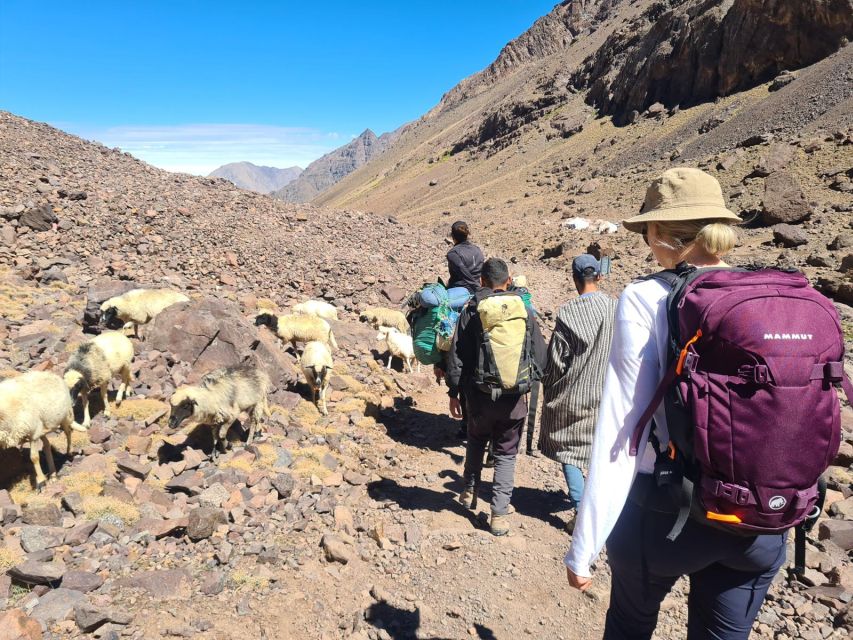
The tour does not include mountain gear, walking shoes, trekking poles, warm clothes, or tips. You should bring:
- Hiking shoes with strong grip
- Warm layers for evenings and high passes
- Comfortable walking clothes
- A small daypack
- A light sleeping bag in cold months
- A towel
- Personal toiletries and basic medication
- A passport
- A walking stick or trekking poles if you use them
Check the forecast before booking and again before departure. Conditions in the mountains can differ sharply from Marrakech. A warm city afternoon does not guarantee a comfortable night at altitude.
The guide is there to support your safety and comfort, but you remain responsible for telling the guide when you are tired, cold, unwell, or struggling with the route. The best groups are honest early, before a small problem becomes a large one.
Who should book this four-day trek?
I would choose this trip if you want rural Morocco, mountain walking, local food, and village stays in one package. It suits people who prefer a moving journey to a single base, and families or friends who want a shared physical challenge.
It is also a good choice if you want a first multi-day trek without technical climbing. The guide, mule, meals, and guesthouses remove much of the planning burden.
I would not choose it if you need private bathrooms, hotel beds, predictable menus, or a fixed timetable. It is also unsuitable for pregnant women and wheelchair users. Anyone with very low fitness should consider a shorter walk or a three-day option instead.
The four-day format gives you more time to see different valleys and sleep in more than one village. But if the final day is shortened or the route returns to Imlil earlier than expected, the extra day may feel less worthwhile. Ask for the current route and overnight plan before booking.
Should you book it?
Yes, if you are prepared for five-hour mountain days and basic accommodation. At $176, the inclusion of transport, three nights, meals, guiding, and luggage support makes this strong value, especially compared with arranging each part separately.
Book it for the Amazigh villages, changing valleys, fresh trail meals, and the quiet of the mountains. Do not book it expecting a soft adventure holiday. Bring grip, layers, patience, and a willingness to adjust when weather or trail conditions change.
Free cancellation up to 24 hours before departure and reserve-now, pay-later terms offer useful flexibility. Pickup is included, though if your riad is not accessible by car, you will be contacted by WhatsApp or email to agree on a meeting point.
FAQ
How long is the Atlas Mountains hike each day?
The first day takes about five to six hours. The second, third, and fourth days are listed at around five hours each, though weather, trail conditions, and group pace can affect the timing.
What valleys does the trek visit?
The route includes the Imnane Valley and the Azzaden Valley. The Azzaden area is also known as the red valley because of its different colors and terrain.
Where do you sleep during the trek?
You stay in local guesthouses in Tachdirt, Imi Oughlad, and Tizi Oussem. The accommodation is basic and may not always provide towels, but blankets are available.
Are meals included?
Yes. All meals are included, with a local cook preparing food at the guesthouses and along the trail. Lunch is served at mountain locations such as Tizi N’Tamater, Tizi n’Lbour, and Tizi Mezik.
Is luggage transport included?
Yes. A mule transports luggage and cooking supplies, allowing you to carry a lighter daypack during the walking sections.
What languages does the guide speak?
Guides are available in Arabic, English, and French.
Do I need hiking shoes?
Yes. Comfortable hiking or walking shoes are required, and shoes with good grip are strongly recommended because some paths have loose or slippery rocks.
Is the trek suitable for everyone?
No. It is not suitable for pregnant women or wheelchair users. The route involves several hours of walking, climbs, descents, and uneven mountain trails, so good general fitness is important.
More Mountain and Summit Hikes in Morocco
- From Marrakech: 3-Day Mount Toubkal Climbing Trek
★ 4.7 · 597 reviews - From Marrakesh: 2-Day Mount Toubkal Trek
★ 4.7 · 591 reviews - From Marrakech: Atlas Mountains Summit Trek
★ 4.9 · 228 reviews - Marrakech: Atlas Mountains Summit Day Trek 2700m
★ 4.9 · 83 reviews
More Mountain and Summit Hikes in Marrakech
- Marrakech: Atlas Mountains & Valleys Waterfall Hike w/ Lunch
★ 4.8 · 1,236 reviews - Marrakesh: 2-Day Mt. Toubkal Trek with 1-Night Stay & Meals
★ 4.7 · 795 reviews - Marrakech: 2-Day Atlas Mountains Trek with Village Stay
★ 4.8 · 717 reviews - From Marrakesh: Zip-Line & Hike in the Atlas Mountains
★ 4.8 · 605 reviews
Just added around Marrakesh
- Ourika Valley Day trip: Hike, waterfall, lunch and Relax★ 4.8 · 73 reviews
- Ouzoud Waterfalls: Majestic Guided Hike and Adventure★ 4.5 · 31 reviews
- Mount Toubkal Trek 2 Days & 1 Night★ 4.5 · 26 reviews
- Marrakech: Ouzoud Waterfall, Guided Hike, Boat Ride & Lunch★ 4.7 · 102 reviews
- Marrakech: Ouzoud Waterfalls Trip, Guided Hike & Boat Option★ 4.8 · 80 reviews
- Marrakech: Atlas Mountains Summit Day Trek 2700m★ 4.9 · 83 reviews
- Marrakech: Ourika Valley Day Trip & Waterfalls Hike & Lunch★ 4.9 · 15 reviews
- Marrakech: Ourika Valley Day Trip & Waterfalls Hike★ 3.7 · 31 reviews
Atlas Mountains Treks, side by side.
Berber villages : Atlas Mountains Day Hike from Marrakech
Read our review →
Atlas Mountains & Valleys Waterfall Hike w/ Lunch
Read our review →
Mt Toubkal Ascent Express Trek 2 Days 1 Nights
Read our review →
2-Day Mt. Toubkal Trek with 1-Night Stay & Meals
Read our review →