
REVIEW · MEXICO
Mexico City: Guided Volcano Trek with Lunch
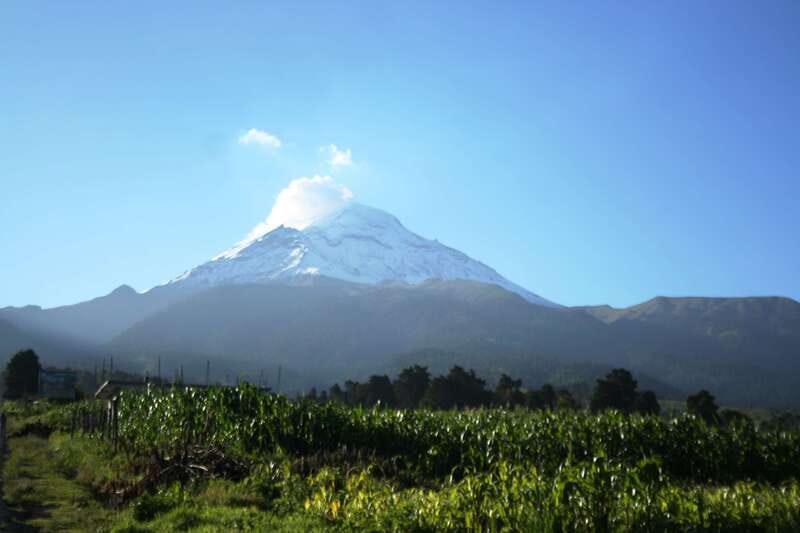
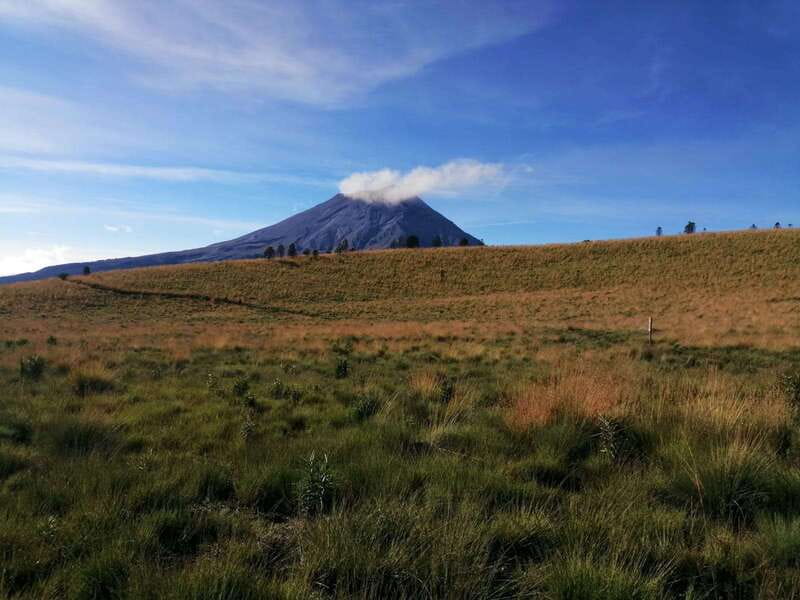
Mexico City is exciting, but its altitude, traffic, and concrete can wear you down. This nine-hour volcano trek trades the city for pine forest, open mountain paths, volcanic ground, and views toward Popocatépetl and Iztaccíhuatl. On clear days, you may even see Popo send up a small cloud of ash.
I like the small-group format, with no more than 13 people, and the care shown by guides such as Alan, Carlos, Bernardo, and César. I also like that the day ends with a proper local meal rather than a rushed sandwich. The main caution is altitude: the route is not technically difficult, but starting around 12,000 feet can make a moderate walk feel much harder.
Key points
- High-altitude walking: The trek begins near 12,000 feet, so your breathing and legs may notice the climb even on an easy trail.
- Two volcano views: Cerro Altzomoni offers a strong viewpoint toward Popocatépetl, including its fumarole when conditions are clear.
- Flexible pacing: Guides have supported mixed fitness levels, added waterfall stops, and adjusted the route to suit the group.
- About 13 kilometers: The full outing can take roughly seven hours on foot, though the exact route and pace vary.
- Local food finish: Lunch at a traditional market may include tacos, quesadillas, snacks, and café de olla.
- Small group value: Transportation, entrance fees, safety equipment, a rucksack, lunch, and accident insurance are included in the $105 price.
Leaving Mexico City for Paso de Cortés
The day starts at México Travesías, in front of the Michoacán Market. From there, you leave the city by van and head toward Iztaccíhuatl-Popocatépetl National Park. The drive takes about two hours, so this is not a quick half-day outing disguised as a full-day tour.
That travel time is part of the bargain. You get a full change of setting, but you also spend several hours in transit. If you want a short escape with only a little walking, this is not the right choice. If you want a full day outside Mexico City, the drive helps carry you from city streets to high mountain country.
The first stop is Paso de Cortés, a mountain pass linked with the two volcanoes. This is where the group begins exploring the lower parts of the volcanic area. The name refers to the route taken by Hernán Cortés before the Spanish conquest, adding a historical layer to a place that is already striking for its geology.
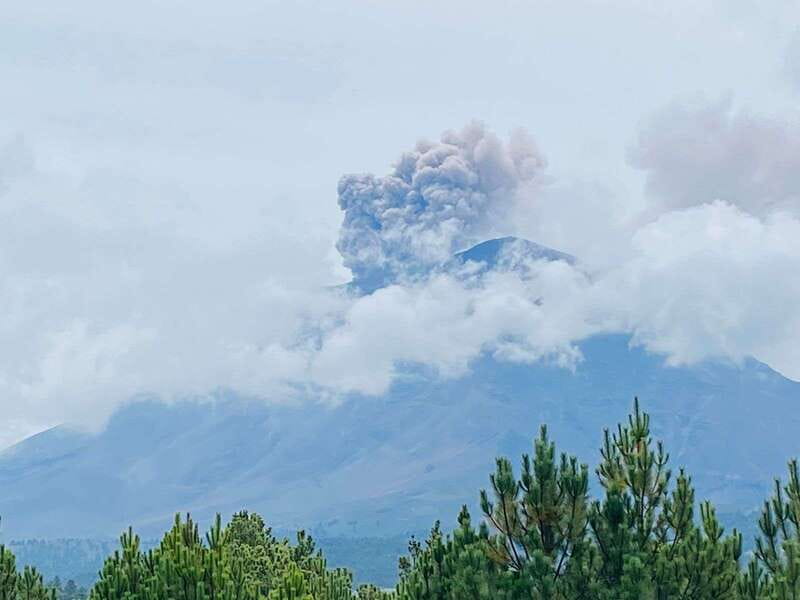
Your guide talks about the volcanoes, their past activity, and their place in local history. Popocatépetl remains active, so the mountain is not simply a scenic backdrop. You may see smoke or a fumarole, though the views depend heavily on cloud cover and weather.
More Volcano Hikes in Mexico
- Iztaccihuatl Volcano Hike with an Alpinist
★ 4.0 · 244 reviews - From Mexico City: Hike Iztaccihuatl Volcano with an Alpinist
★ 4.3 · 155 reviews - Trekking Through The Volcanoes
★ 5.0 · 96 reviews
A high trail toward Cerro Altzomoni
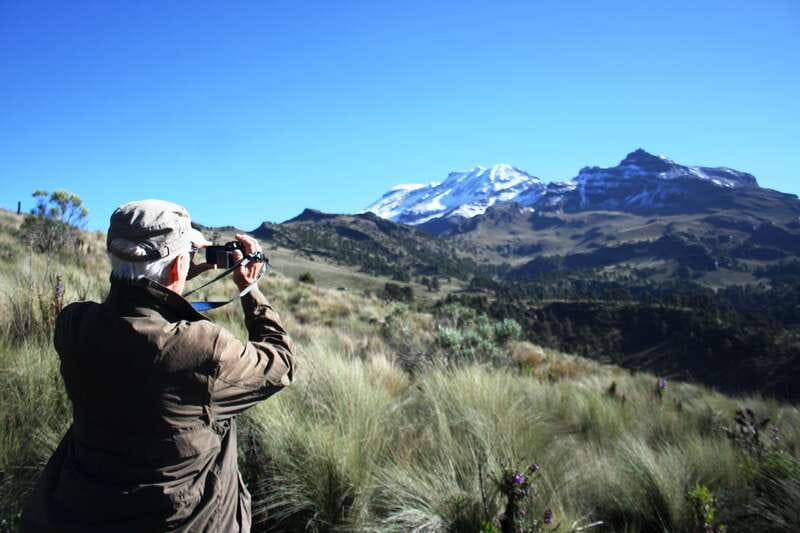
The walking route is best described as a mountain trek rather than a technical climb. You are not being taken to the summit of either volcano. Instead, you walk through the lower volcanic terrain toward Cerro Altzomoni, gaining views of Popocatépetl and the slopes of Iztaccíhuatl.
Several details matter here. The hike can reach around 13 kilometers, and some groups spend close to seven hours on the trail. Other descriptions put the walk at roughly seven or eight miles with about 1,000 feet of climbing. The exact distance varies with the route chosen, group pace, weather, and park conditions.
The trail itself has been described as a bush track and narrow path, with forest, meadow, volcanic rocks, and mountain plants. It is not especially technical, but the altitude adds a serious catch. A walk that would feel easy at sea level can leave you short of breath here.
I would not book this as a casual stroll. You should be comfortable walking for several hours and handling uneven ground. At the same time, you do not need to be an expert mountaineer. The guides regularly set a gentle starting pace, stop for rests, and allow the group to settle into the height before pushing farther.
César has been praised for checking on each person, taking short breaks, and pointing out succulents, mushrooms, and other vegetation. Bernardo has handled groups with very different fitness levels, allowing people to walk at their own speed. In one difficult group, he even carried two rucksacks for part of the route. That sort of attention matters more here than a fast pace.
Popocatépetl, Iztaccíhuatl, and the chance of ash
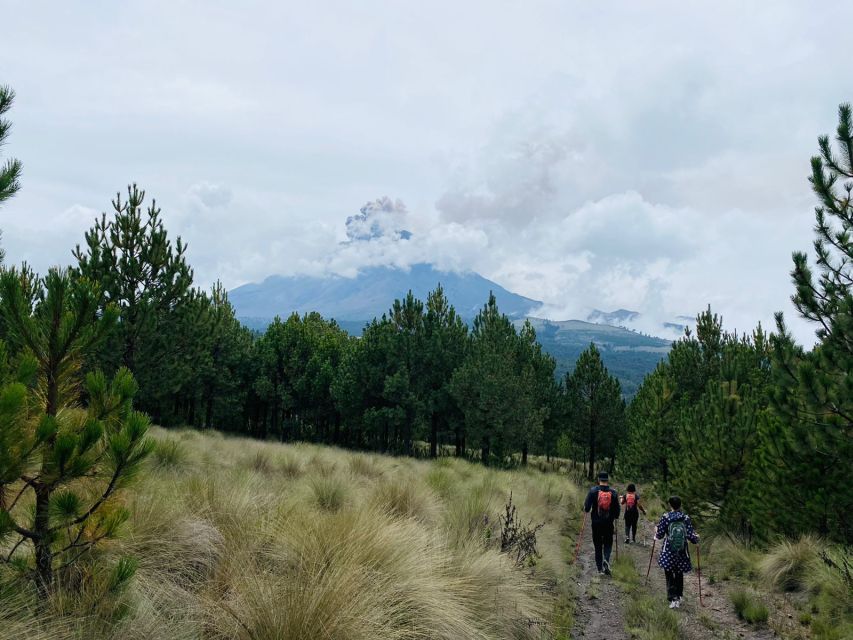
The biggest reward is the view toward Popocatépetl. Known as Popo, the volcano is active, and on a clear day you may see smoke or a small release of ash from its fumarole. One outing included several visible eruptions. Of course, volcanic activity and visibility cannot be promised, so do not book this expecting a dramatic plume on schedule.
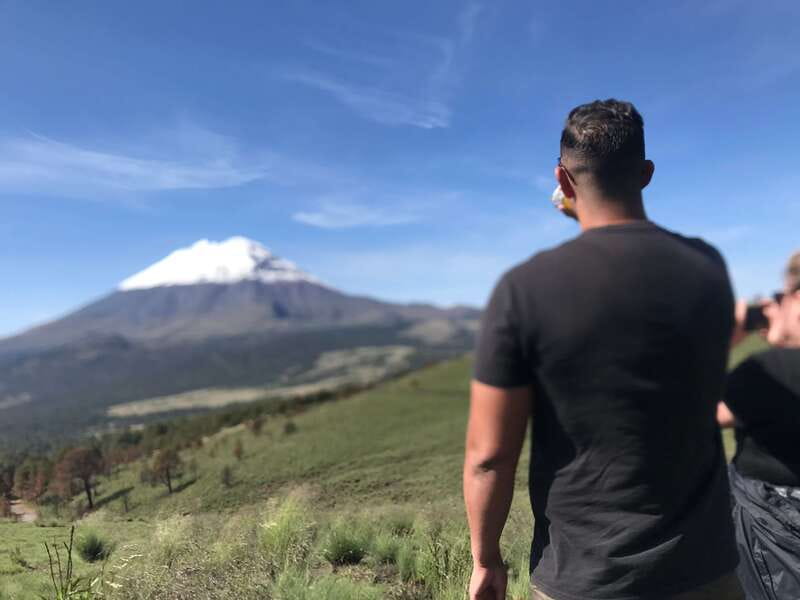
Iztaccíhuatl, often called the Sleeping Woman because of the shape of its peaks, gives the route a second major focal point. The trek moves in the direction of its lower slopes while keeping Popocatépetl in view during parts of the walk. On very clear days, you might also see Pico de Orizaba in the distance.
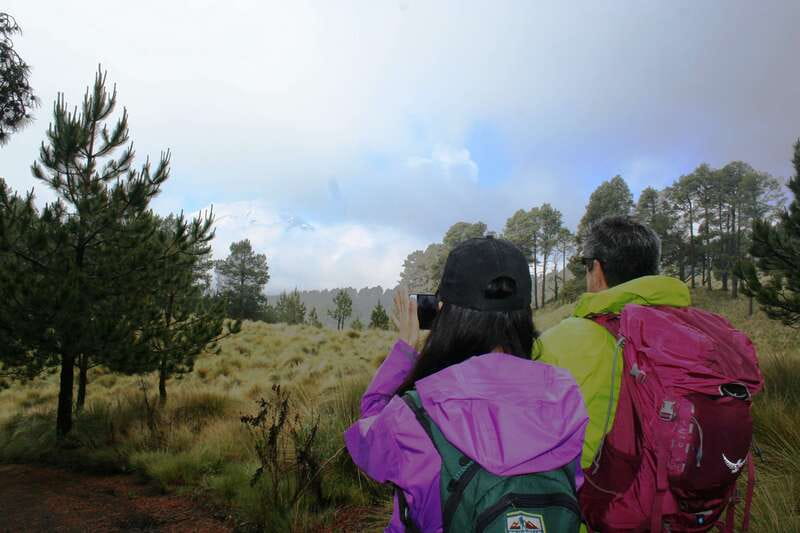
Clouds can change the day. Some outings have had clean views of both volcanoes, while others have found the peaks hidden. That does not make the park worthless. Mist can give the pine forest a quiet, almost storybook feel, and the plants, rock, and open meadows remain worth seeing. Still, if volcano views are your main reason for booking, check the forecast and keep your expectations flexible.
At Cerro Altzomoni, your guide explains the volcanoes and points out the fumarole. This is the natural high point of the route, even though you are not climbing to a summit. Bring your camera, but also give yourself time to look around. The scale of the peaks is easier to appreciate when you stop trying to photograph every angle.
Forest, ravine, and native plants
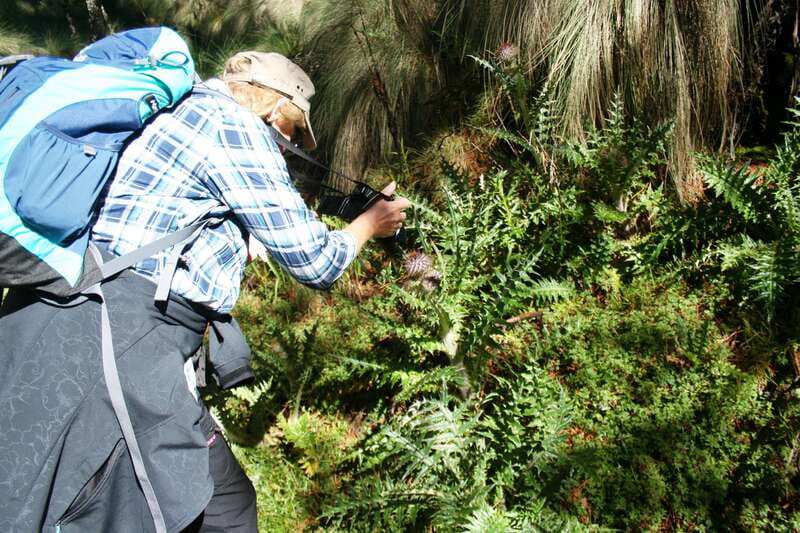
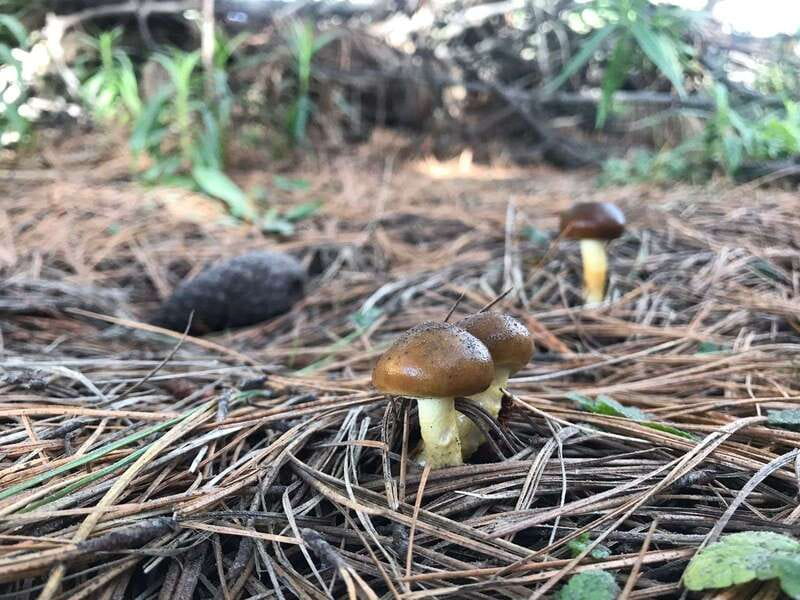
After the higher viewpoint, the route descends toward the Amalacaxco Ravine. The change in direction brings different views and a closer look at the park’s plant life. You may see mountain grasses, pine forest, succulents, mushrooms, and other native vegetation.
The descent is not automatically easy. At altitude, tired legs can make downhill walking awkward, especially on loose volcanic ground. Good hiking shoes are the sensible choice. Sneakers may work for the easier version in dry conditions, but the supplied advice is to bring hiking shoes, and I would follow it.
Some guides offer route choices. A longer option may include a waterfall, and one group chose a path with two waterfalls after the original park route was partly closed. This flexibility is useful, but it also means your exact day can differ from another group’s day.
Park access and conditions can change. A Monday visit, for example, involved a partial closure, but the guide still found an enjoyable route. Ask your guide what is open that day instead of assuming the advertised path will be identical.
The wildlife here is more about small discoveries than guaranteed sightings of large animals. Your guide can help you notice native plants, fungi, and signs of life that you might walk past alone. That makes the experience more than a long uphill walk, especially if you enjoy learning how high mountain ecosystems work.
Same trailheads, a different kind of day:
- Matacanes : Canyoning + Hiking + Water Jumps + Rappel + Caves
★ 5.0 · 1,497 reviews - Nido de los Aguiluchos, Monterrey: Hiking + Rock Climbing + 3 Rappels
★ 5.0 · 713 reviews - Puerto Vallarta: Full Day Hike to 6 Hidden Beaches & Snorkel
★ 4.8 · 403 reviews - Los Cabos: Hiking at the Fox Canyon with Waterfall
★ 5.0 · 369 reviews
Lunch at a traditional market
After returning to Paso de Cortés, you drive back toward Mexico City and stop for lunch at a traditional market. This is one of the best parts of the day because it shifts the experience from mountain scenery to local food.
The meal is included, and the food may feature tacos, quesadillas, snacks, and café de olla. Some guides also prepare sandwiches, drinks, and local snacks for the trail, often eaten with a view of Popocatépetl. The exact food arrangement can vary, so think of it as a generous local meal rather than a fixed restaurant menu.
The market stop gives you a chance to eat the way people do in a working local setting, not in a restaurant built mainly for tour groups. That is a real advantage. One past assessment found the lunch setting less clean and comfortable than expected, so you should be prepared for a simple market environment. The food has generally been a strong part of the day, but the setting may be basic.
You will likely appreciate the meal more after several hours outside. Bring enough personal water and snacks if you know you eat often, even though the guides provide food and drinks. A warm drink such as café de olla can be especially welcome after the cold mountain air.
What the $105 price really covers
At $105 per person, this is not just a guided walk. The price includes transportation from the meeting point, a qualified guide, park entrance fees, rucksack rental, safety equipment, lunch, and accident insurance.
That package has good value if you would otherwise need to arrange a vehicle, find the park entrance, manage mountain safety, and locate a local meal on your own. The guide also removes much of the guesswork around route choices and changing park conditions.
The value is less clear if you only want a short nature outing. The nine-hour schedule includes a long drive, and the full route can take much of the day. You are paying for transport, planning, access, and guidance as much as for the walking itself.
A group of up to 13 is small enough for personal attention, though it is not a private tour. Some dates have ended up with only two or three people, which creates a very flexible experience. On a full departure, the pace will naturally be shaped by the slowest member of the group.
Free cancellation up to 24 hours before departure and reserve-now, pay-later booking make it easier to fit the outing into a changing Mexico City plan. The important thing is to leave enough room in your schedule for a full day, rather than trying to squeeze this between major city sights.
Fitness, altitude, and what to bring
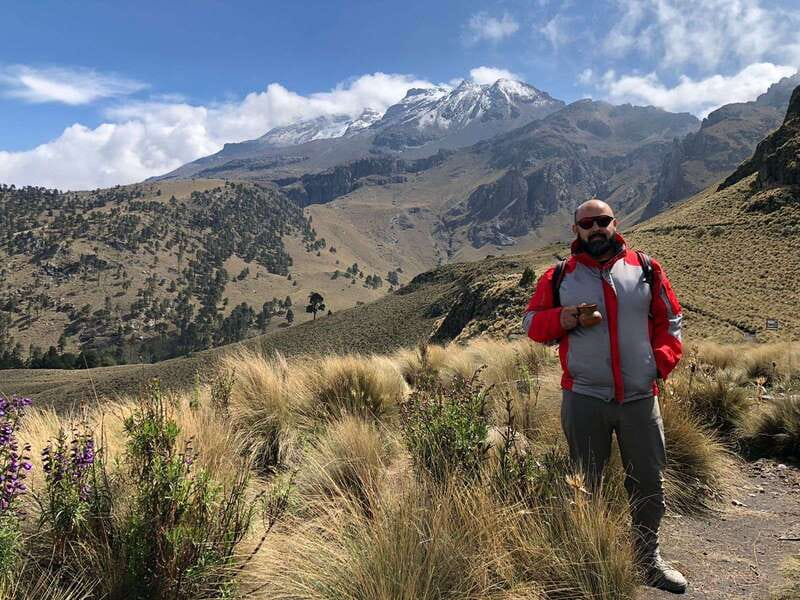
The strongest practical advice is to respect the altitude. One person described the trail as easy from a technical point of view but challenging because of the height. Another called it a 13-kilometer hike that was manageable but not easy. Those descriptions fit together: the path is not a mountaineering route, yet the air can make it demanding.
Do not schedule this for the morning after you arrive in Mexico City if you are not used to high altitude. Spending a couple of days in the city first may help you adjust. That advice is especially useful because Mexico City is already high, and the national park trail starts considerably higher.
Bring:
- Hiking shoes with a secure sole
- Sunscreen
- A warm jacket
- Gloves
- Comfortable clothes
- Water and any personal snacks you prefer
The weather can shift, and clouds can hide the volcanoes. A jacket is not optional comfort here. Gloves are also sensible for cool conditions near the pass and higher points.
The activity is listed as unsuitable for pregnant people and those with back, mobility, heart, or haemophilia-related concerns. If any of those apply to you, do not assume that a patient guide can make the outing safe. One guide did accommodate a participant who needed a slower pace, but that individual experience should not override the stated restrictions.
Language, guides, and group atmosphere
Tours are available in English and Spanish. The guide is the difference between a simple walk and a useful introduction to the park. Alan has been praised for patience and for supplying well-organized backpacks, snacks, and encouragement. Carlos has led route changes and waterfall options while keeping the group comfortable.
Bernardo is a particularly good fit for mixed-ability groups because he has allowed people to walk at different speeds and helped with rucksacks. César has focused on short breaks, personal check-ins, and identifying plants and fungi. Alberto has also been praised for friendliness and for sharing information about the area.
Names and assignments can change, so you may not get a particular guide. The common thread to look for is a guide who will slow down, explain the area, and keep the group together. That matters more than chasing one specific name.
The overall rating is 4.7 from 242 ratings, with especially strong praise for the guides, views, local food, and organization. The less positive points are practical ones: altitude, a long day, changing visibility, and one complaint about a van without air conditioning and an unappealing lunch setting.
Should you book the volcano trek?
Book this experience if you want a full day in the mountains, enjoy walking for several hours, and like the idea of pairing natural scenery with a local meal. It is a strong choice for escaping Mexico City without arranging a complicated independent trip.
You should be comfortable with altitude, uneven paths, and the possibility of a 13-kilometer day. I would also leave your schedule open afterward, since the route, lunch, and drive can make this a tiring outing.
Skip it if you need a short, low-effort excursion, have a medical condition listed in the restrictions, or would be disappointed by clouds blocking the volcanoes. For the right person, though, this is a valuable change of pace: active Popocatépetl, quiet mountain paths, native plants, and tacos after a long walk.
FAQ
Where does the tour meet?
Meet at México Travesías, in front of the Michoacán Market.
How long does the experience last?
The full activity lasts about nine hours, including transportation, the trek, and the lunch stop.
How far is the hike?
The route can be about 13 kilometers, though the exact distance may vary with the group, route, and park conditions.
Is this a technical mountain climb?
No. The route is described as a trail or bush-track hike rather than a technical climb, but the high altitude can make it physically challenging.
How high does the hike begin?
Some descriptions place the starting point around 12,000 feet. That height can make a moderate walk feel harder than expected.
Can I see an active volcano?
The route gives you views of Popocatépetl, an active volcano, and its fumarole. Smoke or ash may be visible, but weather and volcanic activity are unpredictable.
What languages are available?
The live guides speak English or Spanish.
Is lunch included?
Yes. Lunch at a traditional market is included, along with transportation, entrance fees, a rucksack, safety equipment, and accident insurance.
What should I bring?
Bring hiking shoes, sunscreen, a jacket, comfortable clothes, and gloves. You may also want personal water and snacks for the long walking day.
More Trips with Lunch around Mexico
- From Tromsø: Snowshoeing Hike with Picnic Lunch and Photos
★ 4.9 · 840 reviews - Wailua River Kayak and Sacred Falls Guided Hike with Lunch
★ 5.0 · 783 reviews - Private Yellowstone Tour: ICONIC Sites, Wildlife, Family Friendly Hikes + lunch
★ 5.0 · 739 reviews - Marrakech: Tedli Summit Atlas Mountains Day Hike & Lunch
★ 4.9 · 668 reviews
More Hikes with Lunch in Mexico
- From Marrakech: Atlas Mountains Full-Day Hiking Trip w Lunch
★ 4.8 · 7,417 reviews - Marrakech: Ourika Valley Trip with Waterfall Hike & Lunch
★ 4.9 · 5,303 reviews - Marrakech: ourika valley lunch & guided hike to waterfalls
★ 4.9 · 3,737 reviews - Marrakech: Atlas Mountains & Valleys Waterfall Hike w/ Lunch
★ 4.8 · 1,236 reviews
Just added around Mexico
- Hidden Waterfalls Hiking Adventure★ 5.0 · 148 reviews
- Hiking Jorullo Point★ 5.0 · 138 reviews
- Hiking Climbing And Rappelling In The Eaglets Nest★ 5.0 · 31 reviews
- Private Hiking to La M in Chipinque Ecological Park★ 5.0 · 28 reviews
- From Mexico City: Hike Iztaccihuatl Volcano with an Alpinist★ 4.3 · 155 reviews
- Trekking Through The Volcanoes★ 5.0 · 96 reviews
- Hike and Yoga Jungle Experience in Mexico★ 5.0 · 163 reviews
- Puerto Vallarta: 4-Hour Jungle Hike and Waterfall Swim★ 4.8 · 163 reviews
Volcano Hikes, side by side.
Sunrise Mount Batur Guided Hike with Breakfast
Read our review →
Mount Batur Sunrise Guided Hike and Natural Hot Spring
Read our review →
Mount Etna: Summit Guided Hiking Tour up to 3,400 m
Read our review →
Mount Etna: Trek to 3000m with cable car and 4×4
Read our review →
Mount Batur Sunrise Trek With Guide and Breakfast
Read our review →
Mount Batur Sunrise Hike and Natural Hot Spring Option
Read our review →
Mount Etna: Summit Crater Trek with Cable Car
Read our review →This walk also sits in