
REVIEW · SRI LANKA
Night Hike to see Elusive & Rare Loris in Sigiriya
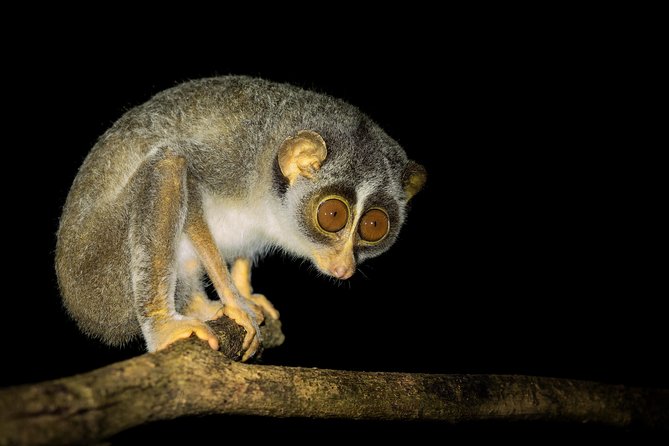
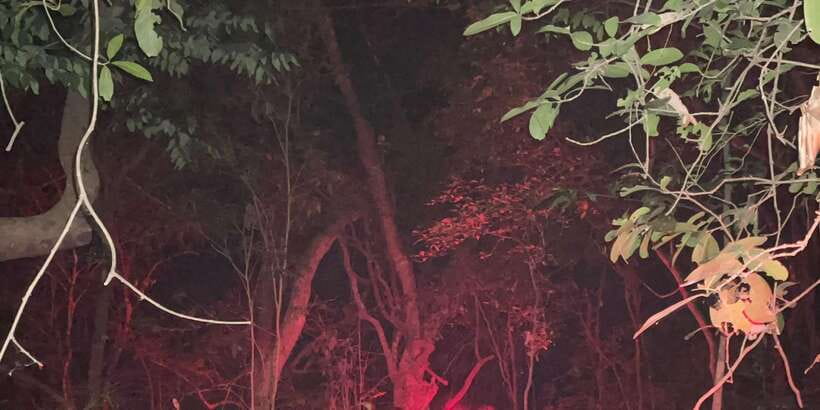
The main event here is a search for lorises, tiny, wide-eyed primates that wake after sunset and move through the trees with remarkable care. You walk into Pidurangala’s jungle with an expert naturalist, headlamp in hand, listening for the night sounds and scanning the branches above.
I like two things right away: the advertised 90% success rate gives you a fair shot at seeing the animal you came for, and the conservation focus adds meaning beyond a simple wildlife outing. The main consideration is that lorises are wild and shy. Even on a good night, your sighting may be brief or high in the canopy, especially during rain or a bright full moon.
Key points
- Expect a real wildlife search: You walk through jungle trails rather than visit an enclosure or fixed viewing platform.
- Small groups help: The group is limited to eight people, and some departures have only a few participants.
- Headlamps are supplied: Reviews describe receiving lamps before setting out, so you do not need to bring special lighting.
- Rain and moonlight matter: Wet weather can send lorises into cover, while a full moon may make them hide deeper in the jungle.
- The walk is short but active: Allow about 1.5 to 2 hours, with long pants, sleeves, and closed shoes required.
- You have a booking safety net: The experience advertises a money-back guarantee if no loris is seen, along with free cancellation up to 24 hours before the tour.
Searching Pidurangala After Dark
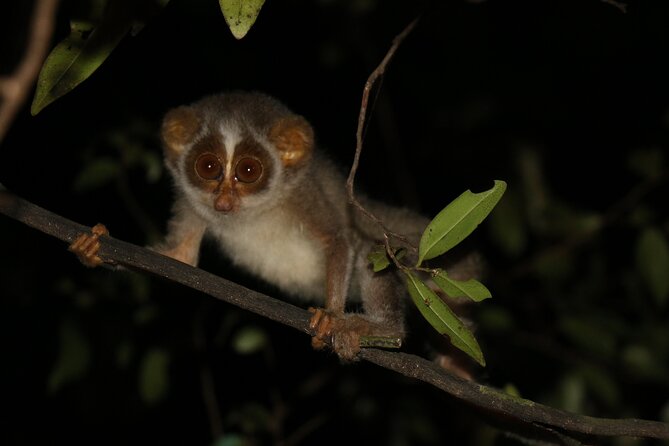
This is not a standard sightseeing walk with a neat sequence of stops. It is a patient search through the wooded area around Pidurangala, near Sigiriya, where your guide looks into the branches and listens for movement.
You meet at ROCKO’S Vegetarian Cafe on the Sigiriya road. The starting point gives the outing a simple, informal feel. From there, the guide gathers the group, explains the plan, and introduces you to the loris and the wider night ecosystem.
The attraction is the change in mood after sunset. In daylight, the Sigiriya area is known for ancient sites and dramatic rock formations. At night, your attention shifts to smaller things: a pair of reflective eyes, the rustle of leaves, a sleeping bird, or an insect glowing faintly in the dark.
That change makes this a useful addition to a daytime visit to Sigiriya. You are not trying to repeat the day’s sightseeing. You are seeing a different side of the area, one that rewards quiet attention rather than a camera checklist.
More Night Hikes in the world:
- Fortress Night Hike & Snack at a Local Market
★ 5.0 · 112 reviews - 2 Day 1 Night Trek / Colca Canyon
★ 4.5 · 92 reviews - Tenerife: Teide Night Hike to Watch Sunrise and Shadow
★ 5.0 · 91 reviews
The Introduction Before the Walk
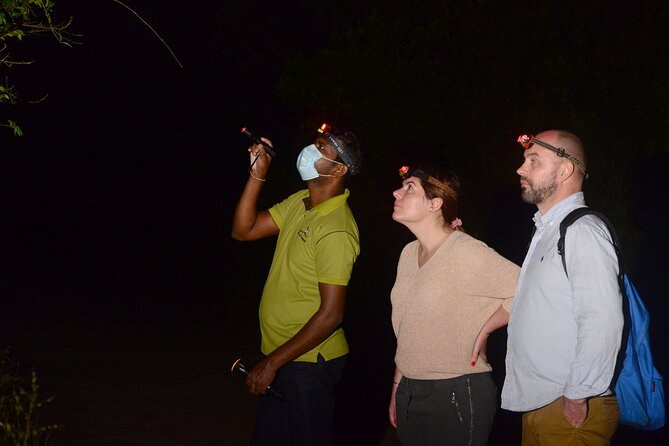
The outing begins with an explanation of lorises and their habitat. The presentation has been described as a short PowerPoint-style briefing, followed by practical guidance before the group heads outside.
I consider this part important, not filler. Loris watching makes more sense when you understand why the animal is difficult to spot. These primates are nocturnal, cautious, and slow moving. Your guide can explain what to look for and help you understand why a small movement in the canopy may matter.
The introduction also gives the activity a conservation angle. Back of Beyond presents its work as connected to protecting lorises and their habitat, and several visitors specifically valued the fact that money supports habitat care. That does not turn the walk into a formal conservation project, but it gives your payment a purpose beyond entertainment.
You may also receive a drink before setting out. Once the briefing ends, the guide supplies the needed gear. Headlamps are specifically described in the experience feedback, and they make a big difference on a dark trail. You should still bring your own phone or camera if you want pictures, but do not expect every sighting to produce a clear photograph.
A Short Jungle Walk With Serious Wildlife Spotting
The route through Pidurangala is described as a guided walk or hike lasting roughly 1.5 to 2 hours. The duration is short enough to fit comfortably into an evening, but you should not think of it as a casual stroll on a paved path.
You move through jungle surroundings after dark, so the guide’s role matters. Rather than simply leading from point A to point B, the guide searches the trees and points out animals you might miss. The best guides slow the group down when needed, keep the light controlled, and help everyone understand what they are seeing.
The group size is capped at eight. That is a useful limit for a night wildlife walk, since too many lights and voices could make the search harder. Some departures may be much smaller. One late arrival resulted in a private outing, while another evening had just two people with two guides. You should not count on a private tour, but small numbers are clearly part of the experience’s character.
Expect the pace to vary. At one moment you may walk steadily along the trail. At another, the group may stop while a guide studies a tree. That waiting is part of the activity. If you need constant movement, this may feel slow. If you enjoy the suspense of finding a well-camouflaged animal, the pauses are where the fun begins.
What You Might See Besides a Loris
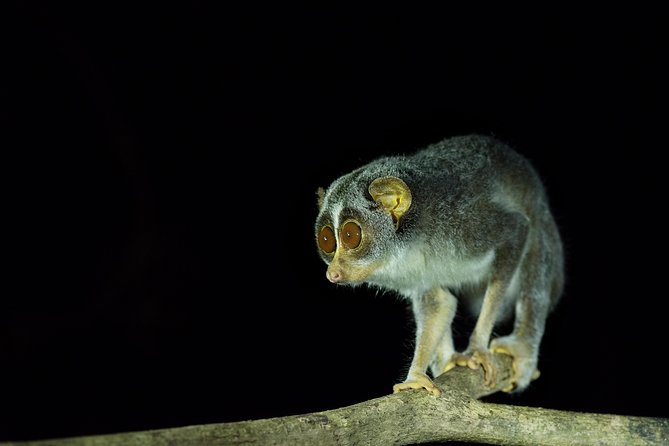
Lorises are the headline act, but the night walk can reveal other creatures. Sightings described during the outing include sleeping birds, bioluminescent insects, unusual nests, a kangaroo lizard, a gecko, and mouse deer, including an adult with a young one.
These extra sightings matter because they keep the walk worthwhile even during a difficult loris search. After heavy rain, one group spent much of the walk seeing other night wildlife before finally finding a loris near the end. That kind of delayed success is very possible here.
Your guide can also explain how the night ecosystem works. You might hear crickets and owls, notice movement in the foliage, or learn why certain creatures are active after dark. The point is not only to collect a sighting. It is to learn how much life continues once the popular attractions close.
The most memorable encounter may be a close one, with a loris moving through the branches above your head. But you should keep your expectations sensible. The animal may be several meters away, partly hidden, or visible for only a short time. The guide may find it more easily than you can, especially if you are not used to scanning dark trees.
More Evening Trips around the world:
- Stromboli: Sunset Trekking at Sciara del Fuoco
★ 4.6 · 1,372 reviews - Etna Sunset Tour: Volcano trek, Cave & tasting from Catania
★ 4.8 · 1,290 reviews - The Volcano Heart Tour: Hiking, Tasting and Sunset Experience
★ 5.0 · 1,120 reviews - Cape Town: Lion’s Head Sunrise or Sunset Hike
★ 5.0 · 1,084 reviews
Your Chances of Seeing a Loris
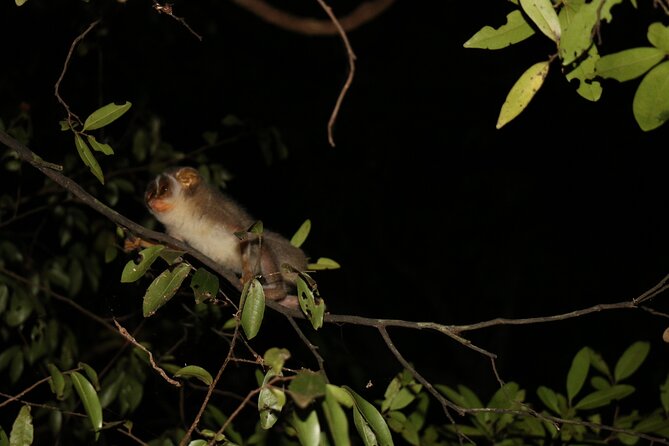
The experience advertises a success rate of more than 90 percent, which is unusually encouraging for a wild-animal encounter. Several outings resulted in sightings of three, four, five, or even six lorises, and one group saw two animals with one especially clear view.
Still, a high success rate is not a promise of a close encounter. Weather and moonlight can change the result. Rain may keep lorises tucked away, while a bright full moon can make them hide farther inside the jungle. One group initially found nothing during a rainy stretch, then located five or six animals after conditions improved. Another group saw a loris only after nearly giving up.
The advertised money-back guarantee if no loris is spotted adds useful reassurance. You should check the exact booking terms before paying, but it shows that the operator recognizes the main question most people have: will I actually see the animal?
For the best chance, follow the clothing advice and listen closely to the guide. Avoid treating the outing as a loud social walk. Quiet attention helps you hear small movements and gives the guide a better chance to work.
Why the Conservation Angle Adds Value
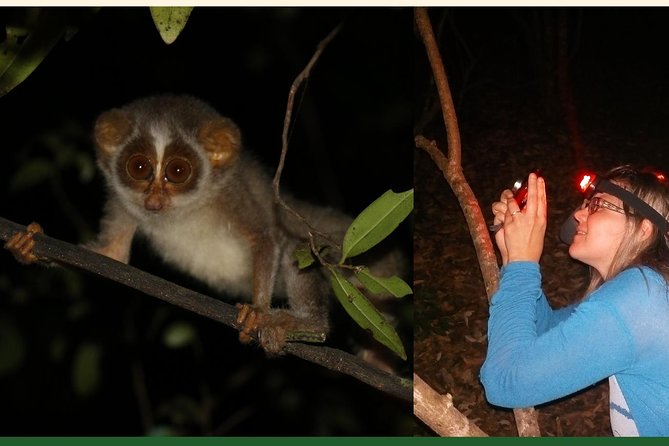
Many wildlife activities talk about nature while offering little context. This one puts loris protection near the center of the experience. Back of Beyond is described as a conservation organization as well as a tour provider, and the guides are presented as passionate about protecting the animals and their habitat.
That gives the briefing more weight. You are not simply being shown a cute animal for a quick photograph. You are learning about a species that depends on the surrounding habitat and can be difficult to see because of its nocturnal behavior.
I also like the ethical tone described for the walk. The aim is observation in the wild, not handling or feeding. You should expect the guide to point out animals and explain their behavior rather than bring them close for a staged encounter.
Keep in mind that conservation claims should not replace sensible questions. If this aspect matters to you, ask how your payment supports habitat work and follow the guide’s instructions about lighting, noise, and distance. Responsible behavior is part of making the experience worthwhile.
Price, Timing, and Practical Value
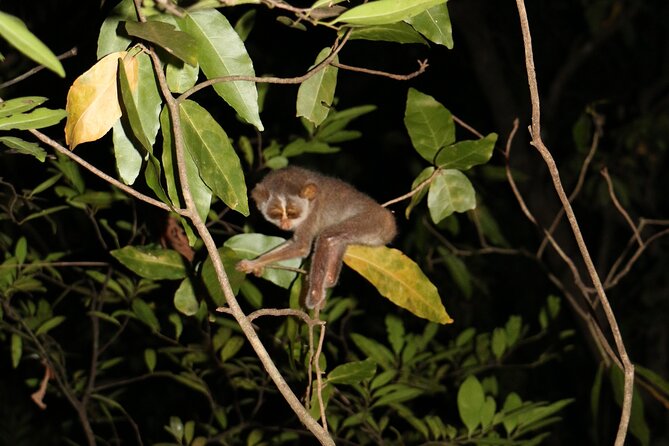
The price is $64 per group of up to two people. For a couple, that works out to $32 per person, which is fair for a small-group wildlife experience led by a naturalist and supported with equipment.
For one person, the value is less obvious because the price is still quoted per group. The limited group size, the guide’s specialist role, and the strong chance of seeing a loris help justify the cost, especially compared with spending an evening on another generic activity.
The listed duration is 1.5 hours, while the walking plan is also described as about two hours. Treat this as a compact evening outing and allow a little extra time around the start and finish. The walk returns to ROCKO’S Vegetarian Cafe, so you end where you began.
English is the stated tour language. Free cancellation is available up to 24 hours ahead, and you can reserve now and pay later. Those policies are useful if your Sigiriya schedule depends on weather, road conditions, or other day trips.
One practical warning comes from a rainy arrival complicated by elephants on the road. The group arrived more than an hour late, yet the guide arranged another outing. Do not assume every delay can be handled the same way, but contact the operator promptly if weather or road conditions affect your arrival.
What to Wear and Carry
Wear long pants, a long-sleeved shirt, and closed-toe shoes. This is not just a dress suggestion. You are walking through jungle surroundings at night, and covered clothing is the sensible choice.
Headlamps and necessary gear are provided. Even so, you may want a phone with enough battery for navigation and photos, though you should use it discreetly during sightings. Avoid bringing anything that makes noise or requires frequent adjustment.
A camera with a strong zoom could help, but do not buy special equipment solely for this walk. Low-light photography is difficult, and the experience is better when you watch the animal rather than spend every second trying to capture it.
The route is short compared with a full-day hike, but you should be comfortable walking on jungle trails after dark. The supplied information does not give a detailed accessibility description, so ask the operator directly if uneven ground or nighttime walking is a concern.
Who Will Enjoy This Most
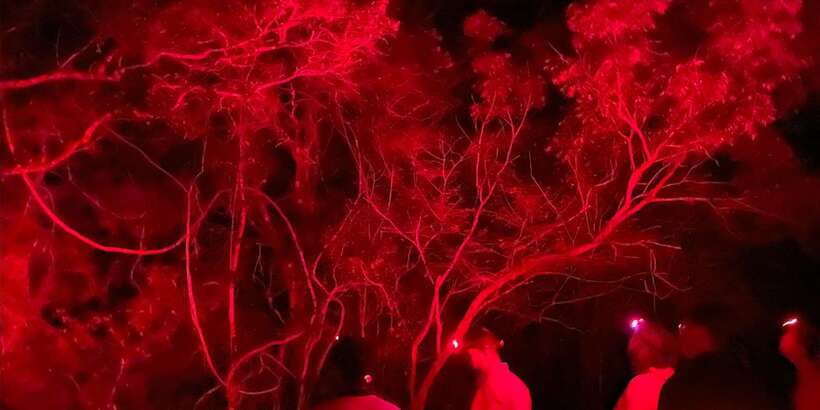
I would choose this for nature lovers, first-time wildlife watchers, photographers who understand that sightings can be unpredictable, and anyone with a free evening in Sigiriya.
Families with older children may also enjoy it, provided everyone can follow quiet walking instructions and manage the jungle setting. The small group format helps, but the experience is still based on patience rather than constant entertainment.
You may want to skip it if you dislike darkness, insects, uneven trails, or waiting quietly for an animal that may remain hidden. It is also not the right choice if you need a guaranteed close-up photograph.
For most people, the short duration is a strength. You can visit Sigiriya or Pidurangala during the day, rest, eat, and then return to the same area for a completely different kind of outing.
Should You Book the Loris Night Hike?
I would book this if you want an ethical, focused wildlife experience rather than another sightseeing stop. The high sighting rate, small groups, supplied headlamps, and strong naturalist input make it a good use of an evening in Sigiriya.
Go in with realistic expectations. You may see several lorises, or you may wait through rain and find one small animal at the last moment. That uncertainty is not a flaw in the wild setting, but it is something you should accept before booking.
The best reason to choose this outing is the combination of a real search and a conservation message. You get a good chance to see a rare nocturnal primate, while also learning why its habitat matters. If that sounds better than another evening indoors, reserve it, wear proper clothing, and keep your eyes on the trees.
FAQ
Where does the night hike begin?
The meeting point is ROCKO’S Vegetarian Cafe in Pidurangala, on the Sigiriya road. The walk returns to the same cafe.
How long does the experience last?
The duration is listed as 1.5 hours, while the walking plan describes about two hours. Check the available start time and allow some flexibility around the stated duration.
What are the chances of seeing a loris?
The experience advertises a success rate of more than 90 percent. Sightings can still be affected by rain and a bright full moon, which may cause lorises to hide.
What should I wear?
Wear long pants, a long-sleeved shirt, and closed-toe shoes because the route goes through jungle surroundings at night.
Is equipment provided?
Necessary gear is provided, and headlamps are specifically used for the walk. You should still bring your own phone or camera if you want photographs.
How many people can join the group?
The small group is limited to eight participants. The price is $64 per group of up to two people.
What happens if no loris is seen?
The experience advertises a money-back guarantee if no loris is spotted. Confirm the precise terms when booking.
Just added around the world
- Rovaniemi: Korouoma Frozen Waterfalls Hike & Hot BBQ Lunch★ 4.9 · 90 reviews
- Hidden Waterfalls Hiking Adventure★ 5.0 · 148 reviews
- Hike to Frozen Waterfalls of Korouoma Including BBQ Lunch from Rovaniemi★ 5.0 · 84 reviews
- Private Family Hike in Yosemite★ 5.0 · 37 reviews
- Private Guided Hiking Tour in Yosemite★ 5.0 · 94 reviews
- Guided Yosemite Hiking Excursion★ 5.0 · 80 reviews
- Yosemite Valley Private Hiking Tour★ 5.0 · 83 reviews
- Snowdon Sunrise Hike★ 5.0 · 105 reviews
Night Hikes, side by side.
Sedona Dark Sky Sunset & Night Hike With a Private Guide
Read our review →This walk also sits in