
REVIEW · VIETNAM
Sapa: 3-Day, 3-Night Trek and Hotel with Overnight Train
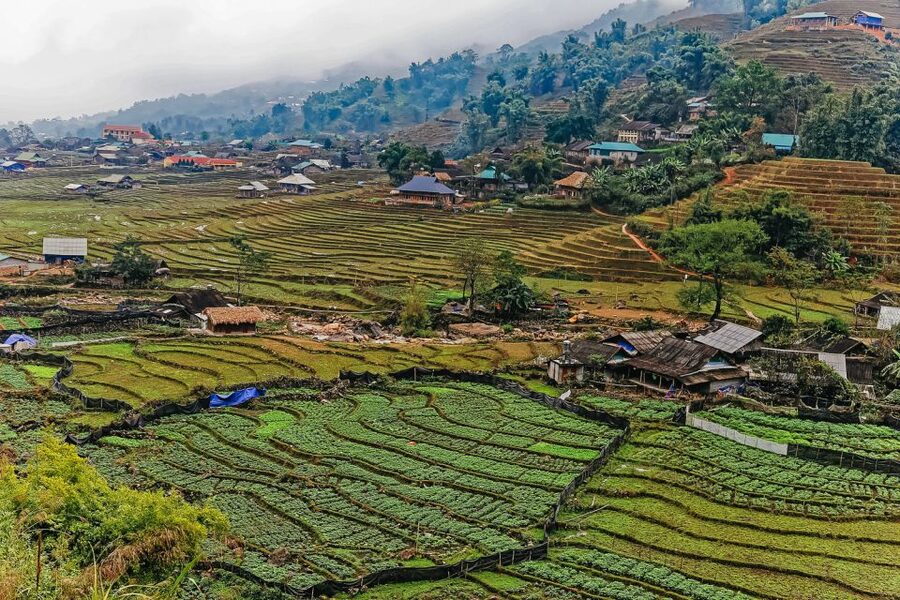
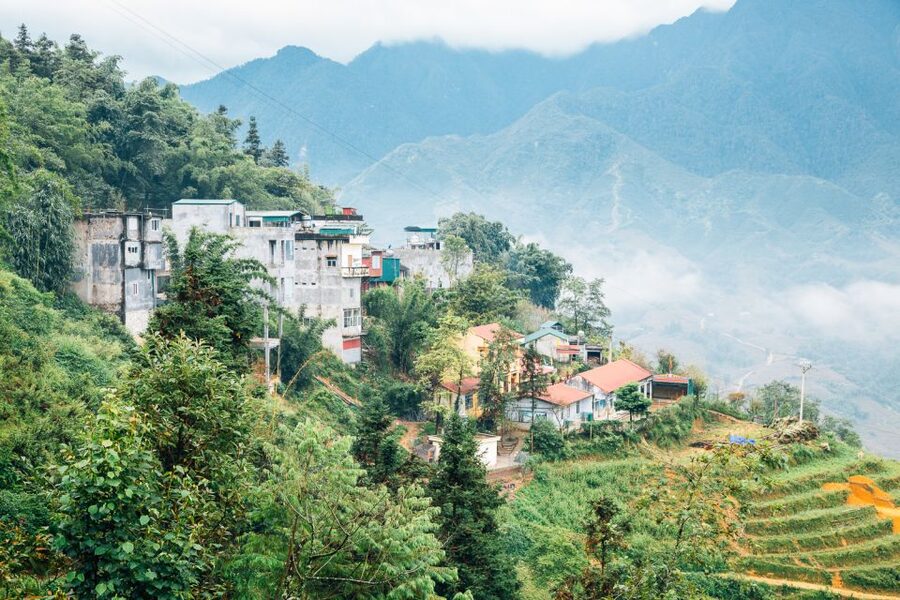
Sapa’s best moments come on foot, among rice terraces and hill villages rather than from the town’s busy center. This trip gives you that slower view, with a night in Ta Van village and visits to Hmong, Dzay, and Red Dao communities.
I like the practical mix of an overnight train and a hotel in Sapa, so you get both a local homestay and a proper room. I also like the small-group feel reported on several departures, plus guides such as Su Su, Ai, Mai, and Chu, who make time for questions and photographs. The main caution is the 9-kilometer trekking day, which can be tough in rain, fog, or slippery conditions.
Key points to know before booking
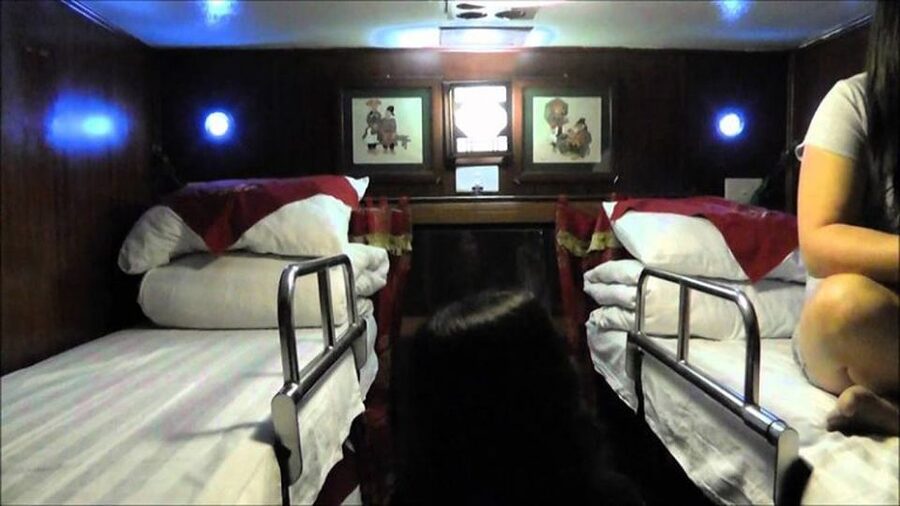
- Overnight train from Hanoi: You travel in a shared four-berth, air-conditioned cabin from Hanoi to Lao Cai.
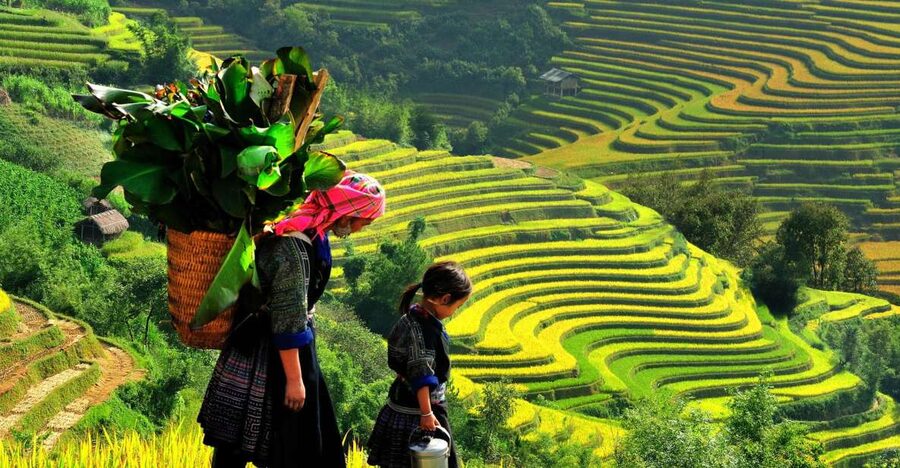
- Three different hill communities: The route visits Hmong, Dzay, and Red Dao villages, each with its own setting and daily traditions.
- Ta Van homestay: Your overnight stay is with the Dzay people, giving you more contact with village life than a hotel alone.
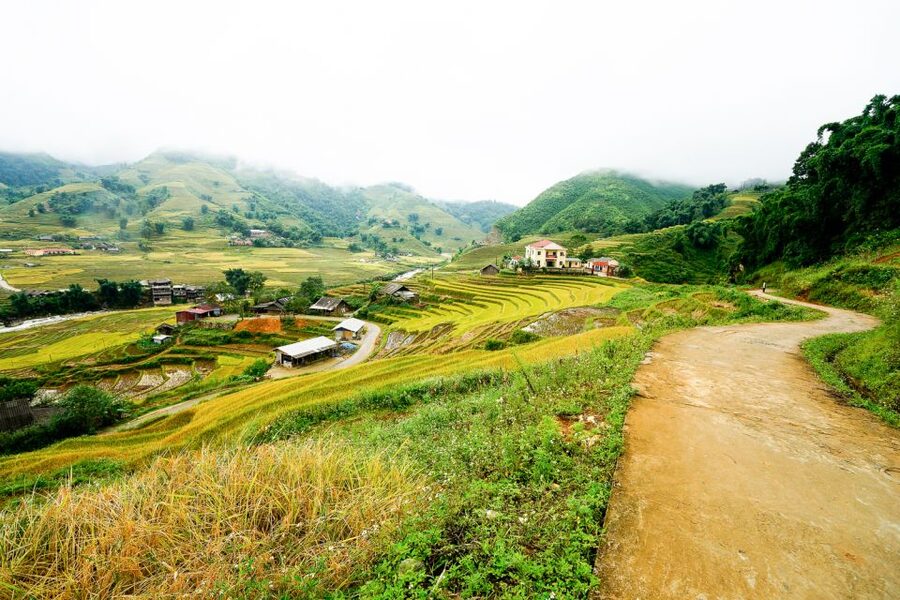
- A full trekking day: The Muong Hoa Valley route includes Y Linh Ho, Lao Chai, and Ta Van, with rice terraces and village paths.
- Comfort mixed with rough edges: You get a three-star Sapa hotel and meals, but the train can be noisy and the mountain weather changes fast.
- Village selling pressure: Local women and children may follow the group or offer handicrafts, so stay close to your guide and decide in advance how you want to respond.
What the $212 price buys you
At $212 per person, this is not simply a guided walk. The price covers the overnight train, transfers, one hotel night, one homestay night, meals listed in the schedule, a local English-speaking guide, village sightseeing fees, and the ride back toward Hanoi.
That package makes sense if you want someone else to join the separate pieces. Doing this independently means arranging a train berth, Lao Cai transfer, Sapa hotel, village guide, meals, and a return vehicle. Here, those connections are handled for you, which matters after arriving from an overnight train at about 6 AM.
The value is strongest for a first visit to Sapa or for a short Vietnam trip. You see several villages without spending a week in the mountains, and you avoid losing a full daytime period to the journey from Hanoi. The trade-off is a fixed schedule and shared transport. If you want quiet trails, long lunches, or the freedom to change villages at will, a private departure may suit you better.
Drinks are not included, and you should carry Vietnamese dong. Banking in Sapa can be unreliable, though US dollars, euros, and Australian dollars are accepted there. Small expenses add up at meals and village stops, so cash is more useful than a card.
More Night Hikes in Hanoi:
- Fortress Night Hike & Snack at a Local Market
★ 5.0 · 112 reviews - Night Hike to see Elusive & Rare Loris in Sigiriya
★ 4.5 · 101 reviews - 2 Day 1 Night Trek / Colca Canyon
★ 4.5 · 92 reviews
Night 0: boarding the train in Hanoi
The trip begins in the evening. You either arrange pickup from a hotel in Hanoi’s Old Quarter or reach Hanoi Railway Station yourself by about 9 PM. Staff provide your tickets, and the train leaves at about 10 PM for Lao Cai.
If you meet the staff at the station, go to the elevator, take it to the second floor, and continue to gate 2A. A taxi can be arranged if you need help getting from your hotel to the station, but hotels outside the Old Quarter require a different meeting-point arrangement.
The shared cabin has four berths, air-conditioning, and soft beds. That is more comfortable than a standard seat, but do not expect a silent hotel room. The train can be noisy and bumpy, and using the toilet may be awkward. You also may not get your preferred upper or lower berth, so pack a small bag with your water, warm layer, earplugs, and essentials before placing larger luggage away.
This train ride is part of the experience, not just a transfer. You wake near Lao Cai and move straight into the mountain portion of the trip. Still, light sleepers should know that the overnight journey is one of the less polished parts of the package.
Day 1: Sin Chai and your first Sapa evening

You meet your guide at Lao Cai station and take a shared minibus to Sapa, arriving around 6 AM. The group transfers luggage to the hotel, then has breakfast there before the first walk.
Your room may not be ready until 2 PM. Early check-in costs extra if you want a private place to rest immediately, so plan to use breakfast and the morning walk as your transition from the train.
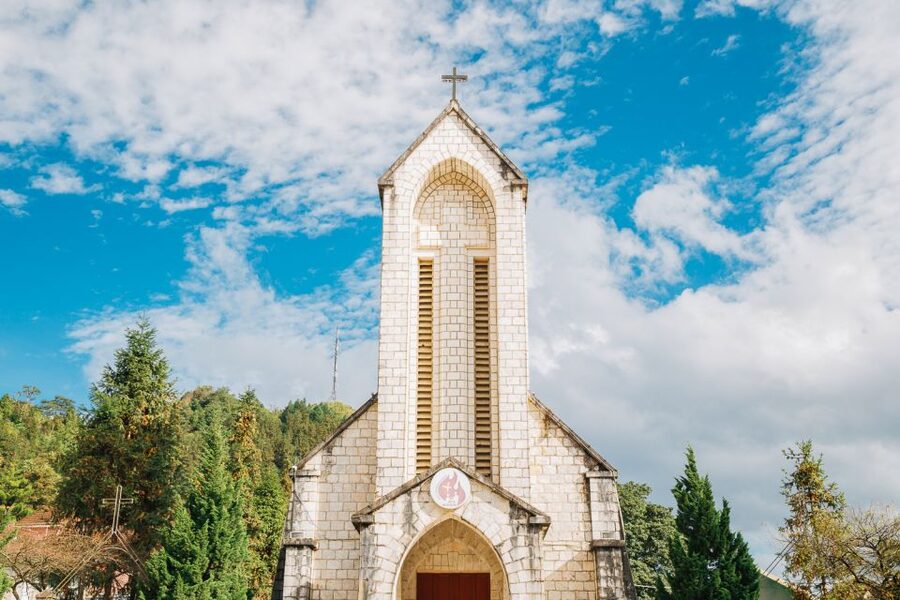
The first route heads southwest from Sapa to Sin Chai, about 2 kilometers from town. Black Hmong families live here, and the village is described as simpler and more rural than central Sapa. That difference matters. Sapa town has plenty of shops, cafés, and tour traffic, while Sin Chai gives you an early look at ordinary highland life.
The walk is a useful warm-up, though the wording of the schedule suggests a proper village trek rather than a short city stroll. Wear shoes with grip. Sapa’s paths can become slick after rain, and fog is common from December through March.
After the morning outing, you return to the hotel for lunch and free time. Use this pause to rest, sort your luggage, or walk around central Sapa. Dinner is at about 6 PM, leaving time to see the town after dark. Roasted corn and baked eggs beside a charcoal fire are among the local evening snacks mentioned for this part of the trip.
You sleep in a three-star hotel in Sapa center. That night is a useful comfort break before the longer valley trek. It also means you are not spending every night in basic mountain accommodation.
Day 2: the Muong Hoa Valley trek

This is the central trekking day. After breakfast, you walk along the side of Muong Hoa Valley toward Y Linh Ho, a village associated with the Black Hmong. The route then continues down to Lao Chai, another Hmong village.
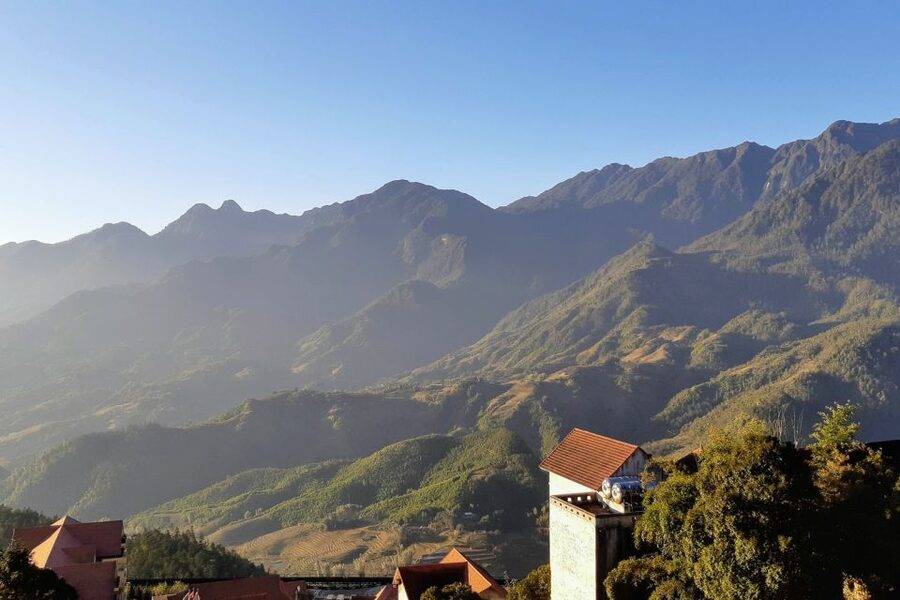
The appeal here is the change in scale. From Sapa, the valley opens into terraced fields, village paths, and steep mountain views. You are not merely stopping for a photograph from a road. You are walking between communities, which gives the scenery a more useful context.
Lunch comes during the route before you continue through rice terraces toward Ta Van. The full walk is about 9 kilometers, so this is the day to take the fitness warning seriously. It is not recommended for older people or children, and it is unsuitable for anyone with mobility limitations.
Weather can change the character of the walk. In dry conditions, you can stop for photographs and enjoy the terraces at a steady pace. In heavy rain, the same route becomes demanding. Bring trekking shoes, sun cream, sunglasses, insect repellent, and a warm layer. From September through March, Sapa is normally cold, while December through March can bring fog that cuts down the distant views.
Ta Van is home to the Dzay minority, and you spend the night in a village homestay. This is the part of the trip most likely to give you a closer sense of local hospitality. You share a home rather than simply checking into another hotel, and the setting puts you near village life after the day’s walking.
Expect a simpler stay than in Sapa. The homestay is described as clean and welcoming, but you should not book this trip expecting hotel-style privacy. Solo visitors may have a supplement for two nights, described as one hotel night and a private bungalow or homestay arrangement at the time of booking. Confirm that charge before paying.
Meals are included as listed, and the food receives some of the warmest praise attached to this experience. Drinks are extra, so buy water when you have the chance and keep cash handy.
More Train Rides around Hanoi:
- Explore Sa Pa with Overnight Train & Sleeper Bus & Trekking
★ 3.9 · 7 reviews - Machu Picchu: 5-Day Salkantay Trek with Panoramic Train
★ 5.0 · 79 reviews - Saint Kitts Train Trek
★ 4.0 · 60 reviews - Cusco: 4-Day Lares Trek to Machu Picchu with Panoramic Train
★ 4.9 · 20 reviews
Day 3: waterfalls, bamboo, and the road back

After breakfast in Ta Van, you continue toward Giang Ta Chai and Su Pan. This section visits Red Dao and Hmong villages and adds more variety to the route.
A waterfall and Rattan Bridge are among the day’s main points. You also pass through bamboo forest, with views across the surrounding scenery. These stops break up the walking and offer more than a series of village visits. You get water, forest, bridges, and mountain paths in one morning.
The exact pace depends on weather, group fitness, and the guide. One useful feature is the time allowed for photographs and stops, particularly on departures led by guides such as Mai. If you want to understand what you are seeing, ask questions as you walk rather than waiting for formal explanations at each stop.
Eventually, you reach the main road and take a vehicle back to Sapa. Around 2 PM, you collect your belongings and prepare for the return trip. The limousine ride to Hanoi is scheduled to arrive around 8 to 9 PM, with hotel drop-off in the Old Quarter listed as part of the arrangement.
There is a practical warning here. One account describes difficulty getting a hotel transfer on arrival in Hanoi and confusion around late-night drivers, while the stated schedule includes hotel drop-off. I would confirm the exact final drop-off point and arrival time before departure, especially if you have a late connection or a hotel outside the Old Quarter.
Meeting Hmong, Dzay, and Red Dao communities
The cultural side of this trip works best when you approach it with patience and respect. The villages are not museum displays. People are going about daily work, including farming, cutting wood, making clothing, and sending children to school.
A stop at a local handicraft center shows women exchanging skills. You may see traditional clothing work and have a chance to buy handmade items, but you should not feel pressured to purchase. The route also passes several communities where local residents may offer bags, textiles, bracelets, or other goods.
The operator warns that local people may accompany the group for much of the trek, ask for money, or sell items at high prices. This is a real part of the Sapa experience, and it can be uncomfortable. Some walkers find the conversations friendly, while others dislike the repeated sales approach.
My advice is simple: decide your limit before you start. If you want to buy something, compare prices and do so because you like the item, not because you feel cornered. If you do not want to buy, say no politely and keep walking with your guide. Do not blame the guide for every interaction, but do ask the guide to help if the attention becomes too strong.
The guides and group arrangements
The guide can shape this trip more than the hotel rating. Named guides connected with enjoyable departures include Su Su, Ai, Mai, and Chu. They are described as friendly, easy to talk with, and able to explain local life while leaving time for photographs.
A small group is a plus on narrow paths. It is easier to keep the pace together, hear the guide, and stop without blocking the trail. Private groups are available if you want more control over timing or prefer not to share the walking pace with strangers.
Solo visitors should pay close attention to the meeting instructions. One solo departure involved different people and guides on different days, which made meeting points less clear. That does not ruin the trip, but you should keep the local operator’s contact details and ask exactly where to meet after each transfer.
The tour is offered with an English-speaking guide. If you want detailed cultural discussion, ask questions directly and early. Guides can often explain the difference between communities more clearly when you point to something you have just seen.
Packing for mountain weather and shared transport
Pack light for the trek, but keep the basics close:
- Shoes with good grip
- Warm clothes, including a scarf and hat
- Sunglasses and sun cream
- Insect repellent
- Personal medicine
- Vietnamese dong
- A small overnight bag for the train and homestay
Sapa’s weather is unpredictable. It can be cold from September to March, and fog may appear from December through March. Rain changes the walking conditions quickly, so a waterproof layer is sensible even though it is not specifically listed among the required items.
Alcohol and drugs are not allowed on the activity, and pets are not permitted. The route is not suitable for wheelchair users or people with mobility impairments.
Who should book this Sapa trek
I would choose this trip if you want a compact introduction to northern Vietnam and prefer a planned route over arranging every transfer yourself. It suits active adults who can manage a 9-kilometer mountain walk and are comfortable with basic homestay conditions.
It is also a good fit if you want more than a quick viewpoint stop. Sin Chai, Y Linh Ho, Lao Chai, Ta Van, Giang Ta Chai, and Su Pan give you several settings, while the homestay adds a night away from Sapa’s hotel zone.
I would think twice if you need guaranteed quiet, a private train berth, a fully flexible schedule, or easy walking. Families with young children, people with mobility problems, and anyone uneasy with steep or wet paths should choose a gentler Sapa plan.
Free cancellation is available up to 24 hours before departure, and you can reserve now and pay later. Those policies help if your Vietnam route is still changing, but they do not remove the need to check the train berth, solo supplement, hotel location, and final Hanoi drop-off.
Should you book it?
Book this tour if you want the main Sapa experience in a short window: overnight train, Muong Hoa Valley trekking, a Dzay homestay, a central hotel, and a scheduled return to Hanoi. The strongest parts are the village-to-village walking, the range of ethnic communities, the well-liked local guides, and the mix of comfort with genuine mountain travel.
Skip it if you want a quiet private escape or cannot manage a demanding 9-kilometer day. For most active first-time visitors, $212 is a fair price for the amount of transport, lodging, food, and guiding included, as long as you accept the noisy train, changing weather, shared arrangements, and persistent village selling.
FAQ
How long does the Sapa trek and train trip last?
The activity lasts about 3 to 3.5 days. It begins with an overnight train from Hanoi to Lao Cai, includes three days connected with Sapa, and ends with a limousine ride back toward Hanoi.
Where do I sleep during the trip?
You spend one night in a shared four-berth, air-conditioned train cabin, one night in a three-star hotel in Sapa center, and one night at a homestay in Ta Van Village.
Is the train cabin private?
No. The included train accommodation is a shared four-bed cabin. You may not be able to choose an upper or lower berth.
How difficult is the trekking?
The route includes a trek of about 9 kilometers and is not recommended for older people or children. It is also not suitable for people with mobility impairments or wheelchair users.
What communities will I visit?
The route visits villages connected with the Black Hmong, Dzay, Red Dao, and Hmong peoples. Stops include Sin Chai, Y Linh Ho, Lao Chai, Ta Van, Giang Ta Chai, and Su Pan.
Are meals included?
Breakfast, lunch, and dinner are included where marked in the schedule. Drinks and meals not listed are not included.
Can I cancel the booking?
You can cancel up to 24 hours in advance for a full refund. Reserve now and pay later is also available.
More Three-Day Trips around Hanoi
- 3-Day Trekking Adventure of Sapa from Hanoi – Stay Ta Van Village
★ 5.0 · 611 reviews - From Hanoi: Trek and Stay: 3-Day Sapa Highlands Adventure
★ 4.6 · 152 reviews - From Hanoi: 3-Day Sapa Trekking with Limousine Transfer
★ 4.3 · 30 reviews - Hanoi- SaPa: 3-Day Homestay Trek to Explore Ethnic cultures
★ 4.5 · 29 reviews
More Evening Trips around Hanoi
- Hanoi – Sapa 2 Days 1 Night Overnight At Homestay
★ 5.0 · 899 reviews - Sapa 3 Days 2 Nights Trekking Tour (1 Night In Ta Van Village, 1 Night In Hotel)
★ 5.0 · 699 reviews - Hanoi – Sapa 3 Day 2 Night Trekking With Hotel & Homestay
★ 5.0 · 389 reviews - Hanoi – Sapa 2 Days 1 Night Overnight At Local Homestay
★ 5.0 · 233 reviews
Just added around Hanoi
- Explore Sa Pa with Overnight Train & Sleeper Bus & Trekking★ 3.9 · 7 reviews
- Sapa 2-Day Trekking Tour – Explore Villages & Scenic Trails★ 4.9 · 46 reviews
- Hanoi- SaPa: 3-Day Homestay Trek to Explore Ethnic cultures★ 4.5 · 29 reviews
- From Hanoi: Ninh Binh Boat Ride, Mua Cave Hike, Temple Visit★ 4.7 · 146 reviews
- From Hanoi: Hoa Lu, Hang Mua Hike, Tam Coc Boat, and Lunch★ 4.4 · 28 reviews
- From Hanoi: Trek and Stay: 3-Day Sapa Highlands Adventure★ 4.6 · 152 reviews
- From Hanoi: 3-Day Sapa Trekking with Limousine Transfer★ 4.3 · 30 reviews
- From Hanoi: 2-Day Sapa-Fansipan Peak & Trek & Ha Giang Bus★ 4.8 · 52 reviews
Night Hikes, side by side.


Sedona Dark Sky Sunset & Night Hike With a Private Guide
Read our review →

This walk also sits in