
REVIEW · VIETNAM
Hanoi- SaPa: 3-Day Homestay Trek to Explore Ethnic cultures
Sa Pa’s best moments come on foot, far from the town’s busy streets. This three-day trek takes you through Hmong, Giay, and Red Dzao villages, with two nights in family homestays rather than conventional hotels. You’ll see rice terraces, bamboo forest, a rattan bridge, and valley views that change quickly with the weather.
I like the chance to meet local families over meals, especially when the hosts invite you into the kitchen. I also like the small group, capped at 14 people, and the care shown by guides such as Su and Sang. The main drawback is the overnight bus: it gets you from Hanoi to Sa Pa cheaply, but the ride can be dirty and uncomfortable, and the first morning starts after very little sleep.
Key points to know before booking
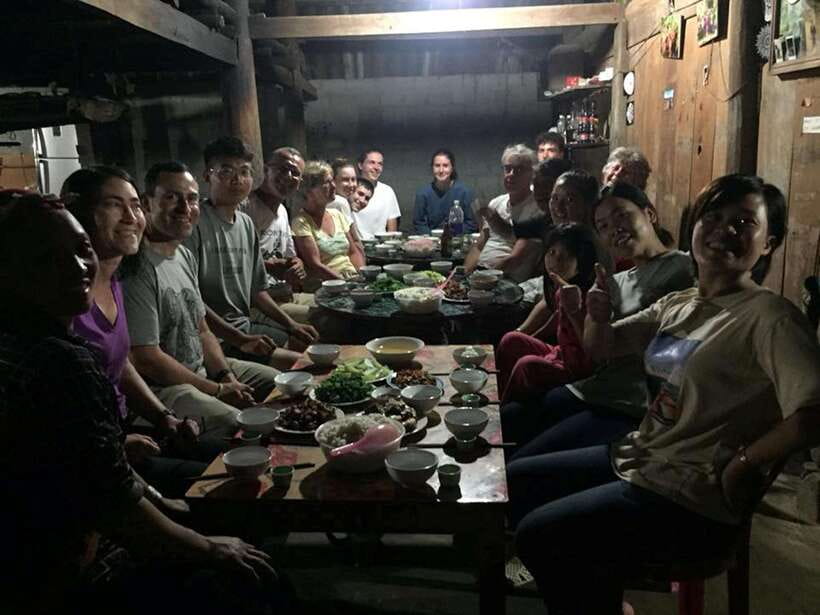
- Two genuine homestay nights: Sleep in Ta Van and Ban Ho, with local dinners and a closer look at village life.
- Three ethnic communities: Walk through Hmong, Giay, and Red Dzao villages, each with its own customs and traditions.
- A demanding walking program: Expect several hours of trekking on uneven village paths, bamboo trails, and rural footpaths.
- A long transport schedule: Leave Hanoi around 8:45 PM, reach Sa Pa around 4:00 AM, and return to Hanoi close to 10:00 PM on the third day.
- Strong local guiding: Guides such as Su and Sang have been praised for their kindness, flexibility, and village knowledge.
- Good value at $139: Transport, guide, accommodation, six meals, mineral water, and a small group are included, though drinks and personal costs are extra.
What this Sa Pa trek is really like
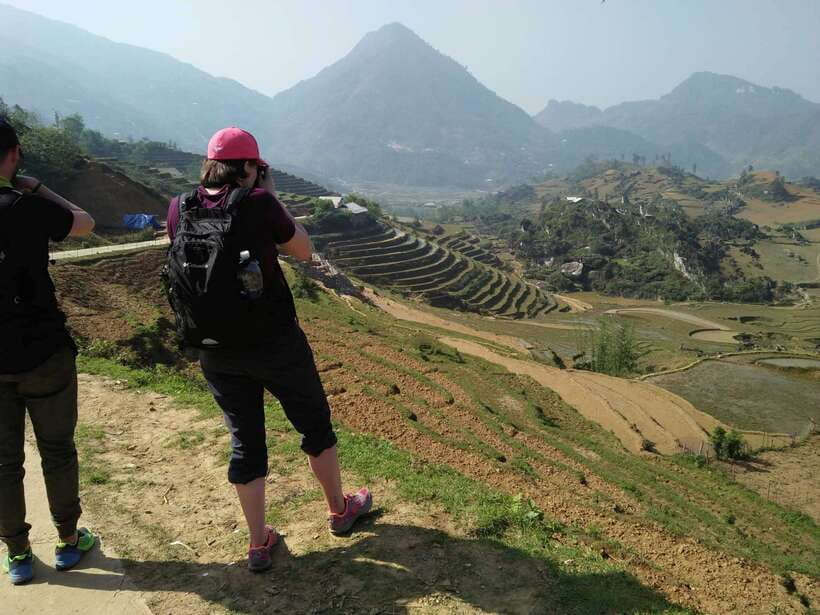
This is not a quick photo stop in Sa Pa. It is a walking trip built around village life, local food, and time on rural paths. You begin in Hanoi, ride north through the night, then spend the next three days moving between valleys and villages before returning by bus.
The schedule is tight. You leave the Hanoi Old Quarter around 8:45 PM and reach Sa Pa at about 4:00 AM. You can sleep on the bus until 6:00 AM, then go to a boutique hotel for breakfast. This early stop matters more than it may sound. After a night on the road, having breakfast and a place to wash and change makes the first trek far easier.
The group is limited to 14 people, which is a sensible size for narrow paths and homestay dining rooms. English is the tour language. The local guides are an important part of the experience, and Su and Sang are two names associated with especially attentive guiding. A good guide can explain what you are seeing, adjust the pace, and help when language differences make conversation difficult.
More Homestay and Village Treks in Hanoi:
- Hanoi – Sapa 2 Days 1 Night Overnight At Homestay
★ 5.0 · 899 reviews - From Hanoi: 2-Day Sapa Trekking Trip with Homestay & Meals
★ 4.8 · 704 reviews - 2-Day Sa Pa Ethnic Homestay Tour & Trek with Limousine Bus
★ 4.8 · 440 reviews
Day 1: Lao Chai, Y Linh Ho, and Ta Van
After breakfast and a group introduction, your guide collects you at 9:00 AM. The first route leads through Y Linh Ho toward Lao Chai, a village area associated with the Hmong community.
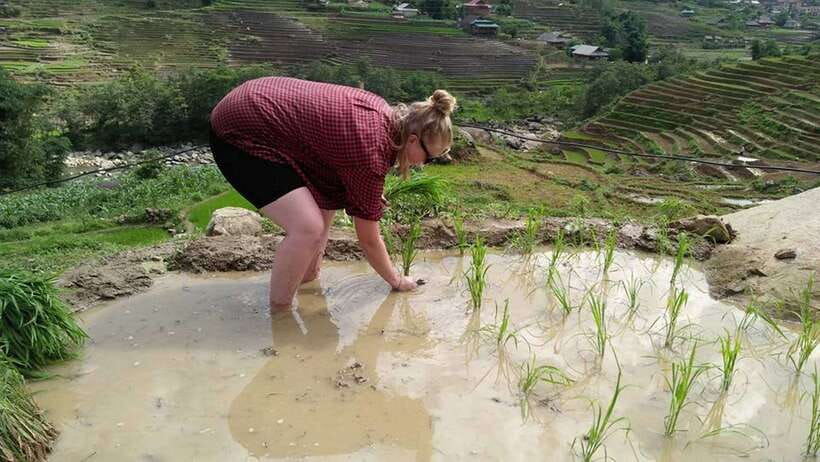
The appeal here is the change in pace. You leave Sa Pa’s town setting and walk into open countryside, with rice terraces and mountain views providing the main show. The scenery depends heavily on the weather. In mist or rain, visibility can shrink to a short distance. On clearer days, the terraces and valleys open up in dramatic layers.
You stop for lunch at a local family home in Lao Chai. This is one of the tour’s more valuable details. The meal is not simply a break in the walking schedule. It gives you a chance to sit in a village setting and see how the day is organized around family, food, and work.
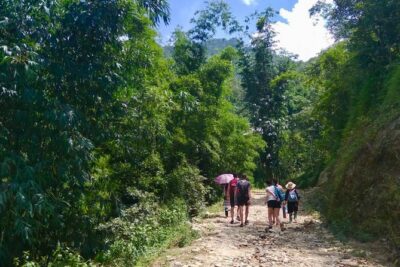
After lunch, the route continues toward Ta Van, where Giay people live. The walk is not presented as a gentle sightseeing stroll. Reviews describe the trek as challenging, so bring proper trekking shoes and expect uneven ground. Wet conditions can make paths more difficult, especially during the cooler, rainy months.
Ta Van is your first overnight stop. You sleep in a homestay and learn about Giay customs and local traditions through your guide and hosts. The word homestay can mean different things in Sa Pa. Here, you should expect a simple, welcoming rural lodging experience rather than a private hotel room. Some people describe the accommodation as more like a homey guesthouse, with clean and suitable rooms, but standards are basic.
Day 2: Bamboo forest, Giang Ta Chai, and Ban Ho
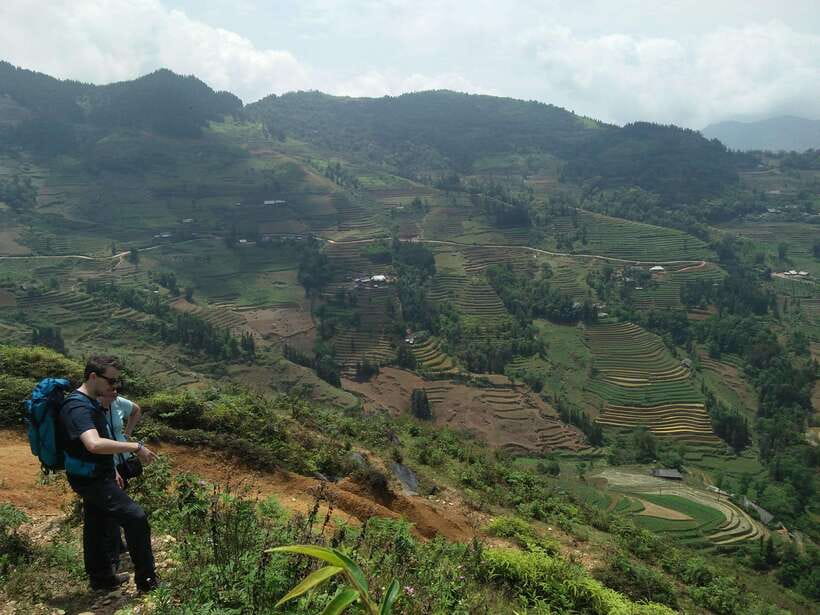
Day two begins with breakfast at the homestay. The trail then heads through bamboo forest to Giang Ta Chai, a village linked to the Red Dzao community.
The bamboo section gives the day a different feel from the open terrace views of day one. You are walking through a more enclosed setting, then returning to wider countryside as the route continues. Along the way, you visit a rattan bridge and a Dzao family home. These stops add texture to the day because you are not only looking at scenery. You are seeing places where local people live and move through their daily routines.
Lunch is served along the trail. Meals are included throughout the trip, with three breakfasts, three lunches, and two dinners covered in the price. Food portions have been described as generous, and rice wine may be offered at the homestays. Beverages beyond the included mineral water cost extra, so keep some Vietnamese currency available.
The afternoon trek continues to Ban Ho. Once you arrive, you have free time to rest or stroll through the village before dinner. This pause is useful because the morning and early afternoon involve sustained walking. It also gives you a little space to take in the village without being rushed from one scheduled stop to another.
Your second night is again in a homestay. The strongest cultural moments can happen here in small ways. One family invited visitors into the kitchen to help prepare the evening meal. You cannot count on the same invitation each time, but the setting gives you a better chance of a natural exchange than a brief roadside encounter.
At the same time, do not expect every conversation to be easy. Some hosts speak little English, and your guide may need to translate. That is part of the experience, but it can also limit the depth of conversation. Respect the household, follow your guide’s advice, and ask before taking photographs.
Day 3: Sunrise in Ban Ho and Nam Tong
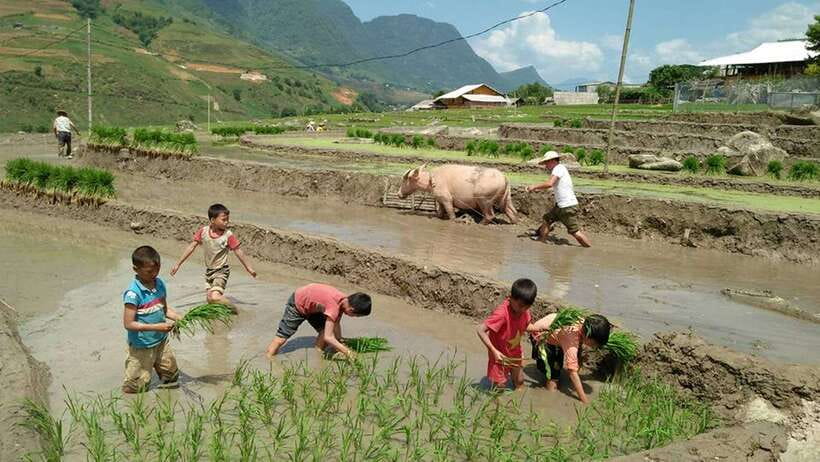
The final morning begins with breakfast and, if the weather cooperates, sunrise over Ban Ho valley. Morning light can bring out the shape of the valley and the surrounding terraces, making this a good time to keep your camera ready.
You then take a short trek to Nam Tong, a village inhabited by the Red Dzao community. The purpose of this walk is cultural as much as scenic. Your guide explains local traditions and customs, helping you understand more than the names of the communities you have passed through.
After returning to Ban Ho, a van takes you back to Sa Pa. You have time to relax at the hotel before the bus leaves for Hanoi at 4:00 PM. The return journey is long, with arrival in Hanoi expected around 10:00 PM. Your official meeting point is at 30 Hang Muoi in the Old Quarter, and the activity ends back there.
That final transport leg is worth considering before you book. Three days includes two overnight bus rides, substantial walking, and a late return. It works well if you have limited time and want to connect Hanoi with Sa Pa in one package. It is less suitable if you need a slow, restful holiday.
More Three-Day Trips around Hanoi:
- Sapa 3 Days 2 Nights Trekking Tour (1 Night In Ta Van Village, 1 Night In Hotel)
★ 5.0 · 699 reviews - 3-Day Trekking Adventure of Sapa from Hanoi – Stay Ta Van Village
★ 5.0 · 611 reviews - Hanoi – Sapa 3 Day 2 Night Trekking With Hotel & Homestay
★ 5.0 · 389 reviews - From Hanoi: Trek and Stay: 3-Day Sapa Highlands Adventure
★ 4.6 · 152 reviews
The homestays and local contact
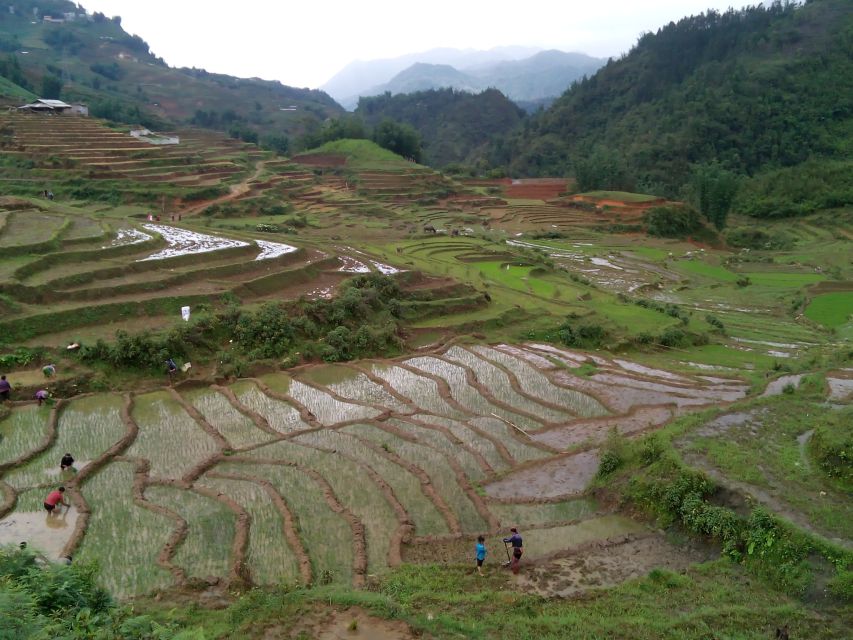
The homestays are the heart of this trip. They place you in Ta Van and Ban Ho rather than keeping you in Sa Pa town, so you have more contact with village life after the day’s walking ends.
You should expect shared or simple accommodation, local meals, and hosts who may communicate more through gestures, food, and your guide’s translation than through English conversation. The homes have generally been described as clean and suitable, but this is not a luxury stay. Pack with that in mind.
The food is another strength. Three meals a day are provided during the trek, and the portions are usually generous. Dinner is included on both homestay nights. You may buy additional drinks at the homestays, including rice wine, but mineral water is the only drink specifically included.
Bring more water than you think you need. One bottle supplied at the beginning may not last through the first day’s walking, and extra water is not always included with meals. Sunscreen, insect repellent, a sun hat, and sunglasses are practical, not optional extras.
How difficult is the walking?
The tour is not suitable for people with limited mobility, wheelchair users, pregnant women, or children under six. That tells you something important about the route, but the published schedule does not give a fixed distance or walking time for each day.
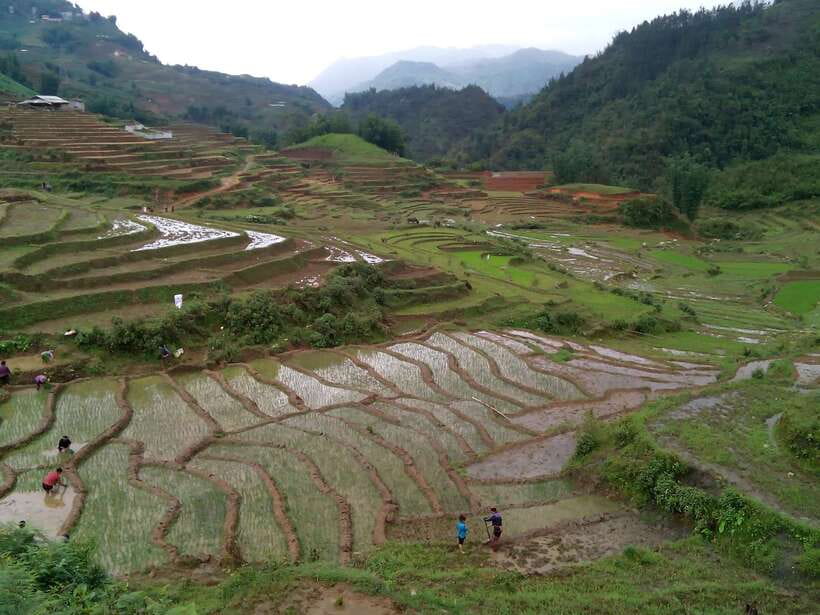
Expect a real trek over rural paths, with possible mud, uneven ground, slopes, and changing weather. One day may bring cold rain and poor visibility, while the next can offer clear views. The route may be adjusted when needed, and guides such as Su have been noted for changing plans when someone was unwell or when a different path offered a better experience.
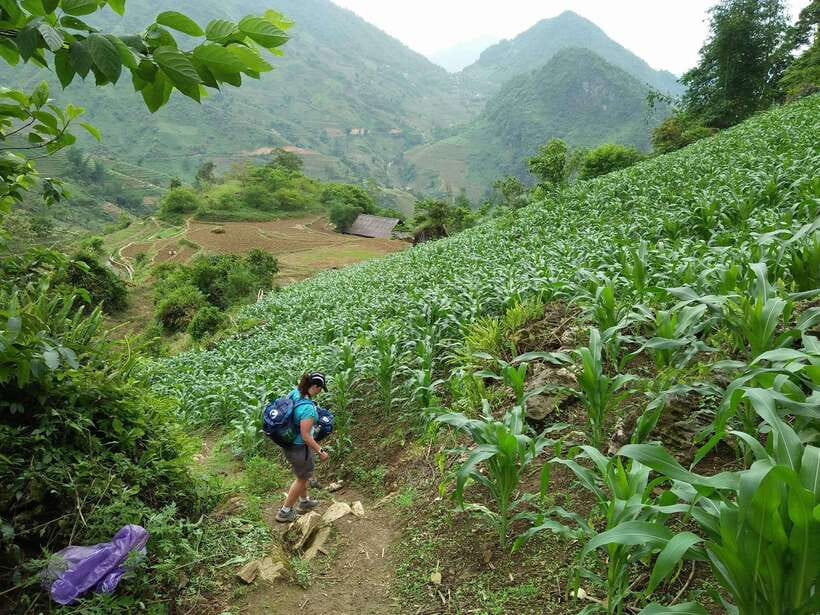
Good trekking shoes are essential. Comfortable walking clothes, a light waterproof layer, warm clothing from October through March, and a small daypack will serve you well. You need to carry your personal items between homestays, so pack lightly.
The overnight bus from Hanoi
The bus is the least polished part of the trip. It is practical and included, but the journey runs overnight, and comfort can vary. Some rides have been described as dirty and uncomfortable, while transport timing and instructions have occasionally caused confusion, especially around the Tet holiday.
The schedule is also demanding. Leaving Hanoi at 8:45 PM and reaching Sa Pa at 4:00 AM means you will probably sleep in short stretches. The chance to rest until 6:00 AM and have breakfast helps, but it does not turn the first day into a leisurely morning.
Pickup is available only from the Hanoi Old Quarter. If you stay elsewhere, you must make your own way to the bus station. Confirm the departure date carefully, since the date you select refers to the initial Hanoi departure, not the morning arrival in Sa Pa.
Is $139 a fair price?
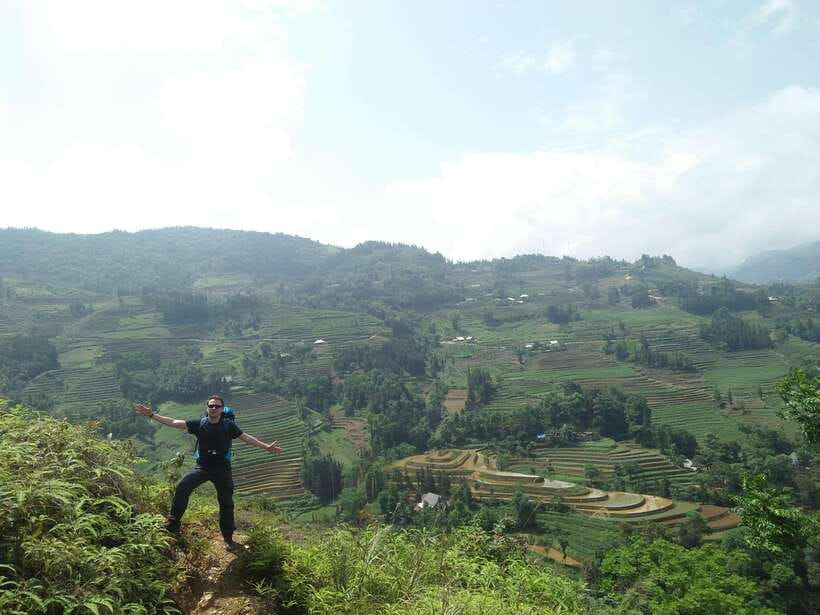
At $139 per person, the package covers round-trip bus travel from Hanoi, an English-speaking guide, two homestay nights, six main meals, three breakfasts, and mineral water. For a three-day trip that combines transport, guiding, lodging, and meals, the price is reasonable.
The value is strongest if you want one organized package and do not want to arrange a separate Hanoi to Sa Pa journey, village guide, and homestays. The small group also helps. A maximum of 14 people is more manageable on narrow trails than a large coach group.
The price does not include drinks, travel insurance, VAT, or personal expenses. There is also a $75 per person Lunar New Year surcharge for departures from January 26 to February 2, 2025, paid at the meeting point. Check the current holiday dates and surcharge when booking, since seasonal conditions can change.
When this trip works best
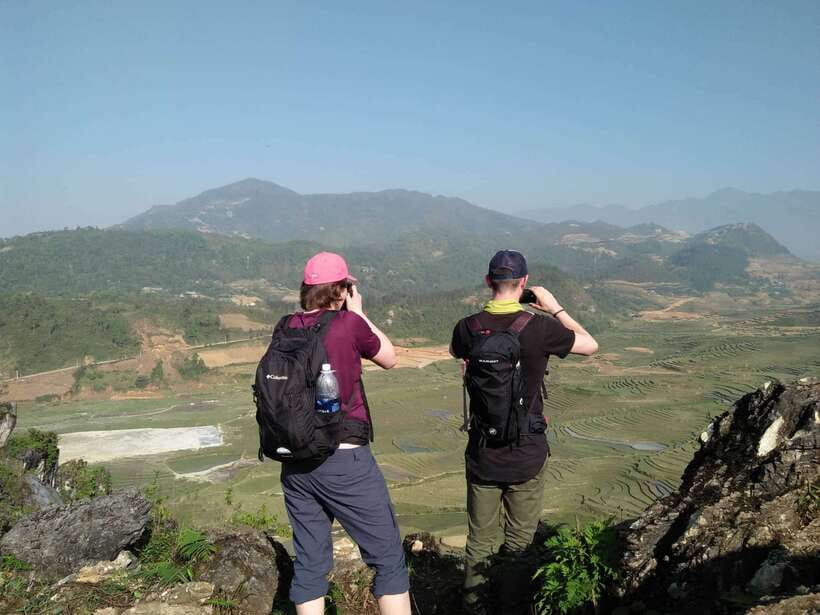
I would choose this trip if you want active days, simple lodging, and real village contact in a short window. It suits people who enjoy walking and who are willing to trade comfort for access to rural areas.
It is a good match for:
- First-time visitors who want to connect Hanoi and Sa Pa in one plan
- Hikers comfortable with uneven paths and changing weather
- People interested in Hmong, Giay, and Red Dzao culture
- Small groups, couples, and solo participants who like shared experiences
- Anyone who prefers local homestays to a standard Sa Pa hotel
I would think twice if you need private, polished accommodation or dependable sleep each night. The overnight bus and early arrival are the clear weak points. I would also avoid booking during a major holiday unless you are prepared for possible pickup and communication problems.
Should you book this Sa Pa homestay trek?
Book it if your priority is village life and walking, not comfort. The two homestays, local meals, ethnic villages, and flexible guiding give the trip more substance than a quick Sa Pa sightseeing outing.
Skip it if the overnight bus sounds unbearable or if you want a carefully paced holiday with plenty of rest. For everyone else, $139 buys a well-filled three days, and the strongest memories are likely to come from the simple moments: a meal in Lao Chai, a kitchen invitation in Ban Ho, a guide explaining local customs, or a clear morning view across the valley.
FAQ
Where does the tour start?
The meeting point is 30 Hang Muoi, Ly Thai To, Hoan Kiem, Hanoi. Pickup is available only from Hanoi Old Quarter hotels. If you stay elsewhere, you must go to the bus station.
What time does the bus leave Hanoi?
Pickup is around 8:45 PM. The bus reaches Sa Pa at about 4:00 AM the following day.
What ethnic communities will I visit?
The route includes Hmong communities around Y Linh Ho and Lao Chai, Giay people in Ta Van, and Red Dzao communities in Giang Ta Chai and Nam Tong.
Where do I sleep?
You spend two nights in homestays, the first in Ta Van and the second in Ban Ho.
Are meals included?
Yes. The package includes three breakfasts, three lunches, and two dinners, along with mineral water. Beverages beyond the included water are not covered.
Is the trek suitable for children or people with limited mobility?
The activity is not suitable for children under six, pregnant women, people with mobility impairments, or wheelchair users.
What should I bring?
Bring comfortable trekking shoes, sunglasses, a sun hat, sunscreen, insect repellent, and warm clothing from October through March. A light waterproof layer and enough personal water for the walking sections are also sensible.
Just added around Hanoi
- Explore Sa Pa with Overnight Train & Sleeper Bus & Trekking★ 3.9 · 7 reviews
- Sapa: 3-Day, 3-Night Trek and Hotel with Overnight Train★ 4.2 · 64 reviews
- Sapa 2-Day Trekking Tour – Explore Villages & Scenic Trails★ 4.9 · 46 reviews
- From Hanoi: Ninh Binh Boat Ride, Mua Cave Hike, Temple Visit★ 4.7 · 146 reviews
- From Hanoi: Hoa Lu, Hang Mua Hike, Tam Coc Boat, and Lunch★ 4.4 · 28 reviews
- From Hanoi: Trek and Stay: 3-Day Sapa Highlands Adventure★ 4.6 · 152 reviews
- From Hanoi: 3-Day Sapa Trekking with Limousine Transfer★ 4.3 · 30 reviews
- From Hanoi: 2-Day Sapa-Fansipan Peak & Trek & Ha Giang Bus★ 4.8 · 52 reviews
Homestay & Village Treks, side by side.
Number one top rated ethical cultural trekking and homestay by ETHOS
Read our review →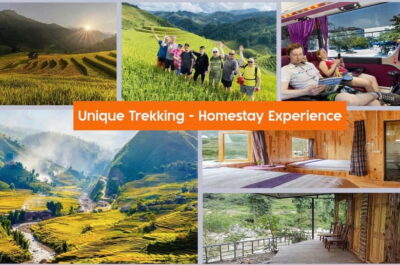
2-Day Sa Pa Ethnic Homestay Tour & Trek with Limousine Bus
Read our review →
Sapa 3 Day 2 Night Trekking With Hotel & Homestay
Read our review →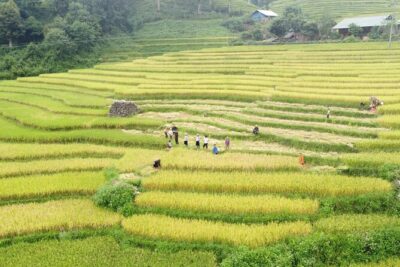
Sapa 2 Days 1 Night Overnight At Local Homestay
Read our review →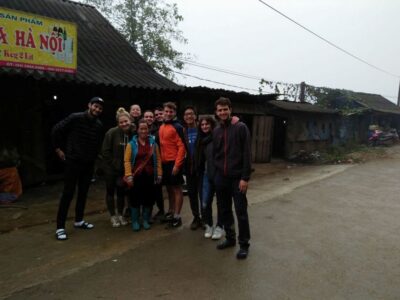
Sa Pa: 2-Day Trekking Trip with Ethnic Minority Homestay
Read our review →
This walk also sits in