
REVIEW · VIETNAM
2-Day Sa Pa Ethnic Homestay Tour & Trek with Limousine Bus
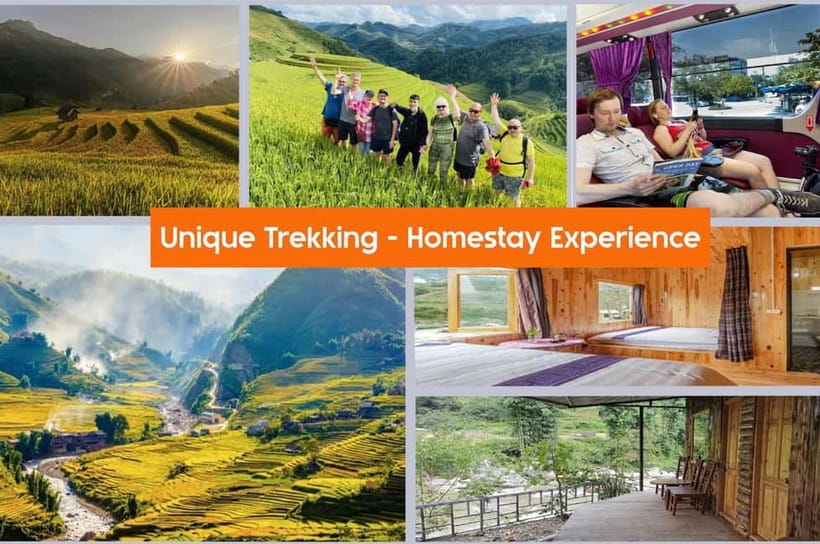
Sa Pa is at its best away from the town center, where rice terraces fall toward streams and village paths replace paved streets. This two-day trip takes you from Hanoi to the Black Hmong village of Lao Chai, then on to Ta Van for a night in a mountain homestay.
I like the local Hmong guides, especially guides such as Soso, Sua, Soa, and Tung, who explain village life while keeping the walking moving. I also like the comfortable limousine or sleeper bus, which makes the long Hanoi journey less tiring. The catch is simple: the trek can be steep, slippery, and muddy, while the homestay is basic and village noise may start early.
Key points to know before booking
- Trek through Lao Chai and Ta Van: Expect rice terraces, mountain paths, the Muong Hoa Stream, and changing views around the Hoang Lien Son range.
- Guides make the difference: Local Hmong guides such as Soso and Sua explain customs, farming, family life, and village traditions in good English.
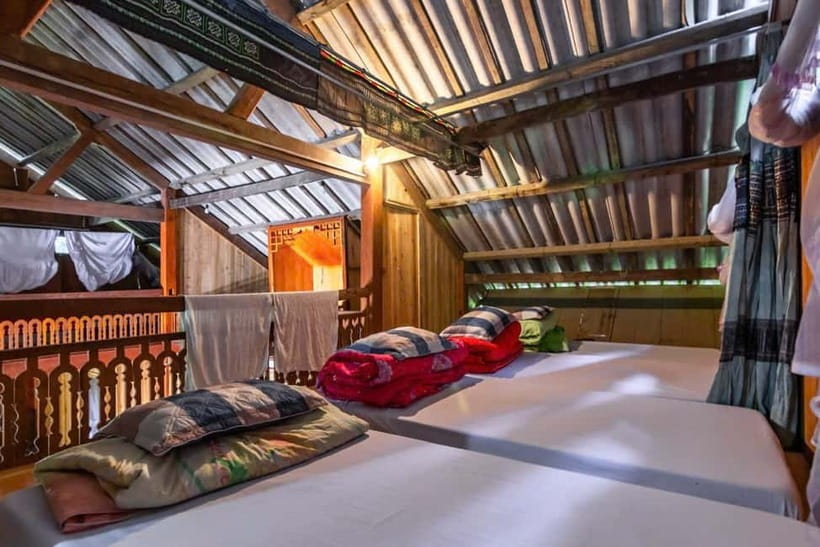
- The homestay is comfortable but simple: Clean water, fresh food, beds, and showers are provided, though private-room upgrades may be available only by request.
- Day two adds bamboo forest scenery: The route includes views toward Giang Ta Chai village and a bridge where transport meets you.
- Prepare for mud and sales pitches: Good hiking shoes are essential, and local women may accompany part of the walk while offering handmade goods.
- The bus saves time: Round-trip transport from Hanoi is included with the relevant option, with upgraded sleeper cabins available in some bookings.
Why this two-day Sa Pa trip works
Many Sa Pa visits stay close to town, where cafés, hotels, and tour groups can make the mountains feel far away. This trip gets you onto village trails quickly and gives you a night in Ta Van, so you see the area during the quiet evening and early morning as well as during the main trek.
The two-day format is a useful compromise. You get a real mountain walk and an overnight stay without giving up too much time in Hanoi. Still, the schedule is tight. Much of the first and last day is spent on the road, so I would choose three days and two nights if you have the time.
The strongest part is the human contact. Your guide does more than point toward a rice field. Guides such as Soso, Sua, Soa, and Tung have been praised for explaining local customs and sharing details about their own lives. That personal connection gives the walk more meaning than a simple photo stop.
The scenery depends heavily on weather and season. Fog can hide the mountain views, and harvested fields do not have the bright green look many visitors expect. Even then, the paths, bamboo forest, village homes, and changing weather remain part of the Sa Pa experience.
More Homestay and Village Treks in Vietnam:
- Hanoi – Sapa 2 Days 1 Night Overnight At Homestay
★ 5.0 · 899 reviews - From Hanoi: 2-Day Sapa Trekking Trip with Homestay & Meals
★ 4.8 · 704 reviews - Number one top rated ethical cultural trekking and homestay by ETHOS
★ 5.0 · 456 reviews
From Hanoi to Sa Pa by limousine bus
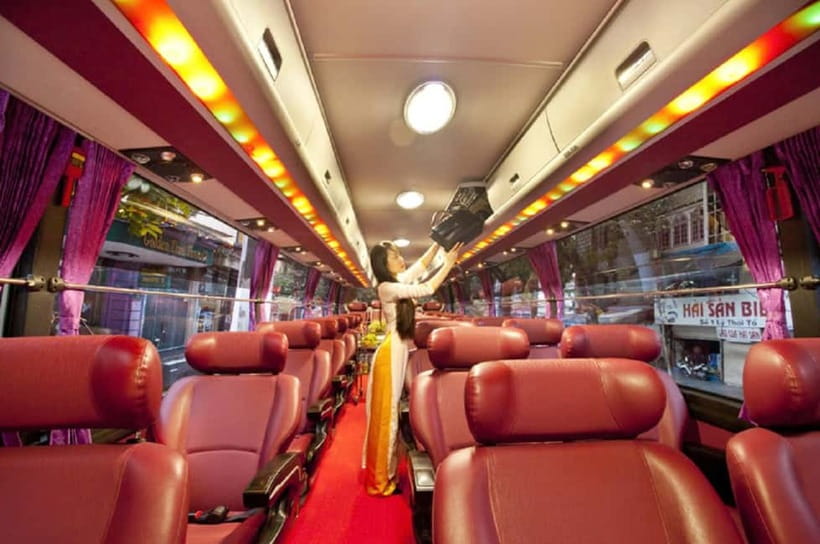
The journey starts early from a Hanoi meeting point that depends on the option you book. The bus travels by the newer highway through Lao Cai before continuing to Sa Pa. It is a long ride, but the limousine or sleeper-style bus is a sensible choice for this distance.
Basic bus service includes round-trip transport, while some options allow an upgrade to a sleeper bus or individual cabin. The cabin-style bus has been described as comfortable, with a blanket, bottled water, and Wi-Fi available along much of the route. You may find the sleeping position unusual at first, but it can be easier than sitting in a narrow standard seat for several hours.
Leave your larger luggage in the bus trunk, then store it at the Sa Pa hotel where lunch is served before the trek. Pack a small day bag for Ta Van. You need your walking shoes, rain protection if available, spare clothes, toiletries, insect repellent, sunscreen, and any medicine you may need.
Communication is handled by phone or messaging apps such as WhatsApp, Line, Viber, or Kakaotalk. Leave a working number when you book so the provider can confirm meeting details and help with transport changes.
Lunch and the first steps through Sa Pa
On arrival in Sa Pa, a local representative meets you at the bus stop and takes you to a hotel or restaurant. You have time to rest and eat lunch before setting out. The included meal is made up of local dishes and provides useful fuel before the walking begins.
Do not expect a long town tour. Sa Pa acts mainly as your starting point, lunch stop, luggage base, and return point. The main experience begins once you leave town and head toward the villages.
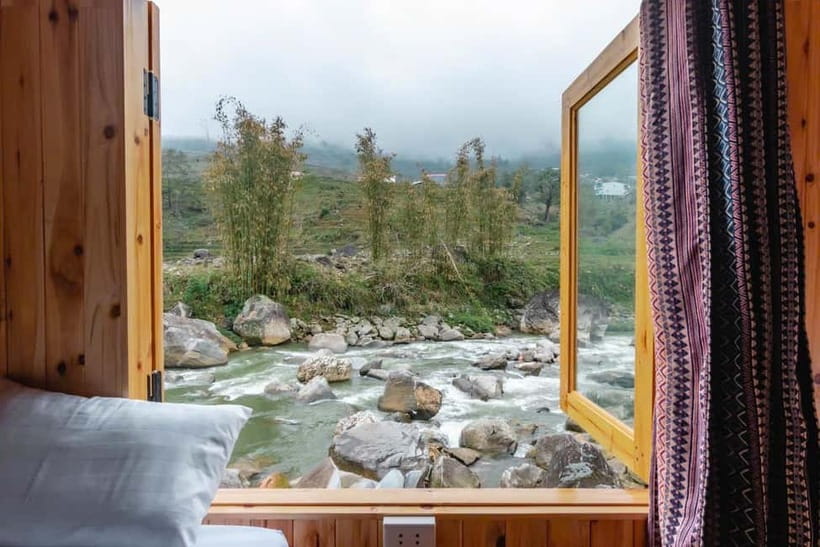
The first route moves through rice terraces and along the Muong Hoa Stream. The walking is often described as moderate, but the effort changes with conditions. The first day is around eight kilometers for some groups and is mostly downhill, while the ground can become awkward where paths are narrow, wet, or uneven.
This is not a paved promenade. You may walk on dirt tracks, village paths, and steep sections with little room to place your feet. Local women sometimes walk alongside the group and help with balance on muddy stretches. Their assistance can be welcome, though the same women may later offer scarves, jewelry, or other handmade goods for sale.
Lao Chai and the Black Hmong villages
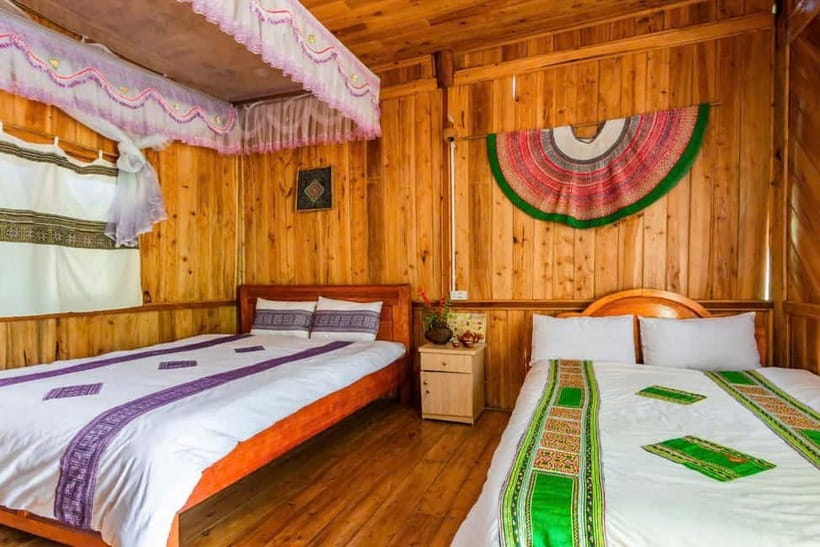
Lao Chai is a Black Hmong village surrounded by the Hoang Lien Son mountains. The route gives you a closer look at homes, farming areas, clothing, and daily routines than you would get from a viewpoint beside the main road.
The traditional clothing is one of the visual highlights. You may see Hmong, Dzao, and Tay people in distinctive dress, though the tour is not a staged costume show. Your guide can explain the differences and place the clothing within everyday village life.
I would keep your questions coming. Ask about farming, family arrangements, local work, the meaning of patterns, or how the rice terraces are maintained. Guides such as Sua and Soso are especially useful here because they can connect what you see with personal experience.
The trail continues toward Ta Van, where you check into the homestay. This is when the tour shifts from a day walk to a closer look at mountain life. You have dinner, meet the host family, and settle into a basic room or shared sleeping area, depending on the option booked.
More Two-Day Trips in Vietnam:
- From Hanoi: 2-Day Sapa Trek Tour – Luxury Limousine Transfer
★ 4.1 · 249 reviews - Hanoi – Sapa 2 Days 1 Night Overnight At Local Homestay
★ 5.0 · 233 reviews - EXPLORE SAPA: 2D1N TREKKING & HMONG CULTURE WITH DINH
★ 4.9 · 191 reviews - Mountain views & Rice Terraced Fields Hiking – 2D 1N
★ 5.0 · 99 reviews
Spending the night in Ta Van
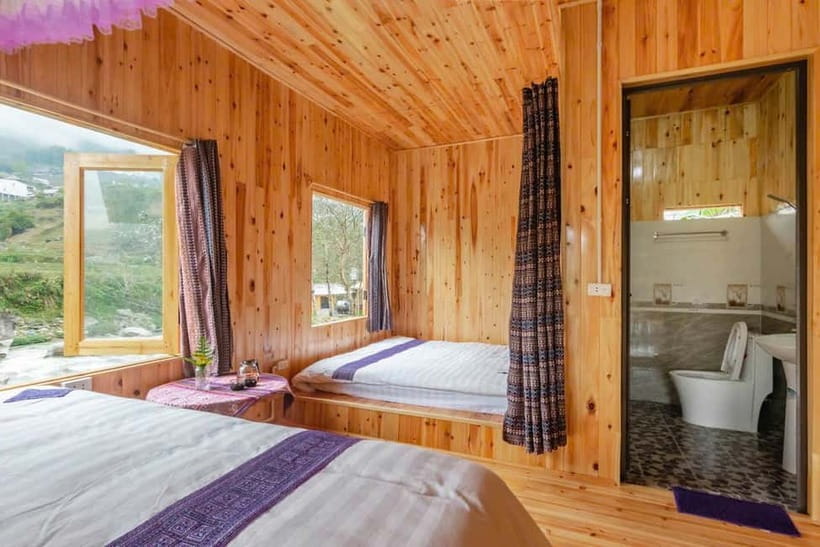
The word homestay needs a little context. The accommodation is basic, clean, and comfortable enough for one night, but it may feel more like a small guesthouse than a family home. Some accommodation has private rooms, and a private-room upgrade may be possible if you request it when booking.
A standard arrangement includes a single mattress. Clean water, fresh food, beds, and bathroom facilities are provided, but you should not expect polished hotel facilities. Some people receive a private room and hot shower, while the exact setup can depend on the homestay and upgrade selected.
Dinner is a strong part of the stay. Meals are prepared with local ingredients, and you may dine with the host family. This shared meal is where the cultural side of the tour feels most genuine, especially if you take time to talk rather than rush through dinner.
Bring earplugs if you sleep lightly. Village life does not always go quiet at sunset, and early morning activity can begin before you are ready to get up. The accommodation is safe, but the setting is rural rather than silent.
The homestay also gives you a chance to slow down. There is no need to chase another viewpoint after dinner. You can talk with your guide, observe the village, and enjoy the simpler rhythm that this trip promises.
Day two: bamboo forest, Giang Ta Chai, and the return
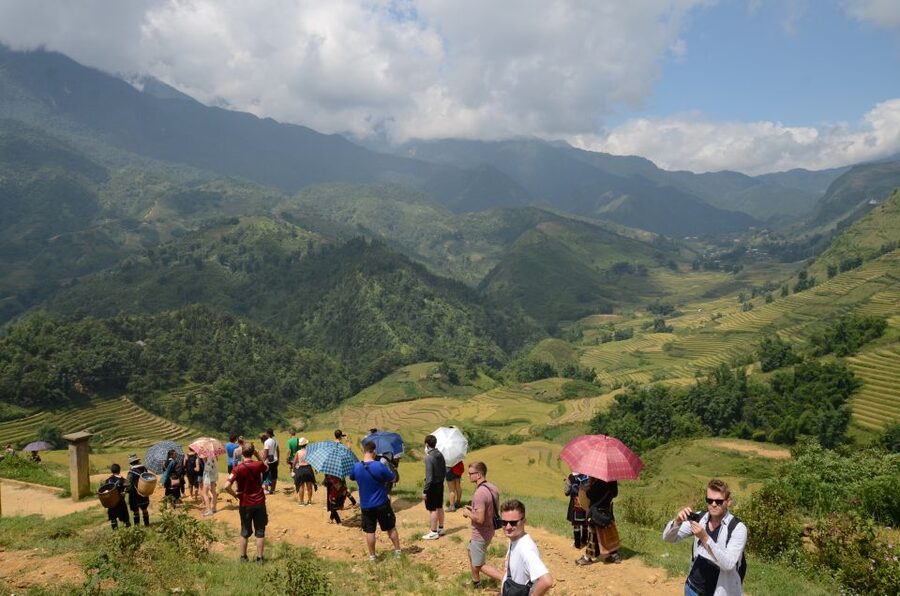
Breakfast is prepared by the family before the second trek. The route passes through rice paddies and bamboo forest, with a panoramic view toward Giang Ta Chai village. The bamboo section adds variety after the open terraces and gives the morning walk a more enclosed, shaded feel.
The second trek is shorter for many groups, around four kilometers, but it is not necessarily easy. The route can rise and fall, and wet conditions make even a short trail tiring. Some walkers find the pace brisk, while guides generally adjust for people who need more time.
You eventually cross the Giang Ta Chai Bridge. A vehicle meets you there and takes you back to Sa Pa for lunch and a shower. This is a practical detail that matters: you can clean up and change before the long bus ride back to Hanoi.
After lunch, you board the return limousine or sleeper bus. The trip ends at the meeting point, and you arrange your own onward journey to your hotel from there. Confirm the exact drop-off point before setting out, since the bus may not deliver you directly to your Hanoi accommodation.
How hard is the trekking?
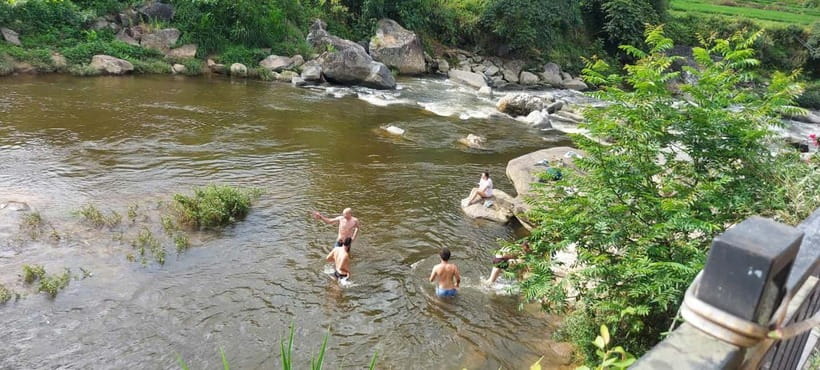
I would rate the walking as moderate, with conditions making the biggest difference. The distance is manageable for people who regularly walk or hike, but steep descents, slippery soil, heat, and rain can turn an ordinary path into a genuine workout.
Good hiking shoes are not optional. Several people have struggled in ordinary sneakers, especially after rain. Choose shoes with firm grip, and bring an extra set of clothes because mud on the lower legs is quite possible.
You should also carry water, cash, sunscreen, sunglasses, and insect repellent. The tour includes meals, but drinks are not included. Banking services in Sa Pa can be unreliable, so Vietnamese Dong is the safest currency to carry. US Dollars, Euros, and Australian Dollars are also accepted according to the tour information, but local currency will make small purchases easier.
The tour is not suitable for children under six, wheelchair users, or people with mobility impairments. If you have a physical issue that may limit walking, contact the provider before booking. The route is not designed for a wheelchair or for someone who cannot manage uneven ground.
Weather, rice seasons, and realistic expectations
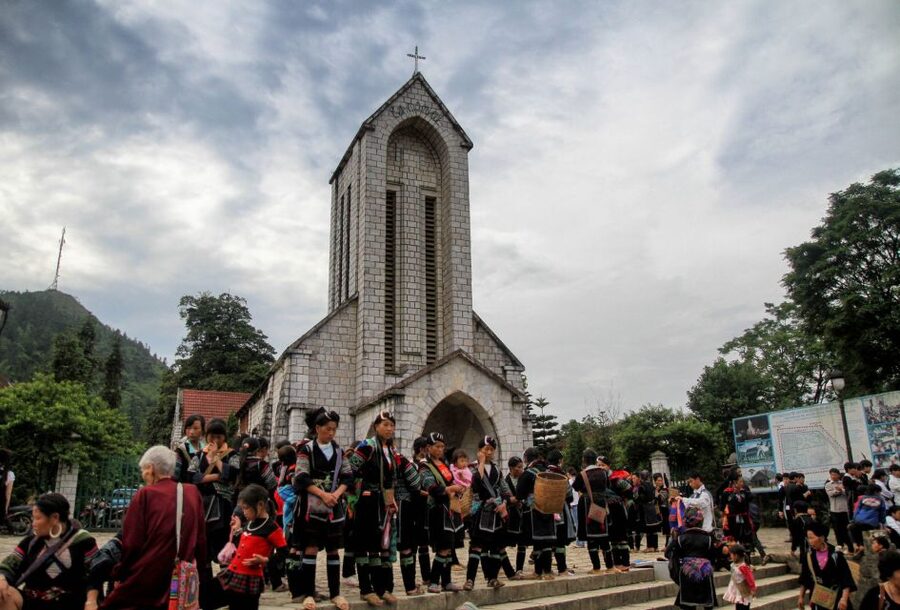
Sa Pa weather can change the whole mood of the trip. Clear days bring wide mountain views, while fog can cover viewpoints and soften the scenery. Rain makes the trails harder but can also make the experience feel more remote and dramatic.
Do not book only for a perfect green-rice photograph. Fields may be harvested when you arrive, and fog may block the mountains. The villages, guide conversations, bamboo forest, and homestay still give the trip value outside peak rice-growing periods.
August is often considered a good time for the rice fields, but no season guarantees clear weather. Pack for changeable conditions and treat the scenery as one part of the experience rather than the only reason to go.
Local sales and respectful travel

The women who help along the trail may try to sell handmade crafts. Scarves, jewelry, and other small items can be appealing, and buying something can directly support local sellers. Still, the sales approach may feel persistent, especially during the middle of the trek.
Decide in advance if you want to shop. If you do not, be polite but clear, avoid lengthy bargaining, and keep walking. Your guide may help, but you should not assume the guide will handle every sales conversation for you.
Respect the villages as lived-in communities. Ask before photographing people, listen when your guide explains customs, and remember that the clothing and homes you see are part of daily life rather than a performance arranged for visitors.
What is included and where value comes from
The tour includes transport from Hanoi to Sa Pa and back with the selected limousine option, a local English-speaking guide, one night in Ta Van, two lunches, one dinner, one breakfast, village entrance fees, and the vehicle from Giang Ta Chai back to Sa Pa on day two.
Drinks, tips, and an eight percent government tax are not included. Holiday dates also carry a surcharge of 700,000 Vietnamese Dong per person, paid locally, including April 30, May 1, September 1 to 3, December 24 and 31, January 1, and Lunar New Year.
The value comes from combining several costs and arrangements into two days: long-distance transport, village access, a guide, meals, accommodation, luggage storage, and local transfers. If you tried to organize the same route independently, you would still need to arrange the bus, village access, a guide, food, and the return transfer.
The main limitation is time. You get a strong introduction, not a slow mountain stay. If you want longer walks, more time with the host family, or a gentler schedule, ask about extending the trip to three days and two nights.
Who should book this Sa Pa experience?
I would choose this tour if you have limited time in Vietnam and want mountains, cultural contact, and an overnight stay in one package. It suits active adults, couples, solo visitors, and older walkers who are comfortable with uneven ground and can communicate their pace to the guide.
It is also a good choice if you want more than a day trip from Sa Pa town. Guides such as Soso, Sua, Soa, and Tung receive especially strong praise for their warmth, English, local insight, and care on difficult paths.
I would hesitate if you need hotel-level facilities, dislike mud, want guaranteed mountain views, or feel uncomfortable with craft sellers approaching you. The homestay is simple, the weather is out of your control, and the trail can be demanding.
Should you book it?
Yes, if you want a compact and active introduction to rural Sa Pa. The best reasons are the local guide, the walk through Lao Chai and Ta Van, the bamboo forest route, and the chance to spend the night outside town.
Before booking, choose the best bus option you can, request a private-room upgrade if that matters, carry Vietnamese Dong, and pack proper hiking shoes. If your schedule allows it, add a second night. If not, this two-day trip offers a strong taste of Sa Pa without pretending that mountain travel is always smooth or dry.
FAQ
Is transport from Hanoi included?
Round-trip limousine bus transport from Hanoi is included with the relevant booking option. Meeting points can vary, so check your selected option carefully.
Is the bus a regular limousine bus or a sleeper bus?
The transport option can vary. Some bookings include or allow an upgrade to a sleeper bus with individual cabins. Confirm the bus type when booking.
What villages does the trek visit?
The route includes Lao Chai, a Black Hmong village, and Ta Van. The second-day trek includes views toward Giang Ta Chai village.
Where do I stay overnight?
You stay at a homestay in Ta Van village. The accommodation is basic and provides clean water, fresh food, and sleeping facilities.
Can I book a private room?
A private-room upgrade may be available at the Sa Pa homestay. You should request it when booking the trip.
What meals are included?
The tour includes two lunches, one dinner, and one breakfast. Drinks are not included.
How difficult is the trek?
The trek is generally moderate, but steep and slippery sections can make it harder. Rain and mud can greatly affect the walking conditions.
What should I bring?
Bring hiking shoes, sunglasses, sunscreen, insect repellent, cash, and spare clothes. A small bag is useful for the night in Ta Van.
Can children join the tour?
Children under six should not take part. The tour is also not suitable for wheelchair users or people with mobility impairments.
Do I need cash?
Yes. Vietnamese Dong is recommended because banking services in Sa Pa can be unreliable. US Dollars, Euros, and Australian Dollars are also accepted, and you may want cash for handmade goods, drinks, or tips.
Just added around Vietnam
- Half Day Private Trekking Mu Cang Chai_Morning or Afternoon★ 5.0 · 38 reviews
- Sapa: Private The Most Beautiful Terraced Fields Trekking★ 4.8 · 42 reviews
- Mountain views & Rice Terraced Fields Hiking – 2D 1N★ 5.0 · 99 reviews
- Sapa The Hidden Trail Trek 1 Day – Mountain & Rice Valley★ 5.0 · 133 reviews
- In Sapa: 1 Day Mountain Trek, Visit beautiful villages★ 5.0 · 50 reviews
- Full-Day Cuc Phuong National Park Hiking Tour★ 5.0 · 157 reviews
- Mountain views and villages trek – 1 Day★ 5.0 · 99 reviews
- Da Lat: Chasing the Sunrise – A Mini Trek Adventure★ 5.0 · 82 reviews
Homestay & Village Treks, side by side.
Number one top rated ethical cultural trekking and homestay by ETHOS
Read our review →
Sapa 3 Day 2 Night Trekking With Hotel & Homestay
Read our review →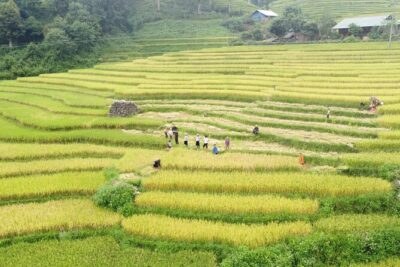
Sapa 2 Days 1 Night Overnight At Local Homestay
Read our review →
The Wild Explorer – 3 days forest trek with homestay and camping
Read our review →This walk also sits in