REVIEW · NEPAL
Pokhara: 3-Day Ghorephani and Poon Hill Private Trek
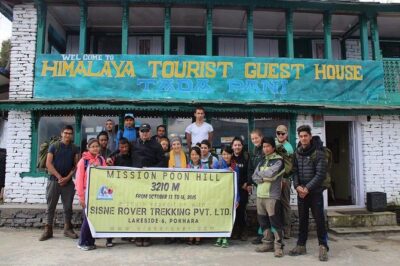
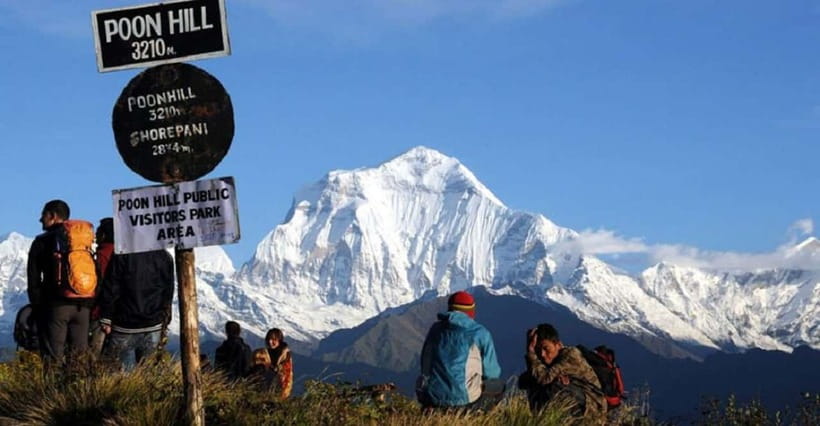
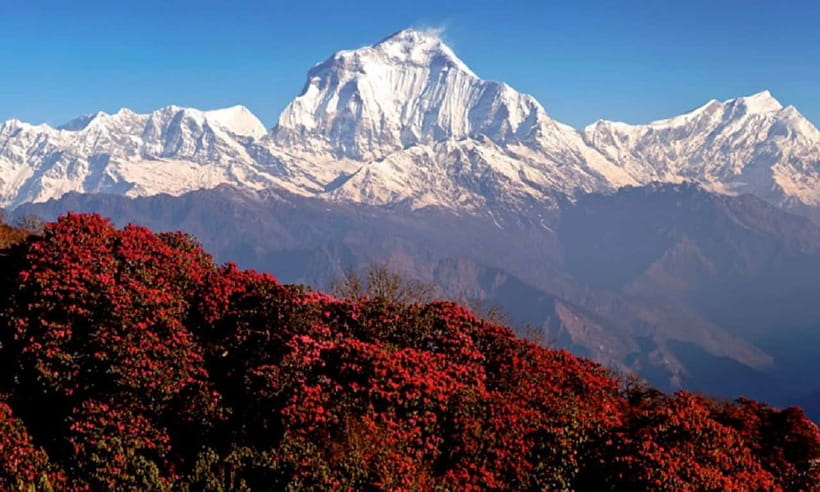
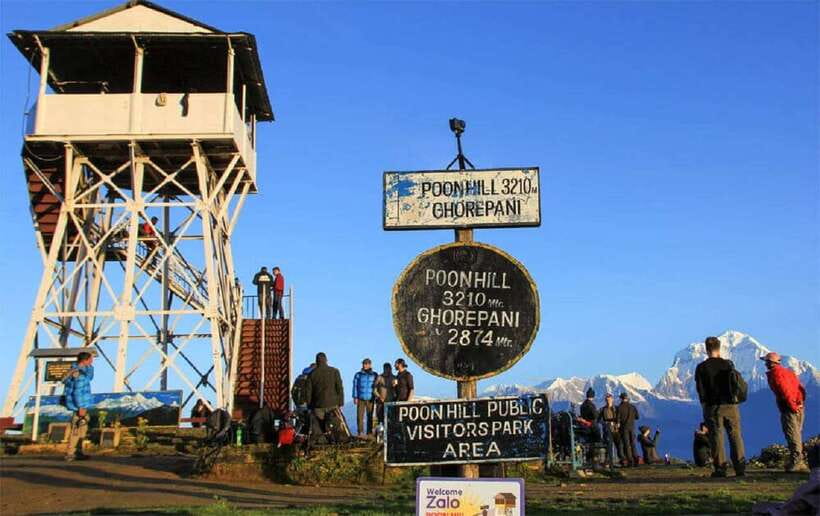
Poon Hill gives you a great Himalayan payoff without requiring a week on the trail. You climb from Pokhara through stone-stair villages and rhododendron forests, sleep in simple tea houses, then reach 3,210-meter Poon Hill in time for sunrise over Annapurna and Dhaulagiri.
I like the private format, which lets your guide set a sensible pace, and I like the local feel: dal bhat, family-run lodges, village paths, and a ride on the local bus. Guides such as Santosh, Laxman, Jeet, Chandra, and Tanka have been especially praised for patience and practical help.
The catch is simple: this is a short trek, not an easy one. Day one has a lot of steps, and the final day combines the early Poon Hill climb, a long descent, and the drive back to Pokhara.
Key points to know before booking
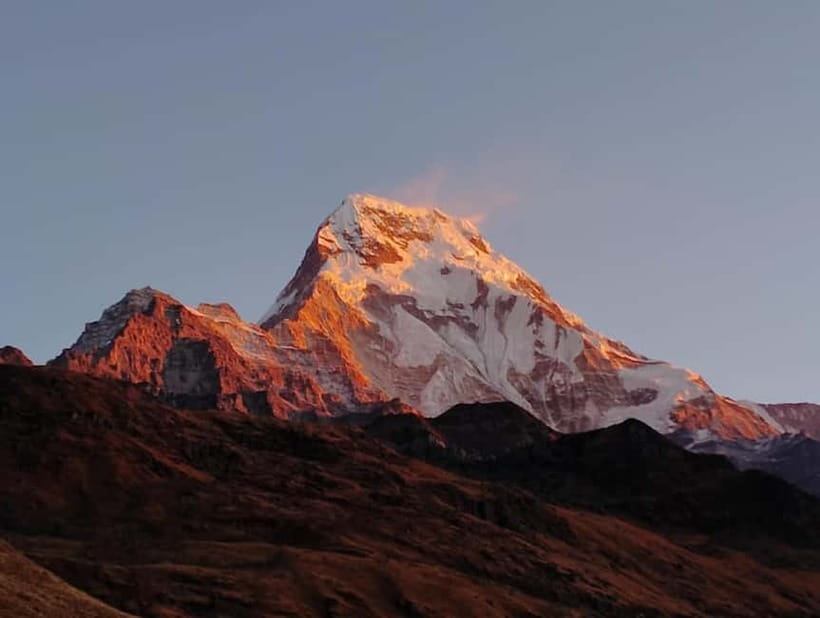
- Sunrise at 3,210 meters: The pre-dawn climb to Poon Hill is the trip’s main prize, with views toward Annapurna, Dhaulagiri, Nilgiri, and Machhapuchhre.
- A hard first day: The route from Nayapul through Tikhedhunga to Ulleri includes long, steep stair sections.
- Private pacing: Your guide can adjust breaks and timing, which matters if you are new to trekking or dealing with a sore knee.
- Two nights in tea houses: Lodging is basic but generally clean and welcoming, with mountain views and simple mountain meals.
- Gurung village culture: Ghandruk is listed as a cultural highlight, while the route also passes through smaller communities and local stops.
- Strong practical value: At $126 per person, the package includes transport, permits, a guide, porter expenses, lodging, trekking gear, and taxes. Check the selected option carefully for meal coverage.
Why this three-day route works
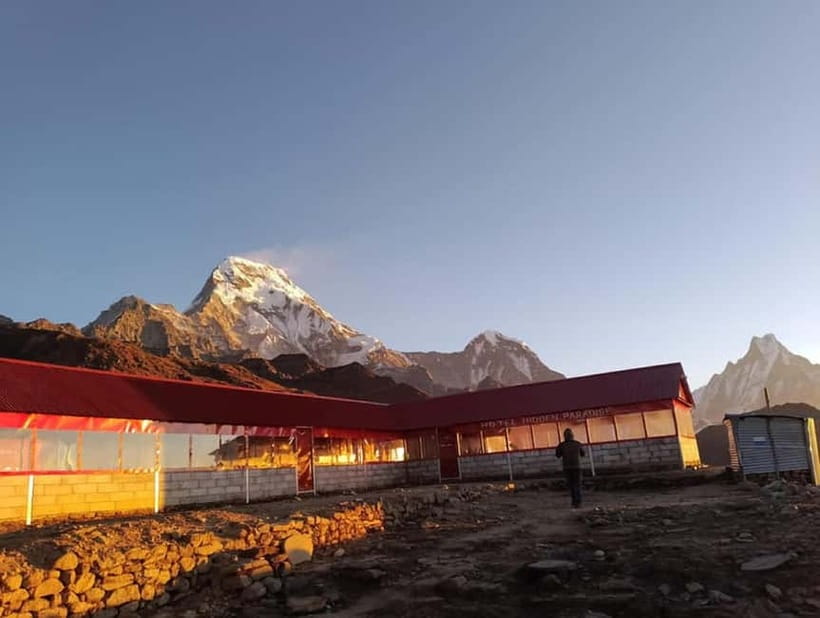
This Ghorepani and Poon Hill trek is designed for people who want a real Nepal walking experience but have limited time in Pokhara. You do not merely drive to a viewpoint. You walk through villages, sleep above the valley, eat in tea houses, and wake before dawn for one of Nepal’s best-known mountain panoramas.
The route is compact, but the schedule is full. You gain altitude quickly, reaching Ghorepani at about 2,860 meters on the second night. Poon Hill rises another 350 meters, so you should treat the trip as a proper mountain hike rather than a casual day walk.
I see the private format as the biggest practical advantage. Your guide can slow the pace, stop for tea, organize meals, and help with guesthouse arrangements. Several guides connected with this trip have been praised for doing exactly that. Santosh, in particular, is noted for encouragement, hot-water refills, walking sticks, meal stops, and helping people keep moving without making them feel rushed.
The trip has earned a perfect 5.0 rating from 58 reviews, but the useful message is not simply that people liked it. The repeated pattern is more specific: guides are attentive, tea houses are well chosen, food is satisfying, and the mountain views reward the effort.
More Private Hiking Tours in Nepal
- 14-Day Private Annapurna Base Camp Trek
★ 5.0 · 180 reviews - Kathmandu: Nagarkot Sunrise & Hike with Lunch -Private/Group
★ 4.9 · 122 reviews - 14 Days Private Tour Everest Base Camp Trek
★ 5.0 · 105 reviews
From Pokhara to Nayapul, the trail begins
Pickup is available from hotels throughout Pokhara Valley, as well as Pokhara International Airport and several places around Lakeside and Sarangkot. You should wait at the main entrance about 10 minutes before pickup and look for the company vehicle or a guide holding your name.
The road journey to Nayapul takes about one to one and a half hours. The route includes a stop around Pokhara Baglung Bus Park and then continues toward the trailhead. Nayapul, at roughly 1,070 meters, is where the walking begins.
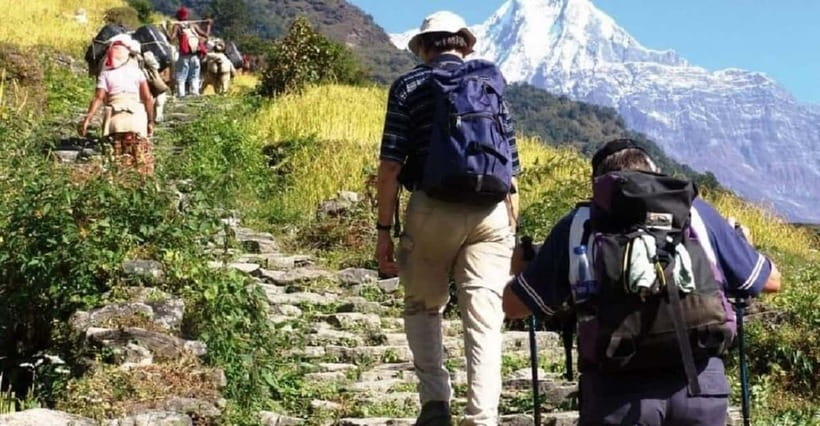
The first section passes through the Kaski area toward Tikhedhunga. The walking time is listed at about three to three and a half hours, followed by another two to two and a half hours to Ulleri. The exact rhythm depends on your pace, breaks, and trail conditions.
Do not let the short distance fool you. The route is famous for stone steps, and Ulleri is where the first day becomes a real test. One recent participant described the stairs as the hardest part of the trip, while another found the first day much tougher than expected despite taking regular long walks at home.
That is useful advice. You do not need to be an athlete, but you should be comfortable walking uphill for several hours. Hiking shoes, trekking pants, warm clothing, and a waterproof bag belong in your day pack.
Ulleri brings steep steps and a proper mountain night
Ulleri sits at about 2,070 meters and is the first overnight stop. The village gives you a clear sense of how this trek works: walk, rest, eat, and sleep in a simple lodge before doing it again the next morning.
The accommodation is standard tea-house lodging, not a luxury hotel. Rooms are described as clean, comfortable, and welcoming, but heating is limited and mountain evenings can be cold. A sleeping bag, gloves, and a warm hat are especially useful in winter.
The package includes trekking gear such as trekking poles and sleeping bags as needed, but one practical detail is worth checking before departure: ask the operator or guide to confirm that walking sticks are ready. One person expected them but had to ask.
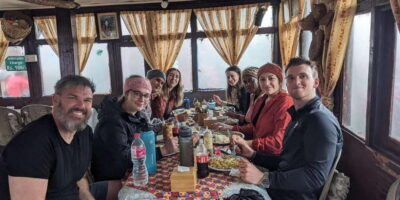
Meals are included if you choose the meal option. Dal bhat is a natural choice along this route, and several people found the food very good. Guides often help select places to eat and arrange tea or hot water, which saves you from dealing with every order when you are tired.
Ghorepani offers the best trail day
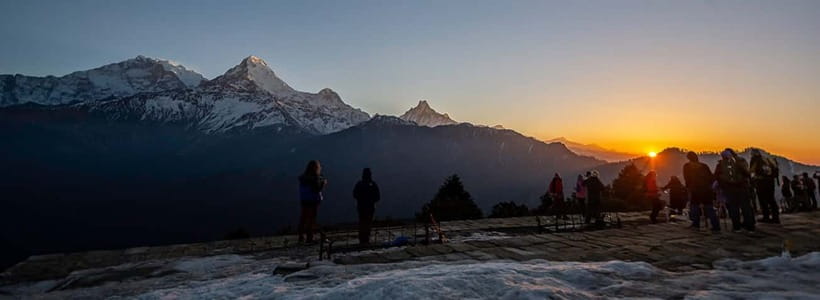
The second day takes you from Ulleri to Ghorepani, with about five to six hours of walking. This is the scenic heart of the route, passing through rhododendron forest and high mountain villages.
In spring, the rhododendrons can add strong color to the walk. The route also gives you opportunities to see Himalayan plants and perhaps local animals, although wildlife sightings are not guaranteed. The main attraction is the growing sense of height as the trees open and the Annapurna and Dhaulagiri ranges come into view.
Ghorepani, at about 2,860 meters, is a practical overnight base for Poon Hill. You should expect a busy lodge area during popular periods, but the private arrangement means your guide handles the accommodation choices rather than leaving you to search after a long day.
The tea houses are basic but often have excellent views. Some include hot showers, though facilities can vary. One important point is that comfort depends as much on your attitude as on the room. You are staying in mountain lodges, not resort rooms. A warm sleeping bag and dry clothing make a noticeable difference.
You may also meet local families, porters, guides, and other walking groups along the way. The route has a social feel, but the village stops and lodge meals keep the experience connected to daily life in the hills.
More Private Hiking Tours in Pokhara
- 4-Day Private Poon Hill Trekking Tour
★ 5.0 · 58 reviews - Pokhara: 2-Day Ghorephani and Poon Hill Private Trek
★ 4.6 · 50 reviews - Private 7 – Day Annapurna Base Camp Trekking
★ 5.0 · 50 reviews
Poon Hill sunrise requires an early start
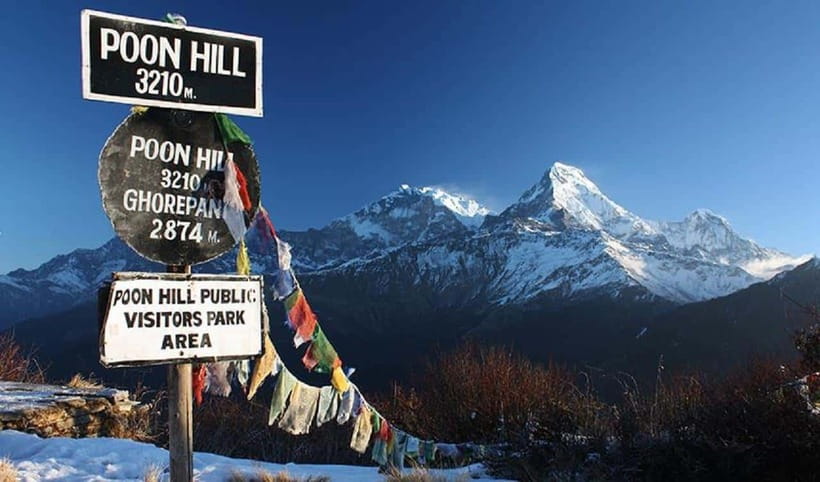
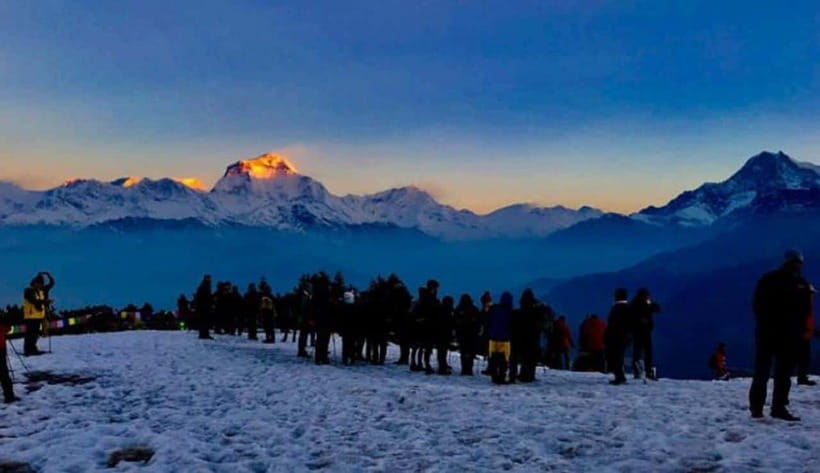
The third day begins before breakfast. The climb from Ghorepani to Poon Hill is listed at two to three hours, though timing varies with your pace and the morning crowd. You walk in the dark, so a headlamp is useful, even though it is not specifically listed among the required items.
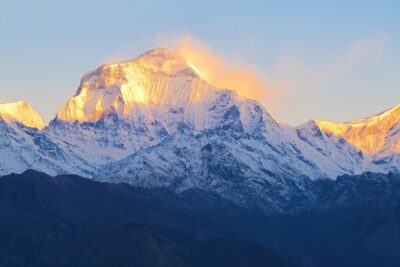
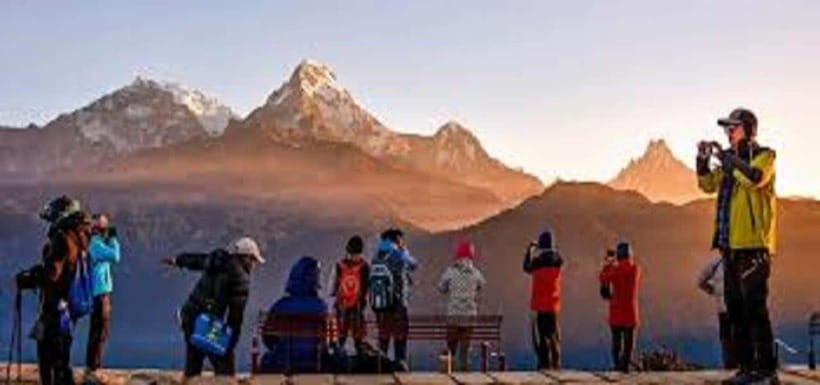
Poon Hill rises to approximately 3,210 meters. From the viewpoint, the reward is a wide Himalayan panorama, often including Annapurna, Dhaulagiri, Nilgiri, Annapurna South, and Machhapuchhre. At sunrise, the peaks can shift from gray to pink and gold as the light reaches them.
Weather controls the show. Clear conditions can deliver the famous view, while mist or haze may hide much of it. One person had foggy days and still valued the villages, trails, food, and guide. That is the right way to judge this trek: the sunrise is the highlight, but not the only reason to go.
After the viewpoint, you return to Ghorepani for breakfast. Then comes the long descent to Nayapul, listed at five to six hours, followed by a one to one and a half hour drive back to Pokhara. This is a demanding finish, especially after waking early.
If your knees are sensitive, tell your guide at the start. A previous guide adjusted the return transport closer to Pokhara when a participant developed knee trouble. The itinerary can also be adjusted in response to pace or illness, but you should not assume every change is automatic. Speak up early.
The cultural side is more than a photo stop
Ghandruk is highlighted as a Gurung cultural experience. The wider route also gives you time in hill villages where tea houses, farms, trails, and homes share the same small communities.
The cultural value here comes from the pace. You walk through places where people live and work rather than stopping only at a viewpoint. Your guide can add context about local life, festivals, language, food, and the environment. One guide shared stories about Diwali and even took a participant to watch volleyball during a local festival.
That sort of moment cannot be guaranteed, but the private format gives your guide room to respond when something interesting is happening. You might learn a few Nepali phrases, meet a guide’s family, or spend extra time at a village stop if the day allows.
The experience is not a staged cultural performance. It is closer to a working mountain route with tourist lodges along it. That means you should be polite, ask before photographing people, and accept that village life does not run on a fixed sightseeing schedule.
What the $126 price really covers
At $126 per person, this is a strong-value package if the listed inclusions match the option you choose. You receive round-trip transport from your Pokhara hotel or the airport to the trail area, required permits and fees, standard accommodation, an experienced certified guide, and porter expenses.
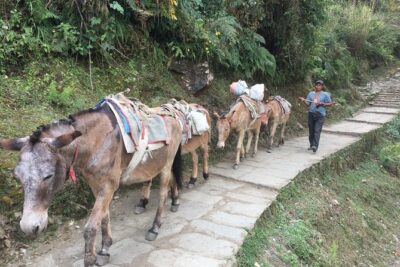
The porter cost is important. The package states that guide and porter meals, accommodation, insurance, salary, transport, and equipment are covered. You also receive a duffel bag, luggage storage in Pokhara, first-aid kits, government and local taxes, and trekking equipment such as poles and sleeping bags when needed.
Meals require a closer look. Meals are included if that option is selected, so check the booking choice before paying. Personal expenses are not included. That usually means you should budget for drinks, snacks, hot showers, charging, tips, and anything else you buy along the route, though the supplied details do not set exact amounts.
The price is most attractive for people who want help with permits, transport, lodging, and carrying gear. Booking each part separately might give you more control, but it would also leave you managing the practical details. Here, you pay for a short, organized private trek with a local support team.
Who should book this trek
I would recommend it to you if you have only three days, want mountain scenery, and are comfortable with several hours of uphill and downhill walking. It also suits first-time trekkers who want support from a guide without joining a large group.
It is a particularly good fit for couples, friends, and families who prefer a private pace. A guide can stop when you need a chair, help with food, organize hot water, and adjust the day around your ability.
I would be cautious if you have low fitness, knee problems, or little experience with sustained uphill walking. The route is sometimes advertised as beginner-friendly, but that does not mean easy. The stair sections are serious, especially on the first day, and the final day is long.
If you can spare four days, spreading the same route over a longer schedule would likely feel easier. The three-day version works because it is efficient, not because it is gentle.
The best seasons for mountain views are generally the clearer trekking periods, but exact weather is not promised by the supplied information. Temperatures can vary sharply, and higher areas are cold. Pack for both warm sun and cold nights, and carry waterproof protection.
Booking details and practical preparation
Your passport copy must be sent at least one day before departure so the operator can arrange government permits. Travel insurance is mandatory, and emergency rescue services are available if needed.
Guiding is offered in English, Hindi, and Nepali. Pickup is optional but available throughout Pokhara Valley. Cancellation is free up to 24 hours before the trek, and the reserve-now, pay-later option keeps payment flexible.
Pack warm layers, hiking shoes, hiking pants, a waterproof bag, and a passport or accepted copy. Add a headlamp, water bottle, sun protection, and personal snacks as sensible preparation, though only the first group is specifically required in the supplied instructions.
Should you book the Ghorepani and Poon Hill trek?
Book it if you want a genuine Himalayan introduction in a tight schedule and understand that the low price comes with hard walking and simple lodging. The strongest reasons are the private guide, the excellent mountain viewpoint, the village route, and the practical inclusion of transport, permits, porter costs, and gear.
Do not book it expecting a relaxed holiday or a guaranteed sunrise. The first day is steep, the last day is long, and clouds can hide the peaks.
For most reasonably fit visitors with three free days in Pokhara, I think the trade is worthwhile. Ask for a guide who suits your pace, confirm the meal option, request trekking poles before departure, and bring enough warm clothing for Ghorepani. Do that, and Poon Hill can give you a memorable taste of Nepal without committing to a much longer expedition.
FAQ
How long is the Ghorepani and Poon Hill trek?
The trek lasts three days and includes two nights in standard mountain accommodation.
What is the highest point on the route?
Poon Hill is the highest listed point, at approximately 3,210 meters or 10,531 feet.
Is this trek suitable for beginners?
It can suit first-time trekkers with reasonable fitness, but it is physically demanding. The first day includes many steep stone steps, and the final day combines an early climb with a long walk back to Nayapul.
What languages can the guide speak?
Guides are available in English, Hindi, and Nepali.
Are meals included?
Meals are included if you select the meal option. Check the chosen package before booking. Personal expenses are not included.
What accommodation is provided?
You stay in standard private accommodation, generally in family-run tea houses or guesthouses. Rooms are described as clean and welcoming, but conditions are basic and can be cold.
What should I bring?
Bring warm clothing, hiking shoes, hiking pants, a waterproof bag, and a passport or copy. Travel insurance is mandatory, and you must submit a passport copy at least one day before the trek for permits.
More Three-Day Trips around Nepal
- Sapa 3 Days 2 Nights Trekking Tour (1 Night In Ta Van Village, 1 Night In Hotel)
★ 5.0 · 699 reviews - 3-Day Trekking Adventure of Sapa from Hanoi – Stay Ta Van Village
★ 5.0 · 611 reviews - From Marrakech: 3-Day Mount Toubkal Climbing Trek
★ 4.7 · 597 reviews - 3-Day Ethical Orangutan Jungle Trek | Bukit Lawang, Sumatra
★ 5.0 · 401 reviews
More Poon Hill Treks in Nepal
- Poon hill Trek 3 days
★ 5.0 · 176 reviews - Pokhara: 4-Day Ghorepani, Poonhill & Ghandruk Mountain Trek
★ 5.0 · 132 reviews - Ghorepani – Poon Hill Trek 3N-4D
★ 5.0 · 125 reviews - 4 Days Poon Hill Trek
★ 5.0 · 94 reviews
Just added around Nepal
- Pokhara: 2-Day Ghorephani and Poon Hill Private Trek★ 4.6 · 50 reviews
- 4-Day Private Poon Hill Trekking Tour★ 5.0 · 58 reviews
- Private 7 – Day Annapurna Base Camp Trekking★ 5.0 · 50 reviews
- 14 Days Private Tour Everest Base Camp Trek★ 5.0 · 105 reviews
- Kathmandu: Nagarkot Sunrise & Hike with Lunch -Private/Group★ 4.9 · 122 reviews
- Pokhara: 4-Day Ghorepani, Poonhill & Ghandruk Mountain Trek★ 5.0 · 132 reviews
- 4 Days Poon Hill Trek★ 5.0 · 94 reviews
- Ghorepani – Poon Hill Trek 3N-4D★ 5.0 · 125 reviews
Poon Hill Treks, side by side.
4-Day Ghorepani, Poonhill & Ghandruk Mountain Trek
Read our review →