REVIEW · NEPAL
Pokhara: 7-Day Annapurna Base Camp Trek & Natural Hot Spring
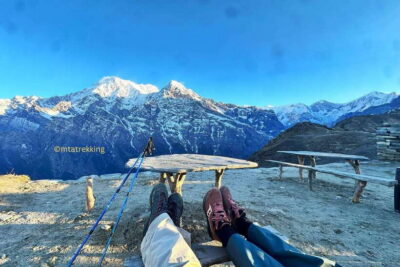
Reaching Annapurna Base Camp at 4,130 meters is the heart of this seven-day trip, but the route earns its keep long before you reach the top. You walk through Gurung villages, stone stairways, rhododendron forest, and a narrow mountain valley that opens into a giant amphitheater of snow peaks.
I like the mix of big mountain scenery and village life, and I like that the finish at Jhinu Danda includes a natural hot spring soak. The main drawback is the physical demand: several days run six to seven hours, with long climbs and steep stone steps. Day one and day seven may also include dusty road walking, depending on the transport arrangement.
Key points to know before booking
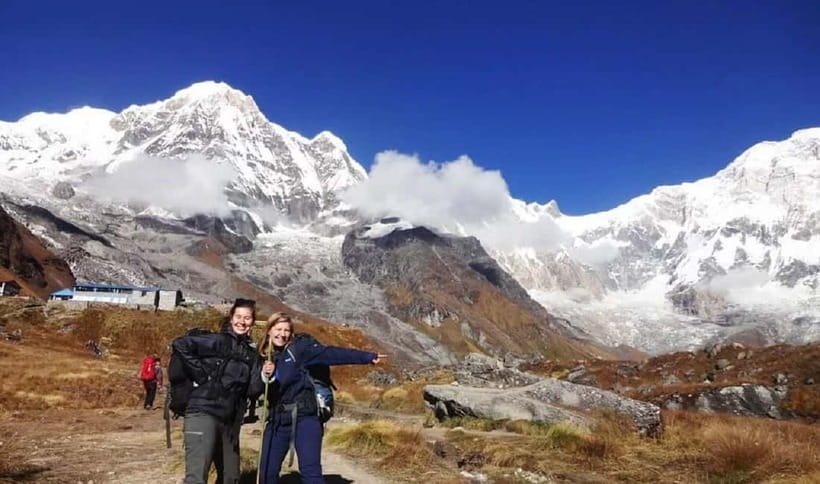
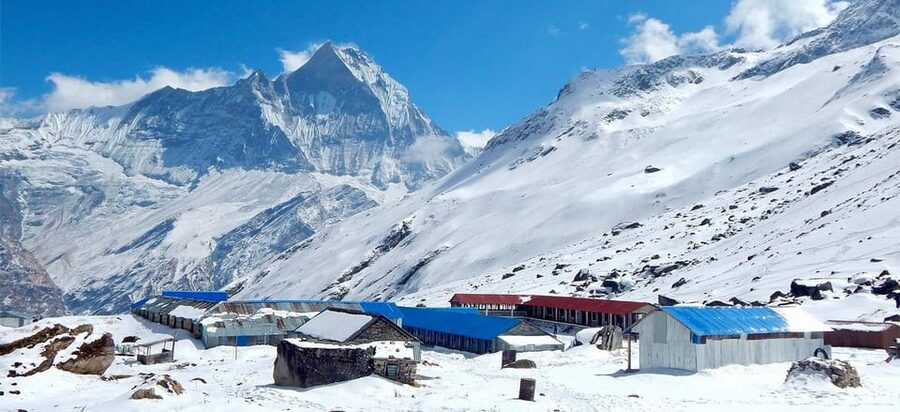
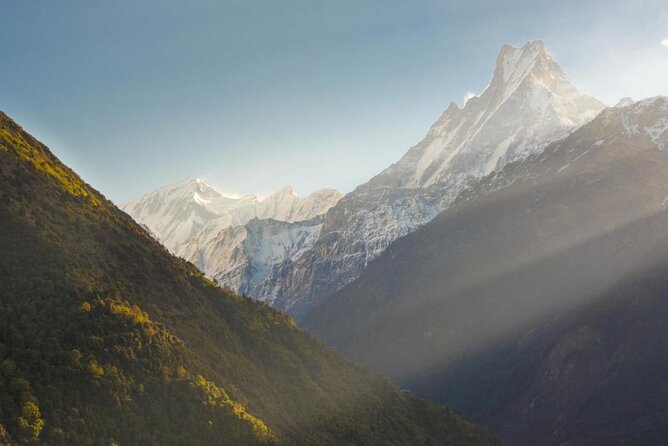
- Annapurna Base Camp reaches 4,130 meters: You enter the high alpine zone and the Annapurna Sanctuary, with Annapurna I and Machhapuchhre towering above.
- The route has real variety: Expect Gurung villages, terraced fields, rhododendron and bamboo forest, waterfalls, river valleys, and glacier country.
- Jhinu Danda is a smart finish: The hot springs give tired legs a welcome break after the long descent from base camp.
- The guide matters here: Chandra, Bishnu Giri, Anil, Jeet Bahadur, Sun, and Laxman have been praised for safety, encouragement, local stories, and practical help.
- The price is strong for a private trek: At $181 per person, the package includes permits, tea house lodging, guide costs, transport, and some meals depending on the option selected.
- Pack for changing conditions: Warm layers, rain gear, gloves, sun protection, cash, a power bank, and a sleeping bag are all sensible choices.
Why this seven-day route works so well
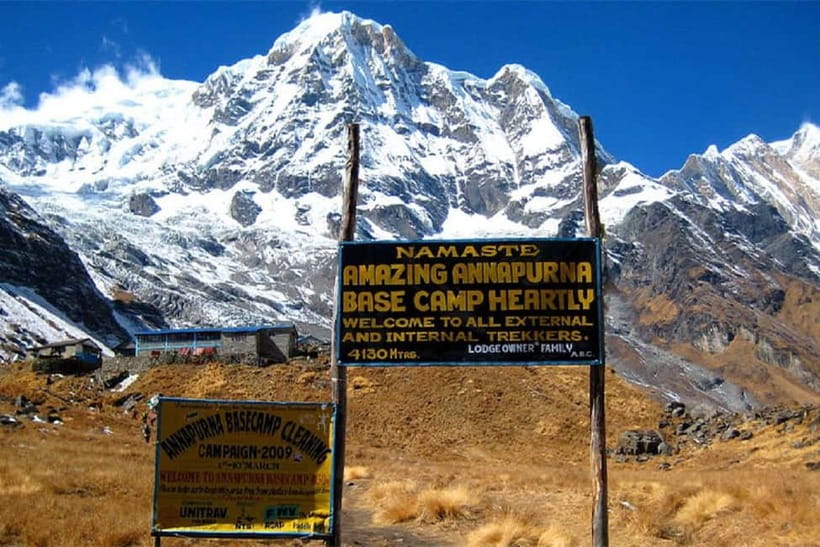
This is a short version of the Annapurna Base Camp trek, starting and ending in Pokhara. You spend a week walking into the mountains rather than sitting in a vehicle all day, but the schedule is tight enough that each day requires a fair effort.
The route is appealing because it gives you several different Nepali experiences in one trip. You see daily life in mountain villages, sleep in basic tea houses, walk beneath forest canopy, and then reach a stark alpine valley surrounded by giant peaks. That change in scenery is what gives the trek its punch.
Your guide is not just there to point out the trail. A good guide controls the pace, watches how you handle the altitude, helps with food and rooms, and explains local life along the way. The guides associated with this trip speak English, Hindi, or Nepali. Chandra has been praised for clear mountain information and flexibility, while Bishnu Giri is known for long experience, cultural stories, and close attention to health and safety.
The group is private, which is useful on a route where your walking speed and comfort can shape the day. You still need to follow the fixed overnight plan, but there is some room to adjust guesthouse choices and pace when conditions allow.
More Hikes with Hot Springs in Pokhara:
- Pokhara: 5 Day Annapurna Base Camp Trek & Natural Hot Spring
★ 4.9 · 44 reviews - From Pokhara: 5-Day Annapurna Basecamp Trek with Hot Springs
★ 4.9 · 26 reviews - Bali: Mount Batur Sunrise Guided Hike and Natural Hot Spring
★ 4.8 · 9,284 reviews
Day one: Pokhara to Ghandruk, the first mountain village
The trip begins with transport from your hotel, the Lakeside area, or Pokhara International Airport, depending on the option you choose. The drive to the trailhead is listed at about an hour, followed by roughly five to six hours of walking to Ghandruk.
Ghandruk sits at about 1,940 meters and is one of the most attractive village stops on the route. The trail follows the Modi Khola area through settlements and forest before reaching the village. This first day gives you an early taste of the route’s rhythm: walk, climb, stop for food, and settle into a simple lodge.
Do not treat this as an easy warm-up. Five or six hours on foot can feel demanding if you have just arrived in Nepal, especially on uneven trails and stone steps. Start with a light daypack, drink regularly, and let your guide set a steady pace.
There is one practical point to clarify before booking. The supplied plan describes transport to the trailhead, but one participant specifically wished for a car or jeep on the road sections at the beginning and end. Ask the operator exactly where the vehicle drops you and where the final walking section begins.
Day two: Ghandruk to Chomrong, stone steps and wide views
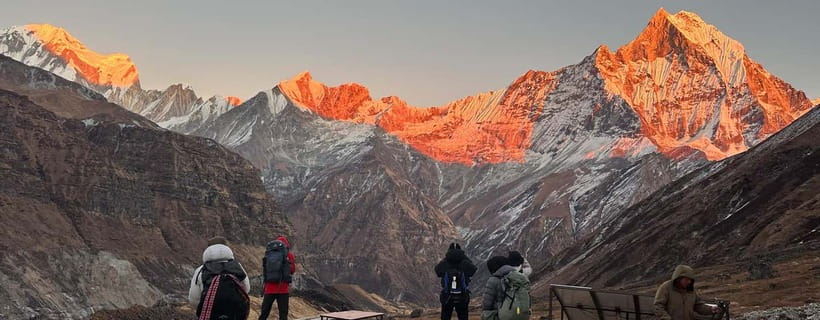
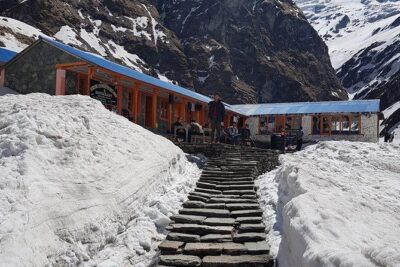
The six-hour walk to Chomrong takes you through forest and uphill sections with views toward the Annapurna range and Machhapuchhre. The route is famous for stone stairways, and you should expect your legs to notice them.
Chomrong sits at about 2,170 meters. It is an important stop because the route begins to feel more remote and the mountains become a larger part of your day. The village setting also gives you a chance to see how mountain communities are linked by footpaths rather than ordinary roads.
This is a good day to use trekking poles. A trekking stick is included if needed, but bring your own if you prefer a particular style. Keep your camera accessible, but do not let photography turn every pause into a long stop. You still have several days ahead, and conserving energy matters more than collecting hundreds of similar mountain pictures.
Day three: Chomrong to Himalaya through bamboo forest
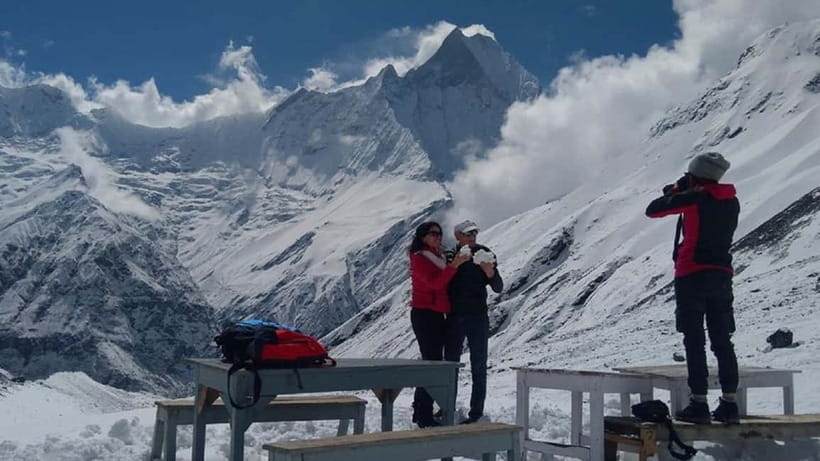
Day three covers about six to seven hours and ends at Himalaya, at roughly 2,920 meters. You first descend toward the river, then climb through bamboo and rhododendron forest.
That up-and-down pattern can be more tiring than a steady ascent. You lose altitude and then have to regain it, so do not judge the day only by the final elevation. The forest provides shade and a welcome change from open stairways, while the river and waterfalls add movement and sound to the route.
Himalaya is where the altitude starts to feel more serious for some people. The itinerary is moving quickly toward base camp, so tell your guide about headaches, unusual fatigue, poor appetite, or trouble sleeping. The guide’s role in watching your condition is one of the most valuable parts of a supported trek.
Tea house accommodation is basic but practical. Expect a simple lodge rather than a full-service hotel. Meals are included only with the option selected, so check that detail before you pay and carry cash for food, drinks, and small personal needs.
More Annapurna Treks in Pokhara:
- Trekking in Annapurna/Langtang/Everest/Upper Mustang regions
★ 5.0 · 161 reviews - Pokhara: Annapurna Foothills Day Hike with Transfers
★ 5.0 · 100 reviews - Kathmandu/Pokhara: 5-Day Annapurna Base Camp (ABC) Trek
★ 4.9 · 72 reviews - Pokhara: 4-Day Mardi Himal Trek
★ 4.9 · 59 reviews
Day four: Himalaya to Machhapuchhre Base Camp and Annapurna Base Camp
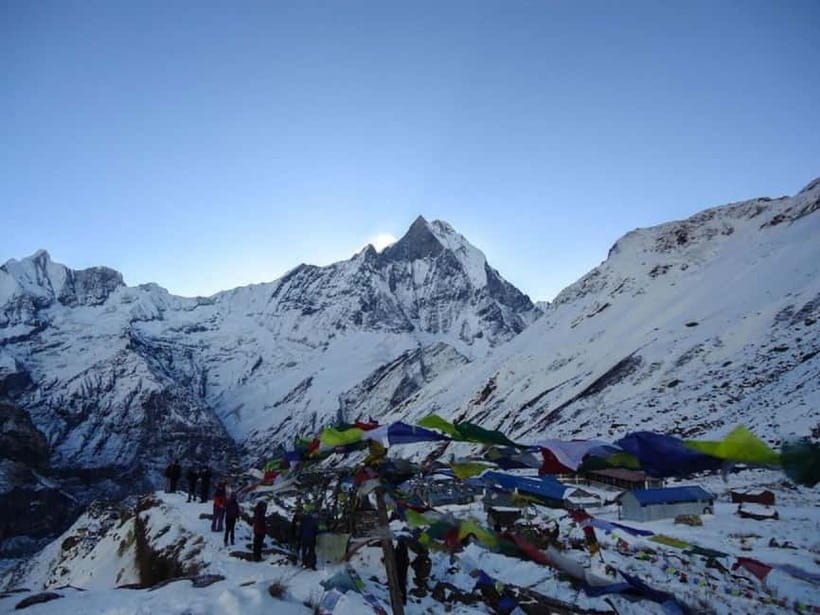
This is the major day. You walk six to seven hours from Himalaya through the alpine zone, pass Machhapuchhre Base Camp, and continue to Annapurna Base Camp at 4,130 meters.
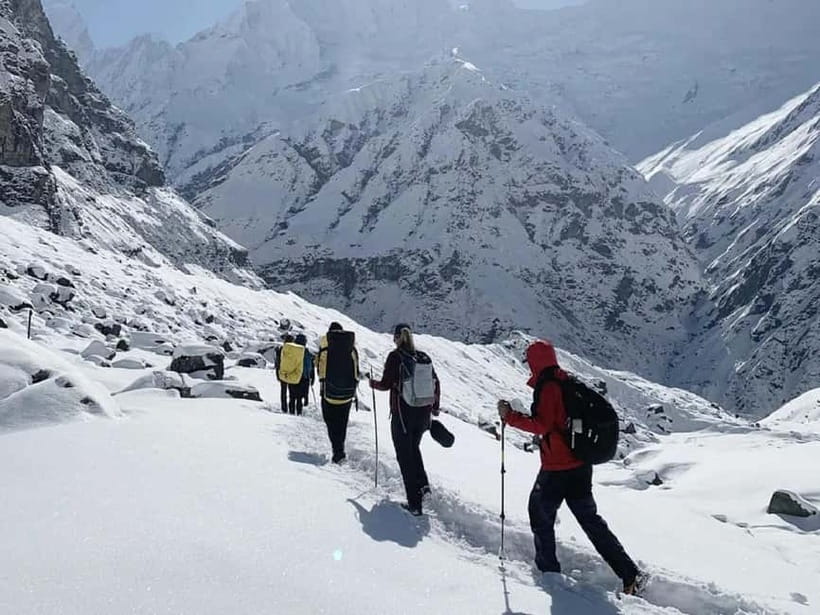
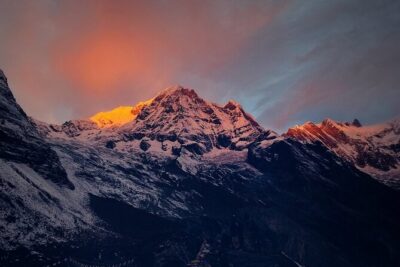
The forest gives way to a high mountain valley. The trail enters the Annapurna Sanctuary, a natural bowl ringed by enormous peaks. Here, the walking itself becomes only part of the experience. You are surrounded by snow-covered summits, glacier country, and steep valley walls.
Annapurna I and Machhapuchhre are the names most often associated with this part of the trip, but the appeal is the feeling of being enclosed by mountains on every side. Sunrise and sunset can be especially memorable if the weather is clear. The supplied information promises dramatic views, but mountain weather is never guaranteed, so keep your expectations flexible.
At 4,130 meters, this overnight stop is not a casual walk-in-the-park destination. The schedule is demanding because the route reaches base camp in only four days. Your fitness, previous experience at altitude, and the day’s weather all matter. Follow your guide’s advice, walk slowly, and do not race the final section.
The reward is a night in one of the most memorable settings on the route. Tea house facilities remain simple, and high-altitude conditions can make the night less comfortable than the lower villages. Pack a warm sleeping bag if you have one, or request the provided trekking gear if available under your selected arrangement.
Day five: The long descent to Bamboo
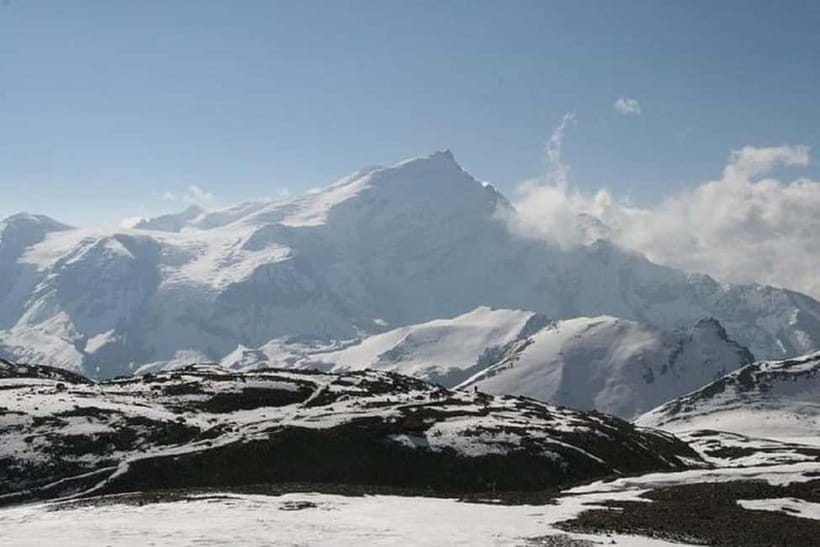
After the base camp night, you descend for six to seven hours to Bamboo, at about 2,335 meters. This is a relief for your lungs, but not necessarily for your knees.
The descent retraces sections of the route, yet it does not feel like a repeat in the same way. Looking back toward the Annapurna range gives you different views, and waterfalls and changing light make familiar ground seem new. The trail drops from open alpine country into forest again.
This is the day when trekking poles and good footwear become especially useful. Descending stone steps for hours can be hard on knees and ankles. Take short breaks, keep your pack light, and do not let the excitement of lower altitude push you into walking too fast.
Bamboo is a practical overnight stop. It puts you within reach of Jhinu Danda the next day and breaks up what would otherwise be a very long descent.
Day six: Bamboo to Jhinu Danda and the natural hot springs
The six-hour walk from Bamboo to Jhinu Danda descends toward the river and ends at about 1,610 meters. Compared with base camp, the air feels much warmer and the vegetation changes again.
Jhinu Danda is the trip’s built-in recovery stop. After several days of climbing and descending, you can soak in a natural hot spring near the village. Bring a towel, change of clothes, and a small waterproof bag for the walk to and from the bathing area.
The hot spring is not a substitute for medical care or a cure for serious soreness, but it is a pleasant way to mark the end of the hardest mountain section. It also gives the trip a better balance than a simple out-and-back walk. You finish with time to relax rather than immediately rushing back to Pokhara.
Day seven: Return to Naya Pul and Pokhara
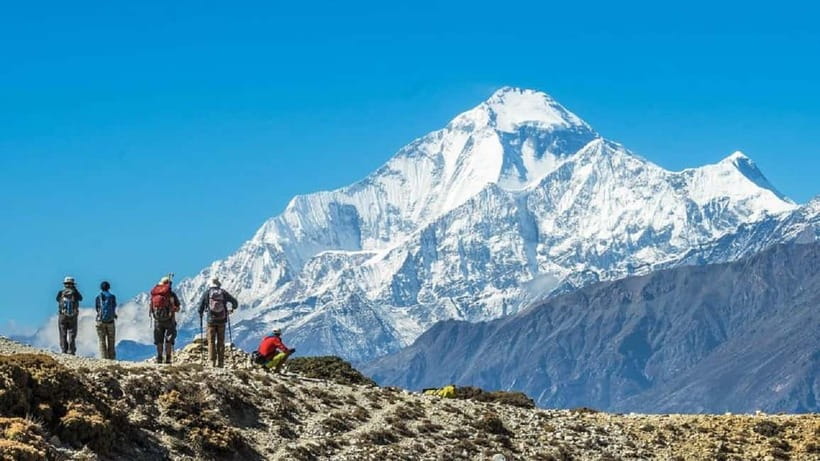
The final day includes about four to five hours of walking to Naya Pul, followed by roughly an hour of driving to Pokhara. Drop-off may be available at a Lakeside hotel, Pokhara International Airport, Sarangkot, or other listed locations, depending on your arrangement.
Like day one, the exact road and walking details deserve confirmation. One participant specifically preferred vehicle support instead of dusty road walking at the start and finish. If you dislike road sections, ask for the precise pickup and drop-off plan before departure.
The trip ends with a return to Pokhara and a full week of mountain memories, but do not assume you will be ready for a long evening out. A shower, food, and a quiet night may be more appealing after the final walk.
What the $181 price really covers
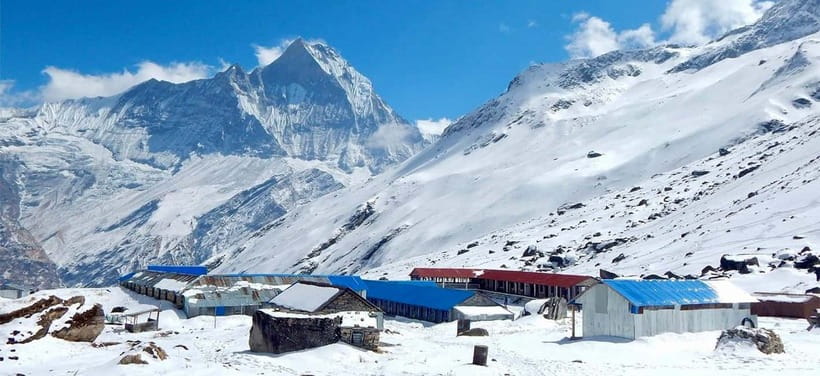
At $181 per person, this is a low price for a guided seven-day private trek if all listed inclusions apply to your selected option. The package covers round-trip transport connected with the trek, permits, TIMS fees, simple tea house lodging, government and local taxes, a certified English-speaking guide, guide expenses, first aid equipment, and luggage storage in Pokhara.
It also includes the guide’s salary, accommodation, meals, insurance, transport, and equipment. That matters because guide costs can otherwise appear as hidden extras. Trekking gear such as a walking stick or sleeping bag may also be available as needed.
Meals are the main detail to check. They are included depending on the option selected, so compare the booking choices carefully. Personal snacks, drinks, and other expenses are not included. You should carry cash because the route is not presented as a place where you can rely on cards or regular access to banking services.
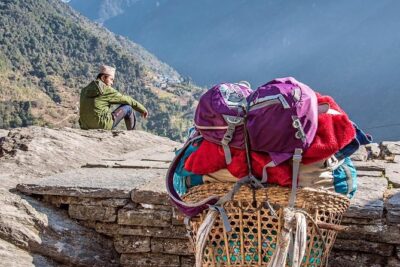
A porter is optional at $20 per day. If you want to walk with only a daypack, this may be worthwhile. If you are comfortable carrying your own gear, skipping the porter keeps the total cost lower, but remember that seven days of changing clothes and warm layers add weight quickly.
Travel insurance is mandatory, and emergency rescue is not included in the base price. Buy a policy that fits a high-altitude trek and understand what it covers before you start.
Guides, comfort, and what to pack
The strongest part of this experience is the guide service. Chandra has been praised for good English, mountain information, and flexibility. Bishnu Giri has more than 20 years of experience and is known for cultural stories and careful attention at higher elevations. Anil has helped with walking and food, while Jeet Bahadur has been described as friendly, entertaining, and good at taking photos.
Names are not a guarantee of assignment, so you can ask for a preferred guide when booking. The key point is to expect an active guide, not just someone who walks ahead. You should receive help with pacing, food, lodge arrangements, and safety.
Pack comfortable hiking shoes or waterproof footwear, warm clothing, gloves, a jacket, rain gear, hiking pants, sun protection, sunglasses, a hat, a towel, a flashlight, a power bank, and cash. Bring a passport or accepted copy, and send a passport copy at least one day before the trek so permits can be arranged.
The trip is not ideal for someone who expects hotel comfort or short daily walks. It suits you best if you have reasonable fitness, can manage six to seven hours on foot, and are comfortable with simple tea houses.
Should you book this Annapurna Base Camp trek?
I would choose this trek if you want a compact route to one of Nepal’s great mountain destinations and value having a guide handle the permits, logistics, and lodge arrangements. The combination of Gurung villages, forest trails, high peaks, and Jhinu Danda’s hot springs gives you much more than a base camp photo.
I would pause if you have little hiking experience, dislike steep steps, or are not ready for a 4,130-meter overnight stay. Ask about the exact road transport, confirm which meals are included, and decide in advance if you need a porter.
For fit walkers who want a private, guided Himalayan week at a modest price, this is a strong choice. The scenery is the headline, but the careful guides and well-placed hot spring finish are what make the seven-day plan work.
FAQ
How high does the Annapurna Base Camp trek reach?
The trek reaches Annapurna Base Camp at 4,130 meters, or about 13,550 feet.
How long do I walk each day?
Walking times range from about four to seven hours per day. The longest days are listed at six to seven hours, especially on the route to base camp and the descent to Bamboo.
Where do I sleep during the trek?
You stay in simple tea houses or lodges in Ghandruk, Chomrong, Himalaya, Annapurna Base Camp, Bamboo, and Jhinu Danda.
Is transportation from Pokhara included?
Round-trip transportation between your hotel, Pokhara International Airport, and the trek starting point is included. Pickup is available from the airport or hotels in the Lakeside area, but you should confirm the exact road and walking sections.
Is a porter included?
No. A porter can be hired if needed for $20 per day. The guide’s costs, including accommodation, meals, insurance, salary, transport, and equipment, are included.
What languages does the guide speak?
Guides are available in English, Hindi, and Nepali. The guide is a government-certified trekking professional, and passport information must be provided at least one day before the trek for permits.
More Week-Long Trips around Pokhara
- Private Kilimanjaro Hike 7 Day Lemosho Route
★ 5.0 · 60 reviews - Best Kilimanjaro Adventure 7 days Machame route Trekking
★ 5.0 · 42 reviews - 7-Day: Inca Trail Trek to Machu Picchu Group Tour
★ 5.0 · 40 reviews - Kilimanjaro 7 Day Private Trekking Experience
★ 5.0 · 40 reviews
Just added around Pokhara
- Pokhara: Annapurna Foothills Day Hike with Transfers★ 5.0 · 100 reviews
- Pokhara: 5 Day Annapurna Base Camp Trek & Natural Hot Spring★ 4.9 · 44 reviews
- Pokhara: Annapurna Day Hike with Panoramic Views★ 4.3 · 7 reviews
- Pokhara: 4-Day Private Trek Tour★ 4.9 · 43 reviews
- Pokhara: 4-Day Poon Hill and Ghandruk Guided Trek★ 5.0 · 14 reviews
- Pokhara: 4-Day Beautiful Ghorepani Poon Hill & Ghandruk Trek★ 4.8 · 21 reviews
- Pokhara: 4-Day Mardi Himal Trek★ 4.9 · 59 reviews
- Pokhara: 3-Day Trek★ 4.5 · 7 reviews
Annapurna Treks, side by side.
Trekking in Annapurna/Langtang/Everest/Upper Mustang regions
Read our review →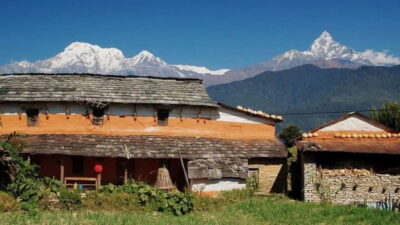
Kathmandu/Pokhara: 5-Day Annapurna Base Camp (ABC) Trek
Read our review →