
REVIEW · TANZANIA
Best Kilimanjaro Adventure 7 days Machame route Trekking
Kilimanjaro’s Machame Route gives you a full mountain story in seven days: tropical forest on day one, high volcanic rock and Lava Tower in the middle, then a midnight climb toward the summit and sunrise above the Great Rift Valley. The route is demanding, but it changes scenery often enough to keep your mind busy when your legs are tired.
I like the way this trek builds in an acclimatization day at Lava Tower, followed by a descent to Barranco Camp. I also like the personal support promised by the named team members, Victor and Tyson, working under guide and manager Thomas. That kind of steady help matters when the trail gets steep.
The main caution is the cost. At $1,200 per person, the package includes camping gear, guides, porters, a chef, and meals, but national park fees and tax are listed separately. You should confirm the final price before paying, and be ready for a very long summit day of up to 14 hours.
Key points before you choose the Machame Route
- Seven days from Machame Gate to Mweka Gate: You climb through forest, moorland, high volcanic ground, and summit terrain before walking out through the trees.
- Lava Tower helps with acclimatization: The route climbs to about 15,000 feet, then drops to Barranco Camp, a useful high-and-low pattern.
- Barranco Wall is the route’s big physical test: The climb is steep, but the views from the top reward the effort.
- Summit day begins just after midnight: Expect a 10 to 14 hour day, with a 3,600-foot ascent over just more than three kilometers before the descent.
- Camping support is included: A tent, sleeping mattress, guides, porters, chef, breakfast, lunch, and dinner are part of the package.
- Victor, Tyson, and Thomas are named support contacts: Their role is especially important for climbers who need encouragement and practical help on the trail.
Why the seven-day Machame Route works
The Machame Route is a good choice if you want variety rather than a long walk through one type of ground. Your first day begins in tropical rainforest. Later, the trees thin out and the route moves through open high country, rough volcanic paths, rock walls, and exposed summit terrain.
That variety has a practical benefit. You are not simply counting miles. Each day feels different, which can help keep your focus on the next section of trail instead of the total climb ahead.
The seven-day schedule also gives you more time than a very short Kilimanjaro itinerary. You still need good physical fitness, but the route includes the important Lava Tower acclimatization section. You climb high, then sleep lower at Barranco Camp. That pattern is one of the most useful parts of the plan.
Still, seven days is not an easy holiday. The summit push is scheduled for day six, after several days of walking and camping. You need to arrive ready for long uphill hours, cold conditions at altitude, and a descent that continues after the summit.
More Kilimanjaro Hikes in Tanzania:
- 8-Day Small-group Lemosho Kilimanjaro Summit Trekking
★ 5.0 · 186 reviews - Mountain Kilimanjaro Day Hike
★ 5.0 · 102 reviews - Private Full Day Hiking Experience to Marangu Route
★ 5.0 · 61 reviews
Day 1: Machame Gate and the rainforest
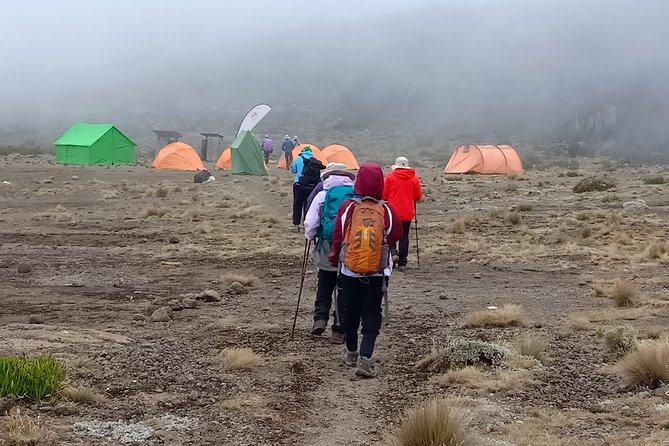
Your first day begins with a drive to Machame Gate, registration, and the start of the climb. The hike takes about seven hours and finishes at Machame Camp.
This is the gentlest-feeling day of the route, though seven hours is still a serious walk. The path passes through tropical rainforest, where you might spot colobus monkeys and wild birds. Those sightings give the first day a pleasant sense of place, rather than making it feel like a simple approach march.
Machame Camp is your first overnight stop. Dinner and camping follow the day on the trail. Because camping equipment, a sleeping mattress, porters, and a chef are included, you do not need to carry every part of the camp setup yourself.
I would use this first day to settle into the rhythm of the trek. Pay attention to how your body feels, keep your pace controlled, and avoid treating the easy forest section like a race. You have several harder days ahead.
Day 2: From Machame Camp to Shira Camp
Day two takes about five hours. From Machame Camp, you cross a stream and follow a steep, rocky ridge toward Shira Camp.
The path criss-crosses the ridge before reaching camp at the base of a semi-circular rock wall. The shorter walking time may sound easy, but the steep trail makes this a proper mountain day. Your legs will notice the repeated uphill work.
Shira Camp is a useful transition point. The forest has been left behind, and the surroundings become more open and rocky. You are gaining altitude, so slow walking is not a sign of weakness. It is the sensible way to conserve energy.
Dinner and overnight camping are included at Shira. Since six breakfasts, seven lunches, and six dinners are part of the package, your food is handled through the full seven-day schedule. The listing does not specify menus, so ask the operator about dietary needs before you go.
Day 3: Lava Tower and the drop to Barranco
Day three is one of the smartest parts of the route. You hike from Shira Camp to Lava Tower at about 15,000 feet, then continue down to Barranco Camp. The walk takes roughly six hours.
The point of Lava Tower is not only the view. It gives your body time at a higher altitude before you sleep lower. That high climb followed by a descent is a useful acclimatization design, though it can still feel tough.
After Lava Tower, the route continues toward the Great Barranco Wall. Barranco Camp is described as one of the best camps on the mountain, and its position below the wall gives the evening a dramatic setting. You can look ahead at the steep section you will tackle the next morning.
This is also a good day to judge how your body is responding. The itinerary gives you a planned route, but altitude affects people differently. If you feel unwell, tell the guide rather than trying to hide it.
More Week-Long Trips around Tanzania:
- Private Kilimanjaro Hike 7 Day Lemosho Route
★ 5.0 · 60 reviews - Kilimanjaro 7 Day Private Trekking Experience
★ 5.0 · 40 reviews
Day 4: Climbing the Great Barranco Wall
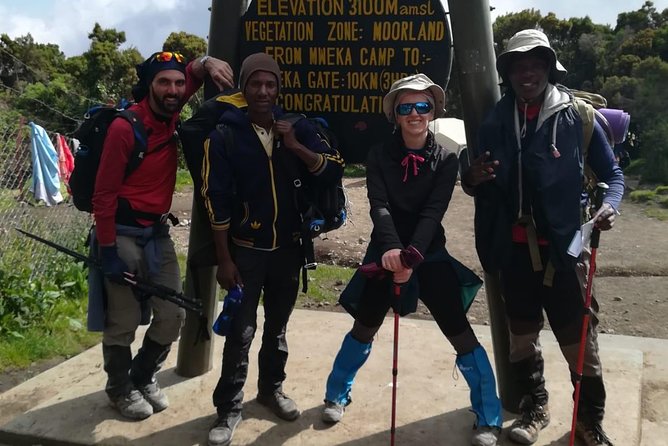
From Barranco Camp, you climb along the edge of the Great Barranco Wall and continue to Karanga Camp. The day lasts about seven hours.
The morning climb is tough. The trail is steep, and the wall can look more intimidating from below than it feels once you begin working upward. The reward is the view from the top, which gives you a strong sense of progress.
This is where a good guide team matters. Victor and Tyson are named as part of the support team, with Thomas described as the guide and manager. If you need a slower pace or extra encouragement, this is the type of day when clear communication with your guide is important.
Karanga Camp is your overnight stop. By this point, you have completed the rainforest, Shira, Lava Tower, Barranco, and the wall. The route has given you several different kinds of walking, but it has also taken a steady toll on your energy.
Day 5: Karanga Camp to Barafu Camp
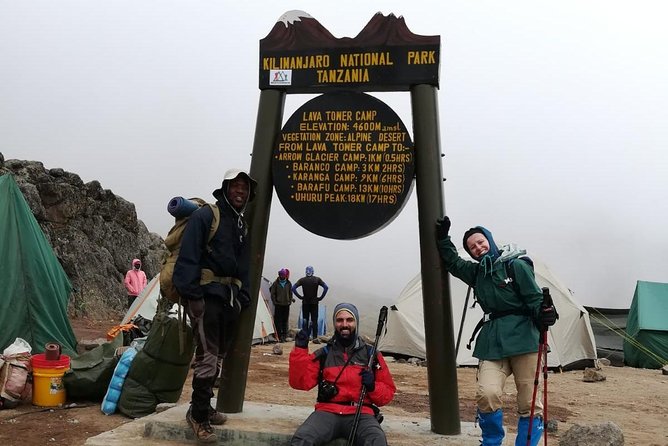
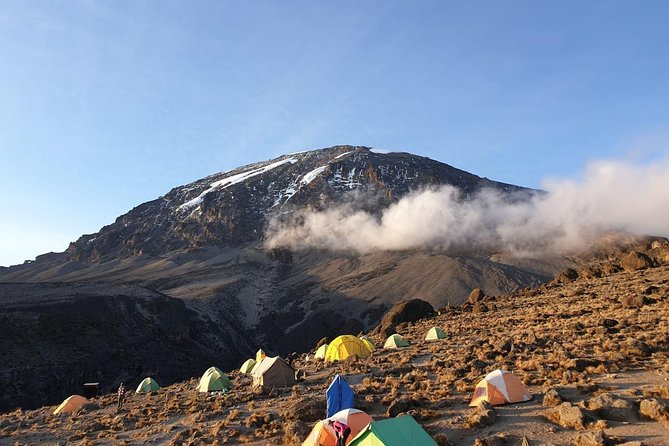
Day five is a shorter climb of about five hours. You walk to Barafu Camp, the final camp before the summit attempt.
Short does not mean unimportant. The main job today is to reach camp, eat, organize your equipment, and rest. The itinerary specifically tells you to save energy for the climb to the Roof of Africa, and that is sound advice.
Barafu Camp marks the point where the schedule changes. You are no longer preparing for another ordinary hiking day. You are preparing for a midnight start, a long ascent, a summit visit, and a descent to Mweka Camp.
I would treat this afternoon as recovery time, not sightseeing time. Make sure you know where your essential items are, listen to the guide’s instructions, and conserve energy. The information provided does not give a detailed packing list, so ask what clothing and equipment the operator recommends before departure.
Day 6: Midnight start, summit sunrise, and Mweka Camp
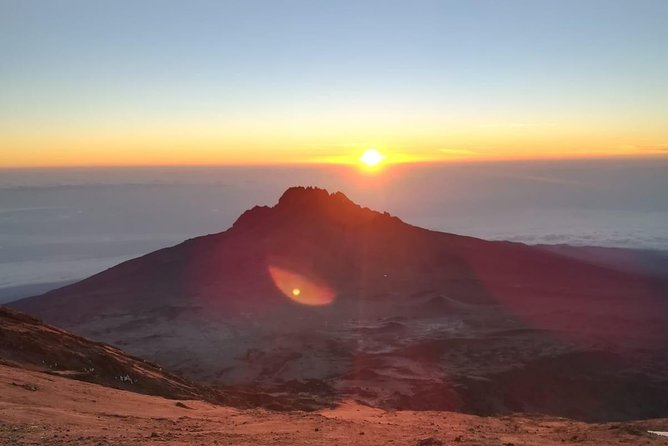
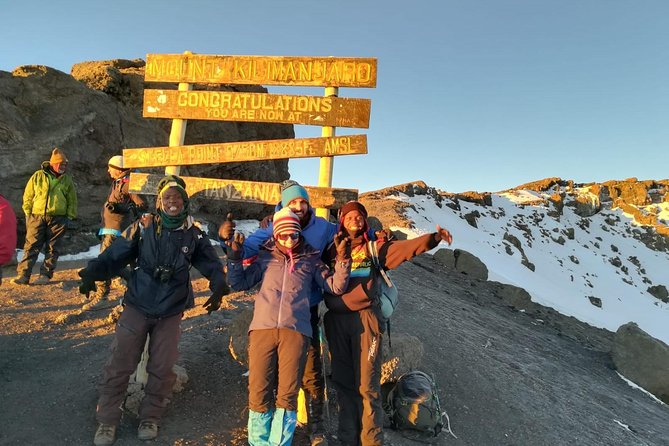
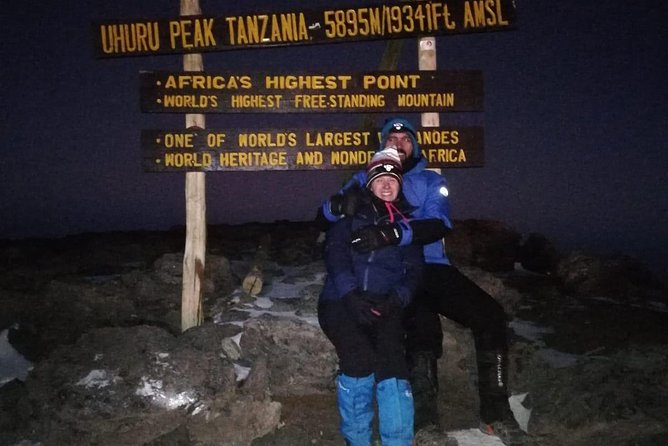
Day six is the hardest day by far. You start just after midnight and walk for 10 to 14 hours or more.
The summit section involves an ascent of about 1,100 meters, or 3,600 feet, over just more than three kilometers. The plan allows six to eight hours for the climb to the summit, where you can watch the sunrise over the Great Rift Valley and take photographs.
This timing is hard on both body and mind. You leave camp when most people would be asleep, climb in darkness, and keep moving while the air gets colder and the ground more demanding. The sunrise gives you a clear goal, but it does not make the climb easy.
After time at the summit, you descend below the tree line and continue to Mweka Camp. That is the part people sometimes underestimate. Reaching the summit is not the end of the day. You still have a long downhill walk ahead, and tired legs can make descending uncomfortable.
Dinner and camping are provided at Mweka. The support of the guides and porters is especially valuable here. If you are not naturally strong or you are attempting Kilimanjaro for a personal milestone, the team’s encouragement may make a real difference. One climber specifically credited Victor and Tyson with helping make a 30th birthday goal possible, while Thomas handled the wider guiding and management role.
Day 7: Walking out through the forest
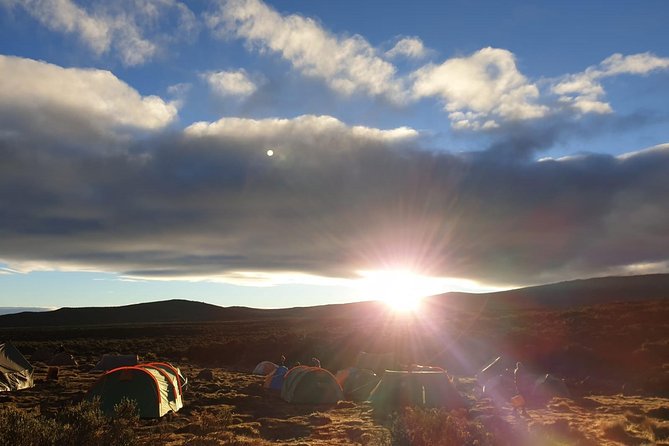
The final day is a short hike of about three hours through lush forest. You finish at Mweka Park Gate, where a driver takes you back to your hotel in Moshi or Arusha.
After the long summit day, this is a welcome change of pace. The walk gives you time to come down from the effort without forcing another major climb. The forest also brings you back to the setting where the route began, though by now you will see it with very different legs.
The stated schedule lists about four hours for the full day, allowing for the gate process and drive. Pickup is offered, and the meeting time is listed as 8:30 a.m. Confirm the exact pickup point and whether your hotel is in Moshi or Arusha before the trek begins.
What the $1,200 price really covers
The price is $1,200 per person. That is not a simple hiking fee. It covers camping equipment, a tent, a sleeping mattress, a guide team, porters, a chef, and 19 listed meals: six breakfasts, seven lunches, and six dinners.
That support matters on Kilimanjaro. Porters and a chef reduce the amount of camp equipment and food you need to manage, while the guide team leads the route and helps keep the group moving.
But the price needs careful checking. National park fees and tax are listed under exclusions, along with tips, gratuity, and travel insurance. Park fees can make a major difference to the final amount, so ask for a written total that separates the base tour price from required extra charges.
Tips are also not included. The correct amount depends on the service and group arrangement, so ask the company how tipping is normally handled. Travel insurance is your responsibility as well.
The experience is often booked about 87 days ahead, so I would not leave planning until the last moment. That lead time gives you space to confirm costs, prepare physically, arrange insurance, and ask about the size of your actual group. The maximum listed group size is 100, which is large enough to make a direct question about group size worthwhile.
Who should book this trek
I would recommend this route to you if you want a structured Kilimanjaro climb with camping support and a clear seven-day plan. It suits someone who values changing scenery, a planned acclimatization climb, and a guide team that includes porters and a chef.
It is also a good fit if the summit sunrise matters to you. The midnight start is tiring, but it is built around reaching the top in time for sunrise over the Great Rift Valley.
I would be cautious if you have not done long uphill walks or if you expect a relaxed nature holiday. The itinerary requires moderate physical fitness, and the summit day is exceptionally long. A seven-day schedule gives you useful acclimatization time, but it does not remove the physical demands of high-altitude trekking.
The route may suit a first-time climber who is not especially strong, provided that person prepares properly and communicates with the guide. The experience involving Victor, Tyson, and Thomas suggests that personal support is part of the service, but you should still take responsibility for fitness, insurance, and honest communication about how you feel.
Booking details worth checking first
Confirmation is provided at booking, and pickup is offered. The activity starts at 8:30 a.m., and the final transfer goes from Mweka Park Gate to a hotel in Moshi or Arusha.
Free cancellation is available if you cancel at least 24 hours before the start time. Inside that 24-hour period, the amount paid is not refunded, and changes are not accepted. Poor weather can lead to a different date or a full refund.
The provider is Kilinge Adventures. Before booking, I would ask for the exact meeting point, final cost including park fees and tax, expected group size, food arrangements, and a detailed equipment list. Those questions are practical, not fussy. They can prevent surprises on a seven-day mountain trip.
Should you book the Machame Route?
Book this trek if you want a seven-day Kilimanjaro climb with strong route variety, organized camp support, and a serious summit attempt. The rainforest, Lava Tower, Barranco Wall, sunrise summit, and forest exit give the week a clear shape.
Book with care if the $1,200 price is your full budget, since national park fees and tax are extra. You should also be comfortable with a 10 to 14 hour summit day and a midnight departure.
For a fit person who prepares well, asks clear questions, and values a supportive team, this is a compelling Machame plan. The named involvement of Victor, Tyson, and Thomas is a useful detail to confirm when you book. If you want Kilimanjaro to feel like a real expedition rather than a quick mountain walk, this seven-day route gives you the right amount of challenge.
FAQ
How long is the Kilimanjaro Machame Route experience?
The trek lasts seven days, approximately, from the drive to Machame Gate through the walk out at Mweka Gate.
What time does the activity start?
The listed start time is 8:30 a.m.
Is pickup offered?
Yes. Pickup is offered, and the final transfer takes you from Mweka Park Gate to a hotel in Moshi or Arusha.
What meals are included?
The package includes six breakfasts, seven lunches, and six dinners.
Is camping equipment included?
Yes. Camping equipment includes a tent and sleeping mattress. Guides, porters, and a chef are also included.
Are national park fees included in the price?
No. National park fees and tax are listed as additional costs.
How difficult is the trek?
A moderate level of physical fitness is required. The longest day is day six, with a midnight start and a total walking time of 10 to 14 hours or more.
Can I cancel for a full refund?
Yes, if you cancel at least 24 hours before the experience start time. Cancellations made less than 24 hours before the start time are not refunded.
Just added around Tanzania
- Full Day Private Hiking Tour to Kilimanjaro Mountain★ 5.0 · 22 reviews
- Kilimanjaro 7 Day Private Trekking Experience★ 5.0 · 40 reviews
- Mount Kilimanjaro Day Hike Through Marangu Route to Mandara Hut★ 5.0 · 37 reviews
- Mount Kilimanjaro Day Hike★ 4.5 · 23 reviews
- Private Kilimanjaro Hike 7 Day Lemosho Route★ 5.0 · 60 reviews
- Best Kilimanjaro hiking day trip tour with Kilinge Adventures★ 4.5 · 54 reviews
- #1. Best Kilimanjaro Day hike Tour-Machame Route-ISMANI★ 4.2 · 47 reviews
- Arusha: Napuru Waterfalls Guided Hike★ 4.8 · 39 reviews
Kilimanjaro Hikes, side by side.
8-Day Small-group Lemosho Kilimanjaro Summit Trekking
Read our review →
Private Full Day Hiking Experience to Marangu Route
Read our review →
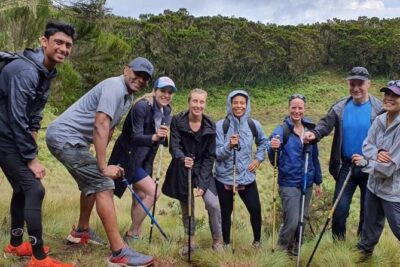
Best Kilimanjaro hiking day trip tour with Kilinge Adventures
Read our review →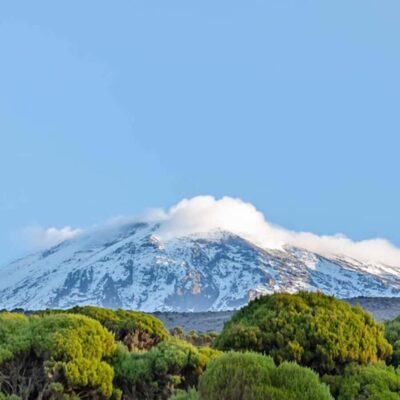
#1. Best Kilimanjaro Day hike Tour-Machame Route-ISMANI
Read our review →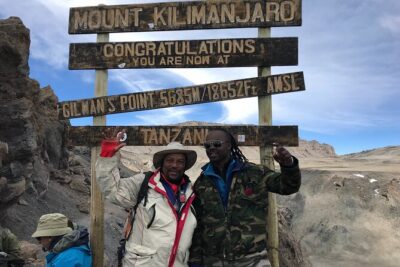
Kilimanjaro 7 Day Private Trekking Experience
Read our review →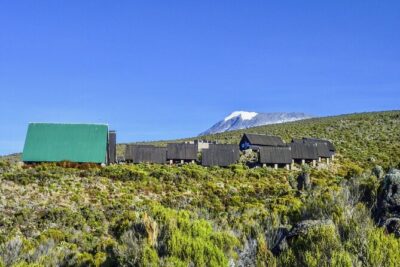
Mount Kilimanjaro Day Hike Through Marangu Route to Mandara Hut
Read our review →This walk also sits in