
REVIEW · TANZANIA
5 days safari, hiking & culture (Serengeti & kilimanjaro)
The best part of this five-day trip is its range. You move from elephant country in Tarangire to the open plains of the Serengeti, descend into the Ngorongoro Crater, then trade the safari vehicle for a village walk and hot-spring swim near Kilimanjaro. That is a lot of Tanzania in a short time.
I like the all-meals-included camping setup, which keeps costs under control and removes daily food planning. I also like the mix of wildlife and local activity: the optional Maasai village visit, Materuni waterfall hike, and coffee lesson keep this from becoming five long days in a vehicle.
The main consideration is pace. Some days run for nine to twelve hours, and the route covers a great deal of ground. You should also know that this is not a Kilimanjaro summit climb. The final day visits Kilimanjaro National Park area, Materuni village, a coffee farm, and Kikuletwa hot springs.
Key points at a glance
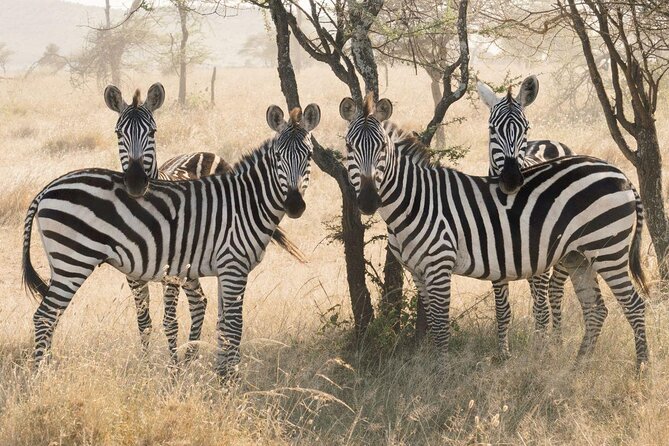
- Tarangire comes first: Begin with a two-hour drive from Arusha or Moshi, followed by a full game drive among elephants, zebras, buffaloes, wildebeest, gazelles, and possible big cats.
- The Serengeti gets two game-drive windows: You arrive in the afternoon for a sunset drive, then return early the next morning when wildlife is often active.
- Ngorongoro is more than a viewpoint: You see the crater from above, can visit a Maasai village for an added $20, and later descend into the crater to search for black rhinos.
- The final day changes the rhythm: Hike about two hours and 40 minutes to Materuni Waterfalls, make coffee with local producers, then relax at Kikuletwa hot springs.
- Meals and camping gear are included: Breakfast, lunch, dinner, camping equipment, fees, taxes, and binoculars are covered, while an onboard restroom is not provided.
A big northern Tanzania circuit in five days

At $1,950 per person, this is not a bargain-basement safari. But the price covers a serious amount of ground and several costly elements: national park access, camping equipment, meals, taxes, a guide and vehicle, binoculars, and transfers from Arusha or Moshi.
I see the value in the variety. A shorter safari focused only on one park might offer more relaxed game viewing, but this trip gives you Tarangire, the Ngorongoro area, the Serengeti, and a Kilimanjaro-side cultural day. You are paying for breadth, not a slow stay in one lodge.
This is a private activity for your own group, though the supplied information does not state the maximum group size. Ask about the number of people in your vehicle before booking, since that affects comfort on long drives and how easily everyone gets a window view.
More Kilimanjaro Hikes in Arusha:
- 8-Day Small-group Lemosho Kilimanjaro Summit Trekking
★ 5.0 · 186 reviews - Mountain Kilimanjaro Day Hike
★ 5.0 · 102 reviews - Private Full Day Hiking Experience to Marangu Route
★ 5.0 · 61 reviews
Day 1: Tarangire’s elephants and wide game-drive route
Pickup begins at 7:30 a.m. from your hotel in Arusha or Moshi. The drive to Tarangire takes about two hours, so the first morning is manageable, though the full day lasts roughly nine hours.
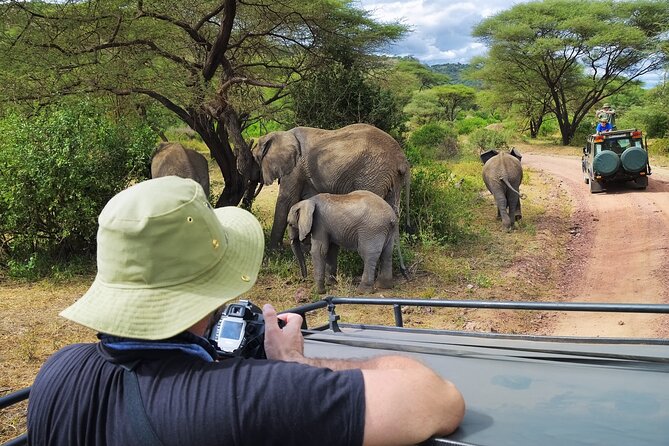
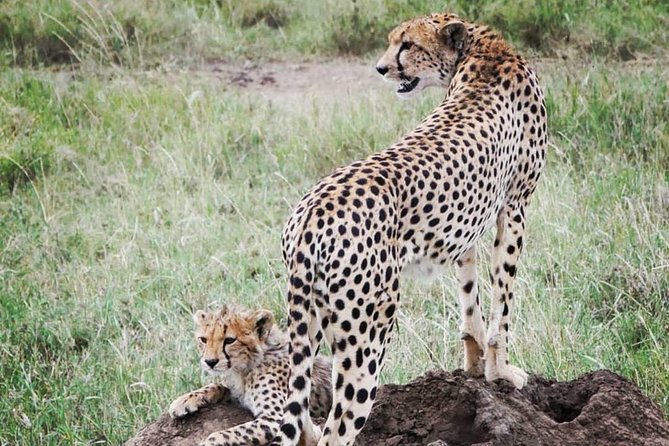
Tarangire is a sensible opening park because it gives you an early chance to see a broad mix of animals without waiting several days for the safari to build momentum. The planned search includes lions, cheetahs, leopards, elephants, wildebeest, buffaloes, zebras, and gazelles.
The park is especially appealing if elephants are high on your list. The route is designed around finding active wildlife, with the guide adjusting the drive toward promising areas. That flexibility matters more than a fixed schedule on safari, since sightings change from hour to hour.
You finish the day at your accommodation after the game drive. The exact accommodation style is not specified, but camping equipment is included for the trip. Ask in advance about tent type, sleeping arrangements, showers, and charging access, especially if you are new to safari camping.
Day 2: Ngorongoro views, Maasai culture, and the Serengeti
Day two is the longest transfer day, lasting about ten hours. You begin with a 30-minute stop at the Ngorongoro viewpoint, where the crater spreads out below you. This is a quick stop, but it gives you the right scale before you later enter the crater itself.
The Maasai village visit is optional and costs an additional $20. It is a useful choice for anyone who wants more than wildlife viewing. You can learn about Maasai life, warrior traditions, livestock, and cultural practices, while keeping in mind that this is a brief 45-minute visit rather than a long community stay.
The description includes older traditions such as lion hunting and drinking animal blood, while noting that most of these customs are now in the past. Go with an open mind and ask respectful questions. The extra fee is not included, so bring enough cash if you decide to participate.
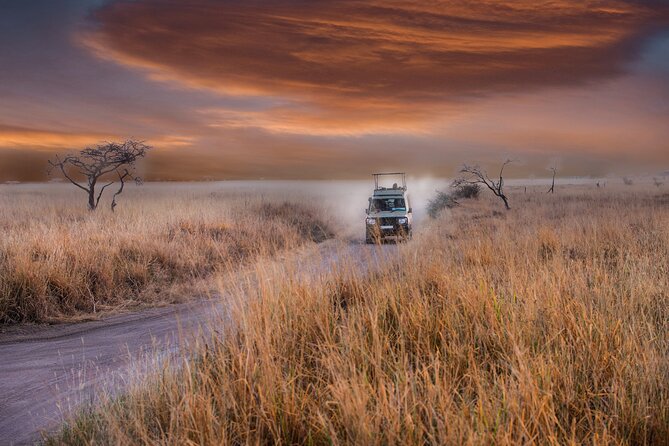
After Ngorongoro, you continue toward the Serengeti and reach the Seronera area in the afternoon. This central part of the park is used for an extended game drive that can continue into sunset. That timing gives you a chance to see animals in changing light and possibly watch predator activity.
You then head to the Seronera campsite. Wildlife can be seen near camp, including hyenas, so you must follow the camp team’s safety instructions and avoid walking around alone at night. Active rangers provide protection, but this remains a real wilderness setting, not a fenced hotel compound.
Day 3: Early Serengeti wildlife, then the road toward Ngorongoro
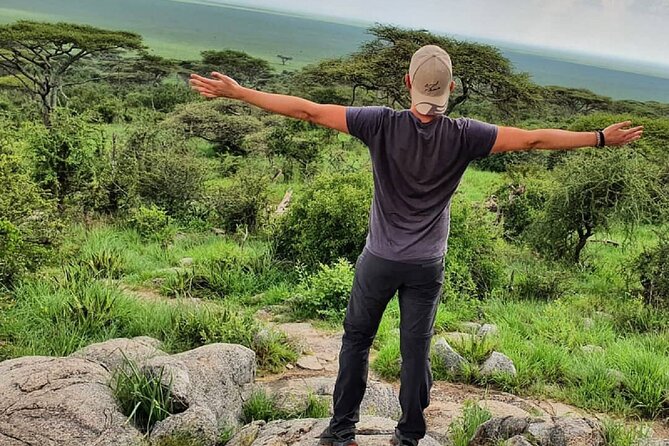
The third day starts with an early breakfast and an early game drive. This is one of the strongest parts of the schedule because cooler morning hours can be a productive time to look for animals before the heat of the day.
The drive continues until the afternoon, when you return to camp for lunch. Afterward, you leave the Serengeti and travel toward Simba campsite near Ngorongoro. The entire day lasts about twelve hours, so you should expect a long ride with frequent wildlife stops rather than a relaxed afternoon.
The route out of the Serengeti is part of the experience. You continue seeing animals while leaving the park, and even the campsites can offer wildlife sightings. Still, this is the day when the tight five-day format is most obvious. If you dislike long drives, a longer safari with fewer parks would be easier on your body.
Several people who took related Safari Soles trips singled out their guides for safe driving, animal spotting, and clear explanations. Names that appear repeatedly in the company’s safari work include Innocent, Cheddy, Chadi, Omar, Vincent, and Lucas. Your assigned guide may be different, so ask for the guide’s name and experience before departure.
More Five-Day Trips around Arusha:
- Annapurna base camp trek 5 Days
★ 5.0 · 252 reviews - Machu Picchu: 5-Day Salkantay Trek with Panoramic Train
★ 5.0 · 79 reviews - Ausangate Trek 5 Days
★ 5.0 · 74 reviews - Kathmandu/Pokhara: 5-Day Annapurna Base Camp (ABC) Trek
★ 4.9 · 72 reviews
Day 4: Descending into the Ngorongoro Crater
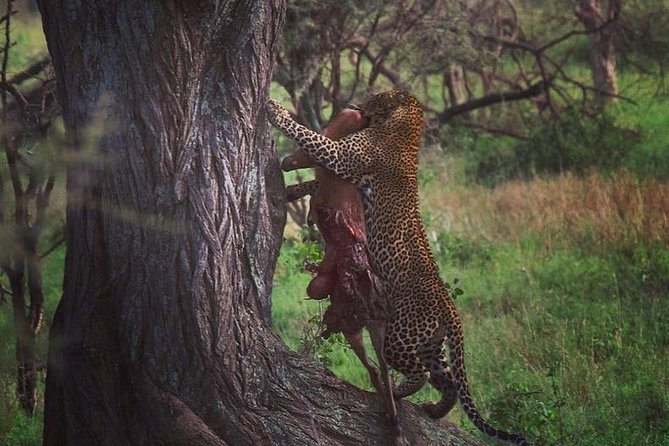
Day four begins with breakfast before the descent into Ngorongoro Crater. The crater floor is a natural enclosure for a large number of animals, which makes wildlife viewing more concentrated than in the open Serengeti.
The main target is the black rhino. Rhinos are difficult to find, and the trip does not promise a sighting. That uncertainty is part of the appeal, but you should set your expectations correctly. You may see many easier-to-spot species while the rhino remains distant or hidden.
The crater floor offers a strong contrast with the previous days. In the Serengeti, you scan broad open areas and may travel considerable distances between sightings. In Ngorongoro, the shape of the crater can bring different animals into a more compact viewing area.
After lunch and more game viewing, you ascend from the crater and pack for the return to Arusha. This is another nine-hour day, so the evening is mainly for rest and preparation. The schedule gives you a proper crater visit, but not much spare time for an unplanned stop.
Day 5: Materuni Waterfalls, coffee, and Kikuletwa hot springs
The final day leaves safari country behind. After breakfast, you drive toward Kilimanjaro National Park and Materuni village, where a local hike leads to Materuni Waterfalls.
The hike lasts about two hours and 40 minutes. You should be comfortable walking for several hours and prepared for uneven ground, changing weather, and a damp area around the waterfall. The reward is a quieter change of pace, with village paths, surrounding scenery, and time away from the vehicle.
After the hike, you visit local coffee farms and learn how coffee is planted and processed. The most appealing part is the chance to make your own cup. This gives the day a hands-on quality that a simple farm visit would not provide.
The last stop is Kikuletwa hot springs, where you can swim and rest before returning to your hotel in the evening. After several long safari days, this is a well-chosen finish. The day lasts about eight hours, but it should feel less demanding than the previous drives.
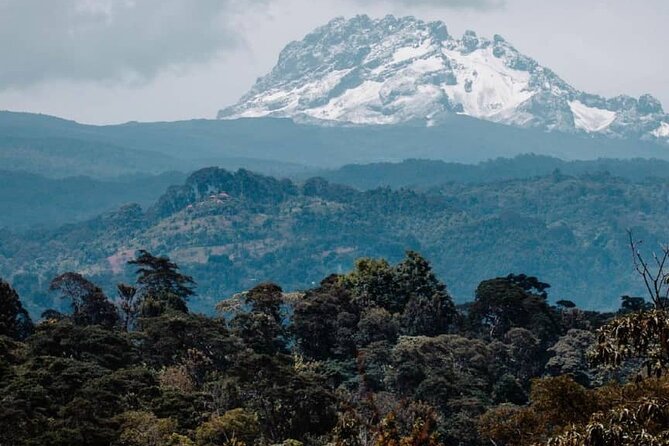
One point needs clear wording: the experience is marketed with Kilimanjaro in its name, but it does not include a climb on Mount Kilimanjaro. You visit the Kilimanjaro area, Materuni village, and nearby attractions. If reaching the summit is your goal, you need a separate multi-day climbing program.
Food, camping, and what the price covers
All meals are included, with five lunches, four dinners, and four breakfasts listed. Dietary requirements can be accommodated if you communicate them ahead of time. That is important on a camping safari, where finding a suitable meal at the last minute may not be easy.
Past safari groups have especially praised the amount and quality of the food, with enough meals to keep people comfortable during long game drives. Some trips also included drinks such as beer, but that is not listed as a guaranteed inclusion, so do not build your budget around it.
Camping equipment is provided, as are binoculars, park fees, and taxes. The practical gap is the lack of a restroom on board. Long drives include park facilities and camp stops, but you should be prepared for basic conditions between stops.
Pack light, bring a refillable water bottle, and keep warm layers accessible. Early drives and evening rides can feel cool, while midday walks and open-vehicle game drives can be hot. A small day bag is useful for sunscreen, camera gear, medication, and rain protection.
How the guides shape the experience
A safari guide does much more than drive. The guide reads animal behavior, chooses routes, explains what you are seeing, and manages the day when conditions change. That human element is especially important in the Serengeti, where good timing can mean the difference between a distant sighting and a much better view.
The strongest praise connected with this company focuses on guide behavior. Innocent is described as an experienced guide who explained animals clearly and helped create a smooth five-day trip. Cheddy and Chadi are praised for answering many questions, getting close to animals safely, and keeping the mood light. Omar is noted for a strong first-safari experience, while Vincent is described as a superb guide.
These names are useful when you contact the company, but they are not a guarantee that one of them will lead your departure. Ask who is assigned to your group, how many people will share the vehicle, and what happens if the guide changes.
Who should book this five-day safari
I would recommend this trip to you if you want a first taste of northern Tanzania and prefer variety over downtime. It suits people who want classic wildlife parks, basic camping, a cultural stop, a waterfall walk, and a hot-spring swim in one organized package.
It also works well for a private group that wants its own activity rather than joining an open group. The company offers pickup, group discounts, and mobile tickets, which makes planning simpler, though you should confirm the exact pickup address and transfer details.
I would be more cautious if you want luxury lodges, short driving days, or a slow wildlife-focused schedule. Two days run for about ten to twelve hours, and the route includes several long transfers. The accommodation details are not specific enough for anyone who needs a clearly defined hotel standard.
The hike on day five also matters. Most people can participate according to the supplied information, but a nearly three-hour walk is not the same as a gentle village stroll. If you have mobility concerns, ask about the trail and possible alternatives before paying.
Booking value and cancellation advice
The $1,950 price becomes easier to justify when you count the park fees, four nights of dinners and breakfasts, five lunches, equipment, binoculars, transport, and guide service. You also get four major activity types: game drives, crater viewing, cultural contact, and outdoor walking.
The main thing you are not buying is luxury or spare time. You are buying a packed route with a lot of included services. For a first safari, that can be a strong value, especially if you want the major northern Tanzania highlights without arranging separate operators.
Free cancellation is available up to 24 hours before the start time for a full refund. Changes or cancellations inside that 24-hour window are not accepted for a refund. The experience also depends on good weather and a minimum number of participants, so poor weather or low enrollment may lead to a new date, another experience, or a full refund.
Should you book it?
Book this trip if you want maximum variety in five days and can handle early starts, long drives, and camping. The combination of Tarangire, Serengeti, Ngorongoro, Materuni, coffee, and Kikuletwa is hard to beat for a short northern Tanzania visit.
Skip it if your priority is a Kilimanjaro summit, luxury accommodation, or a relaxed safari with fewer transfers. Before booking, confirm the guide, group size, camping arrangements, dietary needs, and the exact meaning of the Kilimanjaro visit. Those answers will tell you if this ambitious route matches your travel style.
FAQ
Where does the safari start?
Pickup is offered from hotels in Arusha or Moshi. The listed start time is 7:30 a.m.
How long is the experience?
The trip lasts approximately five days. Daily activities range from about eight to twelve hours.
Is the Maasai village visit included?
No. The visit is optional and has an additional $20 entrance fee.
Does the trip include a climb of Mount Kilimanjaro?
No. The final day visits the Kilimanjaro National Park area, Materuni village, Materuni Waterfalls, local coffee farms, and Kikuletwa hot springs. A mountain summit climb is not included.
Are meals included?
Yes. The package includes five lunches, four dinners, and four breakfasts. Dietary requirements can be accommodated if communicated in advance.
Is camping equipment provided?
Yes. Camping equipment is included, along with binoculars, all fees, and taxes.
Can I cancel for a full refund?
Yes, if you cancel at least 24 hours before the experience start time. Cancellations or changes made less than 24 hours in advance are not refunded.
Just added around Arusha
- 7 Days Machame Route Trek Mount Kilimanjaro★ 5.0 · 12 reviews
- 7 Days Machame Route Kilimanjaro Trekking★ 5.0 · 9 reviews
- 7-Day Private Kilimanjaro Hiking Tour via Machame from Arusha★ 5.0 · 11 reviews
- Private Day Tour Kilimanjaro Hike★ 5.0 · 13 reviews
- Mount Kilimanjaro day trip trekking★ 5.0 · 12 reviews
- 6 Days Serengeti Safari(hiking waterfalls &coffee tour)★ 5.0 · 48 reviews
- 4 days Best experience Kilimanjaro Hike, Serengeti &Ngorongoro★ 5.0 · 54 reviews
- 7 Days Kilimanjaro trek via Machame route★ 5.0 · 13 reviews
Kilimanjaro Hikes, side by side.
8-Day Small-group Lemosho Kilimanjaro Summit Trekking
Read our review →
Private Full Day Hiking Experience to Marangu Route
Read our review →
From Arusha/Moshi: Kilimanjaro Hike Marangu Route Day Trip
Read our review →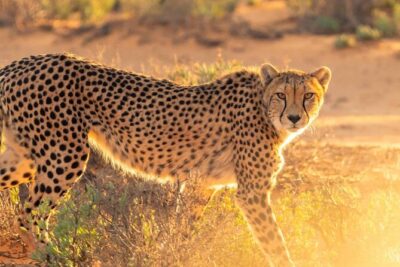
4 days Best experience Kilimanjaro Hike, Serengeti &Ngorongoro
Read our review →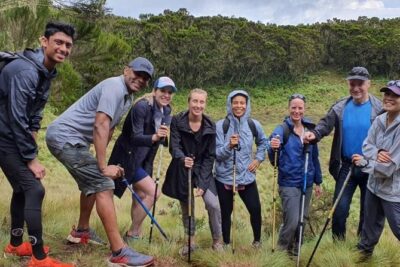
Best Kilimanjaro hiking day trip tour with Kilinge Adventures
Read our review →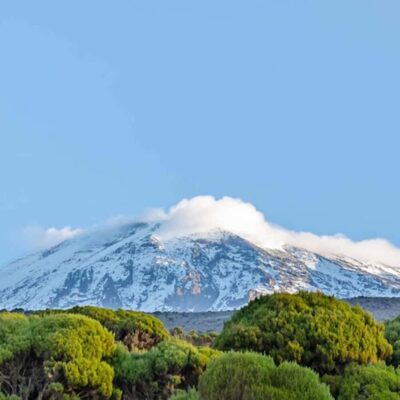
#1. Best Kilimanjaro Day hike Tour-Machame Route-ISMANI
Read our review →This walk also sits in