
REVIEW · VIETNAM
Sapa Trekking Private Tour With Ethnic Female Tour Guide
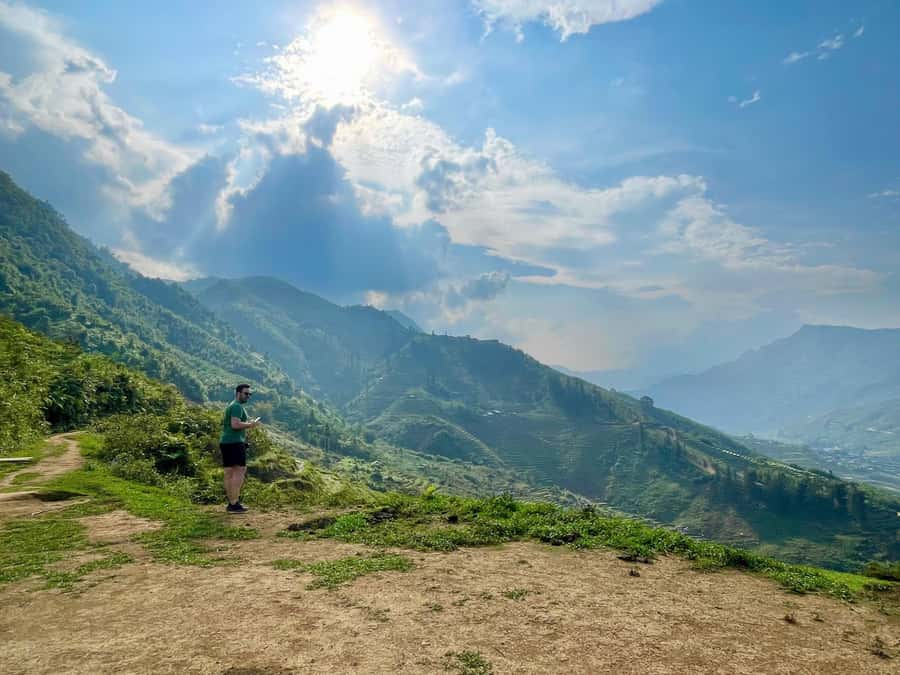
The best part of this Sapa tour is the shift from mountain views to real village life. You visit Black Hmong and Red Dao homes in the hills north of town, then continue into Muong Hoa Valley to meet the Dzay community and see rice terraces from village paths. It is a useful way to connect the scenery with the people who live among it.
I like the small-scale local focus and the chance to ask direct questions over a welcome drink. I also like the flexibility: your guide can adjust the route, and the trek can begin at your accommodation in central Sapa. The main consideration is the ground underfoot. After rain, parts of the walk can be muddy and slippery, so trekking shoes or rubber boots are wise.
Key points at a glance
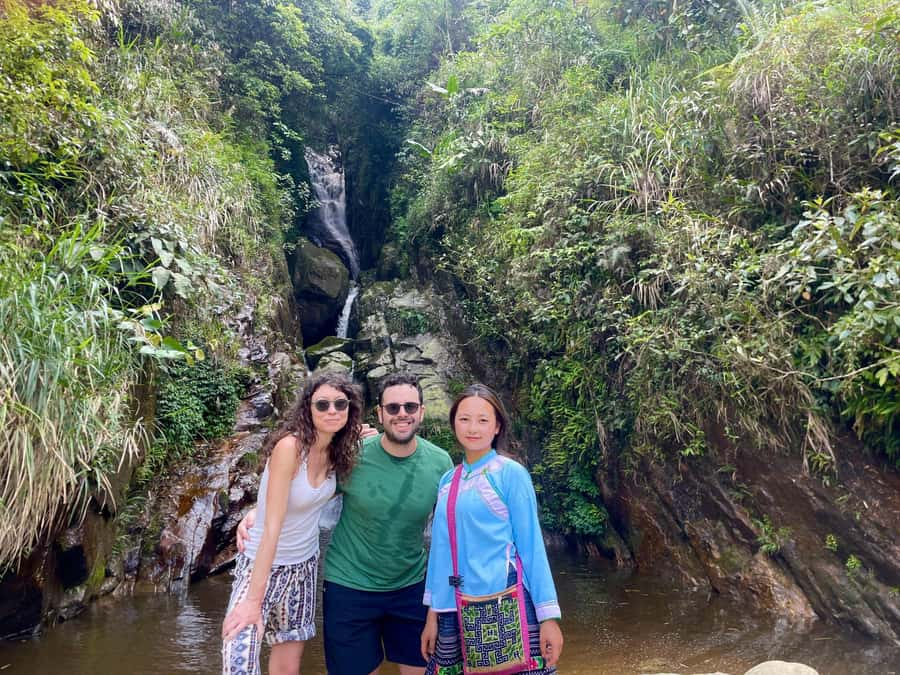
- Three ethnic communities in four hours: Learn about the Black Hmong, Red Dao, and Dzay groups in different parts of Sapa.
- Traditional homes and tea: Visit local houses, share a welcome drink, and use the relaxed setting to ask about customs and daily life.
- Muong Hoa Valley views: Walk past terraced fields and villages with the valley opening out below you.
- Female local guides: Guides such as Dely, Dung, Xiang, and La have led guests through their home region in English.
- Flexible route planning: Pickup is included from central Sapa, with itinerary changes possible for weather, timing, or your preferences.
- Good value at $30: The price includes the guide and central pickup, but not meals, personal expenses, or the Cat Cat Village entrance fee.
Why this four-hour route works
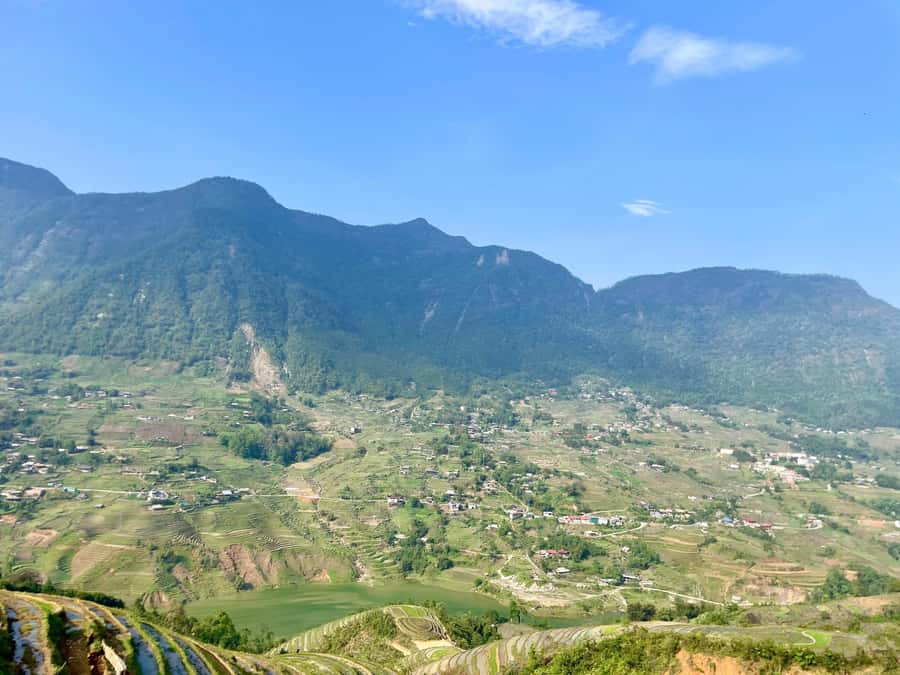
Sapa can be confusing on foot. The town itself is busy with hotels, shops, and tour sellers, while the best rural views and villages lie beyond the center. This experience gives you a short, focused outing that combines transportation, local interpretation, and a walk through the countryside.
The route covers two broad areas. First, you head north from Sapa to learn about the Black Hmong and Red Dao. Then you travel southeast toward Muong Hoa Valley and the Dzay communities. That change of direction matters because you are not seeing one village repeated twice. You get a look at different groups, homes, customs, and settings within a single half-day.
Your guide meets you at your accommodation in central Sapa. A short introduction follows, then you set off by vehicle and on foot. The exact balance depends on the route chosen, the weather, and the time available. If you prefer to start trekking directly from your accommodation, that can also be arranged as part of the flexible itinerary.
At $30 per person, the value is strongest if you want more than a scenic drive. You are paying for a local English-speaking guide, pickup, and access to cultural context that would be easy to miss on your own. The price does not cover food, personal purchases, or the entrance ticket for Cat Cat Village, so keep a little extra money with you if your adjusted plan includes that stop.
More Private Hiking Tours in Vietnam
- Sapa: Private The Most Beautiful Terraced Fields Trekking
★ 4.8 · 42 reviews - Private Hoang Lien National Park & Tribal Village Trek
★ 4.7 · 30 reviews - Sapa Cat Cat Village And Y Linh Ho Private Trekking Tour
★ 4.4 · 7 reviews
Meeting the Black Hmong and Red Dao communities
The northern section introduces two of the largest ethnic groups around Sapa: the Black Hmong and the Red Dao. The value here is comparison. Instead of hearing a broad description of ethnic culture, you can ask how customs, clothing, houses, family life, and local traditions differ between two nearby communities.
You visit traditional houses and share a welcome drink, usually in the form of tea according to the tour details. This pause gives the visit a more personal rhythm. You are not simply stopping for a photograph, then moving on. You have time to sit, listen, and ask your guide to explain what you are seeing.
The tour also allows photographs with local residents, but use good judgment. Ask before taking close-up portraits, and let your guide help with language and manners. A friendly exchange is more rewarding than treating the village as a backdrop.
The Black Hmong and Red Dao sections are especially useful for first-time visitors to Sapa. Clothing and craft traditions can be visually striking, but the guide can add the details that a quick glance cannot provide. You might learn how a community organizes daily life, how local homes are used, or why a custom matters.
Guide names vary by booking. Dely, Dung, Xiang, and La have all led this route, and the guide assigned to you may be different. The important point is that the experience is built around a local female guide who can explain the area in English. La, for example, is from a nearby village and has been praised for her English and local knowledge. Dely has also offered a flexible style, including an optional lunch experience at her home for some bookings. Treat that as an extra possibility, not a guaranteed part of the four-hour tour.
Tea, conversation, and traditional houses
A welcome drink sounds like a small detail, but it changes the feel of the visit. Sapa has plenty of viewpoint stops, yet the strongest cultural moments often come when you slow down. A cup of tea in a local home creates room for conversation about customs and everyday routines.
I would use this time well. Ask your guide about the differences between the Black Hmong and Red Dao, and ask what is typical in the home you are visiting. If you are interested in clothing, farming, family life, or local celebrations, this is the moment to bring it up.
The tour information does not promise a meal, and meals are specifically excluded. Do not arrive expecting lunch to be included. If you need food during the morning or afternoon, plan ahead, and tell the provider about food allergies or dietary restrictions in advance.
The relaxed home visits are also a good reason to choose this tour instead of a route focused only on viewpoints. Sapa’s terraces are beautiful, but the people who maintain them give the scenery its meaning. You see how the valley functions as a lived-in place rather than a postcard.
Moving into Muong Hoa Valley
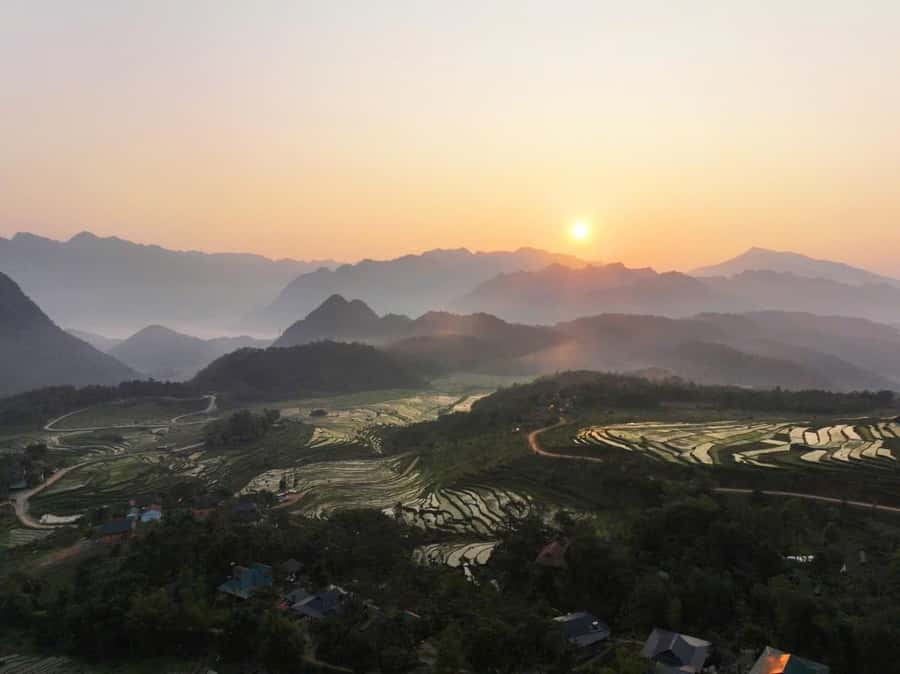
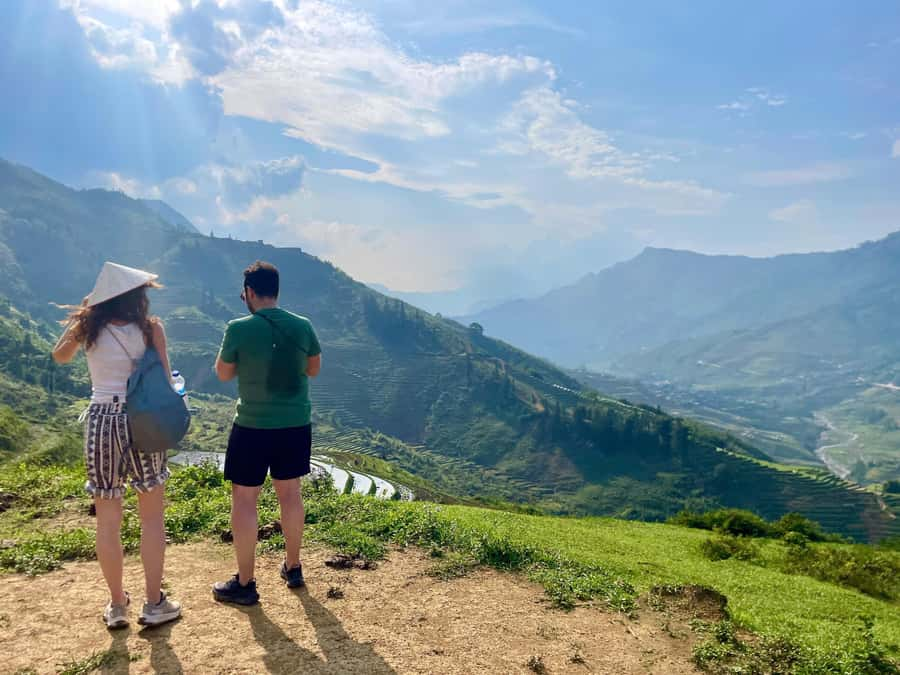
After the northern villages, the route turns southeast toward Muong Hoa Valley. This is where the visual side of the tour becomes strongest. Terraced fields stretch along the valley slopes, and the walking route brings you closer to villages and farmland than a standard roadside stop would.
The Dzay group lives in the valley, giving you a third cultural perspective. The guide can help explain how the Dzay community differs from the Black Hmong and Red Dao groups you met earlier. That sequence makes the afternoon more than a pretty walk. You are building a clearer picture of Sapa’s varied communities.
The scenery changes with the season and weather. Rice terraces will not look identical throughout the year. At some times, you may see bright green fields; at others, the fields may be harvested or water-filled. Clouds and rain can also alter the views quickly. The route may change because of weather, booking times, or other unexpected conditions, so keep some flexibility in your expectations.
The walk through the valley is described as roughly four hours for the whole activity, not necessarily four hours of continuous trekking. You should still wear comfortable shoes and expect uneven village paths. A hat, sunscreen, water, and a camera are sensible additions. If the ground is wet, rubber boots or proper trekking shoes will serve you better than casual sneakers.
More Private Hiking Tours in Sa Pa:
- Fushimi Inari Hidden Hiking Tour (Private Option Available)
★ 5.0 · 1,750 reviews - Mount Batur Sunrise Trekking Private All Inclusive
★ 5.0 · 906 reviews - Mount Batur Sunrise Trekking Private Tour with Breakfast and Hotel Transfer
★ 5.0 · 885 reviews - Private Yellowstone Tour: ICONIC Sites, Wildlife, Family Friendly Hikes + lunch
★ 5.0 · 739 reviews
What the walking is really like
This is an outdoor excursion, not a city stroll. The route includes village paths and countryside terrain, and recent guests have described it as fun, adventurous, and at times muddy. That is part of its charm, but it also sets a clear limit.
You should be comfortable walking for several hours and handling uneven surfaces. The experience is not suitable for people with back problems or wheelchair users. If you have concerns about mobility or balance, ask about the route before booking rather than relying on the standard description.
The tour is a better fit for someone who enjoys a little uncertainty. Your guide may adjust the itinerary, and the return can use a different, less direct road. A car may be available for that return section, but it is listed as optional, so confirm the arrangement if transport matters to you.
I would also avoid smoking during the experience, as it is not allowed. Carry your own water, since it is not included. These are simple points, but they matter when you are outside Sapa’s center and focused on the walk.
Why the female guide matters
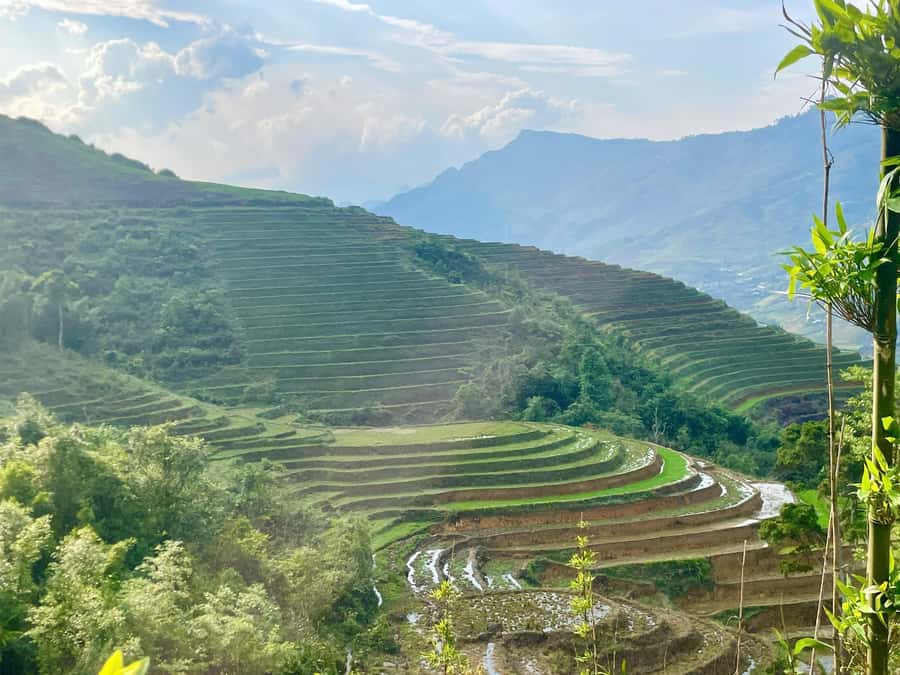
The guide is the thread holding the whole experience together. Without local explanation, you would still see the rice fields and houses, but you would miss much of the meaning behind them. A female guide can also make home visits and conversations feel more natural, particularly when discussing family customs, clothing, and daily routines.
The strongest guide feedback centers on Dely, Dung, Xiang, and La. Dung has been praised for detailed explanations and for answering a wide range of questions. Dely has been described as friendly, flexible, and especially good at explaining Hmong culture. Xiang has led an enjoyable walk through villages and rice fields, while La has been noted for her local background and solid English.
That does not mean you can select a particular guide unless the provider confirms it. Names are useful mainly because they show the sort of guide assigned to this experience: local, English-speaking, and involved in the cultural side of the route.
Send photos to your guide’s WhatsApp after the tour and you can receive one free edited video per booking. This is a nice extra for people who want a short record of the day, although it depends on sending the requested photos and should not be the main reason to book.
The $30 question: is the price fair?
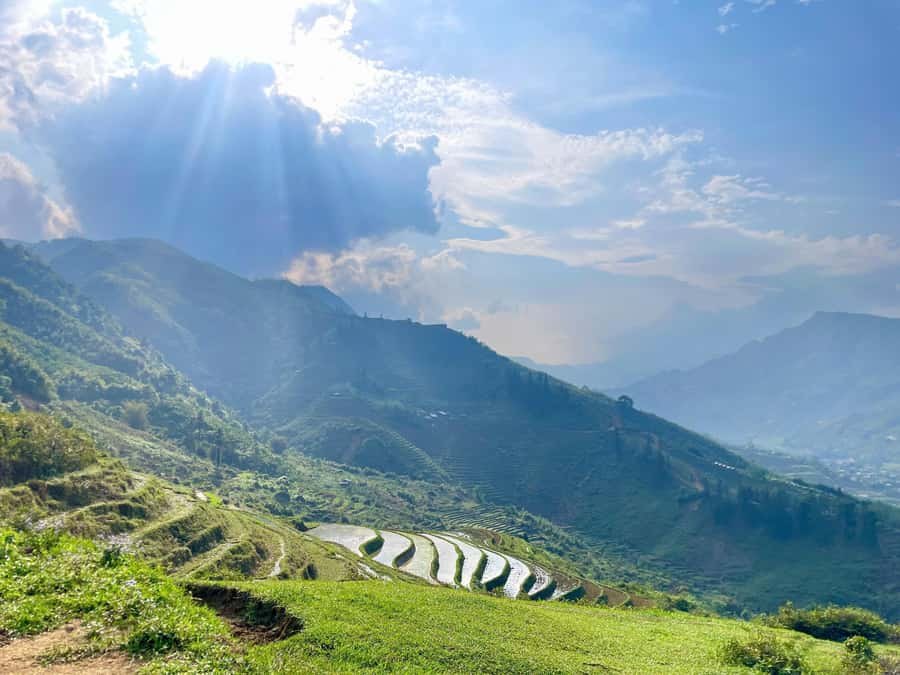
At $30 per person, this is a strong value for a four-hour private or privately arranged experience, especially if your booking includes direct pickup from central Sapa. The guide is the key expense, and the cultural interpretation makes the outing more useful than hiring transport to a viewpoint.
The value is less complete if you expect every cost to be covered. Meals are not included, and the Cat Cat Village entrance fee is separate. Personal expenses, including purchases made in villages, are also your responsibility.
The flexible itinerary adds value for couples, families, and small groups with specific interests. You can ask for more time with local communities, more scenery, or a route that fits your available hours. The provider can also adjust the plan for weather and booking times.
The four-hour duration suits a packed Sapa schedule. You can fit it around a train, bus, hotel change, or another half-day plan more easily than a full-day trek. The tradeoff is that you will only get an introduction to each community. If you want a long hike or an overnight village stay, choose a longer experience instead.
Practical preparation before you leave Sapa
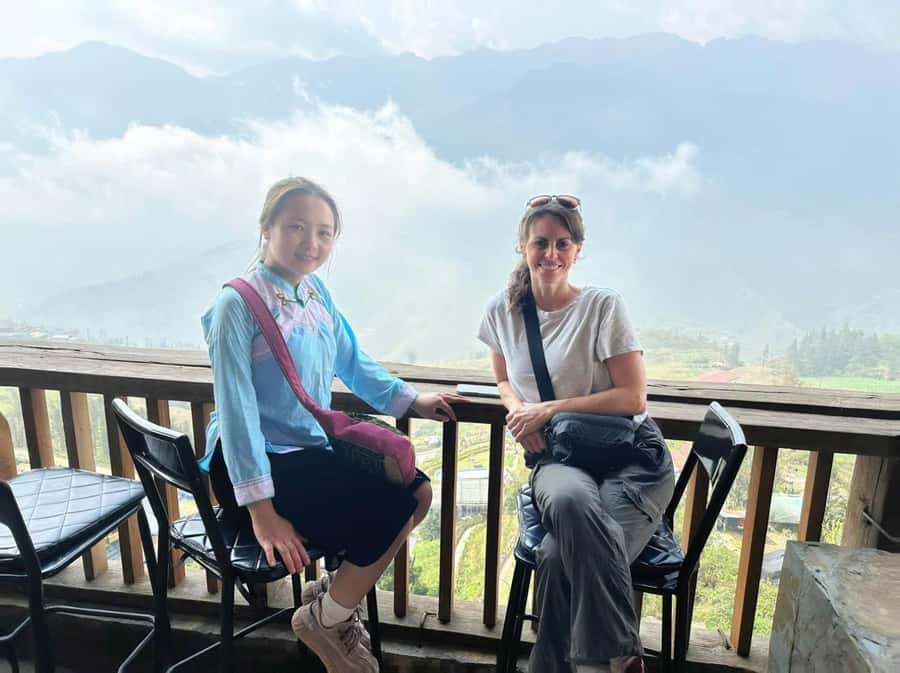
Wear shoes that can handle mud. This is the most useful advice from the available information. A pair of trekking shoes is ideal, while rubber boots may be sensible during wet conditions. Smooth-soled fashion shoes are a poor match for village paths.
Pack:
- Water
- Sunscreen
- A hat
- Comfortable walking shoes
- A camera
- A light layer if the weather looks changeable
Tell the provider about food allergies or dietary restrictions before the tour, even though meals are not included. This becomes especially important if an optional home meal or food tasting is added to your plan.
Keep your camera ready, but do not let photography replace conversation. Ask before photographing people or private spaces. Your guide can help you decide when a picture is welcome.
Cancellation is flexible up to 24 hours before the start time for a full refund, and you can reserve now and pay later. Starting times depend on availability, so check the schedule that fits your day.
Who should book this Sapa trek?
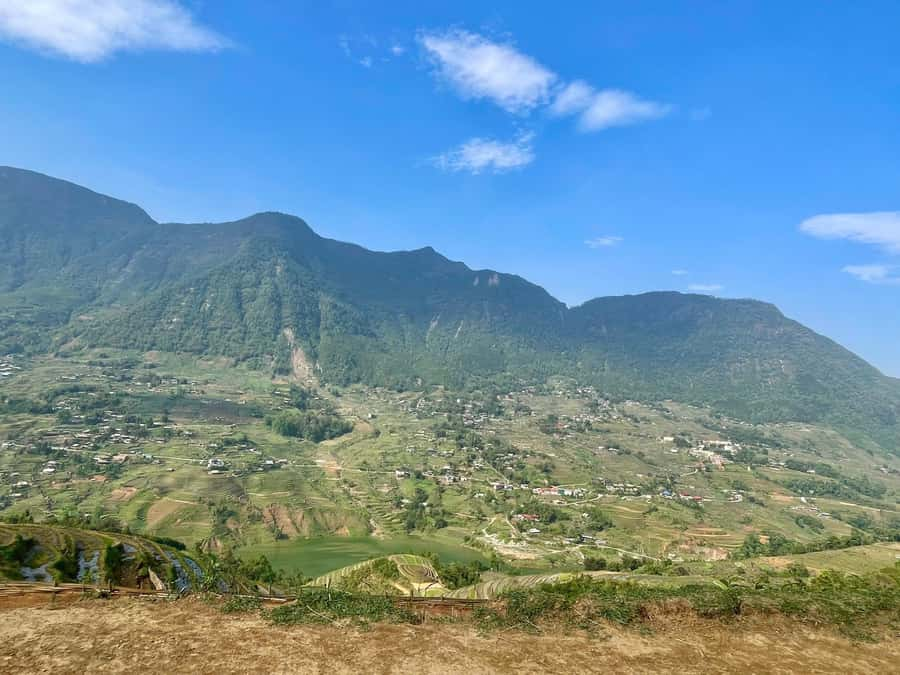
I would choose this tour if you want three things at once: rural scenery, cultural explanation, and a short time commitment. It works well for first-time visitors who want an introduction to Sapa’s ethnic communities without giving up an entire day.
It also suits couples and small groups who prefer a flexible route. The chance to begin from your accommodation and adjust the itinerary is useful when weather, energy, or transport plans are uncertain.
Families with older children may enjoy it, provided everyone is comfortable walking on uneven ground. People with back problems, wheelchair users, and anyone looking for a fully paved route should choose something else.
You should also book with realistic expectations. This is not a museum visit with formal displays or a polished performance. It is a village and valley outing, and the best moments come from listening, walking, and accepting that rural conditions can be rough.
Should you book this four-hour experience?
Book it if you want a friendly local guide, a look at Black Hmong, Red Dao, and Dzay life, and impressive Muong Hoa Valley scenery for $30. The combination of tea at traditional homes, direct cultural explanation, and terraced-field walking gives the tour more substance than a basic photo stop.
Choose another activity if you need wheelchair access, cannot manage uneven paths, or want meals and entrance fees included. Also confirm the optional car return and the exact route if you have mobility concerns.
For most visitors with four free hours in Sapa, this is a sensible choice. Wear proper shoes, bring water, and treat the itinerary as flexible. You are likely to remember the conversations with guides such as Dely, Dung, Xiang, or La just as much as the views.
FAQ
How long does the Sapa trekking tour last?
The activity lasts four hours. Starting times depend on availability.
Where does pickup take place?
Pickup is provided from your accommodation in central Sapa. The itinerary can also be arranged so you begin trekking directly from your accommodation.
Which ethnic groups will I learn about?
The route introduces the Black Hmong, Red Dao, and Dzay communities. You visit Black Hmong and Red Dao areas north of Sapa, then continue southeast to Muong Hoa Valley to see the Dzay community.
Is food included?
No. Meals are not included. You should tell the provider in advance about any food allergies or dietary restrictions.
What should I bring?
Bring comfortable shoes, a hat, sunscreen, water, and a camera. Trekking shoes or rubber boots are useful because parts of the route may be muddy.
Is the tour suitable for wheelchair users?
No. The tour is not suitable for wheelchair users or people with back problems.
Just added around Sa Pa
- From Sapa: Guided Full-Day Trekking with Lunch and Drop-Off★ 4.2 · 86 reviews
- Sapa Trekking Bargains With Local Guide★ 4.9 · 91 reviews
- Sapa: Y Linh Ho – Lao Chai, and Ta Van Trekking Day Tour★ 5.0 · 25 reviews
- Sapa: Trekking Sapa One Day With Group Tour★ 4.7 · 55 reviews
- Sapa: Ta Phin Village Trek with Lunch and Bathing Experience★ 4.7 · 13 reviews
- Sapa: Muong Hoa Valley View & Villages Trek with Local Guide★ 5.0 · 25 reviews
- Sapa: Sapa Mountain View And Villages Trek★ 4.4 · 16 reviews
- Sapa: Muong Hoa Mountain Views and Villages Trek with Lunch★ 4.3 · 28 reviews
Private Hiking Tours, side by side.
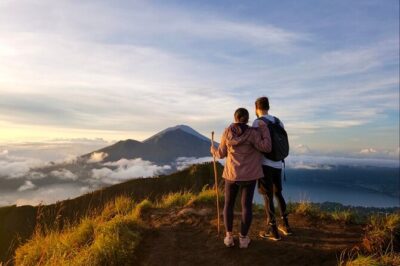
Mount Batur Sunrise Trekking Private All Inclusive
Read our review →
Mount Batur Sunrise Trekking Private Tour with Breakfast and Hotel Transfer
Read our review →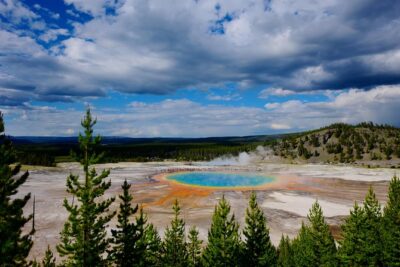
Private Yellowstone Tour: ICONIC Sites, Wildlife, Family Friendly Hikes + lunch
Read our review →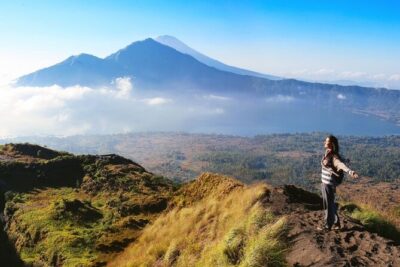
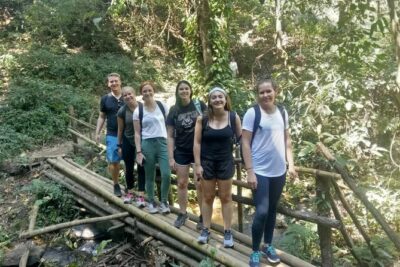
Doi Inthanon Private Tour with Trek & Lunch from Chiang Mai
Read our review →
Mount Batur Sunrise Trekking (Private Tour and Breakfast at Restaurant)
Read our review →
Private Tour Mount Batur Sunrise Trekking and Natural Hot Spring
Read our review →
Private Tour : Mount Batur Sunrise Trekking With Private Guide
Read our review →This walk also sits in