REVIEW · VIETNAM
Sapa: Ta Phin Village Trek with Lunch and Bathing Experience
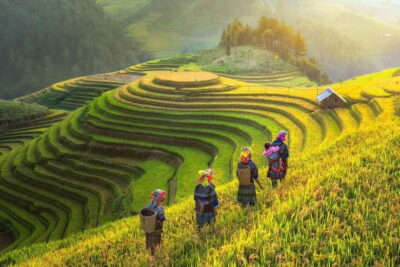
Ta Phin Village is the real draw here. You walk through rice terraces and small mountain settlements, then finish with a traditional herbal bath used by the Red Dao. The day connects scenery with daily life, rather than treating Sapa as a string of photo stops.
I like the Hmong family lunch and the chance to see cardamom trees, buffalo, pigs, and chickens along the trail. I also like the small-group size, which gives guides such as Su or Vang room to answer questions about farming, marriage customs, and herbal medicine.
The main caution is the walking. The route can reach about 15 kilometers, and conditions in Ta Phin Cave may be dark and slippery. The quality of the cultural explanation and bathing facility can also depend on your guide and the day’s conditions.
Key points to know before you go
- A long rural walk: Expect roughly nine hours in total, with one account recording about 15 kilometers of walking.
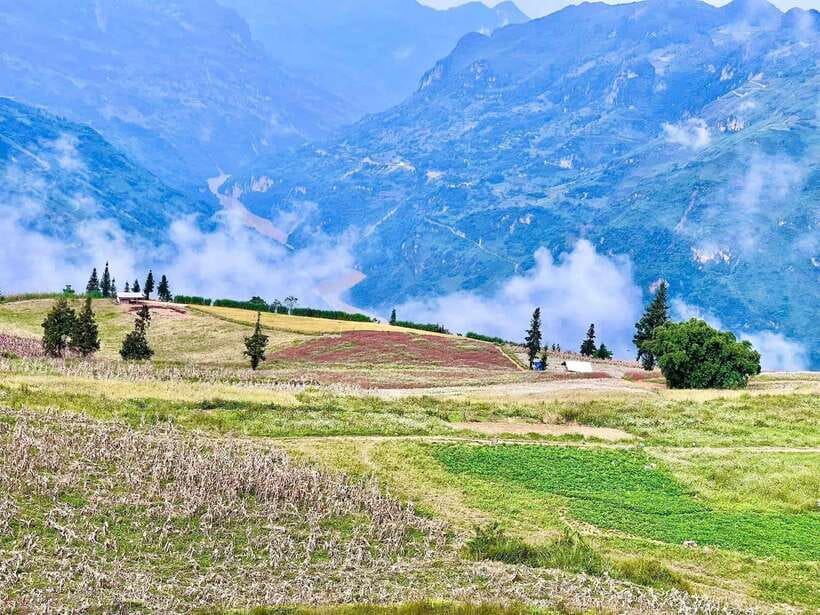
- Three village settings: The route passes through Suoi Ho, Ma Tra, and Ta Phin, each offering a different look at mountain life.
- A proper home-style lunch: Eat at a small restaurant run by a traditional Hmong family, with an outdoor patio and mountain views.
- The bath is the finale: After the walk, you can use a local herbal remedy bath, with private or shared bathing options mentioned for the facility.
- Guides make a major difference: Su and Vang have been especially praised for clear English and thoughtful explanations, but guide quality may vary.
- Good value at $28: Transport, guiding, lunch, cave entry, and the herbal bath are included, though drinks and personal expenses are not.
From Hoang Van Thu to Sapa’s quiet mountain trails
The day begins at 9:00 with pickup from your accommodation in Sapa. The stated meeting point is Massage Lits at 01 Hoang Van Thu, and transport is provided back to Sapa at about 16:30 to 17:00.
Before the trail begins, you receive a short introduction and walk a few minutes to the starting path. The timing is described slightly differently in the trip details, as five minutes in one place and 15 minutes in another, but either way you should expect a short urban walk before reaching the countryside.
This early transition is useful. You move quickly from Sapa’s hotels and traffic into narrow paths, small valleys, and cultivated slopes. It is not a gentle sightseeing stroll. Wear shoes with a firm sole, since rice-field paths can be uneven, and carry water even though lunch is included.
The group is limited to 10 people. That is a sensible size for a trail walk, particularly when the guide is explaining village customs or helping people across rough sections. It also makes it easier to ask questions than on a large coach outing.
More Hikes with Lunch in Sa Pa:
- From Sapa: 1-Day Guided Trek to Lao Chai & Ta Van with Lunch
★ 4.9 · 416 reviews - From Sapa: Guided Full-Day Trekking with Lunch and Drop-Off
★ 4.2 · 86 reviews - From Sapa: Terrace Fields and Local Villages Trek with Lunch
★ 4.3 · 77 reviews
Cardamom valleys and the walk to Suoi Ho
One of the first interesting sights is cardamom, described locally as one of Sapa’s valuable crops. You see the plants in small valleys rather than in a formal farm display, which helps show how agriculture fits into the mountain environment.
The path then heads down toward Suoi Ho, a small village associated with the Black Hmong. The houses are described as old and small, and the route gives you a look at ordinary surroundings rather than a polished cultural attraction.
You may see water buffalo, chickens, dogs, and pigs along the way. These are not staged animal encounters, so the experience is simple and observational. You should not feed the animals, touch plants, or treat the village as a photo set. The tour specifically asks visitors to respect local customs and avoid littering.
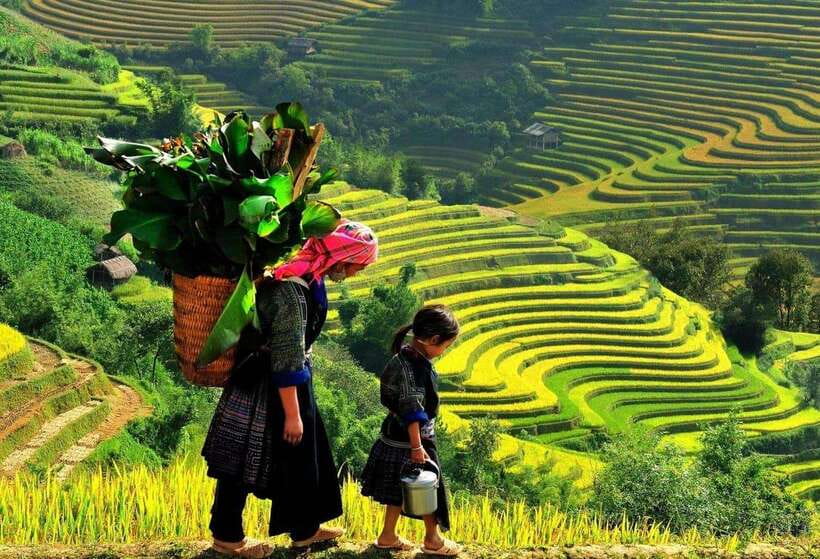
This section is best for people who want to understand how the area works day to day. You see animals used by local families, crops growing in the valleys, and rice terraces shaped into the steep hillsides. The scenery is excellent, but the walk matters just as much because it links the scenery to work and home life.
Rice terraces on the route to Ma Tra
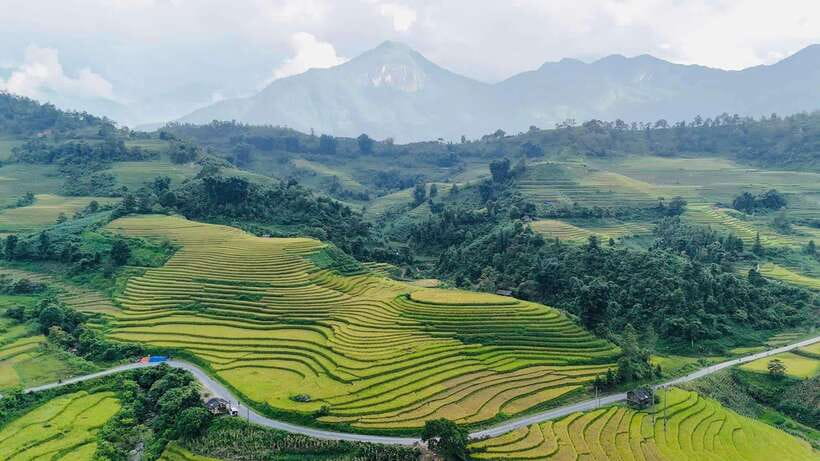
From Suoi Ho, the route continues along a small road and through the rice paddies toward Ma Tra Village. The guide may explain local farming and the people who live in the area, but it is worth asking direct questions if you want more detail. One less positive account found the guide kind but difficult to understand and felt that too little information was offered without prompting.
That is useful advice: ask about rice planting, cardamom, village buildings, and the difference between Black Hmong, Hmong, and Dao communities. Guides such as Su have been praised for explaining agriculture, local life, and customs in clear English. Su was also described as learning French, which may help some French-speaking visitors feel more at ease.
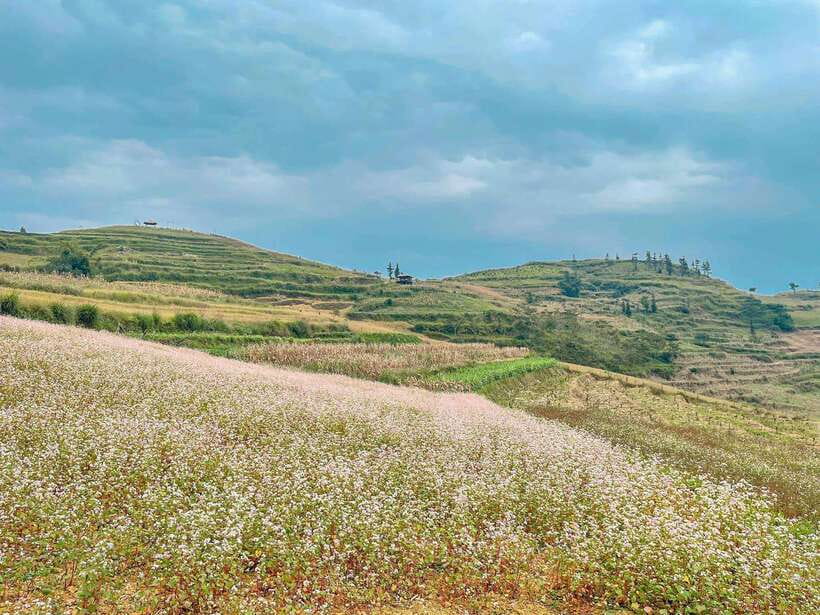
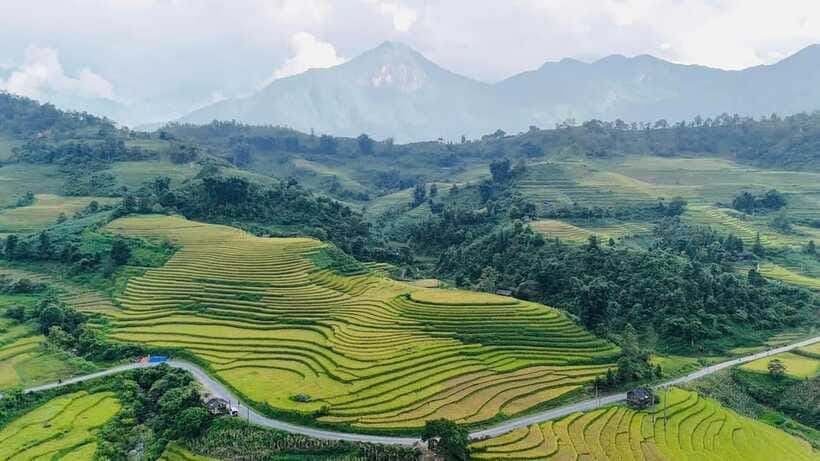
The trail offers broad views of rice terraces and mountains. The appearance of the terraces changes with the season, but the activity does not promise a particular planting or harvest view. Weather can also change quickly in northern Vietnam, so sunscreen and a hat matter even on a cloudy morning.
The route is not designed for people who want frequent stops. One account found there were few breaks and little to see between the main points. I would treat this as a walking day with scenic pauses, not as a relaxed village shuttle tour. If you need regular rest, have back problems, or find uneven ground difficult, this is not the right outing.
Lunch at a Hmong family restaurant in Ma Tra
Lunch takes place at a small restaurant run by a traditional Hmong family. The outdoor patio has views over the surrounding hills and fields, making this one of the more appealing pauses of the day.
The meal is included, but drinks are not. Bring water and some snacks for the trek, since the walking begins well before lunch and the tour specifically advises you to carry both. The lunch has been praised as delicious and satisfying, but no fixed menu is provided, so do not book this expecting a particular dish.
I like the setting because it offers a more personal break than a standard restaurant in central Sapa. You eat in a family-run place connected to the community you are visiting. At the same time, you should keep expectations practical. This is a small local restaurant, not a polished dining room, and the value comes from the setting, meal, and stop in the walking route.
More Homestay and Village Treks in Sa Pa:
- Number one top rated ethical cultural trekking and homestay by ETHOS
★ 5.0 · 456 reviews - Sa Pa: 2-Day Trekking Trip with Ethnic Minority Homestay
★ 4.7 · 145 reviews - Private Hoang Lien National Park & Tribal Village Trek
★ 4.7 · 30 reviews - Sapa: 2-Day Local Guided Valley Trek with Night Homestay
★ 5.0 · 27 reviews
Ta Phin Village and Hmong and Dao traditions
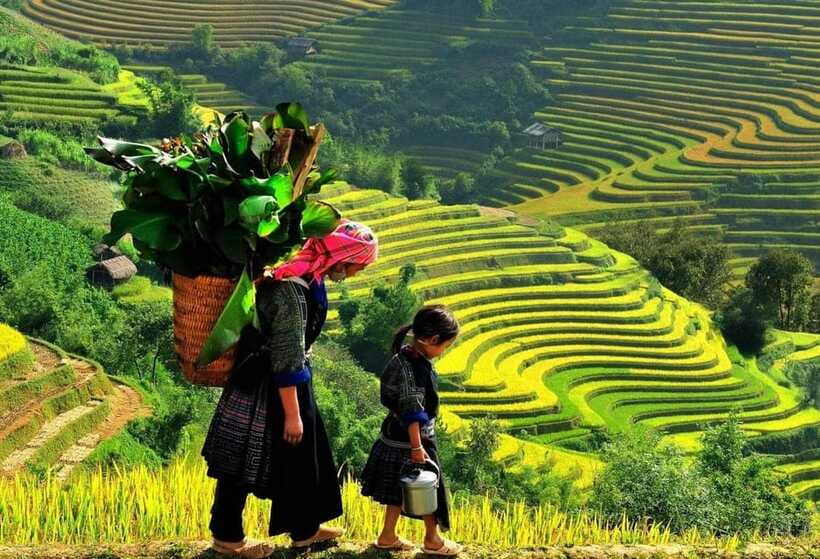
After lunch, you continue to Ta Phin, a living village associated with Hmong and Dao communities. The village is the cultural center of the day, but it is important to approach it with respect. You are visiting a place where people live and work, not entering a museum.
The Hmong are introduced through distinctive marriage customs. The Red Dao are known for herbal medicine and for using plants from the surrounding area to treat illness. These topics give the guide plenty to explain, and I would ask for examples rather than accepting a quick overview.
The quality of this part depends heavily on communication. Su and Vang have been praised for being friendly, attentive, and able to explain local life in English. Yet another experience with a different guide felt thin on history and culture, especially because the guide was not from the village. That does not make the stop worthless, but it means you should not assume every guide will provide the same depth.
You may also see women making brocade products for sale. This offers a direct look at local textile work, but sellers may approach you along the trail. If you do not want to buy anything, a polite, firm answer is enough. The possibility of sales pressure is worth knowing before you go, especially if you prefer a completely quiet walk.
Ta Phin Cave needs sturdy shoes and care
The cave is included in the price, and the route takes you into the mountains to see Ta Phin Cave. It is described as reaching deep into the rock, which gives the visit a sense of exploration beyond the rice terraces.
This is the part where you should be realistic. The cave can be dark and slippery, and at least one account found that the guide did not have a light. Bring a phone light or small flashlight if you plan to enter, though the tour information itself only lists a camera and general walking supplies. Move carefully and do not assume the cave is an easy paved attraction.
Some people may find the cave memorable, while others may prefer a brief look rather than a full exploration. If the ground is wet, your safety matters more than reaching the deepest point. Good walking shoes are essential, and sandals are a poor choice for this route.
The herbal bath after a long walk
The herbal bath is the tour’s most distinctive finish. After several hours on foot, you reach a local bathing place and use a traditional remedy associated with the area. This is not just a spa treatment added to a sightseeing day. It gives you a practical way to encounter the Dao connection with medicinal plants and local bathing traditions.
The bath has been described as available in private or shared spaces, so ask about your preference before changing. A private option may be more comfortable if you are traveling alone or prefer not to bathe with other people.
The setting may be basic. One account found the room small, damp, and not especially clean, while another found the bath comfortable and restorative. I would keep expectations closer to a simple local bathing facility than a hotel spa. The bath’s appeal is the tradition and the relief after the trek, not luxury design.
This difference in experience is important. If you want a polished wellness treatment, you may be disappointed. If you enjoy straightforward local experiences and like the idea of soaking after a long walk, the bath can be a fitting end to the day.
What $28 includes, and where the value lies
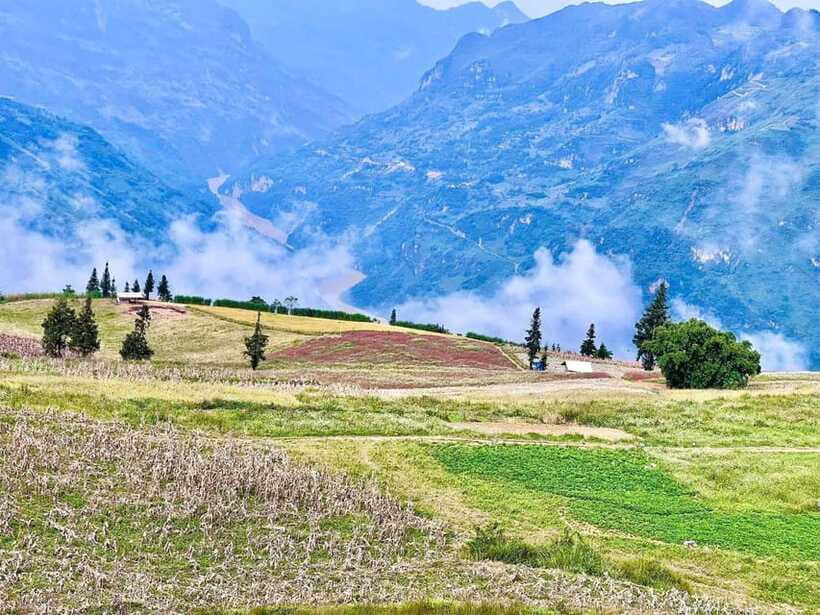
At $28 per person, this is a strong package if you use all the inclusions. You receive accommodation pickup and drop-off, an English-speaking guide, lunch, entrance to Ta Phin Cave, and the herbal bath. Paying separately for transport, a guide, a family meal, and a bath could easily make a self-arranged day less convenient.
The value is strongest for someone who wants a full day without having to plan the route between several villages. You also get a small group rather than a large bus party. The 20 percent post-trip massage discount at Massage Lits, 01 Hoang Van Thu, is an extra benefit if you want more recovery time, though the massage itself is not included.
The price does not cover drinks at lunch, personal purchases, or a tip for the guide. Bring cash for those items if needed, especially if you are tempted by brocade goods along the route.
One concern is the schedule. The advertised duration is nine hours, but one account reported finishing around 14:00 instead of closer to 17:00. That may reflect weather, route changes, guide decisions, or an abbreviated program, but you should confirm the expected return time on the morning of departure.
Who will enjoy this Sapa day most
I would choose this outing if you want rural scenery, a substantial walk, and a cultural introduction in one day. It suits active adults who are comfortable walking for several hours and who prefer small villages to crowded viewpoints.
It is less suitable for anyone seeking an easy stroll. The experience is not recommended for children under six, pregnant women, people with back problems, people with mobility impairments, or wheelchair users. Those restrictions make sense given the distance, uneven paths, cave conditions, and village terrain.
Bring comfortable walking shoes, water, snacks, sunscreen, a hat, a camera, and insect repellent. Pack for changing weather. You should also be ready to follow simple local etiquette: do not smoke, litter, feed animals, or touch plants, and ask permission before treating people or homes as photographic subjects.
Free cancellation is available up to 24 hours before the activity for a full refund, and you can reserve now and pay later. Those terms are useful if the mountain weather is uncertain, but they do not remove the need to check the forecast and your own fitness.
Should you book the Ta Phin trek?
I would book it for the combination of rice terraces, Hmong and Dao culture, family lunch, and herbal bath at a modest price. The route gives you more substance than a short viewpoint visit, and guides such as Su or Vang can make the cultural side especially rewarding.
I would hesitate if you dislike long walks, expect polished facilities, or want a tightly controlled schedule. Ask about the guide, expected walking distance, cave lighting, bathing arrangements, and return time before setting out. If those details suit you, this is a good-value Sapa day with a genuine local focus, provided you accept that the experience can be basic and guide-dependent.
FAQ
How long does the Ta Phin Village trek last?
The advertised duration is nine hours, beginning at 9:00 and usually returning to Sapa around 16:30 to 17:00.
Where does the tour start?
The meeting point is Massage Lits at 01 Hoang Van Thu in Sapa. Pickup and drop-off at your accommodation are included.
How far do you walk?
The activity involves considerable hiking. One account recorded about 15 kilometers in total, though the exact distance may vary.
Is lunch included?
Yes. Lunch is served at a small restaurant run by a traditional Hmong family in Ma Tra Village. Drinks at lunch are not included.
Is the herbal bath private?
The bathing place offers private or shared bathing options, according to the available activity information. Ask about your preferred arrangement when you arrive.
Is Ta Phin Cave included?
Yes. Entrance to Ta Phin Cave is included. The cave may be dark and slippery, so comfortable shoes and extra care are important.
Is the tour suitable for children?
Children under six are not permitted. The activity is also not suitable for pregnant women, people with back problems, people with mobility impairments, or wheelchair users.
What language does the guide speak?
The live tour guide speaks English. Guides named Su and Vang have been associated with this experience, but the assigned guide may vary.
More Trips with Lunch around Sa Pa
- Sapa: Muong Hoa Mountain Views and Villages Trek with Lunch
★ 4.3 · 28 reviews - SAPA: 1-DAY TREKKING TOUR WITH LOCALS, LUNCH & RICE FIELDS
★ 4.7 · 18 reviews - 1 Day Sapa Trek&Home-cooked Lunch HmongSisterHouse&Trekking
★ 5.0 · 7 reviews - From Marrakech: Atlas Mountains Full-Day Hiking Trip w Lunch
★ 4.8 · 7,417 reviews
Just added around Sa Pa
- From Sapa: Guided Full-Day Trekking with Lunch and Drop-Off★ 4.2 · 86 reviews
- Sapa Trekking Bargains With Local Guide★ 4.9 · 91 reviews
- Sapa: Y Linh Ho – Lao Chai, and Ta Van Trekking Day Tour★ 5.0 · 25 reviews
- Sapa: Trekking Sapa One Day With Group Tour★ 4.7 · 55 reviews
- Sapa Trekking Private Tour With Ethnic Female Tour Guide★ 4.9 · 24 reviews
- Sapa: Muong Hoa Valley View & Villages Trek with Local Guide★ 5.0 · 25 reviews
- Sapa: Sapa Mountain View And Villages Trek★ 4.4 · 16 reviews
- Sapa: Muong Hoa Mountain Views and Villages Trek with Lunch★ 4.3 · 28 reviews
Homestay & Village Treks, side by side.
Number one top rated ethical cultural trekking and homestay by ETHOS
Read our review →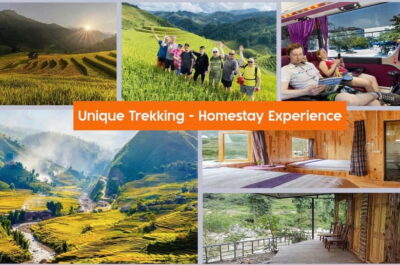
2-Day Sa Pa Ethnic Homestay Tour & Trek with Limousine Bus
Read our review →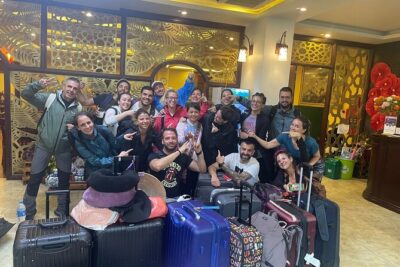
Sapa 3 Day 2 Night Trekking With Hotel & Homestay
Read our review →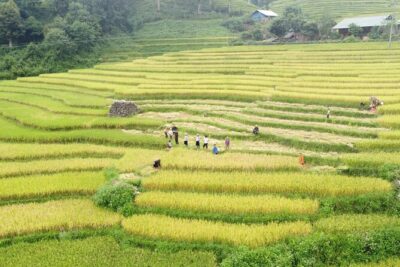
Sapa 2 Days 1 Night Overnight At Local Homestay
Read our review →
Sa Pa: 2-Day Trekking Trip with Ethnic Minority Homestay
Read our review →