
REVIEW · BOLIVIA
Sucre: 2 days trek in Inca Trails and the Crater de Maragua
The best part of this trek is its variety. In two days, you move from stone Inca paths to river valleys, the colorful folds of Maragua Crater, dinosaur footprints, and Jalqa villages where textile traditions are still practiced. It is not a gentle sightseeing walk, but it gives you a strong sense of rural Chuquisaca.
I like the mix of natural and cultural stops, especially the visit to a local weaver and the chance to see the crater from the Devil’s Throat viewpoint. I also like the small group size, with no more than 10 people, and the fact that guides such as Gary, Li, Lizandro, and Johnny are praised for their good English, local knowledge, and cheerful help. The main drawback is simple lodging, basic meals, and a fairly demanding first day with a steep ascent.
Key points to know before booking
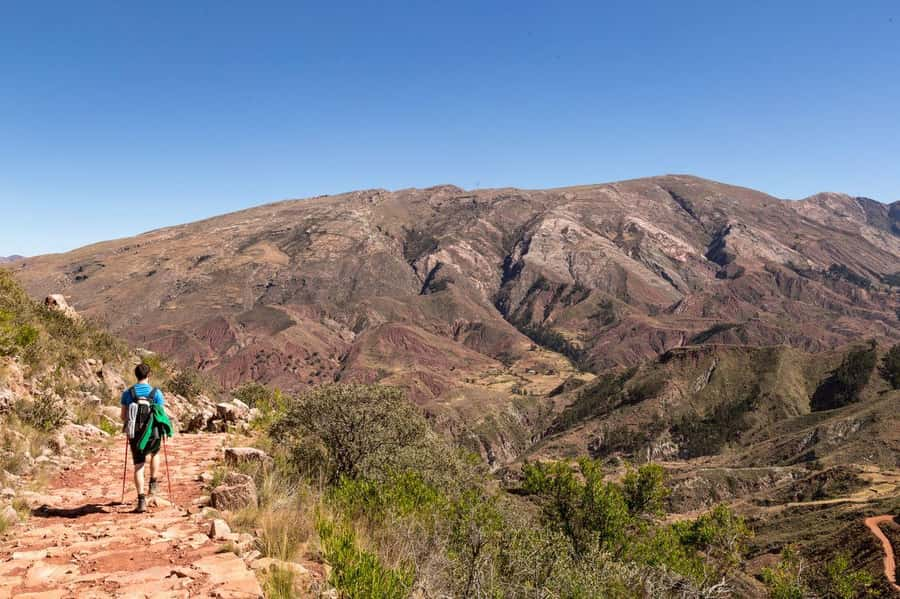
- Walk a 12th-century Inca trail: The first section follows old stone paths down from Chataquila.
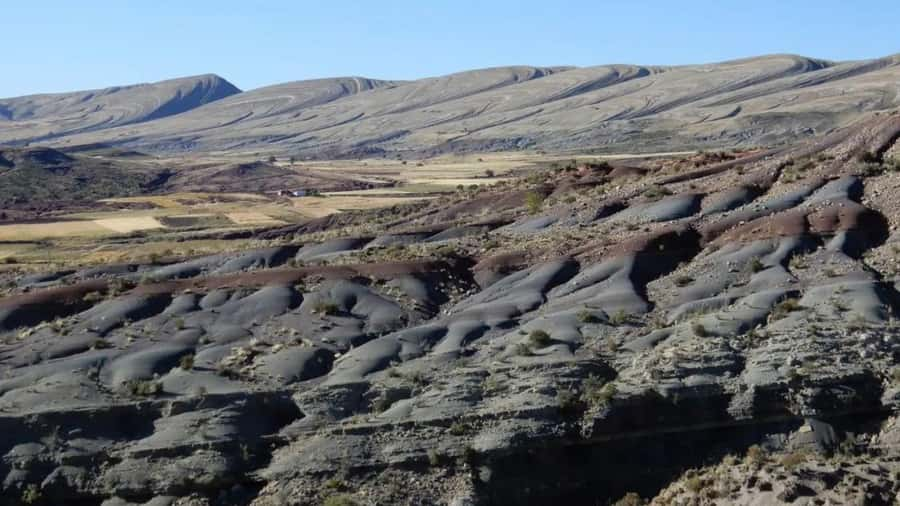
- See Maragua Crater from inside: The crater’s colored mountain folds and Devil’s Throat viewpoint are the visual high points.
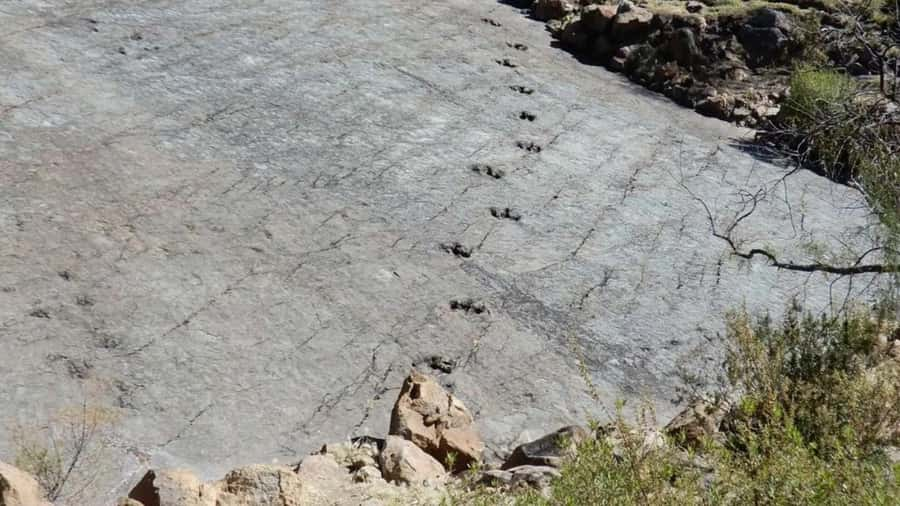
- Visit dinosaur footprints at Niño Mayo: The second morning adds a striking prehistoric stop to the trek.
- Meet a Jalqa weaver: You can learn how local textiles are made and see a living village tradition.
- Expect real hiking: The route covers about 16 kilometers on day one and 12 kilometers on day two, with steep sections.
- Pay $124 for a full two-day package: Transport, guide, entry fees, meals, fruit, and lodging are included, but water and snacks are not.
Why this two-day route near Sucre is worth your time
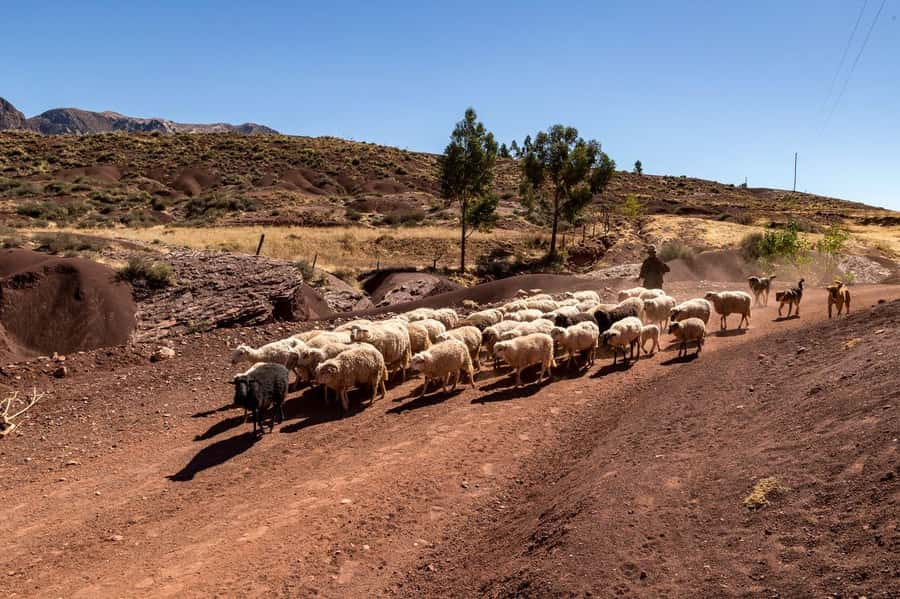
Sucre is often treated as a base for colonial streets and whitewashed buildings. This trek shows you a very different side of the Chuquisaca Department. You leave the city by public bus, walk through highland valleys and mountain passes, sleep near Maragua Crater, then return by private vehicle after visiting villages and dinosaur footprints.
I like that the route does not depend on one single attraction. The Inca trail gives the first day a strong historical feel. The crater supplies the big scenery. The dinosaur footprints add a surprising geological stop. The Jalqa communities make the trip feel connected to people who live in the area, rather than just to a series of viewpoints.
The route is run by former CondorTrekkers guides who have started their own small operation, Jalq’a Tours. That background matters because a good guide is especially useful here. The trail changes underfoot, the day includes several different sections, and a guide can add context to the geology, plants, local communities, and old paths.
The price is $124 per person. For two days, that is a fair package price because it includes public transport from Sucre, private transport back, entry tickets, one night in shared accommodation, four meals, fruit, and a professional guide. You still need to budget for water, snacks, and personal items, but the major costs are covered.
More Volcano Hikes in the world:
- Bali: Sunrise Mount Batur Guided Hike with Breakfast
★ 4.8 · 9,660 reviews - Bali: Mount Batur Sunrise Guided Hike and Natural Hot Spring
★ 4.8 · 9,284 reviews - Mount Etna: Summit Guided Hiking Tour up to 3,400 m
★ 4.8 · 4,792 reviews
8:00 am at Estadio Patria, then out toward Chataquila
Your meeting point is the main entrance of Estadio Patria on German Mendoza Street. The group meets at 8:00 am, then aims to leave by public bus between 8:15 and 9:30 am for Chataquila.
That departure window is worth noting. The bus may wait or move slowly depending on the number of passengers, so this is not a tightly timed private transfer. If you prefer everything to run on a Swiss railway schedule, you may find the start a little loose. If you can accept local public transport, it is a practical and inexpensive way to reach the trailhead.
The bus ride also marks a quick change from city life to open country. Once you arrive at Chataquila, the walking begins with the old Inca route.
Day one: stone paths, river country, and the climb to Maragua
The first day covers about 16 kilometers and has three distinct parts. That variety makes the day interesting, but it also means you should not mistake the route for an easy stroll.
The opening section is a descent along Inca stone paths. These are described as a 12th-century Incan trail, and the old construction gives the walk a sense of age that a modern dirt track cannot match. Watch your footing, especially on uneven stones and downhill sections. Hiking shoes are far better than casual trainers.
After the descent, the trail reaches the Chaunaca and Socapampa area. This middle section follows the river and is mostly level, with some short, gentle rises and drops. It gives your legs a break after the initial descent and lets you focus on the surrounding valleys rather than on every step.
The final section is the hardest. You begin with a steep climb toward Maragua Crater, then continue along the mountain slopes until you reach the crater area. Pace yourself here. The climb is not just a short final push, and the first day already includes a substantial amount of walking.
The route’s geology is part of its appeal. The mountains around Maragua are marked by strong bands and folds of color, making the area feel unlike the softer green valleys closer to Sucre. Expect broad views, exposed sections, and plenty of reasons to stop for photographs. One practical point: one guide, Li, was praised for explaining the sights well but for walking quickly, leaving less time for photos. Tell your guide early if you want regular picture stops.
Inside Maragua Crater, where the day finally slows down
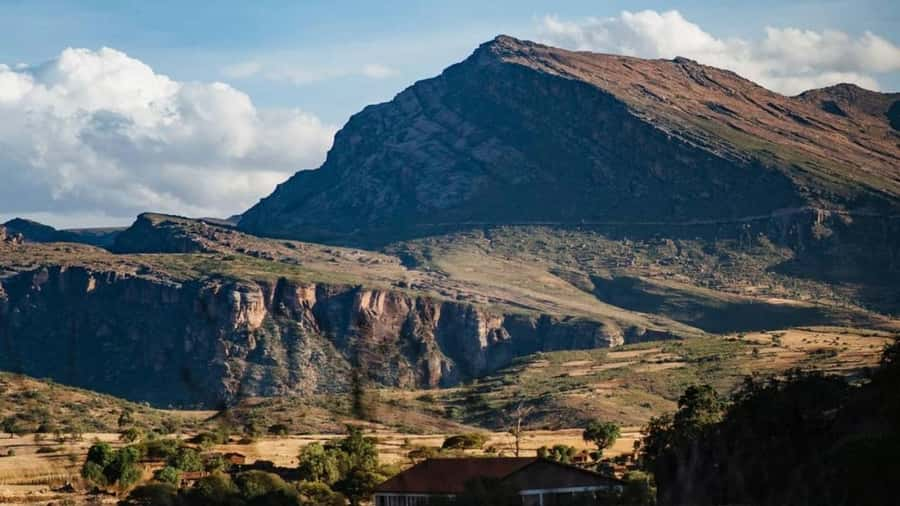
You spend the first night inside the Maragua Crater. The crater is not a smooth, round hole in the ground. It is a dramatic area of folded, colored mountain ridges and valleys, and walking through it gives you a closer view than a roadside lookout can provide.
One optional stop is the Devil’s Throat viewpoint. From there, you can look for local wildlife, especially birds. The information provided does not promise a particular species or a guaranteed wildlife sighting, so bring patience rather than a checklist. The viewpoint is valuable even without a rare bird because it gives you a wider sense of the crater’s scale.
The accommodation is shared and simple. Some people may find the overnight stay surprisingly pleasant, while others will focus on the lack of comfort. The basic nature of the lodging is part of the tradeoff for spending the night close to the trail rather than returning to Sucre.
Dinner is included, and the food is home-style rather than elaborate. Bring your own water and snacks. Water is not included, and there is no reason to assume you can buy everything you need along the route. Wet wipes, toilet paper, soap, and a toothbrush are also your responsibility.
More Two-Day Trips in the world:
- From Antigua: Adventure, 2-Day Hiking to Acatenango Volcano
★ 4.4 · 1,189 reviews - Mt Toubkal Ascent Express Trek 2 Days 1 Nights
★ 4.7 · 962 reviews - Chiang Mai: 2-Day Jungle Trek with Elephant Farm & Raft Ride
★ 4.7 · 881 reviews - Marrakesh: 2-Day Mt. Toubkal Trek with 1-Night Stay & Meals
★ 4.7 · 795 reviews
Day two: out of the crater and toward ancient footprints
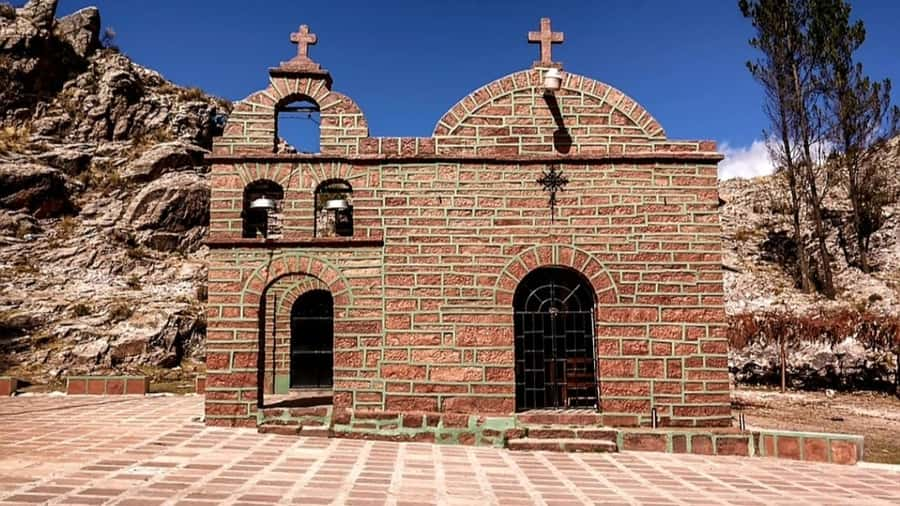
The second day covers about 12 kilometers and starts early. You begin by walking through Maragua Crater, then climb uphill to leave it. This ascent leads to a viewpoint where you can look back across the crater and see the full pattern of its colored ridges.
That uphill exit is another point where fitness matters. It is not described as a long technical climb, but it comes early in the day and follows the previous day’s effort. Once you reach the viewpoint, the route becomes easier, with short ups and downs rather than one sustained ascent.
The next major stop is Niño Mayo, home to dinosaur footprints. The tracks connect the present-day trail to a much older past, and they are one of the most unusual features of the route. Your guide can explain how to read the site and place it in the area’s geological story.
The route is sometimes described as following pathways once crossed by dinosaurs. That phrase is best understood as a way to picture the age of the ground beneath you, not as a claim that every section is a preserved dinosaur trackway. The confirmed visit is to the footprint area at Niño Mayo.
A Jalqa weaving visit and the walk to Majada
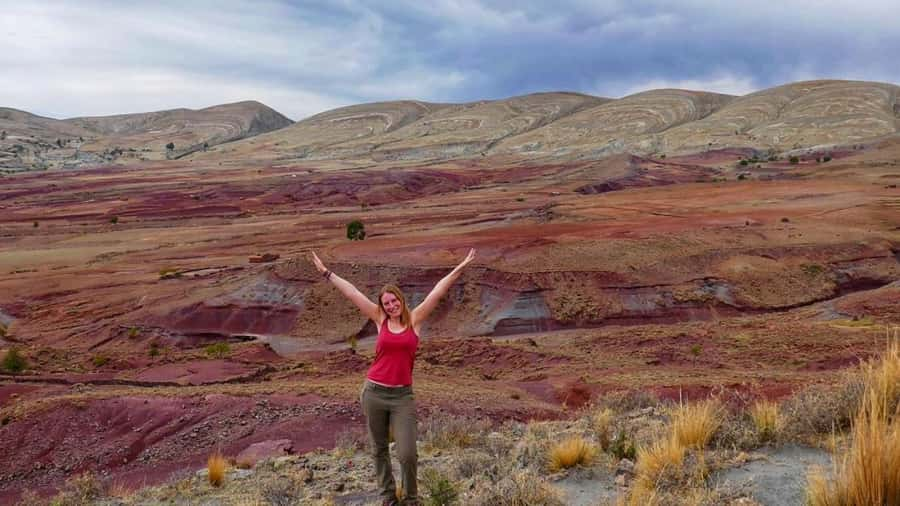
After the footprints, you visit a local weaver. This is one of the strongest cultural parts of the trip because it gives you a direct look at Jalqa textile work. Rather than simply passing through a village, you have the chance to see how a community member explains the methods and meaning behind the textiles.
The Jalqa tradition is closely tied to local identity, and the visit adds depth to the scenery. It also makes clear that the villages along the trail are not decorative stops. They are working communities with their own skills, customs, and daily routines.
From the footprint area, the route continues toward the small village of Majada. The walk to the Majada community is about 5 kilometers and takes roughly two hours. It is described as easy but very scenic, with the Frailes Mountains providing the backdrop.
This is a good contrast with day one. Instead of a long, steep push, you get a more relaxed final walk through colorful mountain country. The scenery remains impressive, but you have more room to look around and talk with your guide.
Returning to Sucre by private vehicle
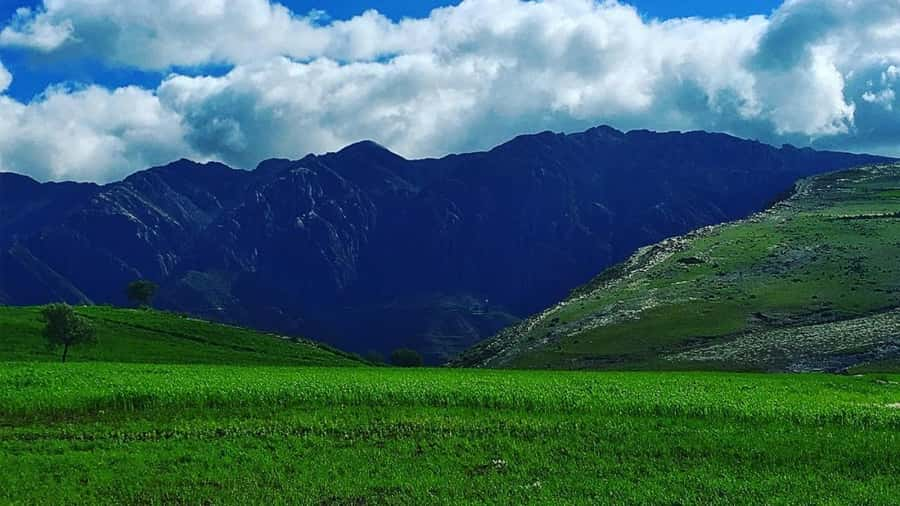
After about two hours of walking toward Majada, a private vehicle collects the group for the return to Sucre. The drive itself is part of the experience. Natasha described the road back as spectacular, and that is useful advice: do not treat the vehicle transfer as dead time.
The return road gives you a different view of the region from the walking route. It is also a welcome comfort after two days on foot. The timing of the arrival in Sucre is not specified, so avoid booking a tight evening connection or fixed dinner reservation unless you have plenty of room for delay.
Guides, group size, and the value of local knowledge
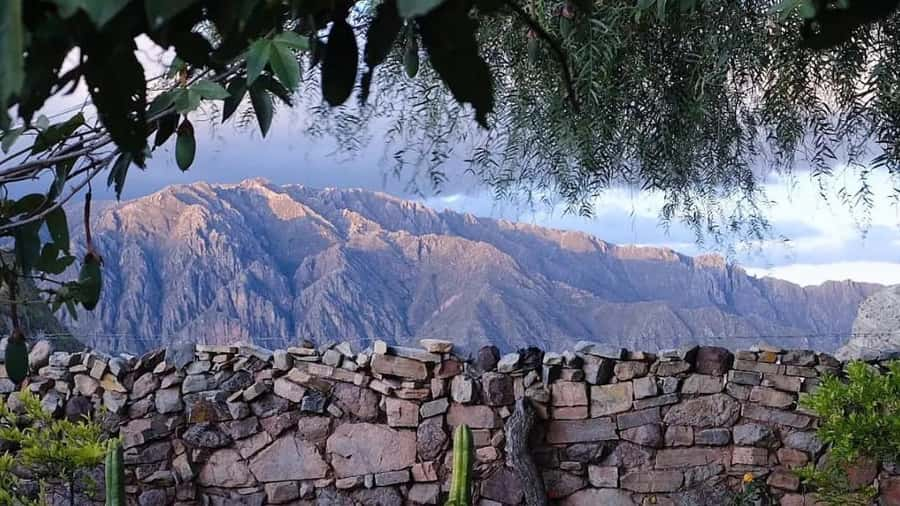
The group is limited to 10 people, which is a useful middle ground. You get more personal attention than on a large coach excursion, but you may still share the walk with several other hikers.
English and Spanish guiding are available, with French depending on guide availability. Guides who have led the route include Li, Gari or Gary, Lizandro, and Johnny. Gary has been praised for being patient, sincere, and good-humored, while Lizandro is noted for strong English and an upbeat manner. Johnny has also been described as a good cook and a capable photographer.
Those details matter because the guide does more than lead the way. You are walking through old routes, geological formations, villages, and a footprint site. Gary, for example, has taken groups slightly away from the main path to meet local people and has explained regional plants and geology.
The guiding style may differ from person to person. If you want time for photographs, say so. If you care most about local history, geology, or textiles, mention that at the start. A short request can shape the day in your favor.
Meals, packing, and the small comforts that matter
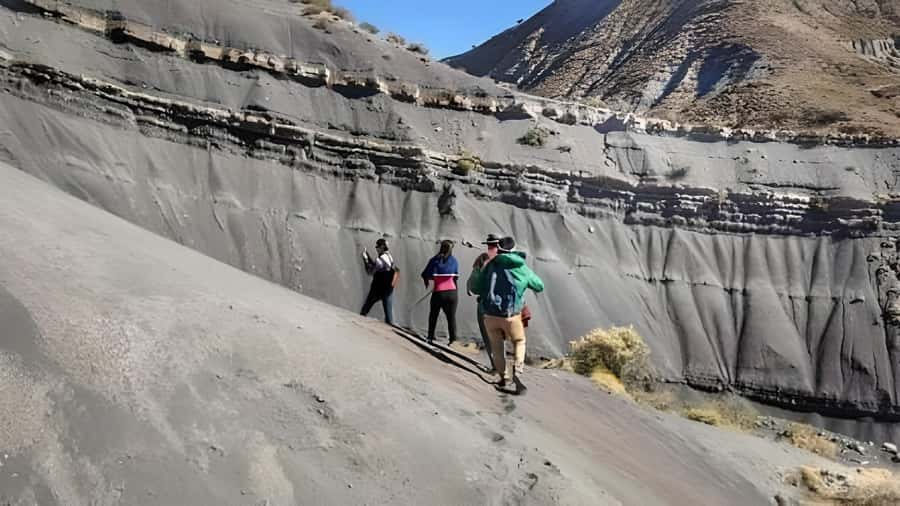
The two-day price includes breakfast on day two, lunch on both days, dinner on the first night, and fruit. Food has been described as delicious by some people, but the overall setup remains simple. Do not expect restaurant service or a wide menu in the crater.
Bring:
- Water and extra snacks
- Hiking shoes with good grip
- Sun protection, including a hat, sunglasses, and sunscreen
- Rain gear and a waterproof bag
- A change of clothes
- Flashlight
- Personal medication
- Passport or national ID, with a copy accepted
- Wet wipes, toilet paper, soap, toothbrush, and toothpaste
Swimwear is also listed among the suggested items, though no specific swimming stop is described. Pack it only if you have room. The more useful priority is keeping your main pack light, a point made especially clear by the three-day version of the route. You will carry what you bring through two days of climbs and descents.
Alcohol is not allowed in the vehicle, and littering and feeding animals are prohibited. These are sensible rules in a remote area where waste services are limited and wildlife should remain wild.
Who should book this hike, and who should skip it
This trip suits you if you enjoy active days, simple accommodation, mountain scenery, and local cultural contact. It is a good fit for someone who wants more than a quick viewpoint near Sucre and is happy to trade comfort for time in the countryside.
It is not suitable for children under 10, pregnant women, people with mobility impairments, people afraid of heights, or anyone over 95. Those limits are not just formal wording. The route includes a steep descent, a sustained climb, uneven ground, exposed viewpoints, and about 28 kilometers of walking across two days.
You should also think carefully about your tolerance for basic conditions. The accommodation is shared, the meals are simple, water is not included, and the bus departure can involve waiting. None of these points ruins the trip, but they shape it.
A three-day, two-night extension is possible if you want a slower pace and more time in the area. That version adds Tumpeca, with rock paintings, unusual geological formations, old trails, forests, and further contact with nearby communities. It may be worth asking about if two long days feel rushed.
Should you book the Maragua Crater trek?
I would book this tour if you want a full rural experience near Sucre rather than a short excursion. The strongest reasons are the combination of Inca pathways, Maragua’s colored ridges, dinosaur footprints, Jalqa weaving, and the dramatic return drive.
I would hesitate only if you need private rooms, predictable transport times, easy walking, or plenty of personal space. For everyone else, $124 is good value for two active days with transport, food, entry fees, lodging, and a small-group guide included. Pack lightly, carry enough water, and tell your guide when you need a photo stop. That preparation lets you enjoy the route instead of simply trying to keep up.
FAQ
How long is the trek?
The trek lasts two days. The first day covers approximately 16 kilometers, and the second covers approximately 12 kilometers.
Where does the tour meet?
The meeting point is at the main entrance of Estadio Patria on German Mendoza Street in Sucre. The meeting time is 8:00 am.
What transport is included?
Public transport from Sucre to Chataquila is included. A private vehicle brings the group back to Sucre after the walk toward Majada.
Are meals included?
Yes. The package includes one breakfast, two lunches, one dinner, and fruit. Other meals are not included.
Is water included?
No. You need to bring your own water. Snacks are also not included.
What languages are available?
The tour is offered in English and Spanish. French may be available depending on guide availability.
Can the trek be extended to three days?
Yes. A three-day, two-night option can include Tumpeca, rock paintings, geological formations, ancient trails, forests, and visits connected with local culture.
Just added around the world
- Hike Larano, Boca do Risco Porto da Cruz Levada in a small group★ 5.0 · 10 reviews
- Fanal Forest Private Sunset Hike★ 5.0 · 17 reviews
- Ponta de São Lourenço (PR 8) – Hiking Tour in Madeira★ 5.0 · 32 reviews
- Madeira Stairway to Heaven to Larano Hike Mountain to Sea★ 5.0 · 11 reviews
- Sunrise & Hike : Pico do Areeiro to Pico Ruivo – Private Guided★ 5.0 · 9 reviews
- Levada & Waterfalls Hike 25 Fountains, Rabaçal, Risco more Challenging Walk★ 5.0 · 25 reviews
- PR1 Pico do Arieiro Self-Guided Hiking Transfer (Morning slot)★ 5.0 · 27 reviews
- Madeira Porto da Cruz to Machico Self Hiking Tour with Transfer★ 5.0 · 12 reviews
Volcano Hikes, side by side.
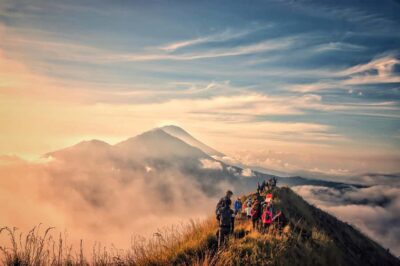
Sunrise Mount Batur Guided Hike with Breakfast
Read our review →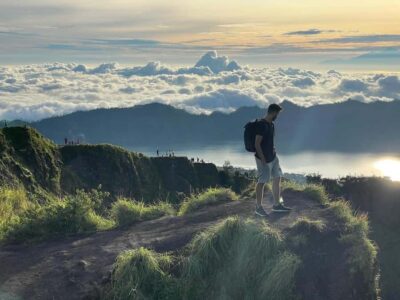
Mount Batur Sunrise Guided Hike and Natural Hot Spring
Read our review →
Mount Etna: Summit Guided Hiking Tour up to 3,400 m
Read our review →
Mount Etna: Trek to 3000m with cable car and 4×4
Read our review →
Mount Batur Sunrise Trek With Guide and Breakfast
Read our review →
Mount Batur Sunrise Hike and Natural Hot Spring Option
Read our review →
Mount Etna: Summit Crater Trek with Cable Car
Read our review →This walk also sits in