
REVIEW · UZBEKISTAN
Hiking tour to Hayat, Uhum and Asraf villages – 4 days
The best part of this four-day trip is its route through Hayat, Uhum, and Asraf, where village life is part of the experience, not a short photo stop. I like that your guide handles the long transfers and luggage, while you concentrate on walking, meals, and conversations with homestay families.
I also like the useful point-to-point plan: you start in Bukhara and finish at Gur Amir Mausoleum in Samarkand. The main drawback is the amount of driving on the first day, followed by several five-hour hikes, so this suits you only if you are comfortable with steady mountain walking and simple village accommodation.
Key details before you book
- Three Nuratau villages in four days: Walk from Hayat through Uhum to Asraf, with a day trip to Eski Forish.
- Roughly 34 kilometers on foot: The hikes range from 11 to 12 kilometers, generally taking four and a half to five hours.
- Homestays and Uzbek meals: Sleep in local homes, eat included meals, and help prepare food if you wish.
- History along the trail: See ancient irrigation channels, petroglyphs, a medieval observation point, a community watermill, and Mongol fortress ruins.
- Bukhara to Samarkand transfer: Pickup is in Bukhara and the tour ends at Gur Amir Mausoleum in Samarkand.
- Small group format: The maximum group size is 12, giving you company without the feel of a large coach tour.
Why this route gives you more than a mountain walk
This is not simply a hiking trip with rural scenery added on. The route connects villages where farming, water management, family cooking, and local hospitality are central to the visit.
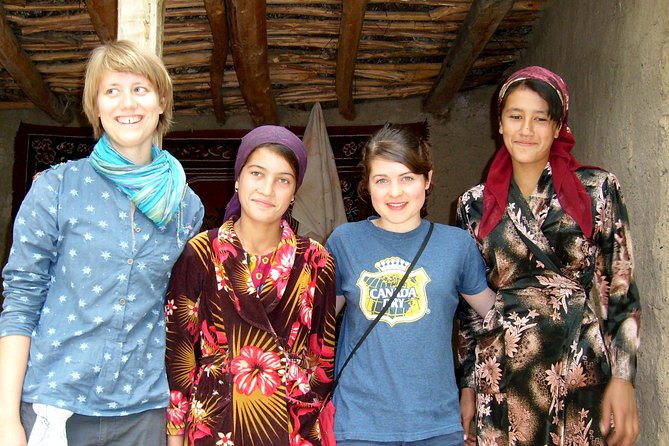
You spend nights in homestays rather than standard hotels. That means your evening is tied to village life. You can help your hosts prepare Uzbek dishes if you like, and meals are included, so you do not need to budget for restaurant stops along the way.
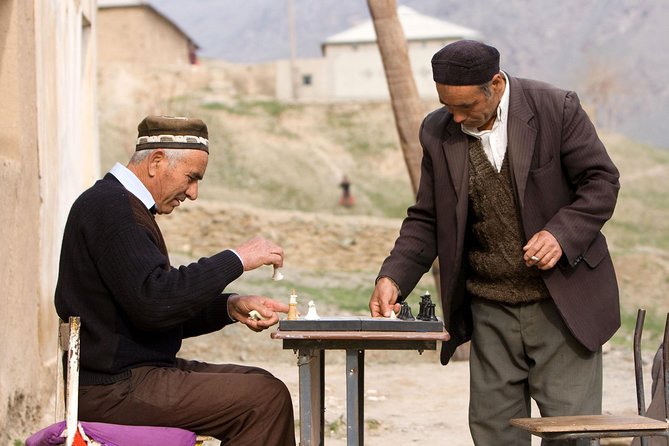
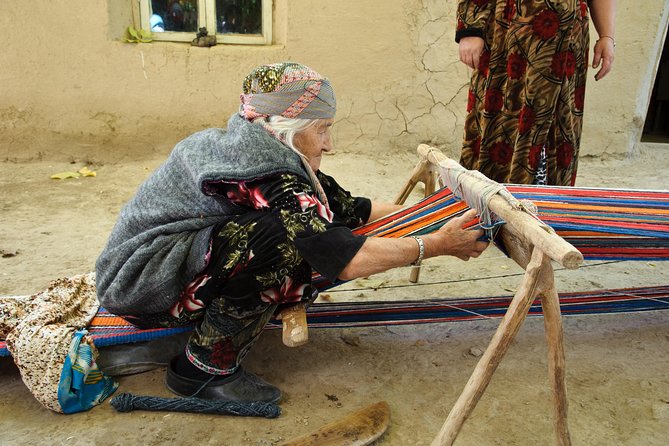
The cultural side is equally important. Ancient water channels and a community watermill show how people have made life possible in a dry mountain region. Petroglyphs and old fortifications add a historical layer without turning the trip into a formal museum visit.
The walking is active but not described as technical. The published route totals about 34 kilometers across three main hiking days, with walks of 11 to 12 kilometers. You should still expect uneven ground, sun, and a full day outside. The tour is a better fit for a regular walker than for someone hoping for a gentle sightseeing break.
More Four-Day Trips around the world:
- Pokhara: 4-Day Ghorepani, Poonhill & Ghandruk Mountain Trek
★ 5.0 · 132 reviews - 4 Day Wild Tasmania Tour / Wildlife, Nature, Hiking / Inc. Accom
★ 5.0 · 126 reviews - 4 Days Poon Hill Trek
★ 5.0 · 94 reviews
Day 1: Bukhara to Hayat by road
The trip begins in central Bukhara, near the statue of Khodja Nasreddin at Lyabi Haus Pool. The scheduled meeting information gives both 8:30 and 9:00 a.m., so confirm the exact departure time before setting out.
From Bukhara, the drive to Hayat takes about four and a half hours. This is the least active day, but it is not a quick transfer. You will spend much of the morning watching the city give way to open country and mountain terrain.
The long ride is worth considering when planning your energy. You arrive around lunchtime, settle into the village homestay, and have time to get oriented before the walking begins in earnest. A quiet first afternoon helps you adjust to the change from Bukhara’s historic center to a small mountain settlement.
The homestay is a key part of the first day. You are not checking into an anonymous room for the night. You are staying with local hosts, eating prepared meals, and getting a closer look at how households operate in the village.
The accommodation is likely to be simpler than what you find in Bukhara or Samarkand. That is part of the point, but it also means you should book this trip for contact with local families and access to the mountains, not for hotel comforts.
Day 2: Hayat to Uhum, with petroglyphs and old water channels
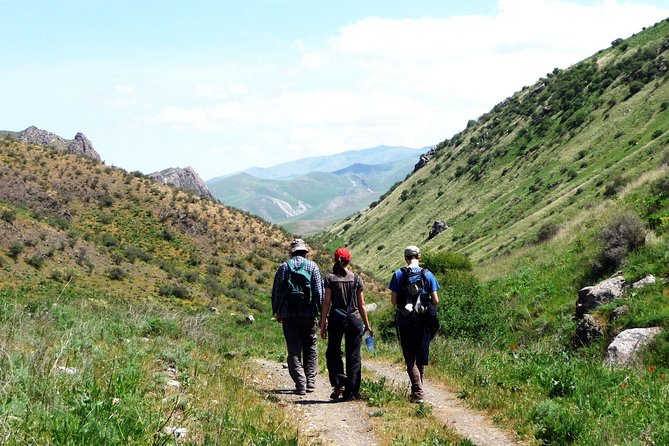
After breakfast, you meet the mountain guide and begin the walk to Uhum. The route covers about 12 kilometers and takes roughly five hours.
The day combines walking with several small discoveries. Ancient irrigation channels help explain how the villages have managed water over time. In a region where farming depends on careful use of limited water, these channels are more than old stone features. They connect the scenery to daily life.
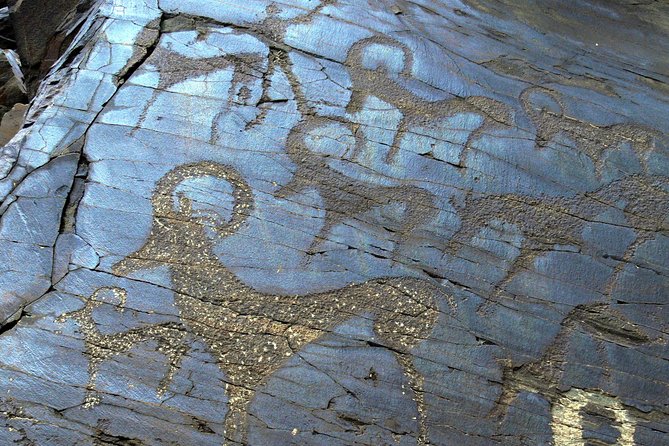
A petroglyph site adds another layer. You are not just walking from one guesthouse to another. You are passing traces of earlier people who used these mountains long before your visit.
The route also gives you a chance to meet local people going about their day. That contact matters because the trip is built around villages rather than isolated viewpoints. Your guide provides context as you go, which is useful when the significance of a water channel or rock carving is not obvious at first glance.
Five hours on foot is a serious outing, even if the route is not technical. Take the guide’s pace seriously and use the included meal stops as a chance to rest. The tour information does not provide an elevation profile or detailed difficulty rating, so you should ask about terrain and expected conditions if you have concerns about your knees, stamina, or balance.
You spend the night in Uhum. This overnight stop breaks up the route and lets you experience a second village instead of returning to one base each evening.
Day 3: Uhum to Asraf, with donkey-carried luggage
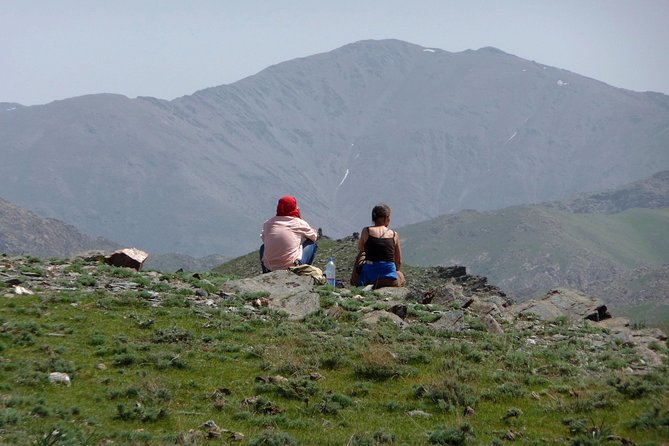
On the third morning, you pack up and walk from Uhum toward Asraf. The route is about 11 kilometers and takes around four and a half hours.
One practical touch makes this day easier: donkeys carry the luggage between villages. You still need a small day bag for water and personal items, but you are not expected to hike with all your belongings.
The route passes a community watermill and the ruins of a Mongol fortress. These stops give the day a clear sense of place. The watermill connects to village work and food production, while the fortress ruins point to the strategic importance of the mountain routes.
The combination is one of the strongest parts of the tour. You see old structures, but you also see how the area continues to function. The tour does not treat the villages as frozen historical displays. People still live, work, host families, and prepare meals here.
You arrive in Asraf and settle into another local homestay. The published schedule indicates that the luggage is transported ahead, so the move between villages should be less burdensome than a full pack hike.
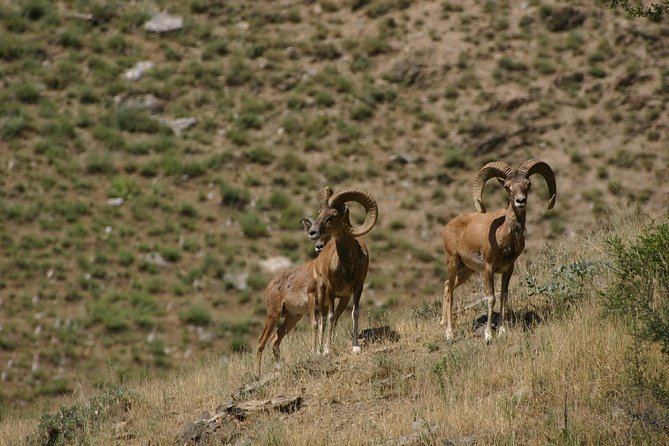
The tour overview also mentions the chance to meet endangered wild sheep. Treat this as an opportunity rather than a promise of a wildlife sighting. No fixed viewing time or guarantee is provided.
More hikes and treks around the world:
- From Marrakech: Ouzoud Waterfalls Guided Hike and Boat Trip
★ 4.7 · 33,630 reviews - Berber villages : Atlas Mountains Day Hike from Marrakech
★ 5.0 · 14,007 reviews - Bali: Sunrise Mount Batur Guided Hike with Breakfast
★ 4.8 · 9,660 reviews - Bali: Mount Batur Sunrise Guided Hike and Natural Hot Spring
★ 4.8 · 9,284 reviews
Day 4: Eski Forish and the final ride to Samarkand
The last hiking day is described as an easy walk from Asraf to Eski Forish and back. The return trip totals about 11 kilometers and takes roughly five hours.
Along the way, you visit the ruins of a medieval observation point. Its position on the route gives the walk a practical historical focus. You can picture how people once monitored movement through the mountains, rather than simply looking at a ruin without context.
The return to Asraf means you do not need to move your overnight base again. After lunch, you leave for Samarkand.
The tour ends at Gur Amir Mausoleum, the famous burial complex associated with Amir Temur. This is a useful finish because you arrive directly in one of Samarkand’s major historic areas instead of being dropped at a distant transport terminal.
The final transfer also gives this trip unusual value for a short Uzbekistan itinerary. You are not spending four days in the mountains and then losing another day getting back to your main route. Bukhara is the starting point, the Nuratau villages form the middle, and Samarkand is the endpoint.
Homestays, meals, and village hospitality
The included meals are more important than they may sound. Remote villages do not offer the same choice of restaurants and shops you find in major Uzbek cities. Having meals arranged saves both money and planning time.
You can also help your hosts prepare Uzbek food if you want a more hands-on evening. This is optional, so you can choose between joining in and simply resting after the hike.
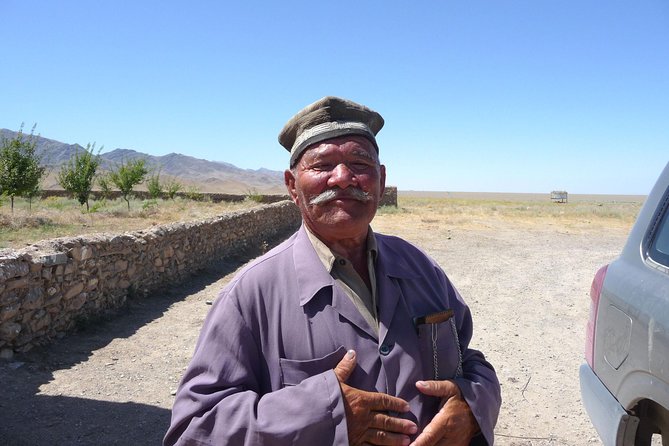
The local families are one of the most praised parts of the experience. Warm hosting and friendly guides are repeatedly highlighted, along with reliable drivers who arrive on time and handle the roads safely.
That combination matters. A rural trip can be spoiled by poor transfers or unclear arrangements. Here, the logistics are designed to remove much of that worry, letting you focus on the route and the people you meet.
Still, keep your expectations realistic. A homestay is not a luxury hotel, and the information does not specify room layouts, bathroom arrangements, or bedding standards. If those details affect your decision, ask Nuratau Travel before booking.
What the $380 price includes
At $380 per person, the price covers a four-day small-group experience with transport from Bukhara, transport to Samarkand, a mountain guide, homestay accommodation, and meals.
It also includes the practical work behind the route. Someone arranges the long vehicle transfers, village connections, guided walks, and luggage transport by donkey. If you tried to organize the same journey independently, you would need to coordinate several remote homestays, transport between villages, a local guide, meals, and the final Samarkand transfer.
The price is strongest for you if you value local access and convenience more than independent flexibility. You are paying for a ready-made route through places that can be difficult to reach alone.
A small group of no more than 12 is another plus. It is large enough to provide company on long walking days but small enough for a guide to keep the group together. The booking record shows a 4.9 rating from 12 reviews and 100 percent recommendation, which is a positive signal, though the sample is still small.
The tour is often booked about 15 days ahead. That is useful when planning, especially if you need to fit it between Bukhara and Samarkand. I would not leave it until the last moment if your dates are fixed.
Is the hiking manageable for you?
The route is spread across three main walking days:
- Day 2: 12 kilometers, about 5 hours
- Day 3: 11 kilometers, about 4.5 hours
- Day 4: 11 kilometers, about 5 hours
The first day is mainly a transfer, but the other days require steady effort. The description does not provide trail grades, elevation gain, or a technical difficulty rating. You should therefore think of this as a genuine mountain walking trip, not a casual village stroll.
You will probably be happiest if you regularly walk for several hours and are comfortable with rural paths. Bring suitable walking shoes, sun protection, and a small bag for the day. Those suggestions are practical rather than official equipment requirements, since the tour does not provide a packing list.
Weather can affect the departure. The experience requires good weather, and a cancellation for poor conditions comes with the choice of a different date or a full refund. A minimum number of participants is also required, with the same type of alternatives if the tour cannot operate.
Who should book this Nuratau trip?
I would choose this tour if you want to add rural Uzbekistan to a classic Bukhara and Samarkand itinerary. It gives you villages, walking, local food, and historic sites in one organized trip.
It is especially suitable for:
- You want a small group rather than a private trip or large coach
- You enjoy walking for four to five hours at a time
- You prefer homestays to standardized hotels
- You want meals and transfers handled for you
- You like meeting local families and seeing village routines
- You need a practical route from Bukhara to Samarkand
I would hesitate if you need guaranteed wildlife sightings, hotel-style accommodation, a detailed trail difficulty rating, or lots of free time. The route is structured, the drives are long, and each hiking day takes a substantial part of the day.
The tour also may not suit you if you want to explore independently. The value comes from having a guide, driver, hosts, and luggage support already arranged.
Should you book it?
Book this trip if the thought of walking between Nuratau villages sounds more appealing than adding another city sightseeing day. The strongest reasons are the homestays, included meals, dependable transfers, and the chance to connect old irrigation systems, petroglyphs, watermills, and fortress ruins with present-day village life.
Before paying, confirm the meeting time, accommodation details, expected trail conditions, and what luggage you may hand to the donkey transport. If those points work for you, the $380 price is fair for a four-day point-to-point journey that connects Bukhara with Samarkand while taking you far beyond the usual city route.
FAQ
Where does the tour start?
The tour starts in Bukhara at the Khodja Nasreddin statue near Lyabi Haus Pool.
Where does the tour end?
The tour ends at Gur Amir Mausoleum in Samarkand.
How long is the tour?
The tour lasts four days.
How much hiking is involved?
The planned walks total about 34 kilometers. Day 2 is 12 kilometers, Day 3 is 11 kilometers, and Day 4 is an 11-kilometer return walk.
How long does each hiking day take?
The walks take about five hours on Days 2 and 4, and about four and a half hours on Day 3.
Are meals included?
Yes. Meals are included throughout the tour, and you may help your homestay hosts prepare Uzbek food if you wish.
Where do you sleep?
You stay in local village homestays in the Nuratau Mountain area.
How large is the group?
The tour has a maximum of 12 participants.
Can you cancel for a refund?
You can receive a full refund if you cancel at least three full days before the experience starts. Cancellations or changes made less than three full days before the start time are not accepted for a refund.
Just added around the world
- Private Grand Canyon Full Day Hike★ 5.0 · 53 reviews
- Lycian Way Trekking Tour (7 Days)★ 5.0 · 17 reviews
- Private Grand Canyon Hike and Sightseeing Tour★ 5.0 · 132 reviews
- Explore El Yunque: Hiking, Swings & Waterslide (Small Group)★ 5.0 · 144 reviews
- 6 Days Bale Mountains Trekking★ 5.0 · 10 reviews
- El Yunque Hike Adventure to Las Tinajas Waterfall from Fajardo★ 5.0 · 52 reviews
- 4 days semien mountain national park trekking,★ 5.0 · 11 reviews
- Angel Rocks Hike and Chena Hot-Springs Soak Guided Tour★ 4.5 · 13 reviews
4-Day Experiences, side by side.
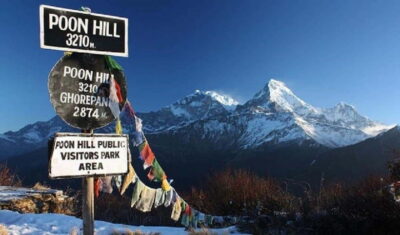
4-Day Ghorepani, Poonhill & Ghandruk Mountain Trek
Read our review →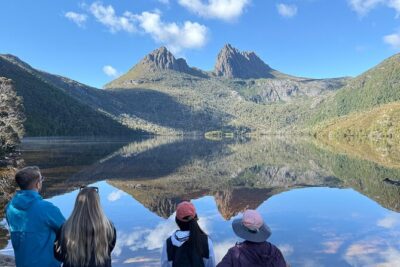
4 Day Wild Tasmania Tour / Wildlife, Nature, Hiking / Inc. Accom
Read our review →
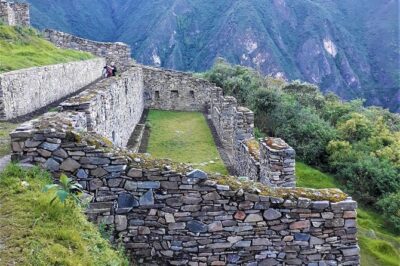
Ancascocha Trek To Machu Picchu 4 Days And 3 Nights
Read our review →
4 Day Inca Trail Trek to Machu Picchu Multi day tour
Read our review →
Salkantay Trek 4 Days to Machu Picchu by Glamping Sky Lodge Dome
Read our review →
This walk also sits in