
REVIEW · PERU
Ausangate and Rainbow Mountain Trek – 3 Days / 2 Nights
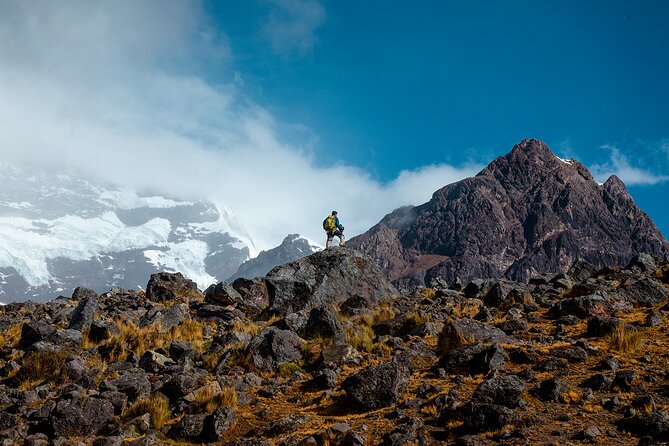
Ausangate is the real prize here, with glacial lakes, high passes, and very few people compared with the crowded Rainbow Mountain viewpoint. You start before dawn from Cusco, camp beneath one of Peru’s great peaks, and reach Vinicunca early enough to beat much of the day’s rush.
I like the practical setup: your main luggage can be carried up to 7 kilograms, and the camp crew handles tents, meals, hot drinks, and dinner. I also like the small maximum group of 12, which gives your guide room to adjust the pace. The catch is altitude. This is a serious trek, with passes above 4,800 meters, not a gentle add-on to a Cusco holiday.
Guide assignments vary, but the company has used guides such as Nestor, Marco, Fredy Apaza, Pabel, Darwin, Elisban, and Franklin on its Ausangate trips. Arrive in Cusco at least two days early, and treat that advice as essential rather than optional.
Key points before you book
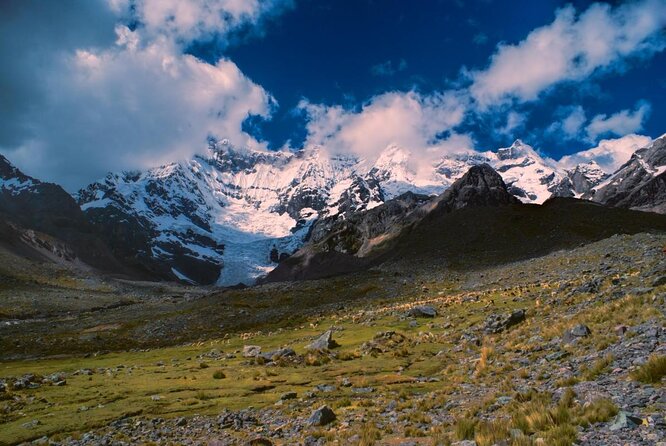
- High-altitude trekking: You cross Arapa, Puca, and Warmisaya passes, with sections above 4,800 meters.
- Two nights under Ausangate: You camp at Hatun Pucacocha and Surinecocha, with sleeping gear and cooked meals provided.
- Rainbow Mountain at a smart hour: An early start gives you a better chance to see Vinicunca before the main crowds arrive.
- Less weight on your back: Up to 7 kilograms of luggage is transported on the trail, though you still need a daypack.
- Strong support system: A guide, cook, horseman, private transport, first aid kit, oxygen, poles, and rain poncho are included.
- Good value at $535: The price covers permits, transfers, camping, food, luggage transport, and equipment, but not horse assistance, insurance, or tips.
Why Ausangate is the main event
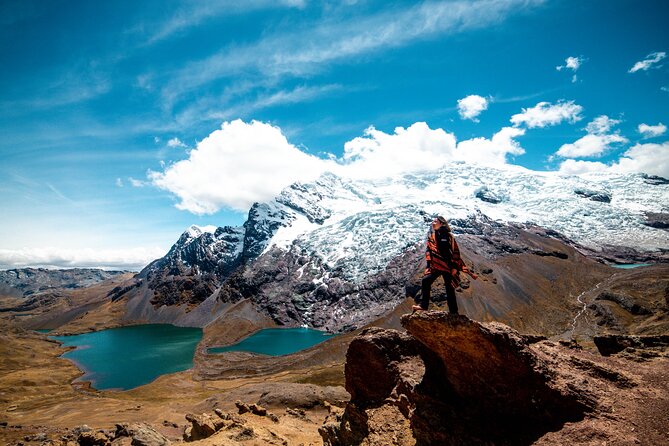
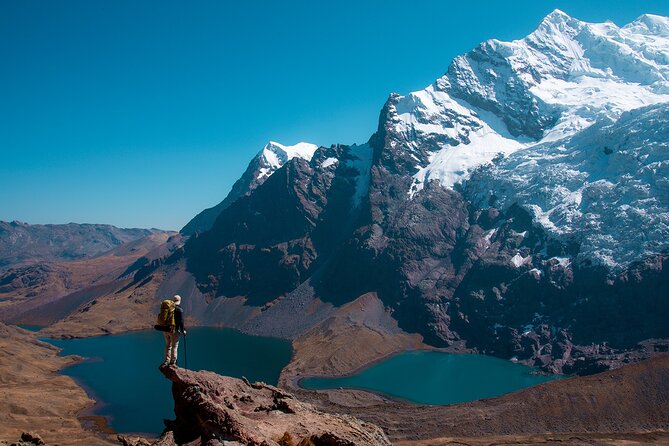
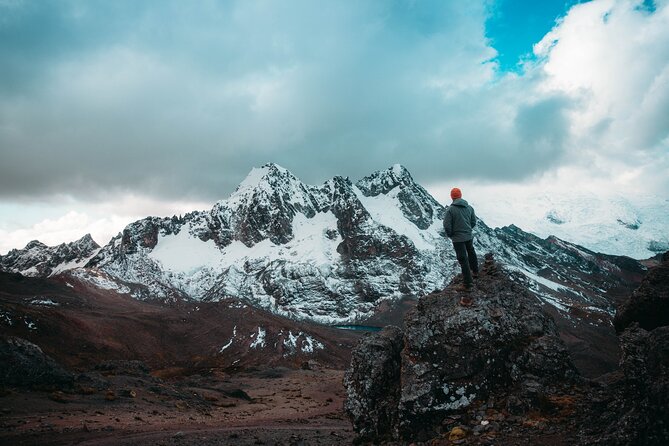
Rainbow Mountain gets the headlines, but Ausangate gives this trip its character. You spend much of the first two days walking through remote mountain country, passing high lakes and broad slopes beneath Nevado Ausangate. The scenery changes with the weather, from foggy mornings to hard blue skies, snow, rain, and sudden bursts of sunlight.
That variety is part of the appeal. You are not simply walking to one famous viewpoint, taking a photo, and returning to the bus. The route makes you work for its best scenes. The reward comes in stages: a lake here, a pass there, a glimpse of condors, and then the first view of Rainbow Mountain from above.
You should also know what this means physically. At this altitude, a short uphill stretch can feel like a long climb. The route is described as challenging, and you need good health and strong fitness. If you have little hiking experience or have not adjusted to altitude, the scenery will be harder to enjoy.
More Mountain and Summit Hikes in Cusco:
- Cusco: Rainbow Mountain Tour and Red Valley Hike (Optional)
★ 4.7 · 149 reviews - Cusco: Full-Day Rainbow Mountain & Red Valley Trekking Tour
★ 4.5 · 121 reviews - From Cusco: Rainbow Mountain Trek
★ 4.5 · 98 reviews
Day 1: Upis to Hatun Pucacocha beneath Ausangate
Pickup begins at about 5:00 am. From Cusco, private transport takes you to the small town of Upis, where the hike begins. The early road transfer makes for a long opening morning, but it also puts you on the trail before the heat and activity of the day build.
The first walking section takes roughly three hours to the lunch stop. This is your introduction to the scale of the area. Ausangate dominates the view, and the route gives you time to settle into the pace before the harder climb arrives.
After lunch, you get a short rest before heading uphill toward Arapa Pass. The itinerary lists about nine hours for the day, so you should expect a full mountain day rather than a relaxed stroll. Once you reach the high point, the route descends to Hatun Pucacocha, your first camp.
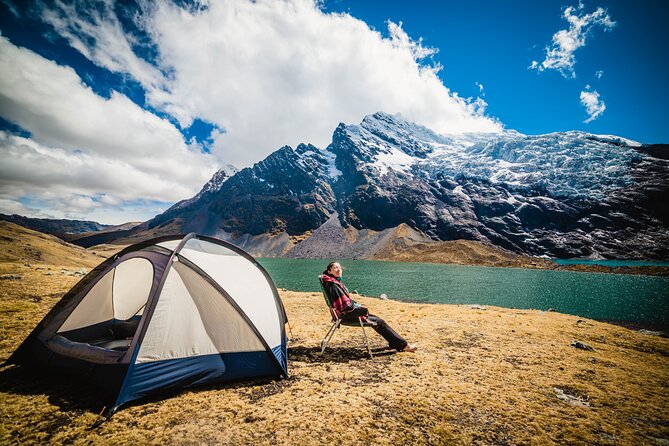
The camp sits at the foot of Ausangate, which gives the evening a memorable setting. Hot drinks and dinner are served after the walk, and you sleep in a tent with an air mattress and sleeping bag. Extra blankets, fleece liners, and hot water bags have been provided on similar trips, but you should still pack warm layers, dry socks, gloves, and a hat.
The sleeping arrangements are basic but more supported than carrying and cooking everything yourself. A dining tent, tables, and chairs are included, so you have a place to eat and rest without sitting in the dirt. That matters after a day at altitude.
Day 2: Puca Pass, Anantapata, and Warmisaya
Day two begins with hot coca tea and breakfast. Coca tea is a familiar highland ritual, but do not mistake it for a cure for altitude sickness. It may be comforting, yet the real protections are arriving early in Cusco, pacing yourself, drinking water, and telling your guide when you feel unwell.
The trail climbs toward Puca Pass. From here, you can expect broad views and, if conditions allow, the chance to see a condor. The high glacial lagoons are a major feature of this section, and you will have repeated photo stops rather than one single viewpoint.
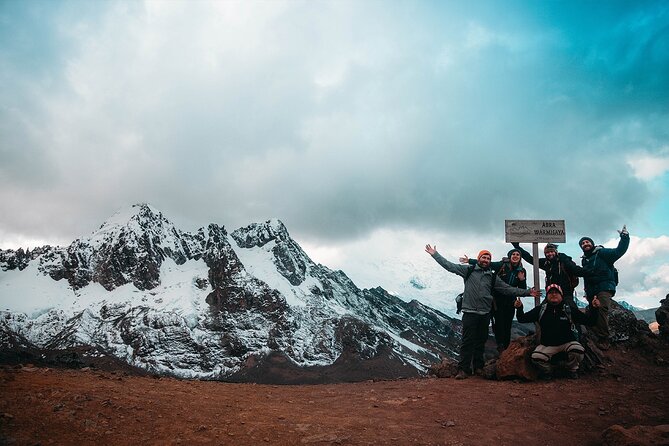
After reaching Anantapata, you stop for lunch. The day then asks for another uphill push toward Warmisaya Pass. This is where the trip connects directly with Rainbow Mountain. From the pass, you get a 360-degree view that includes the first sight of Vinicunca and the surrounding peaks.
That preview is useful. It lets you see Rainbow Mountain as part of a larger mountain region rather than as an isolated striped hill. It also gives you a sense of the next day’s destination before you reach the famous viewpoint itself.
The day covers about seven hours and ends with a descent to Surinecocha camp. You will likely appreciate the downhill section, but do not assume it is easy. Uneven ground, cold, fatigue, and altitude can make a descent tiring too. Dinner and another night in camp follow.
This is also the point where a good guide earns their keep. Guides on the company’s Ausangate routes have adjusted walking speed, added optional viewpoints for stronger groups, and kept an eye on people struggling with altitude. That flexibility is one advantage of a small group.
Day 3: Reaching Vinicunca before the crowds
You wake early for Rainbow Mountain. The final hiking day is shorter, listed at about three hours, but the early start is important. Vinicunca is one of Peru’s most popular day trips, and arriving early can make the setting feel calmer before the busiest period.
The approach gives you an initial view of the mountain. You then continue to the main viewpoint, where the colored mineral bands form the familiar striped pattern. Your guide explains the importance of the area and helps put the site in its cultural and geographical setting.
The mountain is striking, but keep your expectations sensible. The colors depend on light and weather, and photographs can make the stripes look stronger than they do in person. Snow, cloud, rain, and bright sun can all change the appearance within minutes.
After spending time at Vinicunca, you walk down to private transport and stop for lunch. You then return to Cusco, with drop-off at your accommodation. That door-to-door ending is welcome after two nights outside and a final morning at high altitude.
One detail worth noting: the supplied information mentions Machu Picchu spaces selling out quickly, but Machu Picchu is not part of this three-day trek. If you plan to add it, arrange that separately and well ahead of time.
More Three-Day Trips around Cusco:
- Salkantay Trek Challenge – 3 Days / 2 Nights
★ 5.0 · 101 reviews - Sapa 3 Days 2 Nights Trekking Tour (1 Night In Ta Van Village, 1 Night In Hotel)
★ 5.0 · 699 reviews - 3-Day Trekking Adventure of Sapa from Hanoi – Stay Ta Van Village
★ 5.0 · 611 reviews - From Marrakech: 3-Day Mount Toubkal Climbing Trek
★ 4.7 · 597 reviews
What the $535 price really covers
At $535 per person, this is not a budget day hike. It is also not simply a transport package. The fee includes private transfers from Cusco, hotel pickup and drop-off, entry fees for Ausangate and Rainbow Mountain, a mountain guide, camping equipment, meals, water, snacks, luggage transport, hiking poles, a rain poncho, a first aid kit, and oxygen.
You receive breakfast on all three mornings, three lunches, and two dinners. The food is an important part of the value because the cooking team prepares full meals in a remote camp setting. Past trips have included hearty, nutritious dishes, along with vegetarian and vegan options when requested in advance.
The 7-kilogram luggage allowance also changes the feel of the trek. You do not need to carry all your clothes, sleeping gear, and personal items over every pass. You still need a daypack with water, rain protection, sunscreen, personal medicine, and warm layers for the hours on foot.
Horse assistance is optional and costs extra. The information provided does not give the price, so ask before booking if you think you may need it. Travel insurance is not included, and gratuities are optional.
For the right hiker, the package offers fair value because the difficult pieces are covered: transport, permits, food, camp setup, and emergency equipment. If you are comparing it with a simple Rainbow Mountain day tour, this costs more because you are paying for a remote multi-day trek, not just access to one viewpoint.
Food, tents, and the human side of the trek
The support crew is a major part of this trip. The guide plans the route and manages the walking day. The cook prepares meals, while the horseman helps move equipment and supplies. Everyone works in difficult conditions, often walking sections of the route themselves.
Names vary by departure, but guides including Nestor, Marco, Fredy Apaza, Pabel, Darwin, Elisban, and Franklin have been associated with the company’s trekking programs. The qualities to look for are clear communication, calm pacing, and attention to altitude. A guide who checks on slower hikers can make the difference between a hard but rewarding day and a miserable one.
The food has received especially strong praise. That is not a minor point on a cold trek. A hot breakfast gives you a better start, lunch breaks up the long walking hours, and dinner gives you something to look forward to at camp.
Sleeping is more comfortable than a bare-bones backpacking trip, but it is still camping at high altitude. The sleeping tent, air mattress, sleeping bag, dining room, tables, and chairs are supplied. Bring the warmest personal layers you can manage, and do not count on the sleeping bag alone if you are sensitive to cold.
Altitude, weather, and the practical challenges
The biggest question is not how photogenic the route is. It is how your body will react to the height. The passes reach more than 4,800 meters, and even fit hikers can feel short of breath, tired, headachy, or nauseated.
Arrive in Cusco at least two days before departure. Use that time to rest and adjust. Avoid treating the first day in town as a chance to schedule several demanding activities. Your preparation is part of the trek.
Weather can change quickly. The route may bring sun, rain, snow, fog, and cold nights. The included rain poncho is useful, but pack your own waterproof layer if you have one, along with a waterproof cover for your daypack.
The tour carries oxygen and a first aid kit, which is reassuring, but those items are not a substitute for good judgment. Tell your guide immediately if you feel seriously unwell. You should also have travel insurance, even though it is not included.
Children aged 12 and over may join if accompanied by a responsible adult. That does not make the route family-easy. A young participant needs the fitness, preparation, and maturity for long days at extreme altitude.
Who should choose this trek
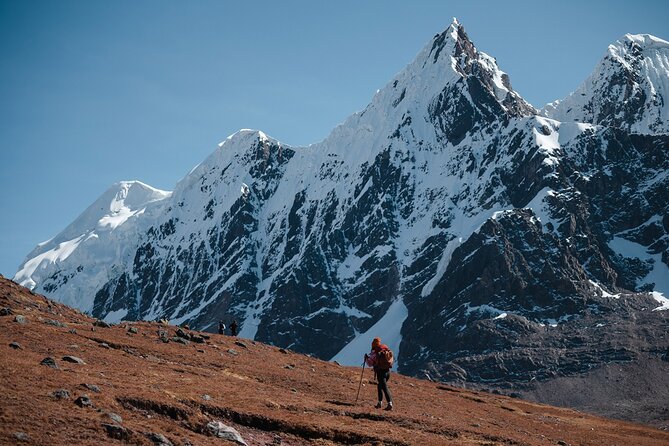
You should consider this trip if you want more than a quick Rainbow Mountain visit. It suits hikers who value remote scenery, high passes, alpine lakes, and a small group more than comfort or a leisurely schedule.
It is also a good fit if you like having a full support team. You carry less gear, sleep in an organized camp, eat prepared meals, and have private transport at both ends. The route still feels wild, but you are not managing every camp chore yourself.
You should think twice if you have not hiked at altitude, dislike cold camping, or want a gentle introduction to Peru’s mountains. The trek is demanding from the start, and the two hardest days come before you reach Rainbow Mountain.
The maximum group size is 12, though actual departures may be smaller. Small groups can make the pace more manageable and may allow reasonable route adjustments, but you should not expect every planned stop to change. Weather, safety, and group ability come first.
Should you book the Ausangate and Rainbow Mountain trek?
Book it if the idea of walking beneath Ausangate, passing glacial lakes, crossing high passes, and camping for two nights excites you more than a quick photo stop. The included logistics and strong food service make $535 reasonable for a supported trek of this length.
Do not book it casually. Give yourself two days in Cusco to adjust, train for sustained uphill walking, and prepare for cold, wet weather. The booking is non-refundable and cannot be changed after purchase, except when the operator cancels because of poor weather or insufficient numbers.
My practical call: this is a strong choice for fit hikers who want the full mountain experience, not just Rainbow Mountain. If you are ready for the altitude and accept basic camping, the route offers far more lasting value than the famous viewpoint alone.
FAQ
How long is the Ausangate and Rainbow Mountain trek?
The trek lasts three days and two nights, with camping at Hatun Pucacocha and Surinecocha.
What time does pickup begin?
Pickup begins at approximately 5:00 am from your accommodation in Cusco.
Is hotel pickup and drop-off included?
Yes. Hotel pickup in Cusco and drop-off at your accommodation after the trek are included.
How difficult is the trek?
It is a challenging high-altitude trek and requires a strong level of physical fitness. Some passes are above 4,800 meters.
How many people can join the group?
The maximum group size is 12 participants.
How much luggage can be transported?
Up to 7 kilograms of luggage can be transported during the hike.
Are meals included?
Yes. The tour includes three breakfasts, three lunches, and two dinners. Vegetarian and vegan meals are available if requested when booking.
Is camping equipment provided?
Yes. The equipment includes a sleeping tent, air mattress, sleeping bag, dining room, tables, and chairs.
Are hiking poles and rain protection included?
Yes. Hiking poles and a rain poncho are included.
Is horse assistance included?
No. Horse assistance is optional and is not included in the stated price.
Is travel insurance included?
No. Travel insurance is not included, but it is recommended.
Can children join the trek?
Children aged 12 and over may participate, provided they are accompanied by a responsible adult at all times.
What happens if bad weather cancels the trek?
If poor weather causes cancellation, you will be offered a different date or a full refund.
What information is needed to book?
You must provide each participant’s passport name, passport number, expiry date, and country.
Just added around Cusco
- Small Group: 4-Day Inca Trail Trek to Machu Picchu★ 5.0 · 33 reviews
- 5-Day: Salkantay Trek to Machupicchu and Humantay Lake★ 5.0 · 42 reviews
- Salkantay Trek Standard 5D/4N★ 5.0 · 48 reviews
- Classic Choquequirao Trek – 5 Days / 4 Nights★ 5.0 · 52 reviews
- Salkantay Trek To Machu Picchu 5 Days And 4 Nights★ 5.0 · 44 reviews
- 5 Day – Salkantay trek to Machu Picchu – Group Service★ 4.5 · 27 reviews
- Salkantay 5-Day Trek To Machu Picchu★ 5.0 · 39 reviews
- Salkantay Trek: 5 Days to Machu Picchu★ 5.0 · 33 reviews
Mountain & Summit Hikes, side by side.
Berber villages : Atlas Mountains Day Hike from Marrakech
Read our review →
Sunrise Mount Batur Guided Hike with Breakfast
Read our review →
Mount Batur Sunrise Guided Hike and Natural Hot Spring
Read our review →
Mount Etna: Summit Guided Hiking Tour up to 3,400 m
Read our review →
Bovilla Lake & Gamti Mountain Hiking Day Trip
Read our review →
Mount Etna: Trek to 3000m with cable car and 4×4
Read our review →
Mount Batur Sunrise Trek With Guide and Breakfast
Read our review →This walk also sits in