
REVIEW · PERU
Ultimate Lares Trek & Inca Trail 5 days
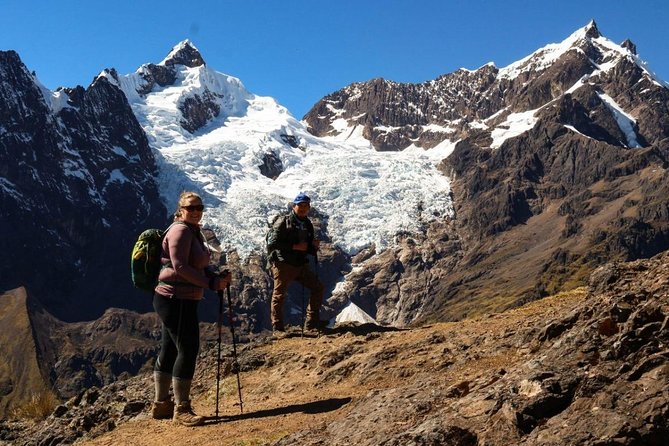
The best part of this five-day route is the contrast: you begin among quiet Andean villages and high lakes, then enter Machu Picchu by way of the Short Inca Trail. The Lares Valley feels far removed from Cusco, while the final approach through Wiñay Huayna and the Sun Gate delivers the famous ruins.
I like the hot springs on the first morning and the chance to spend a night in Cancha Cancha, a village without electricity, internet, or cellphone service. I also like the strong support team. Guides such as Manolo, Sara, Anthony, and Gilbert have been praised for local knowledge and steady encouragement, while cooks have produced hearty meals and even birthday cakes in camp.
The catch is the altitude and the long second day. Reaching Condor Pass at 4,700 meters is serious work, and the trek is not a gentle sightseeing walk. You also need to clarify exactly which Machu Picchu entrance is included, since optional tickets for Huayna Picchu or Machu Picchu Mountain are listed separately.
Key points before you book
- Two very different treks in one trip: Quiet Lares villages and mountain passes lead into the busier Short Inca Trail.
- The high point is 4,700 meters: Day 2 is the hardest, with four hours uphill followed by a three-hour descent.
- A real cultural encounter: Cancha Cancha speaks Quechua and has no modern utilities or cellphone service.
- Comfort where it counts: You camp for two nights, then sleep in three-star hotels in Ollantaytambo and Aguas Calientes.
- Food is a major strength: The cooks prepare breakfast, lunch, dinner, and snacks, with reports of varied meals and fresh cakes.
- Small-group setup: The maximum group size is 12, useful on narrow paths and during a demanding climb.
Why the Lares route makes sense
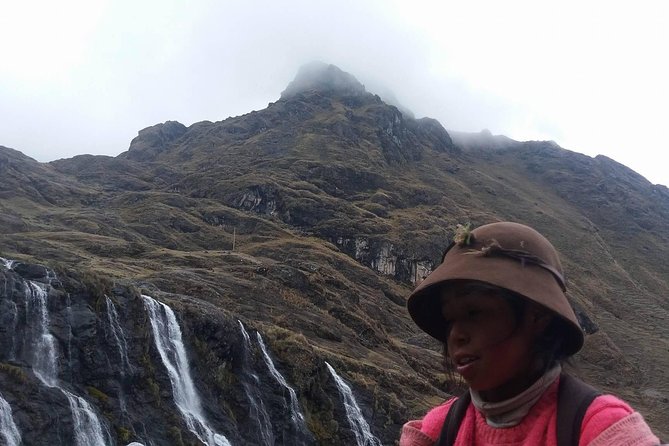
The classic Inca Trail gets most of the attention, but the Lares route offers something different. Instead of spending several days among large hiking groups, you walk through high valleys, pass clear lakes, and see villages where farming remains part of daily life.
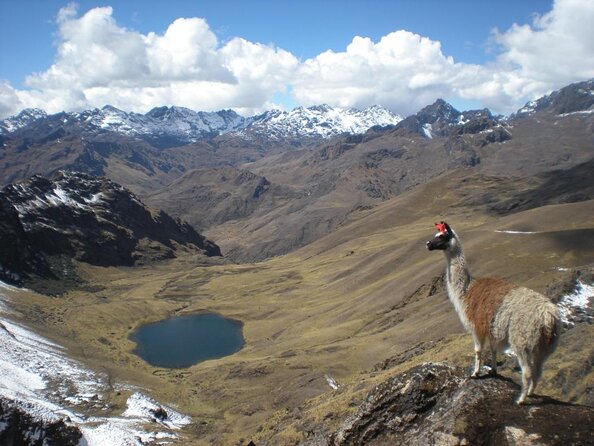
That quieter setting is the main reason to choose this trip. You get fewer ruins during the first three days, but you gain space, silence, and more contact with the people and terrain of the Andes. If your main goal is a string of archaeological sites, the standard Inca Trail may suit you better. If you want mountain scenery and a taste of rural Peru before Machu Picchu, Lares is the better fit.
The price is $980 per person. That covers transport, guides, cooks, porters, horse support, camping equipment, two hotel nights, and most meals. For a five-day trip with private transfers and a small maximum group, that is a substantial package rather than just the cost of a hike. Optional sleeping bags, mattresses, trekking poles, and Huayna Picchu or Machu Picchu Mountain tickets cost extra.
More Machu Picchu and Inca Trail Treks in Cusco:
- Salkantay Trek Challenge – 3 Days / 2 Nights
★ 5.0 · 101 reviews - Choquequirao Trek 4 days and 3 nights
★ 5.0 · 81 reviews - Machu Picchu: 5-Day Salkantay Trek with Panoramic Train
★ 5.0 · 79 reviews
Day 1: Lares hot springs and a blue mountain lake
Your morning starts early, with pickup listed around 5:30 am and a meeting time listed as 4:30 am. Confirm the exact pickup time before bed, because that hour matters after a short night.
The drive heads toward the Sacred Valley, with a stop at a local market before continuing to the Lares thermo-medicinal baths. Arriving around 8 am, you can soak in pools set at different temperatures. This is more than a decorative stop. A warm soak can loosen stiff muscles before the trail, though you should still treat the first hiking day as a real altitude adjustment.
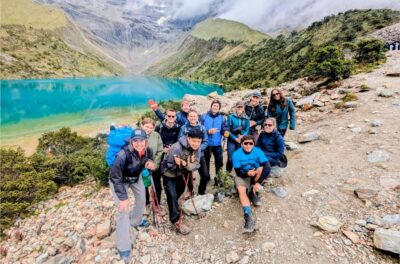
After breakfast, you hike uphill for about two hours toward Kiswarani. Lunch follows, then another two hours on foot to camp beside a blue lake at 3,750 meters. The day covers about 9 kilometers and is rated easy, but altitude can make an easy route feel demanding.
Camp equipment and a hot drink are ready when you arrive. That small touch matters in cold mountain conditions. The evening is intended for rest, stargazing, and a look at Inca astronomy rather than another long activity.
The first day is a good test of how your body handles the elevation. Take the uphill sections slowly, drink regularly, and do not use the easy rating as a reason to rush.
Day 2: The 4,700-meter climb over Condor Pass
Day 2 is the physical center of the trip. A hot coffee or cocoa tea arrives at your tent before breakfast, then the climb begins.
You spend about four hours walking uphill to Condor Pass, at 4,700 meters. That is 15,354 feet, higher than many people have ever walked. The air is thin, and the pace matters more than pride. A guide who uses the local advice of poco poco, or little by little, is exactly what you want here.
At the summit, you have time to look around before starting a three-hour descent. The full day covers about 16 kilometers and takes roughly seven hours, with a rating from moderate to challenging. This is where a basic level of fitness becomes important. The issue is not only strength, but also how your body reacts to height.
The night is spent in Cancha Cancha at 3,750 meters. This isolated village has no electricity, drainage system, internet, computers, or cellphone service. Quechua is the only language spoken there, according to the tour information.
That lack of modern connection is a real part of the experience, not a marketing detail. You will need to accept a cold, simple evening and limited communication. In return, you get a rare look at a community that remains apart from the usual tourist circuit.
The crew handles the practical work. Horsemen carry the camp load, while cooks prepare dinner. Several people have singled out the food on this route, including varied three-course meals and cakes made in difficult camp conditions. You should still bring personal snacks, but you are unlikely to be left with only a dry sandwich.
Day 3: Descending to Huaran and sleeping in Ollantaytambo
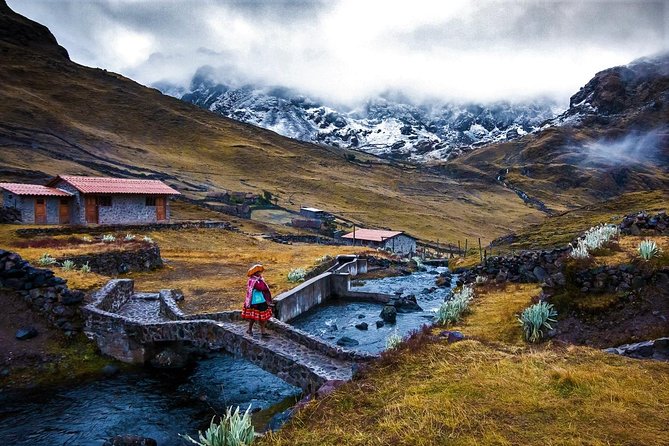
The third morning begins with another hot drink and views of a village surrounded by llamas and alpacas. After breakfast, you walk downhill for about four hours.
The route ends in Huaran, at 2,700 meters. A private bus then takes you toward Salineras and Ollantaytambo, known for its old Inca streets and working water channel. The change is striking. After the isolation of Cancha Cancha, Ollantaytambo feels much more connected and active.
The itinerary gives you time to explore the town before dinner in a local restaurant. You sleep in a hotel rather than a tent, which is welcome after two nights outdoors. The day covers around 12 kilometers and is rated easy, though tired legs can make a downhill route harder than expected.
Ollantaytambo is not just an overnight stop. Its stone streets and water channels help connect the mountain trek with the Inca world you will see at Machu Picchu. Pay attention to how the town still follows the shape of its old design.
More Five-Day Trips around Cusco:
- Ausangate Trek 5 Days
★ 5.0 · 74 reviews - Classic Choquequirao Trek – 5 Days / 4 Nights
★ 5.0 · 52 reviews - Salkantay Trek To Machu Picchu 5 Days And 4 Nights
★ 5.0 · 44 reviews - 5-Day: Salkantay Trek to Machupicchu and Humantay Lake
★ 5.0 · 42 reviews
Day 4: Chachabamba, Wiñay Huayna, and the Sun Gate
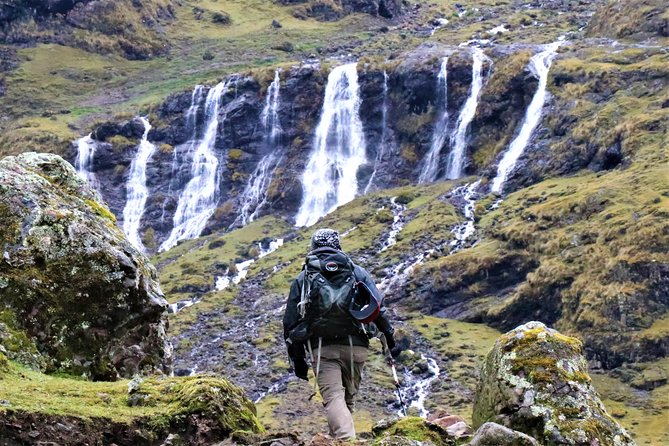
Day 4 shifts from the Lares route to the Short Inca Trail. You leave your hotel around 6 am and walk to the train station. The train takes about 90 minutes along the Urubamba River from Ollantaytambo to kilometer 104 at Chachabamba.
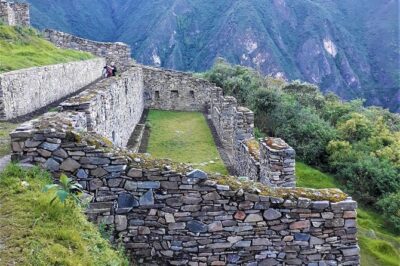
This is where the second trek begins. Your first archaeological stop is Chachabamba, an Inca ruin in the cloud forest. From there, you walk for about four hours toward Wiñay Huayna, whose name means forever young. A packed lunch and refreshments are provided.
The route includes stairs and uneven ground. The altitude is lower than on Day 2, but the walking can still be tiring. Anyone with ankle or knee trouble should take the stone steps seriously and use trekking poles if helpful. Poles are optional, not included automatically.
The reward is the approach to the Sun Gate. You catch your first view of Machu Picchu from above, then walk downhill for about an hour toward the citadel. Arrival is planned for the afternoon, when the main site may feel less crowded than during the early morning rush.
You do not spend the night inside Machu Picchu. Instead, you take the bus down to Aguas Calientes, have dinner, and sleep in a hotel. This arrangement saves you from camping again and positions you well for the main visit on Day 5.
Day 5: The main Machu Picchu visit
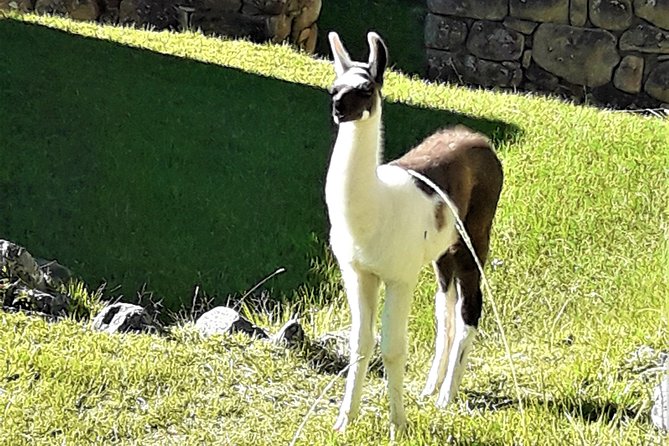
The final morning starts early with breakfast and a bus ride up to Machu Picchu. On a clear day, you may see sunrise over the citadel, though mountain weather can change quickly.
Your guide leads a two to three-hour tour of the site. Afterward, you have time to explore on your own, or climb Huayna Picchu or Machu Picchu Mountain if you have arranged the required ticket in advance.
This is one point I would settle before paying. The information lists admission tickets as included in the day-by-day schedule, but it also says that tickets for Huayna Picchu and Machu Picchu Mountain are optional and must be booked ahead. Ask the operator to confirm the standard Machu Picchu entry, the circuit, and any mountain ticket you want.
After the visit, the guide explains the bus back to Aguas Calientes. Lunch is not included, so budget for it. The return uses a panoramic train and bus to Cusco, where the TreXperience team meets you and takes you to your hotel.
It is a long finish. You have already completed high-altitude hiking, a full Short Inca Trail day, and an early visit to Machu Picchu. Keep your final day organized and avoid assuming you will have a lazy afternoon.
The people who make camp work
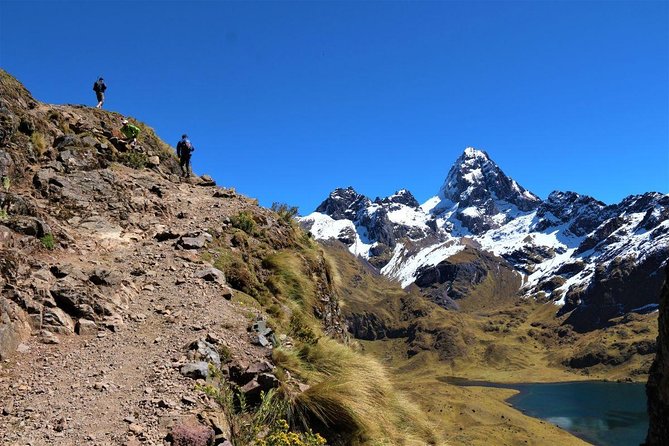
A trek like this depends on more than scenery. Guides set the pace, explain the Inca sites, and help you handle the physical strain. Names associated with this route include Manolo, Sara, Anthony, Gilbert, Jose Abad Cortez, and others, but your guide will depend on the departure.
Manolo has been praised for his encouragement, clear English, and ability to explain Quechua culture and local history. Sara has been noted for giving clear instructions about the day ahead. Anthony and Gilbert have also been recognized for local insight and calm support, especially for a solo woman hiking alone.
The kitchen crew is another strong point. Cooks including Oscar, Vidal, Augusto, and Tiburcio have prepared filling meals in mountain camps, assisted by people such as Beto, Andreas, and Paulino. The food is not just fuel. It can be a welcome comfort after a cold climb, and the varied menus help make five days of trekking easier.
Horsemen and porters carry equipment and help set up camp. The included duffle allowance is up to 7 kilograms for your personal items carried by horse. Pack only what you need, and keep essentials such as medication, rain gear, documents, and water with you.
Who should book this five-day route
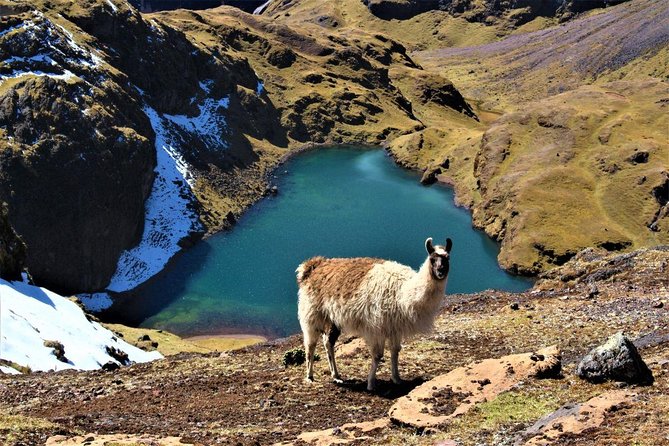
I would choose this trip if you want Machu Picchu but do not want the standard route to be your whole Peru experience. It suits people who value quiet trails, rural communities, high mountain scenery, and a real break from phone service.
It can also work well for families with active teenagers, provided everyone understands the altitude and the long second day. Solo participants may appreciate the small group and the guide support, but the route still requires you to manage your own stamina.
This is not a good choice if you want short walks, a soft schedule, or guaranteed comfort every night. Camping at 3,750 meters and crossing a 4,700-meter pass require preparation. A moderate fitness level is required, and I would spend time in Cusco before the trek if your schedule allows.
The group limit is 12 people. That is small enough for the guide to keep an eye on pace and morale, while still giving you a chance to meet others. The actual group may be smaller, and very small departures can mean a more personal schedule.
Practical details that affect the value
The tour includes pickup, all transport during the trek, two nights of camping with equipment, two hotel nights, four lunches, four dinners, five breakfasts, snacks, and the support crew. It also includes a Pachamanca cooking demonstration, a useful cultural element tied to traditional Andean cooking.
Vegetarian meals are available if you request them when booking. Give the company any dietary needs in advance. Children must be with an adult, and every participant needs to provide passport details and carry a current passport on the trip.
The booking average is about 13 days ahead, but that does not mean you should wait. Machu Picchu entry and optional mountain tickets have limited availability, and the operator needs your passport information at booking.
The cancellation terms are strict: the trip is non-refundable and cannot be changed for any reason. If poor weather or too few participants force cancellation, you are offered another date, another experience, or a full refund. Read that policy carefully before making a non-flexible plan.
Should you book the Ultimate Lares Trek and Inca Trail?
Book it if you want a demanding but well-supported route that gives you two sides of Peru: the quiet, high Lares Valley and the famous archaeological approach to Machu Picchu. The strongest reasons are the remote Cancha Cancha night, the hot springs, the excellent camp food, and the chance to reach the Sun Gate without spending five days on the busier classic trail.
Think twice if high altitude worries you, if you need reliable phone service, or if a seven-hour day with a 4,700-meter pass sounds unreasonable. At $980, the trip offers good value for the transport, crew, meals, camping, and hotels, but only if you are prepared to use all of it.
Before booking, confirm the exact pickup time, standard Machu Picchu entry, optional mountain tickets, and what camping equipment is supplied. If those details are clear, this is a strong choice for an active visitor who wants more than a quick photo at the ruins.
FAQ
How difficult is the five-day Lares Trek and Inca Trail?
The first day is rated easy, the second moderate to challenging, and the third easy. The highest point is Condor Pass at 4,700 meters, and the second day covers about 16 kilometers with seven hours of hiking. A moderate fitness level is required.
How many nights are spent camping?
You spend two nights camping in the mountains. The other two nights are in three-star hotels, one in Ollantaytambo and one in Aguas Calientes.
What meals are included?
The tour includes five breakfasts, four lunches, four dinners, and snacks. Vegetarian meals are available if requested at booking. Lunch on the final day in Aguas Calientes is not included.
Are Huayna Picchu and Machu Picchu Mountain included?
The information provided lists these as optional tickets that must be booked well in advance. Confirm with TreXperience whether you want either climb and whether the standard Machu Picchu entrance is included in your booking.
What should I provide when booking?
You need to provide each participant’s passport name, passport number, expiry date, and country. A current valid passport is required on the day of the trip.
What happens if bad weather cancels the tour?
If the experience is canceled because of poor weather, you are offered a different date or a full refund. The same options apply if the minimum number of participants is not reached.
Just added around Cusco
- Small Group: 4-Day Inca Trail Trek to Machu Picchu★ 5.0 · 33 reviews
- 5-Day: Salkantay Trek to Machupicchu and Humantay Lake★ 5.0 · 42 reviews
- Salkantay Trek Standard 5D/4N★ 5.0 · 48 reviews
- Classic Choquequirao Trek – 5 Days / 4 Nights★ 5.0 · 52 reviews
- Salkantay Trek To Machu Picchu 5 Days And 4 Nights★ 5.0 · 44 reviews
- 5 Day – Salkantay trek to Machu Picchu – Group Service★ 4.5 · 27 reviews
- Salkantay 5-Day Trek To Machu Picchu★ 5.0 · 39 reviews
- Salkantay Trek: 5 Days to Machu Picchu★ 5.0 · 33 reviews
Machu Picchu & Inca Trail Treks, side by side.
Machu Picchu: 5-Day Salkantay Trek with Panoramic Train
Read our review →
Ancascocha Trek To Machu Picchu 4 Days And 3 Nights
Read our review →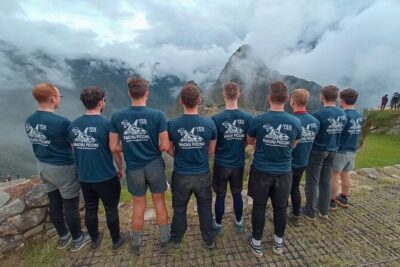
4 Day Inca Trail Trek to Machu Picchu Multi day tour
Read our review →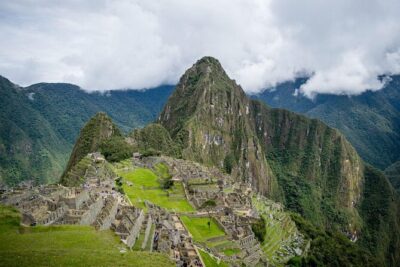
Salkantay Trek 4 Days to Machu Picchu by Glamping Sky Lodge Dome
Read our review →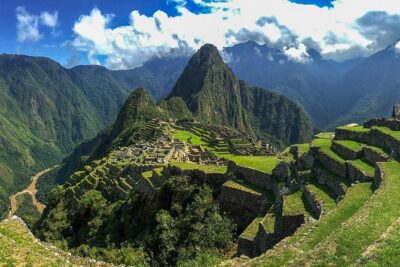
This walk also sits in