
REVIEW · PERU
5 Day – Salkantay trek to Machu Picchu – Group Service
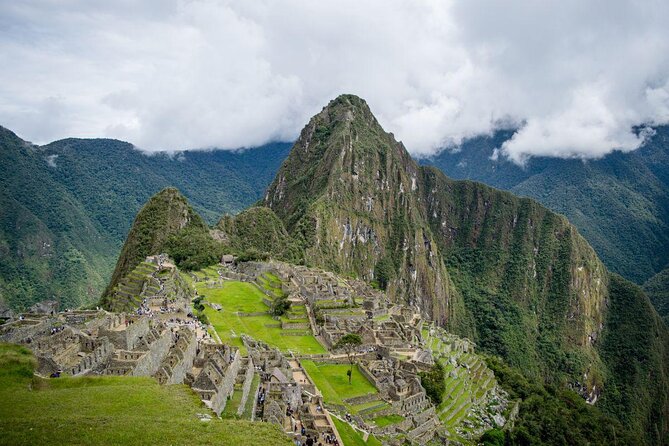
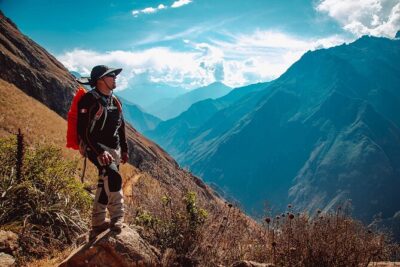
The big draw here is the dramatic change in scenery. In five days, you go from icy Andean peaks and a 15,200-foot mountain pass to warm jungle valleys, waterfalls, tropical crops, and finally Machu Picchu. The Salkantay route feels wilder and more varied than a simple walk to the ruins, though it asks much more of your legs.
I like the practical support: cooks prepare four days of meals, mules carry camping gear and up to 8 kilograms of your belongings, and the crew supplies tents, mattresses, oxygen, and first-aid equipment. I also like the human side of the trip. Guides such as Aldo, Victor, Ruben, Oscar, Claudio, and Lenin have received strong praise for their encouragement, humor, cultural explanations, and ability to adjust the pace. The main drawback is simple: this is a hard trek, and camping conditions on the second and third nights may feel basic.
Key points before you book
- The 15,200-foot Salkantay Pass is the physical high point: Prepare for thin air, cold, steep walking, and possible snow.
- Four very different zones appear in five days: High mountains, cloud forest, upper jungle, and the Machu Picchu area.
- Meals are a real part of the value: Breakfast, lunch, dinner, and snacks are provided for four trekking days, with a cook traveling with the group.
- You carry less than on an independent trek: Mules and horsemen transport camping gear and up to 8 kilograms of personal belongings.
- The final night is in Aguas Calientes: You sleep in a superior three-star hotel rather than camping before the Machu Picchu visit.
- The group is limited to 16 people: Small enough for guide contact, but still a group trip rather than a private walk.
What the $650 price really covers
At $650 per person, this is not just a guided walk. The price bundles transport from Cusco to the trailhead, a bilingual professional guide, an assistant guide, cooks, horsemen, mules, camping equipment, meals, entrance fees, one hotel night in Aguas Calientes, and the return tourist train to Ollantaytambo.
That matters because the Salkantay route crosses remote areas where arranging each piece yourself would be awkward. You are paying for a moving support team as much as for the hike. The 7-kilogram personal porter allowance is useful, but read the wording carefully: the trip also refers to 8 kilograms of belongings carried by horses and mules. Ask the operator before departure how those limits work together.
The value is strongest if you want a supported adventure without carrying a full pack or planning every meal and transfer. It is less attractive if you already own camping gear, prefer to walk independently, or want a private group.
A single supplement costs $112. Flights, insurance, laundry, alcoholic and non-alcoholic drinks, and meals in Aguas Calientes are extra. Breakfast on the first morning is not included, so bring food or arrange it before the 5 a.m. pickup. Huayna Picchu tickets are also separate.
More Machu Picchu and Inca Trail Treks in Cusco:
- Salkantay Trek Challenge – 3 Days / 2 Nights
★ 5.0 · 101 reviews - Choquequirao Trek 4 days and 3 nights
★ 5.0 · 81 reviews - Machu Picchu: 5-Day Salkantay Trek with Panoramic Train
★ 5.0 · 79 reviews
Day 1: From Cusco to Cruzpata and Soraypampa
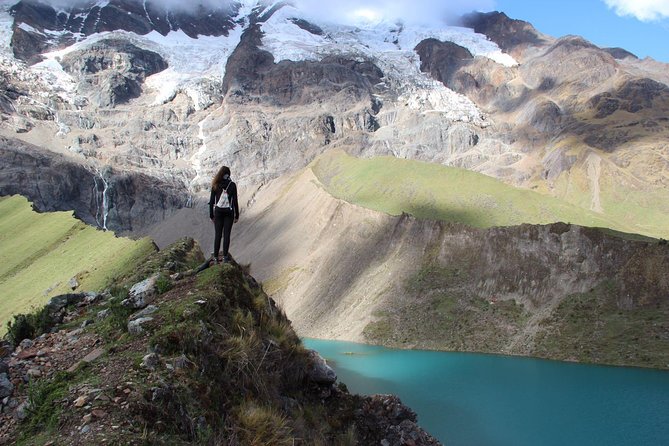
The day begins early. Pickup is scheduled for 5 a.m., followed by a bus ride toward Mollepata and the first walking section near Cruzpata. You hike for about three hours before lunch, with broad views toward Humantay and Salkantay.
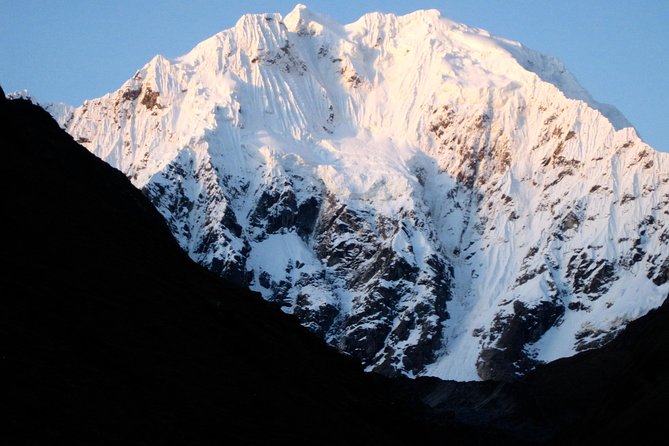
Humantay reaches about 4,120 meters, while Salkantay rises to roughly 6,271 meters. You do not climb either peak on this trip, but their snow-covered slopes provide the first great payoff. This is the kind of opening that makes the route feel serious right away.
After lunch, the group continues for about two hours toward Soraypampa, the first campsite. The route begins in open high-country scenery, where cold air, strong sun, and thin atmosphere can make a moderate walk feel harder than expected.
The schedule describes lunch views near Cruzpata and then the approach to Soraypampa. It also lists a stop connected with Clínica Medical Cusco, which appears to be part of the first hiking section rather than a sightseeing stop. Do not expect a museum or formal attraction there.
Your first night can be cold. Pack a warm sleeping layer, hat, gloves, and a good headlamp. The supplied mattresses and four-person tents shared by two people reduce the load you need to carry, but they do not turn high-altitude camping into hotel comfort.
Day 2: Crossing the 4,650-meter Salkantay Pass
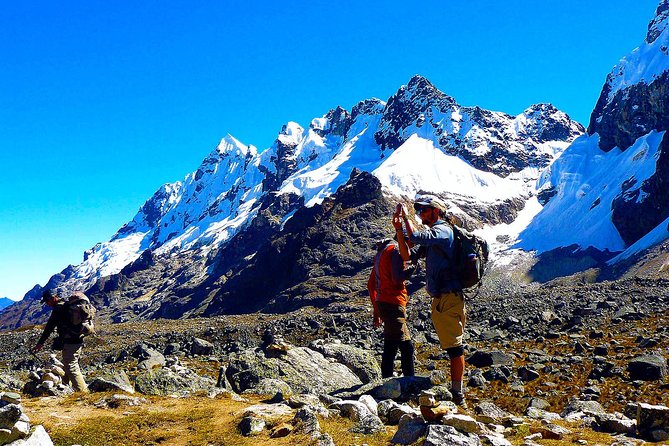
Day two is the hardest and most dramatic day. Breakfast comes around 5:30 a.m., then you climb toward the Salkantay Pass at 4,650 meters, or 15,200 feet.
The pass sits between Salkantay on one side and Tucarhuay on the other. The views are the main prize, with huge snow-covered peaks filling the horizon. Snow is possible at the pass, so your clothing needs to handle both cold and wind.
The ascent takes a large part of the morning. Go slowly. You do not win anything by racing ahead, and the guide can help set a sensible pace for the group. The supplied oxygen and first-aid kit add reassurance, but they are not substitutes for acclimatization or fitness.
After a rest at the top, the route drops through cloud forest toward Huayracpunku, also called Huayracmachay, where lunch is served. This descent is one of the route’s best features. The air gradually feels warmer, plant life changes, and the stark high mountains give way to a more enclosed, greener setting.
A further three-hour walk brings you toward Colcapampa at about 3,000 meters. Depending on the group’s pace, the night may instead be at Challway or Andenes. That variation is worth noting. Your exact campsite is not guaranteed in advance, and the second night may be more basic than the polished photos suggest.
The full walking time is listed at about 10 hours, split between the pass and the afternoon descent. For most people, this is not a casual day outdoors. Strong conditioning, prior high-altitude walking, and sensible pacing will make a major difference.
Day 3: Jungle paths, streams, and optional hot springs
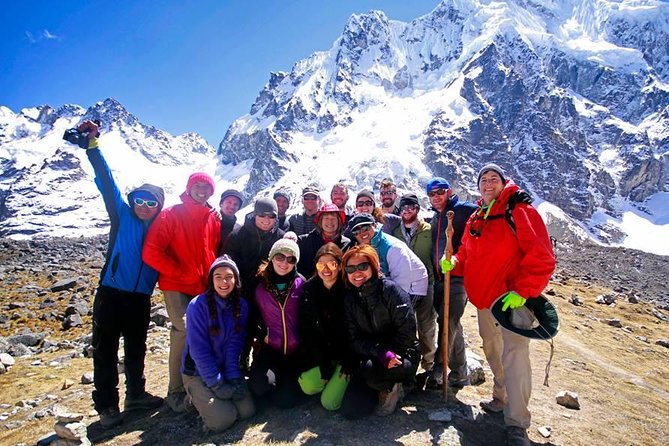
The third morning starts around 6:30 a.m. The route now feels very different. You walk through upper jungle, cross the Lluskamayo River, and pass small brooks, waterfalls, tropical fruit, and other warm-climate plants.
This day is less about one famous viewpoint and more about watching Peru change around you. The snow and bare rock of the pass are gone. In their place come water, shade, crops, and warmer air.
You walk for about six hours and finish near La Playa at around 2,500 meters. After the earlier high sections, this lower elevation can feel like a relief. The schedule describes camping in the area, though the exact camping arrangement may vary.
A visit to hot springs is offered as an optional activity. The itinerary also identifies Santa Teresa, which is associated with this warmer section of the journey. The soak can be a welcome treat after two demanding days, but it is not part of the core included package. Confirm the extra cost and transport details with your guide.
This is also the night when realistic expectations matter most. The second and third camping areas have been described as less comfortable than expected. You are traveling through working rural areas, not a national park with carefully designed campsites. Facilities can be simple, and the route is not isolated every minute. Some portions pass near local homes and communities.
That is not necessarily a flaw. It means you see a lived-in side of the route rather than a completely empty wilderness. Still, if your ideal trek means pristine campsites and no settlements, this trip may not match that picture.
More Five-Day Trips around Cusco:
- Ausangate Trek 5 Days
★ 5.0 · 74 reviews - Classic Choquequirao Trek – 5 Days / 4 Nights
★ 5.0 · 52 reviews - Ultimate Lares Trek & Inca Trail 5 days
★ 5.0 · 47 reviews - Salkantay Trek To Machu Picchu 5 Days And 4 Nights
★ 5.0 · 44 reviews
Day 4: Llactapata, the first view of Machu Picchu, and Aguas Calientes
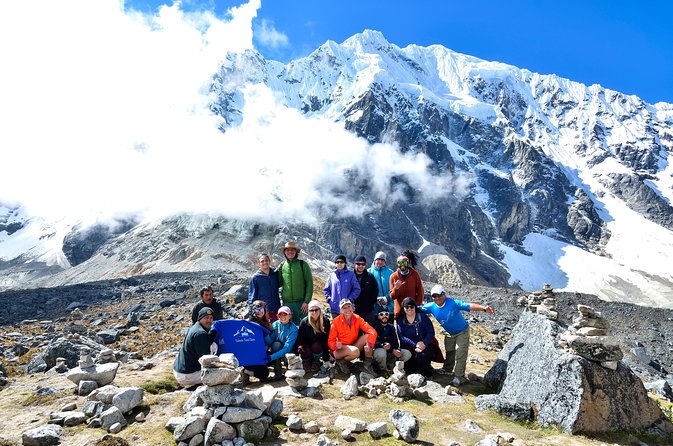
Day four begins with breakfast at about 6:30 a.m. The morning climb leads to Llactapata, an Inca fort with a view toward Machu Picchu.
The three-hour ascent is steady. Llactapata is important because it gives you a first sight of the destination from across the valley, before you reach the citadel itself. After days of walking through mountain and jungle scenery, that distant view gives the journey a clear sense of purpose.
From Llactapata, you descend for about two hours through plantations growing coca, bananas, and other crops. The trail then reaches the Hydroelectric area for lunch. After eating, you walk roughly two more hours along the route to Aguas Calientes.
This section is easier to understand if you think of it as a transition day. The wild mountain trek is ending, but you have not yet reached Machu Picchu. You move from footpath to rail-town infrastructure, with more people, shops, and hotel activity around you.
That night you sleep in a superior three-star hotel in Aguas Calientes. It is a welcome change after three nights under canvas. The town’s hot springs are available for an extra 10 soles, but dinner and lunch in Aguas Calientes are not included, so budget for both.
The day involves about five hours of walking, although the uphill section to Llactapata makes the morning feel more demanding than the number suggests. Keep a little energy in reserve. The next morning starts before sunrise.
Day 5: Sunrise at Machu Picchu and the guided citadel visit
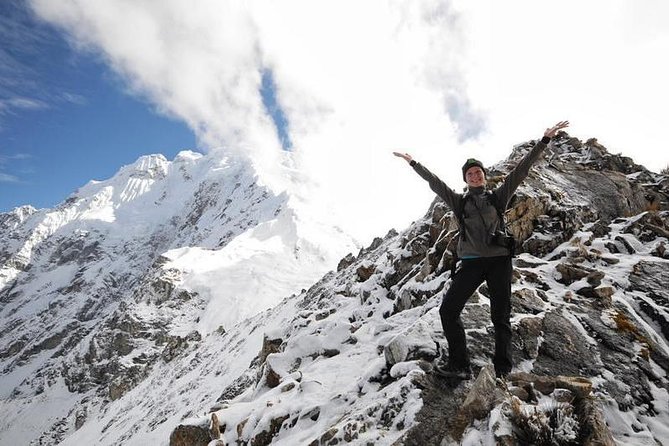
You have breakfast before an early hotel pickup at 5:40 a.m. A short bus ride takes you to the Machu Picchu entrance, where the plan is to arrive for sunrise.
The visit includes about two hours with a guide inside the citadel. That guided time gives you a useful framework for the terraces, buildings, and major viewpoints before you explore on your own.
After the formal tour, you get free time to look around as permitted by the day’s entry rules. The package includes the Machu Picchu entrance fee, but it does not include Huayna Picchu tickets. If climbing Huayna Picchu is important to you, arrange that separately and confirm availability before booking.
The return journey uses a tourist train to Ollantaytambo. Train times can change with the timetable and available seats. The standard train may be upgraded to the Vistadome for an additional charge, with larger windows and a more scenic ride.
Do not treat the final morning as a relaxed sightseeing day. The early start, the fixed bus departure, and the train schedule all make punctuality important. Your guide will coordinate the group, but you should still keep your ticket details and personal items close.
Guides, cooks, and the group experience
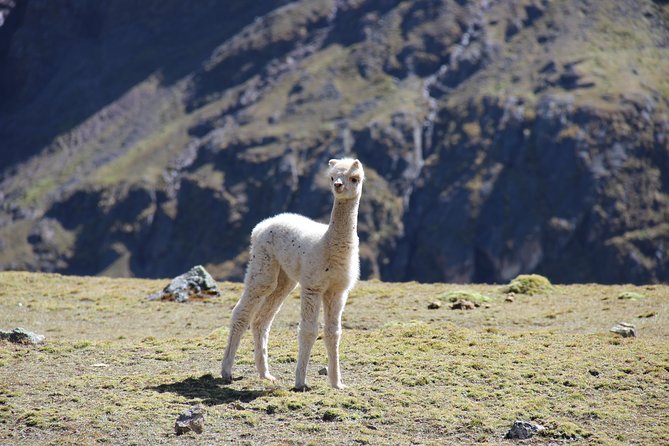
The people supporting this trek shape the experience. Guides named Aldo, Victor, Ruben, Oscar, Claudio, and Lenin have been singled out for clear explanations, humor, encouragement, and close attention to safety. Aldo is especially noted for explaining Inca culture and adjusting parts of the trip to suit the group.
That flexibility is useful, but do not mistake it for a private itinerary. The group can include up to 16 people, and camping locations may depend on pace and availability. The assistant guide helps keep a larger group moving, while the support crew handles meals, tents, and gear.
The food is one of the strongest practical features. Chefs including Gregorio, Cirilo, and Wilfredo have been praised for producing generous meals in difficult conditions, including vegetarian adaptations when requested. Tell the operator about a vegetarian diet at booking time rather than waiting until the first meal.
You should still bring personal snacks. Four days of meals and snacks are included, but a favorite energy bar or electrolyte drink can be useful during the long pass day. Alcohol and other drinks are not included.
How hard is the Salkantay trek?
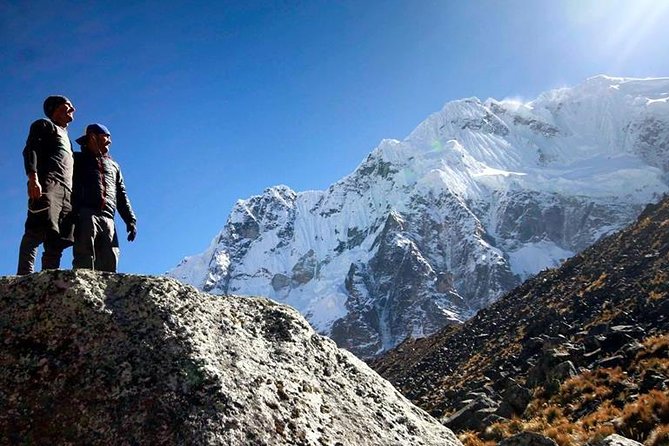
The operator requires a strong physical fitness level, and that is fair. The route includes long days, steep climbs, high altitude, cold camping, river crossings or small creeks, and a rapid change from alpine conditions to jungle heat.
The most demanding section is day two, with the 4,650-meter pass and a long descent afterward. Day one also tests you because it begins early and reaches a high campsite. Days three and four are lower, but they still include several hours of walking.
You should be comfortable walking for many hours on uneven ground. The guides and support staff can encourage you, and the mules reduce the weight on your back, but they cannot remove the need to climb and descend under your own power.
If you are new to high-altitude hiking, spend time acclimatizing in Cusco before the trek. The tour information does not set out a specific acclimatization schedule, so you should discuss your plans with a medical professional if altitude is a concern.
What to pack for changing conditions
Pack for several climates, not one. You can face cold high mountain weather on day two and warm, humid conditions near La Playa and Aguas Calientes.
Useful items include:
- Warm base layers, gloves, hat, and a waterproof outer layer
- Broken-in hiking shoes with good grip
- Sun protection, including sunglasses and sunscreen
- A headlamp for early starts and camp use
- Personal medication and basic toiletries
- A refillable water container and personal snacks
- A small daypack for the items you need while mules carry the main load
- Cash for optional hot springs, drinks, and meals in Aguas Calientes
The operator provides four-person tents shared by two people, mattresses, a dining tent with tables and chairs, and camping support. You should not need to bring your own shelter, but you do need clothing that can handle cold nights and wet conditions.
Who should book this trek?
I would choose this trip if you want Machu Picchu to be the finish of a real physical journey, not simply a short visit from Cusco. It suits hikers who value scenery, local guiding, cooked meals, and a support crew more than privacy or hotel comfort every night.
It is also a good fit if you want a route with several ecosystems. The change from snow peaks to cloud forest and jungle is the trip’s signature feature.
I would think twice if you dislike early starts, shared camping, uncertain campsite standards, long descents, or strict train and bus schedules. The route is not sold as a gentle walk, and the 15,200-foot pass should be taken seriously.
The 93 percent recommendation rate and 4.7 rating from 27 published evaluations suggest a strong overall record, but the lower marks focus on camping conditions and expectations about wilderness. Read the description literally: you will see rural communities and working areas along parts of the route, not uninterrupted empty wilderness.
Should you book it?
Book this Salkantay trek if you want a demanding, well-supported route with huge mountain views, varied climates, hearty camp meals, and a memorable approach to Machu Picchu. At $650, the included transport, crew, meals, equipment, permits, and hotel night make the price reasonable for a five-day supported trip.
Skip it if your priority is comfort, solitude, or a flexible private schedule. For the right person, the hard climb, simple camps, and early mornings are not inconveniences to get past. They are part of what makes arriving at Machu Picchu feel earned.
FAQ
What is included in the 5-day Salkantay trek?
The package includes a bilingual professional guide, assistant guide, hotel pickup, bus transport to the trailhead, tourist train transport to Ollantaytambo, camping equipment, sleeping mattresses, a dining tent, cook, horsemen and mules, entrance fees, four breakfasts, four lunches, four dinners, and one night in a superior three-star hotel in Aguas Calientes.
How high does the trek go?
The highest point is the Salkantay Pass at about 4,650 meters, or 15,200 feet. Snow is possible at the pass.
How many people can join the group?
The maximum group size is 16 travelers.
Is the trek suitable for beginners?
The tour requires a strong physical fitness level. It includes long hiking days, steep climbs and descents, high altitude, and camping, so it is not designed as an easy beginner walk.
Are vegetarian meals available?
Yes. A vegetarian option is available, but you need to request it when booking.
Is accommodation provided every night?
You camp for three nights and stay one night in a superior three-star hotel in Aguas Calientes. The camping areas may vary depending on the group’s pace.
Are hot springs included?
The hot springs near Santa Teresa are optional. The hot springs in Aguas Calientes cost 10 soles to enter. Neither option is included in the base price.
Are Huayna Picchu tickets included?
No. Huayna Picchu tickets are not included and require a separate arrangement.
Just added around Cusco
- Small Group: 4-Day Inca Trail Trek to Machu Picchu★ 5.0 · 33 reviews
- 5-Day: Salkantay Trek to Machupicchu and Humantay Lake★ 5.0 · 42 reviews
- Salkantay Trek Standard 5D/4N★ 5.0 · 48 reviews
- Classic Choquequirao Trek – 5 Days / 4 Nights★ 5.0 · 52 reviews
- Salkantay Trek To Machu Picchu 5 Days And 4 Nights★ 5.0 · 44 reviews
- Salkantay 5-Day Trek To Machu Picchu★ 5.0 · 39 reviews
- Salkantay Trek: 5 Days to Machu Picchu★ 5.0 · 33 reviews
- 6 day Rainbow Mountain x Ausangate Trek – FlashpackerConnect★ 5.0 · 30 reviews
Machu Picchu & Inca Trail Treks, side by side.
Machu Picchu: 5-Day Salkantay Trek with Panoramic Train
Read our review →
Ancascocha Trek To Machu Picchu 4 Days And 3 Nights
Read our review →
4 Day Inca Trail Trek to Machu Picchu Multi day tour
Read our review →
Salkantay Trek 4 Days to Machu Picchu by Glamping Sky Lodge Dome
Read our review →
This walk also sits in