
REVIEW · INDIA
Singalila Trek from Darjeeling
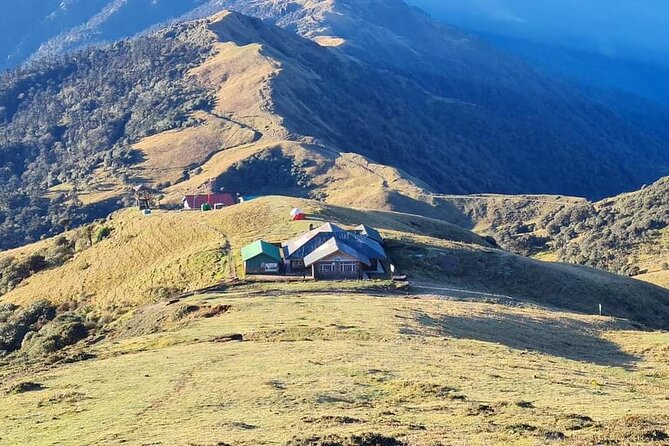
The Singalila Ridge gives you something few Himalayan walks can match: a route where four of the world’s highest peaks may appear together from one mountain spine. You hike through Singalila National Park, cross between India and Nepal, and sleep in small family-run lodges rather than polished resorts. I especially like the border-hopping route and the chance to see rhododendrons, orchids, birds, and possibly a red panda.
I also like that transport, meals, a sleeping bag, and a private room are built into the $476 price. Guides such as Tenzi, Jigme, and Nhikil have helped make this a thoughtful, flexible outing for people with different fitness levels. The main caution is simple: this remains a high-altitude trek, and cloud, cold, muddy paths, or limited comforts can reduce the grand mountain views.
Key points to know before booking
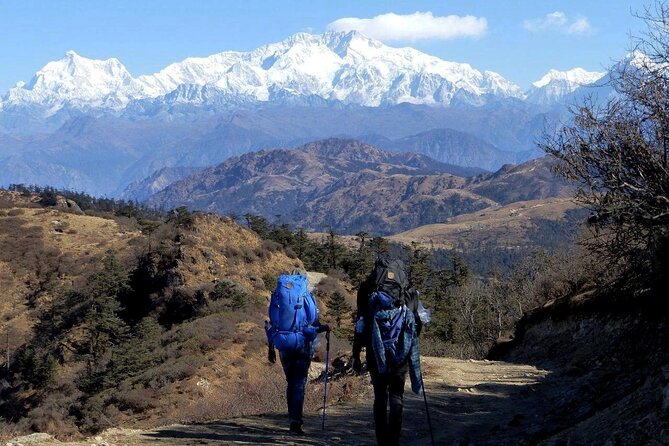
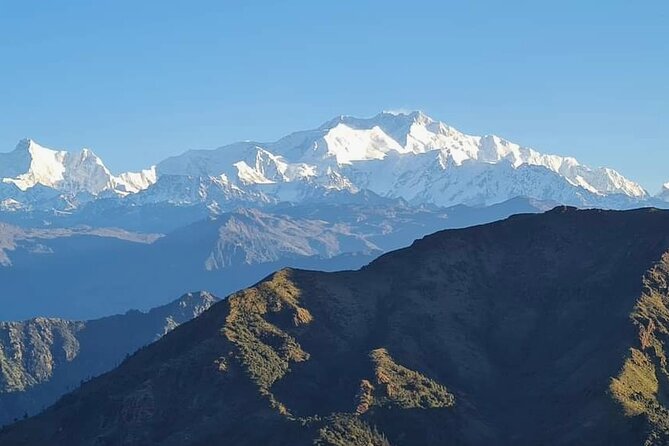
- Four Himalayan giants from one ridge: On a clear day, you may see Everest, Kanchenjunga, Lhotse, and Makalu.
- A genuine India-Nepal walking route: You move in and out of Nepal without needing a Nepal visa for this border crossing.
- Six days of mountain travel: The route begins near the Sherpa village of Manebhanjang and includes Singalila National Park and Sandakphu.
- Local support is included: A registered guide, company transport, meals, tea, coffee, sleeping bag, and private homestay room are part of the package.
- A private trip with flexible pacing: Only your group takes part, and the guide can adjust the walk to your physical ability and available time.
- Bring realistic expectations: Porters cost extra, insurance is not included, and weather can cancel or soften the experience.
Why the Singalila Ridge is worth your time
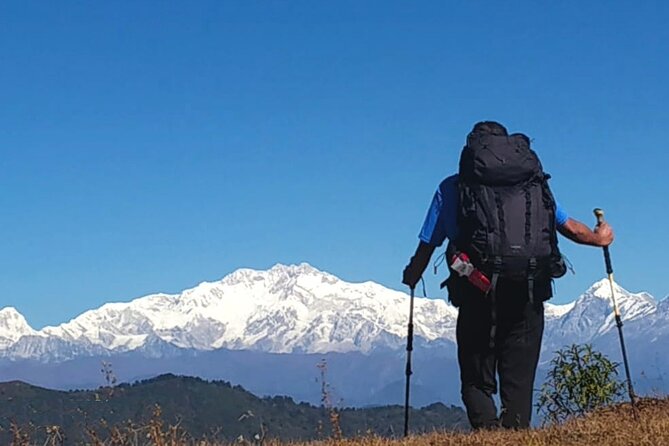
The appeal here is not just reaching Sandakphu. It is the way the route joins several experiences in one walk. You start near Darjeeling, travel into a Sherpa area, hike through protected forest, cross an international border, sleep in local guesthouses, and look toward some of the highest mountains on earth.
That combination gives the trek a strong sense of place. You are not simply walking from one viewpoint to another. The ridge links Indian and Nepalese sections of the Eastern Himalayas, and the route passes villages that have seen little modernization. I like that this keeps the trip tied to local life rather than turning it into a string of large hotels and busy transport stops.
The route is described as one of the oldest trekking paths in Asia. More important for you, it offers a fairly direct way to experience high Himalayan scenery without committing to a much longer expedition. It still demands effort, but the arrangement is structured, supported, and private.
More hikes and treks around India:
- Mountain Hiking in Munnar (half day) By Munnar Info
★ 5.0 · 390 reviews - Half day trekking (munnar valley Trekking & Tours )
★ 5.0 · 310 reviews - Nag Tibba 2 Days Trek (Pantwari to Pantwari)
★ 5.0 · 274 reviews
From Darjeeling to Manebhanjang
The trek starts with transport from Darjeeling, with the meeting time set for 8:00 am. Company transport is provided before and after the walk, using a maintained car. That matters because the road journey is part of the day’s organization, and you do not need to arrange separate transport to the trailhead.
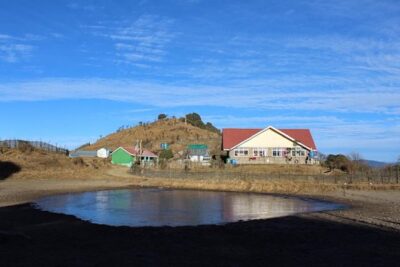
Manebhanjang is described as a Sherpa village and serves as the gateway to the ridge. From here, the route enters the high country and begins to feel very different from Darjeeling. You should expect a mountain trek rather than a guided sightseeing trip, so a moderate level of fitness is required.
The private format is useful at this stage. Your group is not tied to the pace of a large party, and the guide can respond to how you are handling the climb. One family group found that its guide adjusted the outing to suit physical needs and available time. That flexibility is valuable, but it does not remove the need for preparation. You still need to walk for several days at altitude.
Walking through Singalila National Park
Singalila National Park is the natural heart of the experience. The route moves through mountain forest and along open ridges, with the scenery changing as the path rises and falls. Rhododendrons and orchids are important parts of the flora, especially for anyone who prefers close-up nature to constant summit views.
Birdwatching can add another layer to the walk. One guide, Nhikil, was especially good at pointing out flora and rare birds, and the route can reward people who slow down and look carefully. You might also see a red panda, although this should be treated as a lucky possibility rather than a promised sighting.
I like the park section because it gives you something to notice when the weather closes in. Clouds can hide the distant peaks, but forests, flowers, birds, and village paths still give the day purpose. This is a useful point to remember when setting expectations. A trek here is not only about taking a clear photograph of Everest.
The forest paths may also make the walk feel more enclosed and less dramatic than the ridge itself. If your main aim is an uninterrupted mountain panorama, you may find parts of the route less rewarding. If you enjoy plants, birds, and changing surroundings, the variety works in your favor.
Crossing between India and Nepal
One of the most unusual parts of the route is the repeated movement between India and Nepal. You cross the border along the ridge, but the tour information states that you do not need a Nepal visa for this section.
That makes the border crossing a memorable feature without adding a major paperwork burden. Still, you should follow the guide’s instructions and carry the documents requested for the tour. The experience is less about formal immigration drama and more about walking through a border region where the route and local communities do not fit neatly into a standard sightseeing itinerary.
The crossing also gives the trek a wider regional character. You see how the Himalayas connect places that are separated on a map but linked by mountain paths, trade, families, and shared surroundings. I find that kind of movement more interesting than simply ticking off a viewpoint.
Same trailheads, a different kind of day:
- Full day in hiking in Munnar (By Munnar Info)
★ 5.0 · 176 reviews - Har Ki dun Trek by Himalaya Shelter
★ 5.0 · 102 reviews - Wild Elephant Anakulam & Waterfalls Tour(munnar valley Trekking)
★ 5.0 · 98 reviews - Hiking Day Tour to Triund from Dharamshala
★ 5.0 · 75 reviews
The climb toward Sandakphu
Sandakphu is the high point named in the itinerary and the principal goal of the trek. From the ridge, clear conditions may reveal Everest, Kanchenjunga, Lhotse, and Makalu. Seeing four of the world’s five highest peaks from one route is the experience’s biggest visual reward.
The word may matters here. Mountain weather is never fully under your control, and the operator states that good weather is required. A cloudy day can hide the peaks, even when you have reached the right viewpoint. You should book this for the full mountain experience, not only for a guaranteed summit photograph.
The climb also brings the physical side of the trip into focus. The tour asks for moderate fitness, but several days of walking at elevation can feel demanding even for an active person. Porters are not included. If you want help carrying your bag, they can be hired for an additional ₹1,400 per day during trekking days.
I would pack lightly and plan on using the porter option if carrying your own equipment might distract from the walk. The included down sleeping bag with a freshly laundered fleece liner also reduces the amount of cold-weather gear you need to bring, though you should still pack clothing suitable for mountain conditions.
Family-run stays and a slower evening pace
Accommodation is in the best available family-run homestay or guesthouse, with a private room. This is not a promise of hotel-style facilities. It is a promise of a more local and practical base at the end of each walking day.
The private room is a useful touch for couples, families, and friends who want some personal space. At the same time, the homestay setting means you should expect simpler conditions than in Darjeeling. The value is in location, local contact, and warmth rather than polished amenities.
Meals include breakfast, lunch, and dinner, along with generous supplies of tea and coffee. That makes the $476 cost easier to assess. You are not paying only for a guide and a walking route. You are also covering transport, food, accommodation, a sleeping bag, and pre-trip and post-trip vehicle support.
The food is described as home cooked in the trip experience, which suits the character of the route. Alcohol is not included, so plan to pay separately if it is available. More broadly, this is a place to enjoy simple routines: walk, eat, warm up with tea, and rest. The break from constant phone use and online activity is part of the appeal.
Guides who add meaning to the route
The guide can shape this experience more than any single facility. The company uses government-registered and trained guides from the trek area, directing income back into the local community. That is a practical benefit for you and a more responsible way to arrange a mountain walk.
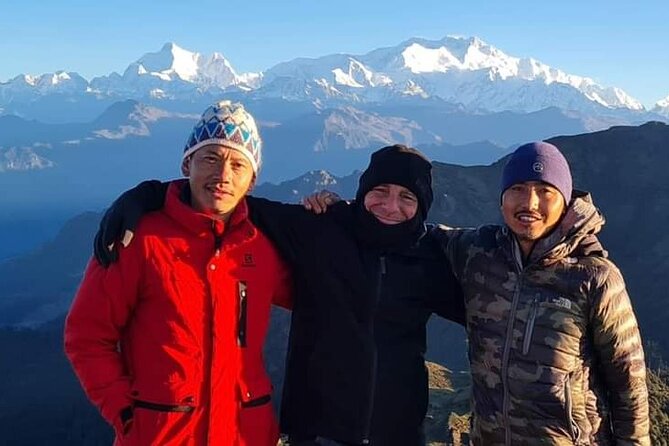
Several guides are named in the trip feedback. Tenzi is described as a strong guide for local experiences and careful organization. Jigme is remembered as calm and friendly, with spring especially good for flowers and birds and autumn better for mountain views. Nhikil is noted for explaining local plants and helping identify rare birds.
You may not receive one of these exact guides, so I would not book on the assumption that a particular person is guaranteed. The important point is the local guiding model. A guide from the area can explain the forest, villages, border route, and weather in ways that a generic escort may not.
The support also appears useful for mixed-ability groups. One couple completed a shorter two-day version in less-than-perfect weather and still found the guide accommodating. That does not mean every route can be shortened without changing the price or schedule, but it suggests that you should speak openly about your fitness before setting out.
What the $476 price really covers
At $476 per person, this is not the cheapest way to walk near Darjeeling. The fair comparison is not with an independent day hike. Compare it with the cost of arranging a private guide, transport, several nights of accommodation, meals, a sleeping bag, park and trekking logistics, and local support on your own.
The package includes:
- Pickup and pre- and post-trek transport
- Breakfast, lunch, dinner, tea, and coffee
- A down sleeping bag and fleece liner
- A basic medical kit, including high-altitude sickness pills
- A registered local guide
- A private room in a family-run homestay or guesthouse
Insurance is not included, and I would treat trekking insurance as essential rather than optional. Alcohol is extra, and porters cost ₹1,400 per day if you need one. These additions can change your total cost, so include them in your budget before booking.
The private format adds value for couples, families, and small groups who want a pace suited to them. Solo bookers should confirm how the private arrangement affects the price and minimum group conditions before paying.
When to go, and what weather can change
The trip is described as a good setting for different interests in different seasons. Spring is favored for rhododendrons, orchids, flowers, and birds. Autumn is better suited to hopes of clear mountain views. These are useful planning cues, not guarantees.
Cloud can arrive at any time. If poor weather cancels the experience, you are offered another date or a full refund. The operator also requires a minimum number of people, and a cancellation for that reason brings the same choice of a different date, another experience, or a full refund.
The best approach is to leave some flexibility around the trek. Do not schedule an important flight immediately after the walk if a weather change would cause serious trouble. You also need clothing and footwear for a cold, wet mountain route, although the provided sleeping bag helps with nighttime comfort.
Who should book this trek
I would recommend the Singalila Ridge for someone who wants a serious mountain outing with support, but does not want to arrange every detail alone. It suits families with active members, couples, friends, bird and plant enthusiasts, and anyone drawn to local homestays and quiet mountain villages.
It is also a good match if you want a private experience rather than a large group departure. The guide can adapt the pace, and the included transport makes the trip easier to connect with a Darjeeling stay.
I would hesitate to recommend it to anyone seeking guaranteed summit views, luxury accommodation, or a relaxed sightseeing schedule. The route is physically active, weather-sensitive, and simple in its facilities. You should be comfortable with several days of mountain walking and the possibility that clouds will hide the peaks.
Should you book the Singalila Trek?
Book it if the combination of four Himalayan peaks, a Nepal border crossing, forest walking, and local homestays sounds better than a polished resort itinerary. The package is strong because it joins the main practical needs into one private trip, while keeping the guiding and accommodation tied to the local area.
Before booking, confirm your fitness, porter needs, insurance, exact guide availability, and preferred season. If you can accept basic guesthouses and uncertain weather, this is a well-supported way to experience the Eastern Himalayas from Darjeeling. If your only goal is a guaranteed view of Everest, wait for a clear forecast and keep your expectations modest.
FAQ
How long does the Singalila Trek from Darjeeling take?
The experience lasts approximately six days.
What mountains might I see from the trek?
On a clear day, you may see Mount Everest, Mount Kanchenjunga, Mount Lhotse, and Mount Makalu.
Does the trek cross into Nepal?
Yes. The route moves in and out of Nepal along the Singalila Ridge, and the tour information states that no Nepal visa is required for this crossing.
Where does the trek begin?
The hike starts near Manebhanjang, described as a Sherpa village.
Is transport included?
Yes. Transport in a maintained company car is included before and after the trek, and pickup is offered.
What meals are provided?
Breakfast, lunch, and dinner are included, along with tea and coffee.
Is accommodation included?
Yes. The package includes the best available family-run homestay or guesthouse, with a private room.
Is a sleeping bag provided?
Yes. A down sleeping bag with a freshly laundered fleece inner liner is included.
Do I need to be very fit?
You should have a moderate level of physical fitness. The experience involves several days of mountain walking.
Are porters included?
No. Porters are available at an additional cost of ₹1,400 per day during the trekking days.
Is this a private tour?
Yes. Only your group participates in the activity.
What happens if bad weather cancels the trek?
You are offered a different date or a full refund if poor weather causes the experience to be canceled.
How far in advance can I cancel for a full refund?
You can cancel at least 24 hours before the experience starts for a full refund.
Just added around India
- Indrahar Pass Trek★ 5.0 · 16 reviews
- Triund Trek & Snow Line Trek★ 4.5 · 9 reviews
- Snowline Trek★ 4.5 · 11 reviews
- Guided Day Hike to Guna Devi Temple from Mcleodganj★ 5.0 · 12 reviews
- Indrahar Pass Trek with Manu Adventures India★ 4.5 · 13 reviews
- Kareri Lake Trek & Indrahar Pass Trek★ 5.0 · 9 reviews
- Laka Glacier Trek with Manu Adventures India★ 5.0 · 15 reviews
- 7 Days Dharamsala – Dalai Lama home Trek★ 4.5 · 8 reviews
India Hiking Tours, side by side.
Mountain Hiking in Munnar (half day) By Munnar Info
Read our review →
Wild Elephant Anakulam & Waterfalls Tour(munnar valley Trekking)
Read our review →
This walk also sits in