
REVIEW · THAILAND
Chiang Mai Authentic Trekking
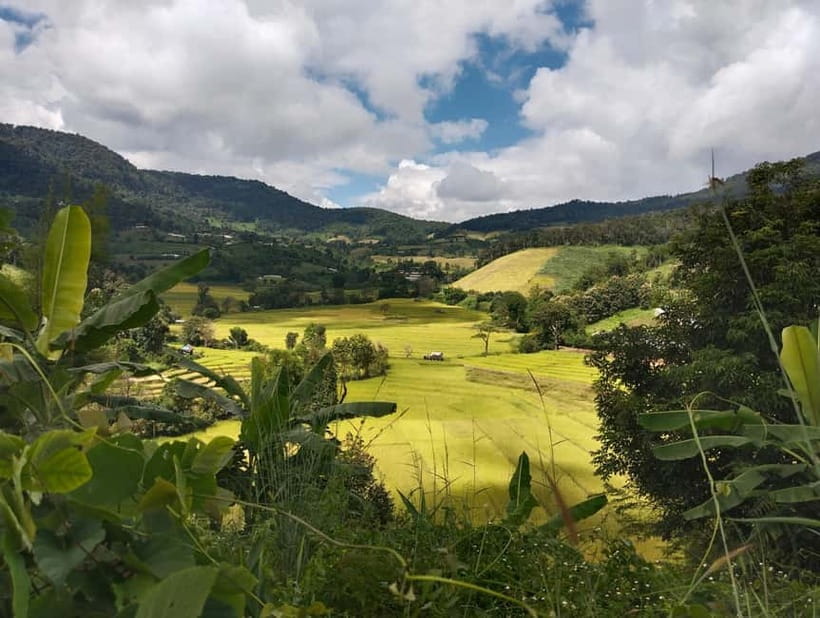
The best part of Chiang Mai Authentic Trekking is that it takes you onto local mountain trails, not a polished tourist route. You’ll walk from a Karen village through rice fields, forest and working farms, with plant stops, a mountain summit and a waterfall swim along the way. Pan, one of the guides, is especially good at pointing out edible and medicinal plants.
I like the small groups of up to eight and the market stop, where your lunch and water connect the day to ordinary local life. I also like that the route supports a Karen community and local growers rather than turning the hills into a sightseeing stage. The catch is simple: this is a real 10 to 12 kilometer mountain hike, with steep and slippery sections. It is not a gentle countryside stroll.
Key points to know before booking
- A proper four to five hour hike: Expect uphill sections, uneven ground, and a medium level of difficulty.
- Karen village and farm life: Khun Poi offers a look at local agriculture, rice fields, coffee plants, vegetables and daily routines.
- Pan’s plant knowledge: You may learn about herbs, edible leaves, fruit and plants used in everyday life.
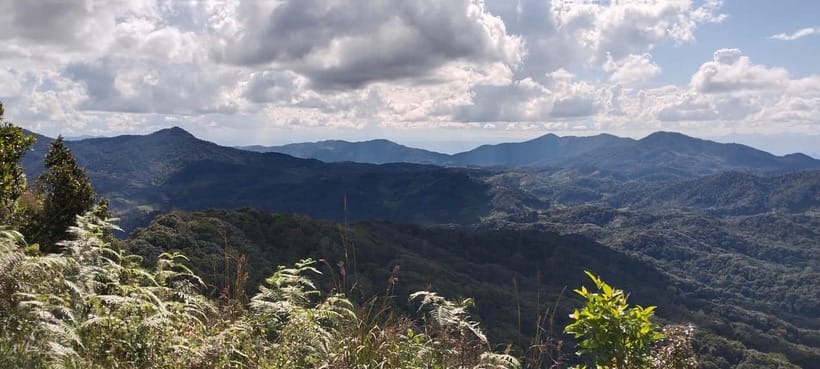
- Phalai Mountain views: The summit gives broad views over villages, valleys and nearby mountains.
- A quiet route: The trail is used mainly by local people, with little of the usual tour traffic.
- Waterfall finish: After the hike, you can swim or cool your feet at a secluded waterfall.
A mountain day built around local life
This is a day for people who want more than a quick photo stop outside Chiang Mai. The route heads south toward Mae Wang and Mae Win, where mountain farms and Karen communities sit among forested hills. The day combines a market visit, a village walk, a serious uphill climb, a forest lunch and a swim.
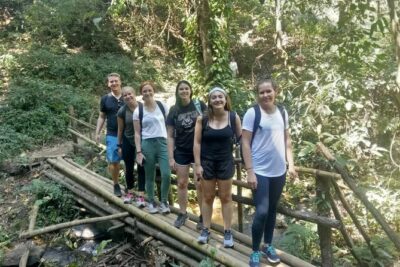
At $57 per person, the price is fair for what is included: hotel pickup and drop-off around Chiang Mai, transport, accident insurance, an English-speaking guide, a local assistant, lunch and drinking water. The small group matters here. On a narrow trail, a group capped at eight is far more pleasant than a long line of hikers.
The responsible tourism angle is practical rather than decorative. You spend money at a local market, pass through a working Karen community, see crops grown by local families, and use local guides. You are not simply looking at rural life from a van window.
More hikes and treks around Chiang Mai:
- 3-in-1: Doi Inthanon Tour, Elephant Sanctuary, and Trekking Trail
★ 5.0 · 1,087 reviews - Chiang Mai: Doi Inthanon Trip with Pha Dok Siew Guided Trek
★ 4.6 · 910 reviews - Chiang Mai: 2-Day Jungle Trek with Elephant Farm & Raft Ride
★ 4.7 · 881 reviews
From Chiang Mai hotels to the morning market
Pickup is scheduled between 7:45 and 8:00 in the morning. Wait in your hotel lobby about 10 minutes early, since the van then makes the roughly one-hour trip south of the city.
The drive gives you time to watch Chiang Mai fade into smaller settlements and farmland. It is also a useful moment to wake up before the hike. The transport is shared, and the group is small, but the exact van arrangement can vary.
The first important stop is a traditional Thai market. Here, your guide helps you choose lunch and drinking water, while explaining local ingredients, snacks and the way villagers shop. This is one of the most useful parts of the day because food is not treated as an afterthought. You get a quick look at ordinary market life before heading into the hills.
Bring some cash for personal snacks, soft drinks or souvenirs. Lunch and water are included, but personal purchases are not.
Viewpoints before Khun Poi Village
The drive includes two short scenic stops. One is a viewpoint where you can pause for photographs and look across the valleys. Another offers a brief walk and more mountain scenery before the village.
These stops break up the drive, but they are not major hikes in themselves. Keep your camera ready, yet do not expect long sightseeing sessions. The real walking begins at Khun Poi.
Khun Poi is a Karen hill tribe community surrounded by farmland and forest. Your guide introduces the community’s agricultural way of life and gives context for the houses, fields and crops you see. The experience works best if you approach it with respect. This is a lived-in village, not a staged cultural show.
Starting from the school and entering the forest
The trek begins near the village school. You may see children enjoying their day, which adds a warm human moment before the route turns toward the hills. The school stop is brief, so it should not be treated as a formal school visit or a chance to hand out gifts.
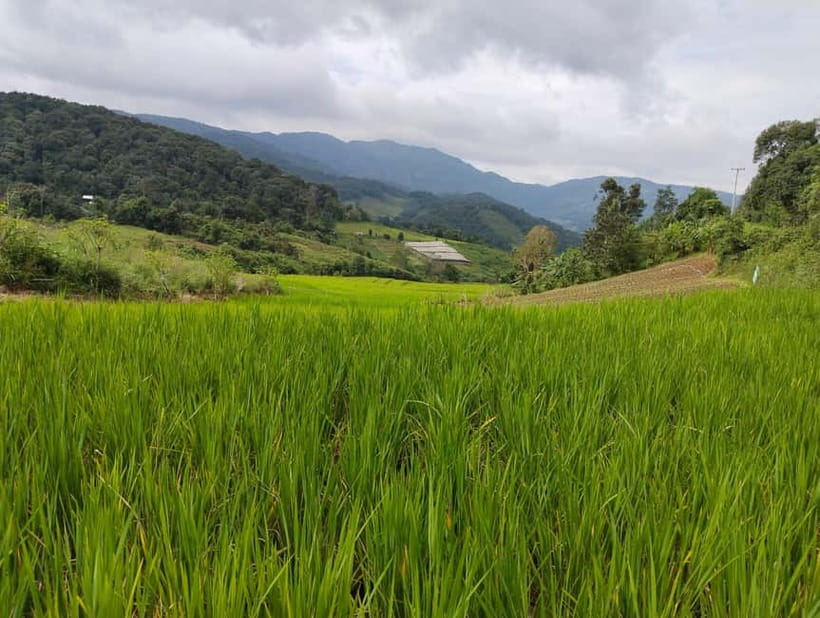
The trail then moves through rice fields, forest and mountain paths. You will see how farmland fits into the surrounding environment, rather than existing apart from it. Depending on the season, the fields can look quite different. Rice terraces and green crops are a major part of the views, while the dry season may bring a more muted appearance.
Your guide points out plants used for food, medicine and household needs. Pan is particularly well regarded for this part of the walk. He may invite you to taste certain edible plants or fruit when appropriate, and he also explains how people use vegetation in daily life. Do not pick anything on your own. Let the guide identify what is safe.
This is where the tour feels different from a standard nature walk. You are not simply being told the names of trees. You are learning why certain plants matter to the people who live and farm in the hills.
Same trailheads, a different kind of day:
- Chiang Mai: Doi Inthanon Park with Kew Mae Pan Hike Day Trip
★ 4.7 · 841 reviews - Chiang Mai: Doi Inthanon Park and Pha Dok Siew Trail Trek
★ 4.6 · 752 reviews - Chiang Mai – Doi Suthep Temple & Wat Pha Lat Hike
★ 4.6 · 740 reviews - Chiang Mai – Doi Suthep Temple & Wat Pha Lat Hike
★ 5.0 · 657 reviews
The climb to Phalai Mountain
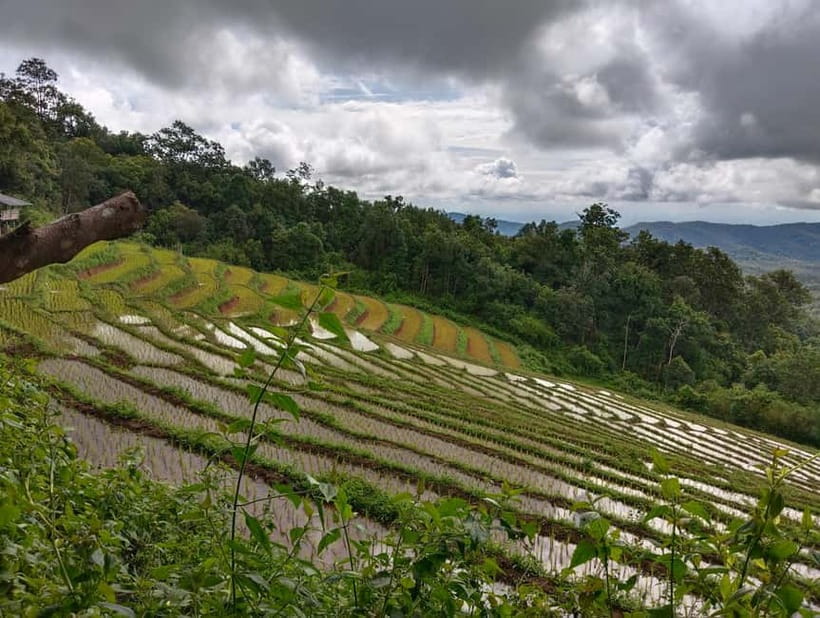
The climb to Phalai Mountain is the hardest part of the day. One account of the route described about two hours of steady uphill walking, and that gives you a useful sense of the effort involved. The total trek is about 12 kilometers, or roughly 10 to 12 kilometers depending on the route and conditions.
The trail includes steep and slippery stretches. Proper hiking shoes are a wise choice, especially during the rainy season. Comfortable trainers might be enough for some people in dry conditions, but the surface can change quickly on mountain paths.
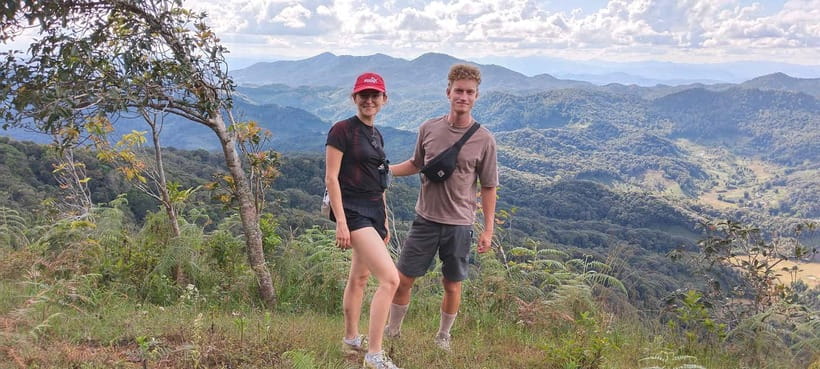
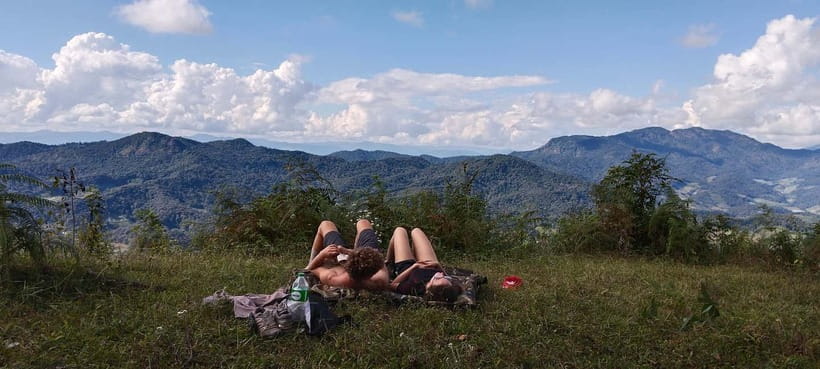
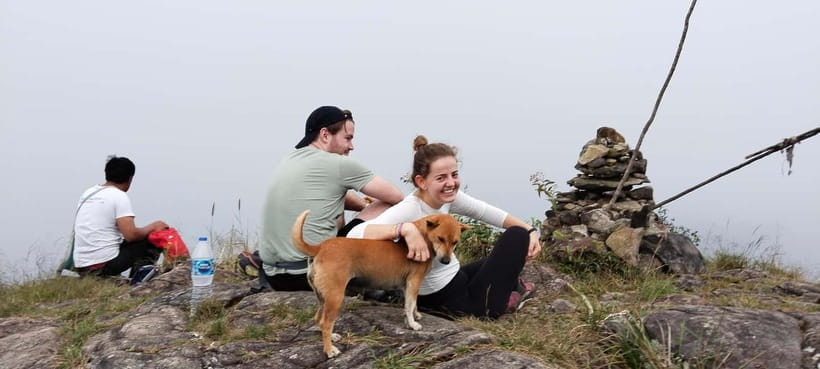
At the top, you get wide views toward villages, rice fields and nearby mountains. Phalai Mountain sits between Chom Thong and Mae Wang districts and is connected with the Doi Inthanon National Park area. The setting is quiet, with forest and open views replacing the noise of Chiang Mai.
Wildlife in the area can include wild boar, gibbons, barking deer and many bird species. Seeing animals is not guaranteed, and the tour is not a wildlife safari. Still, the forest setting gives you a chance to notice birdsong, tracks and plant life that you would miss from a vehicle.
Pace is important. You do not need to race to the top. Tell your guide if you need a short pause, particularly in hot weather. The moderate rating is fair, but it assumes you can manage several hours of mountain walking.
Lunch in the forest
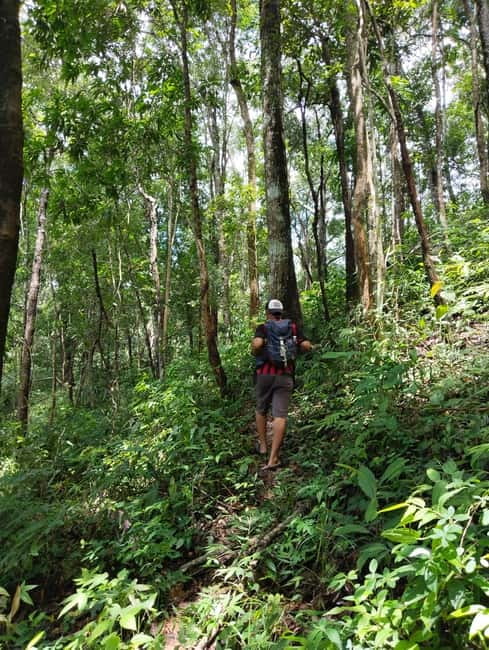
Lunch is enjoyed in the forest, using food arranged during the market stop. Eating at the top or along the mountain route makes the meal feel tied to the day rather than separated from it. Fresh air, quiet surroundings and the views provide the setting.
The exact menu is not specified, so bring a small personal snack if you have dietary needs. You should also carry any medication you require. Drinking water is supplied, but a daypack is still useful for water, sunscreen, insect repellent and extra clothing.
Do not expect a restaurant meal or a long service break. This is a practical forest lunch during an active hiking day. That suits the tour’s simple, local character, but people wanting comfort and a wide menu may prefer a different excursion.
Coffee, vegetables and Karen farm paths
After lunch, the route continues along mountain paths through hill tribe farms. Crops can include coffee, passion fruit, cape gooseberries, tomatoes, zucchini and taro. The variety helps you understand that mountain agriculture is not only about rice.
Coffee is a memorable detail. You may see plants grown locally and learn how the crop fits into the community’s farm work. One route account also described stopping for fresh coffee made from locally handpicked beans. Treat that as a possible part of the day rather than a guaranteed tasting, since the exact experience can depend on the route and local conditions.
The path through the farms is also a good place to ask questions. Your guide can explain how the community uses the land and how crops are grown among the hills. You get a closer look at work that is usually hidden behind the finished food sold in Chiang Mai.
The terrain remains uneven. The route is not a flat farm road, and downhill sections can be just as tiring as the climb, especially when the ground is damp.
A waterfall finish and the drive home
The final reward is a secluded waterfall where you can swim, cool off and take photographs. Pack swimwear and a towel. If you do not want to swim, you can simply rest near the water, but allow for wet rocks and bring footwear with a good grip.
The waterfall is a welcome change of pace after four to five hours on the trail. It gives your legs a chance to recover before the drive back to Chiang Mai. The tour usually returns to your hotel around 5:00 to 6:00 in the evening, depending on traffic and the day’s pace.
You will probably be tired. That is part of the bargain. This is a full outdoor day, not a light half-day outing with a token walk.
The best season for this trek
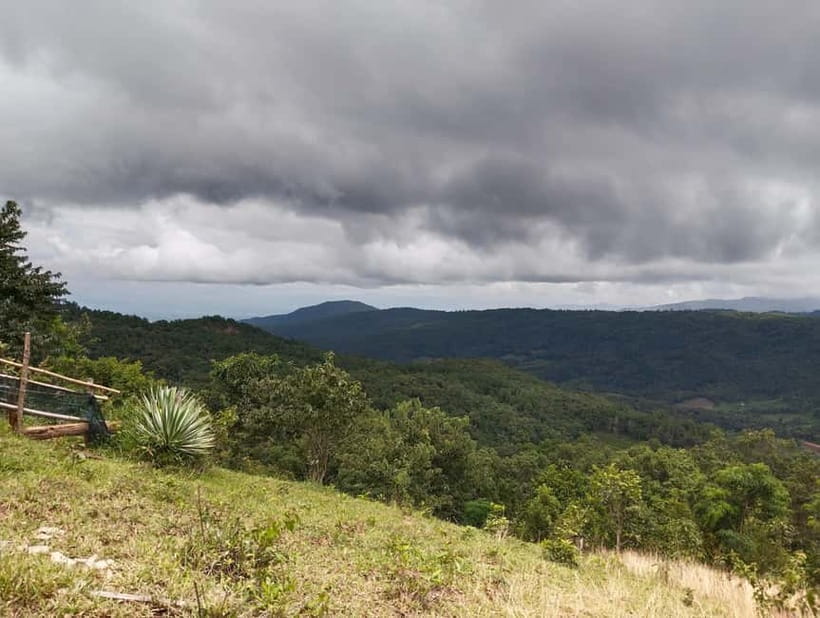
Chiang Mai has three useful seasonal windows for planning this trip:
- Summer season, mid-February to mid-May: Hotter and often drier. Carry sun protection and drink regularly.
- Rainy season, mid-May to mid-October: Trails may be muddy and slippery, but the forest and rice areas can look especially fresh. Waterproof protection and shoes with solid grip matter.
- Winter season, mid-October to mid-February: Usually the most comfortable period for walking, though you should still bring weather-appropriate clothing.
Conditions can affect the walking time and trail surface. A forecast is worth checking before you leave. Pack sunscreen, a sun hat, insect repellent, comfortable clothing, a daypack and personal medication. A camera is useful, but keep it protected from rain and waterfall spray.
Who should book this day?
I would recommend it to fit visitors who enjoy active days and want contact with rural northern Thailand. It is a good match if you like plants, farming, mountain views, local food and small groups more than polished attractions.
It also suits people who want to support local businesses. The market purchase, local assistance and village route help spread the day’s spending beyond large city operators.
I would not choose it for a relaxed family outing, a gentle nature walk or a first hike for someone unused to hills. It is not suitable for pregnant women, wheelchair users, people with mobility impairments or heart problems, babies under one year, or people over 70. The restrictions are sensible given the distance and terrain.
English is the tour language. Pan has been praised for speaking advanced English and for explaining Thai culture and plant use clearly. A local assistant joins the day, and dogs may accompany the group for parts of the walk, as they do around local homes and farms. If you are uncomfortable with dogs, keep that in mind.
Value, flexibility and what to pack
The $57 price includes the pieces that can otherwise add up quickly: transport from Chiang Mai, a full-day guide, a local assistant, lunch, water and accident insurance. The strongest value comes from the route itself. You are paying for a small-group mountain experience rather than a vehicle tour with brief stops.
Free cancellation is available up to 24 hours before departure, and you can reserve now and pay later. Check the available start time when booking, since pickup times can vary within the stated morning window.
Pack:
- Hiking shoes with good grip
- Comfortable clothes and a weather-appropriate layer
- Sun hat, sunscreen and insect repellent
- Swimwear and a towel
- Daypack and camera
- Personal medication
- Cash for snacks, drinks or souvenirs
- Passport
The passport requirement is listed among the items to bring, so follow the operator’s instructions even though you are traveling within the province.
Should you book Chiang Mai Authentic Trekking?
Book it if you want a demanding, low-tourist mountain day with a Karen village, local farms, plant knowledge and a waterfall swim. The route’s strongest qualities are its quiet trails, Pan’s explanations, the market lunch and the chance to see how farming shapes mountain life.
Skip it if you want easy walking, guaranteed wildlife sightings, a soft vehicle ride or a carefully staged cultural attraction. The steep sections are real, and four to five hours on mountain terrain requires decent fitness.
For an active visitor who values local contact over convenience, this is a strong use of one day in Chiang Mai. Bring sturdy shoes, keep your pace steady, and expect the hills to make you work for the views.
FAQ
How long is the Chiang Mai Authentic Trekking experience?
It lasts one full day. Pickup is around 7:45 to 8:00 in the morning, and return to your Chiang Mai hotel is expected around 5:00 to 6:00 in the evening.
How far do you trek?
The total distance is about 10 to 12 kilometers, with the stated route distance listed as 12 kilometers. The walking portion lasts about four to five hours.
Is the trek difficult?
It is rated moderate, but you should expect steep and sometimes slippery mountain sections. This is a proper hike, not a short walk between sightseeing stops.
What is included in the price?
Hotel pickup and drop-off around Chiang Mai, transportation, accident insurance, an English-speaking guide, a local assistant, lunch and drinking water are included.
Is lunch provided?
Yes. The day includes lunch and a market stop where food and drinking water are arranged before the trek. Personal snacks, soft drinks and souvenirs cost extra.
Can I swim during the tour?
Yes. The route ends at a secluded waterfall where you can swim and relax. Bring swimwear and a towel.
What should I wear and bring?
Wear comfortable clothing and hiking shoes. Bring a sun hat, sunscreen, insect repellent, weather-appropriate clothing, a daypack, camera, personal medication, cash, swimwear, towel and passport.
Can I cancel or pay later?
You can cancel up to 24 hours before departure for a full refund. Reserve now and pay later is also available.
Just added around Chiang Mai
- Trek to a Jungle Waterfall★ 5.0 · 14 reviews
- Full-Day Trekking and Sightseeing Tour in Mae Kampong★ 5.0 · 46 reviews
- 8KM White Water Rafting and 3HRS Jungle Trekking Adventure★ 5.0 · 9 reviews
- One day Doi Inthanon National Park & Trekking on Kew Mae Pan★ 5.0 · 12 reviews
- Private Tour to Doi Inthanon including Twins Pagodas and Hiking★ 5.0 · 22 reviews
- Waterfall Wanderer Doi Inthanon Hiking Tour★ 5.0 · 15 reviews
- Full Day Doi Saket Hiking Tour★ 5.0 · 14 reviews
- Private Tour 2 Difference Trails Trekking at Doi Inthanon National Park★ 5.0 · 19 reviews
Chiang Mai Hiking Tours, side by side.
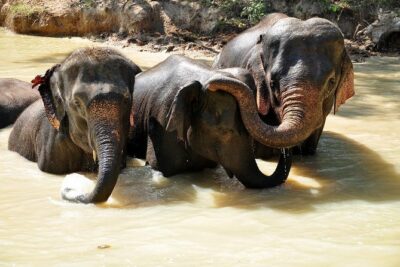
3-in-1: Doi Inthanon Tour, Elephant Sanctuary, and Trekking Trail
Read our review →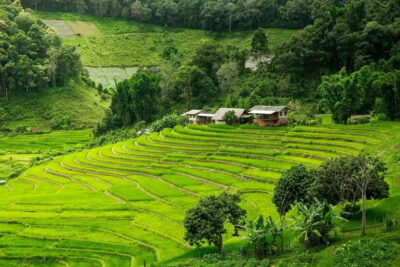
Doi Inthanon Trip with Pha Dok Siew Guided Trek
Read our review →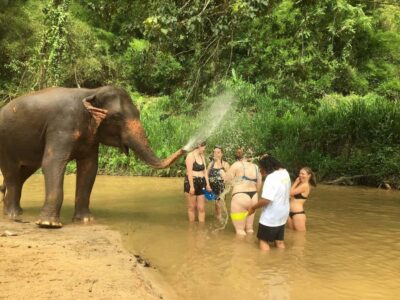
2-Day Jungle Trek with Elephant Farm & Raft Ride
Read our review →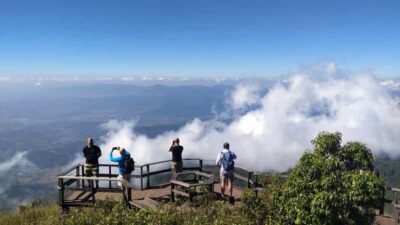
Doi Inthanon Park with Kew Mae Pan Hike Day Trip
Read our review →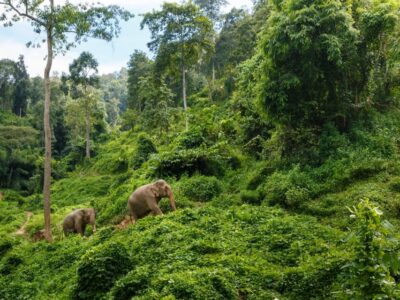

Doi Inthanon Private Tour with Trek & Lunch from Chiang Mai
Read our review →This walk also sits in