REVIEW · THAILAND
Chiang Mai: 2-Day Jungle Trek with Elephant Farm & Raft Ride
Chiang Mai’s best outdoor experiences are not always the flashiest. This two-day trip trades zip lines and polished resorts for steep forest paths, village food, and a night in the hills. You walk from paddy fields into bamboo forest, cool off at a waterfall, meet rescued elephants, and float the Mae Wang River on a raft made of bamboo.
I like the small group of up to 12 people, which gives guides such as Witoon, Sammy, Moon, and Po room to explain plants, village life, and local customs. I also like the mix of activities: the trek is the backbone, but the waterfall, elephant sanctuary, village stay, and rafting keep the two days varied.
The trade-off is simple: this is a real physical outing, not a gentle sightseeing tour. Uphill sections can be hot and tiring, the beds are basic, drinking water is not included, and rain may alter the route or cancel the rafting.
Key points at a glance
- About 8 to 8.5 kilometers on the first day: Expect a serious uphill walk, with some accounts noting roughly 550 meters of ascent.
- A night in a Karen hill village: You sleep in basic accommodation with mosquito nets, mountain views, local food, and a campfire.
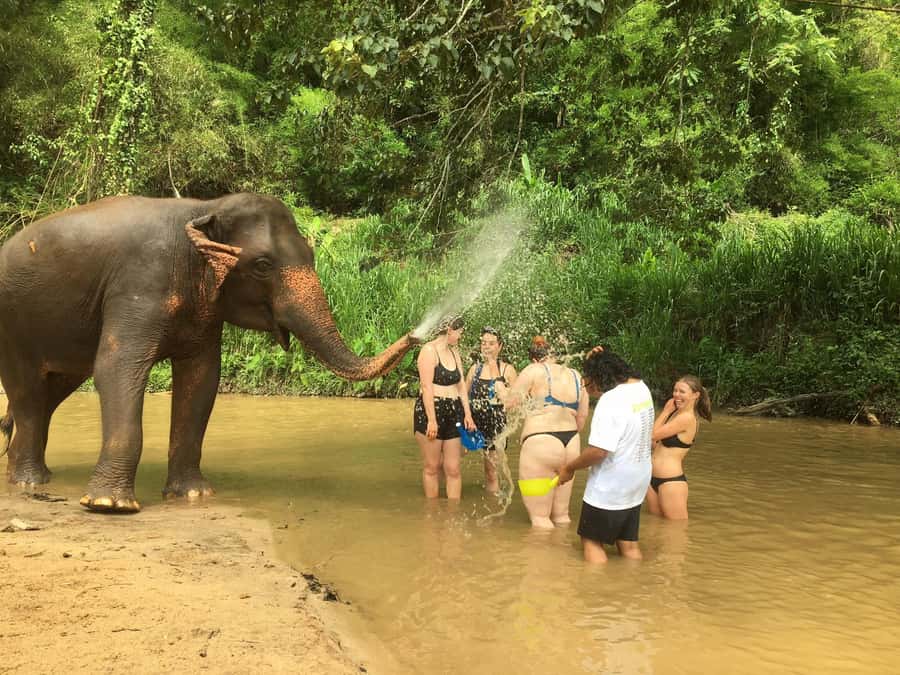
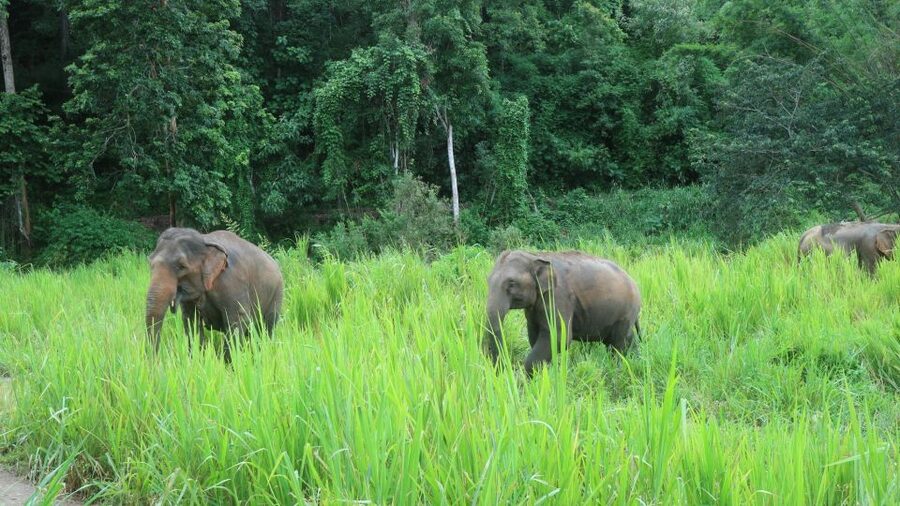
- A respectful elephant encounter: Feed and bathe rescued elephants, with no riding included.
- Two waterfall opportunities: The route includes a jungle waterfall picnic and, depending on the exact route, time to swim.
- A 40-minute bamboo raft ride: The Mae Wang River section is calm and scenic, but heavy rain can affect it.
- Strong value at $97: Transport, guide, meals, accommodation, trekking, rafting, and the elephant visit are all covered.
Why this two-day trek feels different from a day trip
Many Chiang Mai excursions take you to one viewpoint, one village, or one animal center, then return you to town before dinner. This outing gives you time to slow down. You spend the first day walking into the hills and the night there, rather than simply looking at them from a van window.
That overnight stay matters. Dinner is prepared by people in the village, breakfast follows the next morning, and the evening may include a campfire, games, or a small party. You get a short look at daily life in a Karen community instead of a quick photo stop.
The setting is basic but memorable. Beds have been described as comfortable enough and covered with mosquito nets, though one person felt the beds could be improved. Nights can be cold, so pack a jacket even if Chiang Mai feels hot when you leave.
The trip also has a good rhythm. Walking takes effort, but the route breaks up the physical work with food, water, a waterfall, elephants, village time, and rafting. You are not hiking nonstop for two days.
More Forest and Jungle Hikes in Thailand
- Chiang Mai: 2-Days Jungle Trek, Waterfalls and Karen Village
★ 4.8 · 103 reviews - From Khao Lak: Khao Sok Jungle Hike & River Tour
★ 4.7 · 688 reviews - Khao Sok: Private Day Trekking, Jungle Dinner & Night Safari
★ 4.7 · 206 reviews
From Chiang Mai’s old town to the Mae Wang River
Pickup is optional, with hotel collection generally scheduled between 9:00 and 9:30 in the morning. The stated meeting point is Baan Meesuk, a hotel and hostel in Chiang Mai’s old town. Transport is by van or traditional songthaew, depending on the group and arrangements.
The first stop is a local market. Your guide walks through stalls of vegetables, fruit, and regional food, giving you a useful introduction to what people in the area buy and eat. It is a short stop, but it adds a local touch before the mountain portion begins.
Do not expect a cooking class or a long guided market tour. The market visit is more about seeing ordinary shopping and trying local tastes. If you are unsure about unfamiliar food, use this time to ask your guide what is worth trying.
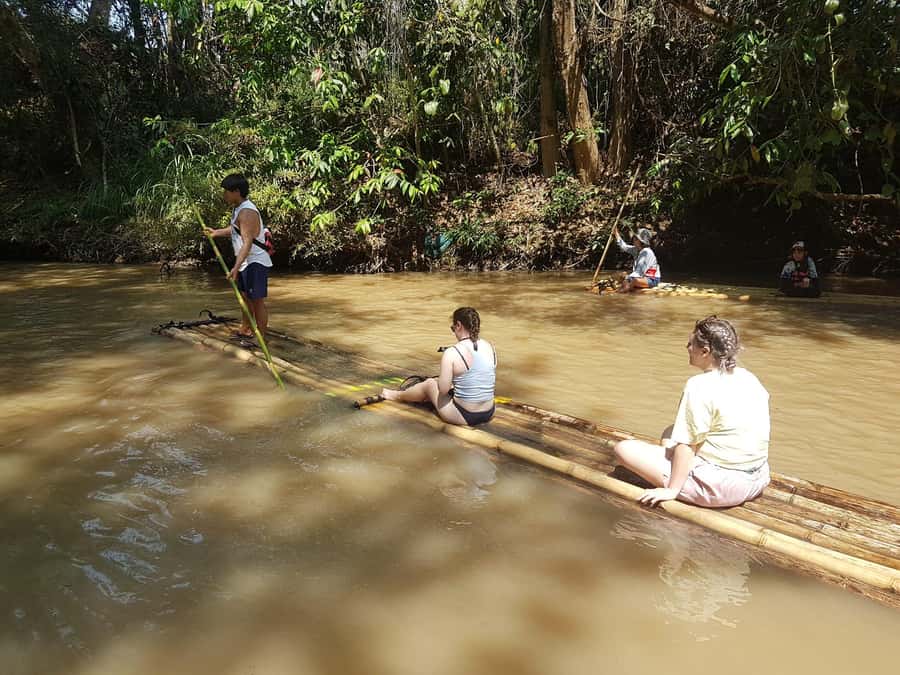
Next comes the Mae Wang River. The bamboo raft ride lasts about 40 minutes and is meant to be quiet rather than thrilling. You sit low over the water while the raft moves through the countryside, with forest and river views replacing the noise of Chiang Mai.
Wear long sleeves and long pants for this section. They help with sun, insects, and scratches later on the trail. Bring a dry change of clothes because the day includes water, mud, and a possible swim.
The waterfall walk and picnic lunch
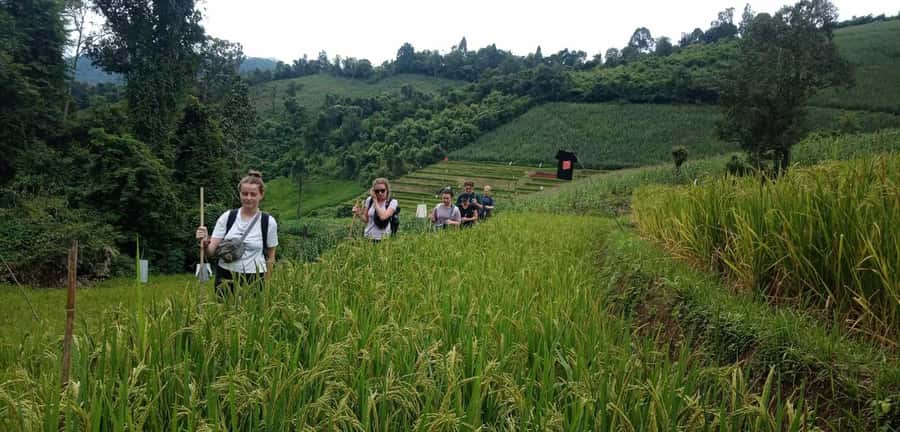
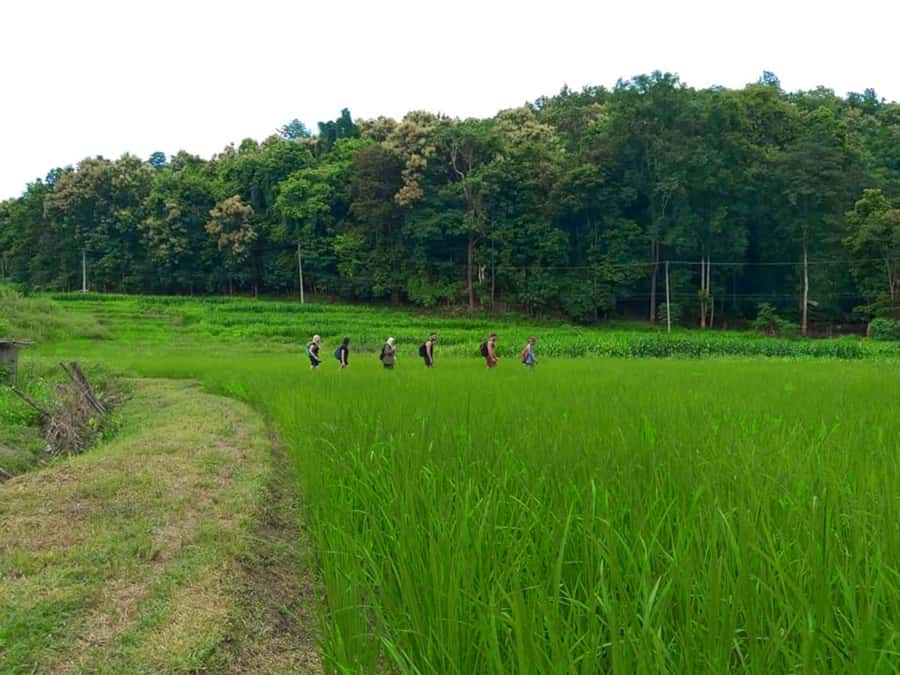
The trek begins through a mix of paddy fields and forest. This change in scenery is one of the trip’s strengths. You start in open farmland, then move toward taller vegetation and bamboo as the path rises.
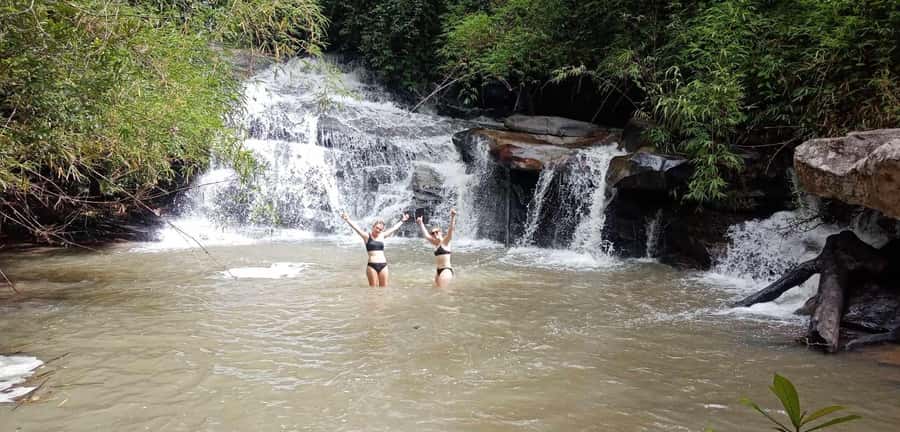
The first main walk is described as about two hours to a jungle waterfall. Some groups have encountered more than one waterfall along the route, and the exact order can vary. At the falls, you have a picnic lunch and a chance to cool off in the water.
Bring swimwear and a towel, but keep your expectations flexible. One account found that the group was not clearly told which waterfall was the swimming stop. Weather, water levels, and the guide’s route may affect how long you stay in the water.
The picnic is included, along with a second lunch on the following day. Food is a major part of the experience. You can expect generous portions of local cooking, with dinner and breakfast prepared in or around the village. If you are a picky eater, pack a few snacks. Drinking water is not included, so carry enough for the walk and plan to buy or refill water before heading into the hills.
The uphill route to the Karen hill village
After lunch, the path turns more demanding. You climb through tall bamboo and evergreen forest for roughly another two hours toward the Karen village. Some accounts describe the first day as about 8 to 8.5 kilometers, with a gain of around 550 meters.
That figure gives you a better idea of the effort than the simple phrase jungle trek. This is not technical climbing, but steep sections, heat, slippery ground, and humidity can make it hard. A moderate level of fitness will make the day much more enjoyable.
Your guide sets the pace, and the best guides adjust it when someone is struggling. Guides named Witoon, Sammy, Moon, Toon, Lee, Po, and others have been praised for humor, local knowledge, photo help, and care when someone was hurt. Guide assignments change, so you cannot request a particular personality with certainty, but the small group format is useful.
The forest itself is part of the lesson. Guides may point out plants, animals, and signs of village life. One guide showed a tarantula in its nest, while another introduced the group to local flora and fauna. These small moments give the walk more meaning than simply following a trail.
More Forest and Jungle Hikes in Chiang Mai:
- Small Group Waterfall and Rainforest Hiking Adventure on Maui
★ 5.0 · 1,417 reviews - Hike El Yunque Rainforest and Kayak Bio Bay Combo Tour
★ 4.5 · 1,010 reviews - Guided forest hike to Seattle waterfalls incl. Snoqualmie Falls
★ 5.0 · 589 reviews - Rainforest Hike and Waterfall Safari
★ 5.0 · 567 reviews
Dinner, mountain views, and one simple night
The Karen village is the emotional center of the trip. You eat dinner prepared by local villagers, spend the night in basic accommodation, and have time to talk, play games, or sit near a fire. The food has received especially strong praise, including bamboo sticky rice and several meal choices on some departures.
This is not a resort stay. Facilities are simple, and the word camp is used because the setting is rural and low-key. Mosquito nets are provided, but you still need insect repellent and toiletries. Bring a jacket because the temperature may drop sharply after dark.
Morning is worth getting up for. The village has mountain views, and some departures have offered a sunrise over the hills. You will not have the privacy or comfort of a hotel, but you gain a quiet setting and a much closer look at life away from Chiang Mai.
Approach the village with respect. You are being welcomed into a community, not entering a themed attraction. Follow your guide’s advice about photographs, food, and behavior. The tour promotes support for local communities, but a respectful attitude from you is just as important.
The second day: forest paths and rescued elephants
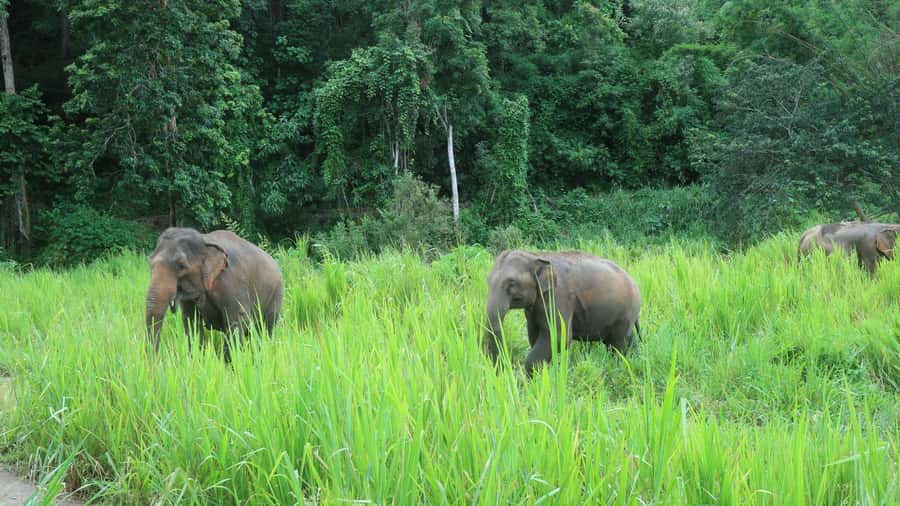
After breakfast, you continue through the forest toward the elephant sanctuary. The route is generally downhill or less demanding than the first day, although it still lasts about two hours before the elephant visit. One account described a second-day walk of roughly seven kilometers, mostly descending.
The sanctuary is home to rescued elephants. The visit includes feeding and bathing them, along with learning about their care. Riding is not allowed, which is an important point for anyone comparing elephant activities in northern Thailand.
You should still make your own judgment about bathing with elephants. The experience is presented as a safer and more respectful alternative to riding, but animal encounters deserve careful attention. Watch how the elephants are handled, follow staff instructions, and avoid treating the animals like props for photographs.
This stop also breaks up the trek well. After a night in the village and several hours on foot, feeding the elephants gives you time to rest while staying connected to the setting. You can expect dirt, water, and close contact, so do not wear anything you want to keep pristine.
Returning to the river and Chiang Mai
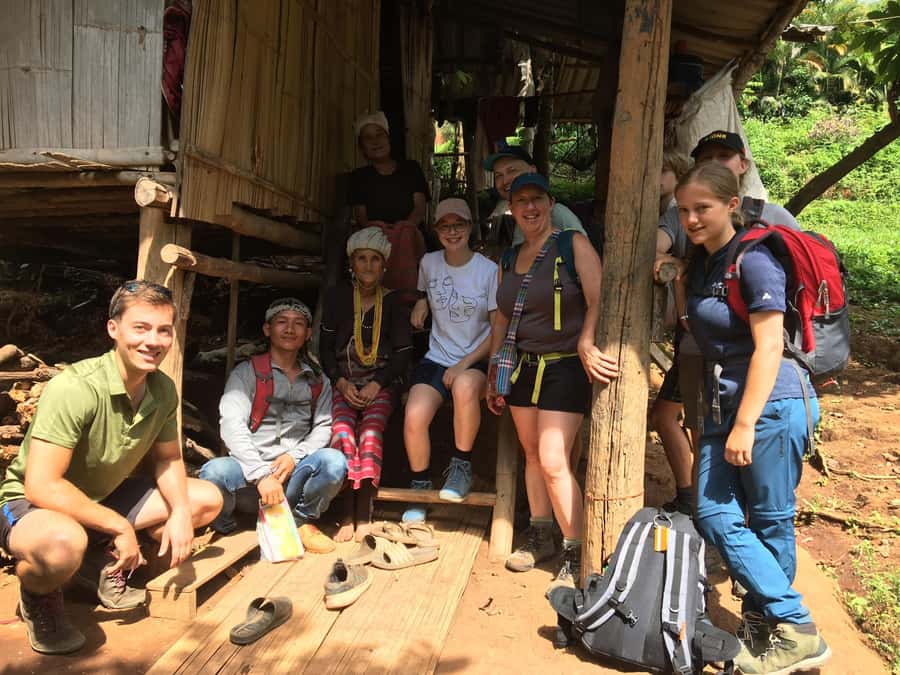
The bamboo rafting section may take place before or after the main hiking portion, depending on the day’s route and conditions. The planned ride lasts about 40 minutes, with the river providing a calm end to the outdoor portion.
Rain can change the plan. One departure could not run the raft because of wet conditions, while another had rain that made the paths harder. The operator can change the route for bad weather or other forces beyond its control. Pack rain gear, and view rafting as a welcome extra rather than the sole reason to book.
After the activities, the drive back to Chiang Mai takes about an hour. Arrival is expected around 4:30 in the afternoon. That timing leaves you a little evening space, though the trek may leave you ready for a shower and an early night.
Is $97 good value?
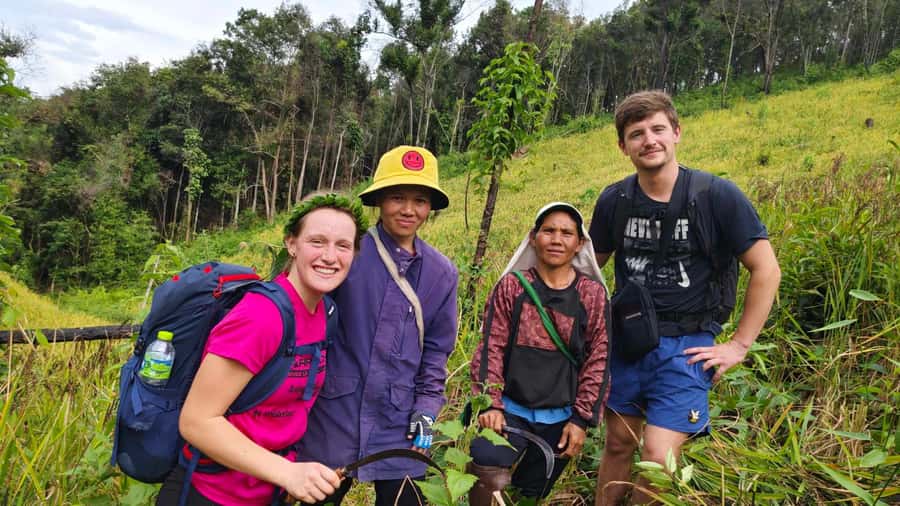
At $97 per person, the price is strong for what is included. You receive hotel pickup and drop-off or transport from the meeting point, a guide, two lunches, one dinner, one breakfast, basic accommodation, the elephant sanctuary, the trek, and rafting.
The real value comes from combining several separate outings into two days. A market visit, long mountain walk, village stay, animal encounter, and river ride would often cost more if booked separately. You also avoid arranging rural transport and finding your own guide for the overnight route.
The price does not cover drinking water, personal snacks, or extra items you may want at the market. The lodging is basic, and this is not the right choice if you want air conditioning, private bathrooms, or a polished resort setting.
For an active visitor who values local contact and variety, I consider $97 very reasonable. For someone mainly interested in elephants or rafting, a shorter and more focused activity may suit better.
What to pack for comfort
Pack lightly. A daypack is easier on narrow trails than a large suitcase, and your main luggage may not be convenient during the overnight portion.
Bring:
- Hiking shoes with good grip
- Long pants and a long-sleeved shirt
- Shorts and clothes that can get dirty
- Swimwear, a towel, and flip-flops
- Sun hat, sunglasses, and sunscreen
- Insect repellent
- Rain gear
- A jacket for the cool mountain night
- Toiletries and a change of clothes
- Snacks and drinking water
Do not rely on flip-flops for the hike. They are useful around water and the overnight accommodation, but the trail needs proper footwear. In the wet season, mud can make the path harder, so shoes with grip matter even more.
Who should book this Chiang Mai adventure?
This trip suits you if you enjoy walking, simple accommodation, local food, and a full schedule. It is especially good for couples, solo visitors, and small groups who want more than a quick countryside photo stop.
You should be comfortable with several hours of hiking, uphill sections, heat, humidity, insects, and changing weather. The activity is not suitable for pregnant people, wheelchair users, people with mobility limits, heart or respiratory problems, epilepsy, vertigo, or low fitness. Babies under one year and children under two are also excluded.
The group limit of 12 helps keep the trip personal, though the experience depends partly on the guide assigned to your departure. The strongest part of the outing is the blend of nature and human contact. You get forest, fields, waterfalls, elephants, and a village evening in one compact trip.
Should you book it?
Book this trek if you want a physically active, low-frills look at northern Thailand and you are happy to trade comfort for access. The village stay, generous meals, waterfall stops, and guides who share local details give the trip more substance than a standard day tour.
Skip it if you dislike uphill walking, basic beds, wet clothes, or flexible plans. Also skip it if you want a guaranteed raft ride or a highly controlled animal encounter, since weather can change the schedule and bathing with elephants may not suit everyone.
For most fit visitors with two free days in Chiang Mai, this is a very good-value choice. Bring water, wear proper shoes, pack a jacket, and let the route unfold at a slower mountain pace.
FAQ
How long is the Chiang Mai jungle trek?
The activity lasts two days and includes one overnight stay in a Karen hill tribe village.
How much does the tour cost?
The listed price is $97 per person.
What time is hotel pickup?
Optional hotel pickup is scheduled between 9:00 and 9:30 in the morning. You can also meet at Baan Meesuk in Chiang Mai’s old town.
How large is the group?
The group is limited to 12 participants.
What languages does the guide speak?
Guides are available in English and Thai.
Is food included?
Yes. The tour includes two lunches, one dinner, and one breakfast.
Is drinking water included?
No. You need to bring or purchase your own drinking water.
Can I ride the elephants?
No. Riding animals is not allowed. The elephant visit includes feeding and bathing rescued elephants.
How long is the bamboo rafting ride?
The planned bamboo rafting experience lasts about 40 minutes on the Mae Wang River.
Is swimming included?
The route includes a jungle waterfall with a chance to cool off and swim, but the exact stop and timing may change with weather and route conditions.
More Two-Day Trips in Chiang Mai
- From Antigua: Adventure, 2-Day Hiking to Acatenango Volcano
★ 4.4 · 1,189 reviews - Mt Toubkal Ascent Express Trek 2 Days 1 Nights
★ 4.7 · 962 reviews - Hanoi – Sapa 2 Days 1 Night Overnight At Homestay
★ 5.0 · 899 reviews - Marrakesh: 2-Day Mt. Toubkal Trek with 1-Night Stay & Meals
★ 4.7 · 795 reviews
More Farm Visits around Chiang Mai
- From Ho Chi Minh: Can Gio Trek – Monkey Island & Crocodile Farm
★ 5.0 · 353 reviews
Just added around Chiang Mai
- Chiang Mai Untouched Elephant: Nature Walk & Waterfall Trek★ 4.7 · 77 reviews
- Chiang Mai: 2-Days Jungle Trek, Waterfalls and Karen Village★ 4.8 · 103 reviews
- Chiang Mai: Whitewater Rafting and Waterfall Trekking Tour★ 4.9 · 58 reviews
- Chiang Mai ATV & White Water Rafting & Trekking to Waterfall★ 4.7 · 84 reviews
- Chiang Mai: Hike on Monk’s Trail and Doi Suthep Private Tour★ 4.8 · 22 reviews
- Chiang Mai: 7-Hour Doi Suthep National Park Summit Hiking★ 4.6 · 191 reviews
- Chiang mai Hike & Downhill Bike Adventure –Suthep National Park★ 4.5 · 204 reviews
- From Chiang Mai: Doi Saket Hiking Tour with Lunch★ 5.0 · 211 reviews
Forest & Jungle Hikes, side by side.
Small Group Waterfall and Rainforest Hiking Adventure on Maui
Read our review →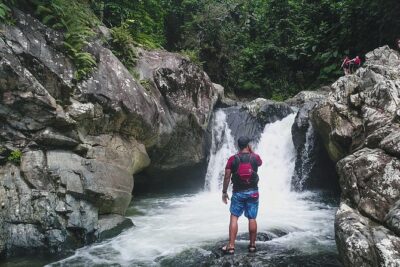
Hike El Yunque Rainforest and Kayak Bio Bay Combo Tour
Read our review →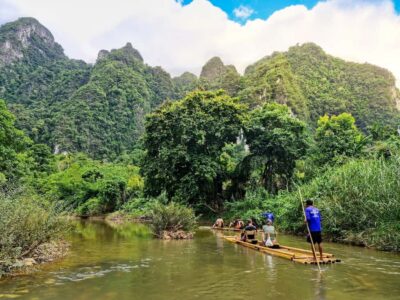
From Khao Lak: Khao Sok Jungle Hike & River Tour
Read our review →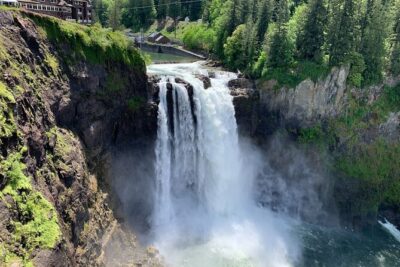
Guided forest hike to Seattle waterfalls incl. Snoqualmie Falls
Read our review →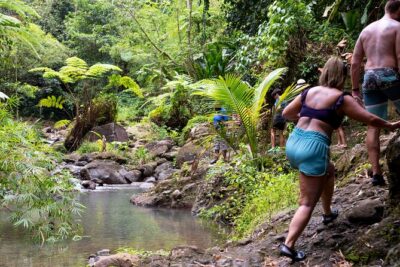

Ketchikan Electric Bike and Rain Forest Hike Ecotour
Read our review →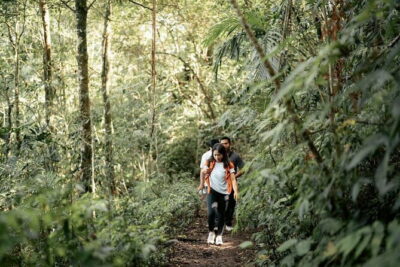
Munduk: Twin Lake Jungle Hike, Ulun Danu Temple, & Waterfall
Read our review →