
REVIEW · THAILAND
Chiang Rai Trek: 4 Hilltribes Villages & Waterfall Only Walk
The best part of this Chiang Rai outing is the way it joins four hilltribe villages with a real walk through forest and farmland. You cook lunch over firewood in a bamboo hut, taste plants and fruit along the route, and finish with a swim at Huay Kaew Waterfall and a hot spring soak. I especially like the hands-on cooking and the chance to see tea, pineapple, rice, coffee, and chocolate growing around the villages.
I also like the guide-led pace, which leaves room to stop for plants, herbs, animals, and local customs instead of simply marching from one sight to the next. The main caution is the physical effort: expect about 10 kilometers, roughly five hours of walking, with steep uphill sections and no flat, easy trail throughout.
Key points at a glance
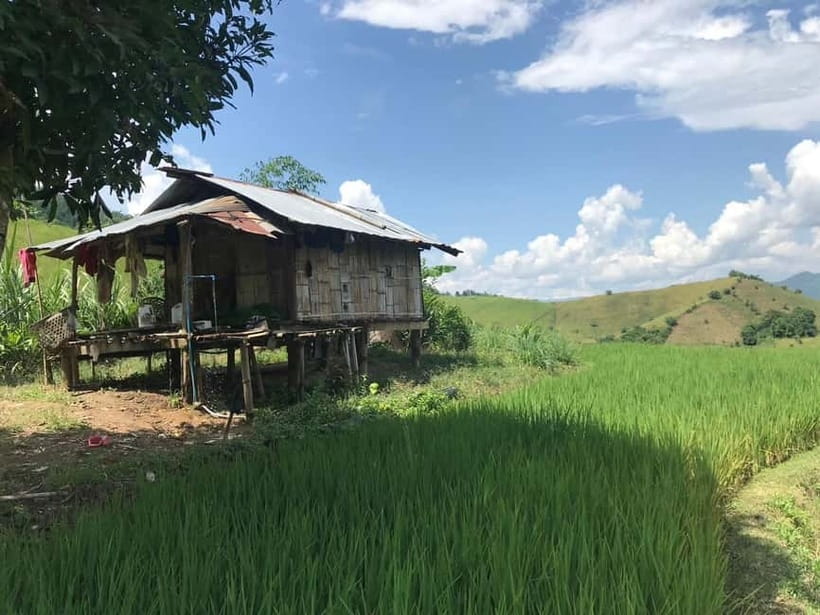
- Four villages in one walk: Visit Lisu, Chinese, Akha, and Lahu communities around Lam Nam Kok National Park.
- Lunch cooked over firewood: Prepare food in a traditional bamboo-hut kitchen, with no LPG stove.
- A proper waterfall stop: Swim at Huay Kaew Waterfall, described as the second-largest waterfall in Chiang Rai.
- Tea fields and farm paths: Walk through a Chinese village tea plantation and local pineapple, rice, coffee, and chocolate fields.
- A hot spring finish: Return to the hot spring for a mineral bath before driving back to Chiang Rai.
- Best for active adults: The route suits people comfortable with a long, uneven walk, but not children under 10, wheelchair users, or people over 70.
A full day beyond Chiang Rai’s city streets
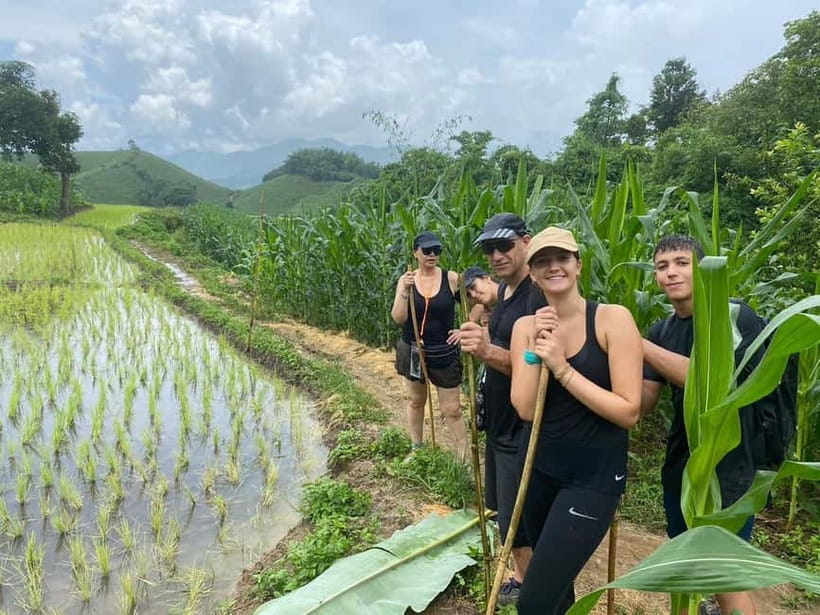
This is not a quick village photo stop followed by a short stroll. It is an active day in the Chiang Rai countryside, with the main attraction being the route itself.
You leave Chiang Rai by car and head toward Lam Nam Kok National Park. The tour begins at a hot spring, then moves into forest and bamboo woodland. From there, the trail links villages, plantations, farms, and a waterfall before returning to the hot spring area for a bath and the drive back to your hotel.
The day lasts about eight hours overall, with around five hours on foot. That makes the $82 price easier to judge. You are paying for transportation, an English-speaking guide, lunch, drinking water, and travel insurance, but the real value comes from the length and variety of the outing. It combines a nature walk, village visit, cooking activity, waterfall stop, tea plantation, and hot spring in one day.
This is a small-group experience, which matters here. A large party would make the bamboo cooking and village visits feel awkward. A smaller group also gives you more chances to ask about plants, food, farming, and customs as you walk.
More Waterfall Hikes in Thailand
- Khao Sok: Private Waterfalls and Wildlife Half-Day Trek
★ 4.5 · 337 reviews - Chiang Mai: 2-Days Jungle Trek, Waterfalls and Karen Village
★ 4.8 · 103 reviews - Chiang Mai ATV & White Water Rafting & Trekking to Waterfall
★ 4.7 · 84 reviews
Starting at the hot spring and entering the forest
The first section leads from the hot spring into forest and bamboo groves. This is a good opening because you begin walking right away, rather than spending the morning on a long series of roadside stops.
Your guide can point out edible plants, herbs, leaves, spices, and other vegetation along the route. The strongest part of the guiding is the explanation of how these plants connect with daily life. You may be offered freshly picked pineapple or small tastes of fruit, leaves, and spices found around the farms and forest.
The trail is not presented as a flat park path. You should expect uneven ground and some steep uphill sections. One useful point to keep in mind is that the walk has been described as manageable for active people who are not top athletes, but the distance still adds up. Good shoes matter more than speed.
The route also gives you a better sense of the countryside than a vehicle tour can. You move through bamboo, farmland, and village areas at walking pace, so you notice changes in vegetation and views that would blur past a car window.
Lisu village and the firewood lunch
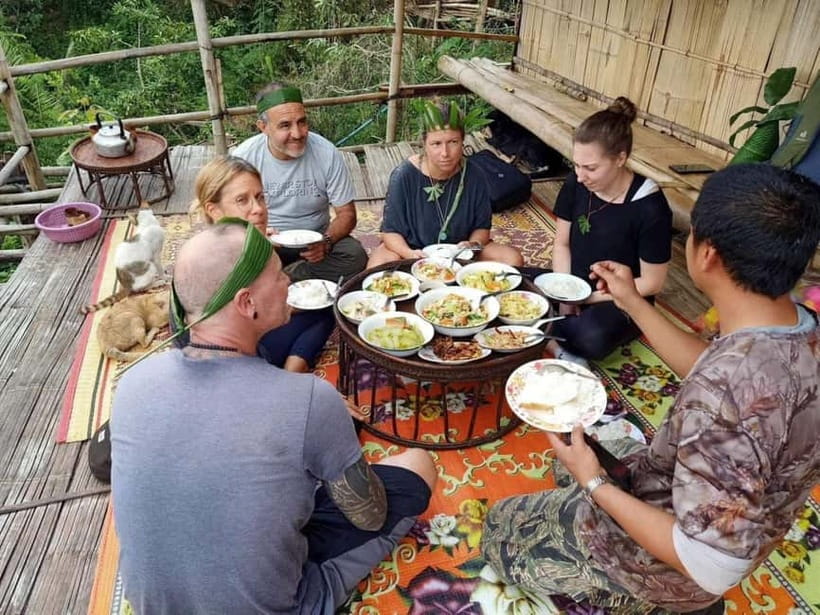
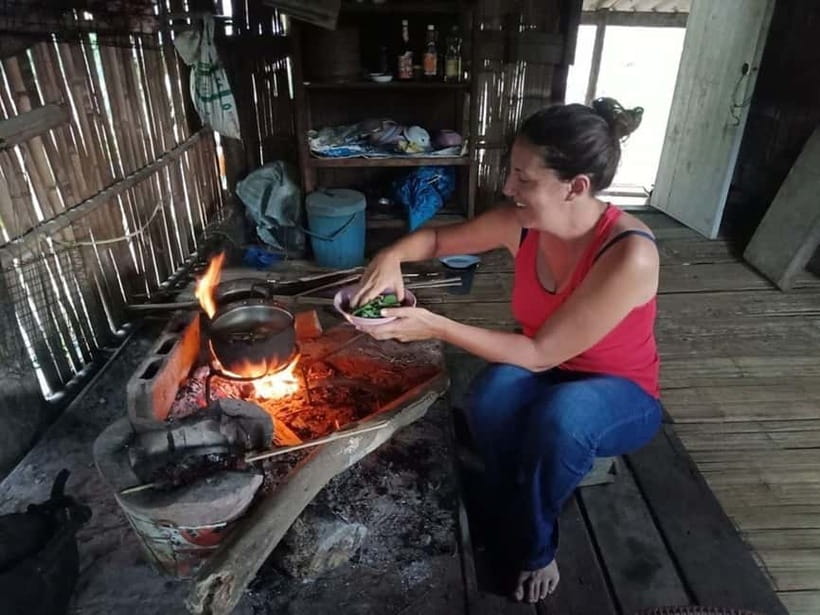
The first village stop is Lisu village, where the day becomes more hands-on. You help prepare lunch in a bamboo hut using a traditional kitchen and firewood rather than an LPG stove.
I like this part because it avoids turning lunch into a simple meal break. You see how the cooking space works, take part in preparing food, and get a practical look at village life. The activity is simple, but that is the point. It gives you something to do with your hands and a reason to spend time in the village instead of just taking pictures.
The exact dishes are not specified, so you should not book this expecting a fixed restaurant-style menu. The food is prepared with the guide and local hosts, and you can try ingredients connected to the surrounding farms and forest. The guide’s knowledge of edible plants adds meaning to the meal.
For many people, this will be the emotional center of the day. A waterfall is pleasant, but cooking lunch in a bamboo hut gives you a direct connection to the place. It also slows the schedule at a useful moment, breaking up the long walk.
Chinese village tea fields and working farms
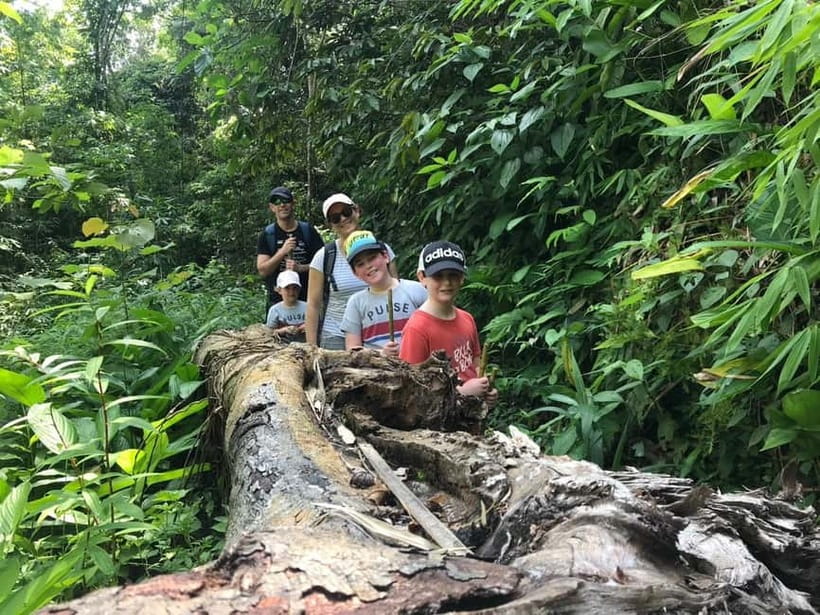
After lunch, the route continues to a Chinese village and its tea plantation. This is a quieter stop than the waterfall, but it adds another layer to the day.
You are not just looking at forest. You are seeing how different communities use the hills and countryside for food production. The walk may pass through tea, pineapple, rice, coffee, and chocolate fields, giving you a close view of small-scale farming as part of the village setting.
The tea plantation is especially useful for anyone who wants more than a generic jungle walk. It shows a crop tied to local work and gives the route a clear change of scenery. If you enjoy food, farming, or plant identification, listen closely here and along the trail.
The word plantation can suggest a large commercial estate, but the experience described here centers on a village tea-growing area. Keep expectations realistic. This is a walking visit rather than a formal tea factory tour, and no tasting session is promised in the details provided.
Same trailheads, a different kind of day:
- 3-in-1: Doi Inthanon Tour, Elephant Sanctuary, and Trekking Trail
★ 5.0 · 1,087 reviews - Chiang Mai: Doi Inthanon Trip with Pha Dok Siew Guided Trek
★ 4.6 · 910 reviews - Chiang Mai: 2-Day Jungle Trek with Elephant Farm & Raft Ride
★ 4.7 · 881 reviews - Chiang Mai: Doi Inthanon Park with Kew Mae Pan Hike Day Trip
★ 4.7 · 841 reviews
Huay Kaew Waterfall and the best cooling-off stop
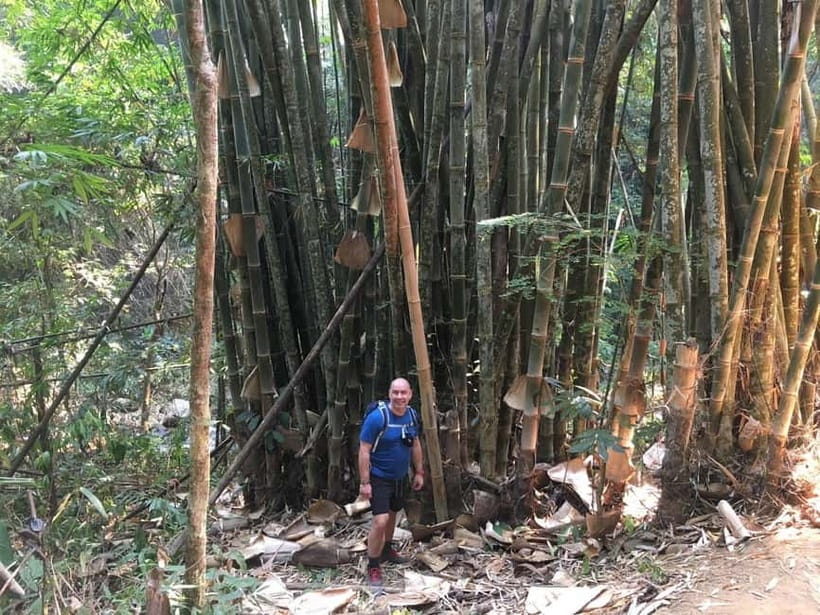
The trail then reaches Huay Kaew Waterfall, described as the second-largest waterfall in Chiang Rai. This is the main chance to cool down after the forest and farm sections.
Swimming is allowed as part of the experience, so pack swimwear and a change of clothes. A towel is not listed among the supplied items, so bringing a light one would be sensible if you have room. You should also protect your dry clothes from splashes during the walk.
The waterfall is more than a quick viewpoint. You have time to enjoy the water, and the stop gives the day a natural break before the final village and farm sections. The setting can also vary with weather and water levels, so do not expect a staged attraction with facilities or a polished pool area.
Water safety still depends on conditions and your own ability. Follow the guide’s instructions, and do not treat the swim as compulsory. If you would rather sit by the water, this is also a chance to rest your legs before continuing.
Akha farms, open views, and Lahu village
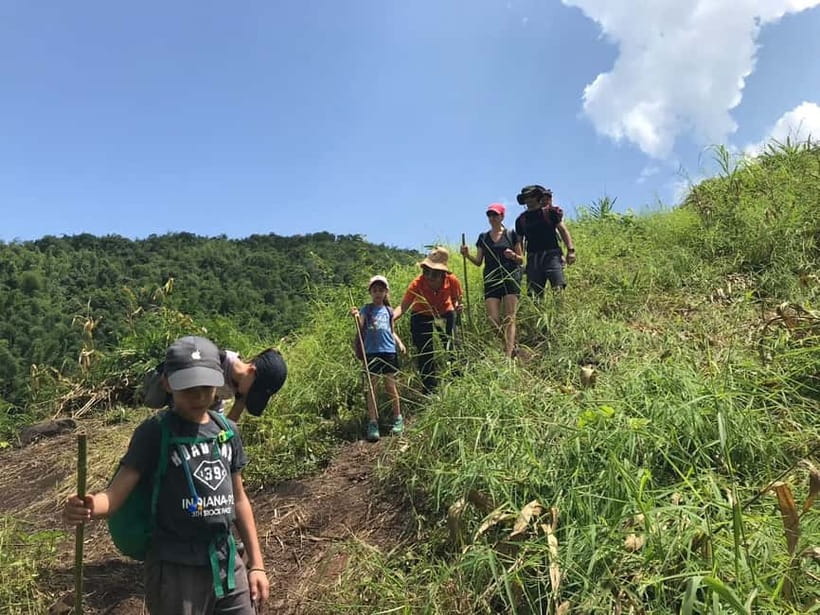
After the waterfall, you continue toward Akha village and nearby farmland, then on to a Lahu hilltribe village. This final stretch brings together the walking, village, and farming parts of the day.
The Akha section includes farm paths and broad countryside views. It is a useful reminder that village life is not confined to houses. Fields, footpaths, planted crops, and forest edges all form part of the daily setting.
The Lahu village gives you another view of the communities in the area. The point is not to collect four quick stops like stamps in a passport. The value comes from seeing differences and similarities in how the villages relate to the land, food, and forest.
Your guide is important here. The experience depends on respectful interpretation, not just pointing out a village sign. The guide explains local customs, plants, animals, and ways of life, and the small-group format should make it easier to ask questions without turning the visit into a performance.
You should also remember that this is a community visit, not a museum. Dress sensibly, avoid intrusive photography, and follow the guide’s lead about where to walk and what to photograph.
Ending with a mineral hot bath
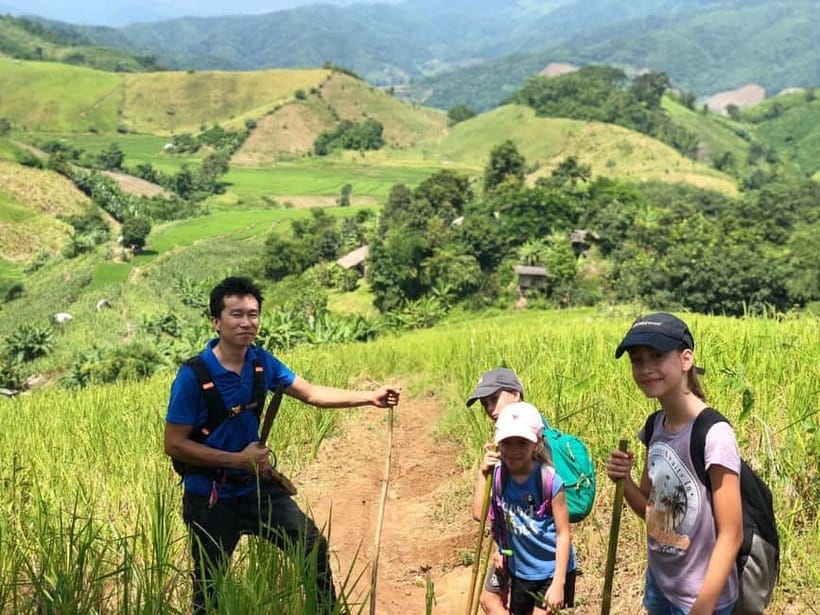
The walk ends back at the hot spring, where you can take a mineral bath before returning to Chiang Rai by car. This is a smart way to finish a five-hour trek.
The hot spring gives your legs a chance to relax, and it means you do not have to leave the trail feeling hot, dusty, and worn out. Bring swimwear or suitable bathing clothes, plus a dry change of clothes for the drive.
The bath is a simple pleasure, not a luxury spa treatment. No massage, private room, or spa service is included. Think of it as a natural soaking stop that rounds off the day.
The beginning and ending at the hot spring also make the route feel neatly contained. You are not dropped at one remote point and left to arrange your own return. Transportation back to your Chiang Rai hotel is included.
Fitness, clothing, and what to pack
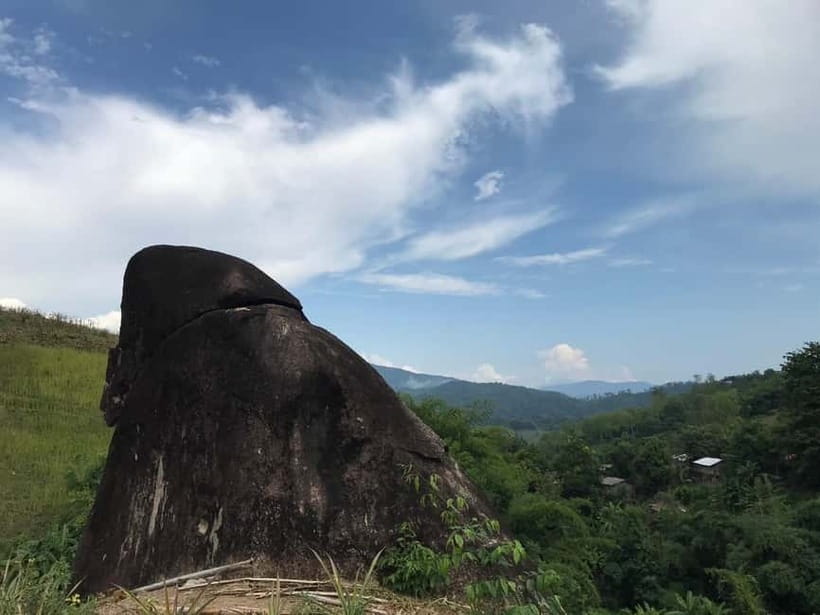
The most important preparation is accepting that this is a real hike. The walk lasts about five hours and covers around 10 kilometers, with steep uphill stretches and uneven ground.
You do not need to be a top athlete, but you should be comfortable walking for much of a day. This is not a good match if you want a gentle stroll with frequent vehicle transfers. It is also not suitable for children under 10, wheelchair users, or people over 70.
Wear shoes with a secure sole. Sandals may be fine for the hot spring or waterfall, but they are less useful on forest paths and uphill sections. Lightweight clothing, a hat, insect repellent, and sunscreen are sensible choices.
Bring:
- Swimwear
- A change of clothes
- Drinking water
- A hat
- Insect repellent
Drinking water is included, but bringing a personal bottle is still practical. Alcohol and drugs are not allowed, and pets cannot join the tour.
Pickup is arranged from Chiang Rai and the tour returns to Chiang Rai. If your hotel is outside the normal pickup radius, contact the provider directly before booking. One practical weakness is that pickup timing may not be exact. A pickup window of 8:30 to 9:00 has resulted in a later arrival, so keep a little patience in your morning schedule rather than planning a tight connection.
Is $82 a fair price?
At $82 per person, this is not the cheapest way to see the countryside around Chiang Rai. It is also not a simple transfer with a short walk attached.
The price includes transport, an English-speaking guide, lunch, drinking water, and travel insurance. More importantly, it covers a full day with several distinct activities: a long guided walk, four village areas, firewood cooking, a tea plantation, a waterfall swim, and a hot spring bath.
I would judge the price by how much of the day you will use. If you want only a waterfall photo and a short village stop, this is too much. If you want a guided outdoor day with real walking and several connected experiences, the cost is reasonable.
The strongest value comes from the guide. Plant knowledge and explanations about local life turn an ordinary walk into a learning experience. Without that interpretation, the route would still have scenery, but it would lose much of its purpose.
The current rating is 4.8 from eight ratings, which suggests strong satisfaction, though the sample is small. I would treat that as encouraging rather than proof that every day will be perfect. Weather, trail conditions, pickup timing, and your own fitness can shape the experience.
Who should book this day?
I would choose this tour if you want to leave Chiang Rai’s main sightseeing circuit and spend a full day outdoors. It is particularly well suited to active adults who enjoy walking, local food, plants, village life, and informal conversation with a guide.
It is a good fit if you like variety. You will not spend the whole day doing one thing. The route shifts from forest to bamboo groves, village kitchens, tea fields, farms, waterfall water, and hot springs.
I would not choose it if your priority is comfort, a slow schedule, or polished facilities. The long walk, uneven trail, firewood cooking, and basic village setting are central to the experience, not minor details.
Solo visitors should contact the provider directly if they are the only person hoping to join a group. The tour is advertised for small groups, but a single-person booking may need confirmation.
Should you book the Chiang Rai hilltribe trek?
Book it if you want an active and grounded day rather than a checklist tour. The combination of four village communities, a bamboo-hut lunch, plant knowledge, tea fields, a waterfall swim, and a hot spring is unusually varied.
My main advice is to judge yourself honestly. If 10 kilometers and steep sections sound manageable, this could be one of the more rewarding ways to see the countryside around Chiang Rai. If you prefer easy paths, keep searching.
Pack for heat, water, insects, and swimming, and allow extra time for pickup. With those points covered, the $82 cost buys a full day of movement, food, nature, and contact with local rural life.
FAQ
Where does the tour start and finish?
The tour starts in Chiang Rai, travels to the trekking area near Lam Nam Kok National Park, and returns to Chiang Rai by car.
How long is the walking portion?
The total walk is around five hours and approximately 10 kilometers.
Which villages are included?
The route includes Lisu, Chinese, Akha, and Lahu hilltribe villages.
Is lunch included?
Yes. Lunch is included and prepared in a hilltribe bamboo hut using a traditional firewood kitchen.
Can I swim during the tour?
Yes. You can swim at Huay Kaew Waterfall, described as the second-largest waterfall in Chiang Rai. Bring swimwear and a change of clothes.
Is the hot spring included?
Yes. The tour returns to the hot spring at the end of the walk, where you can take a mineral bath before returning to your hotel.
What is included in the price?
Transportation, an English-speaking guide, lunch, drinking water, and travel insurance are included. Other expenses are not included.
Is the trek suitable for everyone?
No. It is not suitable for children under 10, wheelchair users, or people over 70. The route includes steep uphill sections and uneven paths.
Just added around Thailand
- Trek to a Jungle Waterfall★ 5.0 · 14 reviews
- 1 Day Trekking Group Tour With Bamboo Cooking / Chiang Rai★ 5.0 · 51 reviews
- Trekking with Lunch cooked by Bamboo in the Chiang Rai jungle★ 5.0 · 12 reviews
- Full-Day Trekking and Sightseeing Tour in Mae Kampong★ 5.0 · 46 reviews
- 8KM White Water Rafting and 3HRS Jungle Trekking Adventure★ 5.0 · 9 reviews
- One day Doi Inthanon National Park & Trekking on Kew Mae Pan★ 5.0 · 12 reviews
- Private Tour to Doi Inthanon including Twins Pagodas and Hiking★ 5.0 · 22 reviews
- Waterfall Wanderer Doi Inthanon Hiking Tour★ 5.0 · 15 reviews
Waterfall Hikes, side by side.
Ourika Valley Trip with Waterfall Hike & Lunch
Read our review →ourika valley lunch & guided hike to waterfalls
Read our review →
Ouzoud Waterfalls Guided Hike and Boat Trip from Marrakech
Read our review →Ouzoud Waterfalls Trip with Hike & Boat Option
Read our review →
Small Group Waterfall and Rainforest Hiking Adventure on Maui
Read our review →
Glacier Hike, Waterfalls and Black Sand Beach
Read our review →This walk also sits in