REVIEW · NEW ZEALAND
Mount Cook: 3-Hour Tasman Glacier Heli-Hike
The best part of this Mount Cook outing is the change in scale. You begin above the Tasman Glacier, looking down at its lake and winding ice, then land at about 1,200 meters and walk across the glacier itself. Aoraki/Mount Cook rises nearby, and the return flight may reveal the Hochstetter Icefall.
I like the practical gear package, especially the proper boots, crampons, poles, wool socks, and waterproof trousers. I also like that the two-hour glacier walk gives you time to look at ice formations rather than treating the landing as a quick photo stop. Guides including Connor, Emma, Scott, and Matt have been praised for clear explanations and patient help.
The main catch is the weather. This is a weather-dependent flight, and poor conditions can cancel or shorten the trip. Build a spare day into your Mount Cook plans, and bring waterproof gloves if rain is in the forecast.
Key points before you book
- A 30-minute helicopter flight gives you aerial views of Tasman Glacier Lake, the glacier, Aoraki/Mount Cook, and possibly the Hochstetter Icefall.
- The glacier landing is only the beginning, with about two hours spent hiking on the ice with a guide.
- Boots, crampons, poles, wool socks, and waterproof clothing are supplied when required.
- Ice caves may be part of the walk, but every activity depends on weather and glacier conditions.
- You need moderate fitness, sturdy footwear, warm layers, and a minimum age of 10.
- The price is $601.48 per person, a serious expense, but it includes the flights, landing, equipment, and guided glacier time.
Flying over the Tasman Glacier from Mount Cook Airport
You meet at Mount Cook Airport on Mount Cook Road. The whole outing takes about three hours, including check-in, gearing up, the flight to the glacier, time on the ice, the flight back, and removing the equipment afterward.
The helicopter flight accounts for about 30 minutes of that total. That may sound brief beside the price, but it is not just a transfer. The aerial view is one of the strongest parts of the experience because the Tasman Glacier is too large to understand from ground level.
You can expect to see Tasman Glacier Lake and the glacier spreading through the Aoraki/Mount Cook area. The return route may include views of the Hochstetter Icefall, a striking wall of broken ice below the Southern Alps.
I like this combination of air time and walking time. A sightseeing flight alone gives you fine views but little contact with the ice. A ground walk alone cannot provide the same sense of scale. Here, you get both.
Helicopter seating and weight rules matter. The total weight per passenger is listed as 331 pounds, and the maximum allowed weight for a person in a rear helicopter seat is 150 kilograms. If this could affect your booking, check the operator’s requirements before paying.
More Glacier Hikes in New Zealand
- Franz Josef Glacier Heli-Hike
★ 4.5 · 618 reviews - Heli Hike Fox Glacier
★ 5.0 · 563 reviews - Franz Josef: 2.5 Hour Glacier Hike with Helicopter Transfer
★ 4.7 · 322 reviews
Landing at 1,200 meters with Aoraki/Mount Cook ahead
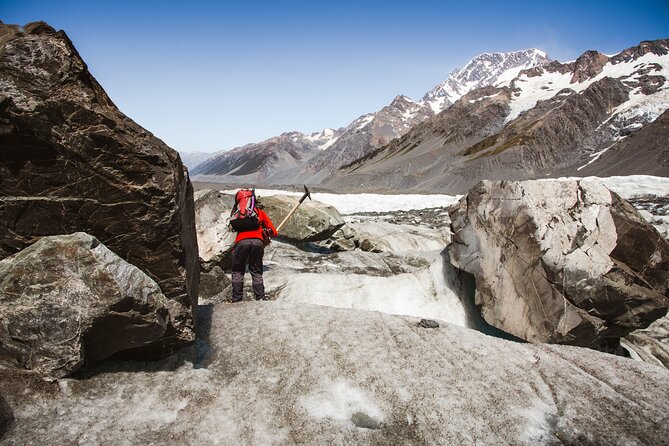
The landing places you on the Tasman Glacier at roughly 1,200 meters above sea level. The setting is the main event: you are standing on old, moving ice with the Southern Alps around you and Aoraki/Mount Cook in view.
The landing also makes this feel different from a standard mountain flight. You do not simply look through a helicopter window and return to the airport. You step out, put on the supplied equipment, and spend a meaningful part of the tour walking on the glacier.
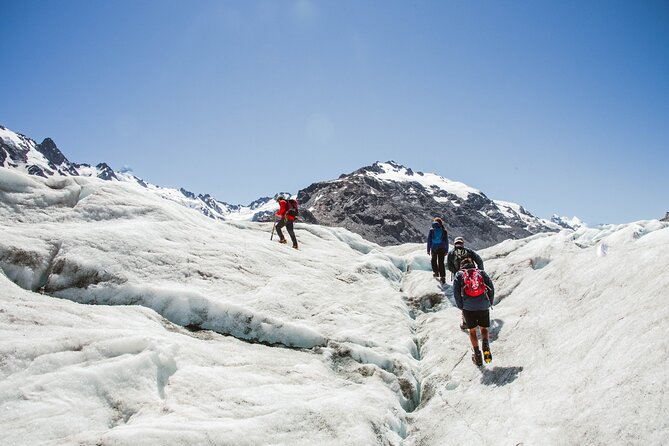
The glacier is not a smooth pavement. One guide explained that walking takes concentration because the surface is uneven. That is why the boots, crampons, and poles are useful rather than decorative extras. You will need to place your feet carefully and follow the guide’s directions.
A moderate level of fitness is required. The minimum age is 10, but age alone does not tell you how comfortable someone will be on irregular ice. You should be ready for a two-hour guided walk in cold conditions, with enough balance and stamina to keep moving over a rough surface.
Two hours among ice formations
The guided hike is scheduled for about two hours, which gives the outing its value. The guide can explain how the glacier forms its ridges, holes, caves, and changing shapes while helping you move safely.
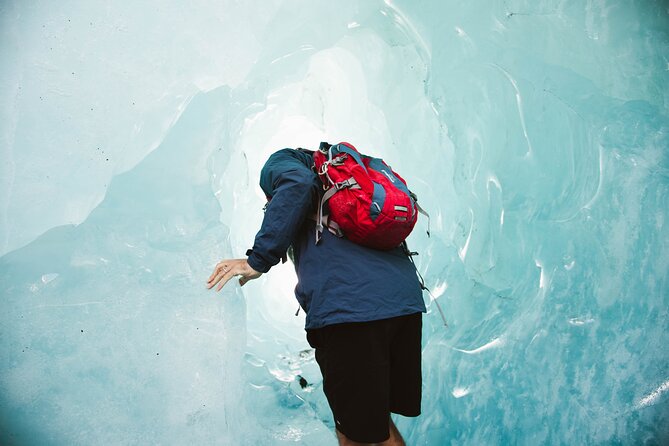
Ice caves are usually part of the tour, although they are not guaranteed. Weather and current glacier conditions control what is possible. If an ice cave is available, the experience can become more varied than a walk over open ice. One outing included a chance to explore far into an ice cave, while another guide described how the cave and glacier shapes formed.
That uncertainty is worth understanding before you book. You are paying for a glacier landing and guided hike, not a guaranteed cave visit. The glacier changes, and the operator must adjust the route to the conditions on the day.
The guides appear to make a real difference here. Connor has been singled out for being communicative, considerate, and able to make the uneven walking feel manageable. Scott was praised for patience and clear information. Emma helped explain ice formations and assisted with photos, while Matt guided an ice-cave visit.
Those details matter because the guide is not just leading a line across the ice. You need someone who can set a sensible pace, explain what you are seeing, and help you use crampons without making the outing feel tense. A friendly, attentive guide can turn a difficult surface into an enjoyable challenge.
Clothing and equipment supplied for the cold
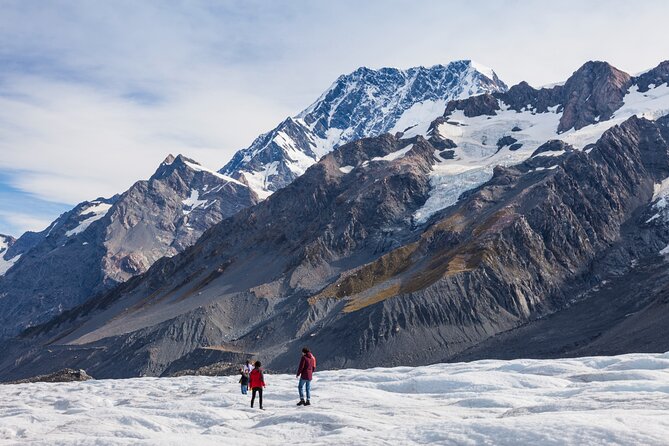
The operator provides quality walking boots, crampons, walking poles, wool socks, and waterproof jackets and trousers if needed. That saves you from packing specialist glacier equipment for one activity.
You should still arrive prepared. Wear sturdy footwear for the start of the outing, bring warm layers, and take waterproof gloves if there is any chance of rain. One useful tip from the experience is to bring waterproof gloves when it is sprinkling. Your hands can become cold quickly when you are using poles or touching ice.
The supplied wool socks are a thoughtful touch. Cold feet can ruin a mountain outing, and ordinary city shoes are not suitable for crampons. Waterproof clothing is also practical because the glacier environment can be wet even when rain is not falling.
You should bring a small backpack with snacks and drinks. Lunch is not included, and the three-hour schedule is long enough that a compact snack makes sense. Do not count on buying food during the helicopter and glacier portion.
More Mountain and Summit Hikes in New Zealand
- Rotorua Hiking: Mt Tarawera Guided Volcanic Crater Experience
★ 5.0 · 283 reviews - Mount Cook: 3-Hour Tasman Glacier Helicopter Ride and Hike
★ 4.9 · 235 reviews - Mount Cook: 3 Hour Heli Hike to the Tasman Glacier
★ 4.7 · 218 reviews - Queenstown: Walter Peak Horse Trek & Queenstown Lake Cruise
★ 4.7 · 151 reviews
Weather can decide the entire day
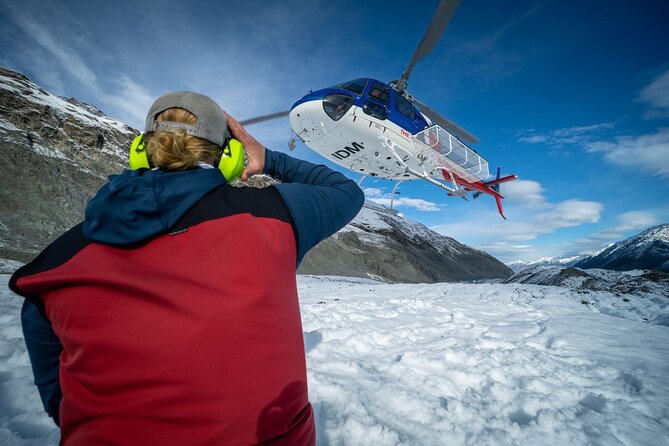
Weather is not a minor footnote here. It controls the helicopter flight, the glacier landing, the route, and the chance to see ice caves.
The best advice is to avoid booking this as your only Mount Cook activity on the last day of a tightly planned trip. Leave room to move it if conditions are poor. Several people have specifically recommended keeping a buffer in your schedule, and morning departures have been suggested as a sensible choice because conditions can change during the day.
If the tour is canceled because of bad weather, you can choose another date or receive a full refund. That protects your money, but it does not protect a fixed itinerary. The practical solution is to stay in the Mount Cook area long enough to have another chance.
Weather can also affect the length and shape of the outing. A delayed start, shorter glacier time, or changed route is possible when conditions shift. One person felt the trip began an hour late and finished early, even though the flight and glacier activities themselves were enjoyable. The operator explained that the three-hour estimate includes check-in, flights, glacier time, and removing the equipment.
That is useful context. Treat three hours as the total activity window, not as three full hours on the ice. The glacier hike is listed at about two hours, with the rest taken by preparation and helicopter travel.
Is $601.48 a fair price?
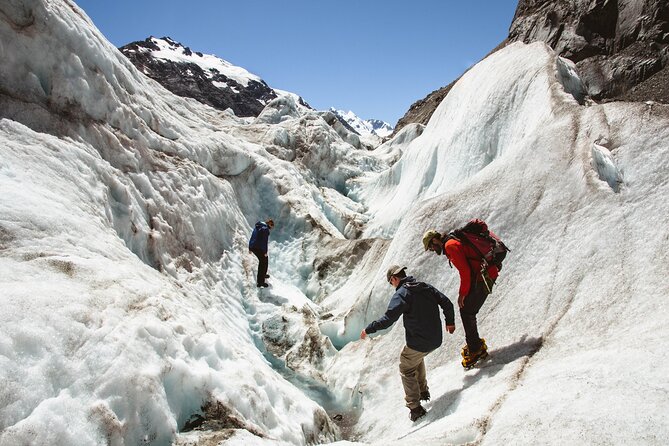
At $601.48 per person, this is one of the more expensive activities you can add to a South Island itinerary. I would not call it a casual excursion or a good choice for anyone watching every dollar.
The value comes from combining several costly elements: return helicopter flights, a glacier landing, a two-hour guided walk, a pilot’s commentary, technical equipment, and warm clothing. You are not paying just for a view from the air. You are paying for access to a place that is difficult to reach on foot, plus the equipment and staff needed to move around on the ice.
I think the price makes more sense if the glacier walk is the main reason you are visiting Aoraki/Mount Cook. If you mainly want a scenic flight, a flight-only option may fit better, though no alternative price is provided here. If you want to stand on the Tasman Glacier, use crampons, and look into ice formations with a guide, this package covers the important pieces.
The 90 percent recommendation rate and 4.6 rating from 29 reviews suggest strong satisfaction, but the smaller number of ratings means you should still read the conditions carefully. The less positive experience focused on timing and a shortened outing, not on the scenery or the basic idea of the tour.
Who will enjoy this glacier hike most?
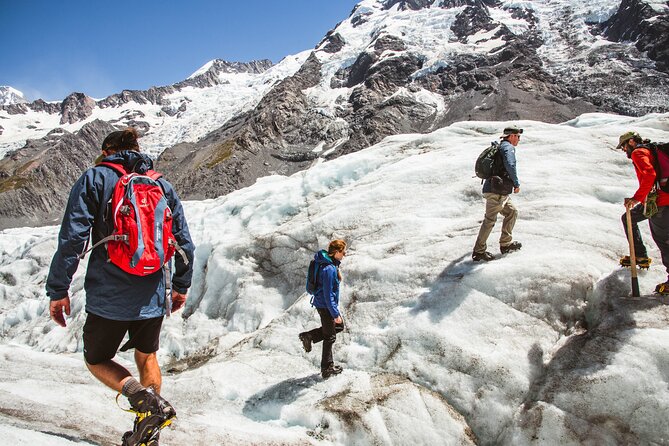
This tour suits you if you want an active mountain experience rather than a passive viewpoint. You should be comfortable with cold, uneven ground and a moderate two-hour walk. You do not need to bring glacier equipment, but you do need to pay attention, follow instructions, and keep moving at a reasonable pace.
It can also work well for a mixed-age family group, provided everyone meets the fitness requirements. One particularly memorable outing included parents aged 68 and 74. That does not mean the walk is easy for everyone, but it shows that age alone is not the deciding factor.
I would be cautious about booking it for someone who dislikes helicopters, struggles with uneven surfaces, or needs a guaranteed timetable. The group can include up to 20 people, so the guide’s attention is shared. The experience is active and weather-led, not a private, perfectly controlled sightseeing appointment.
You should also think about your photo habits. There will be plenty to photograph, and guides may help with pictures, but the surface requires concentration. Keep your footing first and your camera second.
What makes this more than a scenic flight
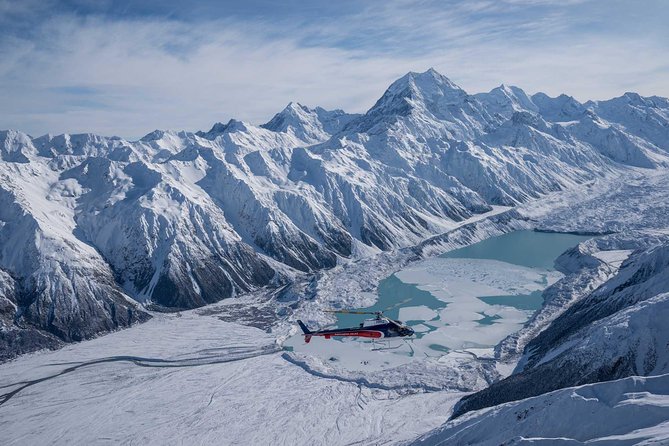
The helicopter gives you the broad view. The glacier walk gives you the close view.
From above, you can see the glacier’s size, its lake, and its route through the mountains. On the ground, you can notice the texture of the ice, the uneven surface, and the formations made by water and movement. Those are different ways of seeing the same place, and the contrast is what makes the outing worthwhile.
The experience also gives you a direct look at a changing environment. One person noted the sadness of seeing the glacier retreat because of global warming. The operator’s response pointed out that seeing the glacier in its present form is valuable. I agree with that practical view: the ice is beautiful, but it is not frozen in time.
Your guide may explain the shapes and caves, but the trip is also a chance to observe change without needing a lecture. The glacier feels alive in the geological sense. It shifts, cracks, melts, and reforms.
Booking, cancellation, and basic planning
Free cancellation is available up to 24 hours before the start time for a full refund. Changes or cancellations within 24 hours are not refunded, so do not wait until the last moment unless the operator has canceled the trip.
If the minimum number of participants is not reached, the operator can offer another date or experience, or provide a full refund. The maximum group size is 20.
Confirmation is provided at booking, and the activity returns to Mount Cook Airport. Bring snacks and drinks, warm layers, sturdy footwear, and waterproof gloves if the forecast looks damp. Since the start and finish are at the same meeting point, plan your day around the airport rather than assuming the tour provides transport from another location.
Should you book the Tasman Glacier Heli-Hike?
Book it if you want the full Aoraki/Mount Cook experience: a helicopter flight, a snow landing, and real time walking on the Tasman Glacier. The supplied equipment removes much of the hassle, and guides such as Connor, Emma, Scott, and Matt have helped make the difficult parts approachable and interesting.
Think twice if your schedule has no spare day, your budget is tight, or you need a guaranteed ice-cave visit. The weather can cancel the flight, shorten the outing, or change the route.
For the right person, this is a memorable use of a half-day. Keep your plans flexible, choose a morning slot if possible, pack warm layers and snacks, and treat the ice cave as a bonus rather than a promise. That is the best way to enjoy what this tour actually offers.
FAQ
How long does the Tasman Glacier Heli-Hike take?
The activity takes about three hours in total. This includes check-in, the helicopter flights, glacier time, changing into and out of equipment, and the return to Mount Cook Airport.
How long is the helicopter flight?
The total flight time is about 30 minutes. The route includes aerial views of Tasman Glacier Lake and the Tasman Glacier, with a chance to see the Hochstetter Icefall on the return flight.
How long do you walk on the glacier?
The guided hike on the Tasman Glacier lasts about two hours. The exact route and activities depend on weather and glacier conditions.
Is an ice-cave visit guaranteed?
No. A guided walk among ice caves is usually part of the tour, but all activities depend on the weather. The available formations and route can change.
What equipment is provided?
The tour includes walking poles, crampons, quality walking boots, wool socks, and waterproof jackets and trousers when required. You should still bring warm layers and sturdy footwear.
What fitness level is needed?
A moderate level of fitness is required. The glacier surface is uneven, so you need to walk carefully for about two hours and follow the guide’s instructions.
What is the minimum age?
The minimum age is 10 years.
What happens if bad weather cancels the tour?
You can be offered a different date or receive a full refund if poor weather causes the cancellation. Free cancellation by you is available up to 24 hours before the start time.
More Three-Hour Experiences in New Zealand
- Fox Glacier: Up to 3 Hours Hike with Helicopter Transfer
★ 4.9 · 309 reviews - Mauritius: Tamarind Falls Highlights 3-Hour Hiking Trip
★ 4.9 · 588 reviews - Skaftafell Glacier Hike 3-Hour Small Group Tour
★ 4.5 · 580 reviews - Solheimajokull Glacier 3-Hour Small-Group Hike
★ 5.0 · 501 reviews
Just added around New Zealand
- The Adventurer: Tasman Glacier Heli-hike★ 5.0 · 92 reviews
- Rotorua: Kaituna Rafting & Mt. Tarawera Guided Hike Combo★ 4.5 · 11 reviews
- Rotorua: Scenic Horse Trek★ 4.8 · 23 reviews
- Milford Track: Full Day Guided Hike and Nature Cruise★ 4.7 · 70 reviews
- From Te Anau: Full Day Kepler Track Guided Heli-Hike★ 5.0 · 8 reviews
- Rangitoto Island: Sea Kayak & Summit Hike Day Trip★ 4.8 · 31 reviews
- From Queenstown: Mount Cook Heli-Hike and Bus Tour Combo★ 4.8 · 42 reviews
- From Queenstown: Franz Josef Glacier Hike & Scenic Flight★ 5.0 · 25 reviews
Glacier Hikes, side by side.
Glacier Hike, Waterfalls and Black Sand Beach
Read our review →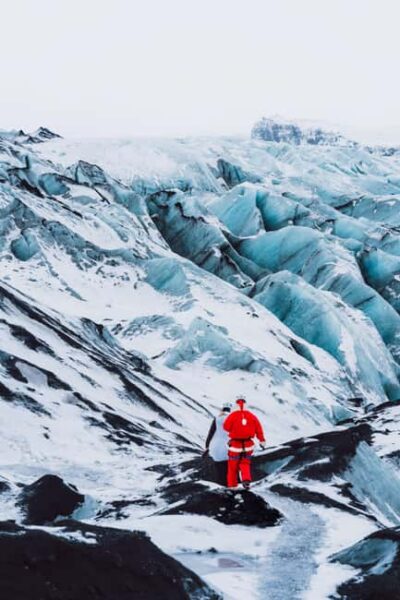
Sólheimajökull: Blue Ice Glacier Hike near Vík (Easy)
Read our review →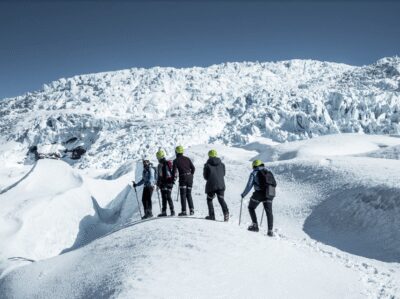
Skaftafell National Park: Falljokull Glacier Advanced Hike
Read our review →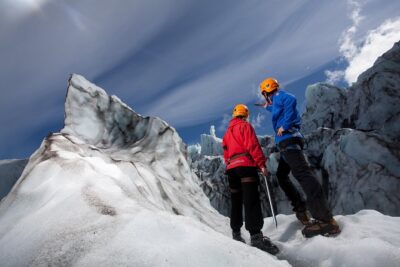
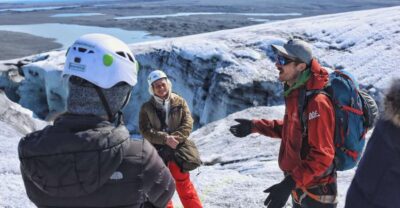
Jökulsárlón: Vatnajökull Glacier Guided Hiking Tour
Read our review →