
REVIEW · NEW ZEALAND
Rotorua Hiking: Mt Tarawera Guided Volcanic Crater Experience
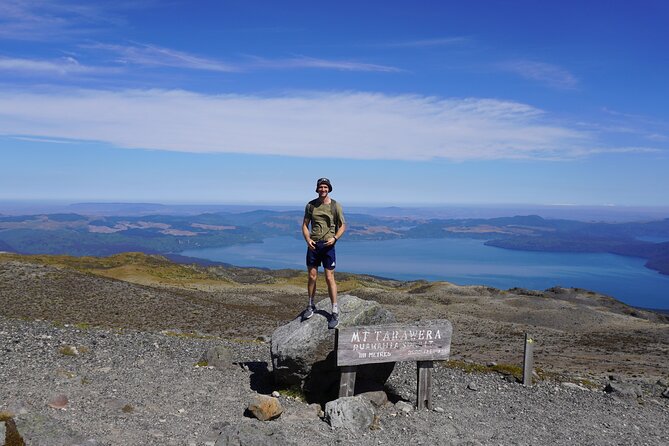
Mt Tarawera is not a tame hill with a tidy path to a lookout. It is a raw volcanic mountain, reached by a bumpy 4WD ride and crossed on steep, loose ground. From the rim, you get wide views over Waimangu Valley and a striking look into the crater itself. The optional scree run down into the crater is the playful part of the day, but the uneven descent requires care.
I like the way this trip combines geology with Māori stories and local knowledge, rather than treating the volcano as scenery alone. I also like the practical hotel pickup, the choice of morning or afternoon departure, and the small-group feel often created by a maximum of 20 people. The catch is simple: this is not an easy stroll, and people uneasy with heights or loose slopes should think carefully before booking.
Key points to know before you book
- The 1886 eruption shaped the whole experience: Mt Tarawera destroyed the Pink and White Terraces and helped create the Waimangu geothermal valley.
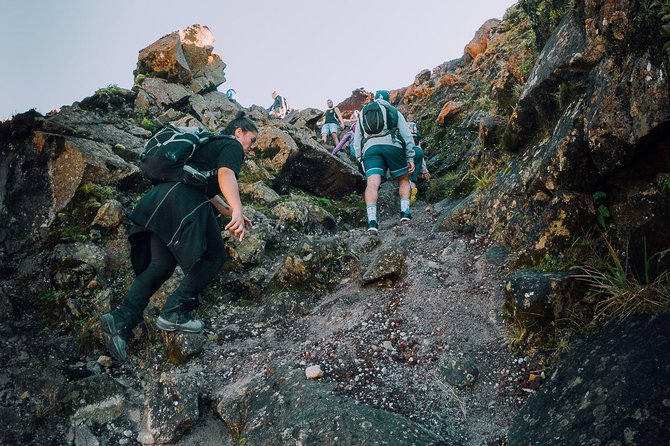
- The final hike is physically moderate to demanding: Expect uphill sections, uneven ground, wind, and loose scoria underfoot.
- The optional scree run is a highlight: You can slide or run down loose volcanic stones toward the crater floor, provided conditions and confidence allow.
- Guides add real value: Names praised in the trip feedback include Jesse, Hauri, Jack, Dan, Daniel, Chucky, Deborah, Frank, AJ, and Jacky.
- Wear proper footwear and high socks: Trainers may be enough for some people, but hiking shoes or boots give you better control and protect against sharp scoria.
- Weather controls the day: Poor conditions can cancel the trip, with a new date or full refund offered.
Why Mt Tarawera feels different from a standard Rotorua walk
Rotorua offers plenty of geothermal sights, but Mt Tarawera gives you a more physical connection to the forces below the ground. You are not simply looking at steaming pools from a boardwalk. You are walking on volcanic material, climbing toward a crater, and seeing how one eruption changed the region.
The mountain became famous after the eruption of June 10, 1886. That event destroyed the celebrated Pink and White Terraces and formed the world’s youngest geothermal valley at Waimangu. The mountain’s story is geological, cultural, and deeply tied to the people who know the area as a maunga, or mountain.
That combination is the main reason I would choose this trip over a basic viewpoint. A guide can explain the rock types, the eruption, and the meaning of the place while you are standing among the terrain that made those stories possible. Guides such as Dan, Daniel, Chucky, Deborah, Jesse, and Hauri have been praised for mixing useful information with patience and humor.
The setting also changes as you go. You begin near bush and access roads, move into open volcanic ground, and finish with views that stretch across the crater and toward Waimangu Valley. It feels more remote than its half-day length suggests.
More Mountain and Summit Hikes in New Zealand
- Mount Cook: 3-Hour Tasman Glacier Helicopter Ride and Hike
★ 4.9 · 235 reviews - Mount Cook: 3 Hour Heli Hike to the Tasman Glacier
★ 4.7 · 218 reviews - Queenstown: Walter Peak Horse Trek & Queenstown Lake Cruise
★ 4.7 · 151 reviews
From Rotorua pickup to the volcanic back roads
The experience lasts about four and a half hours and includes free pickup and drop-off from your Rotorua hotel or motel. Confirming the exact pickup time and location is sensible, especially if the pickup is arranged at a nearby meeting point rather than directly outside your accommodation.
The drive out is part of the character of the trip. You leave the city and head toward the central North Island wilderness, eventually using rough access roads toward Mt Tarawera. The ride has been described as bumpy, so do not picture a smooth sightseeing coach. The current vehicle setup is intended for 4WD access, but you should still expect jolts and dirt-road travel.
There is a toilet stop before the hike begins, with a portable toilet at the staging area. This is a small detail, but it matters because facilities become limited once you leave the access point.
The transport does save you the trouble of finding a remote trailhead and driving unfamiliar roads. It also lets you focus on the mountain rather than navigation. The trade-off is comfort. If you are prone to motion sickness or dislike rough roads, prepare yourself for that part of the outing.
Kaitiaki Adventures and the start of the route
Kaitiaki Adventures is the departure point and operating company for the trip. The company supplies a professional Kiwi guide, transport, and the guided crater experience.
The opening section is not just a formal check-in. Your guide sets the pace, explains the route, and helps the group understand what lies ahead. This matters because the terrain does not behave like a standard marked walking track. A guide reduces the chance of getting lost and can choose safer lines around loose or exposed sections.
The group limit is 20 people. That is not a private tour, but it keeps the outing more manageable than a large coach excursion. Some departures may be much smaller, which allows more direct help on steeper parts and more time for questions. Group size can affect the feel of the day, so do not assume every departure will be identical.
Guides are one of the most praised parts of the experience. Jack has been singled out for making a difficult hike feel manageable, while Daniel has been described as warm and grounded. Jesse, Hauri, Frank, Dan, Chucky, Deborah, AJ, Napier, Jacky, and Jonathan have also received personal praise in trip feedback. Guide assignments change, but the repeated theme is clear: expect the people leading the walk to play a major role in your enjoyment.
Waimangu Valley and the story beneath your feet
The route includes the Waimangu Volcanic Valley area, which gives useful context before or around the mountain walk. Waimangu was created by the 1886 eruption, and its existence helps you grasp the scale of the event.
This is where the trip becomes more than a workout. You are seeing the connection between Mt Tarawera and the wider geothermal region. The valley is not a random scenic stop. It is part of the same volcanic story that destroyed the Pink and White Terraces and reshaped the surrounding area.
The experience does not include a separate lunch, so do not expect a meal stop. You may want to eat before pickup or bring suitable food if your schedule requires it. The half-day timing makes it easy to pair with another Rotorua activity, but you should leave enough room around the tour in case transport or weather affects the schedule.
More Volcano Hikes in New Zealand:
- Bali: Sunrise Mount Batur Guided Hike with Breakfast
★ 4.8 · 9,660 reviews - Bali: Mount Batur Sunrise Guided Hike and Natural Hot Spring
★ 4.8 · 9,284 reviews - Mount Etna: Summit Guided Hiking Tour up to 3,400 m
★ 4.8 · 4,792 reviews - Mount Etna: Trek to 3000m with cable car and 4×4
★ 4.6 · 3,823 reviews
Rerewhakaaitu and the road toward the mountain
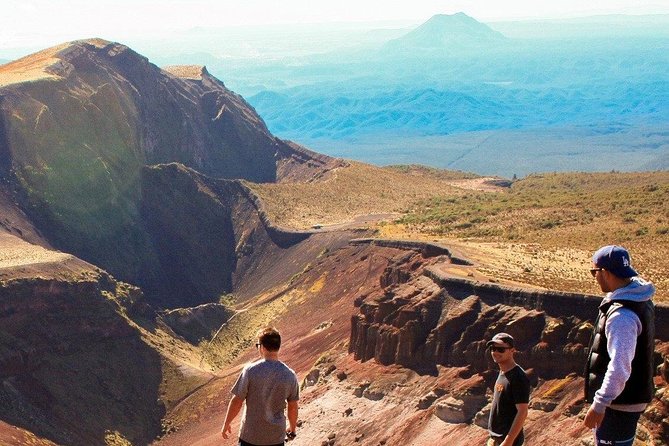
Rerewhakaaitu Bretts Road Camping Area appears as another point on the route. It marks the transition from ordinary Rotorua touring into a more remote setting. The area is useful as part of the access journey and reinforces how far the mountain sits from the city’s main tourist center.
The road is rough and winding in places. That can feel adventurous, but it is not luxury transport. One piece of feedback raised concerns about a vehicle problem and inadequate tires on an earlier departure. The operator responded that the vehicle issue was fixed and that upgraded 4WD vehicles are now used. Even so, the practical lesson remains: expect a rugged ride, not a polished safari vehicle.
You may find the drive itself entertaining if you enjoy off-road access. If you want a gentle ride to a viewpoint, this is the wrong style of excursion.
The climb to the crater rim
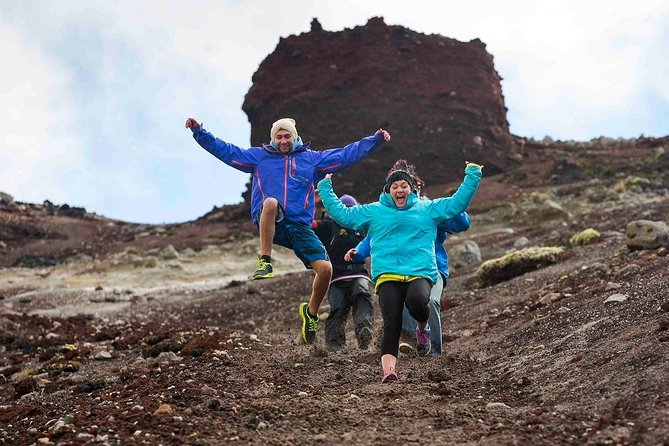
The walking section is best described as moderate for a fit, coordinated person, with some harder moments. The exact effort depends on weather, pace, footing, and your comfort on slopes.
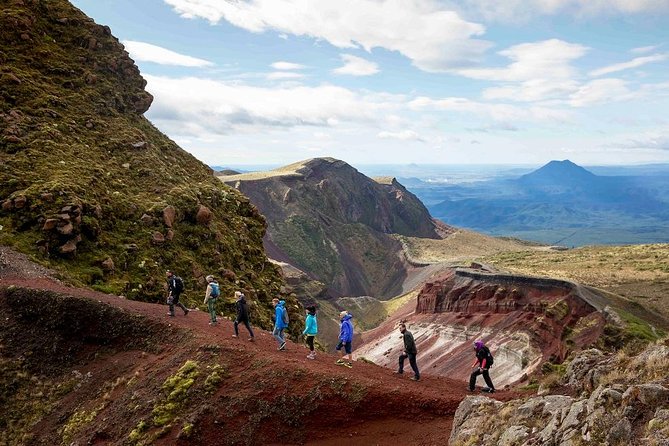
You climb from the base area toward the crater rim on winding trails and volcanic ground. Some portions are uphill and require steady work rather than speed. Guides stop for rests and photos, and the better guides adjust their pace so the group stays together.
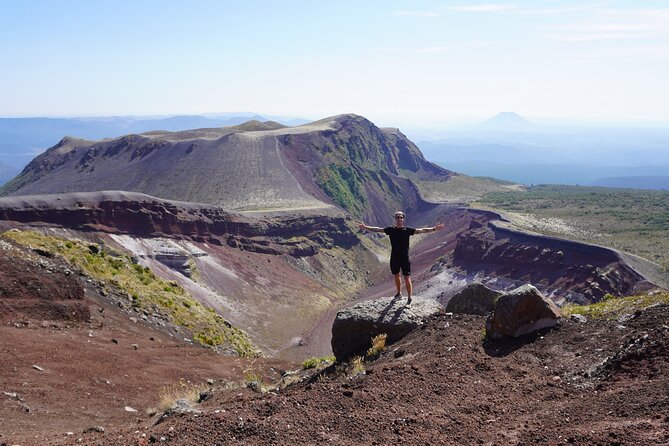
The views improve as you climb. From higher ground, you can look across the volcanic country toward Waimangu Valley and take in the mountain’s broad form. At the top, the 360-degree outlook is the reward, but the edge can feel exposed. If heights bother you, the approach and descent may be more difficult than the uphill section.
Wind and cold are real considerations, especially in early autumn. The summit can feel much colder than Rotorua, even when the city is comfortable. Pack a warm layer and a waterproof outer layer if conditions look uncertain. The tour requires good weather, and poor conditions can lead to a rescheduled date or full refund.
The crater, scoria, and optional scree run
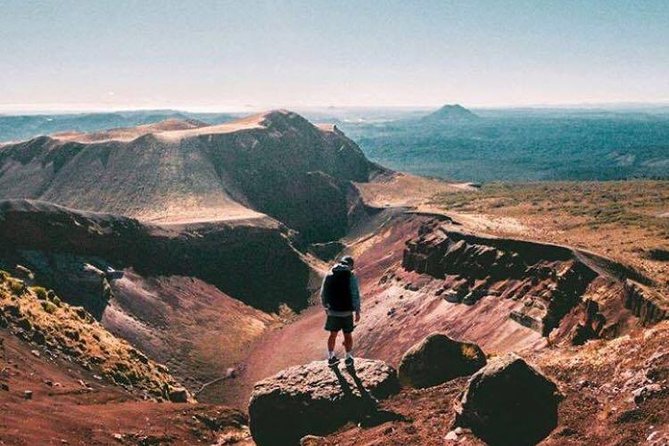
The crater is the most memorable part of the walk. You can move from the rim down toward the lower part of the volcanic bowl, seeing the contrast between rust-red rock, pale gravel, and other volcanic colors. Some people describe the setting as almost otherworldly, but the footing keeps you aware that this is a real mountain, not a scenic garden.
The optional scree run is the signature feature. Instead of carefully walking every step down the loose slope, you can slide or run through the pebbly material into the crater. It is fun, unusual, and one reason this outing feels more adventurous than a standard guided hike.
It is also the section that calls for the most caution. Loose scoria can enter your boots and rub or cut the skin around your ankles. High socks are a smart choice, and hiking shoes with good grip are far better than casual sneakers. One person who wore unsuitable footwear slipped and needed assistance before leaving the hike, so take the footwear warning seriously.
The scree run is optional, not a test of courage. You can choose not to do it if the slope, weather, or your balance makes you uncomfortable. The guide can help you decide what is sensible on the day.
What the guides add beyond directions
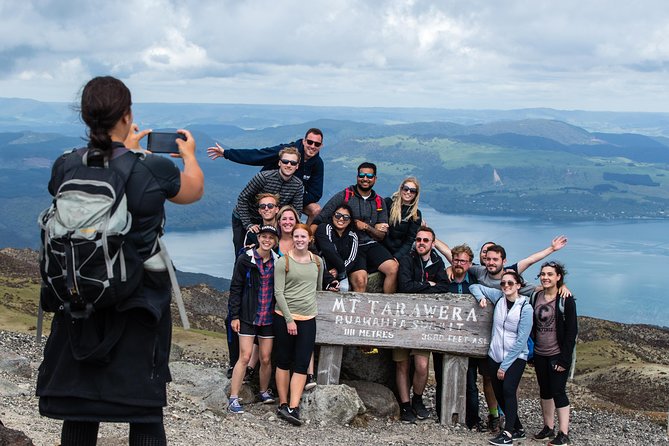
A guide is useful here for more than keeping you on the route. The mountain has a strong Māori connection, and the cultural stories add meaning to the physical setting. Guides such as Chucky and Daniel have been praised for explaining local culture and the relationship between people, mountain, and land.
You should expect information about the eruption, the volcanic materials, and the region’s changing geology. A guide can point out details you would probably pass without noticing, including differences in rock types and how loose material behaves on the slopes.
The human side of the trip matters too. Guides help with pacing, encourage people through difficult sections, and watch for dangerous wind gusts. That support is valuable if your fitness is adequate but your confidence on steep or uneven ground is limited.
The tour is not a private cultural lesson, and the amount of discussion will depend on the guide and group. Still, the combination of outdoor adventure and local knowledge is one of the strongest reasons to pay for this guided experience rather than trying to locate a viewpoint on your own.
Price, timing, and what the $121.01 buys you
At $121.01 per person, the tour is not the cheapest way to see volcanic scenery around Rotorua. The price includes about 4.5 hours, hotel or motel pickup and drop-off, 4WD transport to the mountain, a professional guide, and the guided crater walk.
I think the value is strongest if you do not have your own vehicle or do not want to organize access to a remote mountain. You are also paying for route finding, safety decisions, local stories, and help on rough terrain. Those services matter more here than they would on a simple city walking tour.
The value is weaker if you expect a long full-day hike, a comfortable vehicle, lunch, or a polished visitor center experience. Lunch is not included, and this is a half-day activity. One person who wanted a longer walk would likely have preferred the operator’s full-day option.
You can choose a morning or afternoon departure, which makes the trip easier to fit around Rotorua plans. The weather policy also protects the purchase to some extent. Cancel at least 24 hours before the start for a full refund. If the company cancels because of poor weather, you can choose another date or receive a full refund.
Who should book this mountain experience?
I would recommend Mt Tarawera to you if you have moderate fitness, enjoy unusual terrain, and want more than a quick photo stop. You do not need to be an elite hiker, but you should be comfortable walking uphill, balancing on uneven ground, and handling a loose descent.
It suits people who like:
- Volcanic geology explained on site
- Māori stories connected to the mountain
- Big views rather than built-up attractions
- Small-group outdoor activities
- A little controlled adventure, including the optional scree run
I would hesitate if you are afraid of heights, have poor balance, dislike steep slopes, or want a relaxed walk. The hike is manageable for many fit people, but calling it easy would give you the wrong idea.
Wear sturdy hiking shoes or boots, high socks, warm layers, and weather protection. Bring water, and plan your food because lunch is not supplied. Your footwear and clothing will have more effect on your day than the difference between a morning and afternoon departure.
Should you book the Mt Tarawera crater experience?
Book it if you want to feel the volcanic country around Rotorua under your boots, hear the story of the 1886 eruption, and see the crater from several angles. The excellent views, patient guides, Māori context, and optional scree run give this half-day trip a clear identity.
Skip it if you want a gentle walk or a smooth ride. The bumpy access road, wind, steep sections, loose scoria, and exposure are not minor details.
For the right person, this is one of the more distinctive things to do near Rotorua. Bring proper footwear, accept that the mountain sets the pace, and treat the scree run as an option rather than an obligation.
FAQ
How long does the Mt Tarawera experience last?
The experience lasts approximately 4 hours and 30 minutes, including transport and the guided walk.
Is hotel pickup included?
Yes. Free pickup and drop-off from your Rotorua hotel or motel are included.
How difficult is the hike?
You should have a moderate level of physical fitness. The route includes uphill sections, uneven ground, loose volcanic scoria, and a descent that may feel steep. It is not an easy walk.
Is the scree run into the crater required?
No. The scree run is optional. You can decide whether to take part based on your comfort, balance, and the conditions on the day.
What happened at Mt Tarawera in 1886?
The eruption on June 10, 1886, destroyed the Pink and White Terraces and created the Waimangu geothermal valley.
What happens if bad weather cancels the tour?
You can choose a different date or receive a full refund if the experience is canceled because of poor weather. You can also cancel for a full refund if you cancel at least 24 hours before the start time.
Just added around New Zealand
- Queenstown: Walter Peak Horse Trek & Queenstown Lake Cruise★ 4.7 · 151 reviews
- Bay of Islands Cruise & Island Tour – Snorkel, Hike,Swim,Wildlife★ 5.0 · 177 reviews
- Tongariro Alpine Crossing: Premium Guided Hike★ 4.6 · 189 reviews
- Rubicon Valley Horse Treks – 2 Hour River Trail Horse Trek★ 5.0 · 196 reviews
- Mount Cook: 3 Hour Heli Hike to the Tasman Glacier★ 4.7 · 218 reviews
- Mount Cook: 3-Hour Tasman Glacier Helicopter Ride and Hike★ 4.9 · 235 reviews
- Volcanic Valley Self Guided Walking and Hiking at Waimangu★ 4.5 · 248 reviews
- Cardrona High Country Pub Trail Horse Trek (Intermediate level+)★ 5.0 · 269 reviews
Volcano Hikes, side by side.
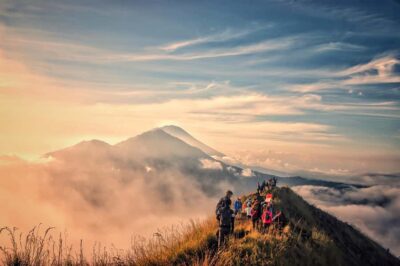
Sunrise Mount Batur Guided Hike with Breakfast
Read our review →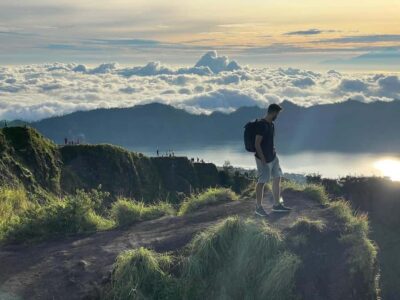
Mount Batur Sunrise Guided Hike and Natural Hot Spring
Read our review →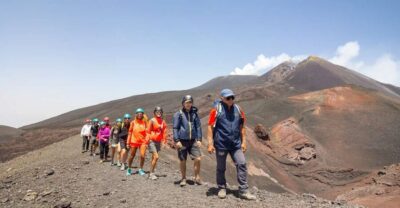
Mount Etna: Summit Guided Hiking Tour up to 3,400 m
Read our review →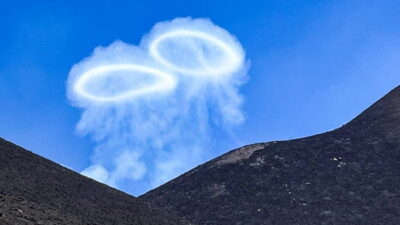
Mount Etna: Trek to 3000m with cable car and 4×4
Read our review →
Mount Batur Sunrise Trek With Guide and Breakfast
Read our review →
Mount Batur Sunrise Hike and Natural Hot Spring Option
Read our review →
Mount Etna: Summit Crater Trek with Cable Car
Read our review →This walk also sits in