
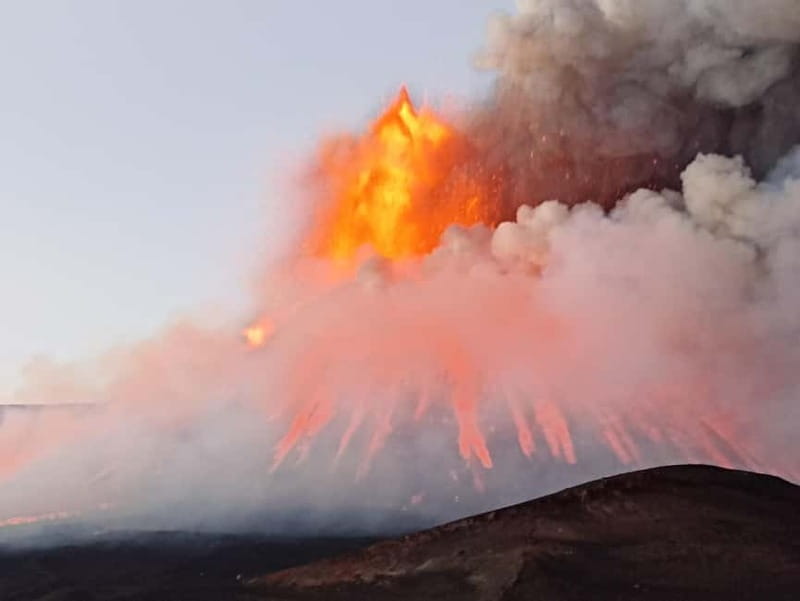
REVIEW · ITALY
Mount Etna: Central Crater (3,340 meters) with Jeep and Trek
Etna’s summit is not a tidy viewpoint with a railing and a café. It is a raw volcanic world of black lava, loose ash, sulfur vapour, gas emissions, and fierce wind. This tour takes you by 4×4 to 2,930 meters, then sends you on foot toward the Central Crater at roughly 3,340 to 3,350 meters, with a volcanological guide explaining what you see.
I like the way the tour supplies useful mountain gear, including trekking shoes, poles, helmets, and wind jackets. I also like the small groups, limited to 10 people, and the guides’ care with different walking speeds. The main catch is that the 4×4 ride is not included in the advertised price, and the summit route can change or close when volcanic activity or weather makes it unsafe.
Key points to know before booking
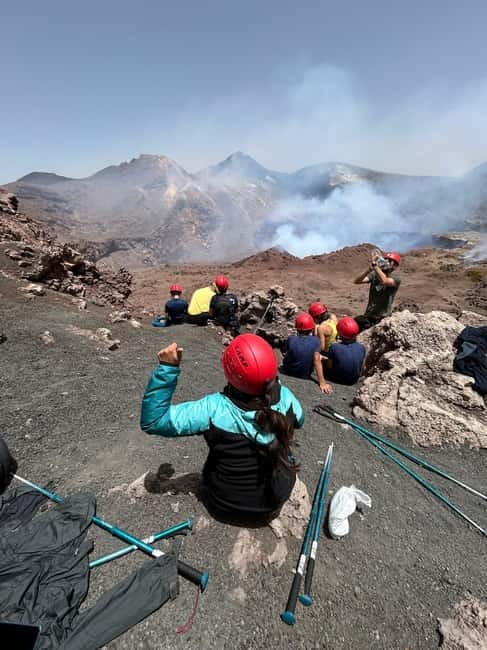
- The final 100 meters are the hardest: The 100-minute climb from the 4×4 drop-off is manageable for fit walkers, but the last 10 to 15 minutes can feel steep and tiring.
- Four crater areas are part of the goal: You may see the South-East Crater, Bocca Nuova, North-East Crater, and Central Crater, though access depends on current conditions.
- Cold is a serious factor: Even in warmer months, summit wind, ice, and sulfur vapour can make the top feel below freezing.
- Good equipment is supplied: Boots, helmets, trekking poles, and wind jackets are included, but bring warm gloves, a hat, sunglasses, and sun protection.
- Guides handle changing conditions: Pietro, Ricardo, Alfio, Mario, Giuseppe, Itala, and Daniele have been praised for clear explanations, group care, and sensible decisions.
- The $59 price is not the full cost: Add the on-site 4×4 ticket and bring your own food and drinks.
From Piano Provenzana to Etna’s upper slopes
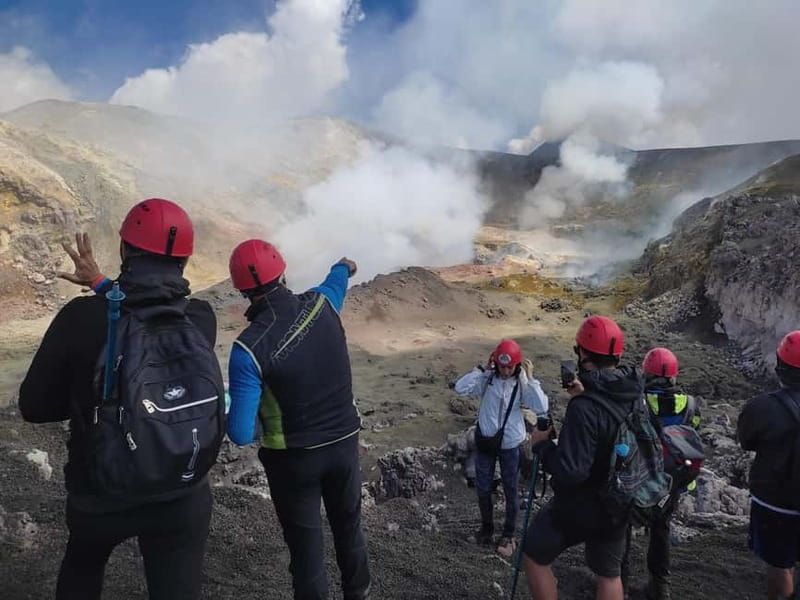
You meet at Piano Provenzana on Etna’s north side. This is the practical starting point, not a hotel pickup location. A transfer from your hotel may be available on request, but you should arrange that separately.
At the office, you collect the equipment included with the tour. That means trekking shoes, a helmet, trekking poles, and a wind jacket. The gear matters here. Etna’s upper slopes are made of loose volcanic material, and ordinary trainers are a poor choice for the walk.
The tour lasts about 5.5 hours, with roughly 40 minutes in the 4×4, 100 minutes walking uphill, time at the upper craters, another 100 minutes walking down, and a final 40-minute vehicle ride. That is a full half-day, not a quick photo stop.
The small group limit of 10 helps. A guide can see who is struggling, explain the terrain without shouting, and stop the group when needed. This is especially useful on a mountain where the air gets thinner, the ground shifts under your feet, and weather can change the feel of the route quickly.
More Mountain and Summit Hikes in Italy
- Mount Etna: Summit Guided Hiking Tour up to 3,400 m
★ 4.8 · 4,792 reviews - Mount Etna: Trek to 3000m with cable car and 4×4
★ 4.6 · 3,823 reviews - Mount Etna: Summit Crater Trek with Cable Car
★ 4.8 · 1,875 reviews
The 40-minute 4×4 ride to 2,930 meters
The first major leg is a 4×4 ascent to 2,930 meters. It saves you a large amount of walking and lets you reserve your energy for the upper section, where the views and volcanic features become more dramatic.
The 4×4 ride is also the biggest pricing detail to understand. The tour price is listed at $59 per person, but the round-trip 4×4 ticket is paid separately on site. Since that ride is essential to the advertised route, compare the final amount rather than treating $59 as the complete cost.
The vehicle takes you across Etna’s high volcanic terrain. You may see old lava flows, scattered volcanic bombs, and waste from past eruptions. The route is not a smooth mountain road experience, and conditions can affect how the day runs.
One practical warning: transport and upper access can be altered by wind or volcanic activity. A report from one outing describes a cable car problem and a guide-led adjustment to the route. That detail does not match the standard north-side 4×4 plan exactly, but it shows the larger point: Etna is an active volcano, not a fixed museum visit. The guide’s decision may sometimes mean stopping below the true summit.
The 100-minute climb across lava and ash
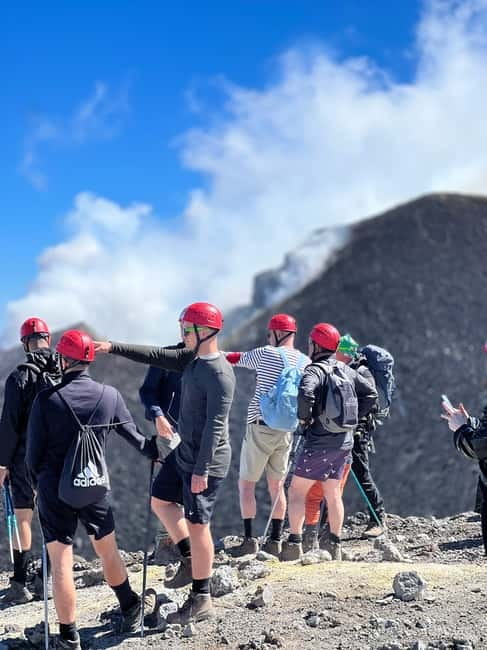
The walk begins at about 2,930 meters. From there, you follow the guide across old lava flows and volcanic debris toward the upper crater area.
This is the part that rewards sturdy footwear and trekking poles. The ground can be uneven, and loose ash makes every step less efficient. Poles help with balance on both the uphill and downhill sections. The supplied boots are worth using, as one particularly practical tip from the experience makes clear: do not try to replace them with casual shoes.
The advertised uphill walk takes around 100 minutes. That is an estimate, not a race. The guides adjust the pace to the group, and this is one of the tour’s strongest features. It is better to reach the top steadily than to hurry, become exhausted, and spoil the time around the craters.
You should have a reasonable fitness level. The tour is not suitable for children under 8, people with mobility problems, wheelchair users, people with heart or respiratory conditions, people over 75, or people with a low level of fitness. Those restrictions are not mere paperwork. The altitude, cold, loose ground, and long walking sections make this a serious mountain outing.
The final 10 to 15 minutes may be the toughest stretch. It is short, but the slope and altitude can make it feel much longer. If you are fit and used to mountain walking, it should be a challenge rather than an ordeal. If you rarely hike, you should think carefully before choosing the summit version.
What you see near the Central Crater
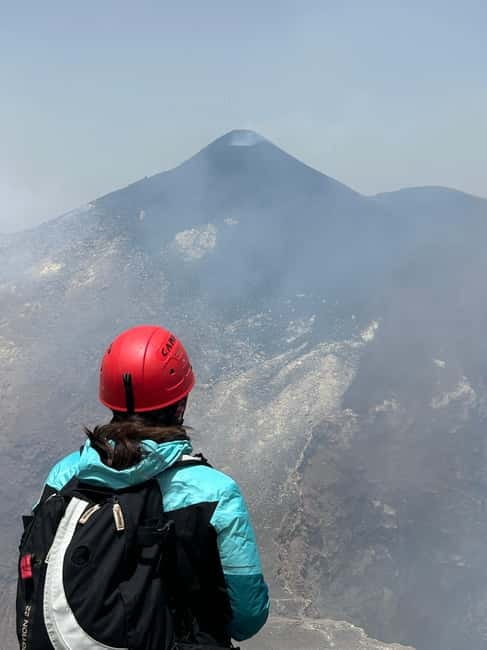
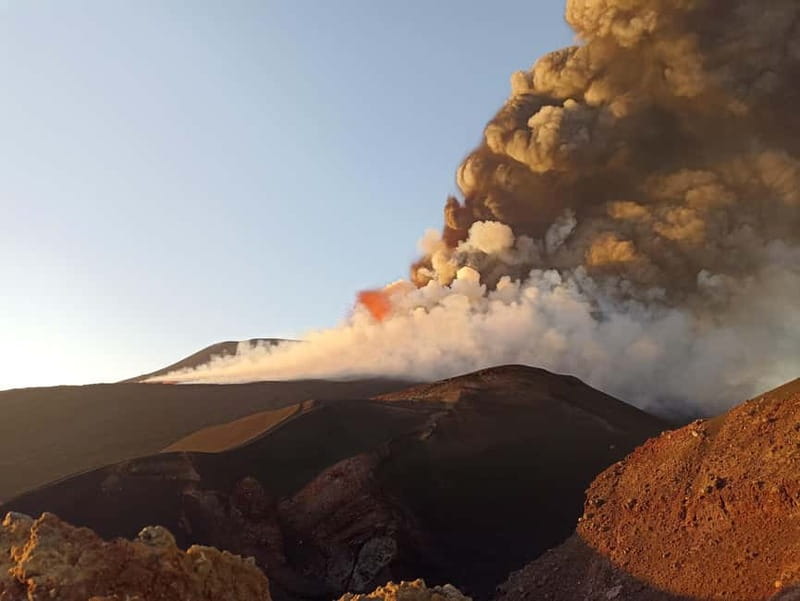
The reward is not usually red lava flowing past your boots. This is important. You should not book the tour expecting a guaranteed fire show.
The upper area gives you a close look at gas emissions, fumaroles, volcanic bombs, ash, and hardened lava. Sulfur vapour can be visible, and the air may carry a strong volcanic smell. The experience is more about standing beside an active geological system than watching a dramatic eruption.
The tour aims for Etna’s Central Crater at roughly 3,340 to 3,350 meters. The supplied information also describes views toward the four active crater areas:
- South-East Crater
- Bocca Nuova
- North-East Crater
- Central Crater
Access and visibility can change. One outing had the Central Crater closed, while another reached an additional north crater when conditions allowed. A separate outing could not go all the way to the summit because of recent volcanic activity. These changes are not a flaw in the guiding. They are part of visiting an active volcano, and safety rules take priority over the exact route promised on paper.
A good guide makes the change worthwhile by explaining what you can safely see instead. Daniele was praised for explaining Etna’s volcanic activity, while Giuseppe was singled out for his command of volcano facts. Guides named Pietro, Ricardo, Alfio, Mario, and Itala were also praised for clear instruction and close attention to the group.
More Volcano Hikes in Italy
- Etna: summit craters trekking with volcano guide 3350mt
★ 4.7 · 1,712 reviews - Catania: Mount Etna Trekking Tour Beyond the Tourist Trails
★ 4.9 · 1,596 reviews - Mount Etna: Guided Trek 3,000 Meters to the Summit
★ 4.8 · 1,407 reviews - Etna Sunset Tour: Volcano trek, Cave & tasting from Catania
★ 4.8 · 1,290 reviews
The summit view, wind, and sulfur vapour
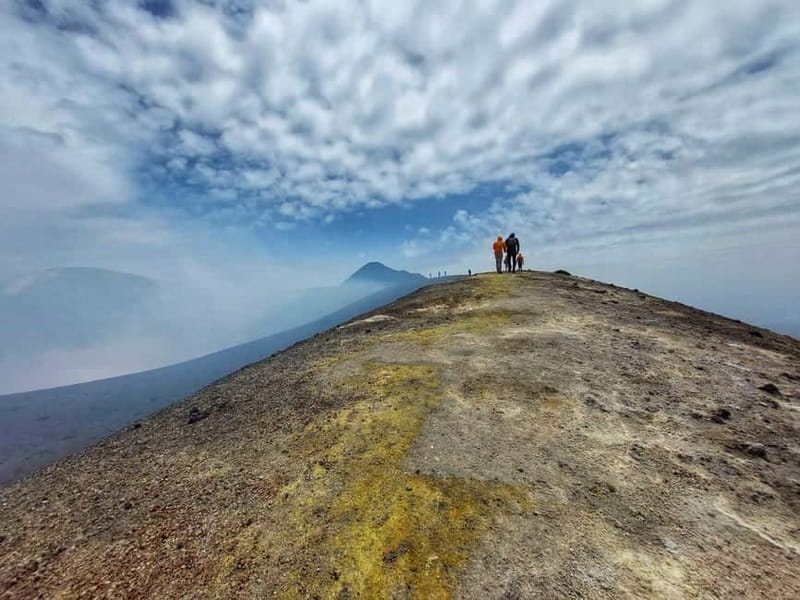
At the high point, you stop for photographs, a guided visit, and a break. On a clear day, the view can stretch across Sicily toward the coast and, possibly, as far as the Aeolian Islands.
The word clear matters. Cloud, wind, mist, and volcanic vapour can limit the view. Etna’s summit is exposed, and conditions can be very different from those at sea level. In October, one group found temperatures below zero with rough wind. Even in August, you should not assume the summit will feel warm.
Bring a warm hat and gloves. The supplied wind jacket helps, but it is not a substitute for personal cold-weather layers. Long trousers are required as part of the recommended clothing, and you should also pack sunglasses and SPF. Strong light reflects off pale volcanic ash and can make exposed skin burn.
The fumaroles add another practical concern. Gas emissions and sulfur vapour are part of the attraction, but they can also make the air unpleasant. Stay with the guide and follow instructions about where to stand.
The descent is easier, but not effortless
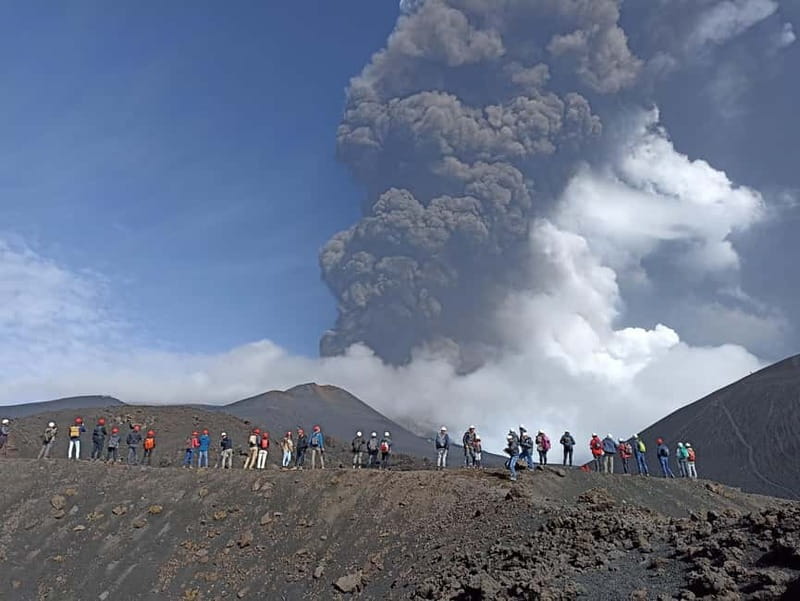
After time near the crater, you begin the roughly 100-minute walk down to the 4×4 pickup point. Many people find the descent less tiring than the climb, but loose volcanic ground can make it awkward.
This is where trekking poles earn their place. They help control your steps and reduce strain on knees. Keep your pace measured instead of rushing downhill. You still have a long way to go, and the vehicle ride comes only after you return to the pickup point.
The group format helps here, too. A guide can keep the faster walkers from racing too far ahead and help slower walkers maintain a safe pace. On one outing, a person affected by mountain sickness was sent down quickly while the rest of the group continued with the guides. That is a useful sign of sensible group management, though it also underlines the physical reality of the trip.
Once back in the 4×4, you return to Piano Provenzana, hand back the equipment, and finish at the office. The listed timing allows for about 40 minutes in the vehicle on the return journey.
What the $59 price really buys you
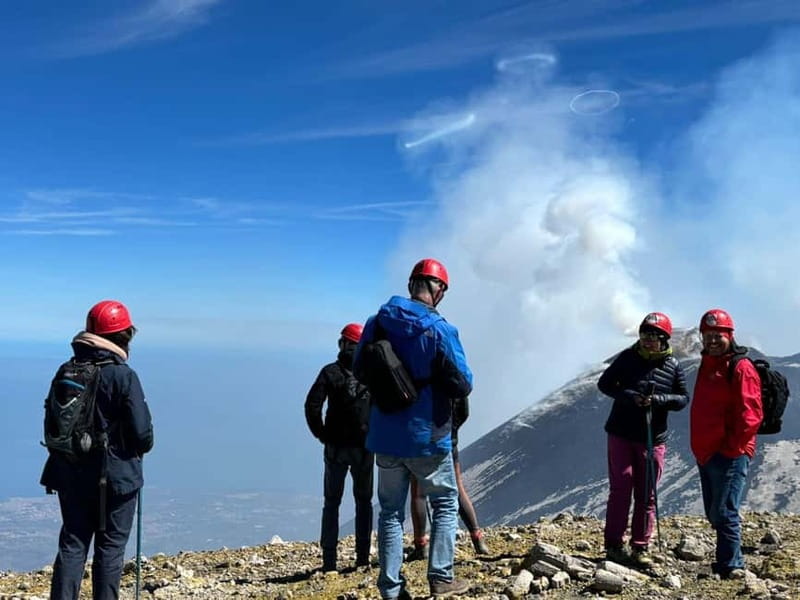
At $59 per person, the tour looks inexpensive for a guided high-altitude outing. The price includes the volcanological and alpine guide, equipment rental, and the organized walking section. The small group limit adds value because you receive more direct attention than on a large coach excursion.
But the price does not include the round-trip 4×4 ticket, which you pay on site. It also does not include lunch, drinks, or hotel transportation. Bring food and water, and ask for the current total cost of the vehicle portion before committing.
I see the strongest value in the guiding and equipment. Renting suitable boots and a jacket separately would add cost and create another task. You also get a guide who can explain the crater areas and make sensible decisions when the summit route changes.
The value is weaker if you want a guaranteed Central Crater visit, a short walk, or a low-cost trip with no extras. You are paying for access to a demanding and changeable mountain experience, not a fixed attraction.
Who should choose this Etna tour?
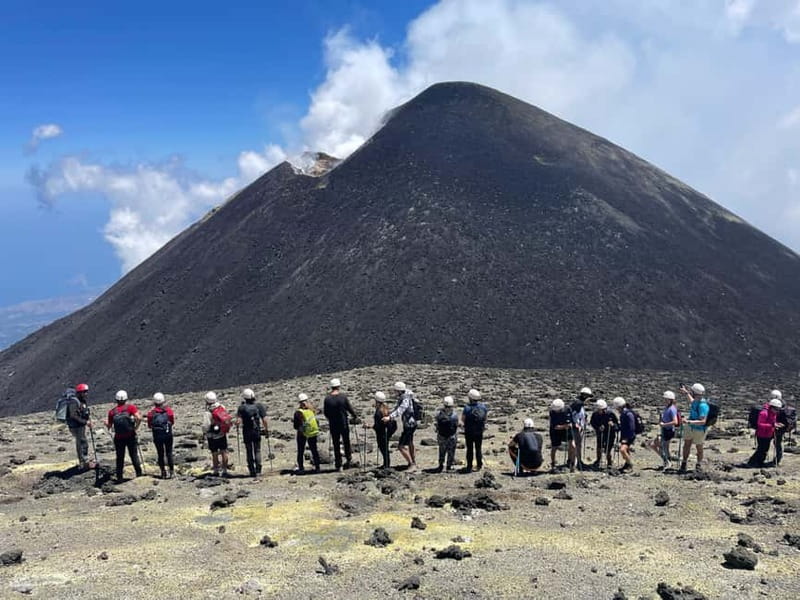
This is a good fit for you if you want to walk on an active volcano, learn about volcanic activity, and accept that the route may change. It suits reasonably fit adults who are comfortable spending several hours outside in cold, exposed conditions.
It is also a good choice if you want support without joining a large group. French, English, and Italian are available, and groups are limited to 10 people.
I would hesitate to recommend it if you dislike uneven ground, struggle with long uphill walks, or have heart or respiratory problems. The tour is also not suitable for children under 8, wheelchair users, people with mobility impairments, people over 75, or anyone with a low level of fitness.
Do not choose it solely for the possibility of seeing flowing lava. The reliable experience is the volcanic setting, fumaroles, gas, old lava, crater views, and the feeling of reaching a very high point on Etna.
Practical packing advice for Etna’s summit
Bring the basics listed for the tour, then add a few items that make a real difference:
- Warm hat and gloves
- Sunglasses
- Sun protection
- Long trousers
- Food and drinks
- Comfortable layers under the supplied jacket
Wear the provided trekking shoes if they fit properly. The volcanic ground is not the place for thin soles. The trekking poles are also useful, especially on the descent.
Pack food rather than expecting to buy lunch at the top. A break is built into the day, but a packed lunch is not included. Keep your bag light enough to carry comfortably for the uphill and downhill sections.
Booking flexibility and changing conditions
You can cancel up to 24 hours in advance for a full refund, and the activity offers reserve-now, pay-later booking. Those terms are useful when weather or personal plans are uncertain.
The more important flexibility concerns the volcano itself. The Central Crater may be closed, the summit route may be shortened, and access to an additional crater may depend on current volcanic activity. You should see this as a safety feature, not a promise that every planned point will always be open.
The guides appear to be the key to handling those changes well. Strong organization, clear English, and quick responses to tired or unwell walkers have been repeatedly praised. That matters more on Etna than a rigid promise to reach one exact spot.
Should you book the Central Crater trek?
Book it if you want a serious half-day mountain experience with a small group, supplied equipment, and guides who can explain what is happening under your feet. The volcanic ground, fumaroles, crater views, and high-altitude exposure make this far more memorable than a simple roadside viewpoint.
Think twice if you want warmth, guaranteed summit access, flowing lava, or a bargain with no added transport cost. The $59 starting price is attractive, but you must add the 4×4 ticket and bring lunch.
For a fit visitor who understands that Etna sets the rules, this is a strong choice. Pack gloves, protect yourself from the sun, use the boots and poles, and accept that the best day may be the one where the guide wisely changes the plan.
FAQ
Where does the Etna tour start?
The meeting point is Piano Provenzana on Etna’s north side. Hotel pickup is not included, though it may be available on request.
How long does the experience last?
The total duration is about 5.5 hours. The stated timing includes two 40-minute 4×4 rides and walking sections of about 100 minutes each, plus time at the crater area.
Is the 4×4 ride included in the $59 price?
No. The round-trip 4×4 ticket must be paid separately on site.
What equipment is provided?
The tour includes trekking shoes, helmets, trekking poles, and wind jackets. It also includes trekking with an alpine and volcanological guide.
Can I always reach the Central Crater?
No. Access can change because of volcanic activity or conditions. On some outings, the Central Crater or the full summit route has been closed or shortened.
What languages are available, and how large is the group?
Guiding is available in English, French, and Italian. The group is limited to 10 participants.
Just added around Italy
- Private Guided Hike to Tre Cime di Lavaredo★ 5.0 · 16 reviews
- Hike the Dolomites One Day Private Excursion from Cortina★ 5.0 · 18 reviews
- BarCa Winery Cinqueterre Trekking & Wine Tasting & Pesto Class★ 5.0 · 48 reviews
- From Catania: Private mt. Etna trekking and pic-nic★ 5.0 · 37 reviews
- Mount Etna Advanced Trekking: Private Full-Day Tour from Catania★ 5.0 · 21 reviews
- Nature Reserve ,Trekking Eco Tour in Iblei National Park★ 5.0 · 27 reviews
- Etna trekking and wine tasting★ 5.0 · 28 reviews
- Ferriere waterfalls hike – Amalfi and Ravello Coast★ 5.0 · 14 reviews
Volcano Hikes, side by side.
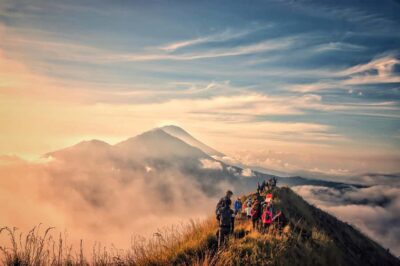
Sunrise Mount Batur Guided Hike with Breakfast
Read our review →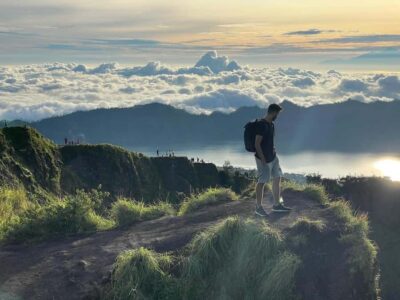
Mount Batur Sunrise Guided Hike and Natural Hot Spring
Read our review →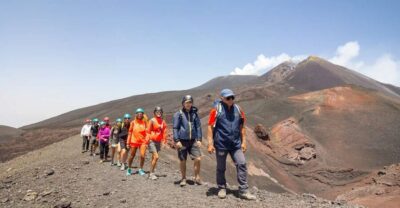
Mount Etna: Summit Guided Hiking Tour up to 3,400 m
Read our review →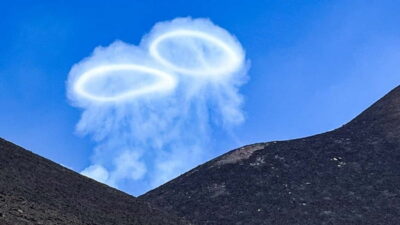
Mount Etna: Trek to 3000m with cable car and 4×4
Read our review →
Mount Batur Sunrise Trek With Guide and Breakfast
Read our review →
Mount Batur Sunrise Hike and Natural Hot Spring Option
Read our review →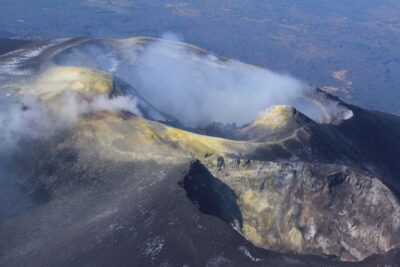
Mount Etna: Summit Crater Trek with Cable Car
Read our review →This walk also sits in