
REVIEW · BRAZIL
Rio de Janeiro: Sugarloaf Mountain Hike and Climb
Sugarloaf Mountain is best known for its cable car, but this tour lets you earn the summit on foot. You follow the route used by the first person to walk up Pão de Açúcar in 1817, then tackle steep rock, a 20-meter vertical wall, and a final climb to one of Rio’s finest viewpoints. The views change as you climb, from Guanabara Bay and Niterói to Copacabana and Pedra da Gávea.
I like two things right away: the hike combines sightseeing with a real physical challenge, and the cable-car ride down saves your knees after the hard work. Guides such as Sergio, Didi, Thomas, and Eduardo have earned especially strong praise for safe instruction, friendly pacing, and help with hand and foot holds.
The catch is that this is not a gentle city walk. The trail includes steep sections, scrambling, stone ramps, and climbing, so you need a reasonable level of fitness and a steady head for heights. Weather can also change the route or timing.
Key points to know before you book
- A true hike to Sugarloaf’s summit: You approach the mountain on foot rather than simply riding the cable car.
- A 20-meter climbing wall: Certified equipment and guide support make this a beginner-friendly introduction to rock climbing, but it still feels like an adventure.
- Four hours with several viewpoints: The route gives you changing views of Guanabara Bay, Niterói, Copacabana Beach, Pedra da Gávea, and Morro Dois Irmãos.
- A cable-car descent: You climb up and ride down, a useful finish after a steep morning.
- Guides are a major part of the experience: Sergio, Didi, Thomas, and Eduardo are praised for encouragement, safety, local insight, and sensible pacing.
- Come prepared for heat and effort: Bring water, a daypack, sunscreen, a snack, and shoes with a good grip. Three liters of water are recommended.
Why hike Sugarloaf instead of taking the cable car?
The cable car is the easy way to see Sugarloaf. It is also the way most people experience the mountain. This hike gives you something different: a gradual route through the lower slopes, several lookout points, and the satisfaction of reaching the summit under your own power.
You begin at Pista Claudio Coutinho, near Urca, and follow the same general route associated with the first ascent on foot in 1817. That detail gives the hike a sense of place without turning it into a formal history lesson. You are using an old mountain route, not just walking up to a viewpoint.
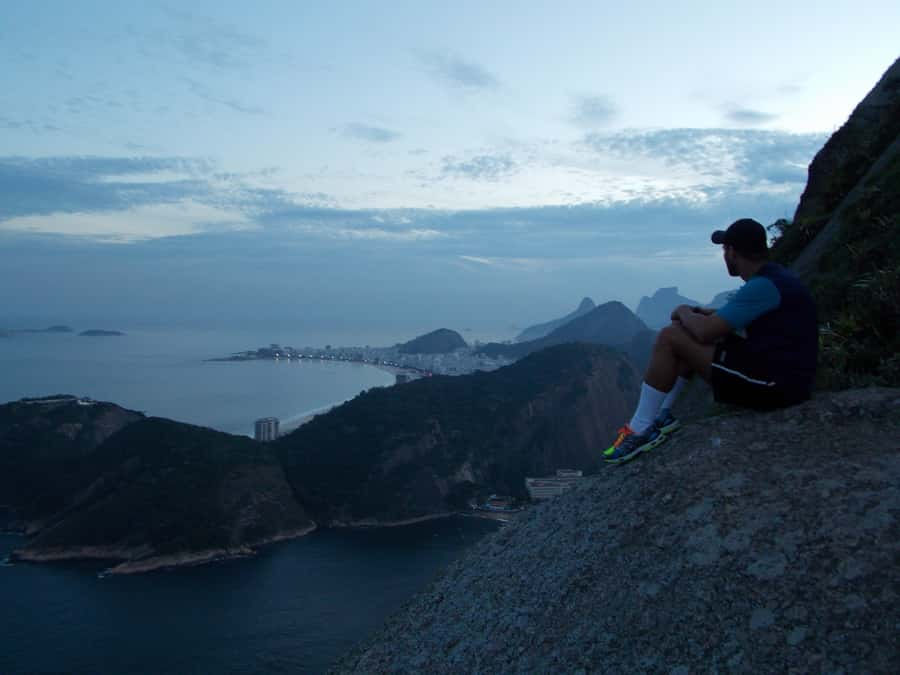
The first section is relatively quick. In about 20 minutes, you reach a lookout with broad views toward the entrance of Guanabara Bay and the city of Niterói across the water. This early stop matters because it shows you how much the view changes as you gain height. You are still close to the city, yet the bay begins to open in front of you.
From here, the route becomes more technical. Expect stone ramps, steeper ground, and sections where you use your hands for balance. The pace depends on the group, weather, and your own comfort, but the full journey to the top can take about two and a half to three hours according to the most detailed timing provided. The activity itself lasts four hours, leaving time for instruction, photographs, pauses, and the cable-car descent.
More Mountain and Summit Hikes in Rio De Janeiro:
- Rio de Janeiro: Dois Irmãos Peak Sunrise, Day or Sunset Hike
★ 4.7 · 94 reviews - Rio de Janeiro: Tijuca Peak Guided Hike
★ 4.7 · 56 reviews - Rio De Janeiro: SUGARLOAF MOUNTAIN HIKE & CLIMB
★ 5.0 · 48 reviews
What the 20-meter climbing section is really like
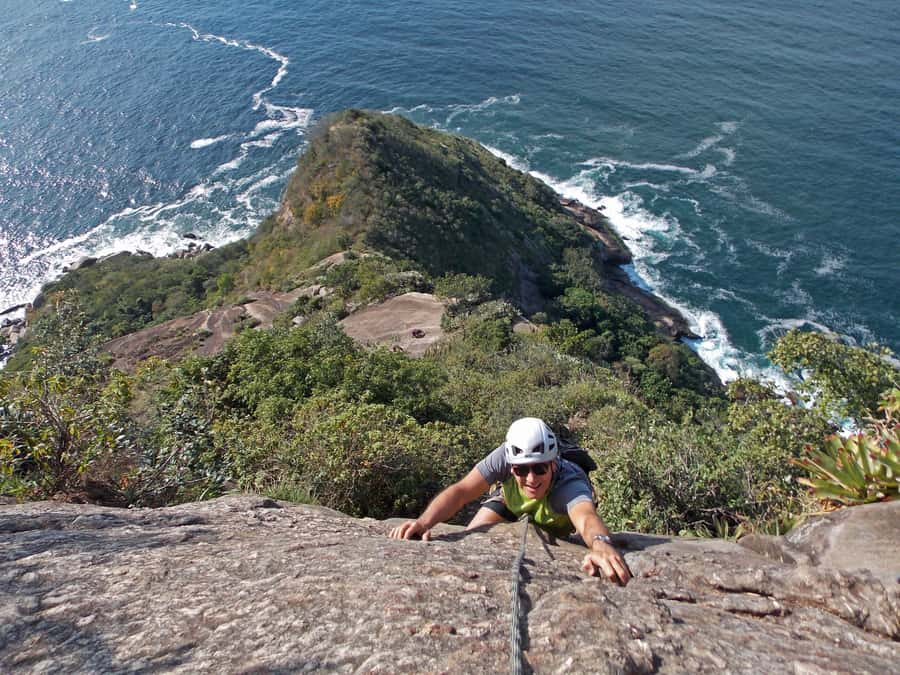
The climbing wall is the feature that separates this tour from a standard Sugarloaf hike. You face a vertical rock section about 20 meters high, using certified climbing equipment under the guide’s direction.
You do not need previous professional climbing experience. The activity is designed as an introduction to basic rock climbing, and the guides help you identify hand and foot holds. That said, beginner-friendly does not mean effortless. You will still be climbing a vertical wall, and you should not book this if heights make you freeze or if you are looking for a flat walking route.
Guides such as Sergio and Didi are praised for helping first-time climbers through the harder spots. Thomas is also noted for giving clear encouragement and helping participants feel safe during the climbing sections. This personal instruction is important. The equipment is only part of the safety picture; calm explanations and a steady pace matter just as much.
The climbing sections are described as fun rather than excessively difficult, but the hike leading to them can be the harder part. You may find the steep scrambling more tiring than the wall itself. The trail demands repeated effort, especially in warm weather, and you need enough balance to move over uneven stone.
The route includes personal accident insurance and certified climbing equipment. Alcohol or drug use before or during the activity is prohibited, as is carrying weapons. These rules are straightforward, but they matter on a route where concentration and good judgment are essential.
The lookouts: Guanabara Bay, Copacabana, and beyond
One strength of this outing is the number of viewpoints. You are not rushed straight to the summit and then asked to admire the same view for an hour. The mountain reveals Rio in stages.
The first lookout faces the mouth of Guanabara Bay and Niterói. This is a useful orientation point, especially if you are new to Rio. You can see how the bay shapes the city and why Sugarloaf has such a powerful position at the entrance.
Higher up, the trail reaches other belvederes along the stone ramps and technical sections. These pauses are where the physical work pays off. The views are not limited to one famous postcard angle, and the guide can point out landmarks and explain parts of Rio’s setting.
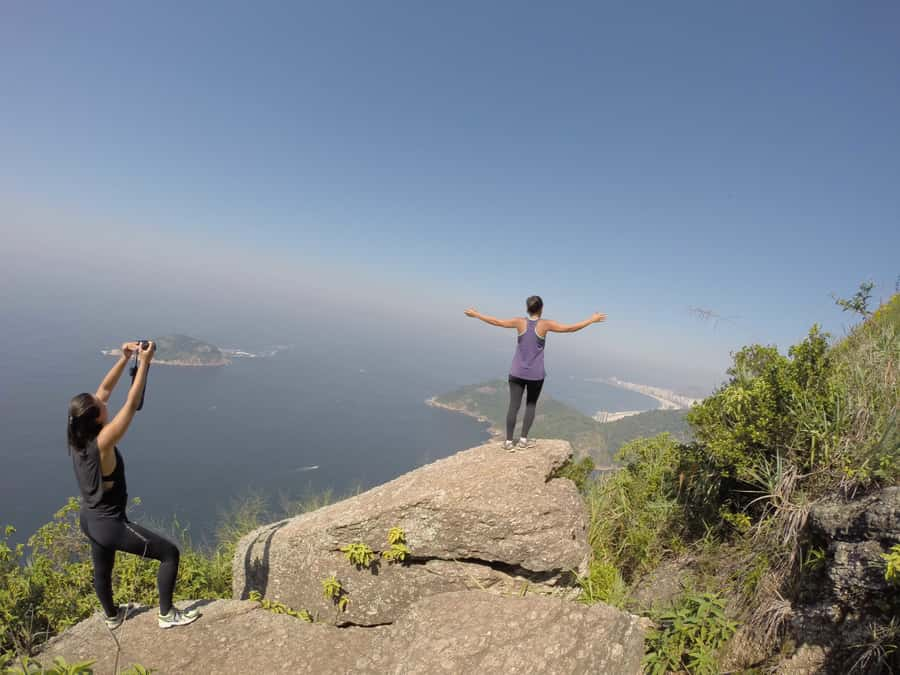
At Pedra Filosofal, the outlook turns toward Copacabana Beach, Pedra da Gávea, and Morro Dois Irmãos. This is one of the most appealing points on the route because it links several of Rio’s best-known sights in one view. Copacabana gives you the famous urban beach, while Pedra da Gávea and Morro Dois Irmãos show the dramatic rock formations that frame the city.
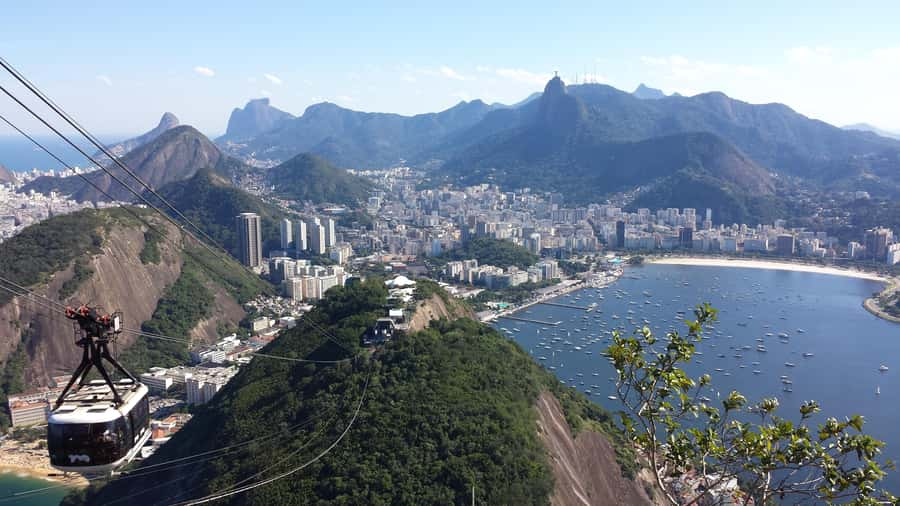
At the summit of Sugarloaf, you get the broadest payoff. You can take in the city, bay, beaches, and surrounding peaks from above. The summit area also gives you time to rest before taking the cable car down to Urca Hill.
Monkeys, local stories, and the human side of the tour
The natural side of this hike is easy to miss if you arrive by cable car. There is a chance to encounter monkeys in the wild along the route, particularly around the descent. An earlier participant spotted monkeys while hiking down, though wildlife sightings are never guaranteed. Keep your food packed away and give any animal space.
The guide adds more than rope work. Sergio has been praised for explaining Rio’s past, local flora, animals, and Brazil’s outdoor culture. Didi is noted for pointing out good photo stops and explaining the surrounding area. Thomas is described as bringing energy to an early start while also adjusting the pace and sharing local information.
Those details can make a big difference. A mountain guide who only focuses on getting you upward leaves you to puzzle out the setting yourself. Here, the walk can become a lesson in how Rio’s natural features, beaches, bay, and city fit together.
The guide names are useful when choosing a booking or discussing your preferences with the operator. Sergio appears repeatedly in the supplied feedback, while Didi, Thomas, and Eduardo also receive strong praise. The exact guide is not guaranteed, so treat those names as examples of the team rather than a promise.
More hikes and treks around Rio De Janeiro:
- Rio: Tijuca Forest Small Group Hike to Caves and Waterfalls
★ 4.9 · 536 reviews - Pedra do Telégrafo Hike and Beach Full-Day Tour
★ 4.5 · 417 reviews - Sunrise and Sunrise Walk Two Brothers with Local Guide
★ 5.0 · 193 reviews - Rio de Janeiro: Pedra da Gávea 7-Hour Hike
★ 4.7 · 183 reviews
Fitness, terrain, and who should skip it
I would rate this as an advanced hike for a regular walker, even though the climbing sections are suitable for beginners. The trail is steep and includes considerable scrambling. One detailed account puts the climb to the top at two and a half to three hours, which is a serious morning workout in Rio’s heat.
You do not need specialist hiking experience, but you should be comfortable with sustained uphill effort. Average fitness may be enough for a person who is used to walking and does not mind a challenge, though the activity will feel harder if you are not active. The guide can help with pace, but no guide can remove the elevation gain.
This outing is not recommended for people with heart complaints or other serious medical conditions. The supplied information specifically lists heart problems as a reason not to participate. You should also be comfortable with heights, vertical rock, and the idea of using climbing equipment.
Wear closed footwear with a good grip. Sandals and flip-flops are not allowed, and large bags or luggage are not suitable. Take a daypack rather than a bulky backpack. Bring a snack, sunscreen, and plenty of water, with three liters recommended. That amount may sound generous, but heat, uphill effort, and waiting during climbing instruction can add up.
Timing, transport, and meeting in Urca
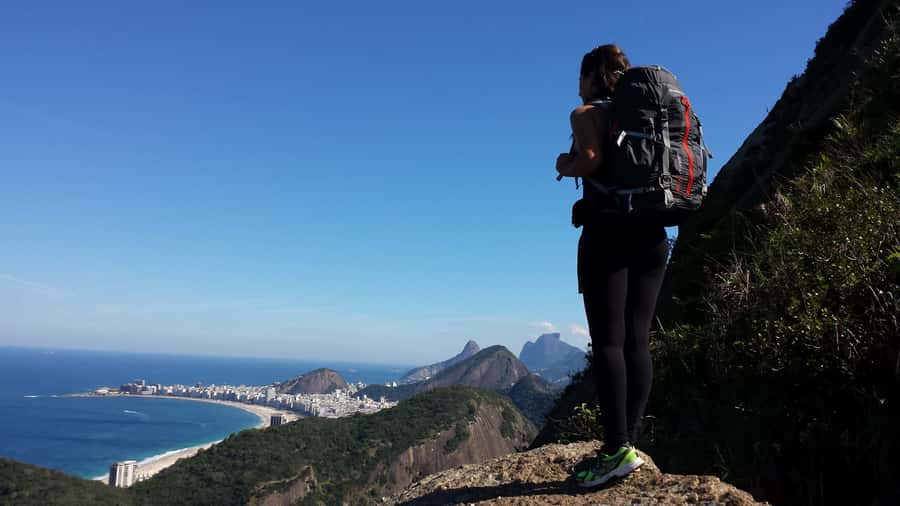
The meeting point is Praça General Tibúrcio, 75, in Urca, near the obelisk. If you arrange transport, hotel pickup and drop-off are available from most hotels in Rio’s South Zone and Downtown. The pickup route changes each day to serve the group, and if your hotel is not covered, you will be directed to the nearest available pickup point.
Hotels in Barra da Tijuca, Recreio, São Conrado, and Santa Teresa are not eligible for pickup. If you are staying in one of those areas, plan for your own way to the meeting point or confirm the nearest arrangement before booking.
The tour lasts four hours, but the start time depends on availability. An early start can be a good choice in Rio, since you are doing a demanding climb and want time for stops. One guide was praised for bringing useful energy to an early morning, which says something about the pace this activity may require.
The group may be private or small, depending on the option you select. A smaller group is valuable here because the guide needs to help with equipment, watch each person on the climbing wall, and adjust the hiking pace. If you want more direct instruction or have limited climbing experience, the private option may be worth considering.
English, Portuguese, and Spanish guides are available. Confirm your preferred language when booking.
Is the $68 price good value?

At $68 per person, this is not the cheapest way to see Sugarloaf. The standard cable car gives you the summit view without a four-hour workout. But the price here covers a guided hike, basic climbing instruction, certified equipment, personal accident insurance, and the cable-car descent.
That combination gives the tour a fair value for the right person. You are paying for access to a more unusual route, not simply transportation to a viewpoint. You also receive support on the technical sections, which is important if you have never climbed outdoors.
The value is weaker if your main goal is only to photograph Rio from the top. In that case, the hike may feel like extra work. If you want an active half-day, enjoy mountain routes, or want to try climbing without arranging a full climbing course, the cost makes more sense.
Hotel transport can add convenience, especially if you are staying in the South Zone or Downtown. Still, the meeting point in Urca is clear, and you may prefer to meet there if you want more control over your morning.
Free cancellation up to 24 hours before the activity and the option to reserve now and pay later make planning easier. Weather can change the route or the order of the sights, so keep your schedule flexible.
Weather can change the experience
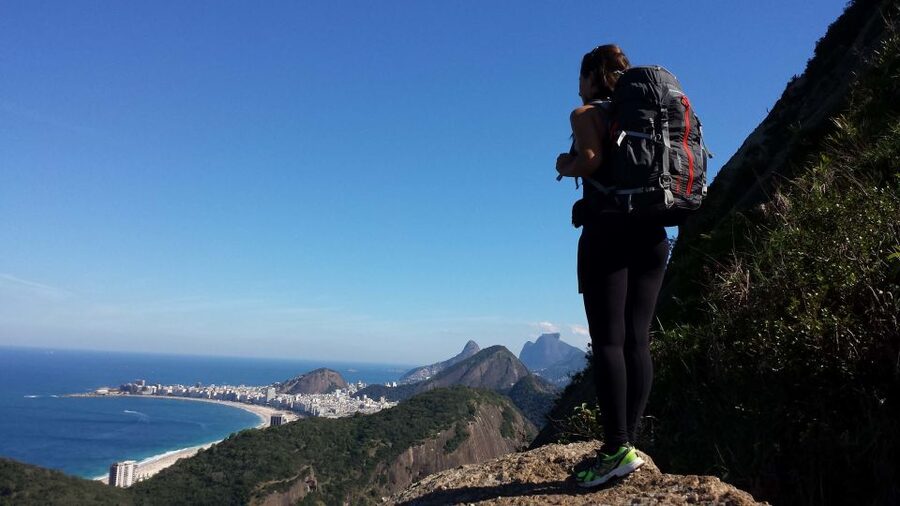
This is an outdoor climbing activity, and clear, dry weather matters. Rain or poor conditions may alter the itinerary, the order of the stops, or the climbing plan. The best views also depend on visibility, so a cloudy day can reduce the payoff even if the tour still operates.
You should bring sunscreen and enough water regardless of the forecast. Comfortable clothing and sturdy footwear will help more than trying to dress for a polished sightseeing trip. This is a mountain morning, not a cable-car photo stop.
If weather forces a reschedule, communication is important. The operator has used WhatsApp contact between the company, driver, and guide in past arrangements, including weather-related changes. You should still confirm the exact process when you book.
Who should book this Sugarloaf adventure?
You should book it if you want more than the usual Rio viewpoint and are happy to work for it. It suits active visitors with average to strong fitness, people curious about beginner climbing, and anyone who likes the idea of combining nature, city views, and local guidance in one outing.
It is also a strong choice if you have never climbed before but are comfortable with heights. The guides provide help with holds and equipment, and the short climbing sections give you a taste of the sport without committing to a full-day course.
I would skip it if you have heart problems, dislike steep scrambling, need a completely relaxed morning, or are carrying luggage. I would also choose a cable-car visit instead if your priority is simply to reach the summit quickly and take photographs.
Should you book it?
Book this tour if the climb is part of the appeal, not an obstacle. The best parts are the changing viewpoints, the hands-on rock section, the capable guides, and the cable-car ride down after a demanding ascent. Sergio, Didi, Thomas, and Eduardo are all associated with the kind of careful instruction and encouragement you want here.
Bring serious amounts of water, wear proper shoes, and expect a real hike. If you do, the $68 price buys a more personal and active way to experience Sugarloaf than the standard ride up and down.
FAQ
How long does the Sugarloaf hike and climb last?
The activity lasts four hours. The hike to the summit may take about two and a half to three hours, depending on pace, stops, conditions, and the group.
Do I need previous rock-climbing experience?
No professional climbing experience is required. The activity includes an introduction to basic rock climbing, and the guide helps you with hand and foot holds. You should still be comfortable with heights and physical effort.
What languages are available?
Guides are available in English, Portuguese, and Spanish.
Where does the activity meet?
Meet at Praça General Tibúrcio, 75, in Urca, Rio de Janeiro, near the obelisk.
Is hotel pickup available?
Optional pickup is available from most hotels in Rio’s South Zone and Downtown. Hotels in Barra da Tijuca, Recreio, São Conrado, and Santa Teresa are not eligible. If your hotel is not covered, you will be directed to a nearby pickup point.
What should I bring?
Bring water, a daypack, a light snack, sunscreen, and comfortable footwear with a good grip. Three liters of water are recommended.
Is the activity suitable for people with heart problems?
No. The activity is not recommended for people with heart complaints or other serious medical conditions.
Just added around Rio De Janeiro
- Rio de Janeiro: Tijuca Peak Guided Hike★ 4.7 · 56 reviews
- Rio De Janeiro: SUGARLOAF MOUNTAIN HIKE & CLIMB★ 5.0 · 48 reviews
- Rio de Janeiro: Tijuca Forest Waterfall of Souls Hike★ 4.5 · 24 reviews
- Rio de Janeiro: Pedra da Gávea – guided hike with best views★ 5.0 · 9 reviews
- Rio de Janeiro: Telegrafo Rock Hike with Optional Beach Stop★ 5.0 · 13 reviews
- Rio de Janeiro: Dois Irmãos Peak Sunrise, Day or Sunset Hike★ 4.7 · 94 reviews
- Rio de Janeiro: Pedra do Telégrafo Trail Hike and Ocean View★ 5.0 · 30 reviews
- Rio de Janeiro: Christ the Redeemer Guided Hike★ 4.9 · 22 reviews
Mountain & Summit Hikes, side by side.
Berber villages : Atlas Mountains Day Hike from Marrakech
Read our review →
Sunrise Mount Batur Guided Hike with Breakfast
Read our review →
Mount Batur Sunrise Guided Hike and Natural Hot Spring
Read our review →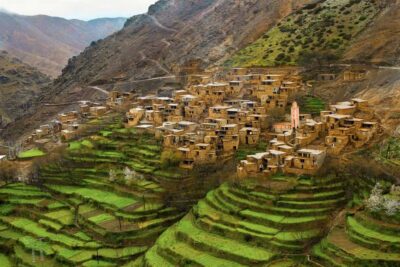
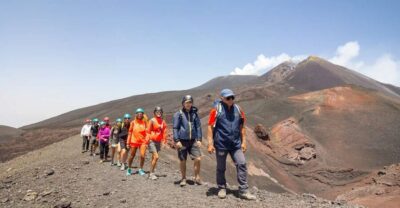
Mount Etna: Summit Guided Hiking Tour up to 3,400 m
Read our review →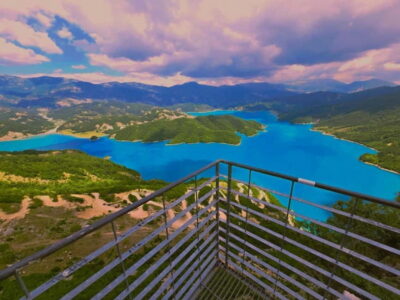
Bovilla Lake & Gamti Mountain Hiking Day Trip
Read our review →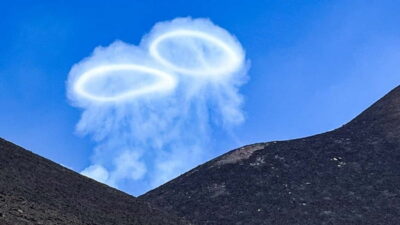
Mount Etna: Trek to 3000m with cable car and 4×4
Read our review →
Mount Batur Sunrise Trek With Guide and Breakfast
Read our review →This walk also sits in