
REVIEW · CAPE VERDE
Santiago: Longueira, Pico de Antónia & Monte Tchota Trek
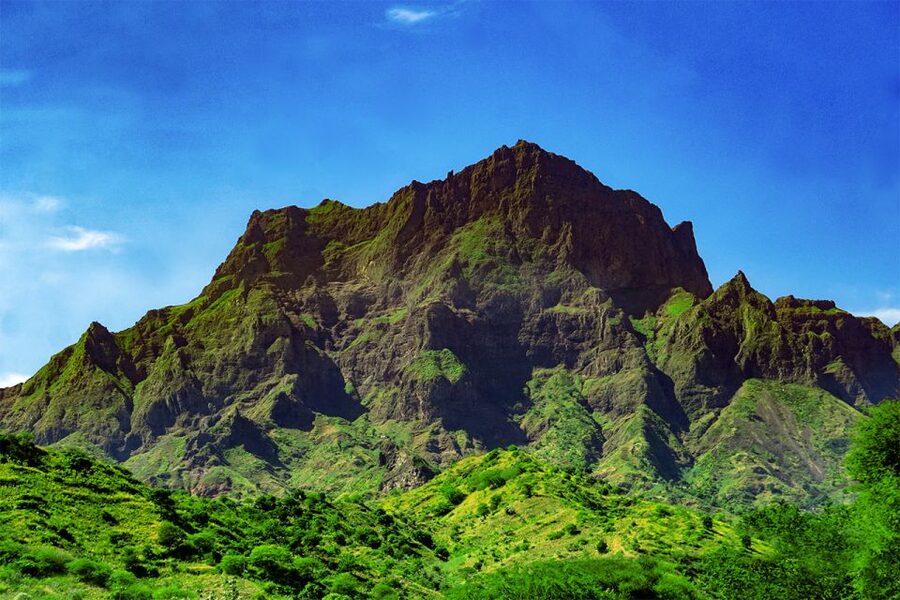
Santiago’s highest summit is the main event here, but the day begins on a more personal note in Longueira. You meet local residents, visit a grogue distillery, and see village places such as the primary school and Lemba Lemba Bar before walking into the high country. I like that this is not simply a summit chase. It links village life with Santiago’s mountain scenery.
I also like the chance to see Maio Island and Fogo’s volcano from Pico de Antónia, plus the careful look at local plants, animals, and threatened bird species. The drawback is clear: this is a hard hike, not a gentle countryside walk. Steep final sections, narrow tilted paths, and slippery ground on the descent demand sound footing and a good level of fitness.
Key points to know before booking
- A demanding climb to 1,394 meters: The toughest version gains about 1,050 meters and takes roughly six hours of walking.
- Longueira adds local contact: Visit a grogue distillery, the primary school, and Lemba Lemba Bar before the mountain section.
- Monte Tchota protects wild nature: Look for endemic plants, animals, and bird species at risk of extinction.
- Views stretch beyond Santiago: Clear conditions may reveal Maio Island and Fogo Island’s volcano.
- Guides make a real difference: Admilson Garcia, Ricardo, and Djibril have all guided this route, with help on steep and slippery sections.
- The route has two difficulty options: The longer route reaches about 1,390 meters, while the shorter option reaches about 1,160 meters.
From Praia to Longueira and its grogue stills
Your day begins with pickup at your hotel in Praia. Transport is included, so you do not need to arrange a separate taxi to the trailhead or figure out the return trip after a demanding hike. That matters here, since this is a one-way trail rather than a loop.
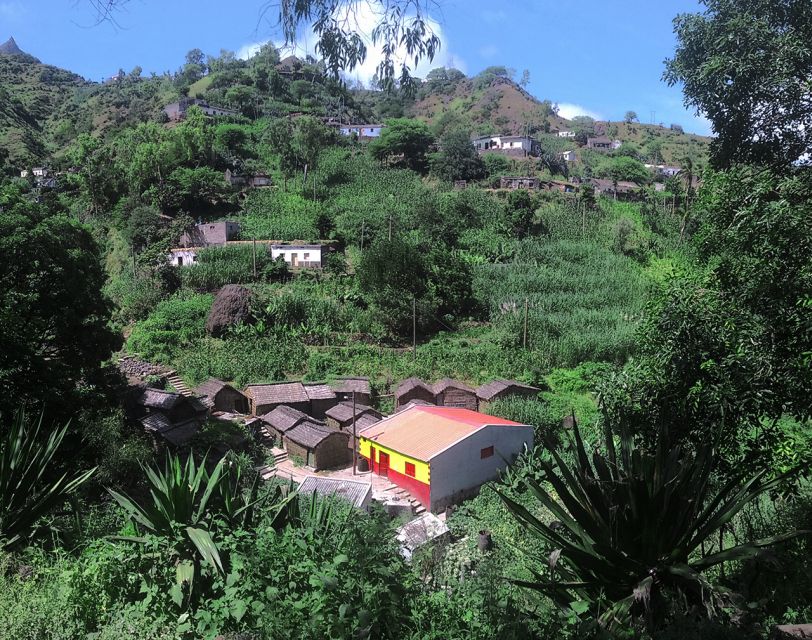
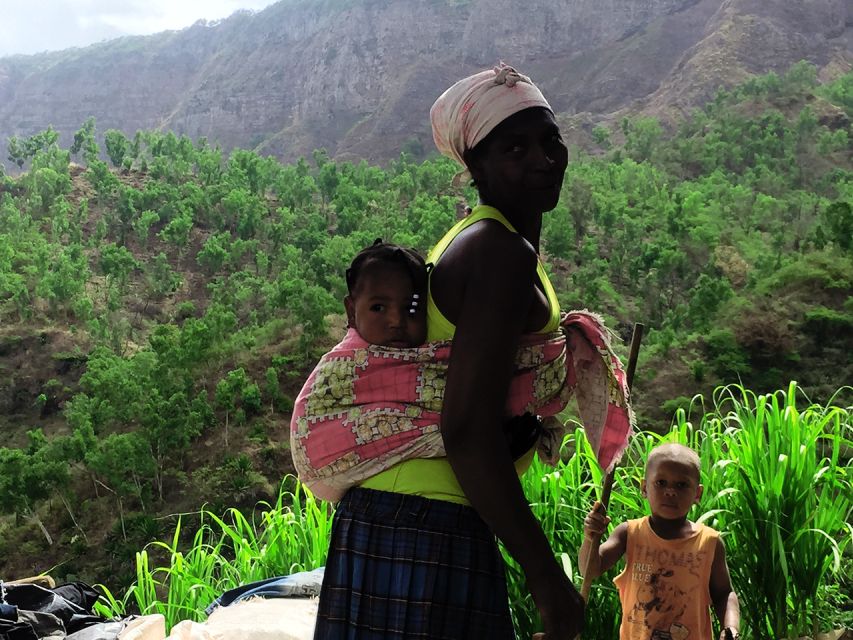
The first stop is Longueira, a village where the tour gives you direct contact with everyday local life. You visit a grogue distillery, where Cape Verde’s sugarcane spirit is made, then stop at the primary school and Lemba Lemba Bar. These are modest places, but that is part of the value. You are seeing a working village rather than only passing through a scenic viewpoint.
Grogue is closely tied to Cape Verdean food and drink culture, and the distillery visit gives the morning some local character before the climb begins. It also breaks up the drive from Praia with something more memorable than a roadside photo stop.
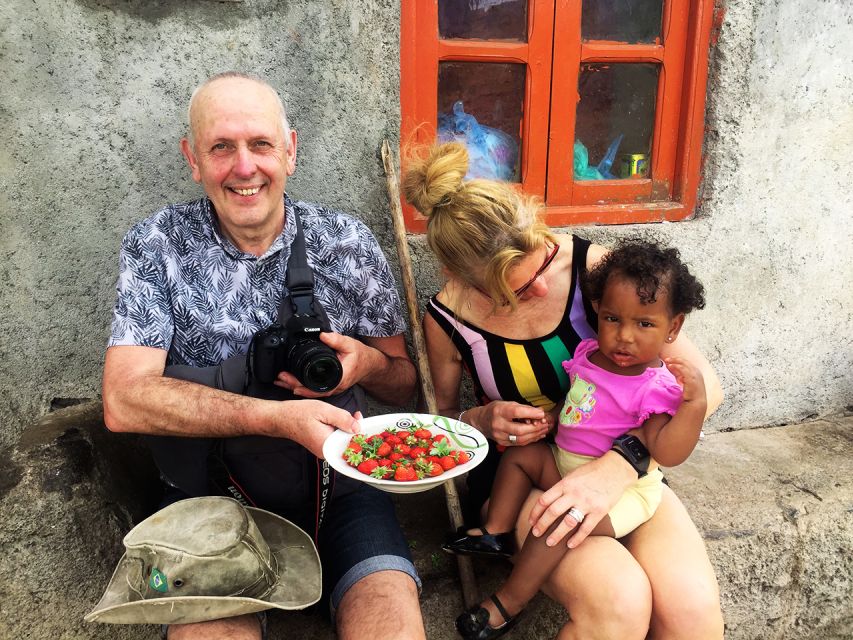
From December through May, the route can include a walk among strawberry fields and a picnic. The timing matters. Do not assume the strawberry section is available all year, since it is specifically linked to those months.
More hikes and treks around Cape Verde:
- Fogo Island: Pico do Fogo Volcano Summit Hike
★ 4.6 · 92 reviews - Santo Antão: Day Trip by Car or Trek
★ 5.0 · 72 reviews - Serra Malagueta: Principal Valley Hike & Lunch with Locals
★ 4.7 · 64 reviews
Climbing Pico de Antónia above São Jorge Valley
The mountain section leads toward Pico de Antónia, the highest point on Santiago. The walking point is listed at about 1,394 meters, or 4,573 feet, although the shorter route reaches roughly 1,160 meters. The high point gives you broad views over São Jorge Valley and, on a clear day, toward Maio and Fogo.
The climb is not a casual stroll. The longer option covers about 9 kilometers, with around 1,050 meters of ascent and 600 meters of descent. Total walking time is about six hours. The shorter option covers around 6 kilometers, gains approximately 585 meters, and takes about four hours, with a high point near 1,160 meters.
The available route may depend on the day’s plan and conditions, so ask your guide which option you are taking before setting off. Both routes are one-way, and both use narrow, tilted paths. The shorter version is easier, but it is still rated difficult. The longer version is rated very difficult.
The final meters are especially steep. That is where a steady pace matters more than speed. You may need to use your hands for balance, and the guide’s advice becomes practical rather than ornamental. Guides who have led this outing include Admilson Garcia, Ricardo, and Djibril. Admilson is described as knowing the area and its residents well, while Ricardo and Djibril are noted for their friendly, attentive approach. Guide assignment can vary, so treat these names as examples rather than a guarantee.
The views are the reward, not a side detail
Pico de Antónia gives you the kind of outlook that makes a hard climb worthwhile. From the upper walking point, the São Jorge Valley opens below, while distant island views may include Maio and Fogo’s volcanic peak.
Visibility will control how much you see. The tour does not promise clear horizons every day, so keep your expectations sensible. Even without both island views, the changing views across Santiago make the ascent worthwhile.
This is also a good place for photographs. The guides know useful stopping points along the route, and one guide has been praised for showing different places to take pictures. Bring a phone or camera, but keep your hands free on the steepest sections. A small daypack is more useful than carrying bulky gear.
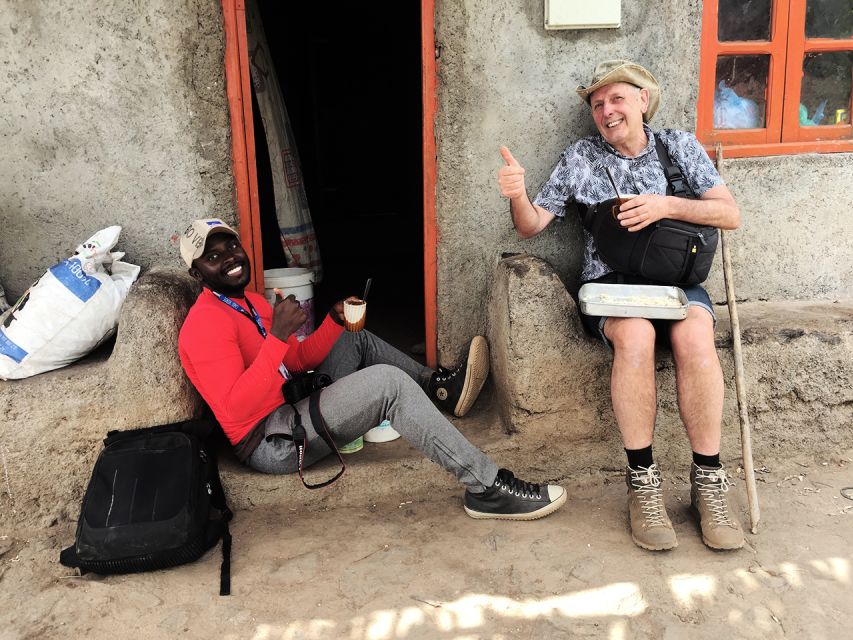
The picnic is simple: a sandwich, fruit, and a soft drink. It is included, which is convenient, but it is not a full mountain lunch. If you normally eat a lot during a six-hour hike, bring extra food only if the operator allows it and you can carry it comfortably. Water is not included in the listed picnic, so bring enough for your own needs.
Monte Tchota’s plants, birds, and rough paths
The trek finishes in Monte Tchota, a natural park with relatively untouched mountain nature. This closing section changes the emphasis from reaching the summit to noticing what grows and moves around you.
Look for endemic plants and animals, along with bird species that are in danger of extinction. The available information does not promise sightings of a particular bird, so think of this as a chance to observe, not a wildlife guarantee. Your guide can help point out what you might otherwise miss.
Monte Tchota is valuable because it adds a nature focus to the village and summit experience. You are not only collecting a high point. You are walking through an area with plant and animal life specific to the island.
The path quality is one of the day’s important practical details. It is narrow and tilted, and the descent can be very slippery. The return section may take longer than expected, even though you are no longer climbing. Walking poles are strongly recommended, and the local team has supplied them on some outings. Confirm their availability, but do not rely on that alone. If you own trekking poles, bringing them is sensible.
Same trailheads, a different kind of day:
- Santiago Island: Serra Malagueta & Tarrafal Beach Trek Tour
★ 4.8 · 61 reviews - Praia: Baobab Mysterious Tree, Green Valley & Old City Hike
★ 4.8 · 53 reviews - Santiago: Calabaceira Valley Trek & Visit to Cidade Velha
★ 4.8 · 49 reviews - Santiago: Monte Tchota Natural Park to Pico d’Antónia Hike
★ 4.8 · 43 reviews
How hard is the hike in real terms?
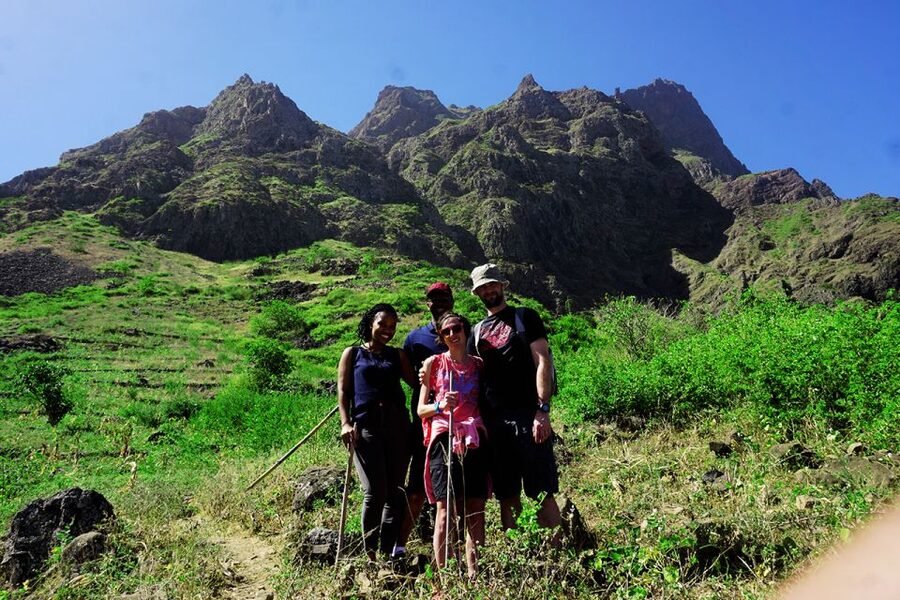
The official difficulty labels are useful: difficult for the shorter route and very difficult for the longer one. The elevation figures explain why. A gain of 1,050 meters over a one-way trail is serious, especially under the sun and on uneven ground.
You need hiking shoes. This is not a place for trainers with smooth soles or casual sandals. Wear a hat, use sunscreen, and carry water. Hiking trousers are strongly advised from August through November, when the route can be more overgrown. The operator also recommends walking sticks.
The descent deserves as much respect as the climb. Loose or slippery footing can tire your legs quickly, and tired legs make missteps more likely. Keep your pace controlled and follow the guide’s instructions. The guide is there to help with route finding, but also to offer balance and footing advice when the trail turns awkward.
You should be comfortable walking for several hours and handling steep ground. If you rarely hike, the shorter option may still feel tough. If you have knee problems, poor balance, or limited mountain experience, this is not the best introduction to hiking in Santiago.
What the $106 price includes
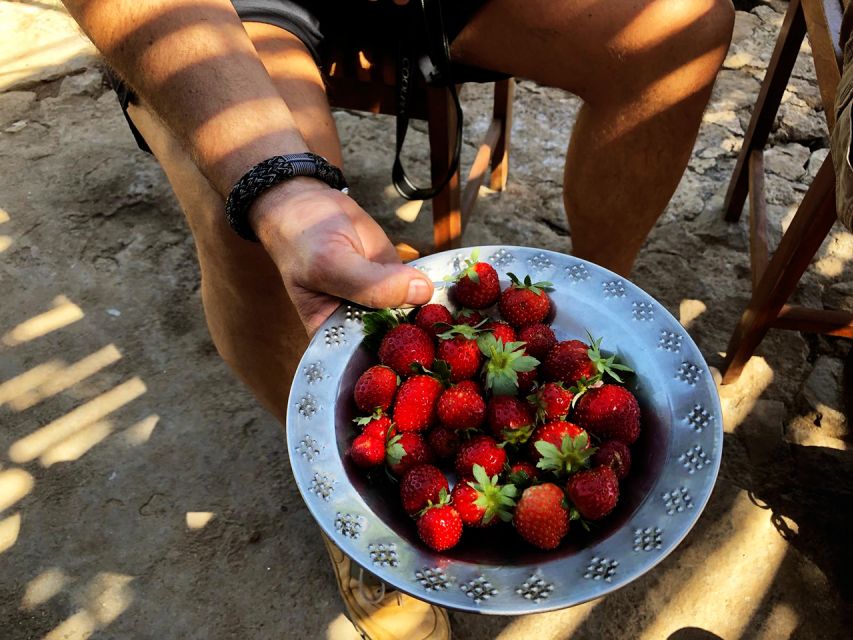
At $106 per person, the cost is not just for a guide walking beside you. It includes hotel pickup and drop-off in Praia, transport to and from the route, a guide, the picnic, and liability insurance.
That package has real value if you are staying in Praia and would otherwise need to arrange transport, route planning, and a mountain guide separately. The one-way trail makes the included transport especially useful. You finish in a different place from where you start, so getting back to your hotel is not a minor detail.
The picnic is basic, but it removes one small planning job. The greatest part of the price is the local guiding. On a narrow, demanding trail, route knowledge and help with slippery ground are worth more than a printed map.
The shared group trek requires at least two participants. If that minimum is not met, the operator may offer another date, charge an extra fee for a private departure, or cancel with a full refund. If your schedule is tight, keep that condition in mind before building your Praia plans around this outing.
Who should choose this Santiago trek?
I would choose this experience if you want a full day with several layers: village contact, local rum production, a serious mountain walk, wide views, and a protected nature area. It gives you more variety than a simple summit transfer.
It is best for experienced hikers who are comfortable with steep climbs and uncertain footing. The route’s ratings are not modest, and the descriptions of the final climb and slippery descent match those warnings.
You may also like it if you care about local guides and personal contact. Guides such as Admilson Garcia, Ricardo, and Djibril have been praised for their friendliness, professionalism, and help on the trail. That human element can make a hard day feel more manageable.
I would hesitate if you want a relaxed sightseeing tour with only a short walk. The Longueira visit is easygoing, but the mountain section is not. You should also reconsider if you do not have proper hiking shoes, water, sun protection, and clothing suited to rough paths.
The tour is offered with English, Spanish, French, and Portuguese-speaking guides. That gives you useful flexibility, though you should select your preferred language when booking and confirm what is available for your date.
A practical plan for the day
Wear your hiking shoes from the start rather than carrying them in the vehicle. The route calls for them, and changing footwear at the mountain would be awkward.
Pack water, sunscreen, a hat, and a small amount of extra food if needed. Keep the load light. You will appreciate having both hands available on narrow sections, especially during the descent.
Use the Longueira portion to ask questions and observe village life, not just as a pause before the main hike. The distillery, school, and bar give you a quick look at how the community is organized and where people gather.
At the summit, take time for the views and photographs, but save energy for the way down. The descent is where the trail can become very slippery. A guide’s walking advice and a pair of poles can make a real difference.
Book with the weather and visibility in mind, but remember that the tour can still be worthwhile when distant islands are hidden. The plants, village contact, and mountain route do not depend entirely on a perfect horizon.
Should you book it?
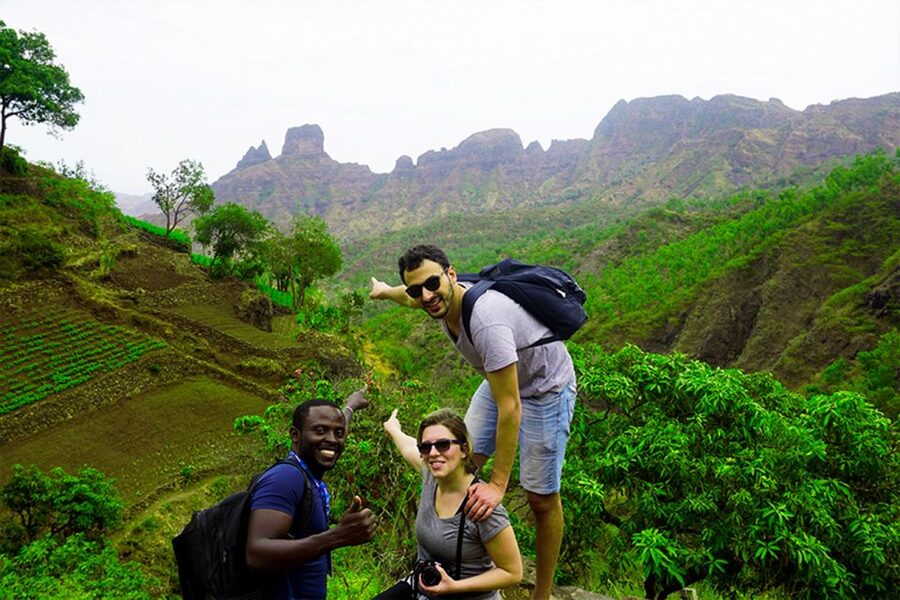
Book this trek if you want Santiago’s countryside at walking pace and are ready for a serious physical challenge. The strongest reasons are the mix of Longueira and Pico de Antónia, the views toward Maio and Fogo, and the guide support on a rough one-way trail.
Choose the shorter route if it is offered and you want less elevation, but do not mistake it for an easy walk. Skip this experience if you are looking for a gentle half-day outing or lack proper hiking footwear.
At $106, the price is fair for the transport, guide, picnic, insurance, and local access. For a fit hiker based in Praia, this is one of the more complete ways to connect with Santiago’s villages and high country in a single day.
FAQ
Where does the tour start and finish?
Pickup is provided at your hotel in Praia, and the tour returns you to your hotel in Praia after the trek.
How long does the walking portion take?
The listed total walking time is about six hours for the longer route or about four hours for the shorter option.
How far is the trek?
The longer route covers approximately 9 kilometers. The shorter option covers approximately 6 kilometers.
How high does the route go?
The longer route reaches about 1,390 to 1,394 meters. The shorter route reaches approximately 1,160 meters.
How difficult is the hike?
The longer route is rated very difficult. The shorter route is rated difficult.
What should I bring?
Bring a hat, hiking shoes, sunscreen, and water. Walking sticks are strongly recommended.
Are hiking shoes required?
Yes. Hiking shoes are a must for this trek because the path is narrow, tilted, and slippery in places.
What food is included?
The picnic includes a sandwich, fruit, and a soft drink.
Can I see other Cape Verdean islands?
From Pico de Antónia, you may see Maio Island and the volcano on Fogo Island, depending on visibility.
What languages are available?
Guiding is available in English, Spanish, French, and Portuguese.
Just added around Cape Verde
- Santo Antão: Ponta do Sol & Fontainhas Guided Trip with Hike★ 4.8 · 9 reviews
- Santiago: Trek from Serra Malagueta to Rabelados Community★ 5.0 · 16 reviews
- Santo Antão: Hiking Cova Volcano Crater to Ribeira Paúl★ 4.5 · 31 reviews
- Santa Maria: Guided Coastal Hike & Monte Leão Sunset★ 4.5 · 37 reviews
- Private Hike through mountains and distant rural villages★ 5.0 · 8 reviews
- Hike to the highest point of Monte verde★ 4.8 · 14 reviews
- Hike Monte Verde★ 4.9 · 8 reviews
- From Tarrafal: Serra to Principal Hike & Lunch with locals★ 4.7 · 41 reviews
Praia Hiking Tours, side by side.
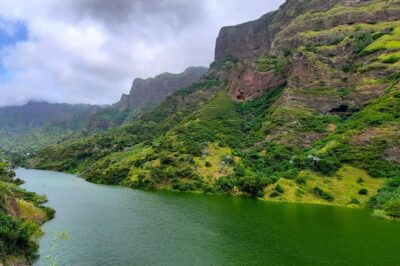
Serra Malagueta: Principal Valley Hike & Lunch with Locals
Read our review →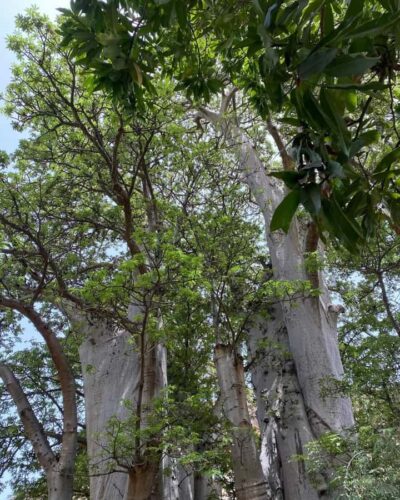
Praia: Baobab Mysterious Tree, Green Valley & Old City Hike
Read our review →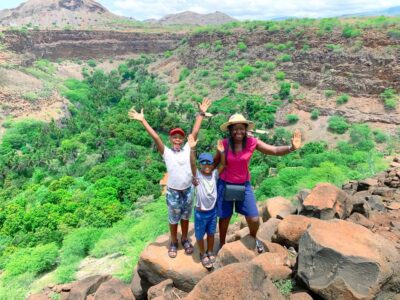
Santiago: Calabaceira Valley Trek & Visit to Cidade Velha
Read our review →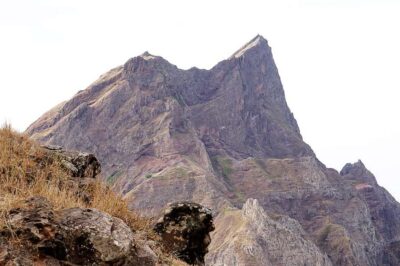
Santiago: Monte Tchota Natural Park to Pico d’Antónia Hike
Read our review →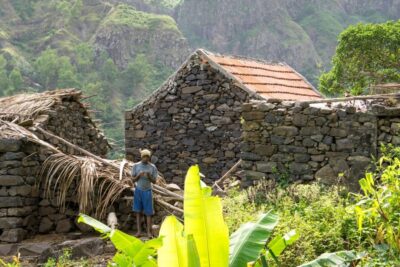
Serra Malagueta Natural Park: Hike to Gongon Valley & Lunch
Read our review →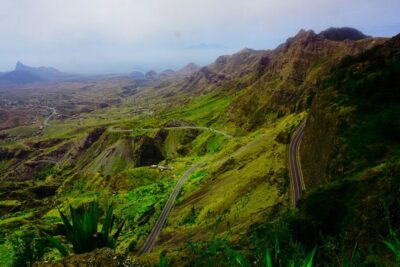
Santiago: Trek from Serra Malagueta to Rabelados Community
Read our review →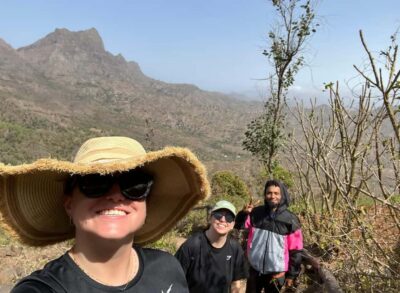
Private Hike through mountains and distant rural villages
Read our review →This walk also sits in