
REVIEW · AUSTRALIA
Uluru: Guided Trek of Uluru’s Base in a Small Group
Uluru is most powerful when you stop treating it as a photo stop and walk its entire base. This six-hour outing begins before sunrise, then follows the full 10.5-kilometre circuit through waterholes, rock art sites, caves, and sacred places. The first light on the monolith is the big draw, but the stories give the walk its meaning.
I like the small group of no more than 11 and the way the guide can explain Uluru’s geology, plants, animals, and Anangu culture as you go. I also like the simple breakfast carried in a pack, since it lets you eat beside the trail without losing much time. The catch is the early pickup and the long walk. It is mostly flat and manageable for a reasonably fit person, but desert heat can turn 10.5 kilometres into a serious morning.
Key points to know before you book
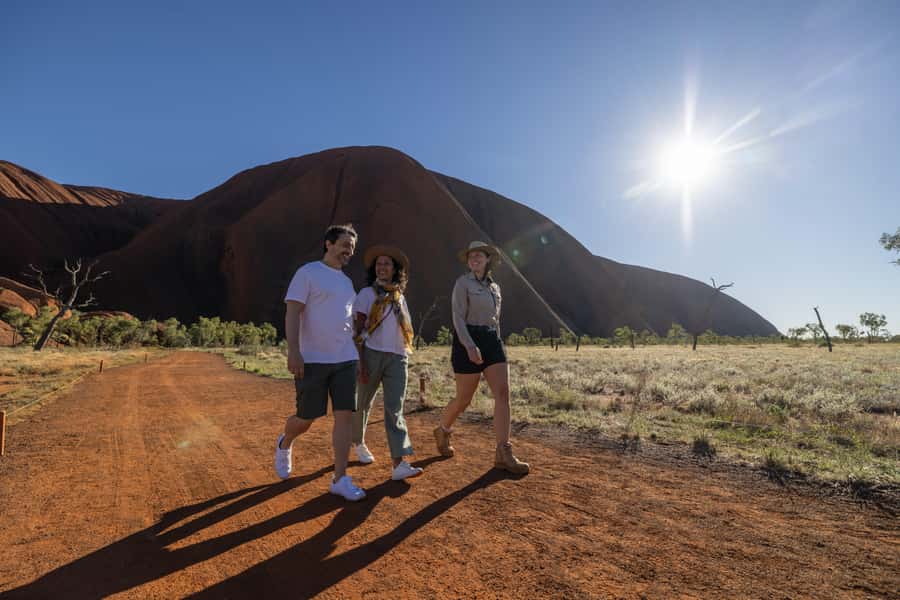
- Sunrise comes before breakfast: You begin walking in the cool, dim light and stop at a good viewpoint for sunrise before continuing.
- The entire base takes time: Expect about 10.5 kilometres, with some people recording closer to 12 or 14 kilometres depending on the route and stops.
- The stories matter: Guides explain Tjukurpa, including the Liru and Kuniya stories and the Mala people’s connection to Kantju Gorge.
- Mutitjulu Waterhole is a highlight: This is one of the most striking and culturally important stops on the circuit.
- The group stays personal: Transport carries a maximum of 11 participants, allowing plenty of time for questions and rest stops.
- Pack for two seasons in one morning: Wear warm layers before sunrise, then carry a hat, sunscreen, sturdy shoes, and plenty of water.
Why walking the full base changes your view of Uluru
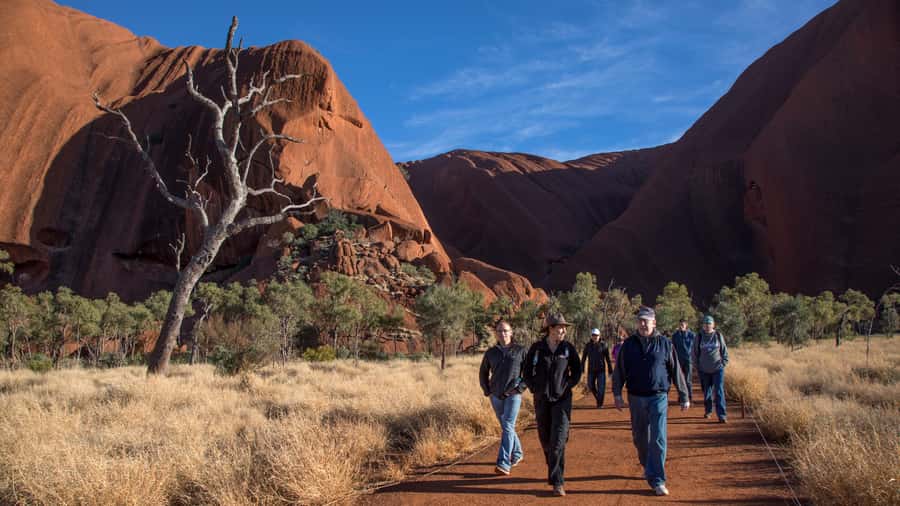
From a distance, Uluru can look like one enormous block of red rock. At its base, it becomes much more varied. The circuit brings you past sheer walls, shaded hollows, caves, painted markings, dry creek areas, waterholes, and narrow gorges.
I like this slow approach because you see that Uluru is not simply one big rock with a good sunset attached. Its shapes, cracks, caves, and water sources are tied to Anangu stories and practical knowledge about living in the desert. A guide helps you notice details that would be easy to pass without context.
The walk also gives you time to watch the colour change. Before sunrise, the rock can look dark and subdued. As the sun rises, its face catches different tones, and the surrounding country changes with it. You get the famous view, but you also get the quieter experience of moving around Uluru while the day begins.
More Small-Group Hikes in the world:
- Small Group Waterfall and Rainforest Hiking Adventure on Maui
★ 5.0 · 1,417 reviews - Glacier Hike and South Coast Small-Group Tour from Reykjavik
★ 5.0 · 827 reviews - Sólheimajökull Glacier Hike – Adventure in a Small Group
★ 5.0 · 799 reviews
The pre-dawn pickup and ride into the park
Pickup is from outside the reception area of your Ayers Rock Resort hotel, roughly one hour before sunrise. The vehicle holds up to 11 participants, and the ride is included in the $169 price.
There are a few location details worth noting. If you are staying at Emu Walk Apartments, pickup is from Desert Gardens Hotel next door. If you are at The Lost Camel, meet at Sails in the Desert. That sounds minor, but at an early hour it is useful to know exactly where to wait.
The early start is not just a scheduling nuisance. It puts you on the trail before the strongest heat, especially valuable from late spring through summer. Several people found the 5 a.m. pickup surprisingly manageable because the cool morning made the long walk easier. In cooler months, though, you will want a warm pullover or jacket for the first part.
Your guide drives into Uluru-Kata Tjuta National Park and takes you toward the base. The park entry fee is not included. You can buy a ticket at the entry station, and the ticket remains valid for three consecutive days from the date of issue.
Sunrise at the base, before the heat arrives
You start walking before sunrise and stop at a suitable place to watch the first light. This is one of the strongest parts of the outing because you are already close to Uluru rather than viewing it from a distant lookout.
The sunrise is not a quick photo opportunity followed by a bus departure. You have time to watch the rock brighten, then continue on foot as the morning develops. That gradual change is a good reason to choose the base walk over a short viewing stop.
The timing also affects comfort. The route is generally flat, with gravel tracks that are easy underfoot, but the total distance is substantial. A guide sets a steady pace and includes breaks, yet you should not treat this as a casual stroll around a park. One participant recorded just over 14 kilometres, while others described the route as around 12 kilometres. The advertised distance is approximately 10.5 kilometres, but your actual total can vary with stops and small route differences.
Kuniya Walk and the Mutitjulu Waterhole
One of the most rewarding sections follows the Kuniya Walk to Mutitjulu Waterhole. Here, the scenery shifts from open red rock to a more sheltered setting with water, rock walls, and cultural markings.
Your guide explains the Tjukurpa story of Kuniya and Liru as you walk. These are not decorative legends added to a sightseeing route. They are part of the Anangu understanding of place, law, people, and responsibility. Hearing the story at the site gives the setting a stronger sense of connection than reading a short sign would.
Mutitjulu Waterhole is also a useful reminder that water determines life in this country. The guide can tie the waterhole to Aboriginal survival, local plants, animals, and the ways people read the country. This is where the tour’s cultural and natural information work best together.
Take your time here, but follow your guide’s directions about where to walk and what to photograph. Uluru contains places of great importance to the Anangu, and a respectful visit means listening carefully rather than treating every wall or cave as an open-access photo backdrop.
More Guided Tours in the world:
- From Marrakech: Ouzoud Waterfalls Guided Hike and Boat Trip
★ 4.7 · 33,630 reviews - Bali: Sunrise Mount Batur Guided Hike with Breakfast
★ 4.8 · 9,660 reviews - Bali: Mount Batur Sunrise Guided Hike and Natural Hot Spring
★ 4.8 · 9,284 reviews - Mount Etna: Summit Guided Hiking Tour up to 3,400 m
★ 4.8 · 4,792 reviews
Rock art, caves, and the changing face of Uluru
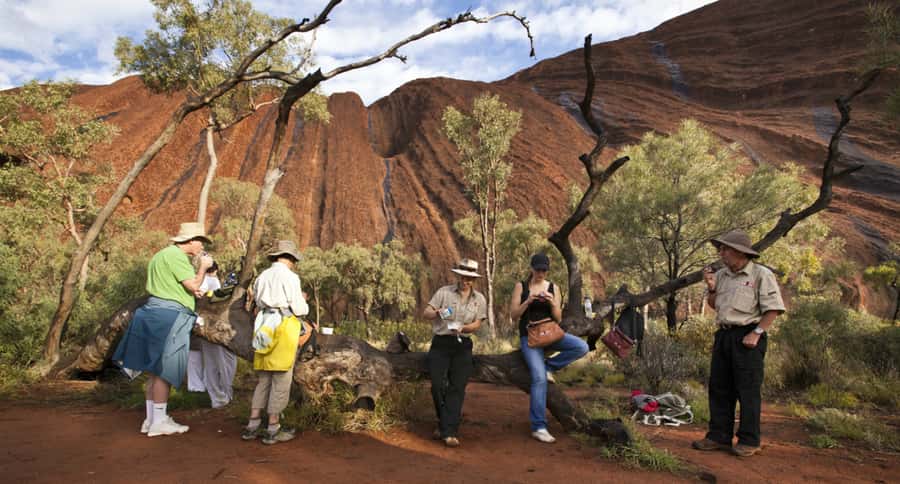
As you continue around the base, the rock keeps changing. You may see ancient rock art, caves, deep grooves, sheer walls, and sheltered places where the stone holds a different colour and texture.
This variety is the main reason I recommend the full circuit instead of only visiting one short section. The front and back of Uluru do not feel identical. Walking all the way around helps you understand its scale and gives you a fuller look at the sites connected with Anangu culture.
The guide also explains Uluru’s geology. You will hear how the rock formed, why its surfaces weather in different ways, and how water has shaped parts of the base. The tour includes information about local flora and fauna as well, so pay attention to the ground and nearby vegetation rather than keeping your eyes fixed only on the monolith.
The supplied information does not promise wildlife sightings, so you should not book this as an animal-watching tour. The value is in learning how plants, animals, water, rock, and people fit together in this dry environment.
Mala Walk and Kantju Gorge
The Mala Walk leads toward Kantju Gorge, another important section of the route. Here the guide shares stories connected with the Mala people and explains the cultural significance of the area.
Kantju Gorge gives the walk a more enclosed feel. The tall rock walls and shaded spaces show another side of Uluru, especially compared with the broad views at sunrise. It is also a good place to pause and absorb the scale of the rock without rushing toward the next stop.
The stories associated with the gorge are best heard from a guide who can explain their place within Tjukurpa. Guides such as Lucia, Dimitri, Michael, Lily, Rachel, and Max have been praised for making the cultural material clear and personal while keeping the group moving safely. The exact guide varies, but the format gives you a chance to ask questions as the sites appear.
Breakfast on the trail
Breakfast comes as an outback picnic in a carry pack, with tea and coffee included. It is a practical setup rather than a long café meal. You carry it yourself, eat during a break, and continue the walk.
For many people, the portion will be sufficient for a morning outing. One useful criticism is that some may want something more filling, especially after starting so early and walking for several hours. If you normally eat a large breakfast, consider bringing an extra snack if permitted by the operator, but do not overload your pack.
The food break also provides a natural pause. A long walk is easier when it has clear stages, and breakfast divides the morning into manageable sections. You can eat, drink, check your feet, and adjust layers before continuing.
Small groups, guides, and language support
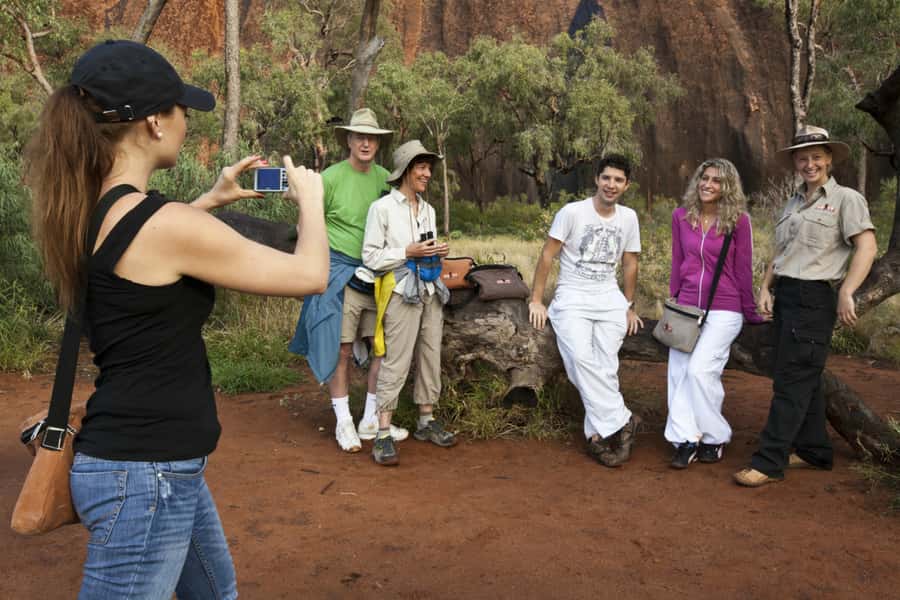
The small-group format is one of the tour’s strongest features. With a maximum of 11 people, you are not standing at the back of a large crowd while a guide speaks into the wind. You can hear the stories, ask questions, and receive reminders about water, pace, and the track.
Guide quality matters here because the tour covers culture, geology, plants, animals, and practical desert survival. The guides praised most warmly include Lucia for her cultural stories, Michael for his energy and care, Lily for her love of the area, Rachel for her friendly approach, and Dimitri for his broad knowledge of local places and nature. These names do not guarantee who will lead your group, but they show the kind of guide this experience aims to provide.
The live guiding is in English. Optional audio guides are available in Spanish, Chinese, French, German, Italian, and Russian. That is useful if you want to follow the commentary in your first language, although the small group and English guide remain central to the experience.
How hard is the 10.5-kilometre walk?
The path is mainly flat and made of gravel, so there is no major climb described in the tour details. That does not make it effortless. You will be on your feet for hours, carrying your breakfast and water, and conditions can become hot quickly.
People who are reasonably fit and comfortable walking this distance should find the pace manageable. The guides allow rests and hydration stops, and there are restroom facilities at two points along the route. The actual distance may be longer than the advertised 10.5 kilometres depending on your recorded route and movements during stops.
Bring sensible walking shoes. A hat, sunscreen, sunglasses, and a water bottle are essential. Reviews also note two water taps along the way, but the water is filtered rainwater and may taste earthy or metallic. Do not rely on those taps as your only supply. Carry enough water for the walk, and follow the guide’s instructions.
A fly net for your face may be useful in warmer months. It is not listed as required equipment, but one person found it helpful. In cooler months, start with warmer clothing and remove layers as the day heats up.
Is $169 good value?
At $169 per person, this is not the cheapest way to see Uluru. You are paying for hotel pickup, transport into the park, a professional guide, the full base walk, breakfast, tea, coffee, and a small group rather than a large coach outing.
The value depends on what you want from Uluru. If you only need a sunrise photograph, you can find simpler options. If you want the full circuit and would otherwise need to arrange transport, park access, route planning, and cultural interpretation yourself, the price is easier to justify.
Remember to add the national park entry ticket to your budget. The ticket lasts three consecutive days, which can help if you plan to return to the park during the same stay. Free cancellation is available up to three days before the tour for a full refund, giving you some flexibility when planning around weather and energy levels.
Who should choose this Uluru walk?
I would choose this for a first visit when you want a complete introduction rather than a quick look. It suits people who value cultural context, enjoy walking, and prefer a small group where the guide can respond to questions.
It is also a good fit if you are staying at an Ayers Rock Resort hotel and want transport handled for you. Families may find it workable if everyone can manage the distance, and infant pricing includes touring and car seat hire.
I would think twice if you dislike pre-dawn starts, struggle with long walks, or want a relaxed breakfast and a short sightseeing schedule. The route is not described as difficult in terms of terrain, but the distance and heat deserve respect.
Should you book it?
Book this tour if you want to understand Uluru as a cultural place, not just photograph it from a lookout. The combination of sunrise, the full base circuit, Mutitjulu Waterhole, Kantju Gorge, rock art, breakfast, and an English-speaking guide gives you a full morning with real substance.
Skip it if you only want a brief view or if 10.5 kilometres sounds like too much. For everyone else, wear proper shoes, carry water, bring a warm layer for sunrise, and keep the morning free. The high 4.8 rating from 182 bookings reflects what this tour does best: it turns a huge red monolith into a place you can read, respect, and remember.
FAQ
How long does the Uluru base walk tour last?
The tour lasts six hours, including hotel pickup, transport, the guided walk, breakfast, and the return to your Ayers Rock Resort accommodation.
How far do you walk around Uluru?
The walk is approximately 10.5 kilometres. Your total distance may be longer depending on stops and the route taken. Some people recorded around 12 to 14 kilometres.
Does the tour include sunrise?
Yes. You begin walking before sunrise and stop at a suitable location to watch the first light reach Uluru.
Is breakfast included?
Yes. An outback picnic breakfast is supplied in a carry pack, along with tea and coffee.
Is Uluru-Kata Tjuta National Park entry included?
No. The national park entry ticket is separate and can be purchased at the entry station. Tickets are valid for three consecutive days from the date of issue.
How many people are in the group?
Transport and the tour group are limited to a maximum of 11 participants.
What languages are available?
The live guide speaks English. Optional audio guides are available in Spanish, Chinese, French, German, Italian, and Russian.
Where is hotel pickup?
Pickup is outside hotel reception at Ayers Rock Resort hotels. For Emu Walk Apartments, pickup is at Desert Gardens Hotel. For The Lost Camel, pickup is at Sails in the Desert.
Just added around the world
- Rovaniemi: Korouoma Frozen Waterfalls Hike & Hot BBQ Lunch★ 4.9 · 90 reviews
- Hidden Waterfalls Hiking Adventure★ 5.0 · 148 reviews
- Hike to Frozen Waterfalls of Korouoma Including BBQ Lunch from Rovaniemi★ 5.0 · 84 reviews
- Private Family Hike in Yosemite★ 5.0 · 37 reviews
- Private Guided Hiking Tour in Yosemite★ 5.0 · 94 reviews
- Guided Yosemite Hiking Excursion★ 5.0 · 80 reviews
- Yosemite Valley Private Hiking Tour★ 5.0 · 83 reviews
- Chiang Mai Untouched Elephant: Nature Walk & Waterfall Trek★ 4.7 · 77 reviews
Small-Group Hikes, side by side.
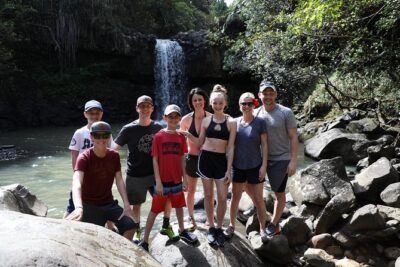
Small Group Waterfall and Rainforest Hiking Adventure on Maui
Read our review →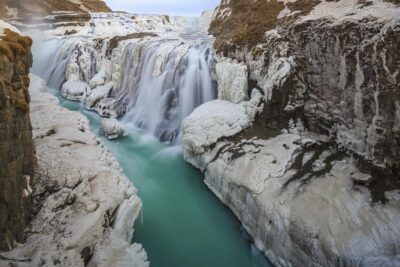
Glacier Hike and South Coast Small-Group Tour from Reykjavik
Read our review →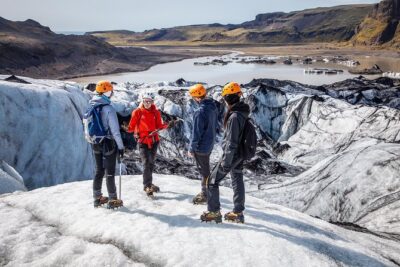
Sólheimajökull Glacier Hike – Adventure in a Small Group
Read our review →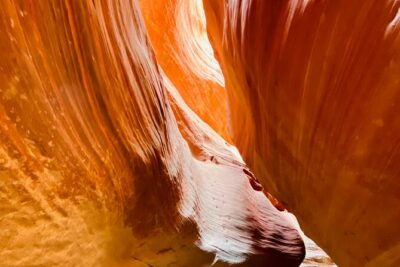
Guided Hike through Peek-a-Boo Slot Canyon (Small Group)
Read our review →
Skaftafell Glacier Hike 3-Hour Small Group Tour
Read our review →
Rio: Tijuca Forest Small Group Hike to Caves and Waterfalls
Read our review →
Gibbons, Trekking & Mae Kampong Small Group Tour
Read our review →This walk also sits in