
REVIEW · BRAZIL
Rio: Tijuca National Park Small-Group Hike to Pedra Bonita
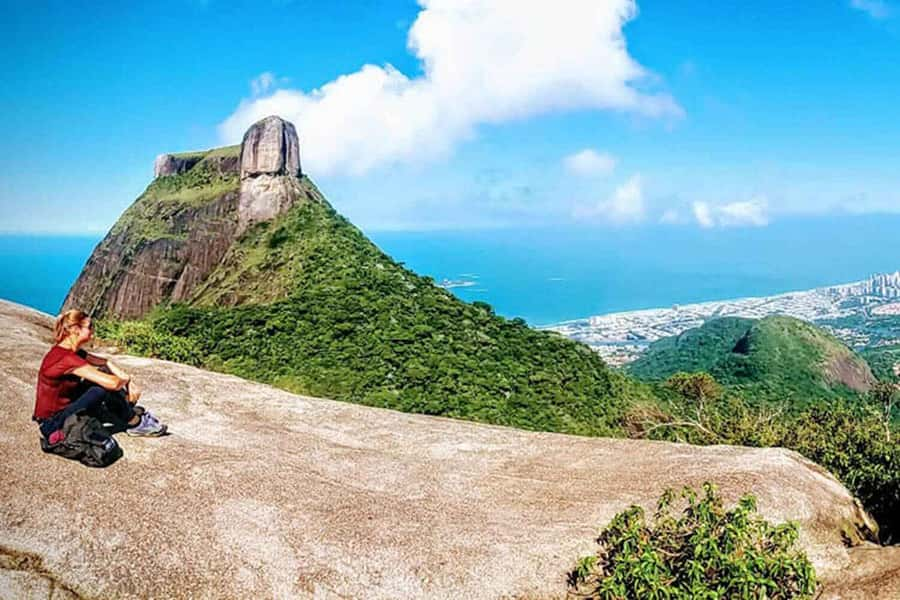
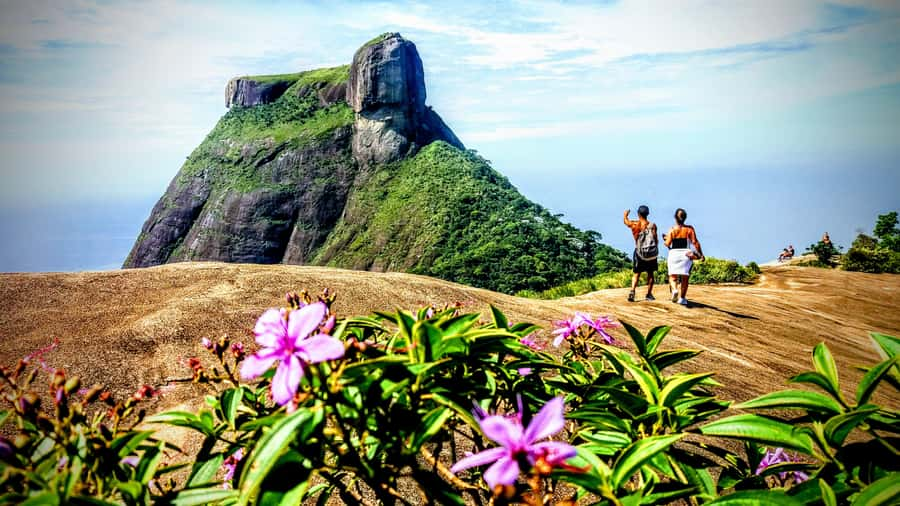
Pedra Bonita gives you one of Rio’s finest viewpoints without the hard climb of Pedra da Gávea. The easy two-hour hike passes through Atlantic rainforest, then opens onto bare rock at 696 meters, with a striking view of Pedra da Gávea dropping toward the ocean.
I like the small maximum group of six and the guides’ mix of nature and local history. Tito, Alex, and Eddie have all been praised for clear English, friendly help, and good explanations. The tradeoff is simple: easy does not mean effortless. Rough, uphill and downhill trail calls for decent fitness, proper shoes, and 1 to 2 liters of water.
At a glance
- A 3.5-kilometer round trip: Expect about two hours of walking and 203 meters of elevation gain.
- A rare view of Pedra da Gávea: Pedra Bonita gives you a memorable angle on Rio’s huge seaside monolith.
- A living history lesson: Your guide explains coffee farms, forest destruction, and the 19th-century reforestation of Tijuca.
- A small, personal outing: Groups are limited to six, with private outings also available.
- Hotel pickup in the South Zone: Transport is included from a long list of hotels in Copacabana, Ipanema, Leblon, Botafogo, Flamengo, and nearby areas.
- A useful half-day plan: The five-hour schedule leaves room for another Rio sight, beach time, or a relaxed meal.
Why Pedra Bonita is such a smart Rio hike
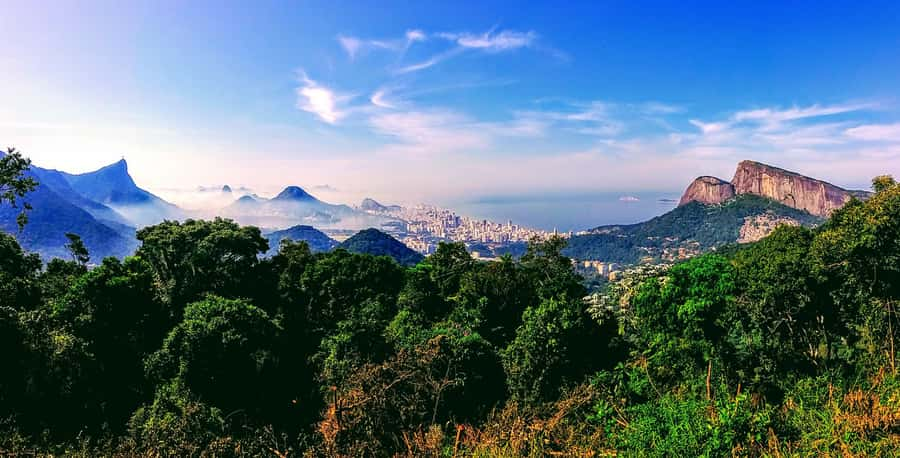
Rio offers famous viewpoints, but not all of them give you much contact with the forest. Pedra Bonita combines both. You walk beneath Atlantic rainforest, learn how this urban forest came to exist, and finish on an exposed summit with broad views over the city and coast.
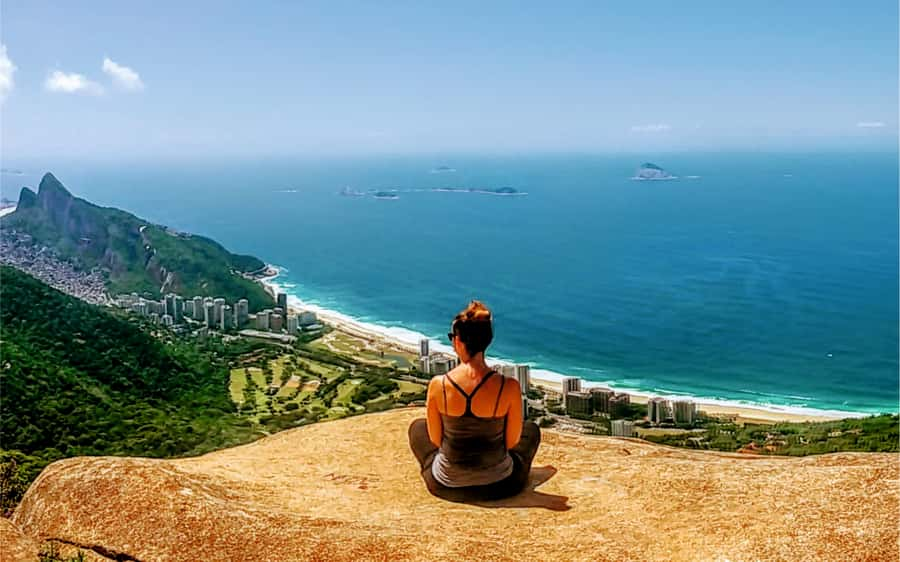
The summit reaches 696 meters, or 2,283 feet. That is high enough to feel removed from the streets, yet the route remains short enough for a half-day outing. The official hiking distance is 3.5 kilometers, or 2.2 miles, with 203 meters of elevation gain.
The reward is not only the view toward Rio. From Pedra Bonita, you get a particularly clear look at Pedra da Gávea, the massive 844-meter monolith that rises beside the ocean. Its shape and position make it one of the most memorable natural features around Rio.
You should keep expectations sensible. The summit is exposed rock, so weather and visibility matter. A cloudy day can soften the payoff. One past outing was affected by bad weather, although the guide still made the forest portion worthwhile. If your schedule allows, book early in your stay so you have some room to reschedule around poor conditions.
More Small-Group Hikes in Rio De Janeiro:
- Rio: Tijuca Forest Small Group Hike to Caves and Waterfalls
★ 4.9 · 536 reviews - Small Group Waterfall and Rainforest Hiking Adventure on Maui
★ 5.0 · 1,417 reviews - Glacier Hike and South Coast Small-Group Tour from Reykjavik
★ 5.0 · 827 reviews
From Copacabana to Tijuca National Park
The day begins with pickup at a designated South Zone hotel. The long pickup list covers much of Copacabana, Ipanema, Leblon, Leme, Botafogo, Flamengo, and Santa Teresa. That is convenient if you are staying in the main hotel districts, but it is not a universal Rio pickup service.
If you are staying outside the covered area, you need to arrange your own way to the meeting point. Transportation from outlying areas is not included. Confirm your exact hotel and pickup time before booking, especially if your accommodation has a similar name to another property.
The drive from the South Zone to the Tijuca Mountains is part of the experience. You leave the dense beachfront districts and head into one of the world’s largest urban forests. The contrast helps you understand Rio’s geography: steep forested mountains rise close to busy neighborhoods and famous beaches.
The ride also gives your guide time to introduce the day. Past guides have used this opening to explain Rio’s history, Brazil’s economy, and the story of the forest before the walking begins. That background makes the trail more than a quick uphill stroll.
What you see inside the forest
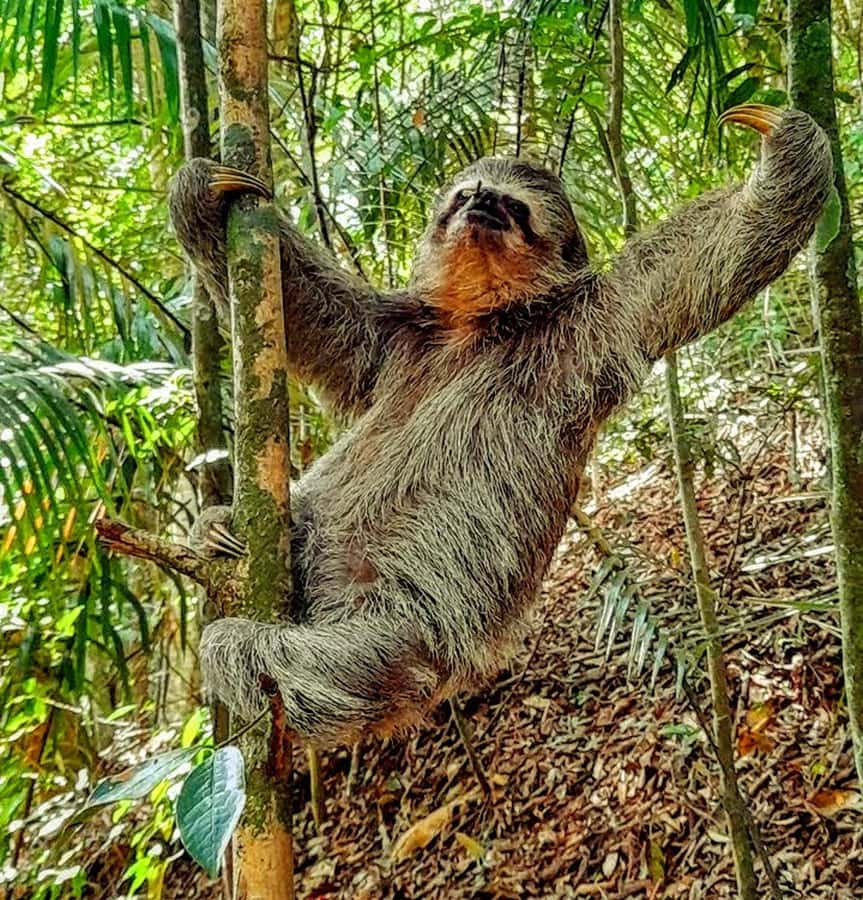
Tijuca National Park protects Atlantic rainforest within Rio’s city limits. This is a valuable part of the outing because the forest is not treated as scenery only. The guide points out plants, trees, fruit, and signs of wildlife, and may help you spot monkeys.
Wildlife sightings are never promised, so you should not book this as a guaranteed animal-watching trip. The stronger reason to go is the chance to understand how the forest works and how closely nature sits beside the city.
The human story is just as interesting. Coffee farms once occupied parts of the Tijuca area. During the 19th century, reforestation began to restore the damaged slopes. Your guide connects those changes to the water, climate, and protection of Rio’s mountain environment.
This is where a small group matters. With six people or fewer, it is easier to stop for a plant explanation or ask about a bird call without holding up a large crowd. Past guides such as Tito have been praised for explaining Brazilian ecosystems in clear English, while Alex has been noted for combining local history with a light, friendly manner.
The 50-minute climb to Pedra Bonita
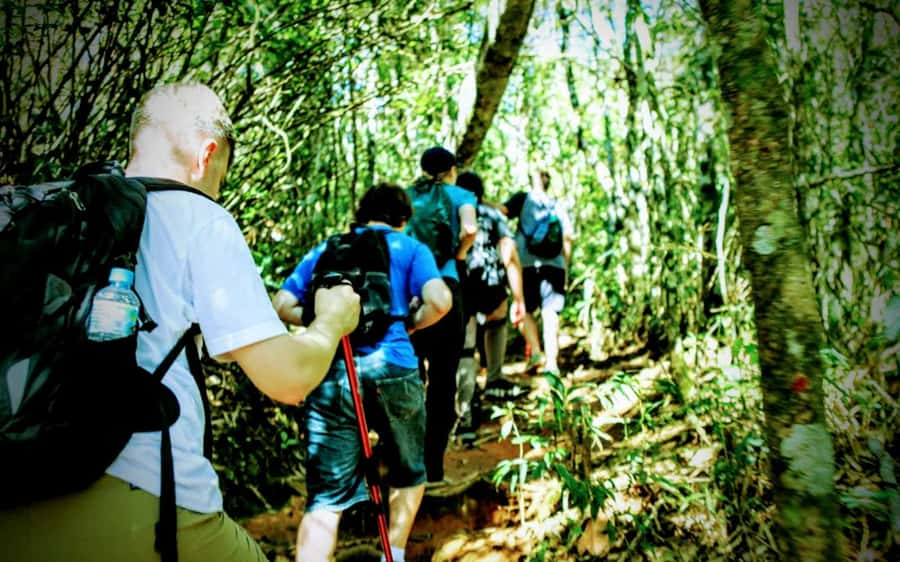
The route to the summit takes roughly one hour, with the return and other trail time bringing the hiking total to about two hours. The trail is described as easy, but it is not a flat park walk. You will go uphill and downhill over rainforest terrain, with uneven footing.
Wear sneakers with a firm sole or hiking boots. Sandals are not suitable. Comfortable clothes, sunscreen, insect repellent, and weather-appropriate layers all make sense. Pack a small daypack, not luggage or a large bag.
The 203 meters of climbing are manageable for a moderately fit person who can walk uphill for an extended period. You do not need technical climbing skills, but you do need steady legs and balance. The operator may refuse participation if a person appears unable to handle the route.
That policy can feel strict, but it is reasonable on a forest trail. This outing is not suitable for children under 12, wheelchair users, people with mobility impairments, or anyone with heart, lung, or other medical conditions that make difficult physical activity unsafe. If you have a health concern, get medical advice before booking.
Take water seriously. Bring 1 to 2 liters per person, plus snacks. Food and drinks are not included, and there may not be a convenient place to buy them once the walking begins.
More National Park Hikes in Rio De Janeiro:
- San Francisco: Yosemite National Park & Giant Sequoias Hike
★ 4.5 · 1,777 reviews - Skaftafell National Park: Falljokull Glacier Advanced Hike
★ 4.8 · 1,083 reviews - Everglades National Park Biologist Led Adventure: Cruise, Hike + Airboat
★ 5.0 · 685 reviews - Chiang Mai: Doi Inthanon National Park and Pha Dok Siew Trek
★ 4.5 · 527 reviews
Pedra Bonita’s open summit and Pedra da Gávea view
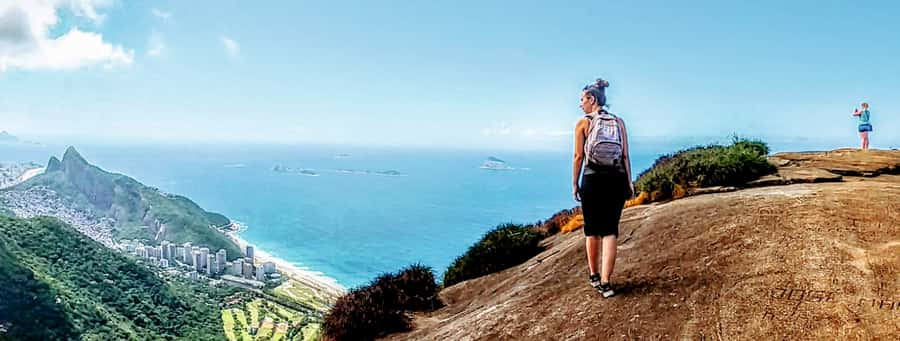
The forest eventually gives way to the exposed rock of Pedra Bonita. This change is dramatic: shaded trail becomes open sky, and the view expands quickly.
At the top, you can look toward Pedra da Gávea, the sea, and Rio’s mountain country from an unusual angle. Pedra da Gávea appears especially impressive from here because you see its full mass and its position directly beside the coast.
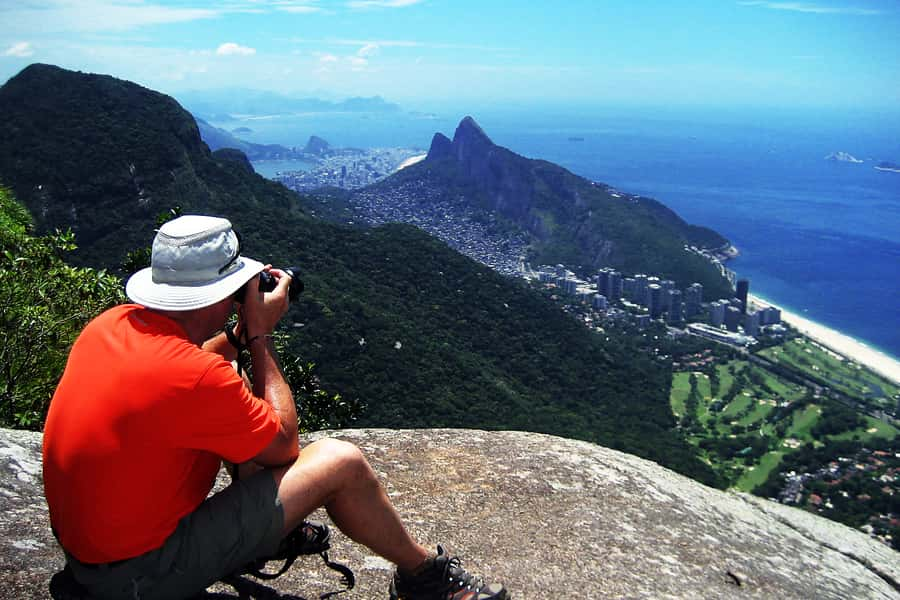
You will have time for photographs and a proper look around, not just a quick stop for a snapshot. Still, exposed rock can be hot under strong sun, so sunscreen and a hat are useful. Weather can also change the experience. On a clear day, the panorama is the star of the morning. In cloud or rain, the forest and guide’s explanations carry more of the outing.
Some people compare the view favorably with Rio’s more famous Christ the Redeemer viewpoint. The two experiences are different. Christ offers a classic city-and-bay panorama from a landmark monument. Pedra Bonita gives you a mountain setting, a closer connection to the forest, and an excellent view of Pedra da Gávea.
The additional viewpoint at Vista Chinesa
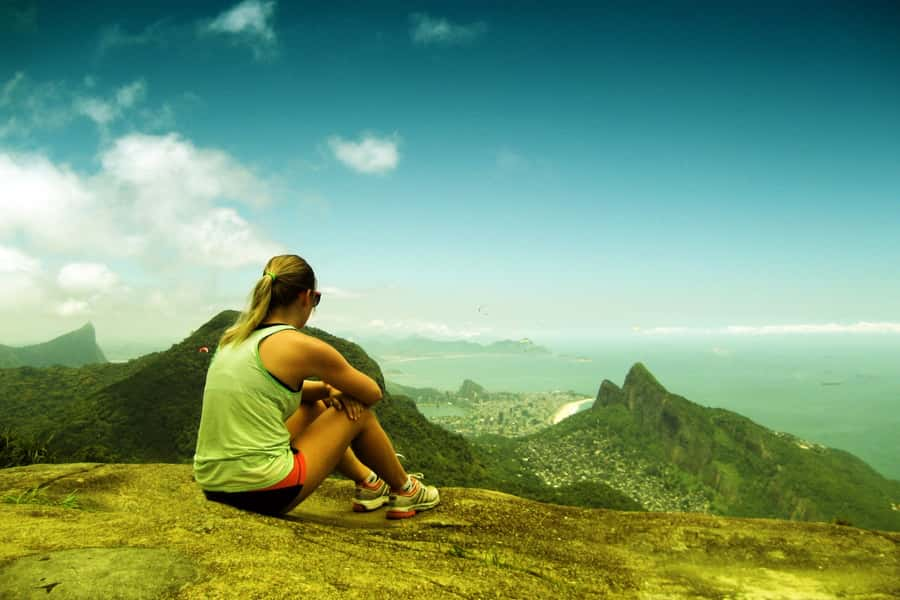
The return portion includes a stop at Vista Chinesa for about 15 minutes. It is a short photo and sightseeing break rather than another hike.
This makes the transport time work harder. You get a second angle on Rio without adding a long walk after the main climb. The stop is brief, so think of it as a useful bonus, not a separate attraction that deserves a full afternoon.
Because the day includes several guided portions, the total five-hour duration is not five hours of continuous hiking. It includes transportation, the Tijuca Forest introduction, the climb, time at Pedra Bonita, the return through the park, and Vista Chinesa. That pacing suits you if you want nature without giving up an entire day.
What the $63 price really covers
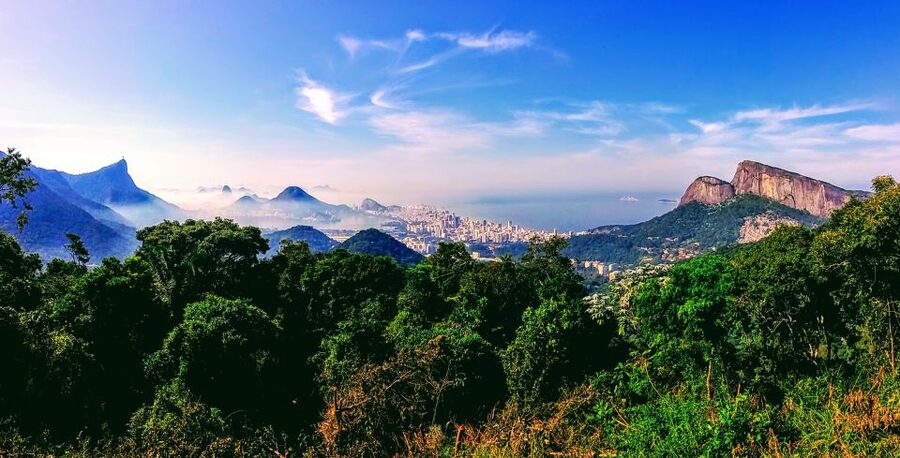
At $63 per person, this is a reasonable value if you are staying in the South Zone and want a guided nature outing. You are paying for transport from a covered hotel, a bilingual English or Portuguese guide, the small-group format, and insurance.
The guide is the main value. You could find your own way toward the park, but you would lose the context about coffee farming, reforestation, plants, wildlife, and Rio’s mountain history. You would also need to handle transport and route planning yourself.
The price does not include water, snacks, or drinks. Bring your own supplies and you avoid a needless extra cost. It also does not include transport from outlying areas, so the value is strongest when your hotel is already in the listed pickup zone.
Private groups are available if you want more control over pace and attention. A small shared group is likely the better deal for solo visitors and couples, while a private option may suit families with older children or friends who want a specific rhythm. Children under 12 are not suitable for this activity.
The booking terms are friendly for uncertain weather and changing plans: you can cancel up to 24 hours ahead for a full refund, and you can reserve now and pay later. Check the available start times because pickup timing affects how much of your day remains free.
How the guiding shapes the experience
The best part of this tour is the guide-led interpretation, not simply reaching the summit. Tito has been praised for strong English and for explaining ecosystems, history, and Brazil’s economy. Alex has received similar praise for his professionalism, humor, and clear account of Rio’s past. Eddie has also been described as attentive when a participant needed a slower pace.
Guiding quality can vary by departure, so treat those names as examples rather than a guarantee. The operator provides English and Portuguese, and you should select the language you need when checking availability.
A good guide changes how you walk. Instead of rushing to the top, you stop to notice the forest. A fruit, tree, or patch of regrowth becomes part of the story. The walk also gains a human timeline: coffee cultivation, damage to the slopes, and the replanting work that helped bring Tijuca back.
This format suits you if you like asking questions. It may be less satisfying if you want a fast, silent workout with no commentary. The route itself is short, so the educational side is a major reason to choose this particular outing.
Practical preparation for a comfortable morning
Bring:
- 1 to 2 liters of water
- Snacks
- Sunscreen
- Insect repellent
- Comfortable clothes
- Sneakers or hiking boots
- Weather-appropriate clothing
- A small daypack
Leave large luggage behind. The activity is designed around a compact backpack and trail clothing.
Rain and cloud can affect the summit view, while heat can make the climb feel harder than the distance suggests. Start with a moderate pace and tell the guide if you need a pause. The outing is billed as easy, but your comfort depends on fitness, weather, and footwear.
Pick a hotel pickup that you can reach easily and double-check the exact property name. The list includes many hotels with similar names, plus hostels and properties across several neighborhoods. A small mistake here can create a poor start to an otherwise well-planned day.
Who should book this hike
I would choose this for a first or second visit to Rio if you want more than beaches and city viewpoints. It is especially good for people who enjoy nature but do not want a demanding full-day trek.
You are a strong match if you:
- Can walk uphill and downhill for about two hours
- Want rainforest, mountain views, and local history in one outing
- Prefer a group of six or fewer
- Are staying in Rio’s South Zone
- Value a bilingual guide
- Want a half-day activity rather than a full-day excursion
I would skip it if you need an accessible route, dislike uneven ground, or want a guaranteed clear summit view. It is also not the right choice for a hard-core hiker looking for a strenuous challenge. The climb is intentionally easy, and one experienced hiker found the route less demanding than expected.
Should you book Pedra Bonita with Jungle Me?
Book it if you want an approachable mountain walk with strong guiding and efficient transport from Rio’s main hotel districts. The combination of Tijuca’s rainforest, Pedra Bonita’s 696-meter summit, and the view of Pedra da Gávea gives you a fuller picture of Rio than a standard city sightseeing trip.
The clearest reasons to book are the excellent guide-led nature and history, the small group, and the reward at the top. Bring water, wear real walking shoes, and choose a day with a flexible weather plan.
If you want a tough hike, a long wilderness day, or complete control over your route, choose something else. For a moderately fit visitor seeking a practical five-hour introduction to Rio’s forested mountains, this is a well-priced and memorable choice.
FAQ
How long does the Pedra Bonita tour last?
The full activity lasts about five hours, including hotel transportation, guided stops, the hike, and the visit to Vista Chinesa.
How long is the hike?
The hiking portion takes about two hours in total and covers a 3.5-kilometer round trip with 203 meters of elevation gain.
Is the Pedra Bonita hike difficult?
It is rated easy, but you need moderate fitness for uphill and downhill walking on rough rainforest terrain.
What should I bring?
Bring comfortable shoes or hiking boots, water, snacks, sunscreen, insect repellent, suitable clothing, and a small daypack. Bring 1 to 2 liters of water.
Is transportation included?
Transportation is included from designated hotels in Rio’s South Zone. Transport from outlying areas is not included.
What languages are available?
The tour is offered with a live guide in English or Portuguese.
Can children join the hike?
The activity is not recommended for children under 12. It is also not suitable for wheelchair users, people with mobility impairments, or people with heart conditions.
Just added around Rio De Janeiro
- Rio de Janeiro: Tijuca Peak Guided Hike★ 4.7 · 56 reviews
- Rio de Janeiro: Sugarloaf Mountain Hike and Climb★ 5.0 · 45 reviews
- Rio De Janeiro: SUGARLOAF MOUNTAIN HIKE & CLIMB★ 5.0 · 48 reviews
- Rio de Janeiro: Tijuca Forest Waterfall of Souls Hike★ 4.5 · 24 reviews
- Rio de Janeiro: Pedra da Gávea – guided hike with best views★ 5.0 · 9 reviews
- Rio de Janeiro: Telegrafo Rock Hike with Optional Beach Stop★ 5.0 · 13 reviews
- Rio de Janeiro: Dois Irmãos Peak Sunrise, Day or Sunset Hike★ 4.7 · 94 reviews
- Rio de Janeiro: Pedra do Telégrafo Trail Hike and Ocean View★ 5.0 · 30 reviews
National Park Hikes, side by side.
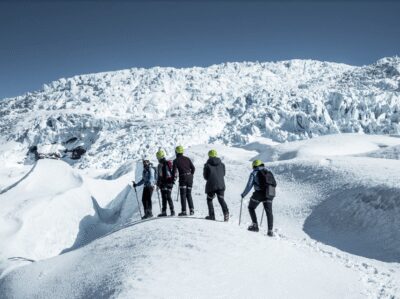
Skaftafell National Park: Falljokull Glacier Advanced Hike
Read our review →
Everglades National Park Biologist Led Adventure: Cruise, Hike + Airboat
Read our review →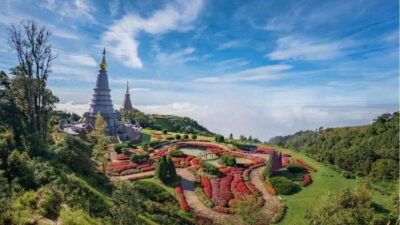
Doi Inthanon National Park and Pha Dok Siew Trek
Read our review →
Marseille: Calanques National Park Guided Hike with Picnic
Read our review →
From Marseille: Calanques National Park Guided Hike
Read our review →
From Kuala Lumpur: Taman Negara National Park Trek Day Tour
Read our review →
This walk also sits in