
REVIEW · NEPAL
Pokhara: 4-Day Mardi Himal Trek
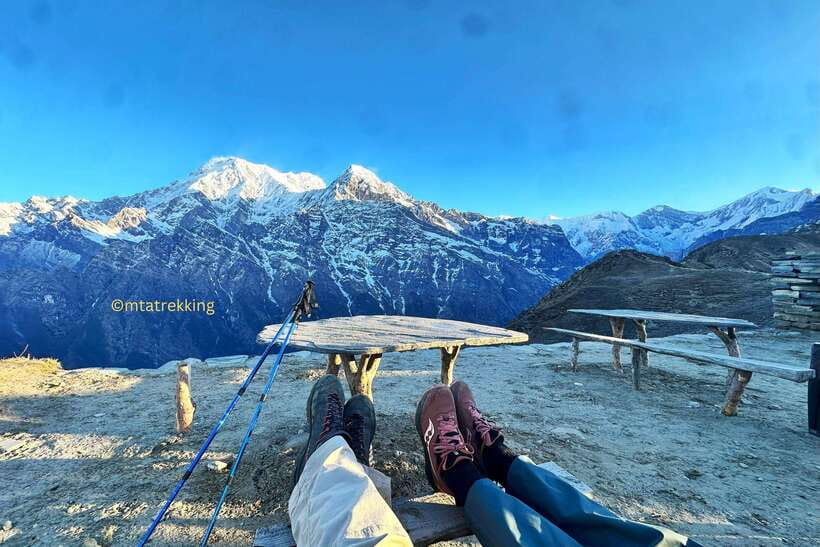
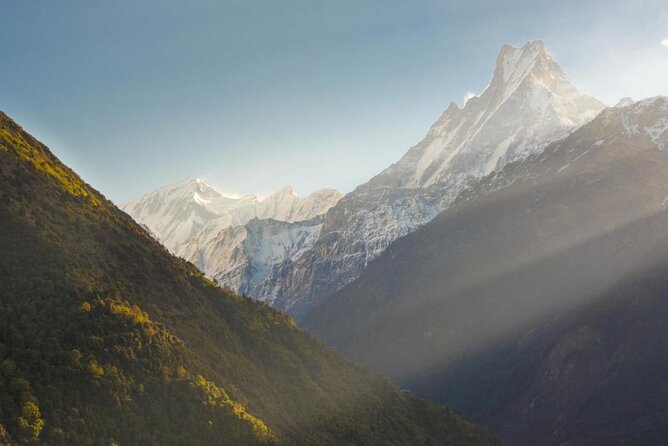
Mardi Himal gives you a lot of Nepal in four demanding days: forest trails, stone steps, friendly mountain villages, cold high camps, and a sunrise over Machhapuchhre, or Fishtail. The best part is the changing scenery. You start near Pokhara among fields and woodland, then climb into open high country where Annapurna South, Mardi Himal, and Fishtail fill the view.
I like the private-group format, since your guide can slow down, stop for tea, or adjust the day when the altitude bites. I also like the local feel of the route, from Gurung and Magar villages to simple teahouses and small mountain kitchens. The catch is that four days is brisk. You will face long climbs, many steps, and a very early sunrise hike, so this is not a gentle walk in the hills.
Key points to know before you go
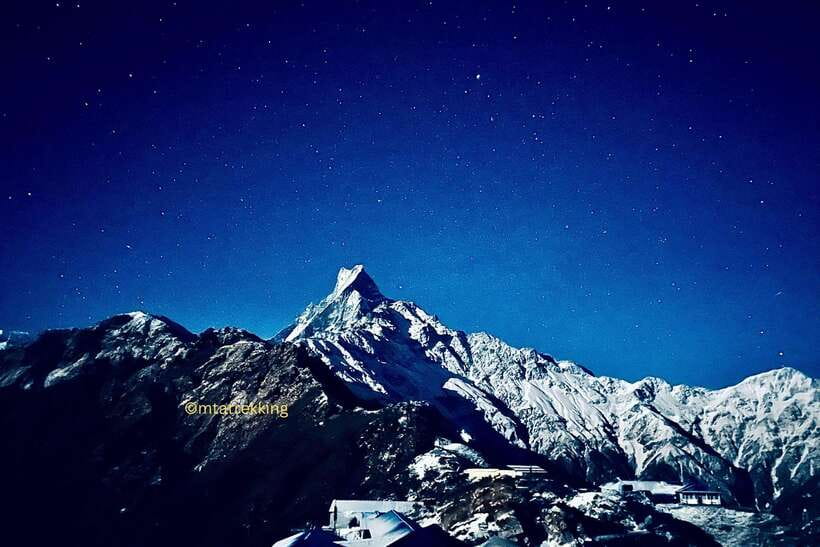
- Sunrise is the payoff: Reach the high viewpoint at roughly 4,200 to 4,300 meters for views of Fishtail, Annapurna, and Mardi Himal.
- The route is short but strenuous: Four days compresses walking that is often spread over five or six days.
- Guides make a real difference: Ramit, Kaji, Prabit, Lalit, Santosh, Shishir, Jiban, Jeevan, Gobinda, and others are praised for pacing, food advice, photographs, and safety checks.
- The $139 price needs careful reading: Transport, permits, guide, gear, and lodging are included, but meals depend on the package and a porter costs extra.
- Winter and monsoon need caution: Snow, rain, slippery ground, leeches, and poor visibility can change the route beyond the viewpoint.
- Bring cash and warm layers: Mountain food, drinks, showers, laundry, and personal items are not covered.
Why Mardi Himal works so well from Pokhara
Pokhara is the natural starting point for this trek. You can leave the lakeside area in the morning and reach Kande after a drive of about an hour and a half. That quick transfer puts you on a walking trail without the long road journey needed for some larger Annapurna routes.
The route is appealing because the scenery changes quickly. At lower elevations, you pass fields, forest, streams, and hillside settlements. Higher up, rhododendron woodland gives way to open slopes and wide views. Birdlife, butterflies, and the possibility of seeing Himalayan thar add interest before the big mountain panorama arrives.
This is also a good introduction to trekking in Nepal because the trail is non-technical. You do not need climbing skills or ropes. You do need stamina, sure feet, and a willingness to walk uphill for several hours at a time. One useful reality check: the route contains endless steps in places. The distance may look manageable on paper, but the altitude and repeated climbing make the days feel serious.
The private format is valuable here. Guides have adjusted the pace for couples, first-time trekkers, and people feeling the effects of altitude. Guides including Kaji and Lalit are specifically praised for choosing rest stops, checking food, and watching for symptoms. That sort of attention is more useful than a fast pace or a packed schedule.
More Annapurna Treks in Pokhara:
- Trekking in Annapurna/Langtang/Everest/Upper Mustang regions
★ 5.0 · 161 reviews - Pokhara: Annapurna Foothills Day Hike with Transfers
★ 5.0 · 100 reviews - Kathmandu/Pokhara: 5-Day Annapurna Base Camp (ABC) Trek
★ 4.9 · 72 reviews
Day 1: Kande to Forest Camp through the trees
Pickup is available from several parts of Pokhara, including Baidam, Lakeside, Lakeside Road, Pame, and central Pokhara areas. The drive to Kande passes fields, forest, the Seti River, and mountain scenery. A stop at a teahouse breaks up the transfer before you begin walking.
From Kande, allow about five hours to reach Forest Camp at roughly 2,600 meters. The trail leads through thick woodland, with occasional openings toward the surrounding hills. This first day is not the most dramatic for mountain views, but it is a pleasant introduction to the route and gives your legs a chance to settle into the rhythm.
Forest Camp is a simple overnight stop. Accommodation is in a teahouse or similar mountain lodging, and the Standard Package includes the room but not meals. That distinction matters. The Full Package includes breakfast, lunch, and dinner, while the Standard Package leaves food costs with you.
Ask exactly what your booking covers before setting off. One person who completed the trek found that room and food costs were not as clear as expected. Bring enough Nepalese rupees for meals, drinks, personal items, and possible room charges. The provider offers luggage storage in Pokhara, which is useful if you only need a small pack on the trail.
Day 2: Forest Camp to High Camp, the hard climb
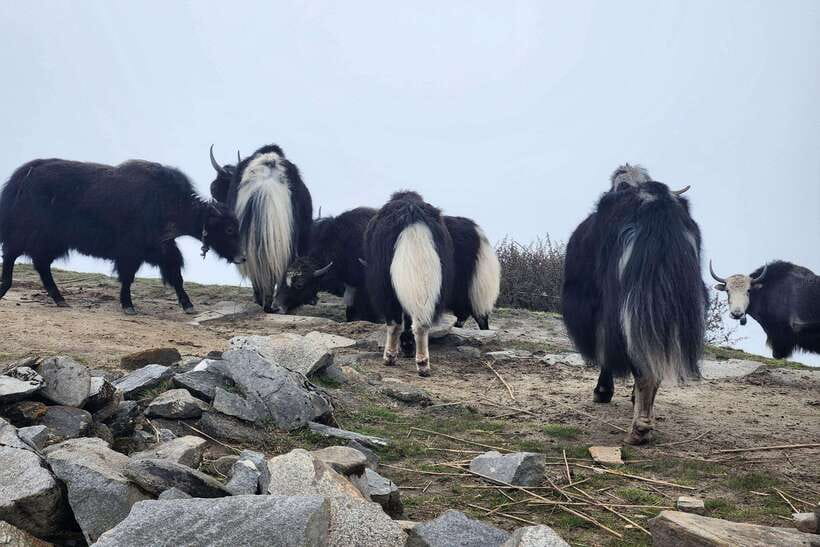
The second day takes about five hours and climbs toward Mardi Himal High Camp. The route continues through dense forest at first, with changing vegetation and possible glimpses of birds and other wildlife. As you gain height, the trees thin and the views begin to open.
The high camp is described at about 3,550 to 4,000 meters in the supplied plans. Because the figures and stop names vary slightly, confirm the exact overnight point with the provider before departure. In practical terms, this is the cold, high night before the sunrise walk.
This is the day when fitness matters most. The climb is not technical, but it is steady, and many sections use stone steps. Take your time. A guide such as Prabit or Shishir can adjust the pace, choose sensible breaks, and watch for early signs of altitude trouble. Do not treat a private group as a reason to race upward.
High Camp has fewer comforts than Pokhara. You might find limited hot water, weak or absent phone service, and basic bathroom facilities. One useful suggestion is to take the supplied sleeping bag, even if bedding is provided. Conditions in high mountain teahouses can be basic, and an extra warm layer improves the night.
Food choices also deserve some thought. Guides have advised people to favor fresh vegetables, rice, and local meals, while avoiding frozen or questionable food at high altitude. You should also drink often, though boiled water and other drinks cost extra.
Day 3: Sunrise at 4,200 meters and the optional base camp
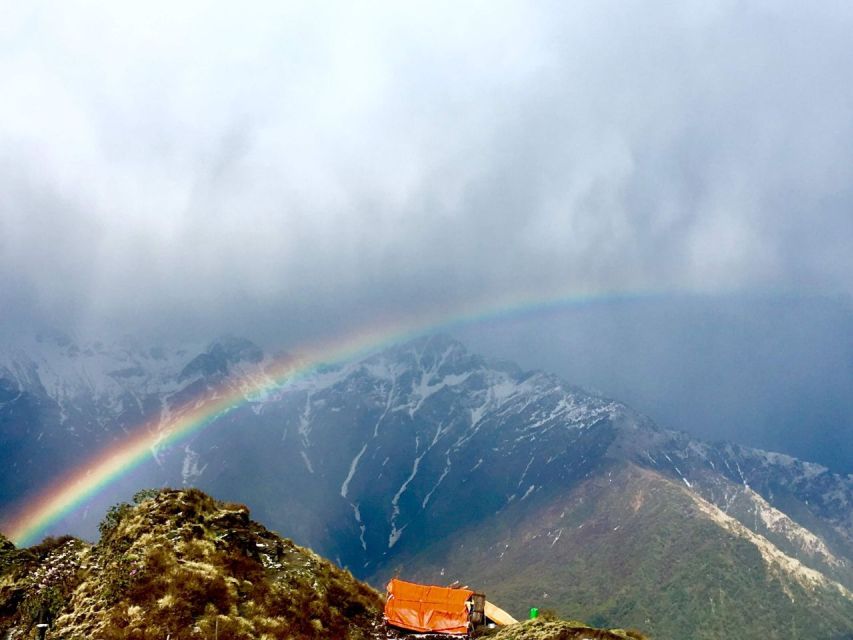
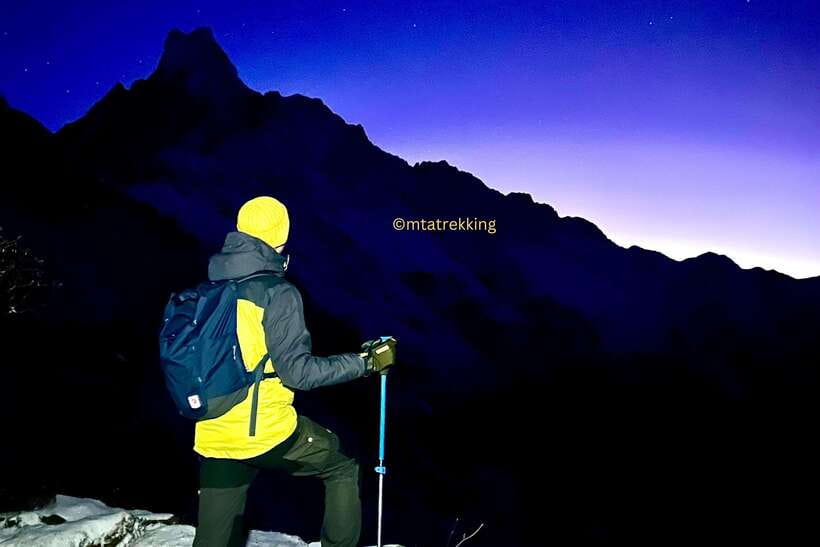
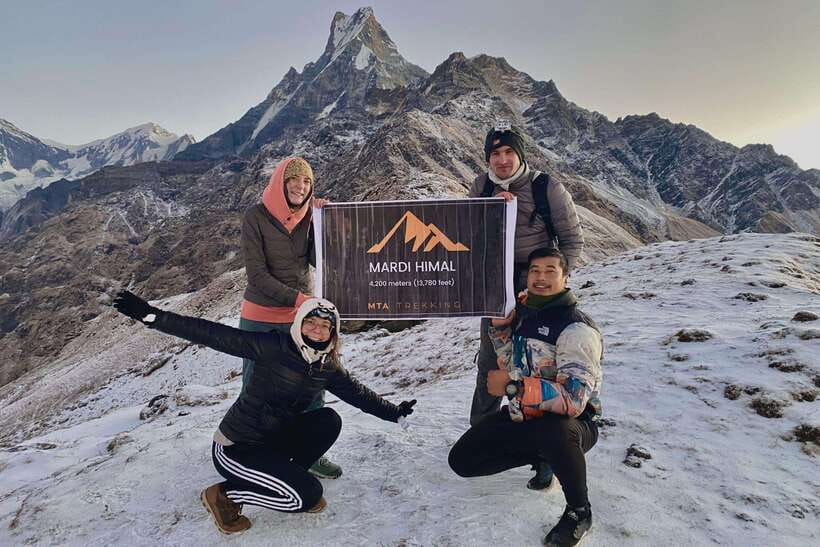
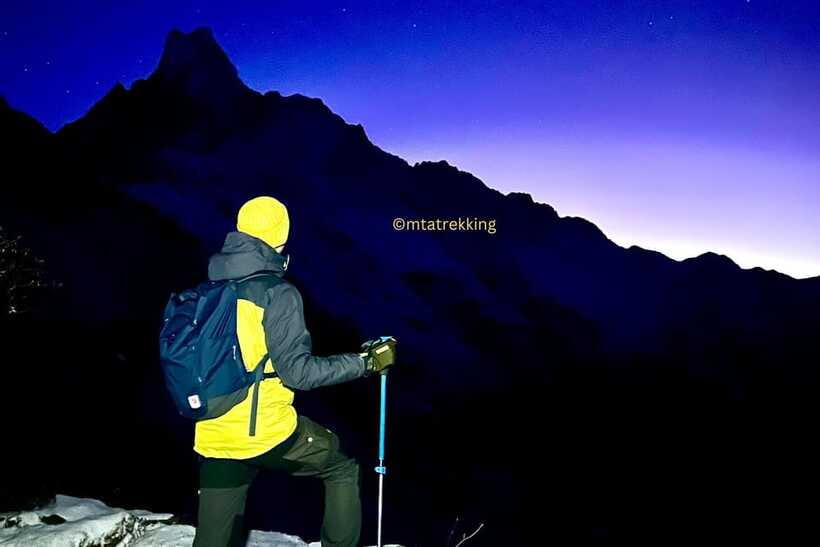
The alarm comes around 4:00 in the morning. From High Camp, you walk for roughly one and a half to two hours to reach the sunrise viewpoint. Some schedules describe the viewpoint as 4,200 meters, while other figures place it around 4,300 meters. Either way, this is a high, cold start in the dark.
A flashlight is essential. So are gloves, a warm hat, sunglasses for later, and several layers you can remove as the day warms. The early climb can feel slow, especially after the previous day. Do not judge the route by the distance alone. Cold, thin air and steep steps change the effort.
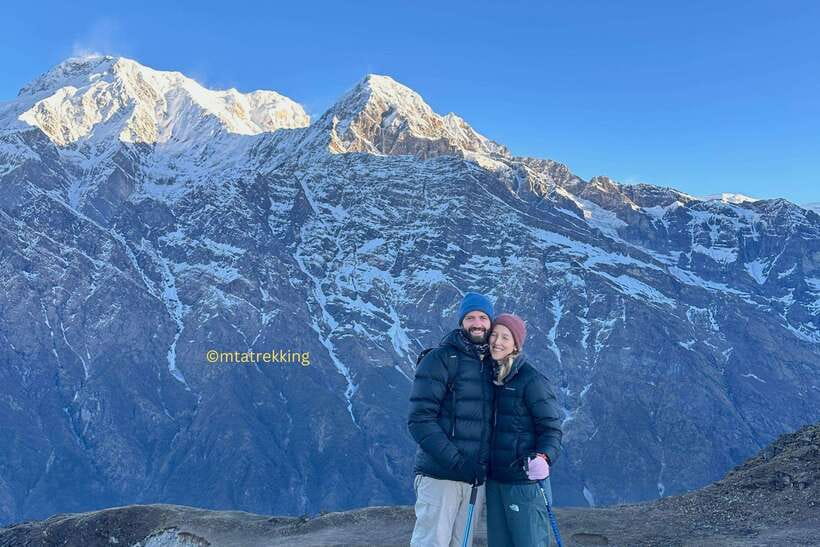
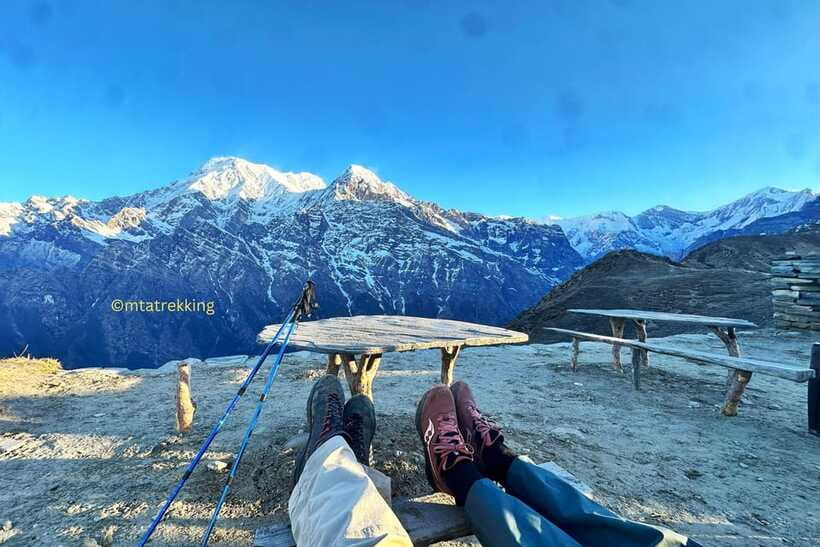
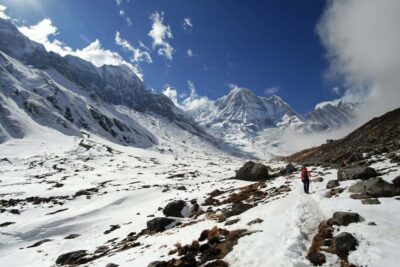
At the viewpoint, the reward is broad and direct: sunlight reaches Fishtail, Annapurna South, Mardi Himal, and the surrounding peaks. Fishtail is especially memorable, with its sharply shaped summit making a clear focal point from the ridge. If the clouds stay away, this is the moment that justifies the hard climb.
Weather controls the next decision. Mardi Himal Base Camp is listed at about 4,500 meters, and the extra section can be steep and exposed, with little safety infrastructure beyond the viewpoint. In January and February, snow can make the route difficult enough to require crampons and extra care. During monsoon weather, slippery ground and poor visibility can create similar problems.
Some guides have continued to base camp when conditions were good, while others have advised stopping at the viewpoint when clouds or snow made the route unsafe. That is the correct approach. Reaching a sign at a higher altitude is not worth taking a bad risk. Ask your guide for a clear weather and trail check before deciding.
After the sunrise, you return for breakfast and begin descending. The plan supplied for this day contains different labels, with some versions placing the night back at Forest Camp and another route description mentioning Low Camp. Confirm your actual overnight stop. The descent is easier on breathing but can be hard on knees, particularly after the early start.
More Four-Day Trips around Pokhara:
- Pokhara: 4-Day Ghorepani, Poonhill & Ghandruk Mountain Trek
★ 5.0 · 132 reviews - 4-Day Private Poon Hill Trekking Tour
★ 5.0 · 58 reviews - Pokhara: 4-Day Private Trek Tour
★ 4.9 · 43 reviews - From Pokhara: 4-Day Mardi Himal Base Camp Trek
★ 4.9 · 31 reviews
Day 4: Forest trails, Kalimati, and the drive back
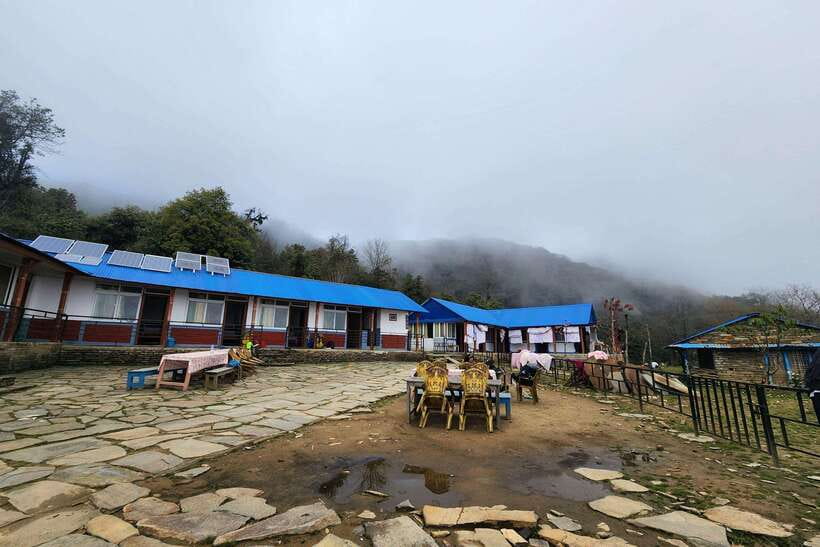
The final section leads downhill through forest toward Kalimati, around 1,650 to 1,800 meters depending on the stated stop. You pass small waterfalls, bridges, bird sounds, and woodland paths. Fishtail may remain visible through openings, giving you one last mountain companion before the route turns lower.
This is a calmer day than the high ridge walk, but it still includes about three hours of hiking before the vehicle transfer. The plan describes a jeep or SUV ride of roughly one and a half to two hours back to Pokhara. Drop-off is available in Pokhara, Baidam, or Lakeside.
The road transfer is part of the value of this short trip. You do not need to retrace the full walking route, and you can return to a proper hotel or continue with other plans in Pokhara. Transport is included, and it has received very strong marks for comfort and reliability.
What the $139 price really covers
At $139 per person, the trek is competitively priced for a private four-day mountain trip. The package includes Pokhara pickup and drop-off, a licensed English-speaking guide, permits, TIMS fees, government taxes, trek transport, accommodation under the Standard Package, and trekking equipment such as poles and a sleeping bag.
Staff expenses are also covered, including guide meals, accommodation, salary, equipment, insurance, and transport. That removes several costs that can otherwise appear during a Nepal trek.
The main point to watch is the package choice. Meals are included only with the Full Package. The Standard Package does not include breakfast, lunch, or dinner, and mountain food is not cheap compared with lowland Nepal. Soft drinks, alcoholic drinks, boiled water, toiletries, laundry, phone calls, and other personal costs are extra.
A porter costs $20 per day. You may not need one if you pack lightly, but the option matters if you are carrying camera equipment, winter clothing, or a shared tent is not part of your arrangement. Solo visitors may also have to share a room with another trekker during busy periods because teahouse rooms are limited.
Free cancellation is available up to 24 hours before departure, and you can reserve without paying immediately. Those policies give you some flexibility, but they do not replace travel and rescue insurance. You should arrange your own cover, especially for a trek reaching 4,500 meters.
The guides are a major part of the experience
The strongest part of this experience is the guide service. Ramit is praised for regular comfort checks, cultural stories, and taking photographs. Kaji is described as cheerful, careful with food choices, and attentive when people felt tired. Prabit handled transport, accommodation, meals, and pacing in a calm way.
Lalit is noted for planning rest and lunch stops and responding safely when a companion developed altitude symptoms. Shishir is praised for keeping the mood light while adjusting progress. Other named guides include Santosh, Binod, Jiban, Jeevan, Gobinda, and Lalit.
The practical lesson is simple: tell your guide early if you have a headache, nausea, unusual tiredness, or trouble sleeping. A good guide can slow the pace or stop the higher section, but you need to speak up. Do not hide symptoms to protect the schedule.
The local contact before the trek also matters. Bijay has helped people sort out planning, gear, and onward arrangements in Pokhara. Clear communication before departure can prevent confusion about meals, room charges, pickup points, and the base camp option.
Best seasons, difficult weather, and what to pack
March through May and September through November offer the best odds of stable weather and clear mountain views. April and November are especially appealing if you want a balance of comfortable trail conditions and strong visibility.
The monsoon months can bring cloud, rain, leeches, and mosquitoes in the lower forest. One person hiking in October still found leeches and insects in wet woodland sections, so long socks and insect protection are sensible. Cloud can also hide the summits for much of the trip.
Winter brings cold and possible snow. The trail beyond the viewpoint may be steep and slippery, and the base camp section can require crampons. Your guide will decide whether the higher section is safe, but you should arrive prepared rather than assuming the route will be dry.
Pack warm clothing, sunglasses, a sun hat, sunscreen, and a flashlight. Add sturdy walking shoes, spare socks, gloves, personal first aid supplies, and cash for food and drinks. Altitude tablets should be discussed with a medical professional before the trek, not treated as a substitute for acclimatization or sensible pacing.
Is this four-day trek right for you?
This trip suits you if you want a major Himalayan view without committing to a two-week expedition. It works well for people staying in Pokhara, first-time trekkers who are reasonably fit, couples wanting a private guide, and anyone who values a short route with real altitude.
It is less suitable if you want relaxed walking days, guaranteed views, or comfortable hotel facilities each night. Pregnant people, anyone currently suffering from altitude sickness, and people over 70 are listed as unsuitable for the activity. You should also think twice if you have not prepared for several hours of uphill walking.
The four-day plan is efficient, but that efficiency has a cost. A five or six-day version would give you more time at each altitude and less pressure on the long climbing days. If your schedule allows only four days, start early, walk slowly, and accept that the base camp may be dropped for safety.
Should you book the Mardi Himal Trek?
I would book this trek if you want dramatic mountain views, a private guide, and a compact route from Pokhara. The sunrise above Fishtail and Annapurna is the clear prize, while the forest, village, and teahouse sections keep the journey from feeling like a simple climb to a viewpoint.
Before paying, confirm three things in writing: which package includes meals, which overnight stops are planned, and whether the final day returns from Kalimati or another lower camp. Then bring cash, insurance, warm clothing, and realistic expectations about the steps.
For a fit beginner, this is an exciting first Himalayan trek. For someone seeking an easy holiday walk, it is too demanding. Choose it for the mountain experience, not for comfort, and let the guide make the final call on snow, weather, and altitude.
FAQ
How long is the Mardi Himal Trek?
The advertised duration is four days. Walking days range from about three to five hours, with an additional one and a half to two-hour sunrise hike on the high viewpoint day.
What altitude does the trek reach?
The viewpoint is listed at about 4,200 to 4,300 meters, and Mardi Himal Base Camp is about 4,500 meters. The exact route above the viewpoint depends on weather and snow conditions.
Are meals included in the price?
Meals are included with the Full Package only. The Standard Package does not include breakfast, lunch, or dinner. Drinks and boiled water are also extra.
Is transportation from Pokhara included?
Yes. Pickup and drop-off in Pokhara are included, along with transport between the lower trail points and Pokhara. Pickup areas include Lakeside, Baidam, Pame, and nearby locations.
What languages does the guide speak?
Live guiding is available in English and Hindi.
Can I cancel the trek?
You can cancel up to 24 hours in advance for a full refund. You can also reserve now and pay later.
Just added around Pokhara
- Pokhara: 7-Day Annapurna Base Camp Trek & Natural Hot Spring★ 5.0 · 11 reviews
- Pokhara: Annapurna Foothills Day Hike with Transfers★ 5.0 · 100 reviews
- Pokhara: 5 Day Annapurna Base Camp Trek & Natural Hot Spring★ 4.9 · 44 reviews
- Pokhara: Annapurna Day Hike with Panoramic Views★ 4.3 · 7 reviews
- Pokhara: 4-Day Private Trek Tour★ 4.9 · 43 reviews
- Pokhara: 4-Day Poon Hill and Ghandruk Guided Trek★ 5.0 · 14 reviews
- Pokhara: 4-Day Beautiful Ghorepani Poon Hill & Ghandruk Trek★ 4.8 · 21 reviews
- Pokhara: 3-Day Trek★ 4.5 · 7 reviews
Annapurna Treks, side by side.
Trekking in Annapurna/Langtang/Everest/Upper Mustang regions
Read our review →
Kathmandu/Pokhara: 5-Day Annapurna Base Camp (ABC) Trek
Read our review →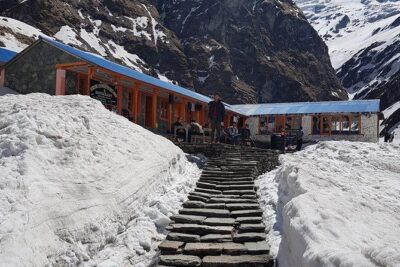
5 Day Annapurna Base Camp Trek & Natural Hot Spring
Read our review →This walk also sits in