

REVIEW · CAPE VERDE
Santiago: Calabaceira Valley Trek & Visit to Cidade Velha
Calabaceira Valley gives Santiago a welcome change of pace: green ravines, baobab trees, farms, and running water replace Praia’s dry streets. The walk leads downhill toward Cidade Velha, where a local guide connects the scenery to slavery, farming, piracy, and Cape Verde’s early colonial past.
I like the mix of nature and history, especially the stop at a small rum distillery and the chance to meet sugar-cane farmers. I also like that guides such as Katia, Mario, Ivana, Soraya, and Riccardo have earned praise for being friendly and well prepared. The main caution is the trail description: it is labeled easy, but the path can be narrow, tilted, and rocky in places.
Key points
- A downhill route through Calabaceira: The approximately 5-kilometer trail drops from about 200 meters to 14 meters, with roughly two hours of walking.
- Baobabs and farmland: Look for the trees linked with Charles Darwin, along with sugar cane, mango, cassava, and banana crops.
- A local rum stop: See how sugar cane connects to village life and small-scale production.
- Cidade Velha’s essential sights: Visit Banana Street, São Francisco Convent, Nossa Senhora do Rosário Church, the former slave market, and the cathedral ruins.
- A strong final viewpoint: São Filipe Fortress offers a broad view over the old town and the coast.
- Useful value for Praia visitors: Hotel transport, a guide, and insurance are included in the $82 price, while lunch and the €5 fortress entrance are extra.
Why this Santiago day trip works
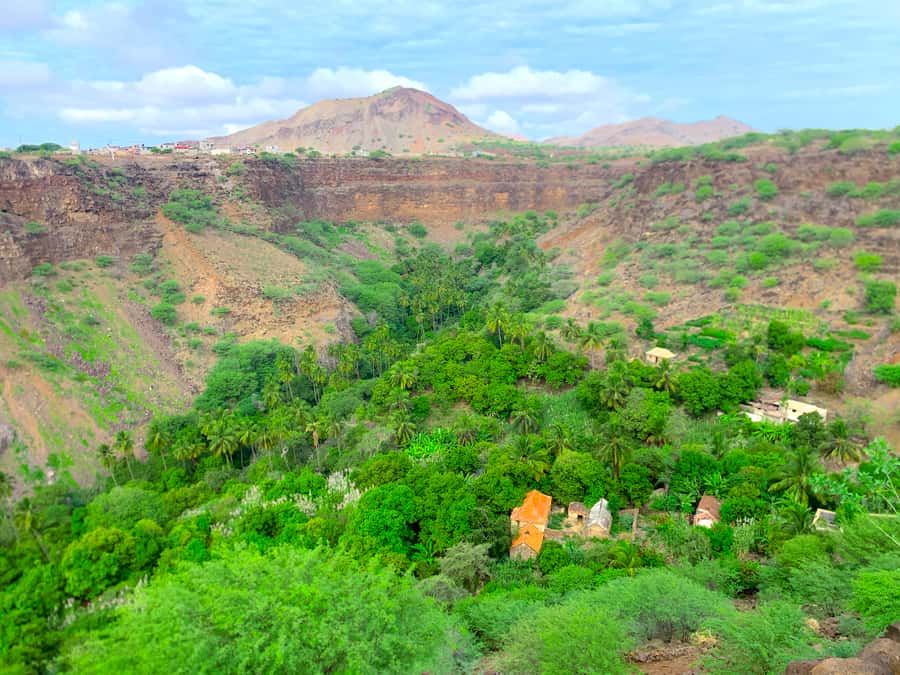
This is a good choice if you want more from Santiago than a city tour in Praia. In four advertised hours, you get a rural walk, a local production stop, lunch by the sea, and the main sights of Cidade Velha.
The appeal is the contrast. Calabaceira is a green valley with thick plant growth and cultivated fields. Cidade Velha is a compact historic town shaped by Atlantic trade, slavery, religion, and military defense. You see two sides of Santiago without arranging separate transport.
The price is $82 per person. That is not the cheapest way to see Cidade Velha, but it covers pickup and return to your Praia hotel, transportation, a live guide, and liability insurance. For a first visit, the convenience has real value. You do not need to arrange a taxi to the valley, negotiate a return from Cidade Velha, or work out how to combine the rural walk with the fortress.
The tour is available as a shared group or private outing. Shared departures require at least two participants. If that minimum is not reached, the operator may offer another date, charge more for a private departure, or cancel with a full refund.
More hikes and treks around the world:
- From Marrakech: Ouzoud Waterfalls Guided Hike and Boat Trip
★ 4.7 · 33,630 reviews - Berber villages : Atlas Mountains Day Hike from Marrakech
★ 5.0 · 14,007 reviews - Bali: Sunrise Mount Batur Guided Hike with Breakfast
★ 4.8 · 9,660 reviews
Walking down Calabaceira Valley
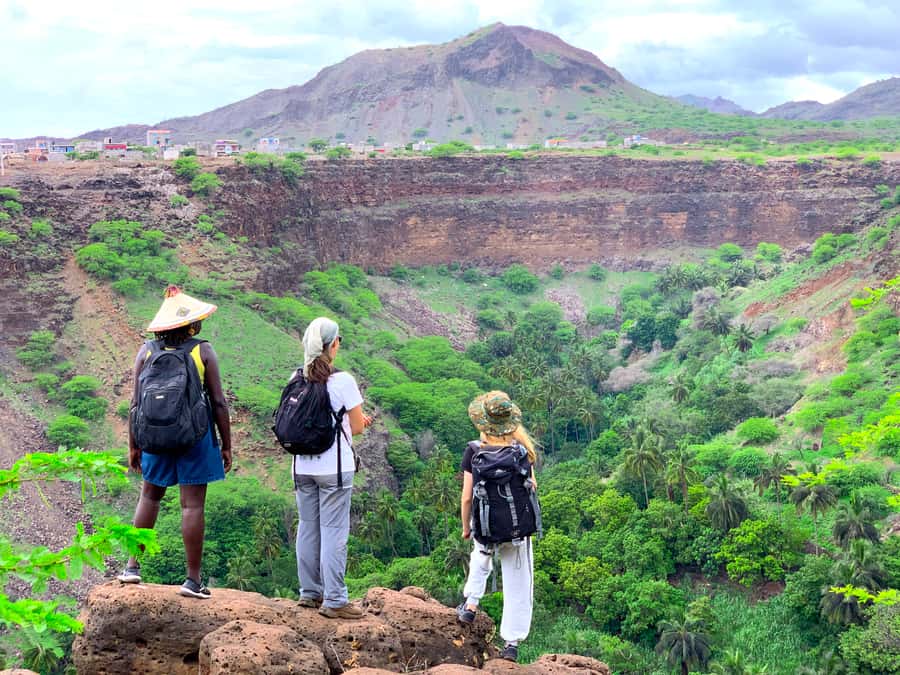
The day begins with pickup at your accommodation in Praia, followed by the drive to the small village of Calabaceira. From the top of the valley, you start a one-way route through an oasis of vegetation.
The published trail length is about 5 kilometers. The walking time is listed at roughly two hours, while the wider experience description calls the trek three hours. That difference likely reflects stops, explanations, and the visit to the distillery, but you should treat the timing as an estimate rather than a guarantee.
The route loses about 186 meters in elevation, from roughly 200 meters down to 14 meters. That means the main physical demand is downhill walking rather than climbing. The trail is considered easy, but the beginning is narrow and has a noticeable tilt. Its surface quality is described as medium, so decent walking shoes matter.
This is not a polished boardwalk. You should expect an outdoor path with uneven sections and stones. One account described the walk as much steeper and rougher than expected, especially for older people. I would not choose this outing for anyone with mobility problems, poor balance, or a strong dislike of downhill paths.
For most regular walkers, the distance is manageable. Still, easy should mean easy for an active hiker, not effortless for every age and fitness level. Wear hiking trousers, particularly from August through November, and bring proper footwear rather than thin sandals. The advice about longer trousers is practical for a trail with vegetation and narrow sections.
Baobabs, birds, monkeys, and working farms
The valley’s appeal comes from its plant life. You move through sugar cane, mango trees, cassava, banana plants, and other crops grown by local farmers. This is not a decorative garden. It is a working rural area, and the guide helps explain how people use the land.
The baobab trees are a memorable feature. The tour connects them with Charles Darwin, giving you a small natural-history detail to watch for as you walk. Their presence helps explain why the valley feels so different from the drier parts of Santiago.
You may also see local fauna. A strong sighting can include kingfishers and monkeys, though wildlife is never guaranteed. The valley is described as a place with varied animal and plant life, so keep your eyes open and let the guide set the pace when something appears.
This is where the guide can make a real difference. Names reported for guides on different departures include Katia, Mario, Ivana, Soraya, and Riccardo. The exact guide depends on your date and group, but the best part of the guiding is the connection between what you see and how people live there.
The trail also has a darker historical layer. During slavery, the valley served as an escape route for enslaved people. The vegetation was not only beautiful cover. It could offer shelter and concealment. That context gives the walk more weight, and it prevents the scenery from becoming a simple nature stop detached from Santiago’s past.
A local rum distillery among the crops

At the heart of the valley, you visit a local rum-making distillery. This is a small-scale cultural stop rather than a polished factory tour. You get a look at how sugar cane grown in nearby fields connects to local production.
The visit also gives you contact with farmers and an opportunity to see crops such as cane, mango, cassava, and bananas up close. For me, this is one of the more useful parts of the outing because it shows a working side of Cape Verde that a standard historic tour can miss.
Do not expect the rum stop to carry the whole experience. It is one part of the walk, and the amount of time spent there can depend on the day and the group. The value is in seeing the local setting and hearing how agriculture supports village life.
If you do not drink alcohol, the stop still has interest as a look at production and farming. The tour description does not promise a specific tasting, so you should not book it expecting an elaborate spirits session.
Same trailheads, a different kind of day:
- Bali: Mount Batur Sunrise Guided Hike and Natural Hot Spring
★ 4.8 · 9,284 reviews - Cinque Terre Day Trip with Optional Hiking or Pisa
★ 5.0 · 8,486 reviews - From Marrakech: Atlas Mountains Full-Day Hiking Trip w Lunch
★ 4.8 · 7,417 reviews - Marrakech: Ourika Valley Trip with Waterfall Hike
★ 4.6 · 6,792 reviews
Arriving in Cidade Velha
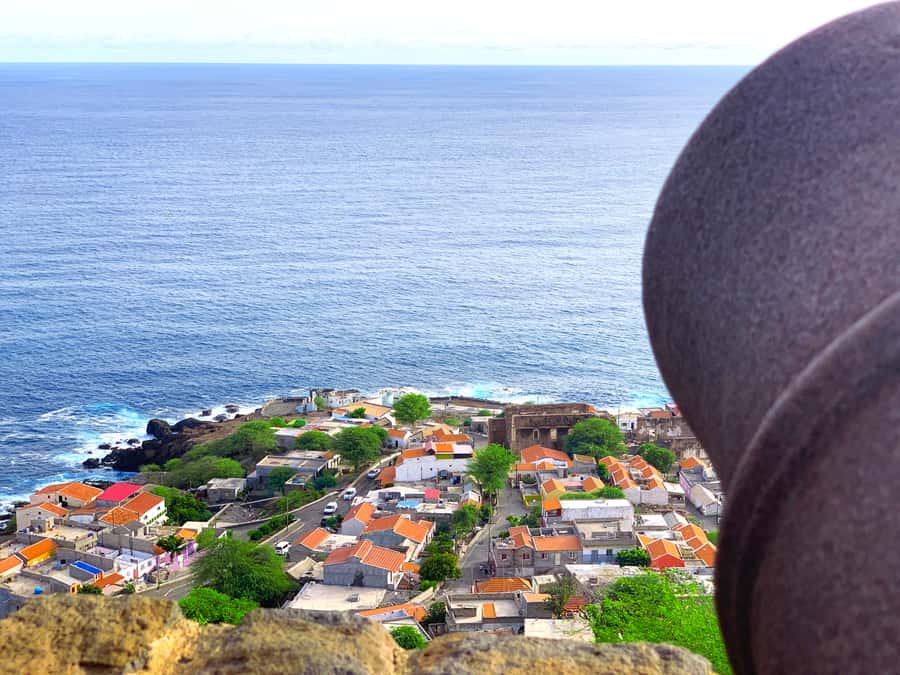
After the valley, the tour reaches Cidade Velha, a UNESCO World Heritage Site and the first city built by Europeans in sub-Saharan Africa. The town is compact, so several important stops fit into a short visit.
You visit the São Francisco Convent and walk along Banana Street. These places help establish the early colonial character of the town before the tour turns toward its religious and commercial past.
Nossa Senhora do Rosário Church is another key stop. It is presented as the oldest surviving church in Cape Verde, though the supplied details do not specify the full architectural story. Your guide provides the local context and helps link the church to the town’s role in Atlantic trade.
The former slave market is essential but difficult. It is not a light sightseeing stop. Cidade Velha’s importance is tied to the forced movement and sale of enslaved people, and the market gives that history a specific place rather than leaving it as a vague date in a guidebook.
A good guide should help you understand the setting without turning suffering into spectacle. The tour’s combination of the escape route in Calabaceira and the former market in Cidade Velha creates a direct connection between rural geography and colonial power.
Lunch by the sea, with one extra cost
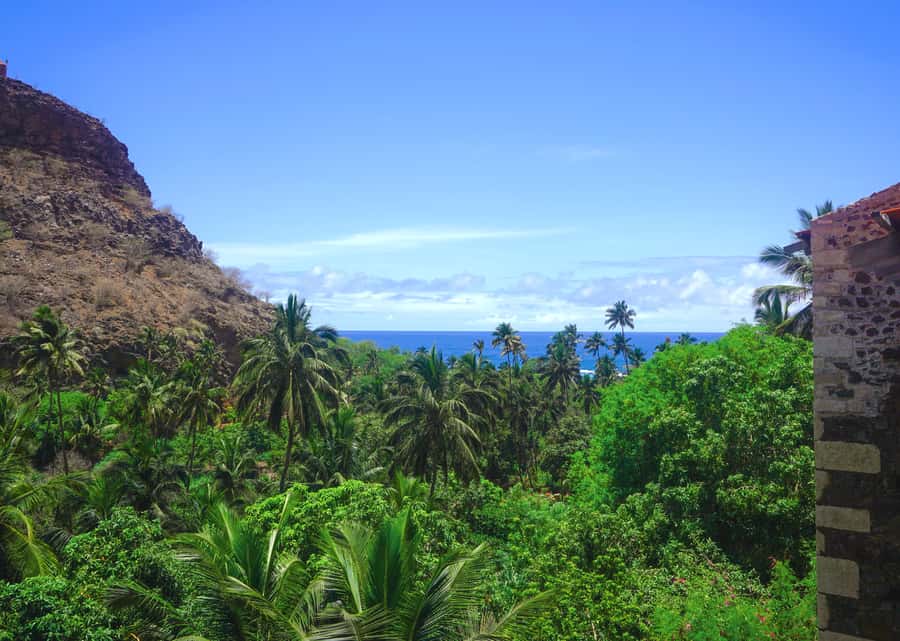
The schedule includes a lunch break at a typical restaurant on the seafront. Lunch is not included in the $82 price, so budget separately for it.
The advantage is simple: you pause after the walk before continuing with the historic sights. A meal in the old town also gives you a chance to try local dishes in a setting connected to the town rather than eating back in Praia.
The downside is that the menu and price are not specified. If you need a strict food budget or have dietary requirements, check what is available before committing to the meal stop. The tour description promises local food at a typical restaurant, but it does not list dishes or alternatives.
Because the full activity is advertised at four hours, the day moves quickly. Lunch is part of the experience, but it should not be treated as a long, leisurely restaurant visit unless the schedule allows it.
The slave market, cathedral ruins, and São Filipe Fortress
After lunch, the tour returns to Cidade Velha’s major historic sites. The ruins of the Sé Catedral show the scale of the town’s former importance. Ruins can be easy to skim past, so listen closely to the explanation of why this settlement mattered and how its religious buildings fit into the wider colonial system.
The final major stop is the Royal Fortress of São Filipe. Built for defense, it overlooks the old town and gives you the clearest broad view of Cidade Velha. From above, you can understand the town’s position and why the area needed protection from pirates.
The fortress entrance costs €5 and is not included. Bring the money with you. This is a small extra charge, but it is for one of the best viewpoints and most useful historical stops on the route.
The fortress visit also adds a physical finish to a day that began with a downhill walk. You may still have some steps or uneven ground around the site, so keep your walking shoes on rather than changing into something fragile at lunch.
What the guide adds to the day
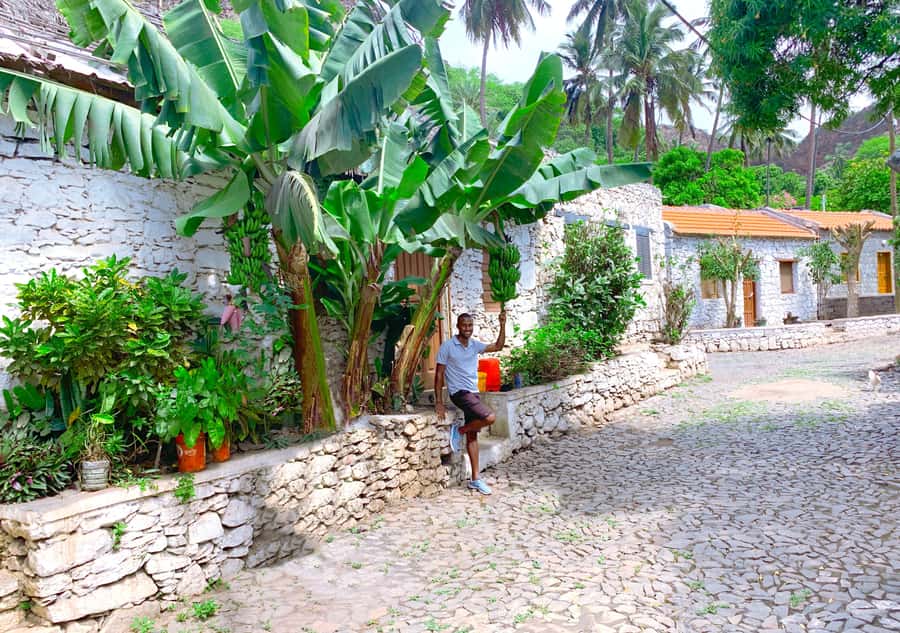
The guide is important here because the tour covers subjects that need explanation. Plants, farming, slavery, religion, piracy, and fortress design do not always speak for themselves.
Different guides have been praised by name, including Mario for his broad understanding of the places visited and Cape Verde generally, Katia for a warm approach, and Ivana, Soraya, and Riccardo for friendliness and helpful answers. Your guide may be someone else, but the operator offers English, French, Portuguese, and Spanish.
I would choose a private departure if you want to set a slower walking pace, ask many questions, or spend more time at the historical sites. A small shared group should cost less per person and can work well if everyone is comfortable with the same walking speed.
The shared option has one practical uncertainty: it may not operate unless at least two people book. If your schedule is tight, confirm the departure before building your whole day around it.
What to pack and how to judge the difficulty
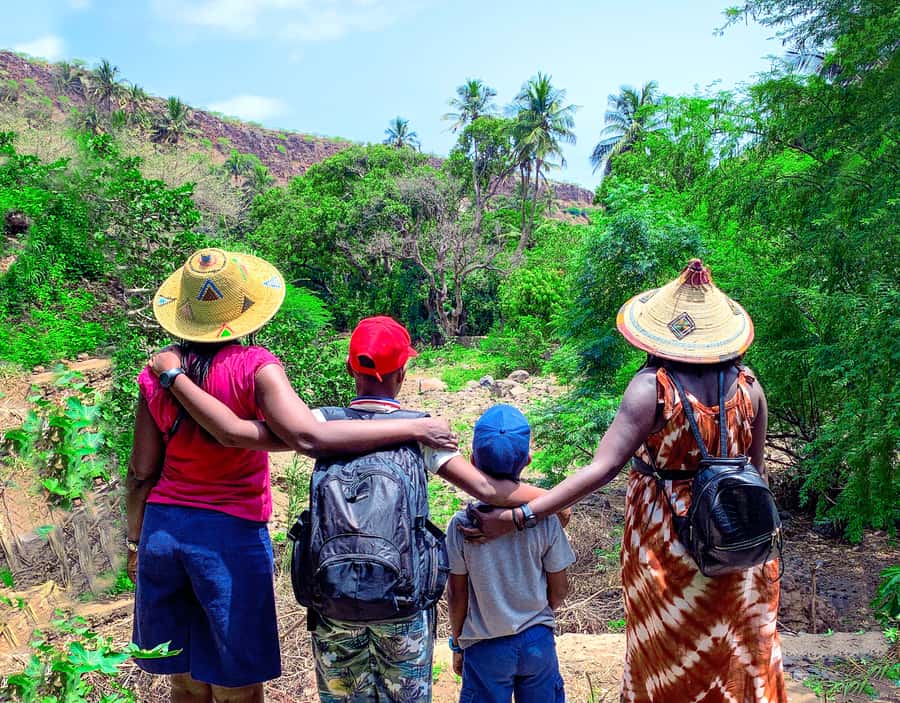
Pack light, but take the basics:
- Proper walking shoes with a firm sole
- Hiking trousers, especially from August through November
- A hat and sunscreen
- Water
- €5 for São Filipe Fortress
- Extra money for lunch
The trail has a modest total distance, but the surface is more important than the number of kilometers. A narrow downhill path can feel harder than a longer flat walk. If you are an active walker, the route should be within reach. If you have mobility limits, the tour is not suitable.
The pickup rule is straightforward. Wait in your hotel lobby about 10 minutes before the scheduled time. The driver carries a sign with your last name and waits no more than five minutes after the pickup time, so do not arrive at the last second.
The activity includes transport from and back to your hotel in Praia. That makes it useful for people who do not have a rental car or who prefer not to arrange separate rides between the valley and Cidade Velha.
Who should book this $82 experience?

I would recommend this tour if you want a compact introduction to Santiago that combines nature, local farming, and major history. It suits active adults, couples, small groups, and first-time visitors staying in Praia.
It is especially good for you if a standard city tour feels too narrow. The valley adds birds, monkeys, baobabs, crops, and a local rum stop before the historic walk begins.
I would be more cautious if you are elderly, unsteady on your feet, or expecting a flat stroll. The route is labeled easy, but the narrow and tilted beginning, along with the report of a much longer day on one departure, shows why you should ask about current trail conditions and expected timing before booking.
The $82 cost is fair when you value door-to-door transport and a guide who can connect the rural and historic parts of Santiago. It becomes less attractive if you only want Cidade Velha, since the lunch and fortress fee are extra and the valley adds walking time.
Should you book the Calabaceira and Cidade Velha tour?
Book it if you want the best mix of scenery and history in one organized outing. The Calabaceira Valley is the reason to choose this over a simple Cidade Velha transfer, and the former slave market, church, cathedral ruins, and fortress give the second half real substance.
Skip it if you need a fully accessible route or want a relaxed, predictable four-hour schedule with no uneven walking. For everyone else, bring water, sturdy shoes, long trousers, and €5 for the fortress. Ask about the day’s group size and timing, then enjoy the unusual pairing of a green inland valley with one of Santiago’s most important historic towns.
FAQ
How long is the Calabaceira Valley walk?
The trail is approximately 5 kilometers, with about two hours of total walking time. The wider activity is advertised as four hours, while the trek description allows up to three hours including stops and explanations.
Is the hike difficult?
It is rated easy, but the path is narrow and tilted at the beginning, with medium-quality surfaces. The route descends about 186 meters, so you should be comfortable walking downhill on uneven ground.
How much does the tour cost?
The listed price is $82 per person. Hotel transport, a guide, transportation, and liability insurance are included.
Is lunch included?
No. Lunch is taken at a typical seafront restaurant in Cidade Velha, but you pay for it separately.
How much is the São Filipe Fortress entrance?
The entrance fee is €5 and is not included in the tour price.
Which languages are available?
Live guiding is available in English, French, Portuguese, and Spanish.
Can I cancel the booking?
You can cancel up to 24 hours before the activity for a full refund. A reserve-now, pay-later option is also available.
Just added around the world
- Rovaniemi: Korouoma Frozen Waterfalls Hike & Hot BBQ Lunch★ 4.9 · 90 reviews
- Hidden Waterfalls Hiking Adventure★ 5.0 · 148 reviews
- Hike to Frozen Waterfalls of Korouoma Including BBQ Lunch from Rovaniemi★ 5.0 · 84 reviews
- Private Family Hike in Yosemite★ 5.0 · 37 reviews
- Private Guided Hiking Tour in Yosemite★ 5.0 · 94 reviews
- Guided Yosemite Hiking Excursion★ 5.0 · 80 reviews
- Yosemite Valley Private Hiking Tour★ 5.0 · 83 reviews
- Vancouver Rainforest Hike with Waterfalls, Suspension Bridge, Old Growth Forest★ 5.0 · 94 reviews
Cape Verde Hiking Tours, side by side.


Serra Malagueta: Principal Valley Hike & Lunch with Locals
Read our review →
Santiago Island: Serra Malagueta & Tarrafal Beach Trek Tour
Read our review →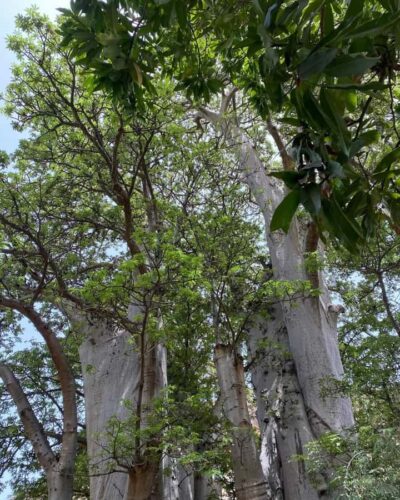
Praia: Baobab Mysterious Tree, Green Valley & Old City Hike
Read our review →
Santiago: Monte Tchota Natural Park to Pico d’Antónia Hike
Read our review →This walk also sits in