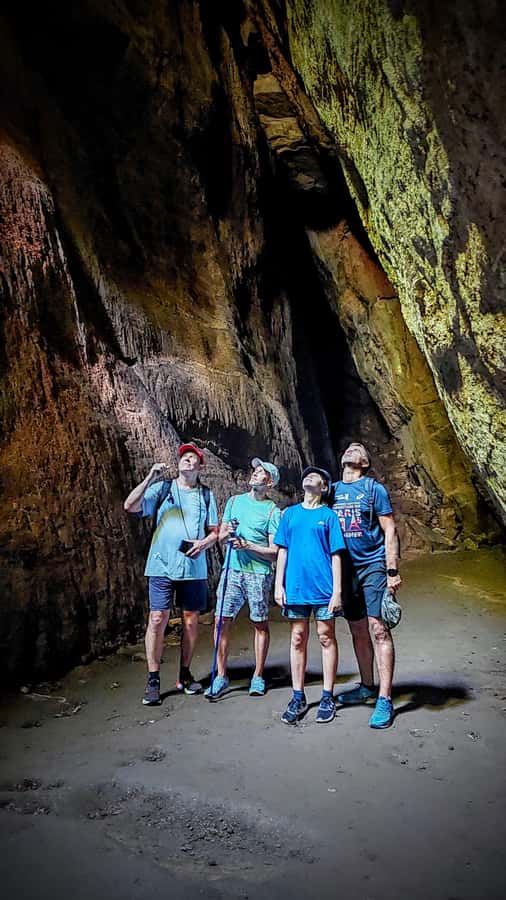
REVIEW · BRAZIL
Rio: Tijuca Forest Small Group Hike to Caves and Waterfalls
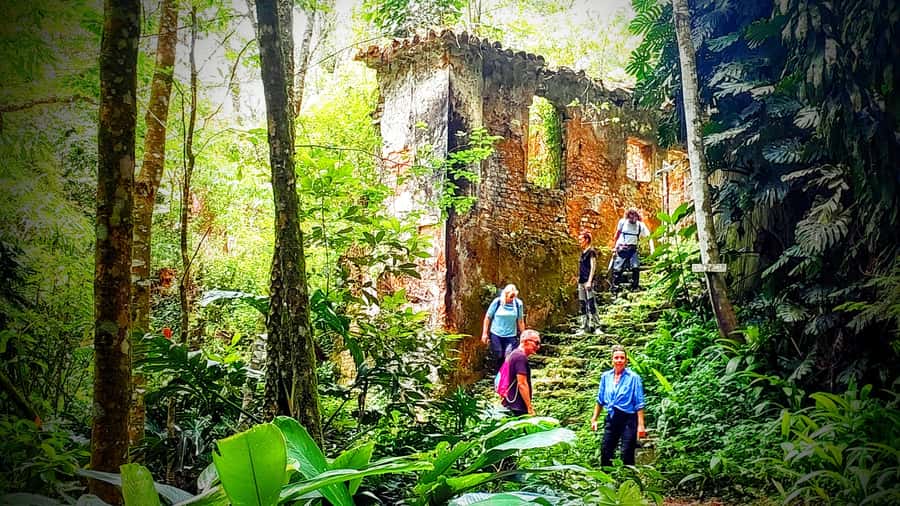
Tijuca Forest is not just a green break from Rio. It is a former coffee-growing area, a replanted urban forest, and a place where a single hike brings you to a waterfall, a 19th-century chapel, an old slave cemetery, plantation ruins, and one of Brazil’s largest gneiss caves. I especially like the way the route mixes nature with Brazil’s complicated past, rather than treating the forest as scenery alone.
I also like the small-group format and the guides’ habit of turning a walk into a proper lesson about plants, geology, Rio, and Brazil. Guides such as Vini, Riccardo, Tito, and Luiza have earned repeated praise for their warmth and clear explanations. The drawback is simple: this is still a real hike, with rough ground, uphill sections, and 448 meters of elevation gain. Animal sightings are possible, but never promised.
Key points to know before you go
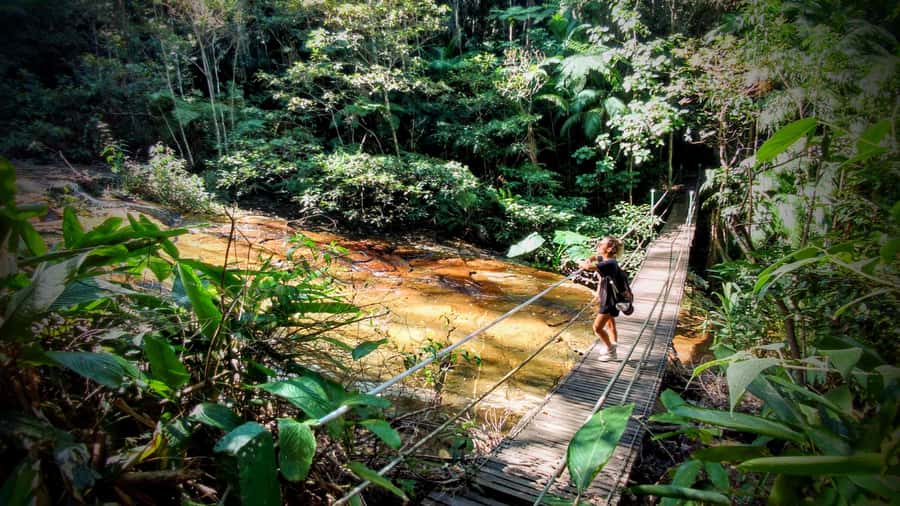
- A 6.2 km rainforest circuit: Allow 2.5 to 3 hours for the walking portion, within a six-hour outing.
- Waterfall swimming stop: Baronesa Cascade offers the chance to cool off under a natural waterfall.
- History at every turn: See coffee-farm ruins, Mayrink Chapel, an old cemetery, and the former home of a park manager.
- One of Brazil’s largest gneiss caves: Morcego’s Grotto, also called Bat Grotto, is a memorable stop even when the bats remain hidden.
- Pickup from Rio’s South Zone: Hotel transport covers many addresses in Copacabana, Ipanema, Leblon, Leme, Flamengo, Santa Teresa, Gloria, Catete, Urca, and Botafogo.
- Best for reasonably fit walkers: Sports shoes, water, snacks, insect repellent, and a daypack are essential.
Why this Tijuca Forest route is more than a city escape
Tijuca National Park occupies an unusual place in Rio. It feels remote once you are under the trees, yet it begins close to the city’s hotels and neighborhoods. That makes this a useful half-day choice when you want rainforest without giving up a full day to transport.
The route also gives you a better sense of how the forest came to be. Tijuca was once used for coffee plantations. In the 19th century, the area was replanted, helping create what is described as the world’s largest replanted urban forest. Your guide connects the surviving stonework, paths, waterworks, and vegetation to that story.
I find that context important. Without it, a cave is just a cave and a ruined building is just a photograph. With a good guide, the forest becomes a record of farming, labor, restoration, water, and Rio’s growth.
The tour costs $69 per person. That is fair value if you want hotel transport, insurance, a bilingual guide, and access to several sites in one organized outing. You are paying less for a long wilderness trek than for the combination of interpretation, local transport, and a carefully linked route. Food and drinks are not included, so bring your own supplies.
More Small-Group Hikes in the world:
- Small Group Waterfall and Rainforest Hiking Adventure on Maui
★ 5.0 · 1,417 reviews - Glacier Hike and South Coast Small-Group Tour from Reykjavik
★ 5.0 · 827 reviews - Sólheimajökull Glacier Hike – Adventure in a Small Group
★ 5.0 · 799 reviews
The route from Taunay Waterfall to Mayrink Chapel
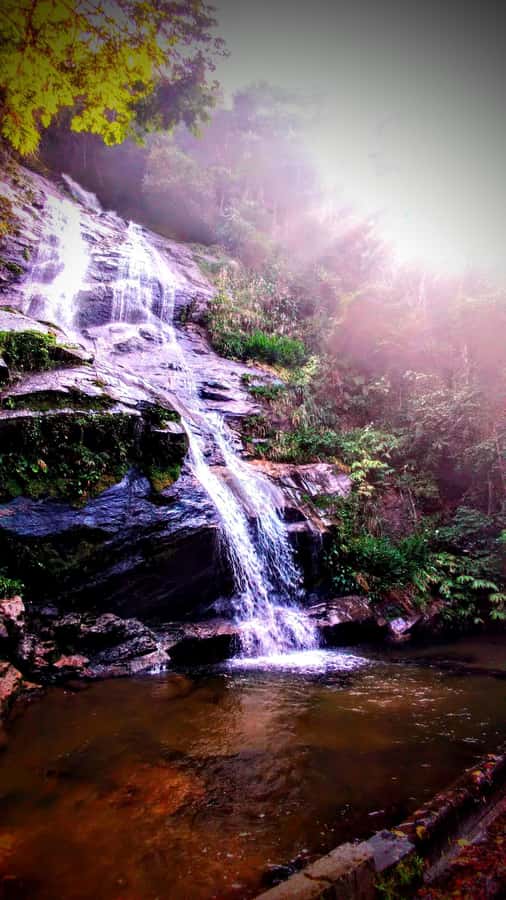
The first major stop is Cascatinha Taunay, the park’s largest waterfall. You spend about 15 minutes here, enough for photographs and an introduction to the park. This is more of a scenic opening than a swimming stop, so save your change of clothes for Baronesa Cascade later.
A guided look at Tijuca National Park follows. This early explanation helps you understand the forest’s place within Rio and gives you some useful background before the trail becomes more involved.
Mayrink Chapel is a short stop, around five minutes, but it adds a clear human mark to the forest. Built in 1850, it is a small historic structure rather than a grand church. The visit is brief, mostly for viewing and photographs, but it breaks up the natural sights and reinforces the age of the route.
From here, the walking section begins in earnest. The paths follow trails made in the 19th century, when the area was occupied by coffee plantations. Expect a mixture of rainforest shade, uneven ground, and uphill and downhill movement. The route is not technical, but it is not a flat stroll through a paved park either.
Suspension bridge, eucalyptus grove, and old plantation traces
The Cova da Onça Suspension Bridge is one of the route’s more unusual features. It gives you a change of pace from the forest path and creates a good photo stop. The itinerary allows roughly ten minutes for this section.
The trail then reaches the Eucalyptus Forest, where an old slave cemetery provides a sober reminder of the labor system connected to Brazil’s plantation economy. This is the kind of stop that gives the excursion weight. It may not be a polished attraction, and that is part of its value. You are seeing a fragment of the area’s past within the forest itself.
The tour also includes a secret stop and several short photo or guided stops. The exact feel of these points depends on the day, weather, trail conditions, and the guide’s choices. You might pause for a plant, a rock formation, a view, or a detail that would be easy to miss alone.
Guides are the key to these smaller moments. Luiza, who has a background in botany, has been praised for explaining the ecosystem. Other guides, including Vini, Tito, Riccardo, Renata, and Gustavo, are noted for linking the plants and wildlife to wider Brazilian history and geography. The quality of the outing depends heavily on how much you enjoy that running commentary.
Morcego’s Grotto, Brazil’s gneiss cave
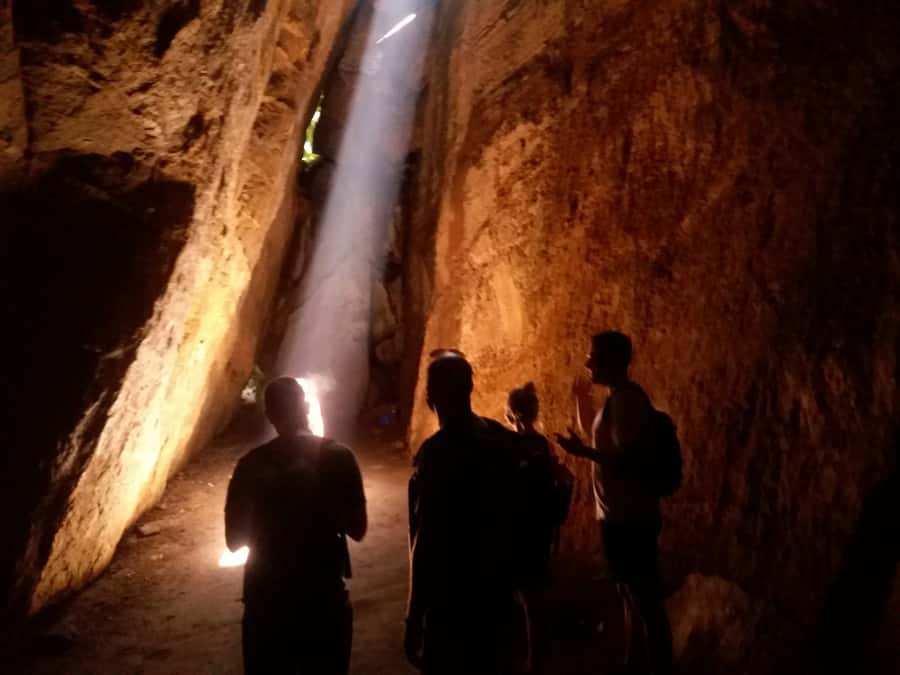
Morcego’s Grotto, or Bat Grotto, is described as the largest gneiss cave in Brazil. The stop includes a guided visit and about 15 minutes of hiking. You should expect a natural cave experience, not a developed attraction with lighting, handrails, or a long underground tour.
The name comes from the bats that use the cave. You might see them, but you might not. One account describes the bats resting and being left undisturbed, which is exactly the right approach. Do not expect the guide to force an animal encounter for a better photograph.
The cave works well as part of the wider route because it shows another side of the forest. You move from open waterfall views to shaded rock, then back to trails and vegetation. Good shoes matter here. Bare feet are not allowed, and sandals would be a poor choice on rough rainforest terrain.
More Waterfall Hikes in the world:
- From Marrakech: Ouzoud Waterfalls Guided Hike and Boat Trip
★ 4.7 · 33,630 reviews - Marrakech: Ourika Valley Trip with Waterfall Hike
★ 4.6 · 6,792 reviews - Marrakech: Ourika Valley Trip with Waterfall Hike & Lunch
★ 4.9 · 5,303 reviews - Marrakech: ourika valley lunch & guided hike to waterfalls
★ 4.9 · 3,737 reviews
Baronesa Cascade is the refreshing payoff
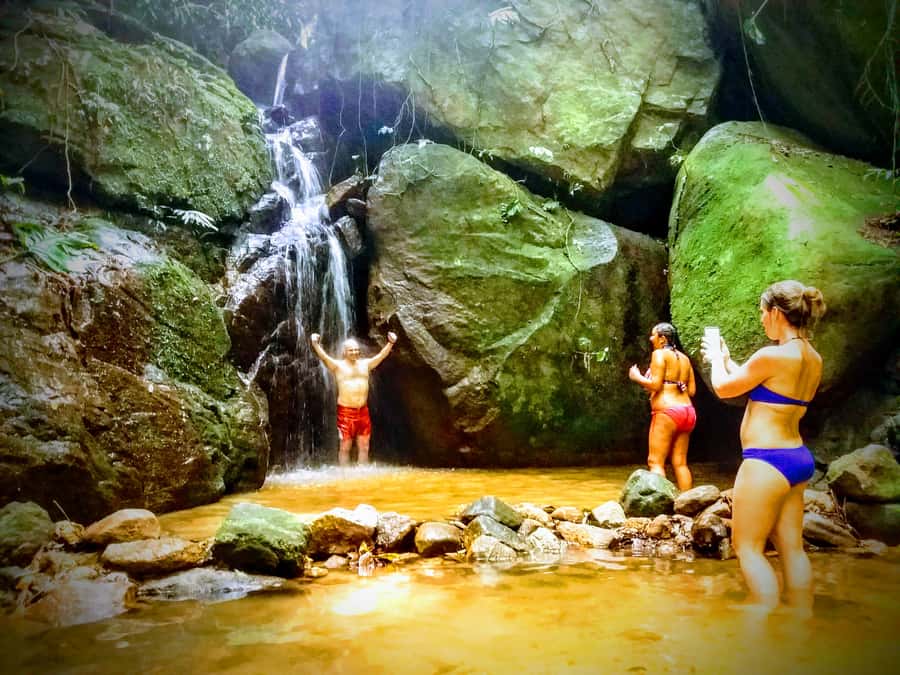
Baronesa Cascade is the main cooling-off stop. You can enjoy a waterfall shower here, so pack swimwear or clothing that can get wet. The supplied information does not promise a long swim, and the time at the cascade is about 20 minutes, but it is enough for a refreshing break.
This stop comes after the more active sections of the walk, which makes it feel well placed. The forest can be warm and humid, even under shade. A cold waterfall is a welcome reset before the return route.
Bring a towel only if you can fit it in a small daypack. Large bags and luggage are not allowed. I would also carry a dry shirt in a compact bag, especially if you plan to stand directly under the water.
Former homes, fountains, and the road back
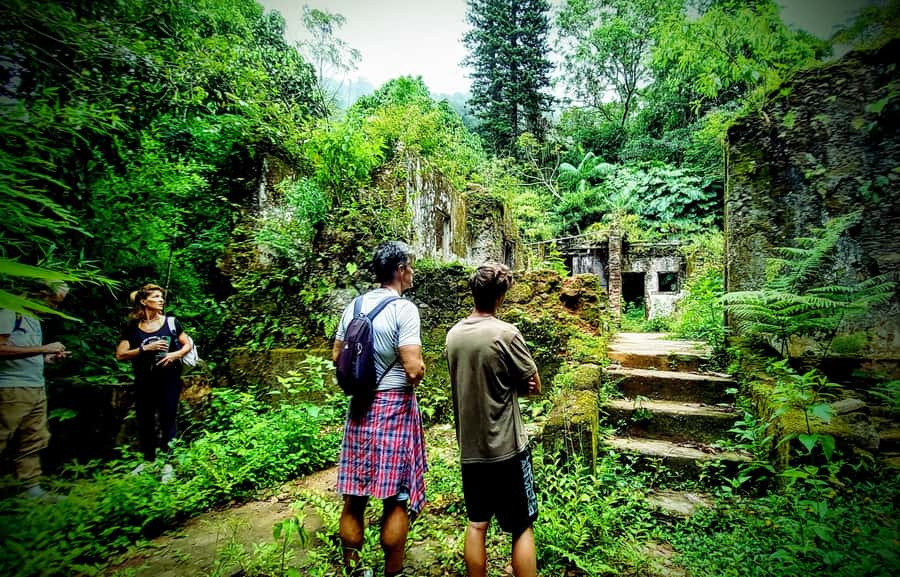
The return route passes the former residence of Barão d’Escragnolle, once one of the park’s managers. The building is now associated with Esquilos restaurant. Its presence helps explain how the park was administered and used in earlier periods.
You also see the Wallace Fountain. It includes a sculpture representing goodness, charity, sobriety, and simplicity. English philanthropist Richard Wallace gave the fountain to Brazil, and it was produced in France in 1870. This is a small detail, but it adds an international connection to a route otherwise focused on Rio’s forest and plantation past.
Mirante da Palmira and another viewpoint provide chances to stop for views. Do not expect every outlook to be open and dramatic. Forest weather changes quickly, and trees can limit the vista. Still, these short stops help break up the return walk and give you time to catch your breath.
The itinerary lists several additional 15-minute guided or scenic stops before drop-off. The total tour lasts six hours, including pickup, driving, stops, and walking. The hike itself takes about 2.5 to 3 hours.
How hard is the 6.2 km hike?
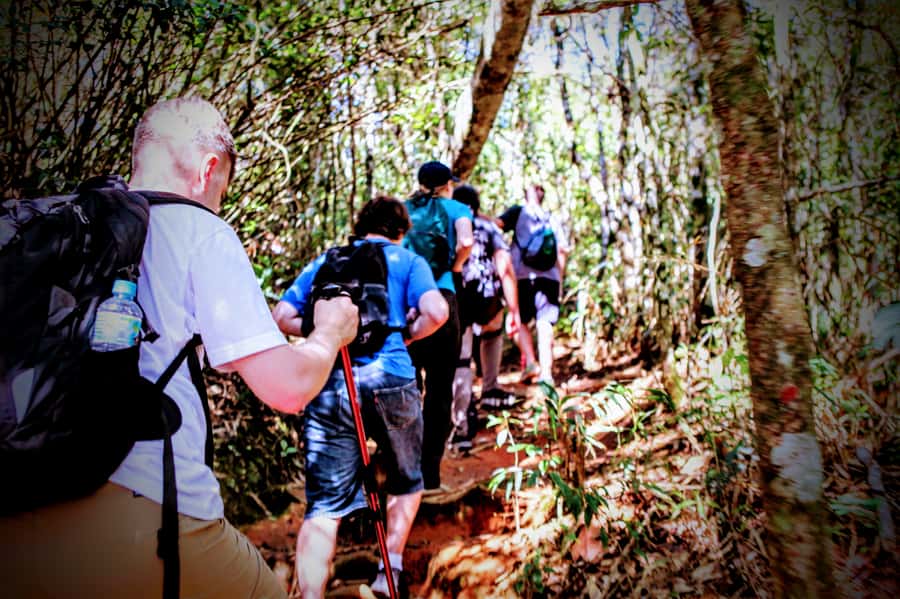
The official rating is moderate, with 448 meters of elevation gain. That is the most useful figure for judging the outing. Six kilometers alone would not sound demanding, but uphill rainforest paths make the route more tiring than a flat city walk.
The trail can include steep sections, rough terrain, and wet ground after rain. Several people have found it easier than expected, while another participant nearly gave up on a steep section before completing it with help from the group and guide. Both impressions can be true. Fitness, heat, footwear, weather, and pace make a big difference.
You should be comfortable walking uphill for several hours and stepping over uneven ground. The tour is not suitable for people with heart problems or wheelchair users. It is also not a good fit if you want a gentle sightseeing drive with only short walks.
Guides generally set a manageable pace and stop at points of interest. Small groups help here. The group may be limited to five people, though the exact size depends on the booking. A small group makes it easier to ask questions and allows the guide to notice when someone needs a slower pace.
Wildlife, plants, and what you may actually see
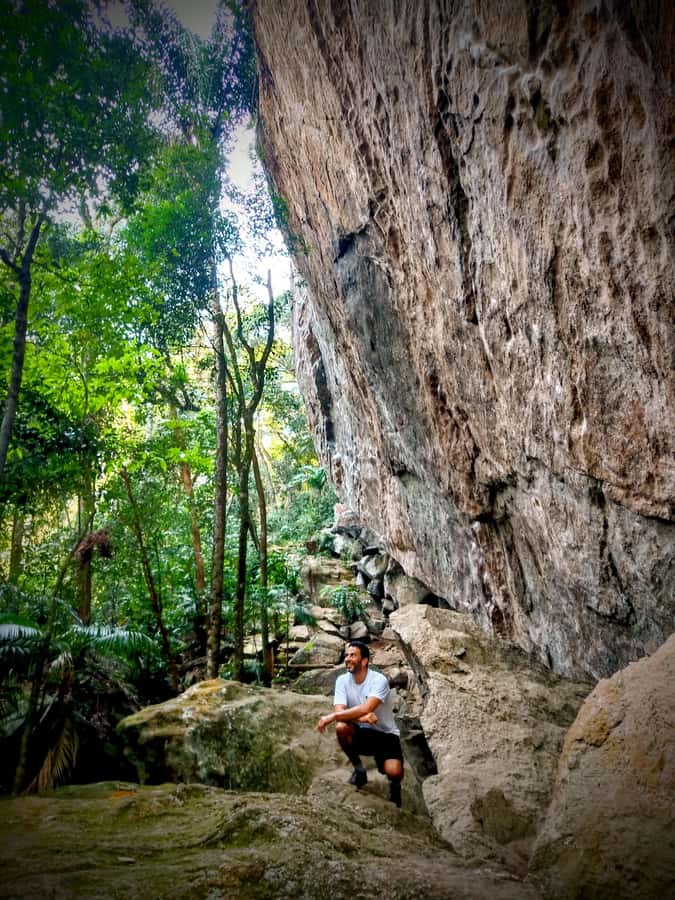
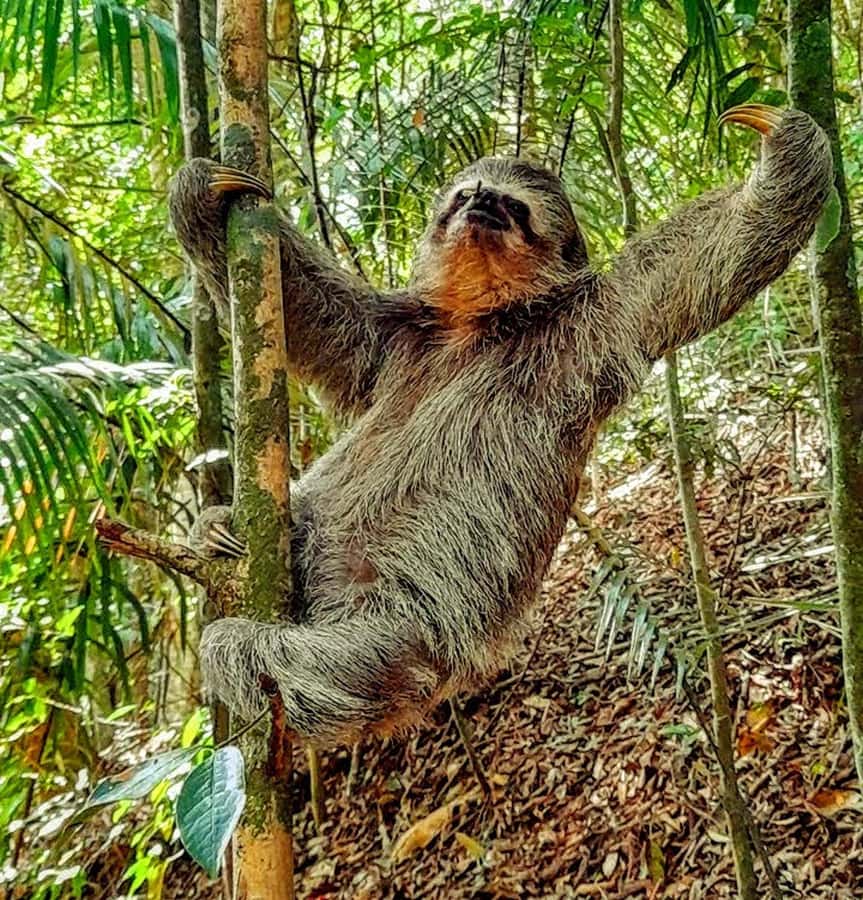
Tijuca Forest has plenty of plant life, and the tour puts real emphasis on learning how the ecosystem works. You might see monkeys, coatis, sloths, birds, or other animals, but sightings are not guaranteed.
Some outings have included capuchin monkeys and a coati. A sloth was spotted from the vehicle while leaving the park on another occasion. Other outings have had no animal sightings at all. That is normal for a rainforest close to a large city, and the tour should not be booked as a wildlife guarantee.
The flora is more dependable. Guides point out trees, plants, and other signs of the forest as you walk. This is where someone with a botanical background, such as Luiza, can add real value. Even without an animal encounter, you get a clearer idea of how the replanted forest functions.
There may also be other people at popular spots, particularly around waterfalls and caves. The forest is not an untouched private reserve. The small-group setup reduces the sense of being herded, but it cannot remove other visitors from a public national park.
Pickup, guides, and what to pack
Pickup and drop-off are offered from designated hotels and hostels in Rio’s South Zone. The list covers many properties in Copacabana, Ipanema, Leblon, Leme, Flamengo, Santa Teresa, Gloria, Catete, Urca, and Praia de Botafogo. If your address is not covered, the operator may provide a nearby meeting point.
The van transfer is generally short, though taller passengers may find the seating cramped. Pickup is usually punctual, but it is sensible to confirm the vehicle details with the operator because the supplied information does not promise that a license plate or vehicle model will be sent in advance.
The guide speaks English and Portuguese. Names associated with this experience include Vini, Riccardo, Tito, Luiza, Renata, Gustavo, Pietro, Fernando, and others. Their strongest common quality is not simply trail direction. They explain Brazilian history, Rio’s geography, geology, plants, wildlife, and the social story behind the forest.
Pack:
- Plenty of water
- Snacks or a packed meal
- Sunscreen
- Insect repellent
- Sports shoes with a firm sole
- Sportswear
- A small daypack
- Dry clothing for the waterfall stop
Food, drinks, and transport from outlying areas are not included. Pets, large luggage, alcohol, drugs, and bare feet are not allowed. You also need to provide your full name, birth date, and passport number for the included insurance.
Who should book this experience?
I would choose this tour if you want a guided forest walk with history, not just a scenic waterfall visit. It suits active visitors who have a free half-day and want to see several less obvious corners of Tijuca without arranging transport or route planning.
It is also a good fit if you enjoy asking questions. The guides add much of the value, and the experience is strongest when you care about why the forest was replanted, how coffee farming shaped the area, and what the plants and rocks reveal.
I would think twice if you dislike humidity, uneven trails, steep sections, wet clothing, or group transport. I would also avoid booking it mainly for animal sightings. Wildlife can appear, but the reliable attractions are the waterfall, cave, historic remains, viewpoints, and the guide’s interpretation.
At $69, the package makes sense for many visitors staying in the South Zone. You receive transport, insurance, a bilingual guide, a moderate hike, and several stops that would be difficult to connect efficiently on your own. Private or small-group arrangements are available, and cancellation is free up to 24 hours in advance. You can also reserve now and pay later.
Should you book the Tijuca Forest hike?
Book it if you want a well-rounded Rio nature outing that combines exercise, rainforest, old plantation traces, a cave, and a waterfall shower. The guide is central to the experience, and names such as Vini, Riccardo, Tito, and Luiza are associated with the warm, informative style this route needs.
Skip it if you are seeking a flat walk, guaranteed wildlife, or a quiet private forest. For a reasonably fit visitor with proper shoes and a small bag, this is a useful and good-value way to understand why Tijuca matters to Rio.
FAQ
How long does the Tijuca Forest tour last?
The full experience lasts about six hours, including transportation, guided stops, and the hike.
How long is the hike?
The route is 6.2 kilometers, or about 3.8 miles, and the walking portion takes roughly 2.5 to 3 hours.
How much elevation gain is there?
The hike includes about 448 meters, or 1,469 feet, of elevation gain.
Is the hike difficult?
It is rated moderate and requires good fitness for rough rainforest terrain and uphill and downhill sections.
Can I swim at a waterfall?
You can cool off with a waterfall shower at Baronesa Cascade. Bring clothing that can get wet.
Will I see bats or other wildlife?
Wildlife sightings are not guaranteed. You might see monkeys, coatis, sloths, or bats, but the forest and historic sites remain the dependable parts of the tour.
Is hotel pickup included?
Pickup and drop-off are included from designated hotels and hostels in Rio’s South Zone. If your address is not covered, a nearby meeting point may be provided.
What language is the tour conducted in?
The live guide speaks English and Portuguese.
What should I bring?
Bring food, snacks, water, sunscreen, insect repellent, sports shoes, sportswear, and a daypack.
Is the tour suitable for wheelchair users?
No. The rough rainforest trails and elevation gain make the activity unsuitable for wheelchair users. It is also not suitable for people with heart problems.
More Forest and Jungle Hikes in the world
- Hike El Yunque Rainforest and Kayak Bio Bay Combo Tour
★ 4.5 · 1,010 reviews - Chiang Mai: 2-Day Jungle Trek with Elephant Farm & Raft Ride
★ 4.7 · 881 reviews - From Khao Lak: Khao Sok Jungle Hike & River Tour
★ 4.7 · 688 reviews - Guided forest hike to Seattle waterfalls incl. Snoqualmie Falls
★ 5.0 · 589 reviews
More Cave Hikes in the world
- Skaftafell: Ice Cave Tour and Glacier Hike
★ 4.5 · 1,746 reviews - Matacanes : Canyoning + Hiking + Water Jumps + Rappel + Caves
★ 5.0 · 1,497 reviews - Peniche: Berlengas Island Trip, Hiking and Cave Tour
★ 4.7 · 1,473 reviews - Etna Sunset Tour: Volcano trek, Cave & tasting from Catania
★ 4.8 · 1,290 reviews
Just added around the world
- Rovaniemi: Korouoma Frozen Waterfalls Hike & Hot BBQ Lunch★ 4.9 · 90 reviews
- Hidden Waterfalls Hiking Adventure★ 5.0 · 148 reviews
- Hike to Frozen Waterfalls of Korouoma Including BBQ Lunch from Rovaniemi★ 5.0 · 84 reviews
- Private Family Hike in Yosemite★ 5.0 · 37 reviews
- Private Guided Hiking Tour in Yosemite★ 5.0 · 94 reviews
- Guided Yosemite Hiking Excursion★ 5.0 · 80 reviews
- Yosemite Valley Private Hiking Tour★ 5.0 · 83 reviews
- Chiang Mai Untouched Elephant: Nature Walk & Waterfall Trek★ 4.7 · 77 reviews
Waterfall Hikes, side by side.
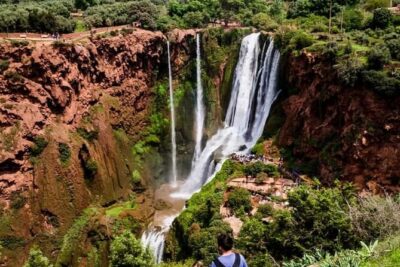
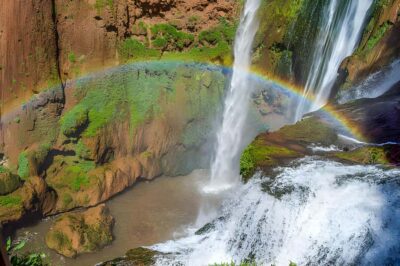
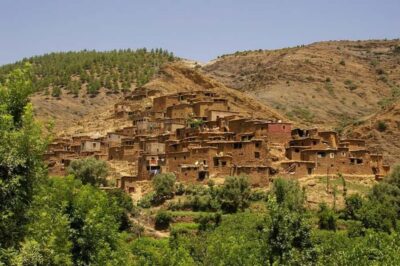
Ourika Valley Trip with Waterfall Hike & Lunch
Read our review →ourika valley lunch & guided hike to waterfalls
Read our review →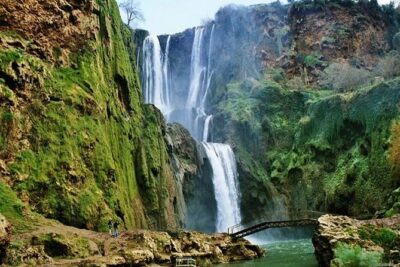
Ouzoud Waterfalls Guided Hike and Boat Trip from Marrakech
Read our review →Ouzoud Waterfalls Trip with Hike & Boat Option
Read our review →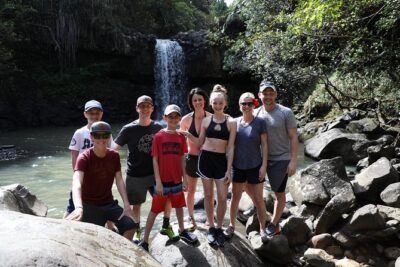
Small Group Waterfall and Rainforest Hiking Adventure on Maui
Read our review →